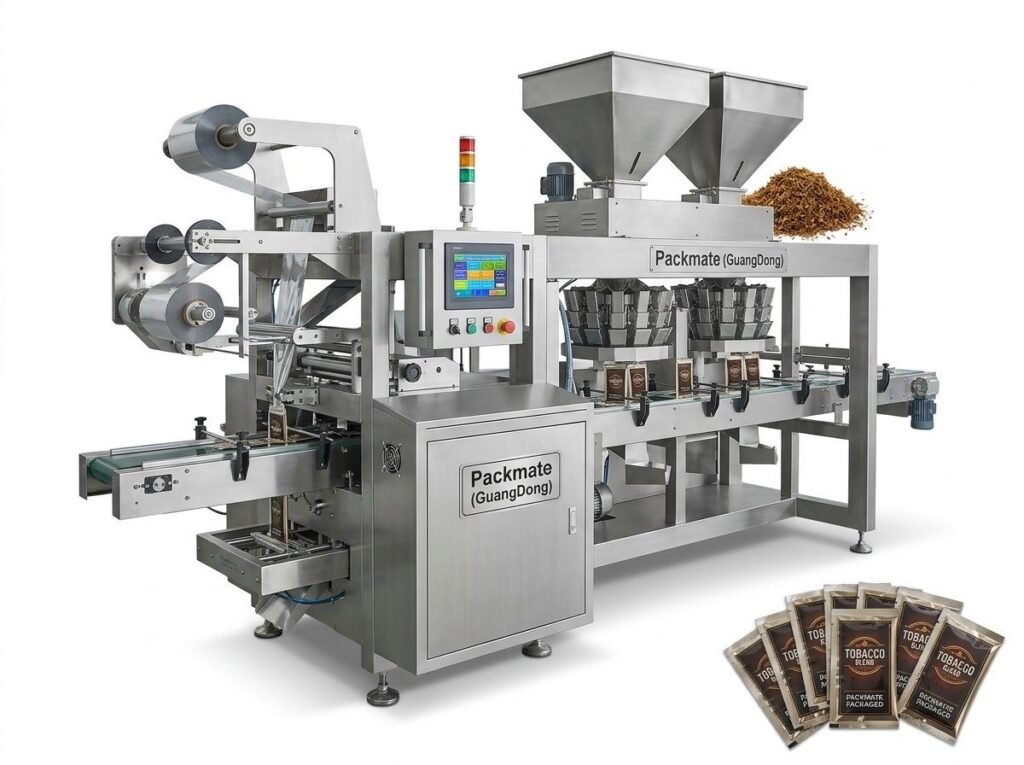
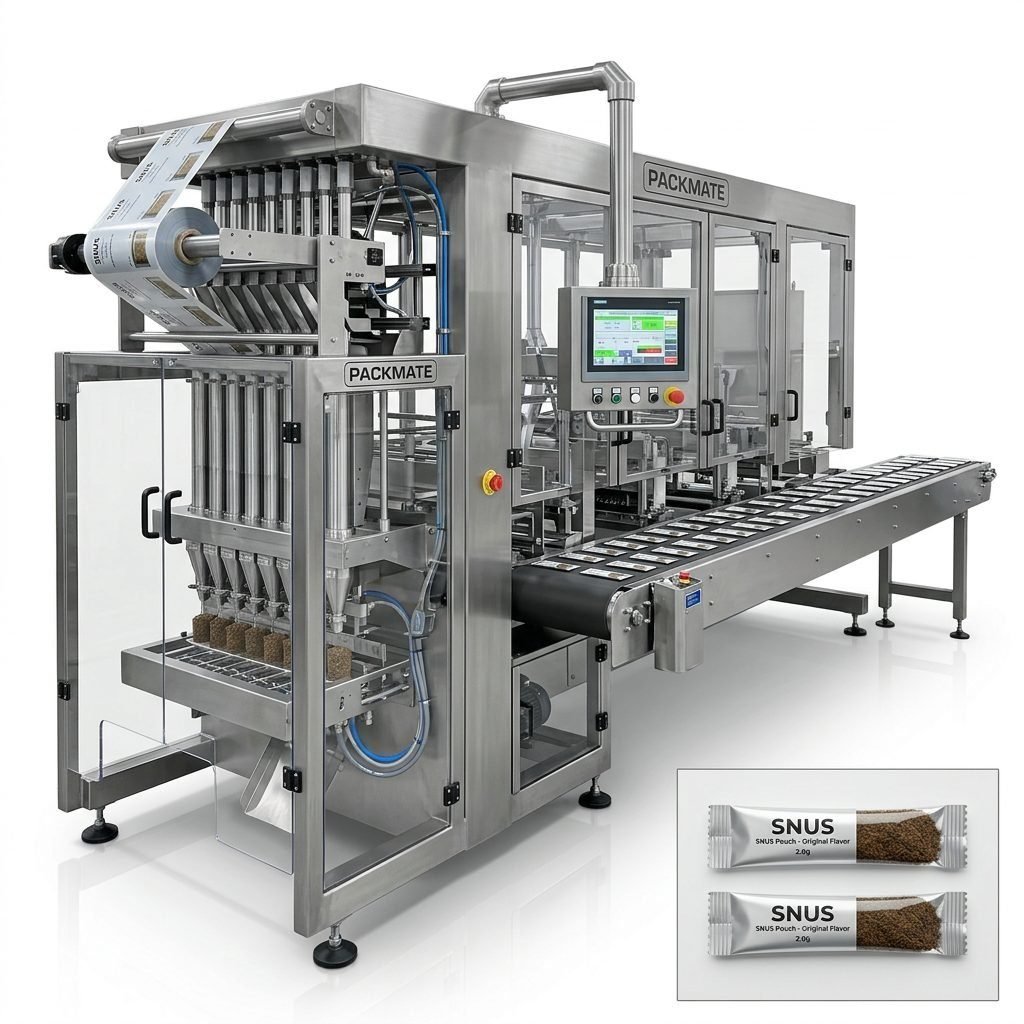
Entering the Mongolian market for snus and nicotine pouches requires more than just a great product — it demands the right packaging partner. This guide helps manufacturers, distributors, and entrepreneurs in Mongolia choose the best snus packaging machine supplier by explaining technical criteria, local considerations, cost factors, after-sales service needs, and practical procurement steps. Follow these recommendations to reduce risk, speed up commissioning, and secure a long-term production partner.
Understand Mongolia’s Market & Regulatory Context
Mongolia has unique distribution patterns — urban demand is concentrated in Ulaanbaatar while provincial and nomadic populations often rely on smaller retailers and seasonal supply chains. Before selecting a supplier, verify local regulations on nicotine-containing products, container labeling, and import rules. Suppliers should be able to advise on compliance with labeling standards, tamper evidence, and traceability required by Mongolian authorities.
Why local logistics matter
Mongolia is landlocked and heavily dependent on cross-border freight routes through China and Russia. Choose a supplier experienced in international shipping and customs documentation to minimize delays. A partner that offers customs support, consolidated shipping, and local distributor references will accelerate time-to-market.
Tip: Prioritize suppliers who can provide CE/ISO certifications and documentation for customs clearance. Certified equipment reduces inspection friction and demonstrates production safety standards.
Key Technical Criteria for Snus Packaging Machines
Whether you produce tea-like snus pouches or modern nicotine sachets, the packaging machine must meet production speed, accuracy, and hygiene requirements. Evaluate machines on these core technical aspects:
Throughput and lane configuration
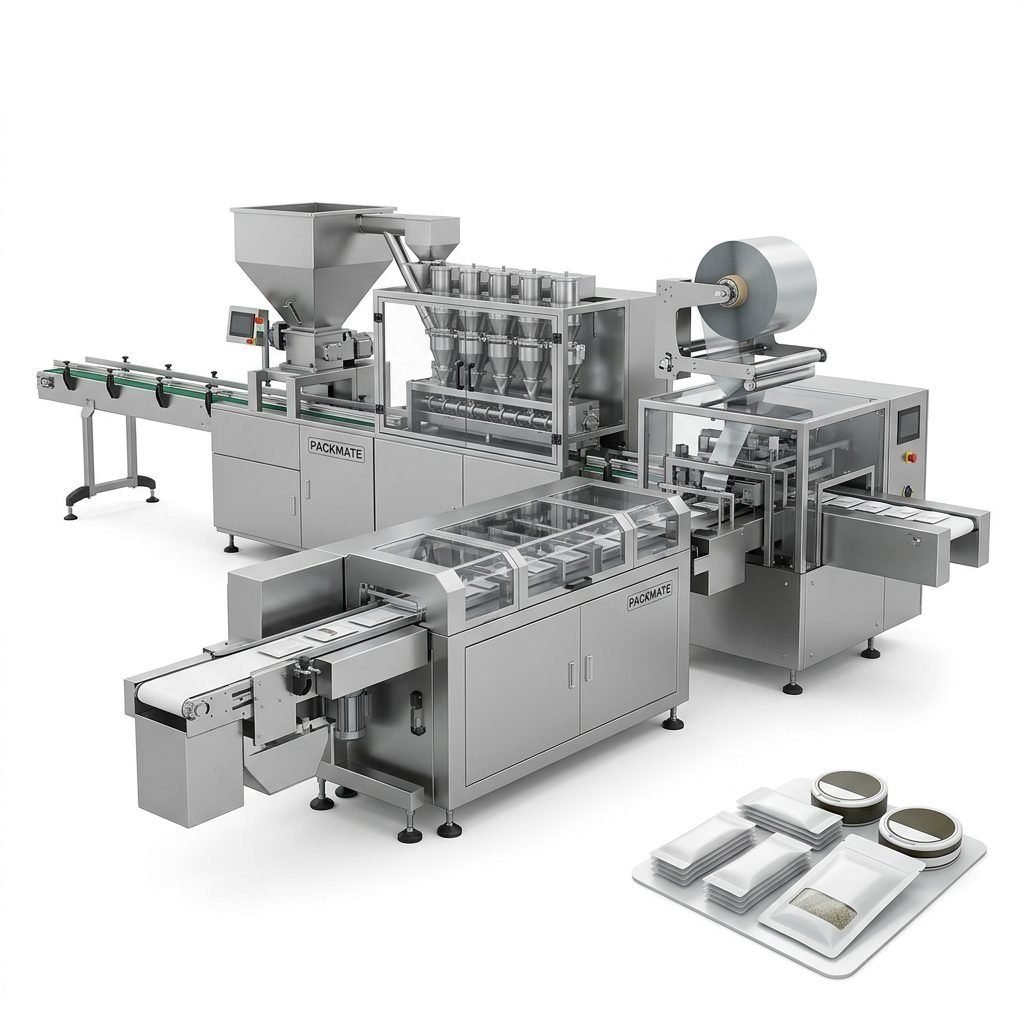
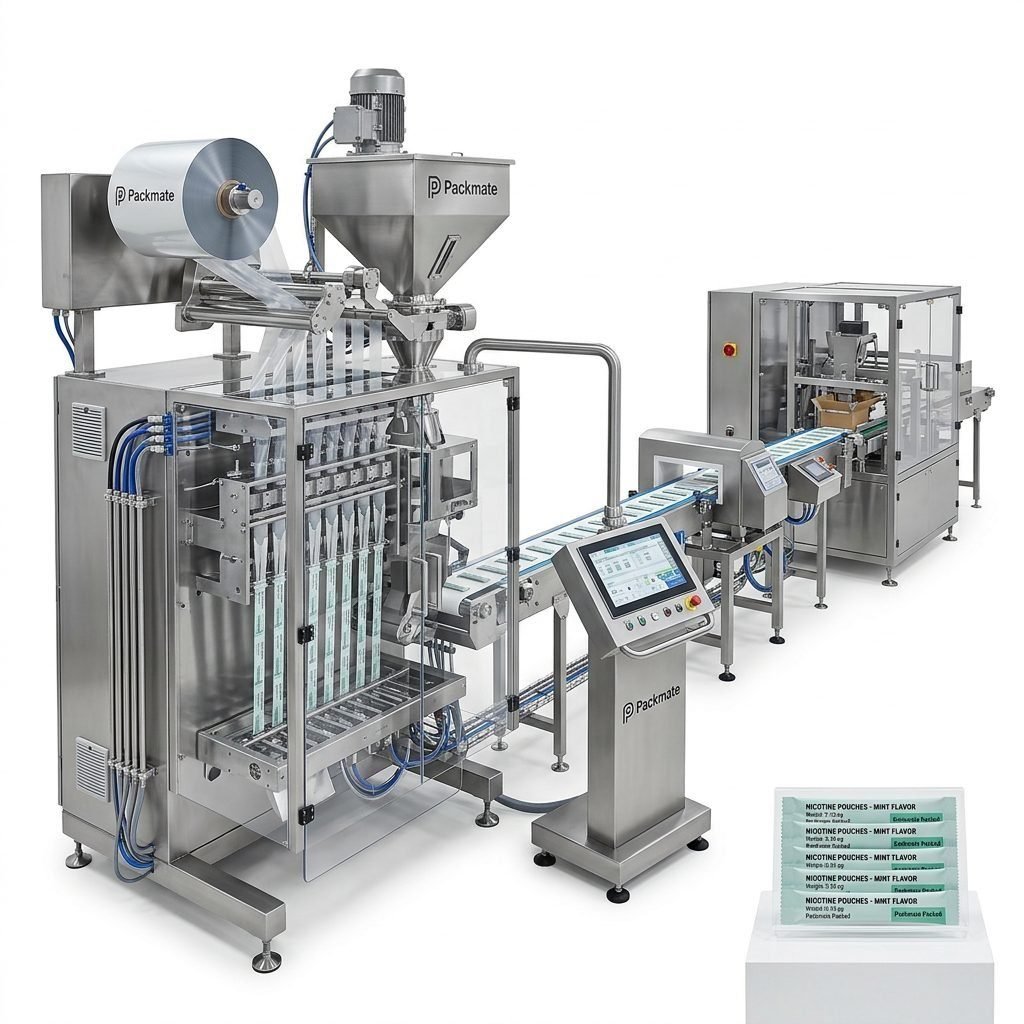
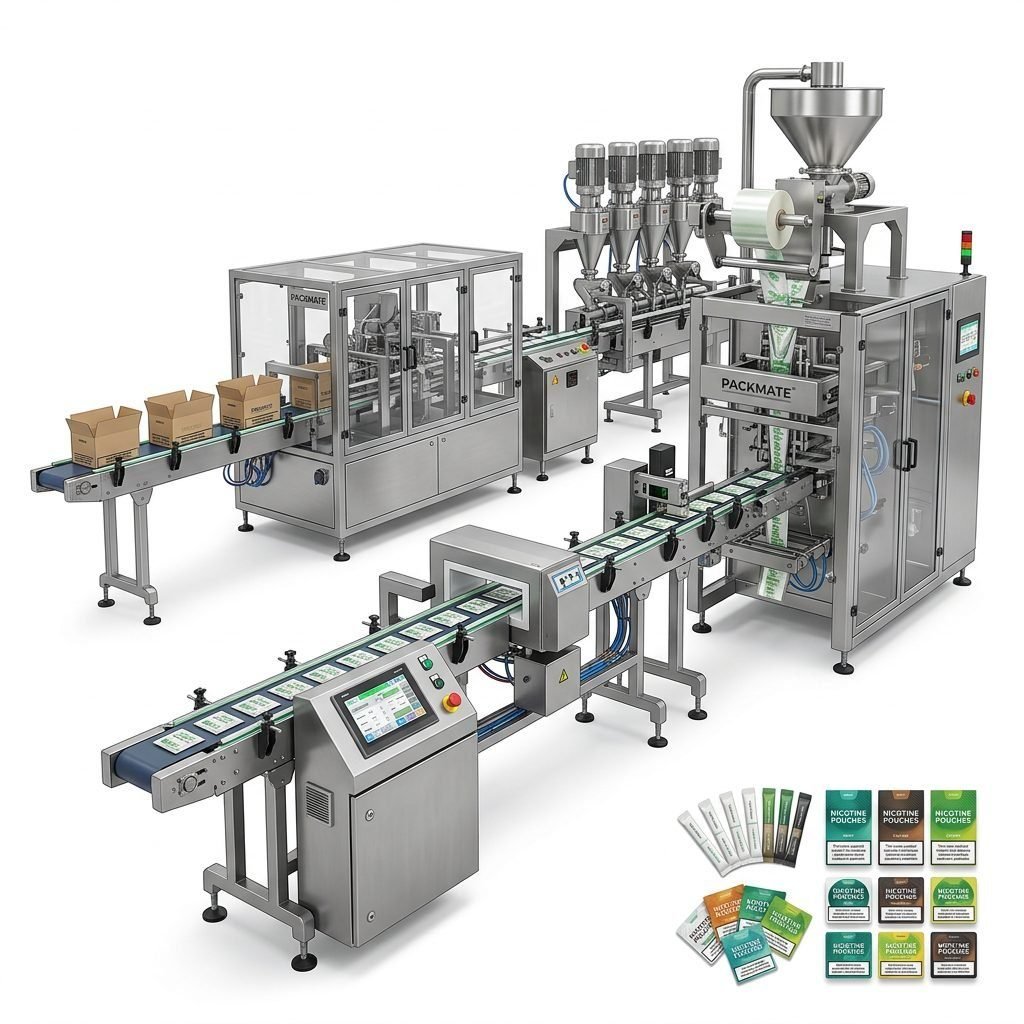
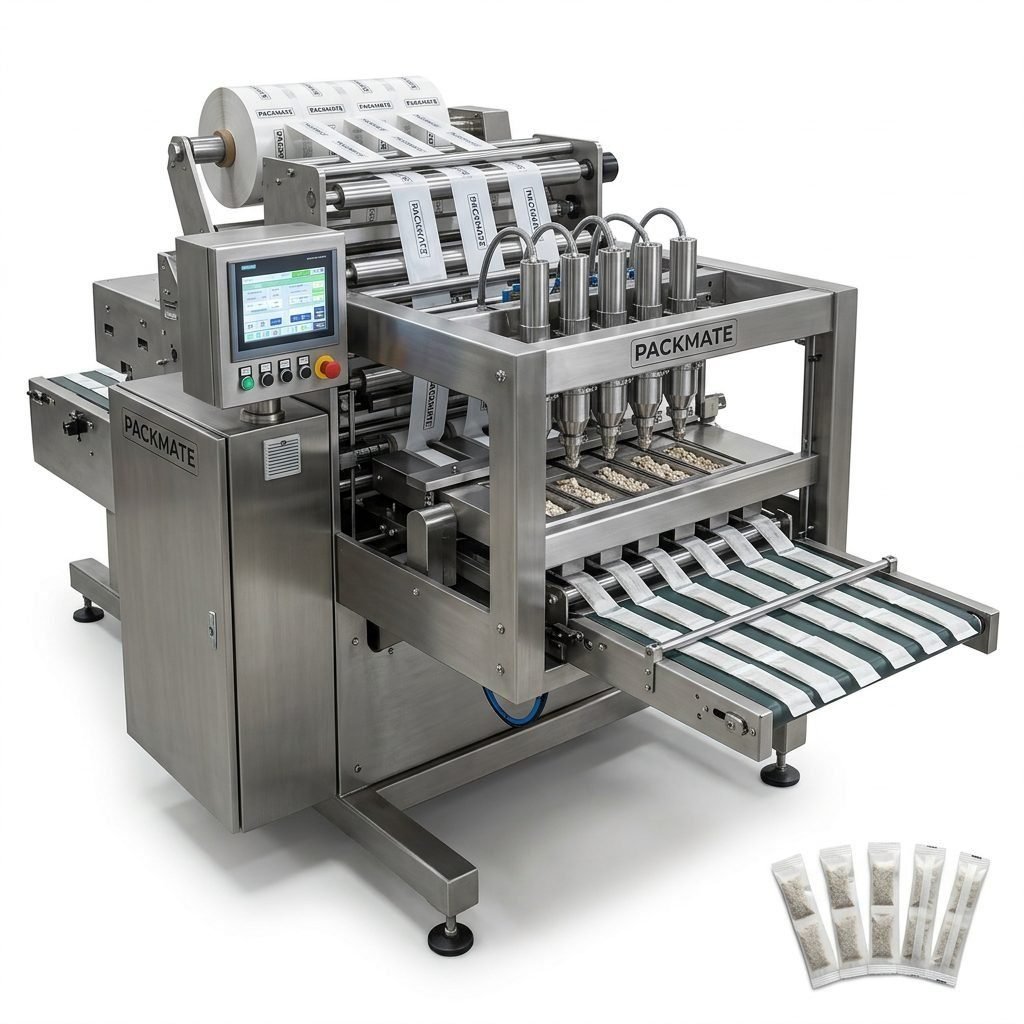
If you target both small-batch artisanal runs and larger scale retail supply, select machines that support multiple lane configurations or modular designs. Multi-lane systems maximize output without proportionally increasing footprint — ideal for scaling in Mongolia’s growing market.
Dosing accuracy and pouch consistency
Consistent pouch weight and seal integrity are critical for regulatory compliance and consumer trust. Look for integrated weighing systems, precision feeders, and real-time monitoring features. Suppliers that offer integrated weighing & packaging systems help maintain quality across batches.
Material compatibility and flexibility
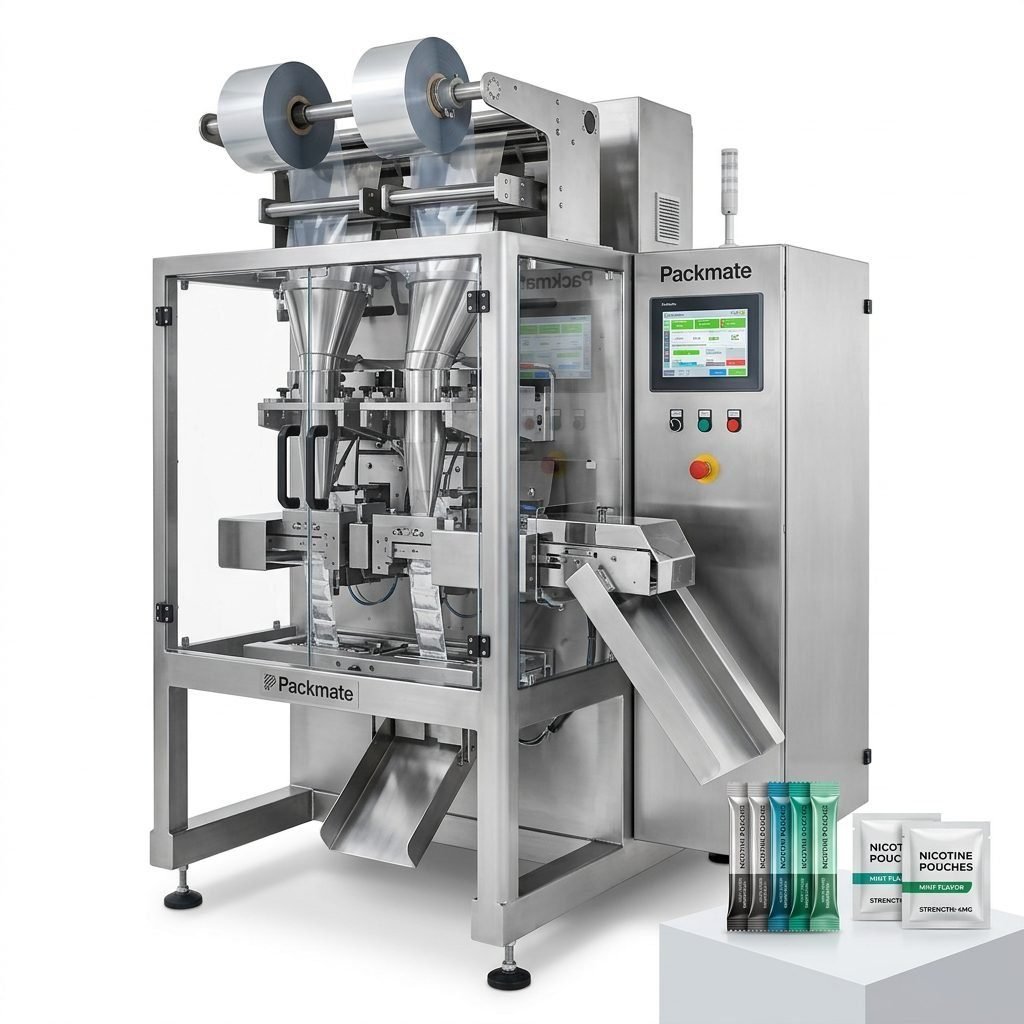
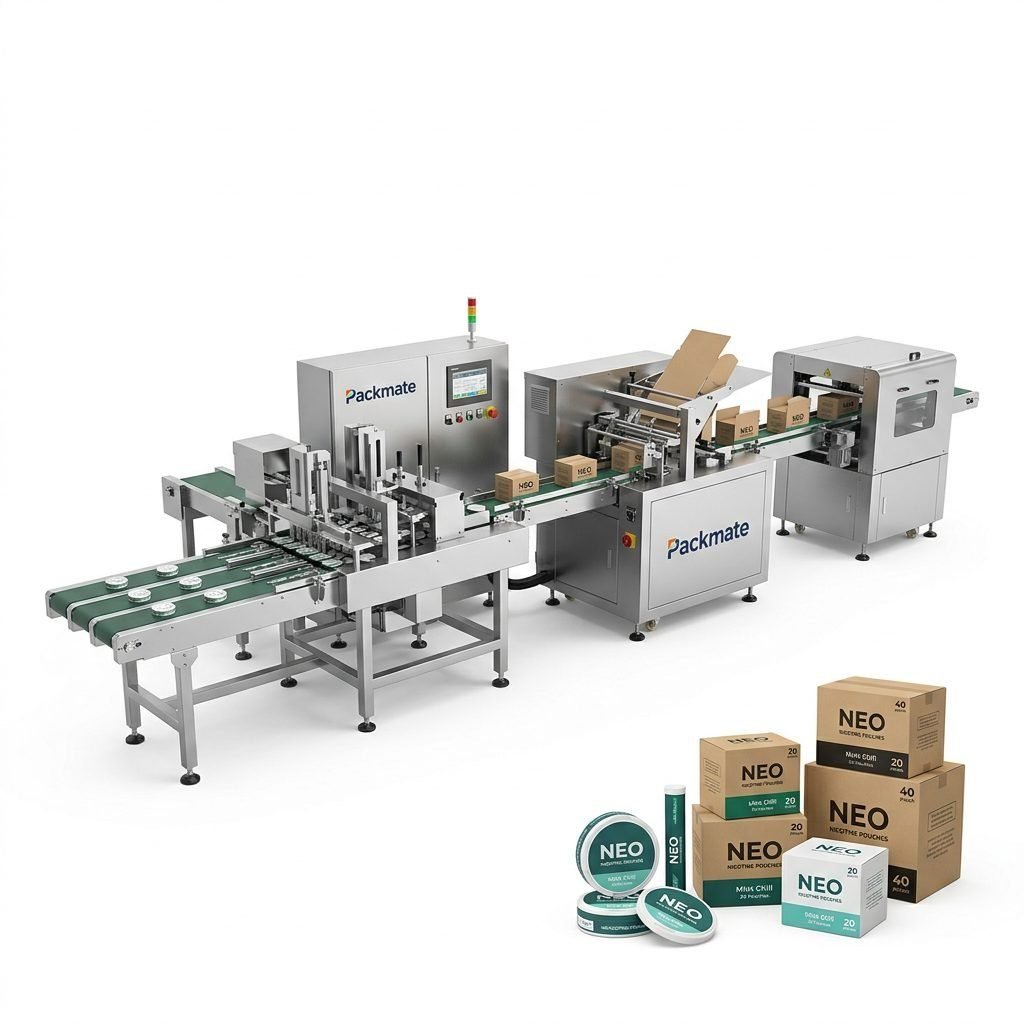
Machines should handle common pouch materials (laminated films, non-woven sachets) and formats (stick pack, sachet, pillow, multi-lane pouches). If you plan diverse SKUs — different flavors, nicotine strengths, or pouch types — prioritize flexible machines that minimize changeover time.
Must-have feature: remote monitoring and PLC-based control for diagnostics. This reduces downtime and supports remote troubleshooting across Mongolia’s vast geography.
Supplier Credentials & Factory Assessment
Vetting a supplier goes beyond brochures. Perform a factory assessment (or request virtual tours) to confirm manufacturing capabilities, quality control procedures, and production capacity. Suppliers with long engineering experience and advanced CNC facilities are preferable.
Engineering pedigree
A supplier with decades of R&D and a documented product timeline demonstrates stability and continuous improvement. Companies with 20,000㎡ factories, precision assembly lines, and a broad model range are more likely to support custom requirements and spare parts availability.
Certifications & compliance
Ask for machine CE/ISO certificates and test reports. These documents are essential for import approval and give confidence that electrical, mechanical, and safety standards are met.
Service, Training & After-Sales Support
After-sales service is often the deciding factor. In Mongolia, fast on-site service may be difficult due to distances — so the supplier’s support model must compensate.
- Local or regional spare parts stocking — ensures minimal downtime;
- Structured training programs — operator and maintenance training on delivery;
- Remote diagnostics and software updates — critical for troubleshooting from afar;
- Clear warranty terms and fast-response SLAs for spare parts and engineers.
📌 Ask for case studies — suppliers who show installation stories from similar climates or remote markets are better prepared for Mongolian conditions.
Commercial Terms, Financing & Total Cost of Ownership
Consider the full lifecycle cost, not just the headline price. Evaluate energy efficiency, spare parts pricing, consumable film usage, and the expected uptime. Transparent suppliers provide breakdowns of capital expenditure and ongoing operating costs.
Payment & delivery terms
Favor suppliers who can offer flexible payment plans, export documentation for Mongolian import, and FOB/CIF options with clear lead times. If you need financing, ask about leasing or installment plans.
Spare parts and consumables
Confirm lead times for critical spare parts and compatibility with local electrical standards. Machines designed for quick parts replacement and with common component usage reduce long-term costs.
Installation, Commissioning & Operator Training
A reliable supplier offers full installation and commissioning services, ideally with an option for on-site engineers or detailed remote commissioning support. Training local operators ensures smoother operations across distributed facilities in Mongolia.
✅ Checklist for commissioning: FAT (Factory Acceptance Test) video, SAT (Site Acceptance Test) plan, spare-parts kit, operator manuals, and multilingual training materials.
Choosing a Supplier: Practical Evaluation Steps
Use a weighted scoring system to compare suppliers. Common criteria include technical fit, price, lead time, references, certifications, and after-sales support. Request demonstrations and, where possible, visit installations to see machines in real use.
- Request detailed specifications and case studies relevant to snus/nicotine pouch production.
- Ask for references in similar climate or geography (remote locations, harsh winters).
- Perform FAT and request sample runs using your materials and recipes.
- Negotiate terms including spare parts packages and training schedules.
- Confirm warranty, installation timeline, and local support options.
Useful resources from established manufacturers
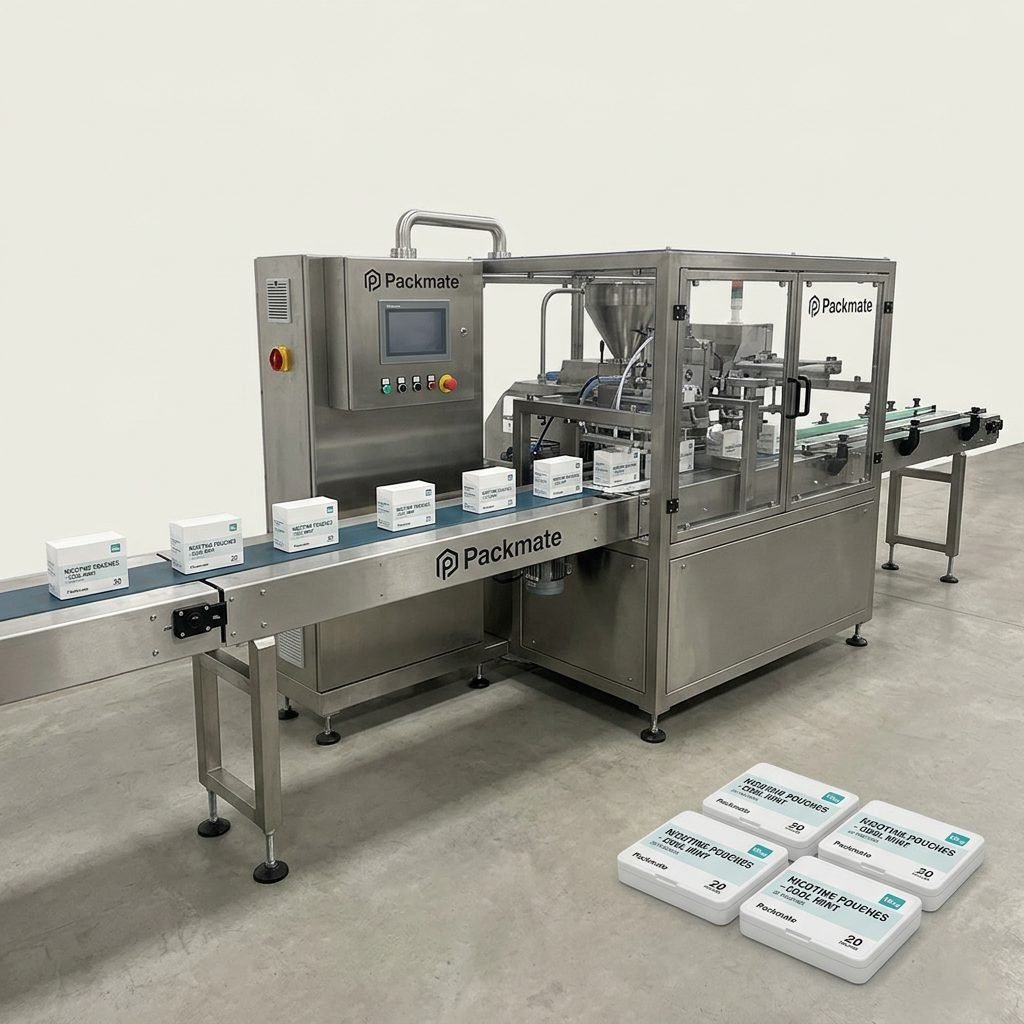
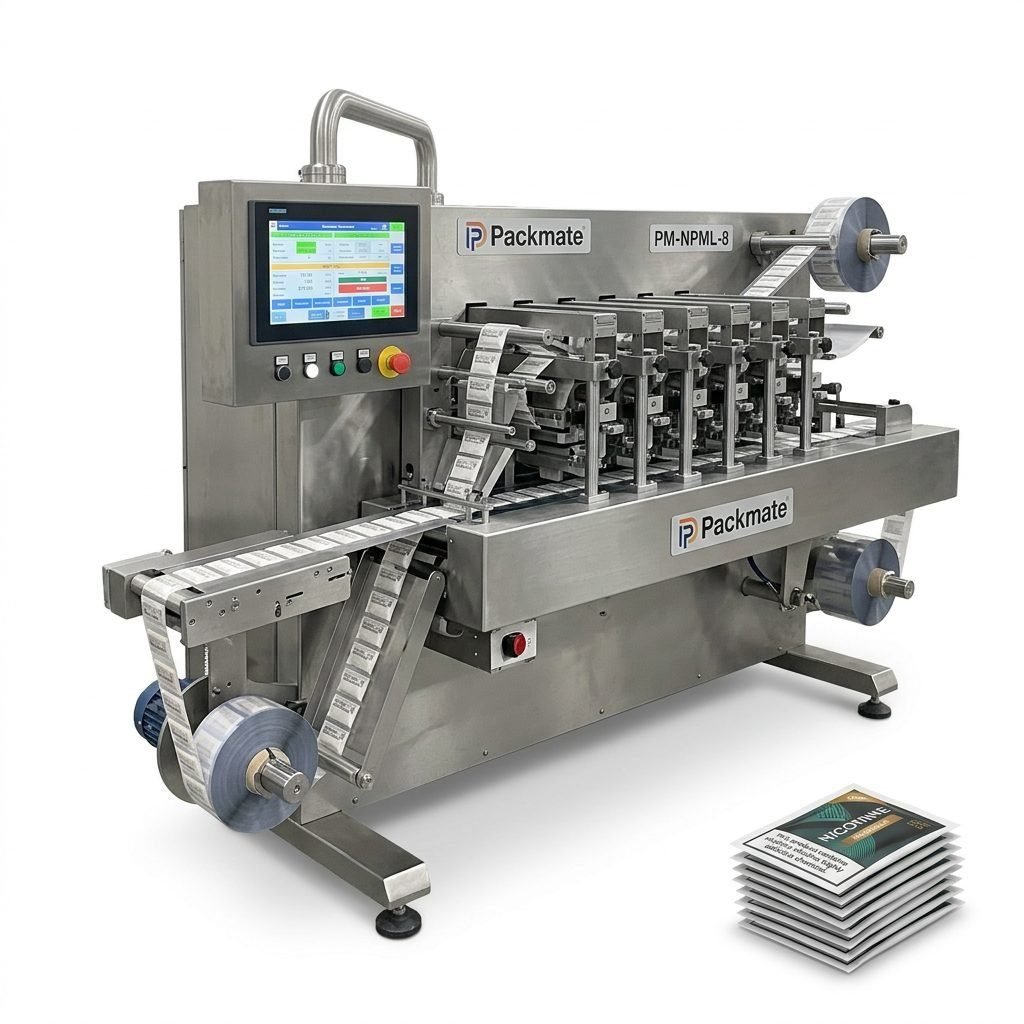
Explore product lines, technical catalogs, and case studies from experienced suppliers. Examples include Snus & Nicotine Packaging Machines, Bag & Pouch Packaging Machines, and Sachet & Stick Pack Machines — these resources help you compare machine types and find the configuration that matches Mongolian market volumes.
For corporate background and factory strength, check About Packmate, and get direct contact support through their Contact Us page to discuss tailored solutions.
Local Cultural & Market Considerations in Mongolia
Packaging design and formats should reflect Mongolian consumer behavior. Compact, resealable pouches are practical for mobile consumers and rural distribution. Clear labeling in Mongolian and Russian can improve acceptance among wider demographics. Consider smaller pack sizes for provincial markets and value packs for urban retail chains.
Also take into account seasonal demand spikes — harsh winters often change consumption patterns and logistics windows. Suppliers who can accommodate seasonal production planning and flexible batches help maintain supply continuity.
Why Partner with an Experienced Manufacturer
A seasoned manufacturer brings engineering maturity, a broad machine portfolio, and proven turnkey solutions. They provide rapid prototyping, customization, and performance guarantees. When evaluating vendors, prioritize those with long-term global cooperation cases and exhibition presence — they are more likely to support exports, documentation, and on-site service for Mongolian clients.
⚠️ Red flag: suppliers unwilling to provide FAT or production samples, or those with vague warranty terms. These increase risk for new market entrants.
Next Steps to Secure a Supplier in Mongolia
Start with a shortlist of 3–5 suppliers, request customized proposals, and demand a sample run using your materials. Schedule a virtual factory tour if travel is limited. Confirm logistics plans, spare parts kits, and training timelines before signing contracts. Negotiate a clear acceptance test and performance guarantees linked to warranty conditions.
Helpful links
– Snus & Nicotine Packaging Machines
– Bag & Pouch Packaging Machines
– About Packmate
– Contact Us
Final Recommendations
Choose a supplier that demonstrates engineering strength, offers clear after-sales support, and understands the logistical realities of Mongolia. Require FAT and sample validation, confirm spare parts lead times, and secure a training plan. A reliable packaging partner will not only deliver machines but will become a strategic ally as your snus brand grows in the Mongolian market.
📌 Quick checklist before signing: Certifications, FAT videos, spare parts list, commissioning plan, warranty SLA, and operator training schedule.
Common Questions
Q1: How long does shipping and installation typically take to Mongolia?
A1: Typical lead time varies by machine complexity and documentation. Expect 8–16 weeks for production plus 4–8 weeks shipping and customs clearance. Choose suppliers with export experience to speed up the process.
Q2: What spare parts should I stock locally in Mongolia?
A2: Stock critical mechanical parts (seals, belts, cutters), electrical modules, and consumables. A starter spare kit from the supplier reduces downtime while local procurement channels are established.
Q3: Can suppliers provide sample packaging runs using Mongolian language labels?
A3: Most reputable suppliers will run samples using your materials and artwork. Confirm file formats and label proofs during FAT to ensure compliance.
Q4: Is remote support effective for machine troubleshooting in Mongolia?
A4: Yes — with PLC controls, remote diagnostics, and spare parts planning, many issues can be resolved remotely. However, for major mechanical failures, planned on-site service is necessary.