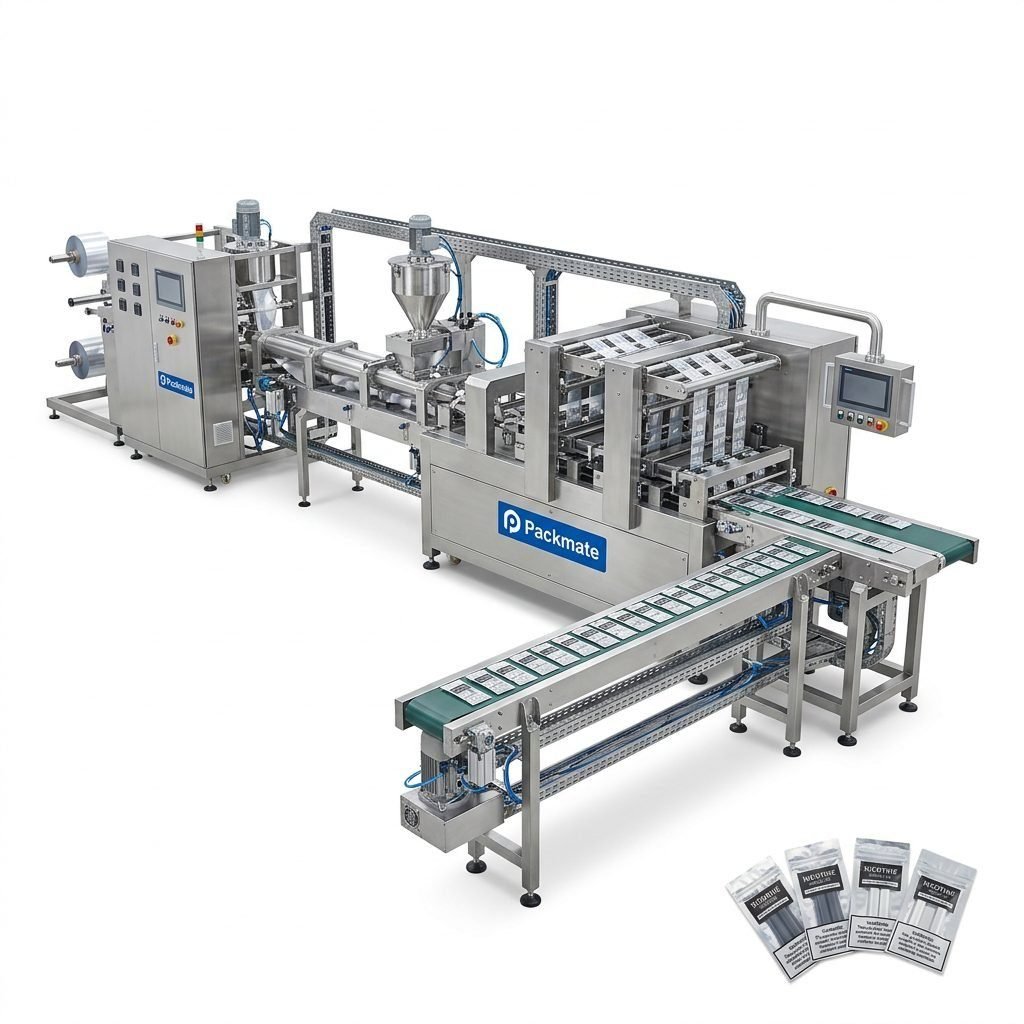
Choosing the right snus packaging machine supplier for your business in Lithuania requires balancing technical performance, regulatory compliance, cultural fit and long-term service. Whether you are launching nicotine pouches or sourcing equipment for tobacco-adjacent products, the decision impacts production uptime, product quality and your ability to meet EU and local requirements. This guide walks you through practical, Lithuania-specific considerations, a supplier checklist, negotiation tips and the steps to secure a reliable packaging partner.
Understand Lithuania’s regulatory and market context
Lithuania is part of the European Union, so EU directives and local interpretations play a major role in how snus and nicotine products are handled. While traditional snus is restricted across the EU, nicotine pouches and other innovative oral nicotine products are increasingly offered under evolving national rules. Before selecting a supplier, ensure your packaging solution aligns with both EU-level requirements and Lithuanian regulations, especially regarding product labeling, child-resistant packaging (if applicable), and material safety.
Business etiquette in Lithuania values punctuality, clarity and documentation. English is widely used in trade, but having Lithuanian-language documentation or a local representative can smooth import customs, approvals and after-sales visits. Logistics hubs such as Klaipėda port and efficient road links to major cities make timely delivery feasible — provided the supplier understands European shipping lanes, customs paperwork and VAT treatment.
Core technical features to require from snus packaging equipment
Not all packaging machines are created equal. For nicotine pouches and snus-like products you should prioritize: consistent dosing accuracy, gentle handling to protect product texture, flexible packaging formats (stick pack, sachet, pouch, multi-lane), fast changeovers, and hygiene-friendly design for easy cleaning. Look for machines that are purpose-built rather than adapted generic machines — purpose-built solutions reduce rework and downtime.
Key machine types to consider:
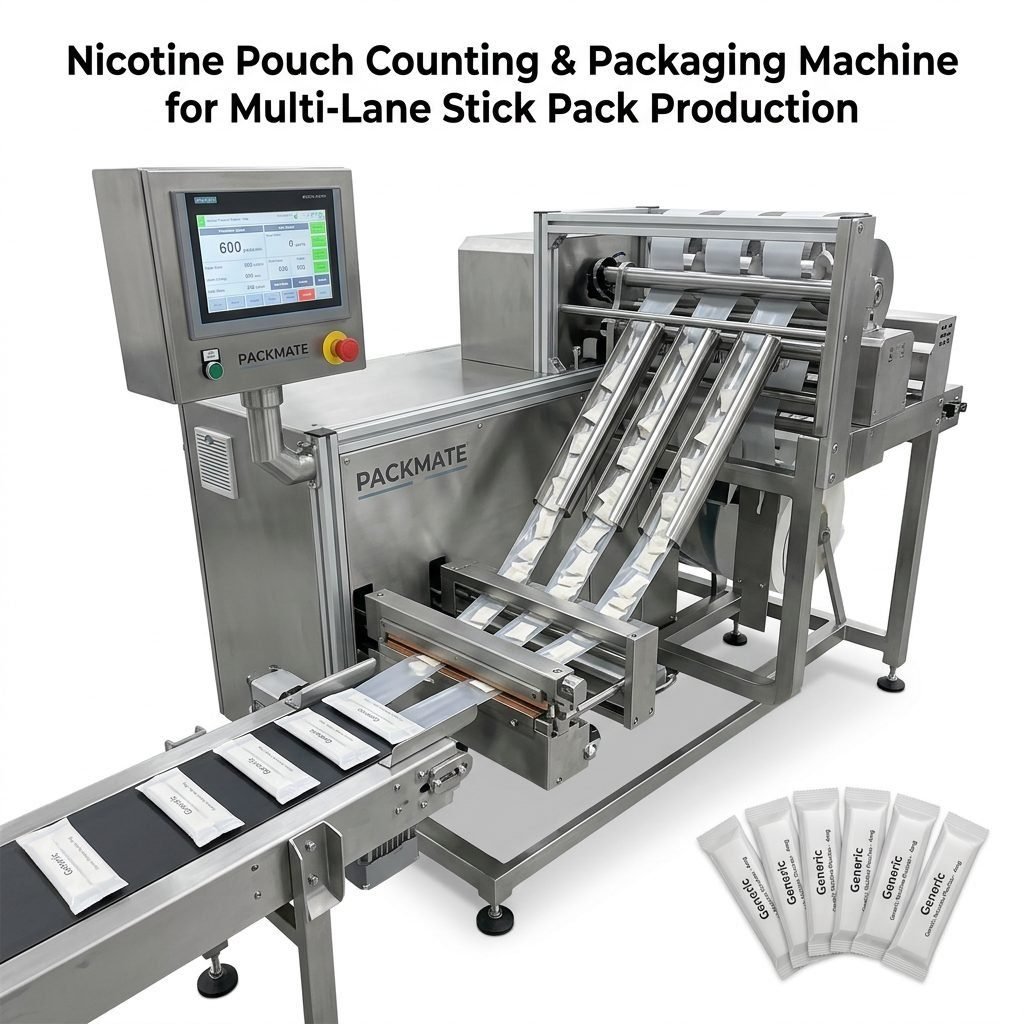
🔹 Multi-lane pouch lines for high throughput and compact footprint.
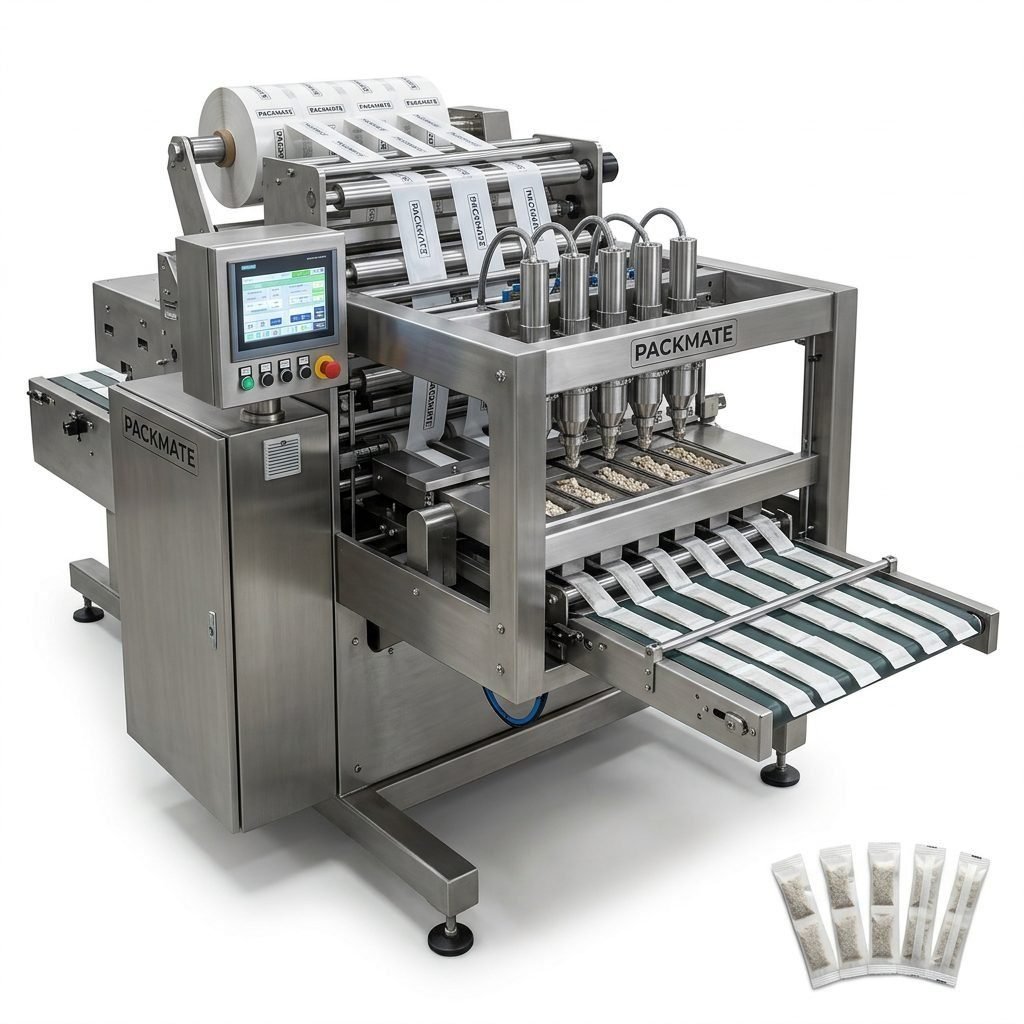
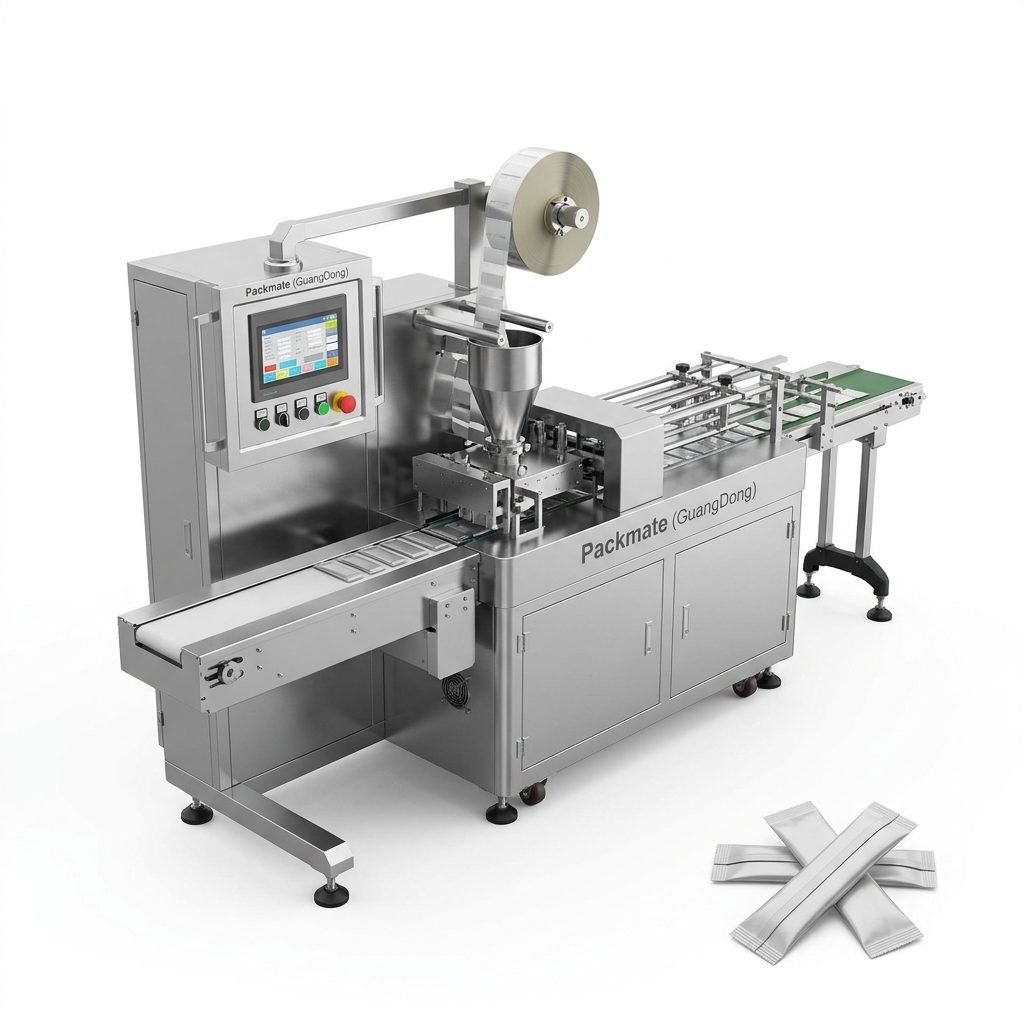
🔹 Stick pack and sachet machines for single-portion formats and easy dosing.
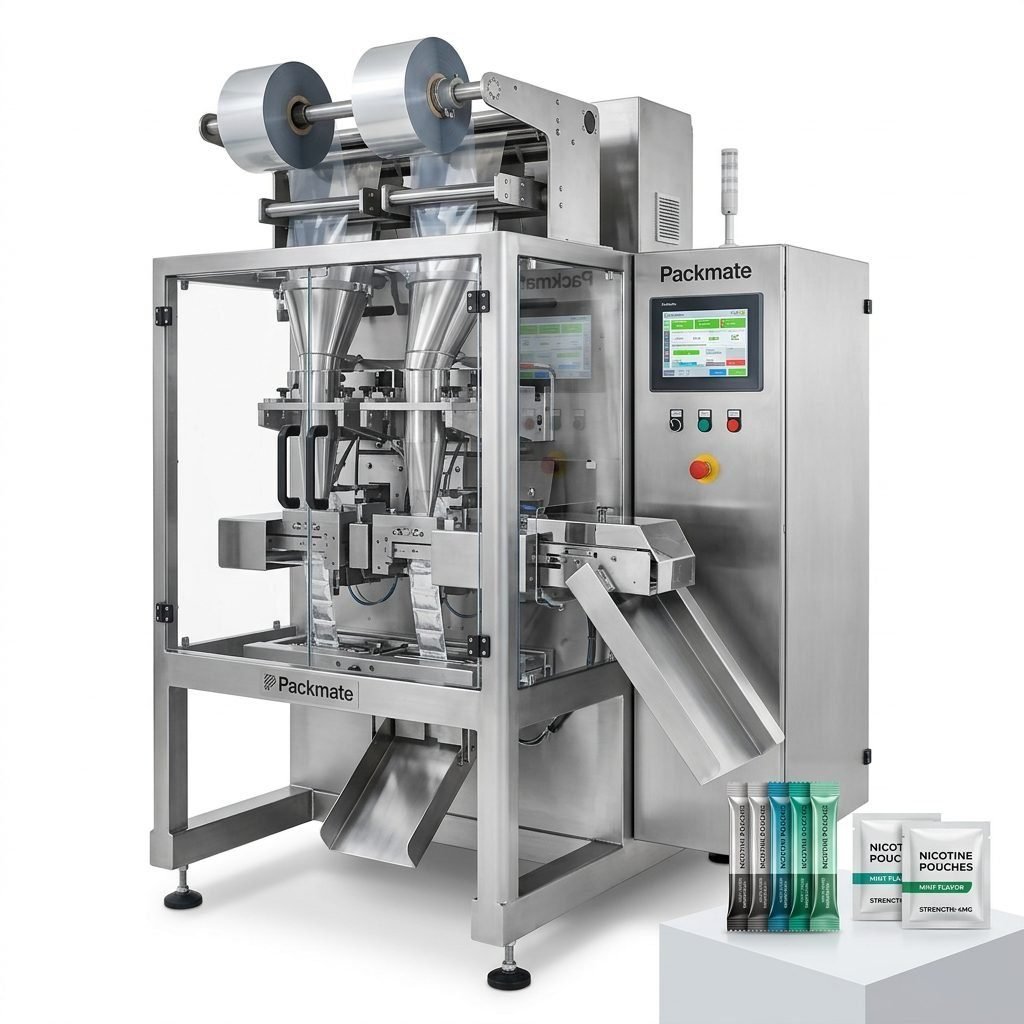
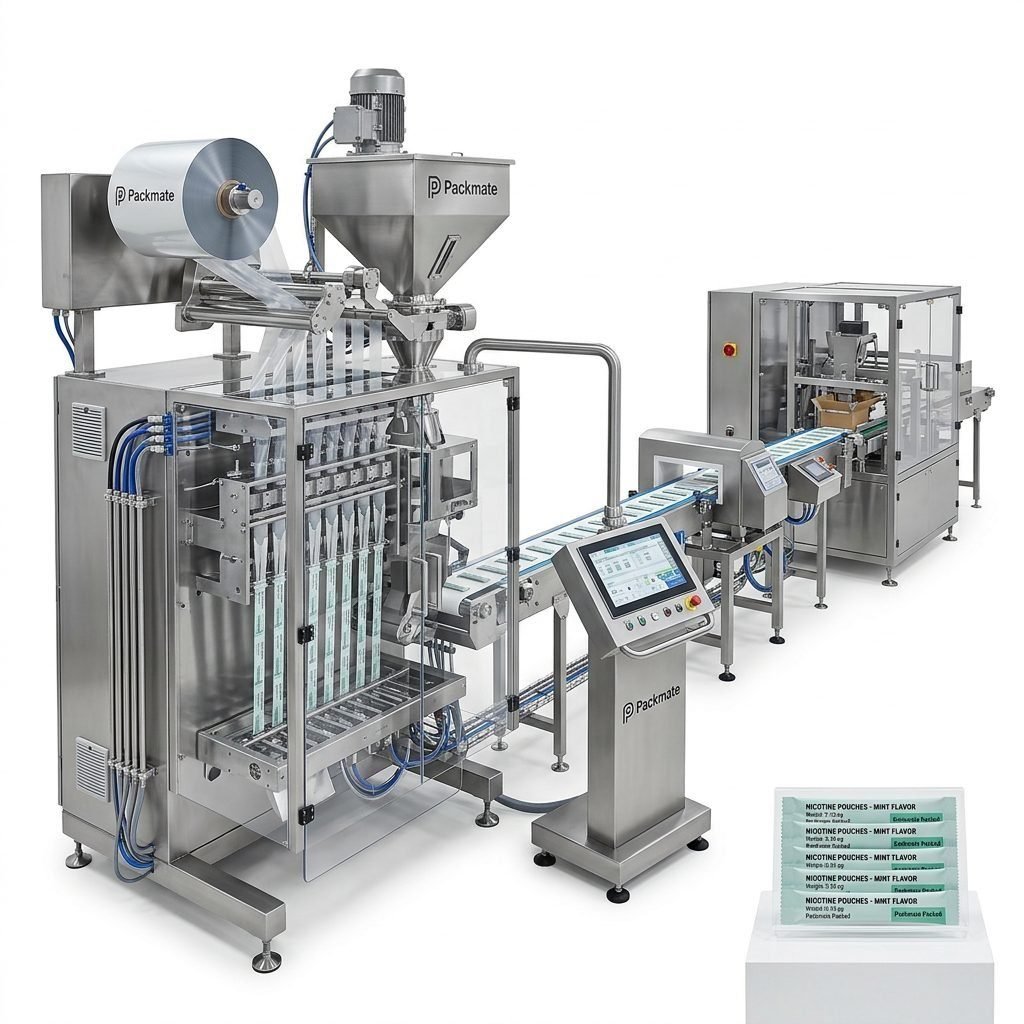
🔹 Customized systems that integrate weighing, dosing and sealing for precise nicotine pouch control.
Performance metrics and acceptance tests
When comparing suppliers demand clear performance metrics: cycles per minute, pouch speed per lane, overall output (pouches/hour), acceptable dosing deviation (mg), waste rate and mean time between failures (MTBF). Ask for factory acceptance testing (FAT) videos and, if possible, live demos. Insist on documented performance data from similar production lines; real-world references matter more than marketing claims.
Supplier credibility: certifications, factory strength and references
Prioritize suppliers with international certifications and visible manufacturing capacity. CE and ISO compliance demonstrate commitment to safety and quality. When visiting or auditing a supplier, check for advanced CNC machining centers, precision assembly lines and clear quality control workflows. A supplier with a 20,000㎡ manufacturing hub and decades of engineering experience suggests stability and the ability to customize solutions to your needs.
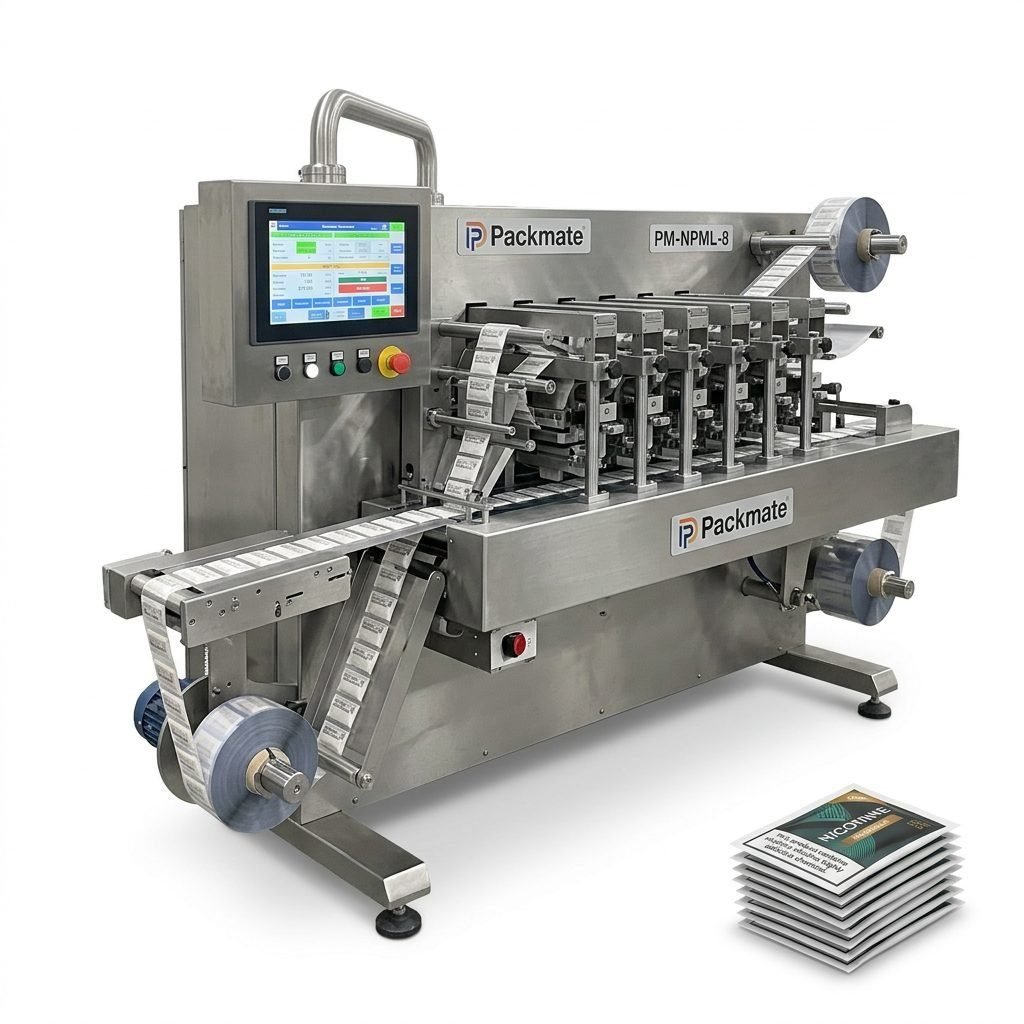
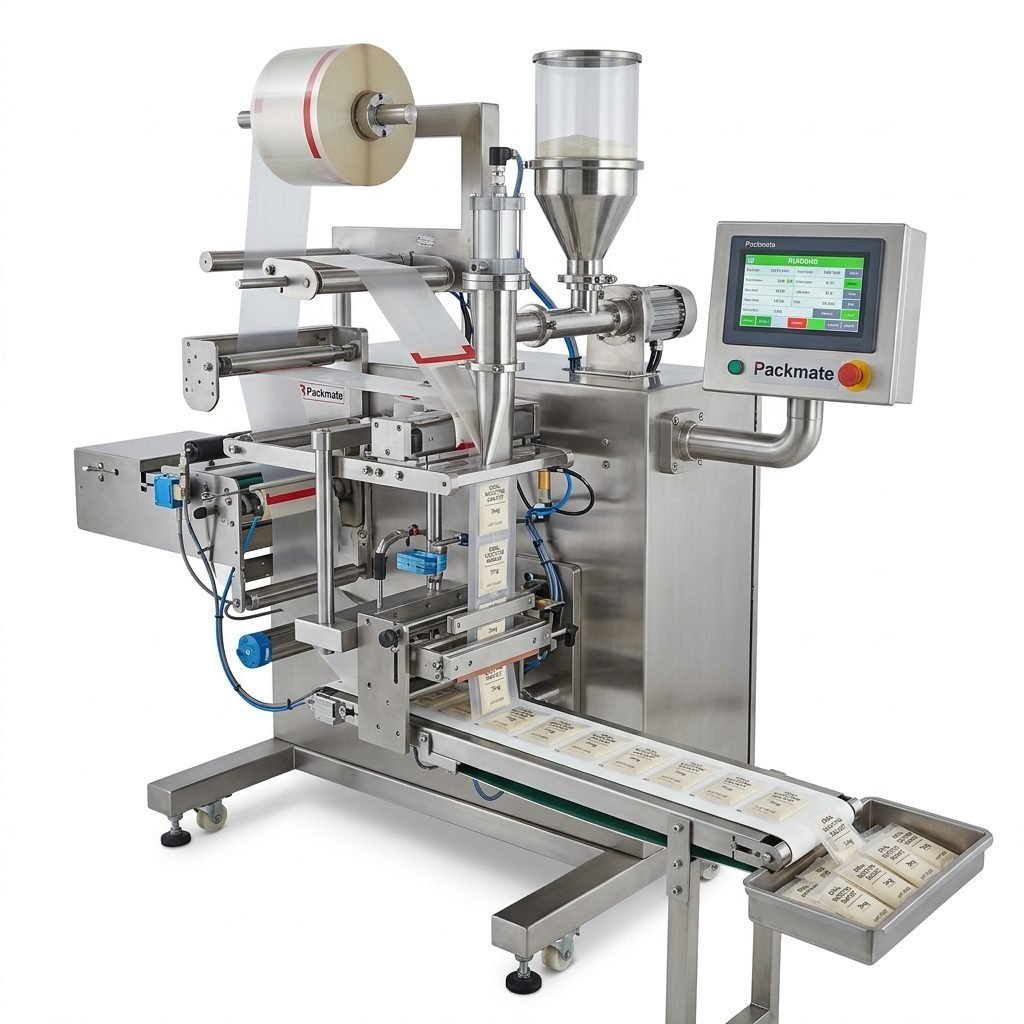
Packmate Snus Machine, for example, combines 30+ years of engineering with multiple product lines including snus and nicotine equipment. Their product pages show a breadth of machine types and turnkey line capabilities — useful for businesses that plan to scale or diversify packaging formats. Explore product categories like Snus & Nicotine Packaging Machines for details on purpose-built options.
Spares, training, and after-sales support
Even the best machines need parts and expertise. Confirm the supplier maintains a clear spare-parts policy, spare-kit availability in Europe, and remote troubleshooting tools. Onsite installation and operator training reduce commissioning time. Check whether the supplier offers preventive maintenance schedules and quick-response technical teams committed to European time zones.
A practical supplier selection checklist (use during RFQs)
📌 Compliance & Certification: CE, ISO and documentation for EU customs.
⚙️ Technical Specs: speeds, lanes, dosing accuracy, allowable materials and format range.
📦 Turnkey Options: integration with weighing, filling and secondary packaging lines — see Weighing & Packaging Systems and Filling & Packaging Lines.
🛠️ Service Network: spare parts stock in EU, installation crew, remote diagnostics.
🧾 References & FAT: real case studies, FAT videos, customer testimonials — review Case examples.
Negotiation points: price, delivery and warranty
Price is important, but total cost of ownership (TCO) matters most. Negotiate not just the machine price but warranty terms, spare parts packages and included training. Request delivery timelines tied to penalties for delays, clearly defined acceptance tests and criteria, plus staged payment terms that align with delivery milestones.
For Lithuanian buyers, including documentation in both English and Lithuanian can accelerate customs and compliance checks. Clarify who handles import duties, VAT and the necessary CE declarations to avoid surprises at the port or the customs office.
Installation, validation and production ramp-up
Plan installation with clear site requirements (power, compressed air, floor load, drainage) and allocate time for validation runs. A competent supplier will provide installation checklists and assist with IQ/OQ/PQ documentation if you require GMP-style validation. Local technical partners or a supplier-led commissioning week will ensure a faster ramp to target throughput.
Integration: how your snus machine fits the production line
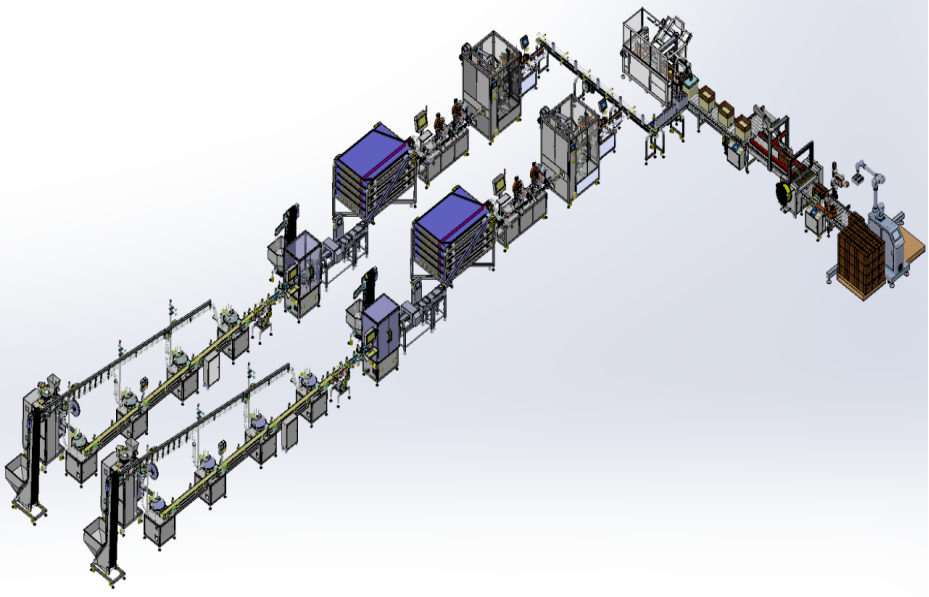
A snus machine rarely stands alone. Consider upstream feeding systems and downstream secondary packaging or cartoning equipment. Synchronization with conveyors, batch coding and vision inspection systems is essential for traceability and quality control. If you need multi-stage automation, confirm the supplier can deliver or coordinate the entire line — check their auxiliary equipment portfolio and systems integration capability in the supplier’s catalog.
Suppliers that offer integrated solutions reduce handoff risk between vendors. Browse typical auxiliary and pouch-handling equipment to understand the options available: Auxiliary Packaging Equipment.
Local logistics, customs and cultural tips for working in Lithuania
Lithuanian import clearance is straightforward if documentation is complete. Provide CE declarations, commercial invoices, packing lists, and any product-specific approvals. Work with freight forwarders experienced in EU customs. Culturally, building a long-term relationship matters: provide clear timelines, honor commitments and be prepared to reciprocate with timely payments and direct communication. Having a local contact or translation of critical documents into Lithuanian will boost trust and reduce administrative friction.
Real-world proof: case studies and exhibitions
Ask suppliers for case studies that mirror your production scale, format and regulatory environment. Vendor presence at European exhibitions and live demonstrations is a good indicator of willingness to engage with the market. For instance, suppliers often showcase complete snus and nicotine pouch lines at global trade shows — view exhibition histories and examples to validate claims: Our Exhibition.
Why choose a proven partner like Packmate for Lithuania operations
A manufacturer with decades of focused experience in snus and nicotine pouch machinery brings important advantages: specialized engineering, multi-lane systems tailored for small-dose products, and the ability to provide turnkey solutions. Packmate’s documented factory strength, machining capabilities and CE/ISO certification help ensure machines meet EU expectations. Review their About and certification pages to confirm alignment with your needs: About Packmate and Certificate.
When evaluating a supplier, ask for demo lines or sample runs using your actual material and pouch format. Performance validation with your product is the single most reliable predictor of success during full production.
Step-by-step buying process
1. Define required formats, target throughput and compliance needs.
2. Issue RFQ with technical checklist and request FAT/demo evidence.
3. Evaluate TCO including spare parts, energy and training.
4. Negotiate delivery, acceptance tests and warranty terms.
5. Plan installation, IQ/OQ, and operator training to speed ramp-up.
Practical tips for Lithuanian buyers
– Schedule supplier visits and insist on FATs to validate real throughput.
– Clarify documentation language and consider translating user manuals and safety instructions into Lithuanian.
– Request spares kits that cover common wear parts for the first 12 months and ask about local stocking options to minimize downtime.
– If you plan multiple SKUs, choose machines designed for quick format changes and simple tool-free adjustments.
Contacting the right partner
When you’re ready to reach out, provide clear details: desired formats (pouch/stick/sachet), target speed, expected production volumes, product weight range and regulatory needs. Attach product samples or photos and request a quotation that includes FAT, spare parts and training. For direct inquiries and personalized quotes, use the supplier’s contact resources: Contact Us.
Conclusion: make a decision that supports growth and compliance
Selecting a snus packaging machine supplier for Lithuania means choosing a partner who understands EU rules, offers machines tailored to nicotine pouch handling, and provides reliable after-sales support. Prioritize proven performance, transparent documentation and the ability to integrate into a full production line. A supplier with a strong manufacturing base, factory acceptance testing and European references will minimize risk and help your business scale efficiently.
Frequently Asked Questions
Q1: Are snus packaging machines allowed in Lithuania?
A1: Equipment itself is not restricted, but the packaged product must comply with EU and Lithuanian regulations. Confirm product-specific labeling and material rules early in the project.
Q2: How long does delivery and installation typically take?
A2: Standard lead times vary by model and customization; typical delivery can range from 12–20 weeks plus 1–2 weeks for installation and commissioning depending on logistics and FAT completion.
Q3: What certifications should I ask for?
A3: Request CE and ISO certificates, full machine documentation, and FAT reports. If you require GMP-style validation, ask for IQ/OQ/PQ support during negotiations.
Q4: Do suppliers provide spare parts in Europe?
A4: Many reputable suppliers maintain spare-part distribution in Europe or can ship priority kits; negotiate spare-part lead times and local stocking options before finalizing the purchase.
Q5: Where can I see real examples of snus production lines?
A5: Review supplier case studies and exhibition demonstrations to see real-world lines; visit vendor case pages for videos and customer references: Case.