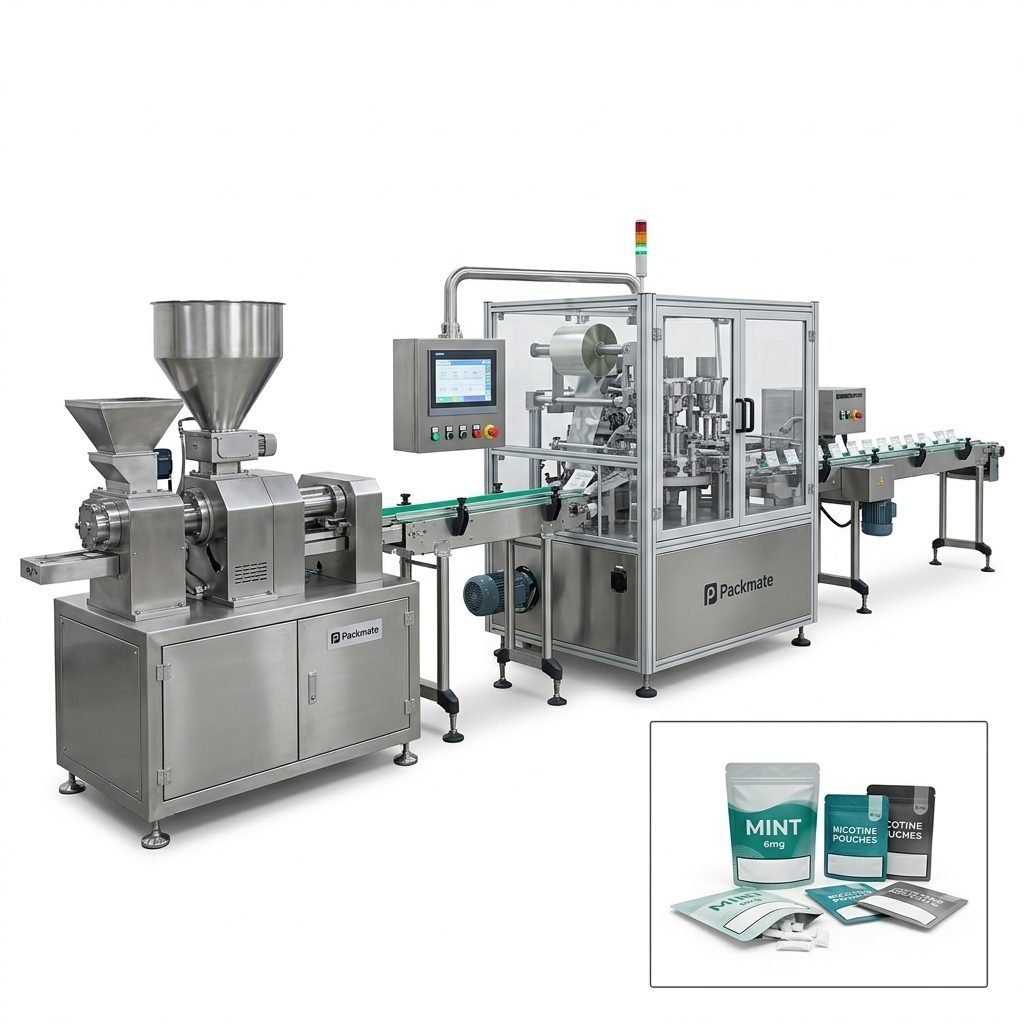
Entering the Yemen market for snus or nicotine pouch production requires not only the right machine technology but also a supplier who understands local logistics, customs rules, and cultural habits. This guide walks you through practical steps to find a reliable snus packaging machinery supplier in Yemen, how to evaluate offers, what to ask during negotiations, and how to plan installation and after-sales support for a smooth launch.
Why choosing the right supplier matters in Yemen
Yemen’s commercial and logistical environment presents unique challenges: frequent port delays, regional security variations, and a strong local culture around chewing leaves (khat) that influences nicotine product consumption patterns. A supplier who can plan for customs clearance, flexible shipping routes (Aden, Hodeidah, or transshipment via nearby ports), and provide robust remote technical support will give your business a significant advantage. Reliability, local adaptability, and after-sales service are therefore critical selection factors.
Understanding Yemeni consumer habits and local context
In Yemen, social chewing of qat (miraa) is a deeply rooted custom. While qat remains dominant, there is a growing interest in smokeless nicotine products in urban centers among younger adults and expatriate communities. Packaging needs to be discreet, portable, and durable in hot, dusty conditions. Consider suppliers who offer multi-layer pouch materials and robust sealing technologies that preserve product freshness in Yemen’s climate.
Key supplier qualities to evaluate 🔍
Look for these attributes when vetting snus packaging machinery suppliers:
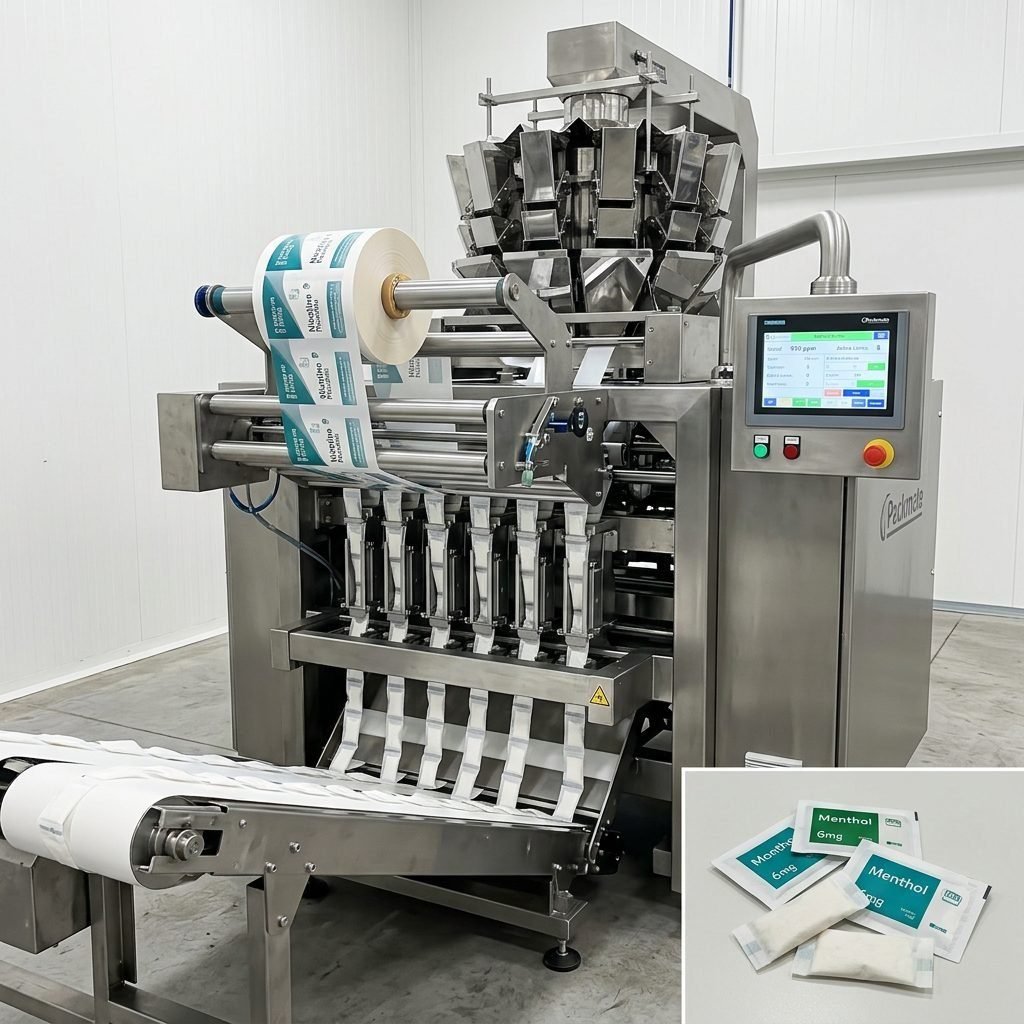
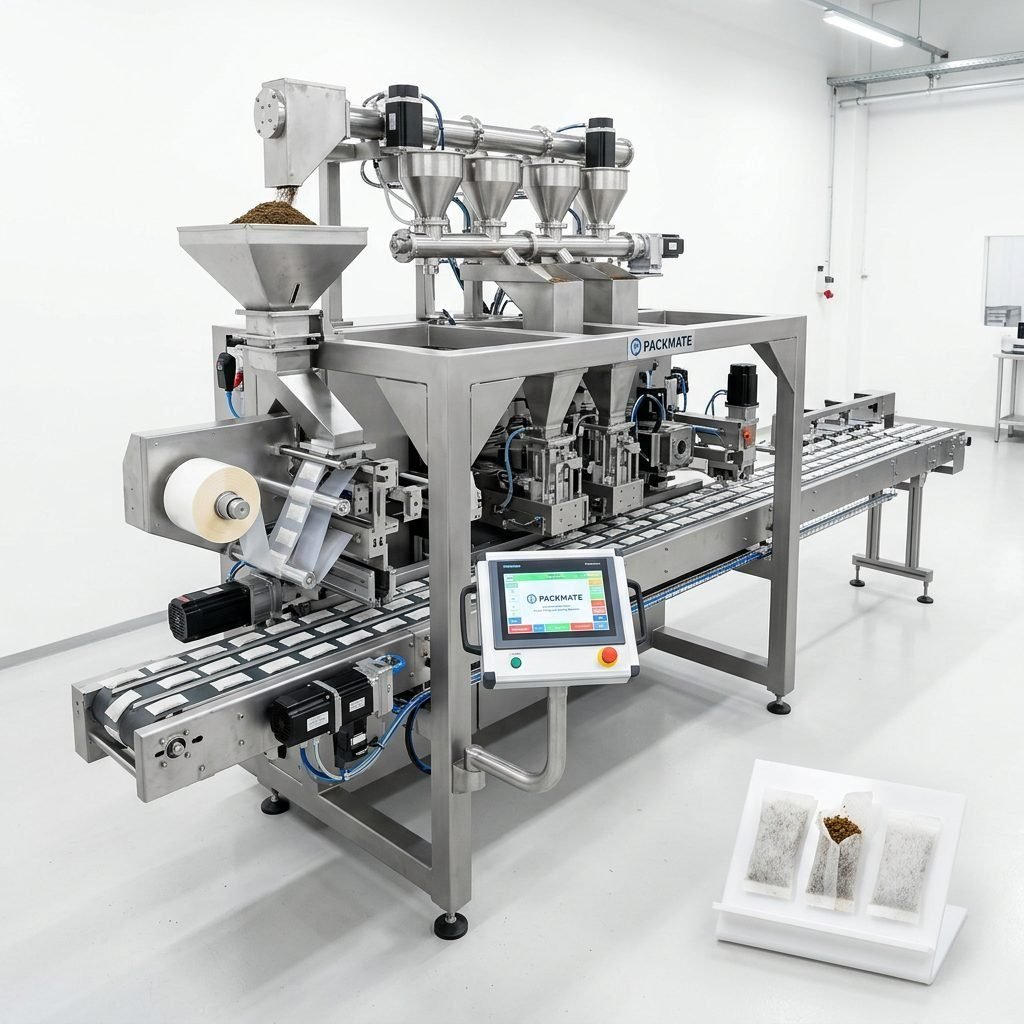
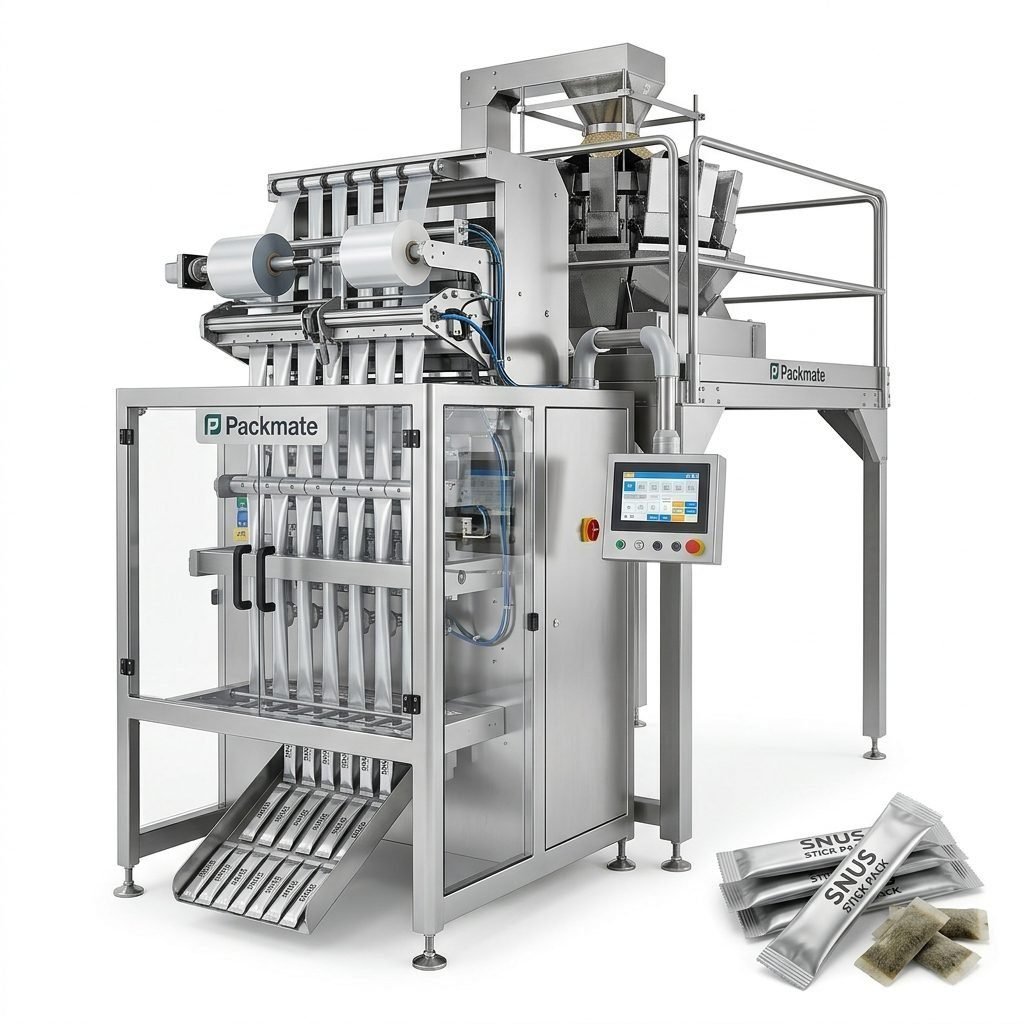
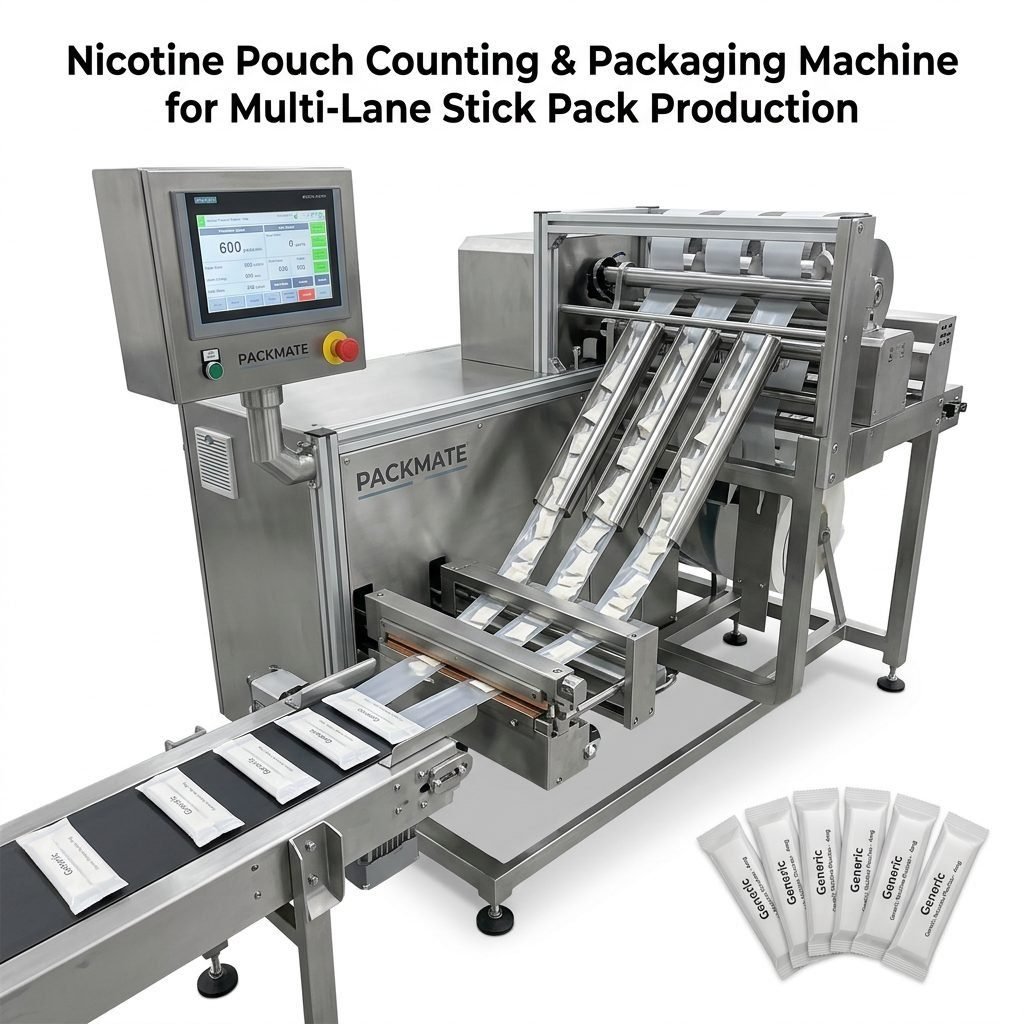
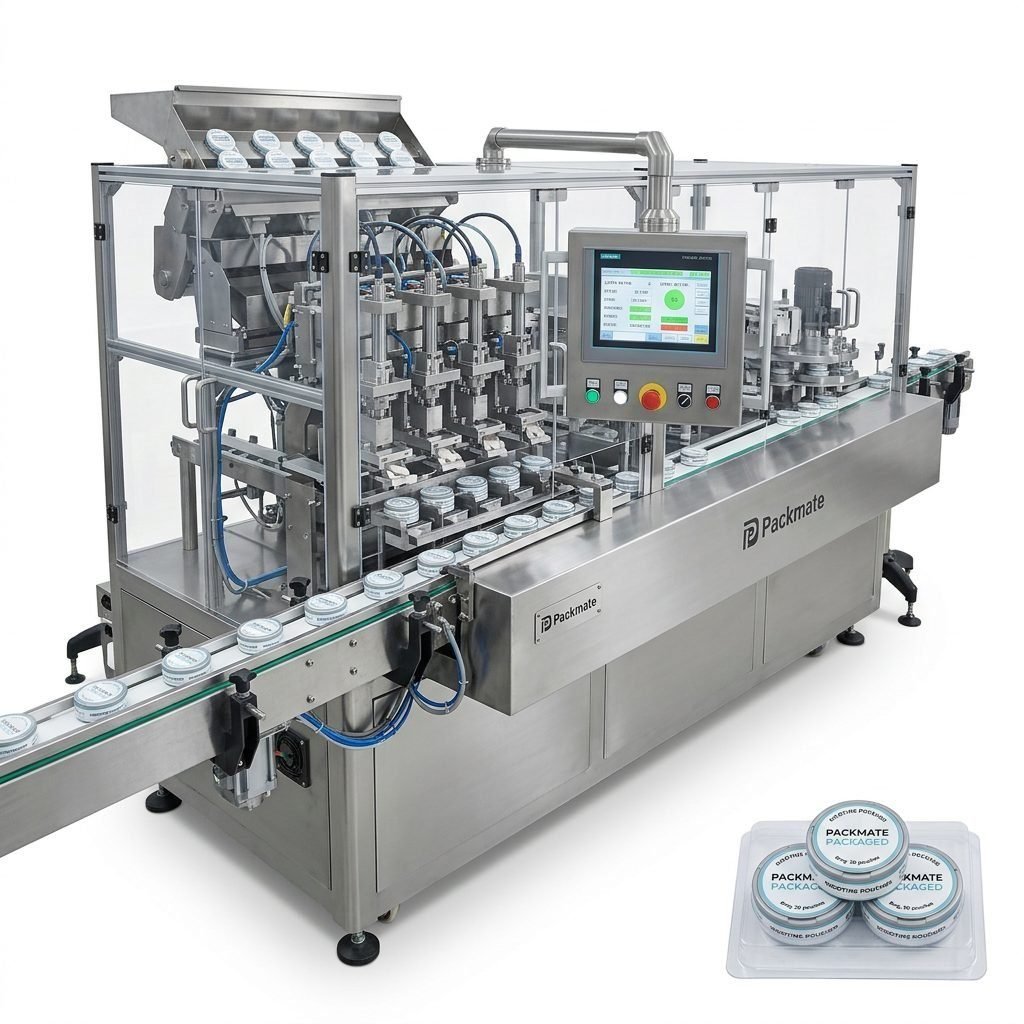
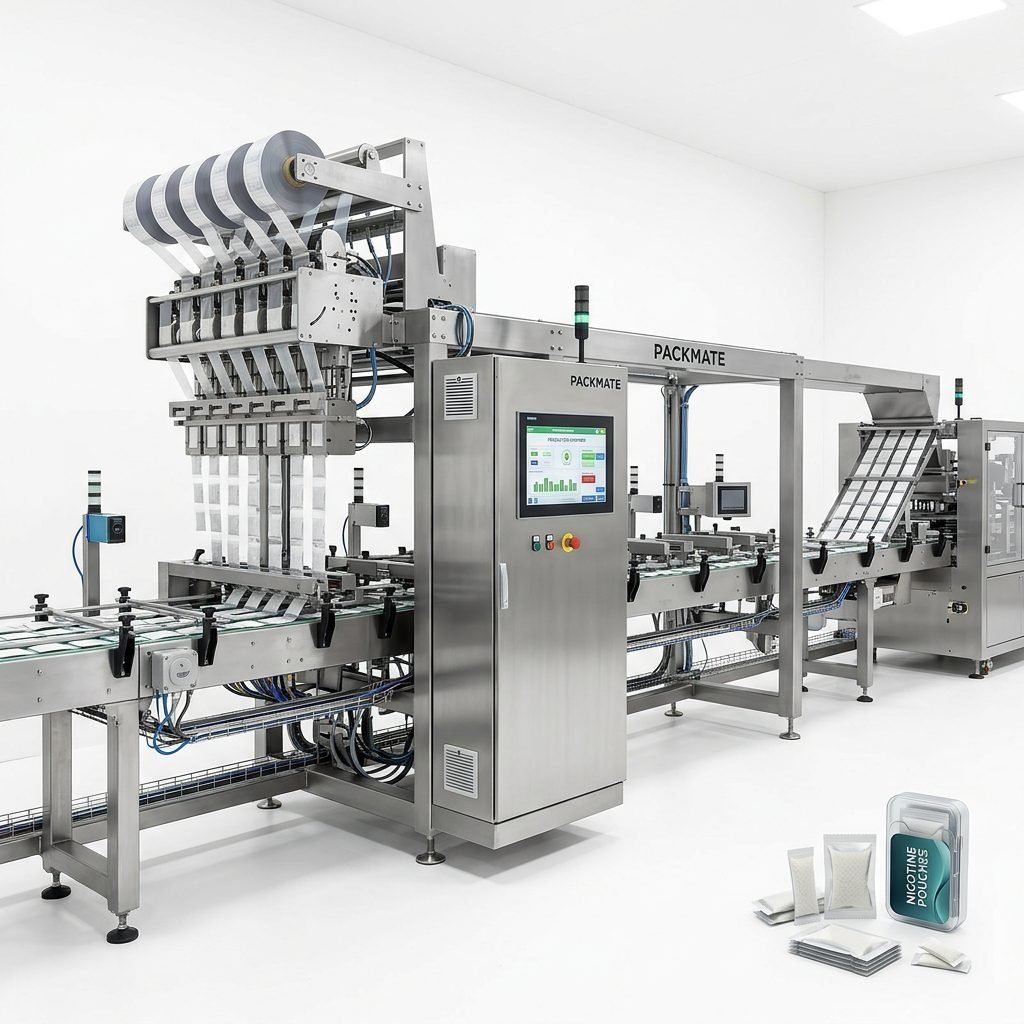
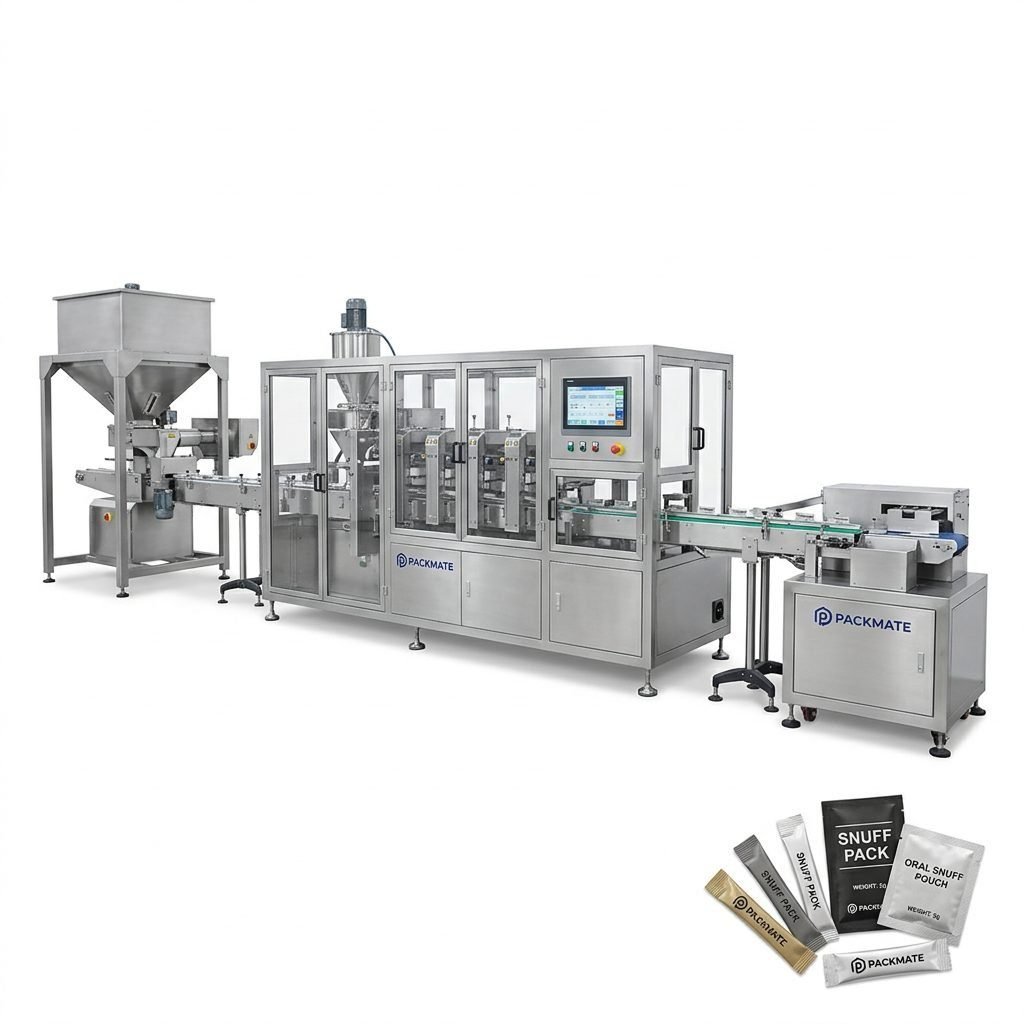
- ✅ Proven machine types — stick pack, sachet, multi-lane systems tailored for nicotine pouches.
- ✅ Clear factory information — production area, CNC capability, assembly lines and quality control.
- ✅ International certifications (CE, ISO) and documented performance records.
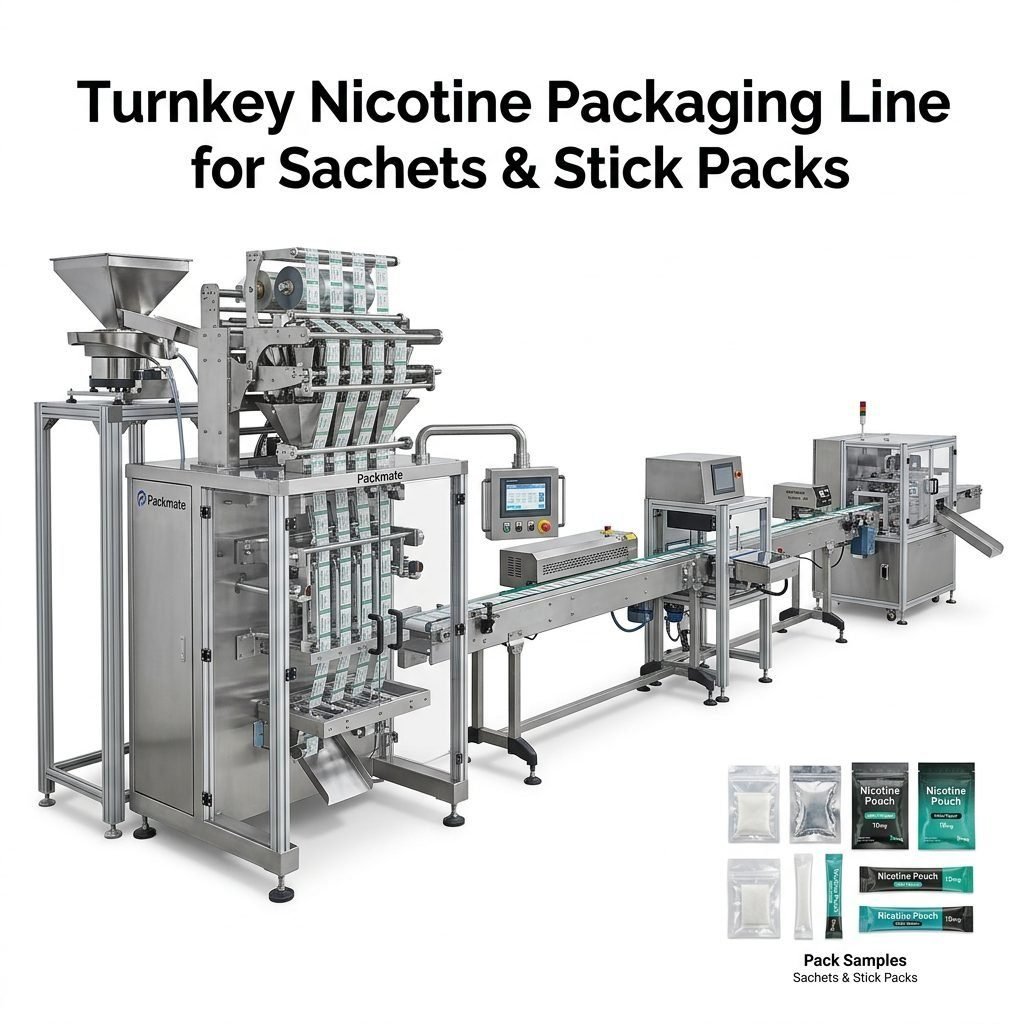
- ✅ Turnkey solution capability — ability to supply filling, weighing, and auxiliary equipment.
- ✅ After-sales and spare parts strategy — fast spare parts supply and remote support.
🔑 Quick Checklist: factory photos, machine model catalogs, acceptances (FAT/SAT), client references, spare parts list, warranty terms, certification copies.
Suppliers offering transparent factory tours or video demonstrations and customer references (especially projects in similar markets) score higher on reliability.
How to evaluate machine performance and specs
Technical evaluation should focus on real production metrics and adaptability to your product formulation.
Core technical questions
Ask suppliers for the following specific data:
- 📦 Output rates (pouches/minute or lanes × pouches/min).
- 🛠️ Changeover time between sizes or formats.
- ⚙️ Compatibility with powders, granules, liquids, and ready-made pouches.
- 🔧 Precision and dosing accuracy for nicotine low-dose products.
- 🔋 Energy requirements and local electrical compatibility (voltage/frequency).
For specific machine options and models, review dedicated product pages such as Snus & Nicotine Packaging Machines and multifunction lines like Filling & Packaging Lines.
Factory audit, certification and proof of quality
A trustworthy supplier will provide certifications, factory tour evidence, client case studies, and detailed test records.
- 🌍 Certificates (CE, ISO) — request scanned copies and check validity.
- 📁 Factory photos and video demonstrations of assembly, CNC work, and QC tests.
- 🧾 Case studies and references — verify with existing clients where possible. See examples at Case.
After-sales service, spare parts & training 🛠️
After-sales support is arguably the most important factor when operating in Yemen. Expect longer lead times for shipments and occasional customs hurdles, so the supplier must be proactive with spare parts plans.
✅ What to insist on:
- Stocked critical spares and clear shipping timelines to Aden or Hodeidah.
- Remote troubleshooting via video calls plus multilingual manuals.
- On-site commissioning and operator training schedule included in the offer.
Local technical partnerships
If the supplier lacks a direct presence in Yemen, consider whether they have regional service partners (e.g., in Djibouti, Saudi Arabia, or the UAE) who can reach you faster. Ask for partner contact details and service SLAs.
Shipping, customs and logistics considerations for Yemen
Yemen’s ports and overland routes can be unpredictable. Plan for alternative routes and work with a supplier experienced in exporting machines to developing markets.
- 🚢 Preferred ports: Aden (southern), Hodeidah (western) — note regional access and current status.
- 📦 Crating & packaging: Ensure machines are shipped with export-grade crating and clear lift points for safe offloading.
- ⚠️ Insurance & Incoterms: Choose terms that protect you during transit (e.g., CIF + insurance or DDP if available).
Commercial terms, payment and risk mitigation
Negotiate terms that balance risk and supplier commitment. Common protections include staged payments tied to milestones and documented Factory Acceptance Test (FAT) results.
- 💳 Payment structure: initial deposit, payment on FAT, and final payment after successful SAT/installation.
- 📋 Warranty & uptime commitments: define response times for parts and technician deployment.
- 🧾 Acceptance testing: insist on witnessed FAT and recorded performance numbers.
⚠️ Red Flags to avoid:
- Unwillingness to provide FAT records or client references.
- Vague spare parts list or no guarantee on parts availability.
- No clear shipping strategy or refusal to work with your nominated forwarder.
Installation, commissioning and operator training in Yemen
A proper installation plan must include customs clearance assistance, site preparation guidelines (floor load, power, compressed air), and a clear timeline for commissioning and training.
- 🔌 Local electrical standards: verify voltage and frequency; request VFD and motor details.
- 📚 Training: multilingual manuals and hands-on sessions for operators and maintenance staff.
- 🧑🏫 Sustainability: request spare parts kits and recommended routine maintenance schedules.
Total cost of ownership & scalability
Evaluate more than the machine price—include consumables, spare parts, energy consumption, expected downtime, and expansion capability. Machines that scale (multi-lane upgrades) will save capital over time.
Why consider Packmate as a supplier
Packmate Snus Machine brings 30+ years of experience and a 20,000㎡ factory with advanced CNC centers, precision assembly, and a wide range of models. Their focus on snus and nicotine pouch lines, combined with turnkey solutions, makes them a candidate to evaluate closely.
Learn more about the company and its capabilities via About Packmate and view successful projects at Case. For direct inquiries about machine models and support, use Contact Us.
Helpful resources
Detailed product categories and auxiliary systems can be reviewed at the Packmate product pages, such as their Bag & Pouch Packaging Machines and Auxiliary Packaging Equipment.
Step-by-step checklist to select the right supplier
- Request machine data sheets and performance videos.
- Ask for FAT recordings and client references in similar climates or markets.
- Verify certifications and factory capabilities.
- Confirm spare parts list, shipping routes, and delivery lead times to Yemen.
- Negotiate payment milestones tied to FAT and SAT.
- Plan installation, training, and warranty details in the contract.
📣 Final tip: prioritize suppliers who provide clear evidence of machine reliability and demonstrate willingness to manage logistics and after-sales needs for Yemen. A lower initial price without strong support can cost far more in downtime and lost production.
Frequently Asked Questions (FAQs)
Q1: What certifications should I insist on for snus packaging machinery?
A1: Ask for CE and ISO certificates as a minimum, plus documented factory quality control records and FAT reports that show actual machine performance with nicotine pouch products.
Q2: How do I handle spare parts and fast repairs when operating in Yemen?
A2: Ensure your supplier stocks critical parts for quick shipment and provides a parts list with recommended spares. Negotiate express shipping options to Aden or alternative nearby ports and confirm remote troubleshooting support.
Q3: Can a manufacturer provide turnkey solutions including filling and weighing?
A3: Yes. Many reputable manufacturers, such as those with comprehensive product lines, provide complete filling, weighing, and packaging lines. Review their product pages for integrated systems and request turnkey quotes.
Q4: What logistical issues are most common when importing machinery into Yemen?
A4: Delays at ports, fluctuating local fees, and security-related route changes. Work with a supplier experienced in export documentation and a freight forwarder familiar with Yemeni operations to minimize surprises.
Q5: Where can I view proven machine installations and client feedback?
A5: Ask the supplier for case studies and references. Many manufacturers list examples and client feedback on their websites—see case examples and contact pages for Packmate at Case and Contact Us.