In Zimbabwe’s evolving snus and nicotine pouch market, selecting a reliable packaging machinery supplier is a strategic decision that affects product quality, regulatory compliance, and long-term profitability. Whether you are a tobacco entrepreneur in Harare, a growing FMCG business targeting urban youth, or an international distributor entering the Zimbabwean market, this guide lays out practical, buyer-focused tips to help you choose the right partner for snus packing lines, sachet machines, and turnkey solutions.
Know the Local Market and Cultural Context
Zimbabwe has a strong heritage in tobacco agriculture and a growing interest in alternative nicotine formats. Buyers often prefer compact packaging formats suited for discreet use and easy retail distribution. Ambient climate factors—high daytime temperatures and seasonal humidity—also influence packaging material choices and sealing technology. When assessing suppliers, prioritize solutions that address:
🔍 Climate-resilient sealing: machines capable of consistent seal integrity under warm, humid conditions.
📌 Flexible formats: systems that handle small-dose pouches, multi-lane outputs, and variable portion sizes common among local consumers.
⚖️ Regulatory readiness: packaging that supports labeling and tamper-evident features as required by health and import authorities.
Key Supplier Criteria: What to Look For
📁 Proven industry experience: Suppliers with decades of packaging engineering experience are more likely to deliver reliable machines and sound integration plans.
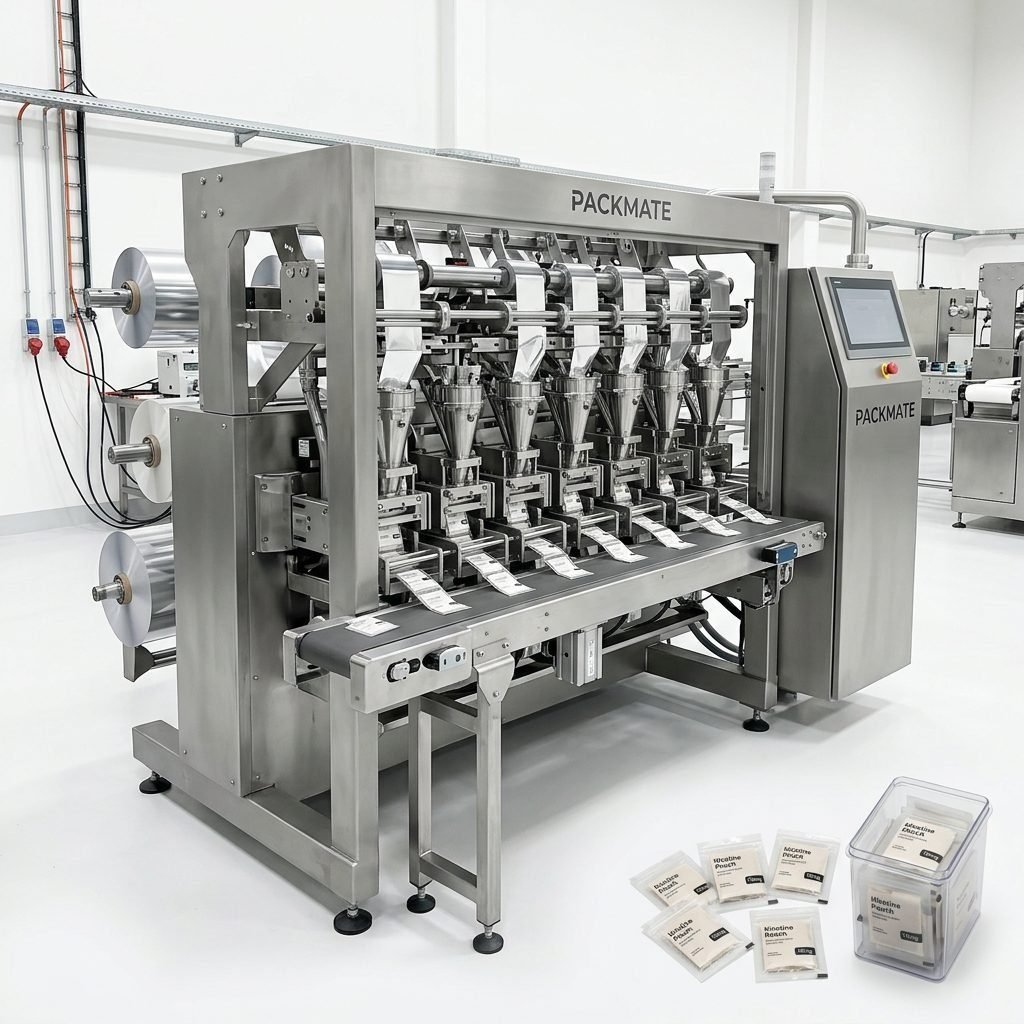
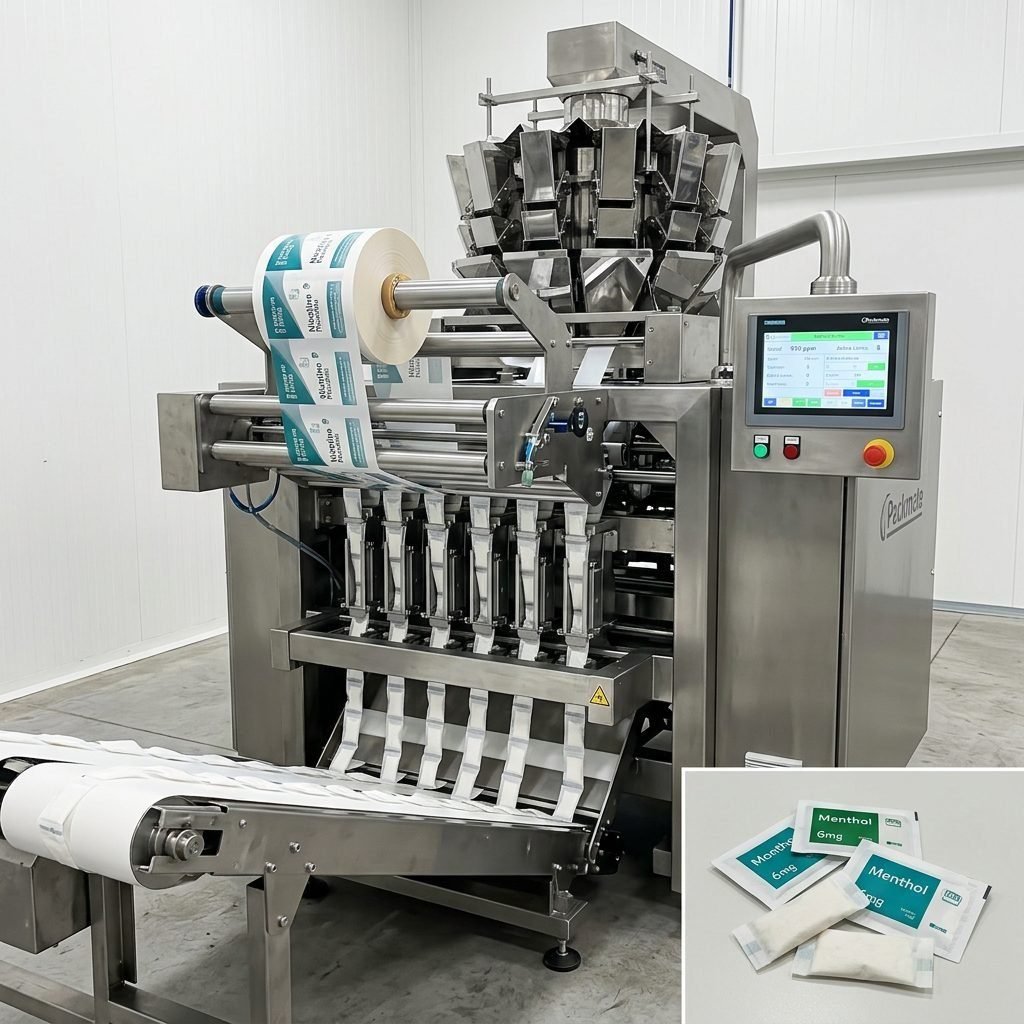
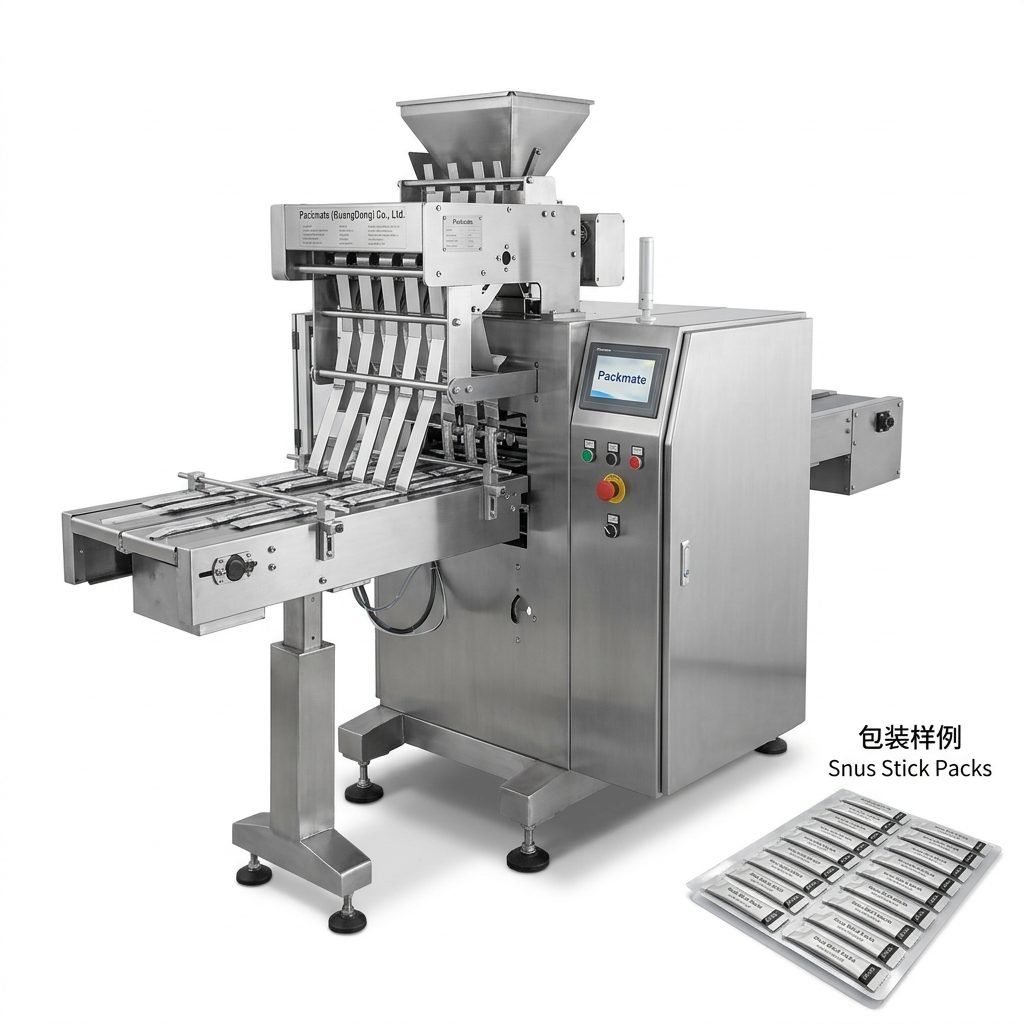
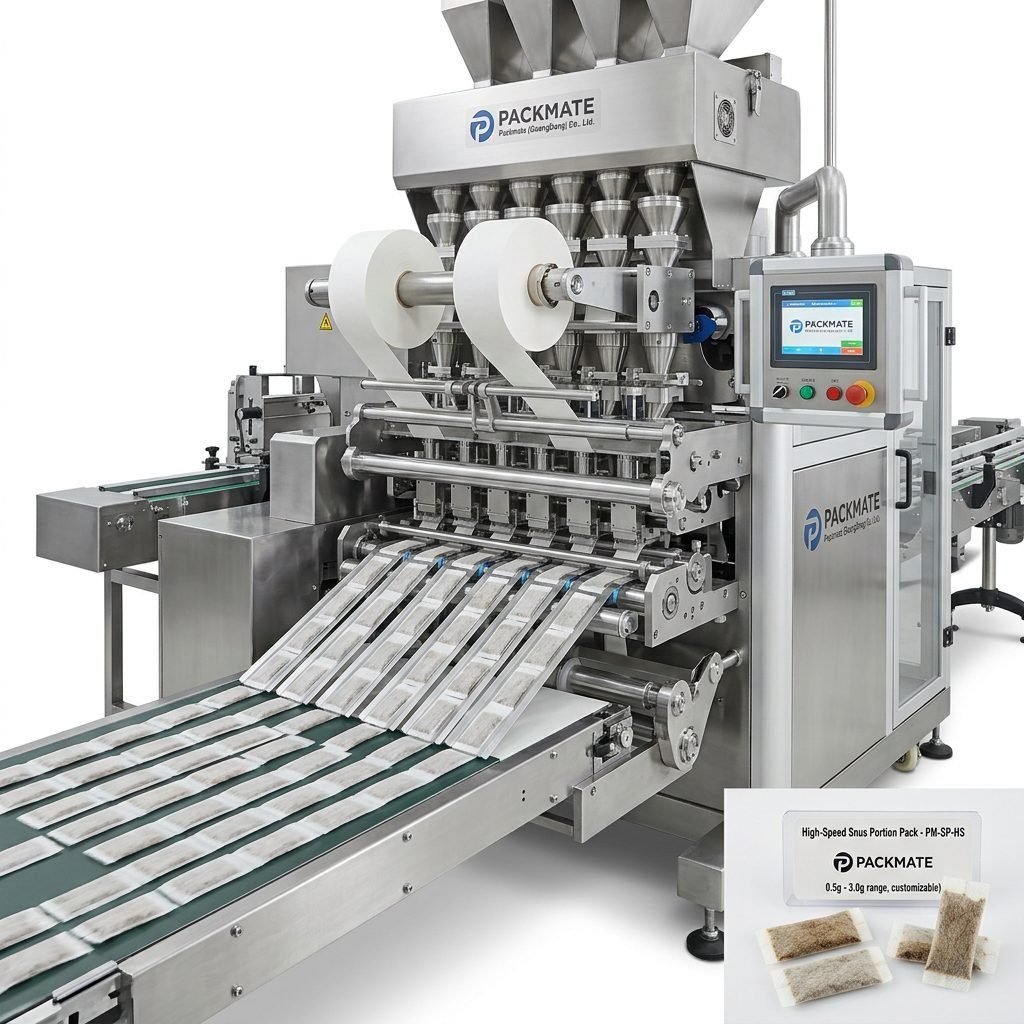
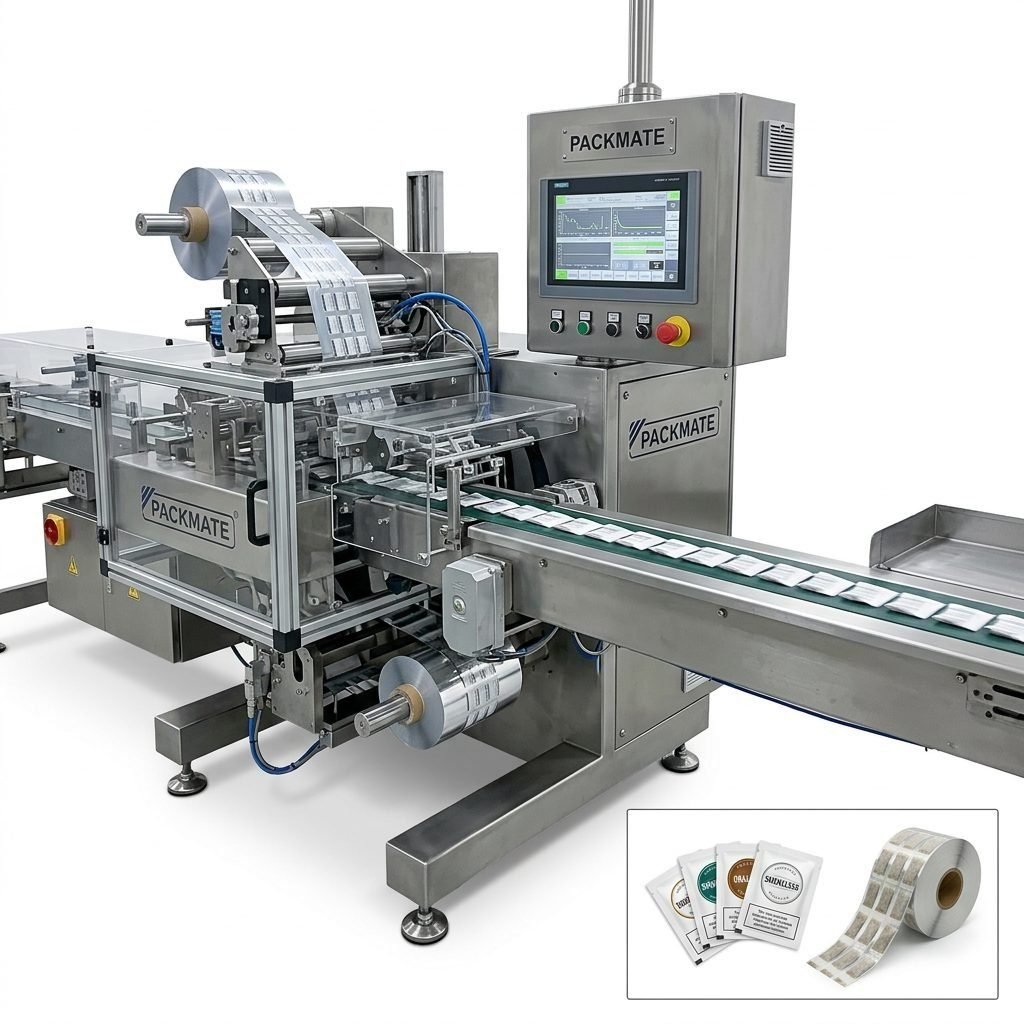
🔧 Broad product range and customization: Ability to offer multi-lane snus pouch machines, stick packs, and supporting auxiliary equipment tailored to your product specs.
1. Experience & Track Record
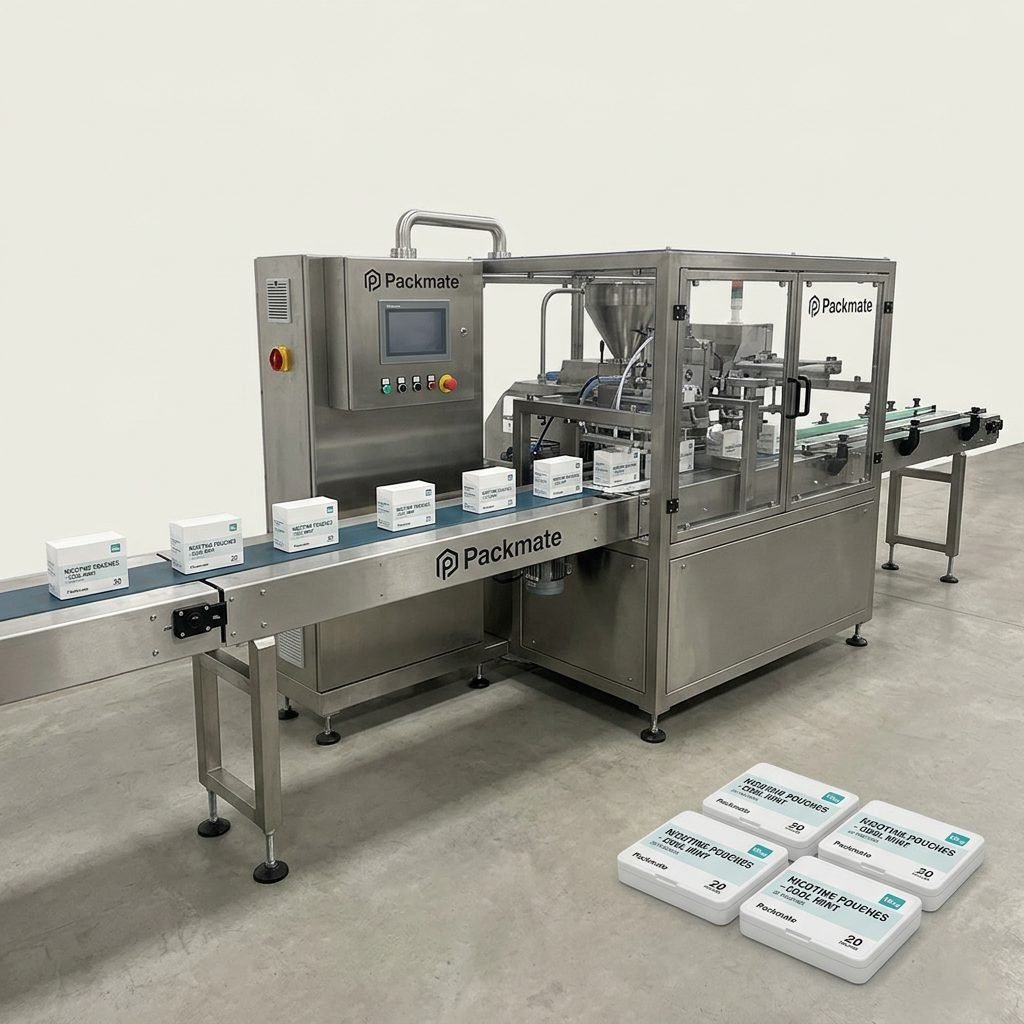
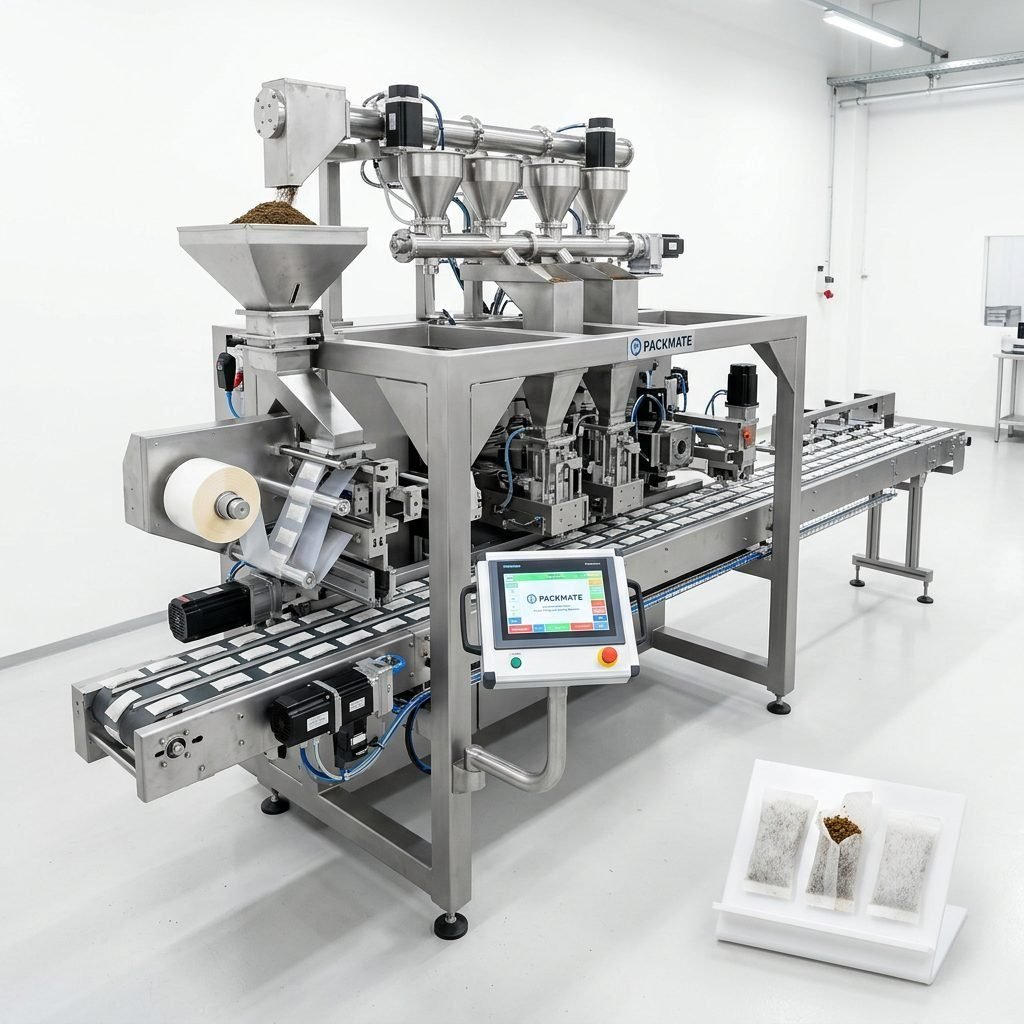
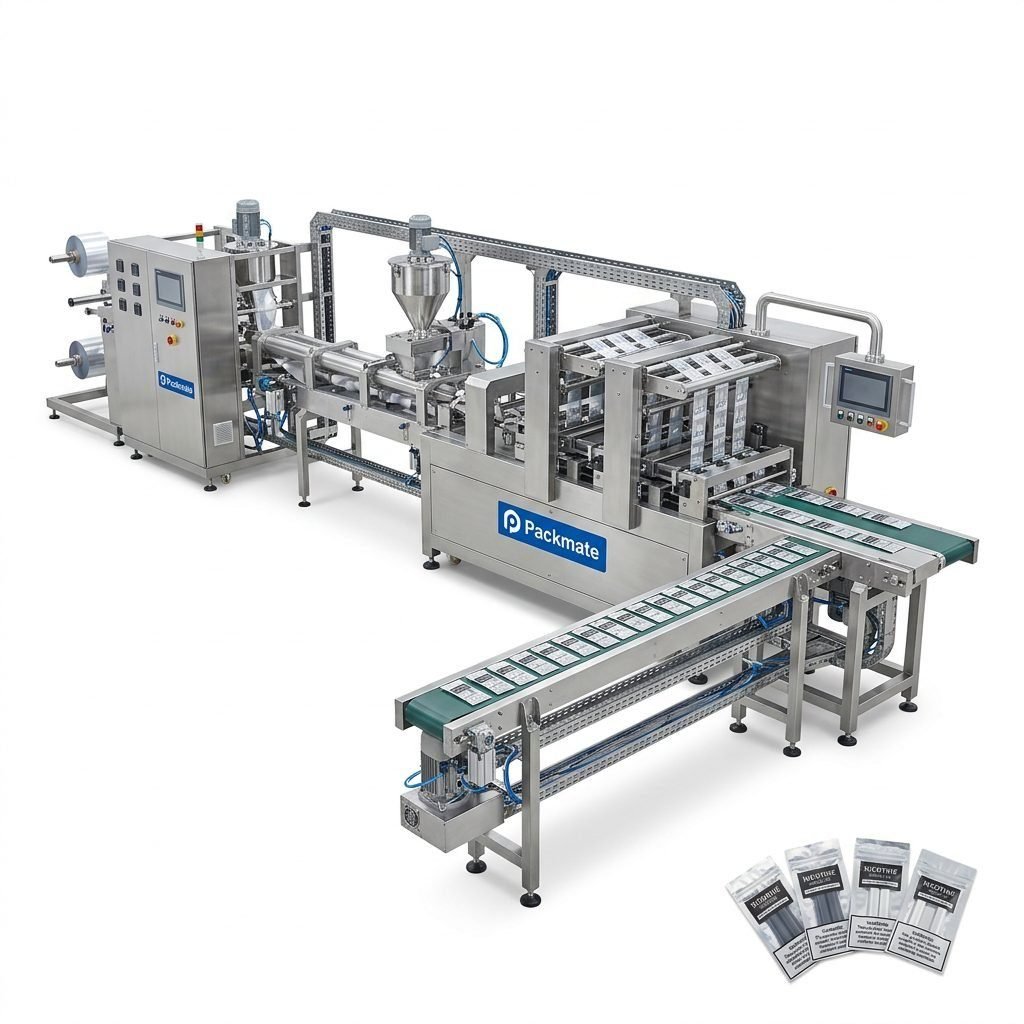
Choose suppliers with a demonstrable history in snus and nicotine pouch packaging. Companies with 20–30+ years of engineering and repeated success in multi-lane systems offer better risk mitigation. Look for case studies and regional references that show successful deployments in climates similar to Zimbabwe. For example, Packmate Snus Machine combines over 30 years of engineering experience with turnkey solutions across global markets, which reduces the learning curve for new production lines.
2. Machine Performance, Flexibility & Customization
High-speed multi-lane machines and modular systems let you scale output while maintaining consistent pouch quality. Evaluate:
✔️ Throughput & uptime: Does the supplier publish realistic OEE rates and offer redundancy for critical components?
✔️ Format changeover: How quickly can the machine switch between pouch sizes, flavors, and lane counts?
3. Certifications, Safety & Compliance
Ensure machines meet international certifications such as CE and ISO. These certifications not only indicate manufacturing quality but also simplify customs clearance and local compliance checks. Suppliers that proactively provide documentation for electrical safety, EMC, and material contact compliance will accelerate installation and local approvals.
4. After-Sales Support, Spare Parts & Training
🚚 Local spares availability: Rapid access to consumables and spare parts reduces downtime in Zimbabwe where lead times may be long.
👩🏫 Comprehensive training: On-site commissioning and operator training ensures your team can operate and maintain machines reliably.
Operational Considerations for Zimbabwe
Zimbabwe’s infrastructure and operating realities should shape your machine choice and supplier expectations. Consider these operational elements when negotiating contracts:
⚡ Power stability: Ask about voltage tolerance, soft-start options, and UPS-compatible controls.
🚛 Logistics & import support: Does the supplier assist with export documentation, customs classification, and local freight coordination?
🏭 On-site installation: Clarify whether the supplier provides engineers for assembly, machine alignment, and test runs in Zimbabwe.
Commercial Terms & Total Cost of Ownership (TCO)
Price is only one part of the decision. A lower upfront cost can be offset by higher maintenance, spare parts, or poor energy efficiency. Evaluate:
💰 Warranty & spare parts pricing: Transparent lists of wear parts and expected lifetimes reduce surprises.
📈 Energy consumption & consumables: Efficient servo drives and optimized pneumatics lower operating costs in the long run.
🧾 Financing & leasing: Some suppliers provide financing options or staged payments for turnkey projects—clarify terms early.
Factory Acceptance Tests & Pilot Runs
Always require factory acceptance tests (FAT) and a pilot run with your actual materials. FAT reduces installation surprises and verifies that the machine meets promised speeds, fill accuracy, and sealing performance. Ask for a video-demonstrated FAT or, if practical, visit the manufacturer’s production facility to witness trials.
References, Case Studies & Independent Reviews
Request client references and review real case studies that show how the supplier addressed similar production goals and environmental conditions. Reliable suppliers are proud to share detailed project case studies and contactable references. For more detailed examples and solutions, check supplier product portfolios and case showcases.
Useful Supplier Resources & Links
Here are a few supplier resources to review when researching packaging partners:
• Snus & Nicotine Packaging Machines
• Sachet & Stick Pack Machines
• Case Studies — real installations and performance reports
• About Packmate — company background and factory capacity
Red Flags to Watch Out For
Be cautious if any of the following appear during vendor discussions:
⚠️ Vague technical specs: Suppliers who cannot provide detailed OEE, power draw, or spare parts lists.
⚠️ No FAT or pilot guarantees: Refusal to perform acceptance testing with your materials.
⚠️ Weak after-sales commitment: Unclear timelines for spare part delivery or remote technical support.
Negotiating Contracts & Service Agreements
When finalizing a purchase, insist on transparent service level agreements (SLAs), clear warranty terms, and a timeline for spare parts shipments. Include clauses for:
• Commissioning and acceptance criteria after installation.
• Defined lead times for critical spare parts and consumables.
• Remote support availability and escalation procedures for urgent breakdowns.
Final Checklist Before You Buy
✅ Factory Acceptance Test completed with your materials
✅ Clear spare parts list and local stocking plan
✅ Written SLAs, warranty, and installation scope
✅ References and case studies from similar markets
Why a Reputable Manufacturer Matters
Selecting a well-established manufacturer reduces risk across the project lifecycle: from initial design and commissioning to routine maintenance and upgrades. Reputable suppliers like Packmate Snus Machine offer comprehensive portfolios—from snus specific lines to auxiliary equipment—and global support structures that aid African market entries. Reviewing their factory capabilities, certifications, and long-term service commitments can save significant cost and time.
Next Steps for Buyers in Zimbabwe
1) Shortlist 2–3 suppliers with experience in snus/nicotine packaging. 2) Request detailed technical proposals, spare parts lists, and FAT schedules. 3) Visit the supplier or request documented FATs and client references. 4) Negotiate SLAs and warranty terms with clear penalties for missed commitments.
Helpful Links & Further Reading
Explore product lines and support services to compare technical capabilities:
• Snus & Nicotine Packaging Machines
• Bag & Pouch Packaging Machines
• Service & After-Sales Support
Conclusion
Choosing a reliable snus packaging machinery supplier in Zimbabwe means balancing technical fit, local operational realities, and long-term support. Prioritize suppliers with proven snus/nicotine experience, solid after-sales service, and transparent commercial terms. With careful evaluation—FATs, clear SLAs, and verified references—you can secure a packaging partner that supports product quality, regulatory compliance, and scalable growth in the Zimbabwean market.
Frequently Asked Questions
Q1: What machine features are most important for Zimbabwe’s climate?
A1: Prioritize robust sealing technology, temperature-tolerant materials, and machines with stable PLC and servo systems that tolerate voltage fluctuations.
Q2: How important is local spare parts stocking?
A2: Extremely important—local or regional spare parts availability minimizes downtime and speeds repairs, which is critical where international lead times can be long.
Q3: Should I demand a factory acceptance test (FAT)?
A3: Yes—FAT with your actual materials confirms machine performance and is often a contractual prerequisite before shipment and final payment.
Q4: What after-sales support should I require?
A4: Require defined SLA response times, remote support options, spare parts lists with pricing, and on-site commissioning support as part of the contract.
Q5: Where can I find more detailed machine specifications and case studies?
A5: Review manufacturer product pages and case sections for documented installations and machine specs to compare options.