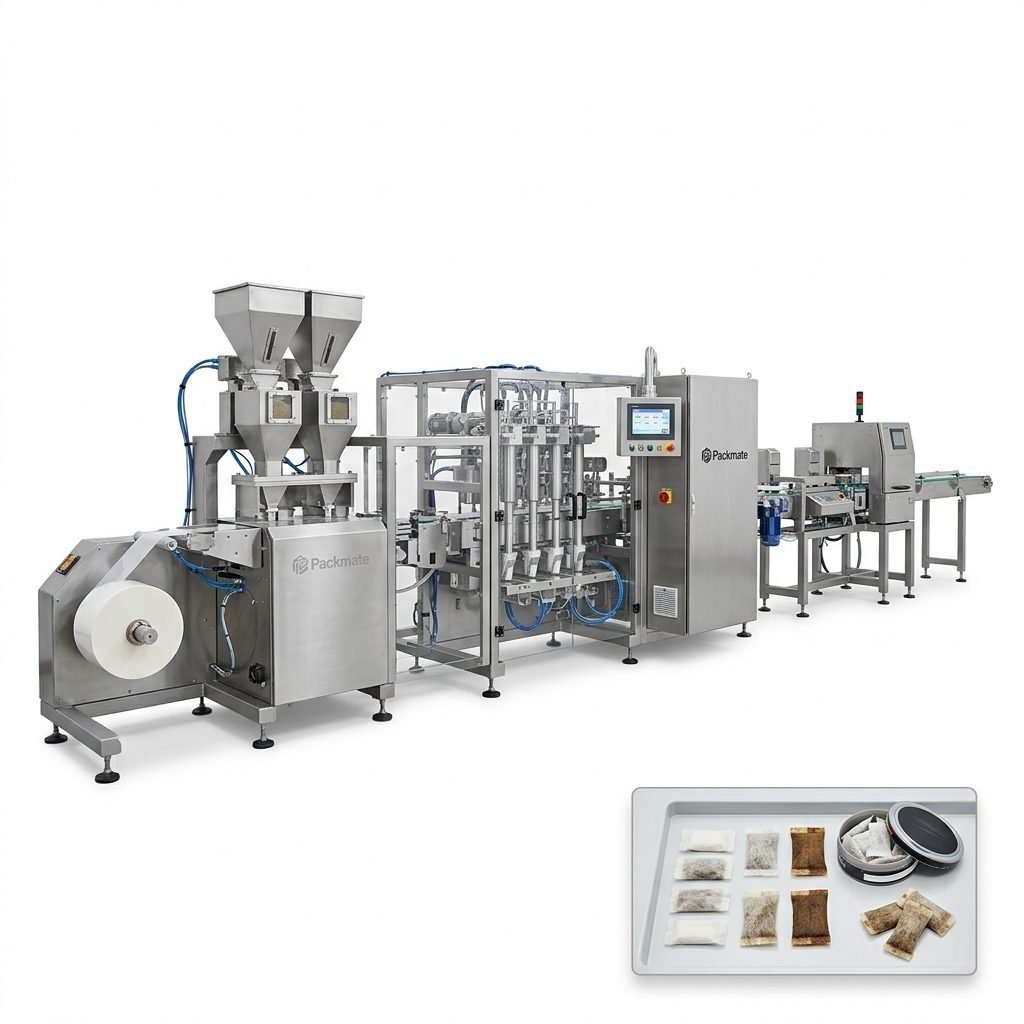
Choosing the right supplier for snus packaging machinery in Bolivia is more than buying a machine — it’s about securing reliable production, regulatory compliance, and long-term service that fits local business practices. This guide walks Bolivian importers, manufacturers and entrepreneurs through practical steps to evaluate suppliers, compare technologies, and make decisions that balance cost, quality and operational fit.
Why the Right Supplier Matters in Bolivia
In Bolivia, packaging for nicotine pouches or snus must align with local market preferences, distribution logistics across highland and lowland regions, and rising expectations for product consistency. A strong supplier will deliver machines tailored to small-batch flexibility, multi-lane production for scale-up, and robust after-sales support that accounts for distance from major ports and varying utility conditions.
Quick facts to check first
► Manufacturer history: Prefer suppliers with proven experience (30+ years is a strong signal).
► Certifications: CE / ISO compliance for export and safety standards.
► Product range: Options for sachet, stick pack and multi-lane snus packaging lines.
Understand Local Market & Cultural Considerations
Bolivia’s diverse geography and cultural landscape influences packaging choices. For example, consumers in high-altitude cities like La Paz may prioritize discreet, compact formats and strong seal integrity to maintain freshness; in tropical lowland regions, moisture resistance becomes more important. When evaluating suppliers, discuss how the proposed packaging materials and sealing processes handle these environmental differences.
Tailor features to local sales channels
Bolivian retail channels range from formal supermarkets to small neighborhood tiendas. Choose machines that allow flexible package sizes and rapid changeover — this reduces inventory risk and lets you test new SKUs. Also consider labeling and compliance modules if you plan to export regionally.
Technical Criteria: What to Evaluate
A supplier’s technical offering should match your production goals. Below are the most important technical aspects to verify during evaluation.
Machine types & compatibility
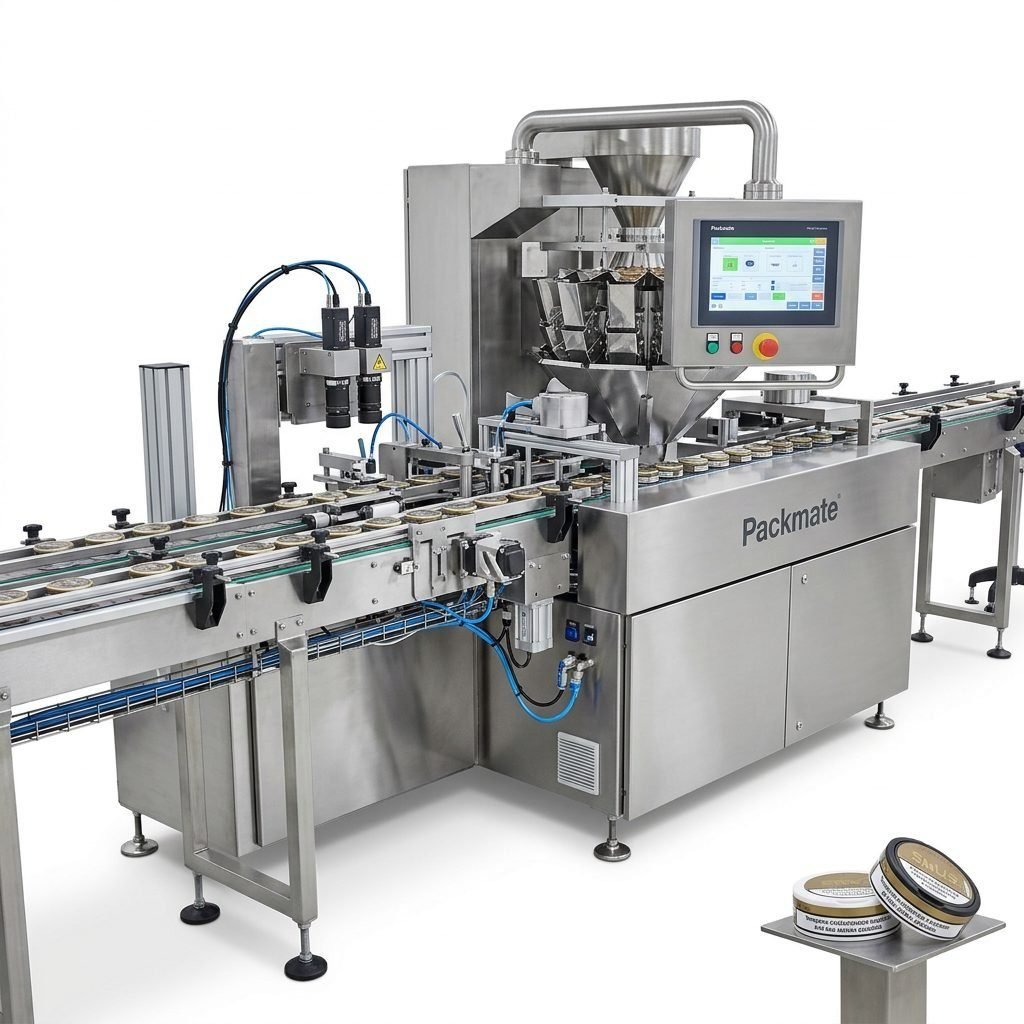
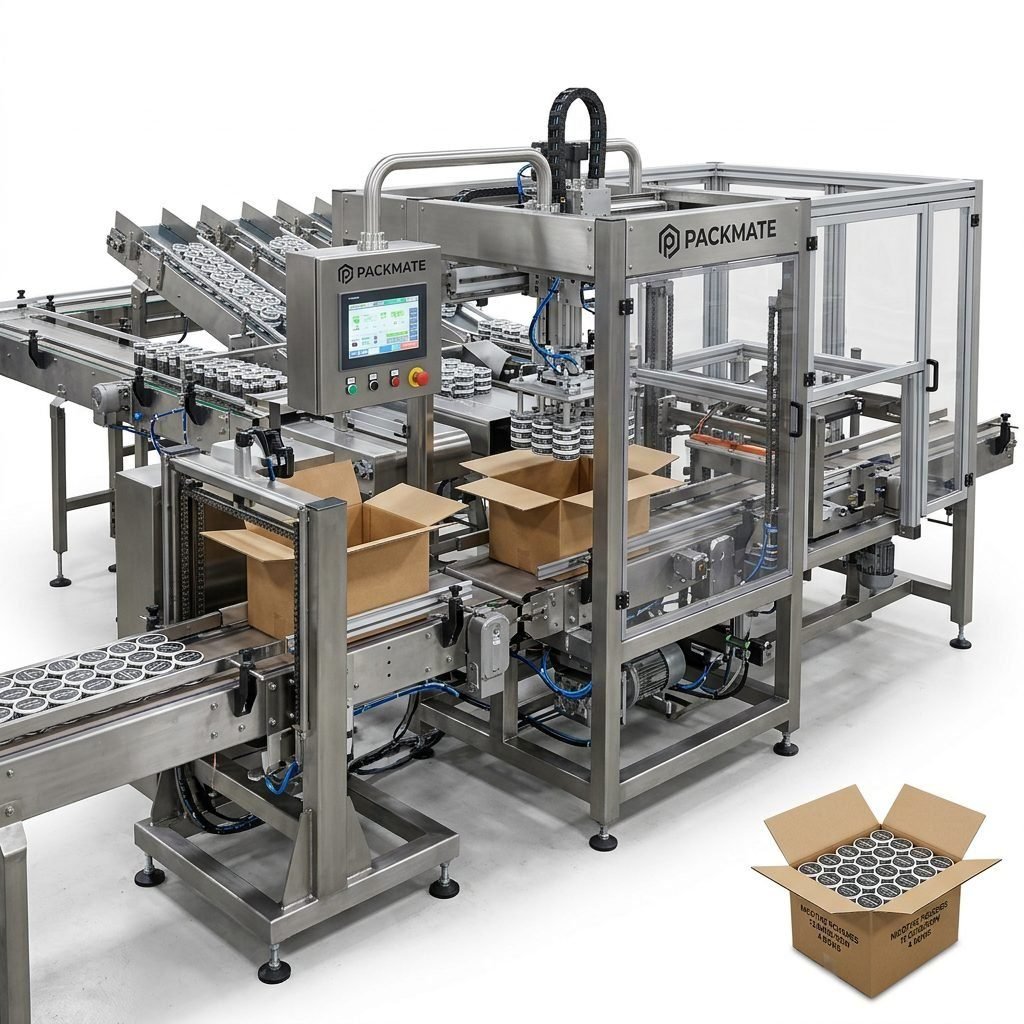
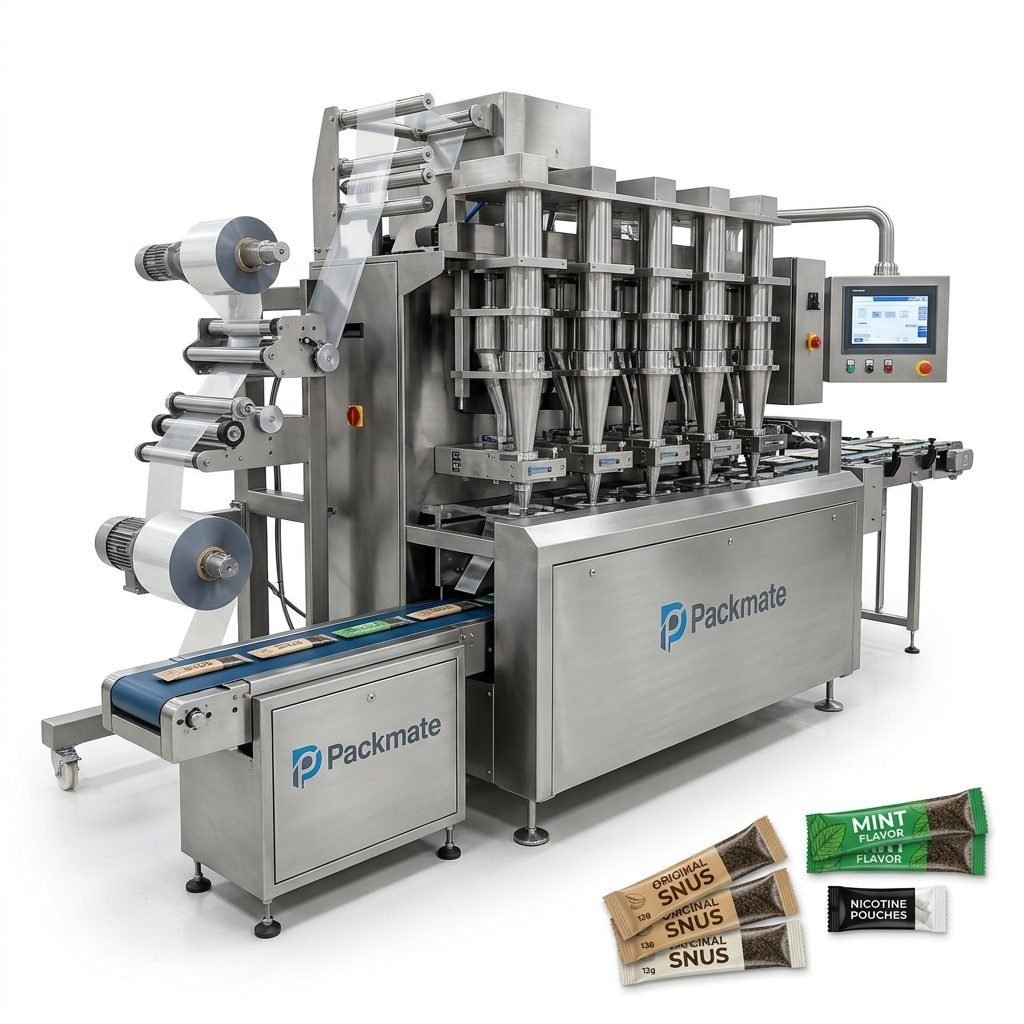
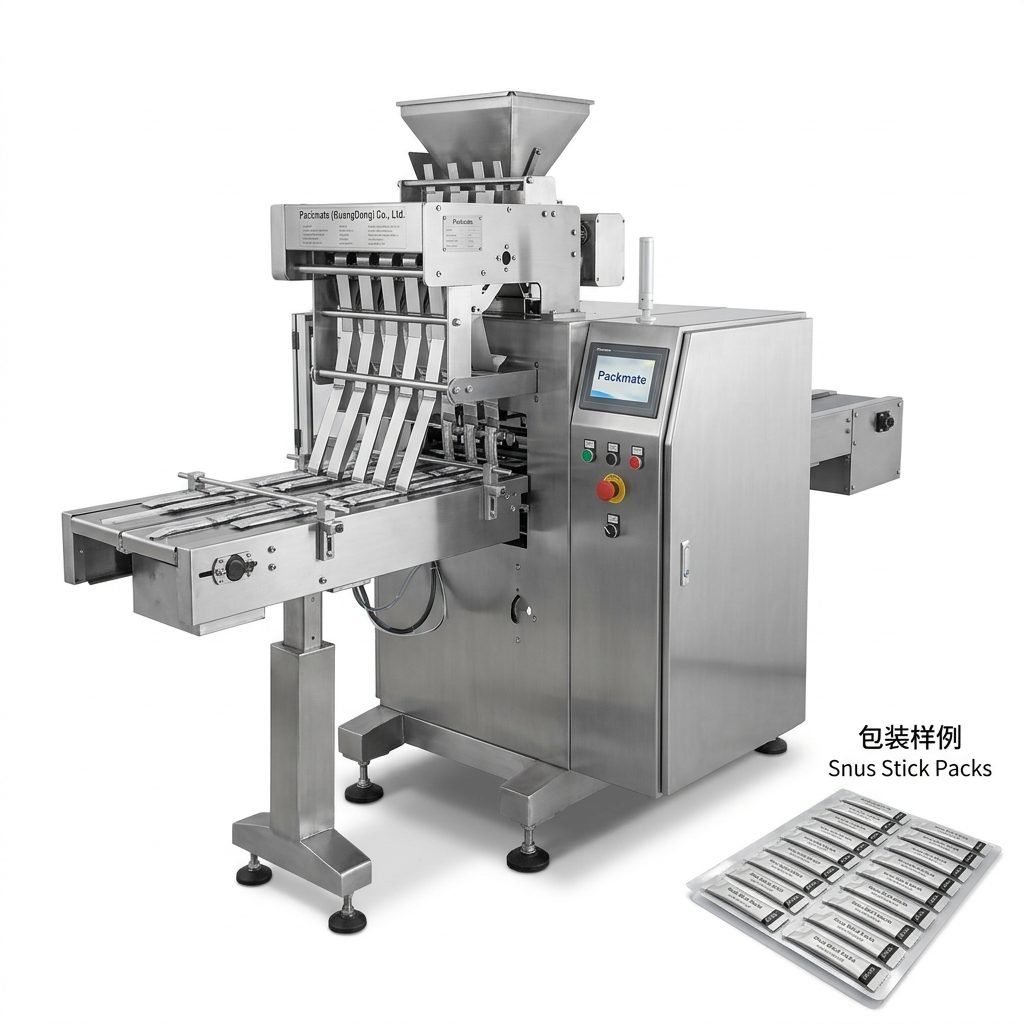
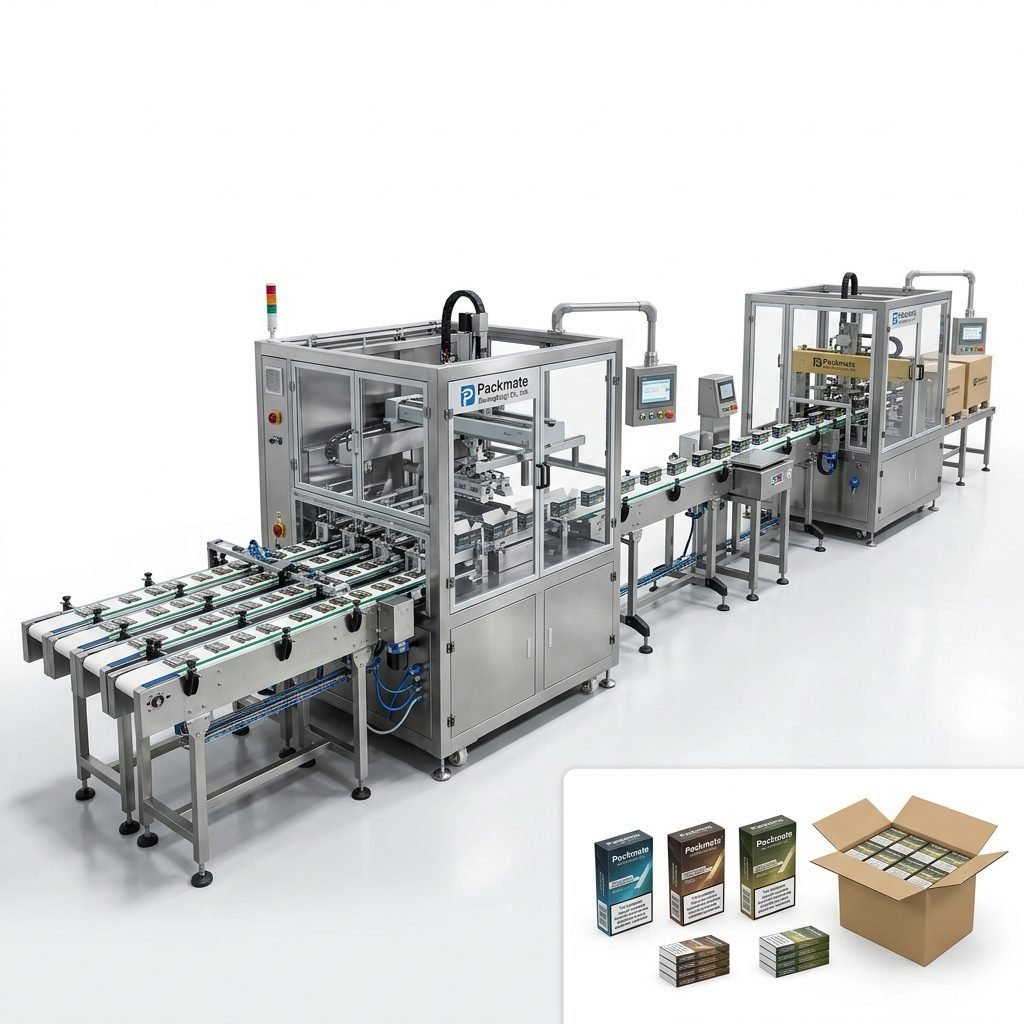
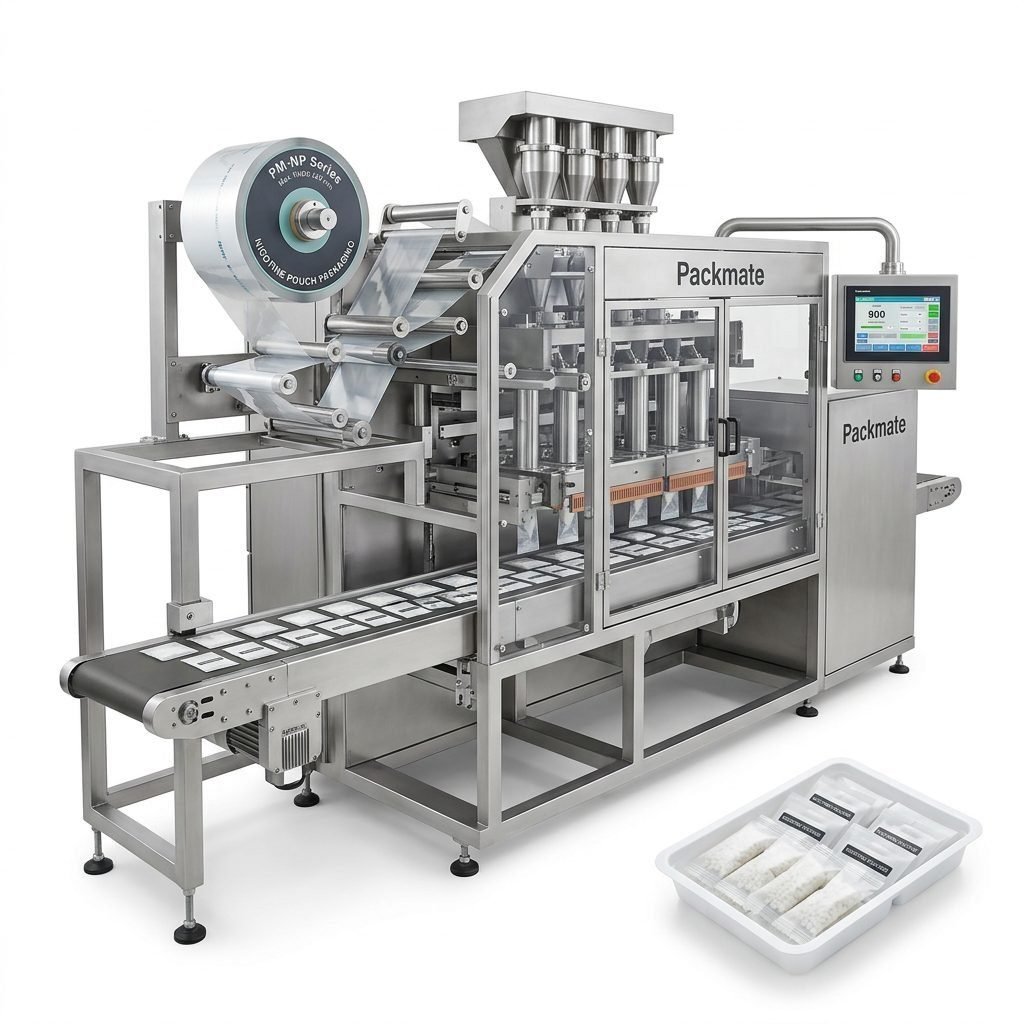
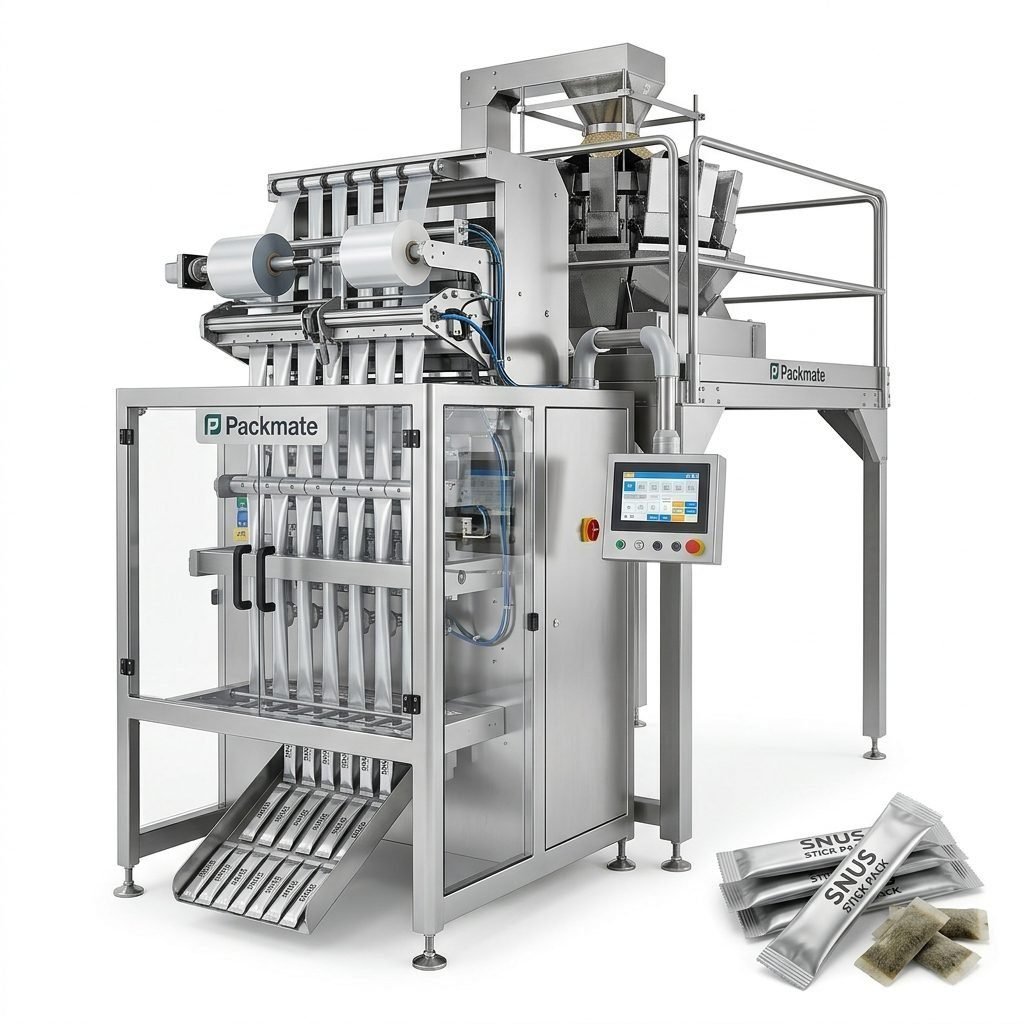
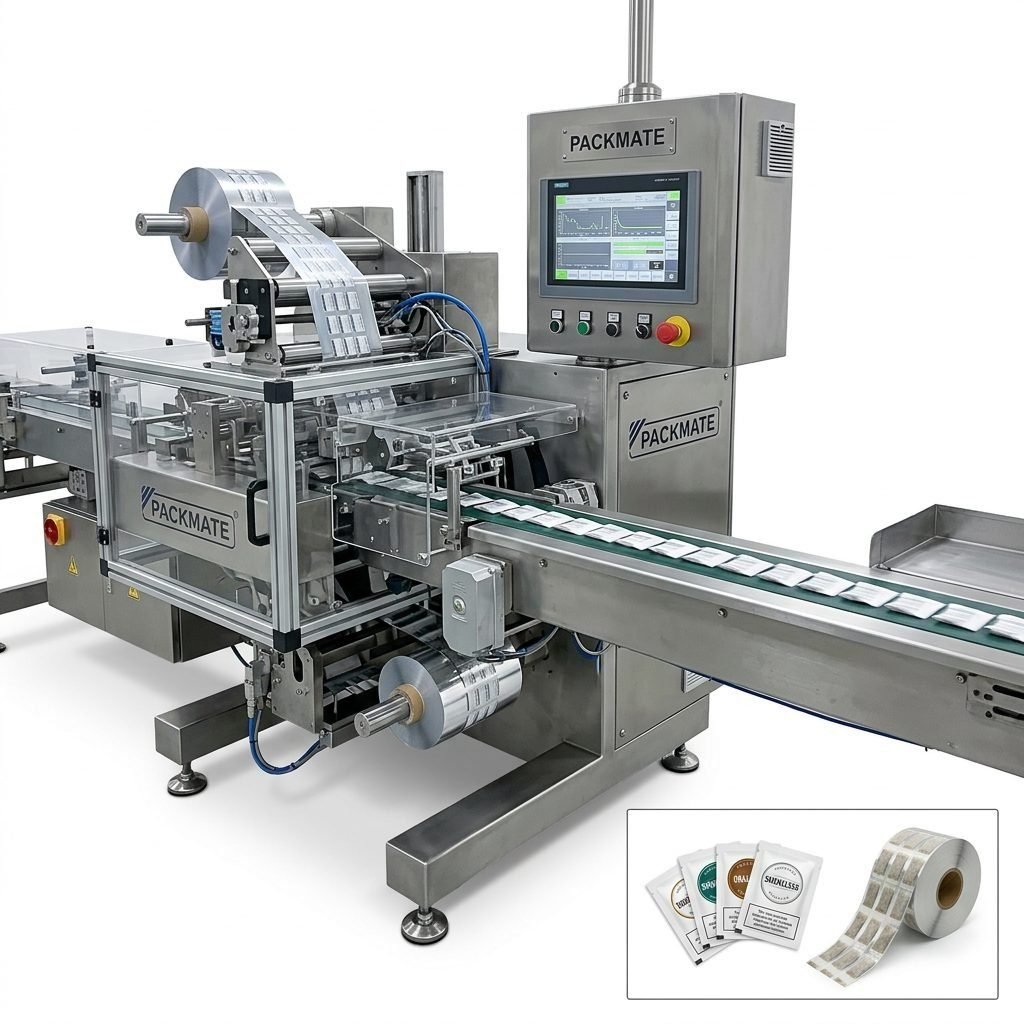
Look for a supplier that offers a variety of machine types — sachet, stick pack, multi-lane pouch lines — and the ability to customize for nicotine pouches. For detailed product lines, review manufacturer catalogs and machine pages to confirm available models and modular options. You can explore examples at Snus & Nicotine Packaging Machines and Sachet & Stick Pack Machines.
Throughput, accuracy & dosing
Specify your target throughput (pouches per minute), required dosing accuracy, and acceptable scrap rate. Suppliers should provide performance data and real-world case studies demonstrating consistent dosing for fine powders and small-dose nicotine pouches.
Materials & hygiene
Verify that contact parts are stainless steel (304/316 as required), easy to clean, and compliant with food/pharma hygiene standards if needed. For multi-shift operations, quick tool-less cleaning and sanitary design reduce downtime and cross-contamination risk.
Control systems & interfaces
Modern PLCs and HMI panels simplify setup and diagnostics. Ask about language options (Spanish support is essential for Bolivian operators) and remote support capabilities for troubleshooting.
Assess Factory & Production Capacity
A supplier’s factory infrastructure signals their ability to deliver on time and provide spare parts long-term. Look for evidence of advanced machining centers, dedicated assembly lines and a structured quality control process. For an example of such capabilities, see the manufacturer’s About page and factory profile at About Packmate.
✔ Factory size & capacity: 20,000㎡ with advanced CNC machining centers indicates consistent build quality.
✔ Model variety: 50+ machine models provide flexibility for growth.
Quality, Certification & Proof
Certifications such as CE and ISO convey commitment to safety and quality processes. Ask for certificates and request inspection reports for the specific machines you plan to buy. If possible, watch live demonstrations at industry exhibitions — suppliers frequently showcase machines in action at global events (see Our Exhibition).
Factory acceptance & testing
Negotiate Factory Acceptance Tests (FAT) that include your product samples. A reliable supplier will agree to run your formulas and provide performance metrics before shipment.
After-sales Support, Spare Parts & Training
Long-term support is crucial for operations in Bolivia where sourcing parts can take time. Ensure the supplier offers:
- Clear spare parts lists and lead times
- Remote troubleshooting and software updates
- On-site commissioning and operator training in Spanish
- Comprehensive manuals and a parts warranty
⚠️ Tip: Ask the supplier for a spare parts kit and an annual maintenance schedule tailored to Bolivian operating conditions.
Commercial Terms, Logistics & Installation
Clarify lead times, incoterms, shipping to major Bolivian ports (e.g., via Chilean ports or Brazilian logistics corridors), and installation responsibilities. Turnkey suppliers who can manage packaging lines end-to-end reduce coordination complexity.
If you need complementary systems like weighing or filling modules, consider integrated suppliers to avoid compatibility issues — see Weighing & Packaging Systems and Filling & Packaging Lines.
How to Vet Suppliers When You Can’t Visit in Person
If travel is impractical, use a combination of digital demonstrations, customer references and documentary evidence:
- Request live video demos with your product samples running on the proposed machine.
- Ask for customer contact details in similar climates or industries and request performance feedback.
- Review detailed technical sheets, electrical schematics, and warranty terms.
- Check for documented case studies and global cooperation examples — a reliable source is the manufacturer’s case page: Case.
Red flags to watch for
Limited or no references, vague performance claims without data, long unexplained lead times for critical spare parts, or lack of Spanish-language documentation are all warning signs.
Making the Decision: Practical Steps
Follow this pragmatic sequence to choose a supplier:
- Define clear production requirements (SKU counts, batch sizes, target throughput).
- Shortlist manufacturers with relevant machine types and certifications.
- Request detailed proposals, FAT agreements, and spare parts lists.
- Organize remote demos and check references.
- Negotiate payment terms, delivery, and after-sales guarantees.
- Plan installation, training and a staged ramp-up production schedule.
✅ Decision checklist: Has the supplier demonstrated machine performance with your product? Are spare parts and Spanish support available? Is there an agreed FAT and a documented warranty?
Why Packmate-type Suppliers Often Make Sense
Manufacturers with decades of engineering experience, sizable production facilities and a broad product range can deliver end-to-end solutions, from individual machines to full turnkey lines. They also commonly attend global exhibitions and publish case studies that validate field performance. For more information about full-service offerings and auxiliary equipment, explore Auxiliary Packaging Equipment and the company service pages at Service.
Practical example
A South American start-up chose a multi-lane sachet line after reviewing remote demos, validating dosing accuracy with their nicotine formulation, and confirming a local partner could handle installation. The supplier provided FAT documentation, a spare parts kit and operator training in Spanish — reducing initial downtime and building operator confidence.
Final Recommendations
Invest time in due diligence: request demonstrations, verify certifications, confirm spare parts logistics, and ensure a Spanish-speaking support path. A balanced choice prioritizes reliability and service as much as purchase price, especially when entering a market with diverse regional requirements like Bolivia.
Useful links
Explore relevant product categories and company information:
Next steps for Bolivian buyers
Start with a needs assessment, prepare sample product for trial runs, shortlist 2–3 suppliers based on references and technical fit, and arrange FATs before signing large contracts. Prioritize suppliers who can provide local-language manuals and training.
Frequently Asked Questions (FAQs)
Q1: What paperwork and certifications should I request?
Ask for CE and ISO certificates, machine-specific inspection reports, an electrical schematic matched to Bolivian power specifications, and documented FAT results for the specific machine.
Q2: How long does a typical delivery and installation take?
Lead times vary by model and customization level; budget 12–20 weeks for standard machines and longer for complex turnkey lines. Installation and commissioning typically require 1–3 weeks depending on scope and training needs.
Q3: Can machines be adapted for Bolivia’s utility and climate conditions?
Yes — reputable suppliers will provide electrical adaptations, humidity-tolerant components, and operational guidance for high-altitude environments. Discuss these needs early and include them in the technical contract.
Q4: What after-sales support should I insist on?
Require clear spare parts lists, remote diagnostic access, on-site commissioning, operator training in Spanish, and a defined warranty. A spare parts kit and routine maintenance schedule are highly recommended.
Q5: How do I ensure safe import and customs clearance into Bolivia?
Work with freight forwarders experienced with Bolivian customs, confirm correct HS codes, prepare technical documentation in Spanish as required, and verify any import permits for packaging equipment. Your supplier’s logistics team can often assist with documentation and shipping coordination.