Choosing the right snus packaging machinery supplier for your factory in Libya is a strategic decision that impacts product quality, regulatory compliance, and long-term profitability. This guide walks manufacturing managers, entrepreneurs, and procurement teams through what matters most—technical capabilities, after‑sales support, compliance, and local market considerations—so you can make an informed, low‑risk investment.
Understand the Libyan Market & Cultural Context
Libya is a country with unique social and regulatory dynamics. As a predominantly Muslim society, consumer attitudes toward tobacco and nicotine products can be conservative in many regions. Before investing, conduct market research to determine demand segmentation: industrial export customers, non‑tobacco herbal sachets, or strictly regulated nicotine markets. Packaging that includes Arabic bilingual labeling and culturally sensitive artwork is often essential for local acceptance.
Key local tips: register product compliance with Libyan authorities early, prepare Arabic labels, and consider partnering with a trusted local distributor or agent to navigate customs and market preferences. ⚠️
1. Verify Machinery Types & Production Flexibility
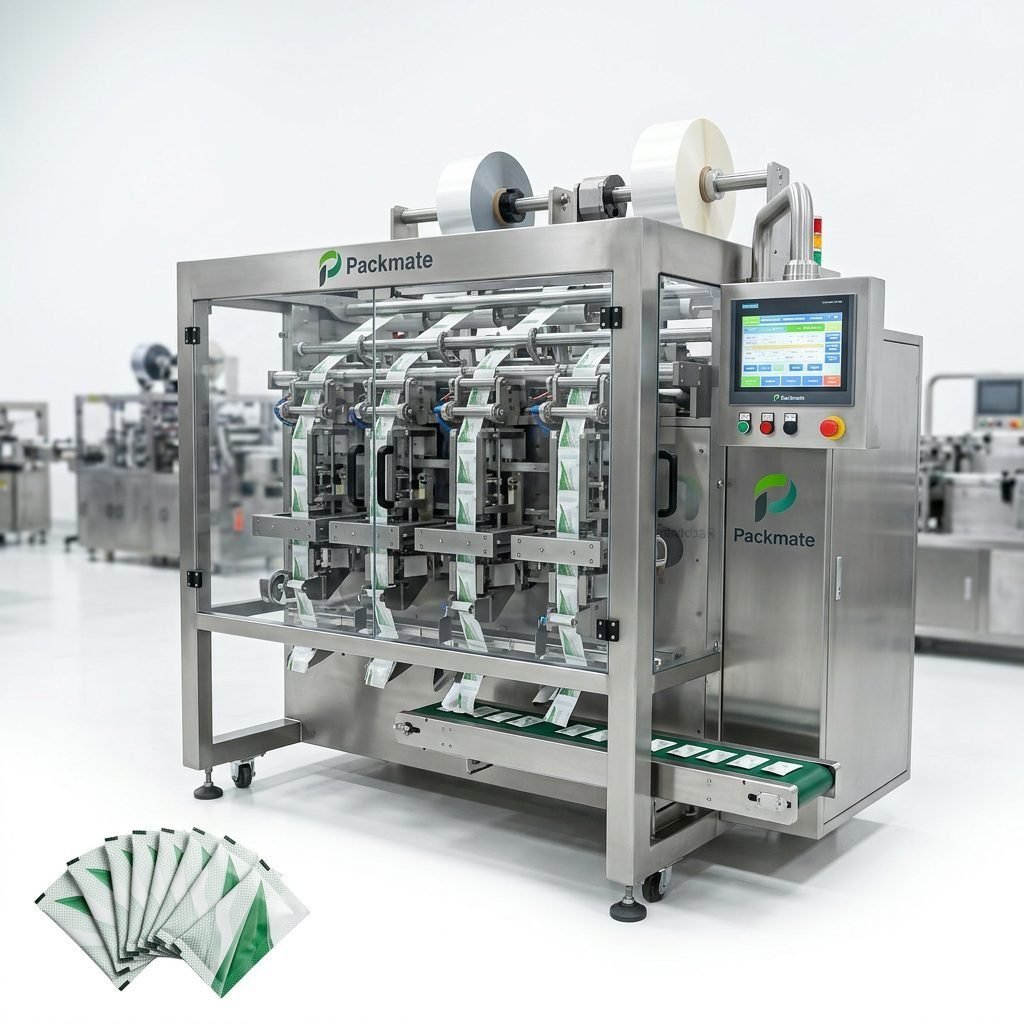
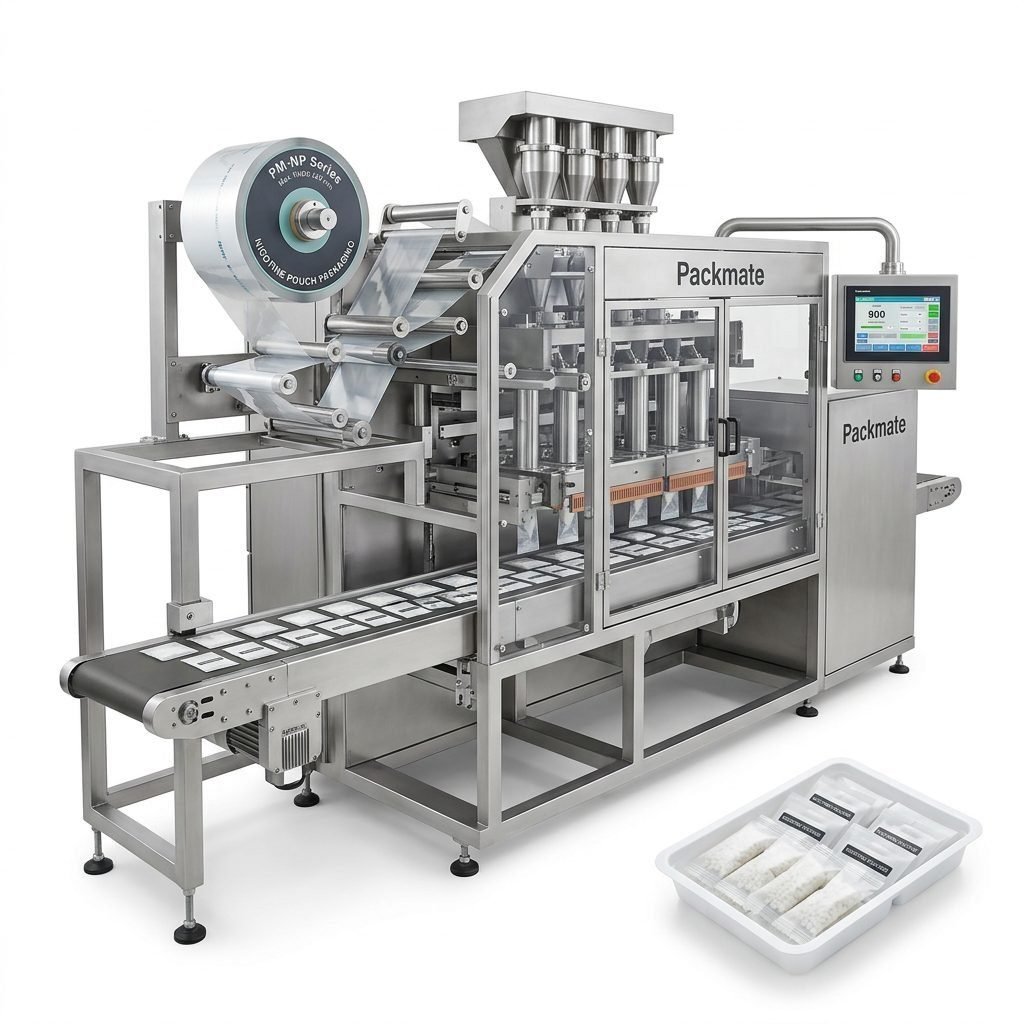
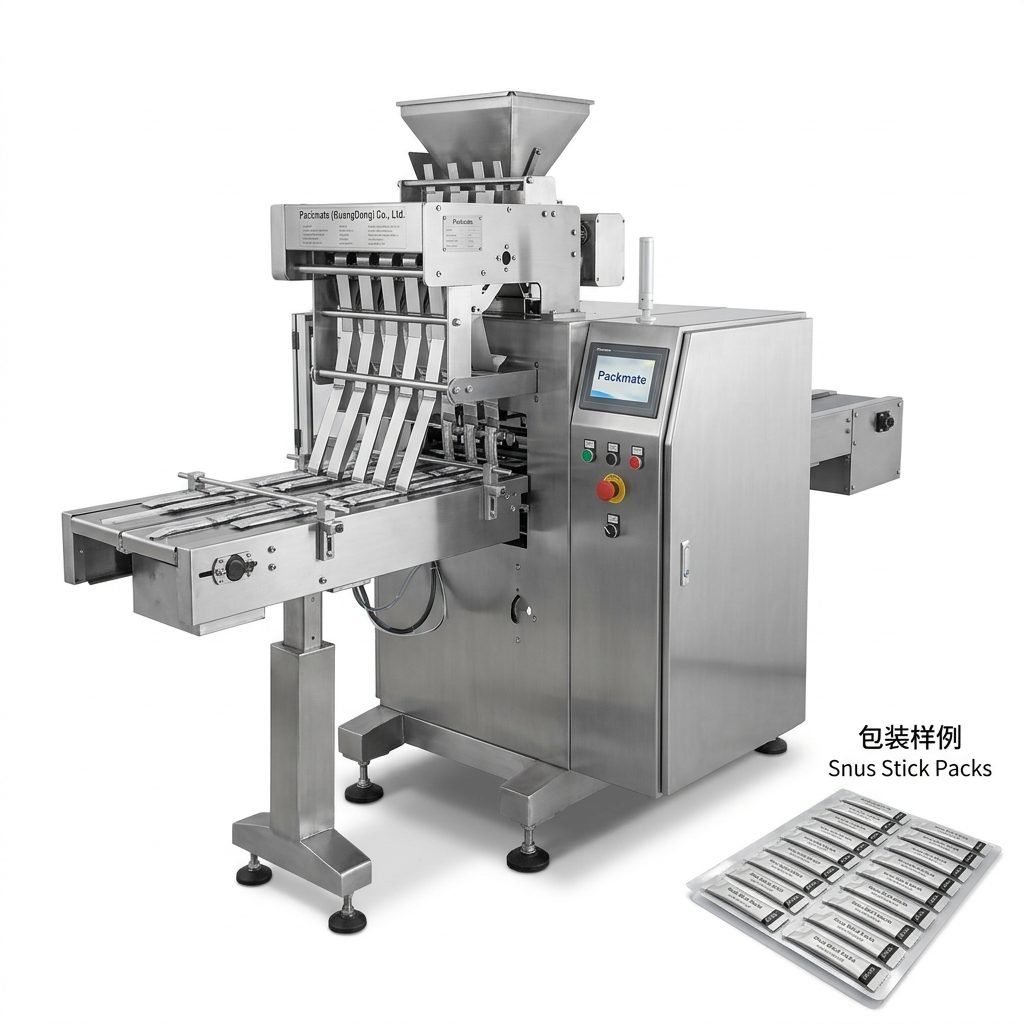
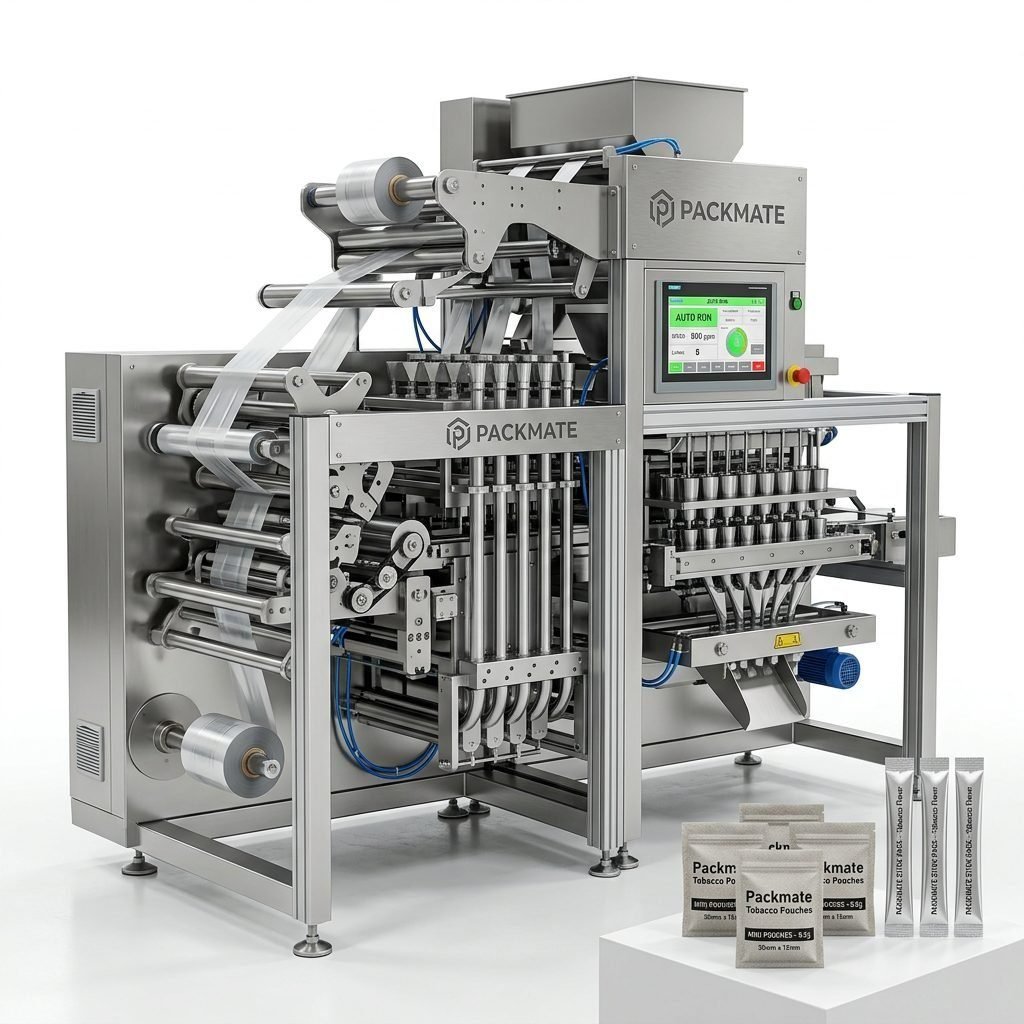
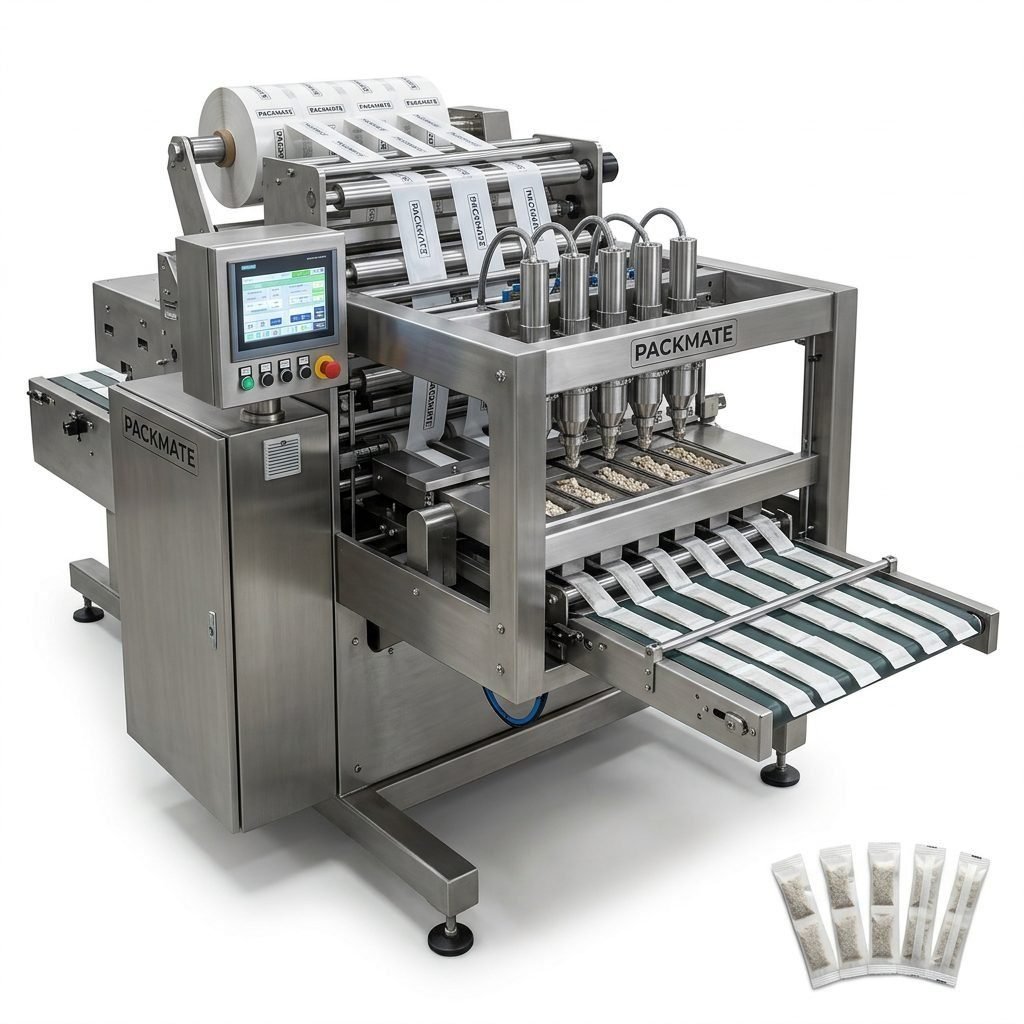
Snus and nicotine pouch production requires specialized equipment: multi‑lane pouch machines, stick packs, sachet packers, and precise weighing systems. Choose suppliers that offer a range of models so you can scale from low-volume pilot lines to full automated production. Look for machines with:
- Modular design for easy expansion
- Multi‑lane capability for small‑dose pouches
- Accurate dosing systems for powders and granules
- Options for different pouch materials and barrier films
Why flexibility matters
Consumer preferences in Libya can vary by region and product type. A flexible line helps you test multiple SKUs (flavors, portion sizes, pouch materials) without costly downtime.
2. Assess Technical Qualifications & Factory Strength
Evaluate the supplier’s engineering background, production capacity, and quality control. A manufacturer with decades of experience and a well‑equipped factory demonstrates reliability under industrial scale.
🔧 Example selection criteria: 30+ years engineering, 20,000㎡ manufacturing area, advanced CNC machining, and 50+ machine models—these attributes indicate strong R&D and production stability.
Companies like Packmate Snus Machine offer these factory strengths and a comprehensive product range for snus and nicotine packaging. Learn more about their machines and factory capabilities on their About Packmate page.
3. Check Certifications & Regulatory Compliance
International certifications such as CE and ISO signal that machines meet global safety and quality standards. For Libya, ensure the equipment adheres to export documentation, electrical compatibility (Libya uses 230V/50Hz), and can be legally imported with proper certificates.
Suppliers that provide comprehensive documentation—operation manuals, spare parts lists, test certificates, and export invoices—will ease customs clearance and commissioning.
4. Evaluate After‑Sales Service & Spare Parts Supply
Timely after‑sales service is crucial to minimize downtime. Confirm the supplier’s:
- Response time for technical support (remote and onsite)
- Availability of spare parts and local stocking options
- Training packages for operators and maintenance staff
- Warranty terms and service contracts
✅ Tip: ask for a service level agreement (SLA) and consider suppliers that provide remote diagnostics, spare parts kits, and periodic maintenance visits.
5. Request Factory Tour, References & Live Demonstrations
Visit the supplier’s factory if possible, or request video tours and live demonstrations. Observing machines running under load gives valuable insight into build quality, stabilization, and material handling. Verify customer references and examine case studies to confirm real‑world performance.
Packmate publishes customer cases and exhibition demos—these resources can help validate performance before purchase: Case and Our Exhibition.
6. Consider Packaging Materials, Labeling & Localization
For the Libyan market, labels and consumer information in Arabic are expected. Select suppliers who can handle:
- Bilingual printing and variable data coding on pouches
- Customized pouch shapes, barrier films, and inner linings
- High‑resolution printing compatibility for brand imagery
Local consumer acceptance can hinge on how well packaging communicates product safety and ingredients. Make sure your supplier supports flexible labeling modules and print solutions.
7. Logistics, Shipping & Import Considerations to Libya
Shipping heavy machinery to Libya requires planning: choose suppliers experienced in shipping to North Africa and familiar with Libyan ports (Tripoli, Benghazi). Discuss:
- FOB/CIF terms and landed cost estimation
- Crating and shock protection for long sea voyages
- Customs documentation and potential duties
- Local installation support or authorized representatives
📦 Logistics note: engage a freight forwarder experienced with Libyan customs to avoid delays. Confirm whether the supplier assists with export paperwork and pre‑shipment inspection.
8. Total Cost of Ownership & Financing Options
Look beyond the purchase price. Tally installation costs, spare parts inventory, consumables (films, inks), training, and expected maintenance. A higher quality line may offer lower lifetime cost and higher uptime.
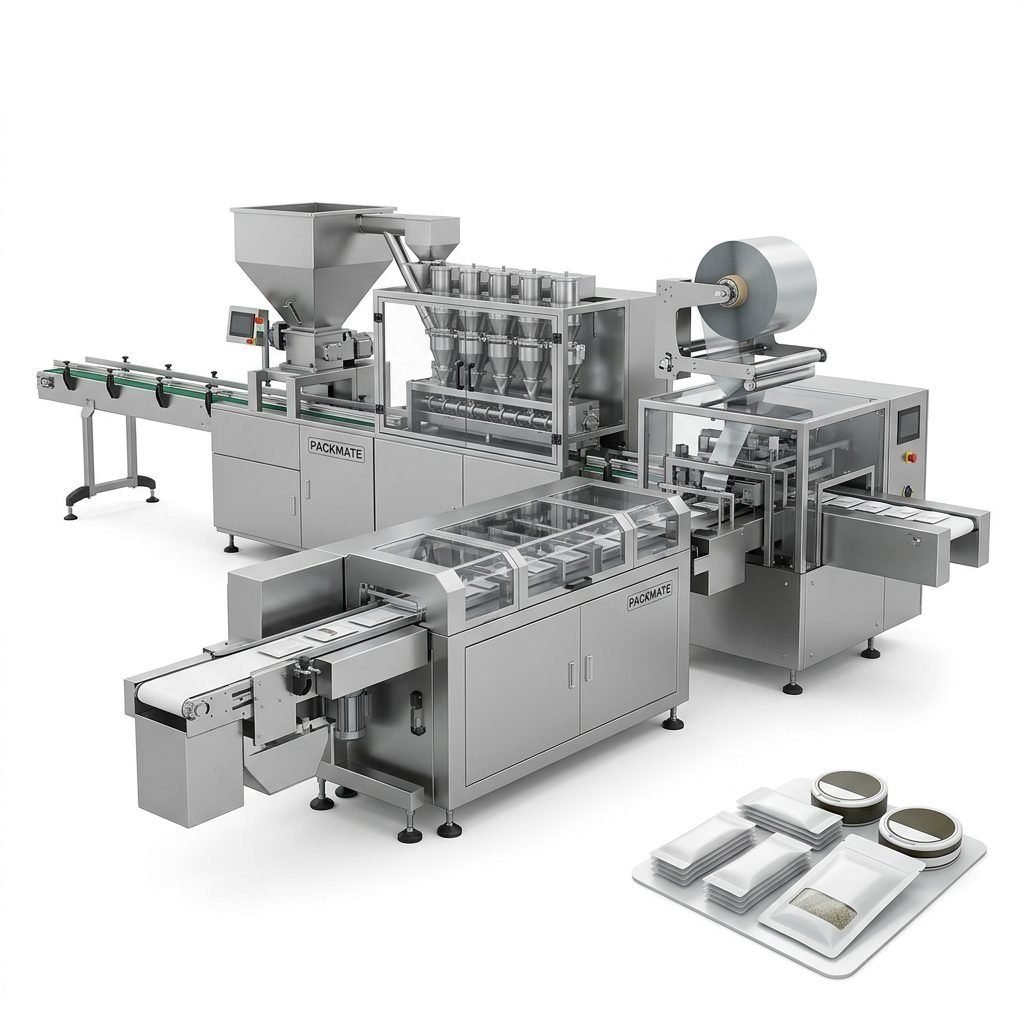
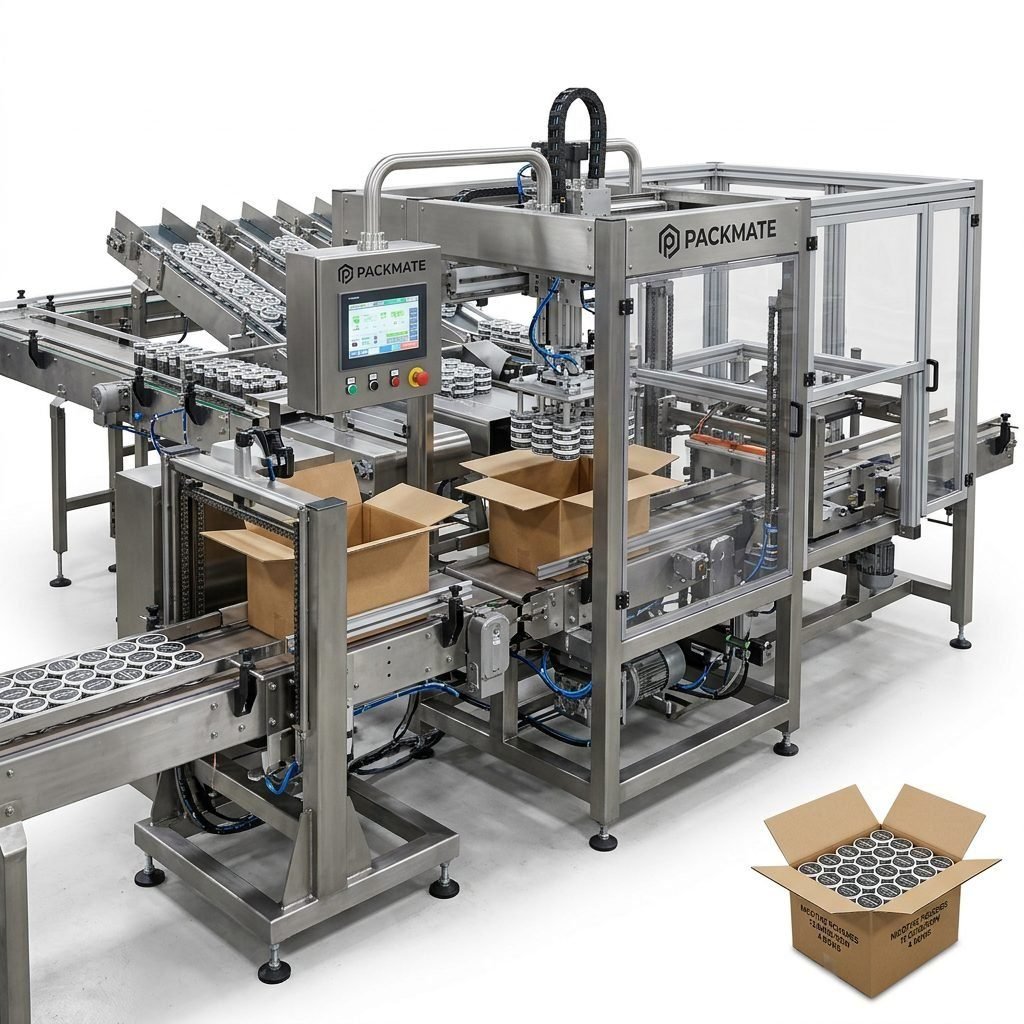
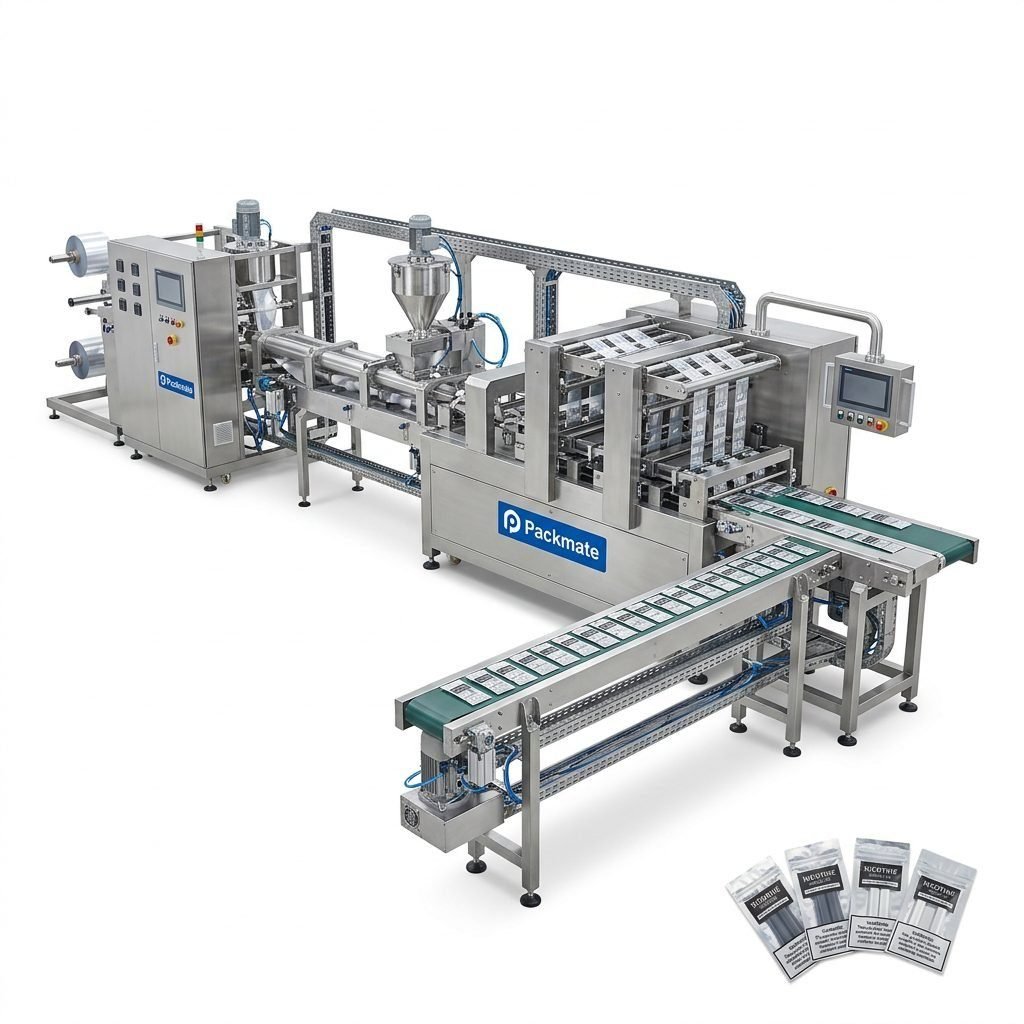
Ask suppliers about financing, leasing, or phased purchasing plans. Some manufacturers provide turnkey solutions, bundling auxiliary equipment such as weighing systems, feeders, and packaging conveyors to simplify procurement. See examples at Weighing & Packaging Systems and Filling & Packaging Lines.
9. Scalability & Futureproofing
Your supplier should support future upgrades: additional lanes, automation modules, and integration with serialization or traceability systems. Choose machines with open architecture and widely used control systems to ensure compatibility with future tech.
10. Practical Evaluation Checklist Before Signing
Use this checklist when evaluating final proposals:
- Factory acceptance test (FAT) included?
- Clear warranty, spare parts list and lead times
- Operator and maintenance training plan
- Detailed installation scope and site requirements
- References from customers producing snus or nicotine pouches
🔎 Must‑ask: request an on‑site FAT or video FAT to verify performance with your actual materials and recipes.
Why Choose an Experienced Global Supplier?
Experienced suppliers provide mature designs, robust sourcing networks for spare parts, and established support channels. Companies with a global presence understand export challenges and can help you scale into neighboring markets. For detailed machine categories, review product lines like Snus & Nicotine Packaging Machines and Sachet & Stick Pack Machines.
Case Study Snapshot (What to Look For)
A Mediterranean region customer needed multi‑lane pouches for small‑dose nicotine products. The chosen supplier provided:
- Customized multi‑lane machines reducing per‑unit cost
- Remote commissioning support and spare parts kits
- Bilingual packaging and compliance documentation for local authorities
The result was faster market entry and lower downtime—benefits you can expect when selecting a supplier that combines technical depth and practical export experience.
Making the Final Decision
Balance technical fit, total cost of ownership, and after‑sales reliability. Prioritize suppliers who demonstrate:
- Proven machine performance and factory strength
- Clear documentation and certification for export
- Strong service and spare parts support
- Willingness to adapt packaging to local languages and customs
If you want a quick starting point to explore credible suppliers and product catalogs, check the Catalog and contact manufacturers through their Contact Us page for tailored quotations.
Action Plan for Libyan Buyers
1. Conduct market validation and decide on SKUs and labeling language.
2. Shortlist 3 suppliers with relevant snus packaging experience.
3. Request FAT videos, references, and detailed cost breakdowns.
4. Plan logistics, customs paperwork, and local installation resources.
5. Secure training for operators and a spare parts kit for the first year.
Summary
Selecting the best snus packaging machinery supplier in Libya requires a mix of technical evaluation, cultural understanding, and logistical planning. Focus on suppliers with strong manufacturing capabilities, international certifications, thorough after‑sales support, and experience exporting to North Africa. Prioritize bilingual labeling, flexible production lines, and clear documentation to streamline customs and market entry.
Common Questions
Q1: How important are certifications like CE/ISO for machines shipped to Libya?
A1: Very important—certifications facilitate customs clearance, demonstrate safety and quality, and are often requested by local partners or regulatory bodies.
Q2: Should packaging and labels be in Arabic?
A2: Yes. Arabic or bilingual labeling increases consumer trust and is often required by local authorities. Work with suppliers who can print variable data in Arabic.
Q3: What after‑sales support should I require?
A3: Remote troubleshooting, spare parts availability, installation assistance, operator training, and a clear warranty are essential to minimize downtime.
Q4: Can suppliers help with customs and shipping to Libyan ports?
A4: Many experienced suppliers assist with export documentation and advise on shipping terms. Engage a freight forwarder familiar with Libya for smoother import.
Q5: Where can I view proven machines and product lines?
A5: Review product pages for snus machines, weighing systems, and packaging lines—such as the Snus & Nicotine Packaging Machines page—to compare models and request quotations.