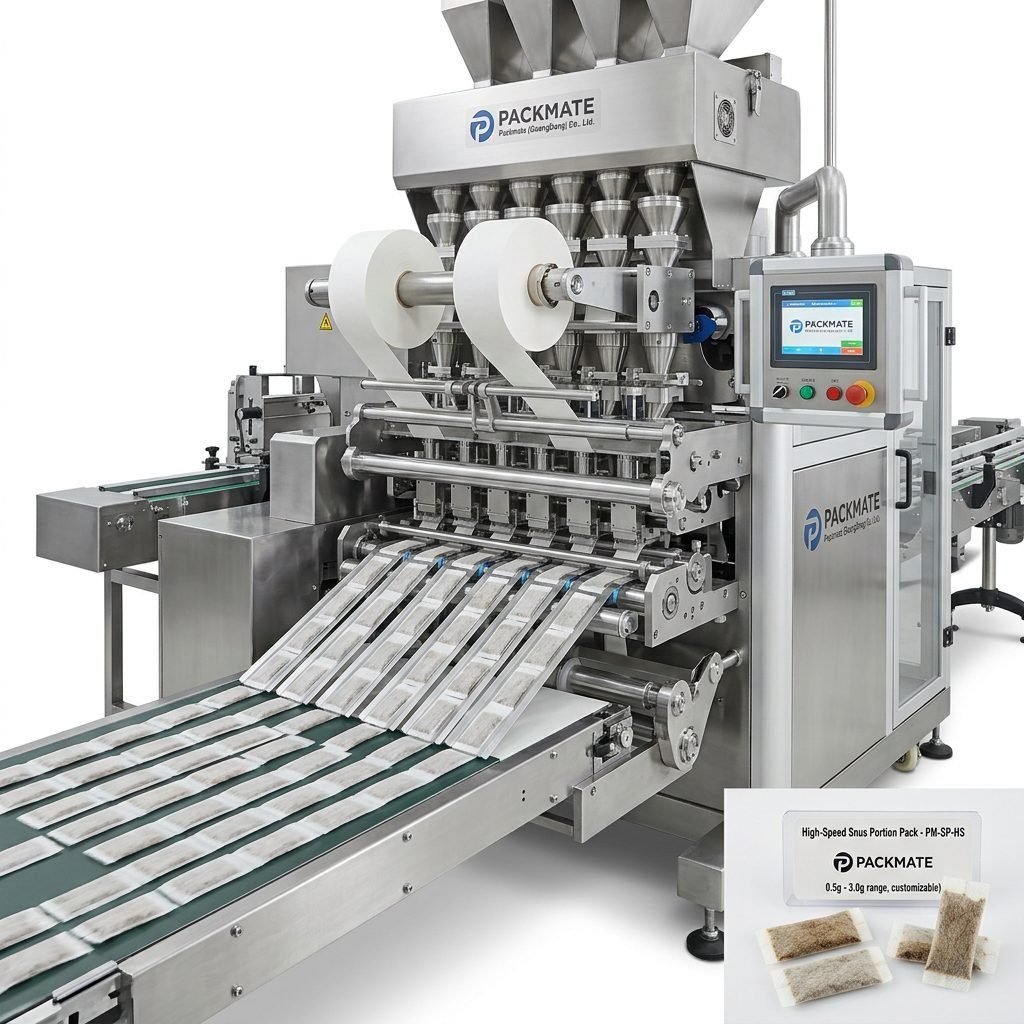
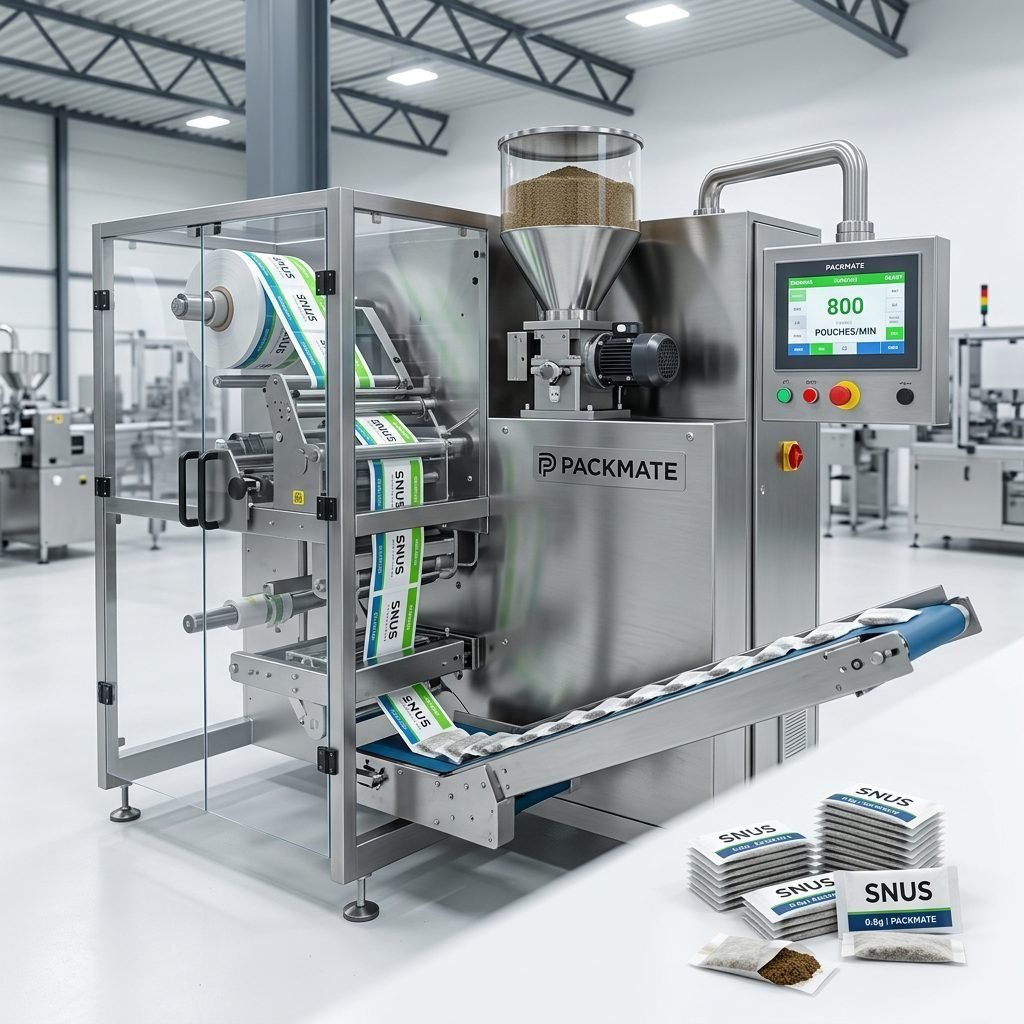
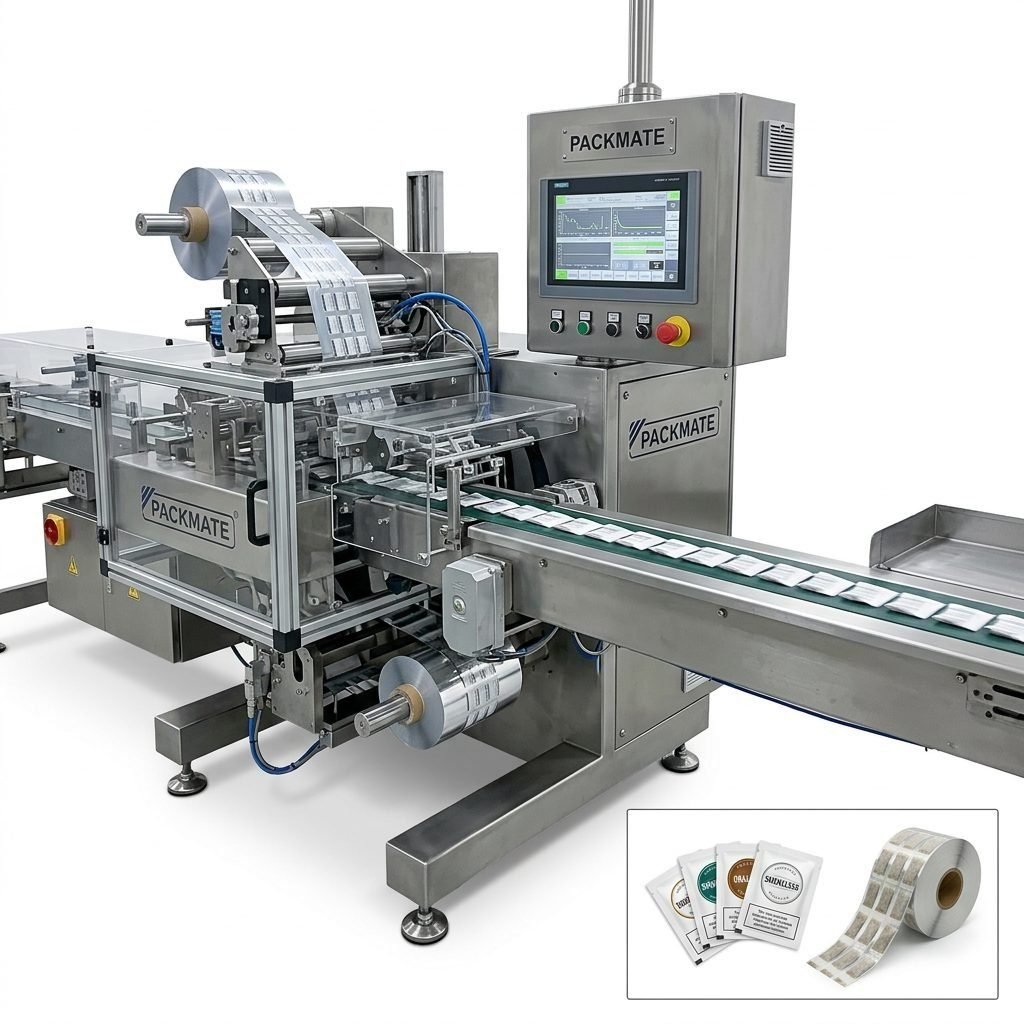
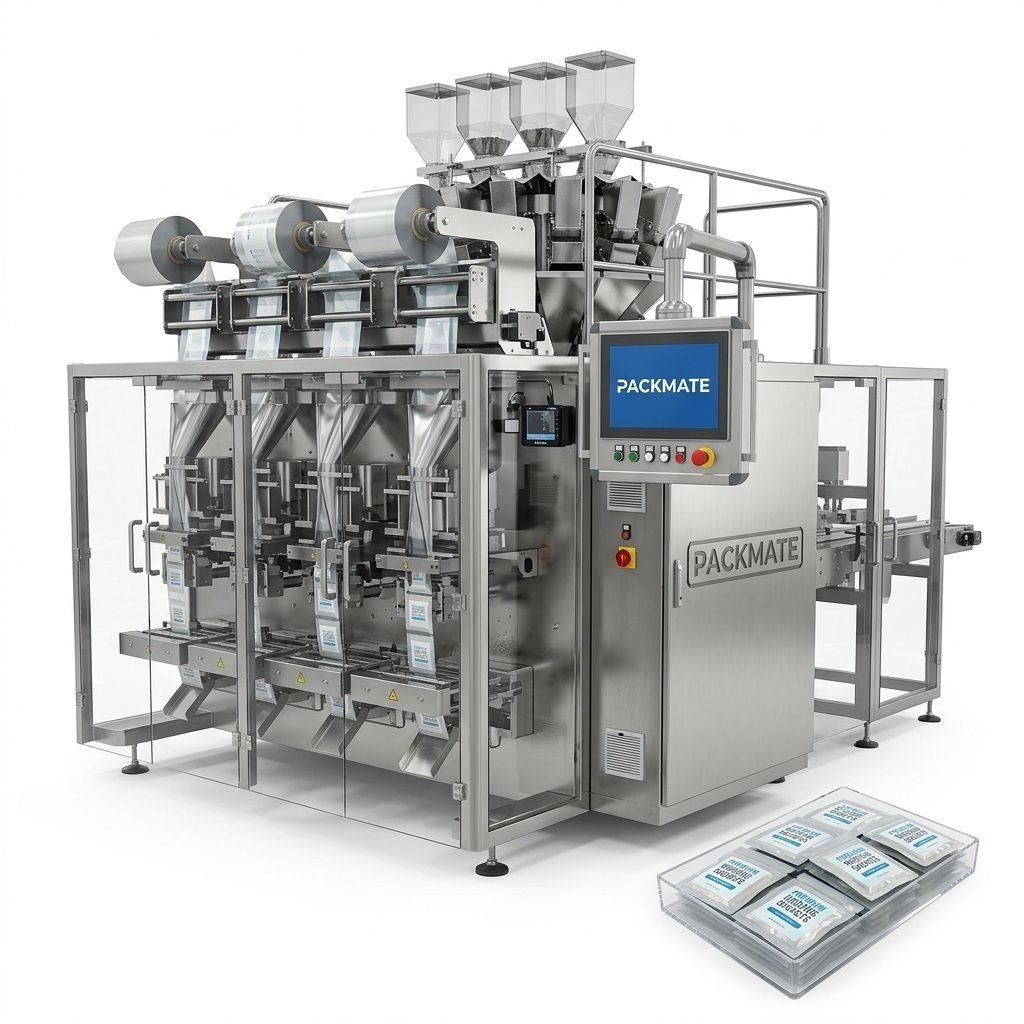
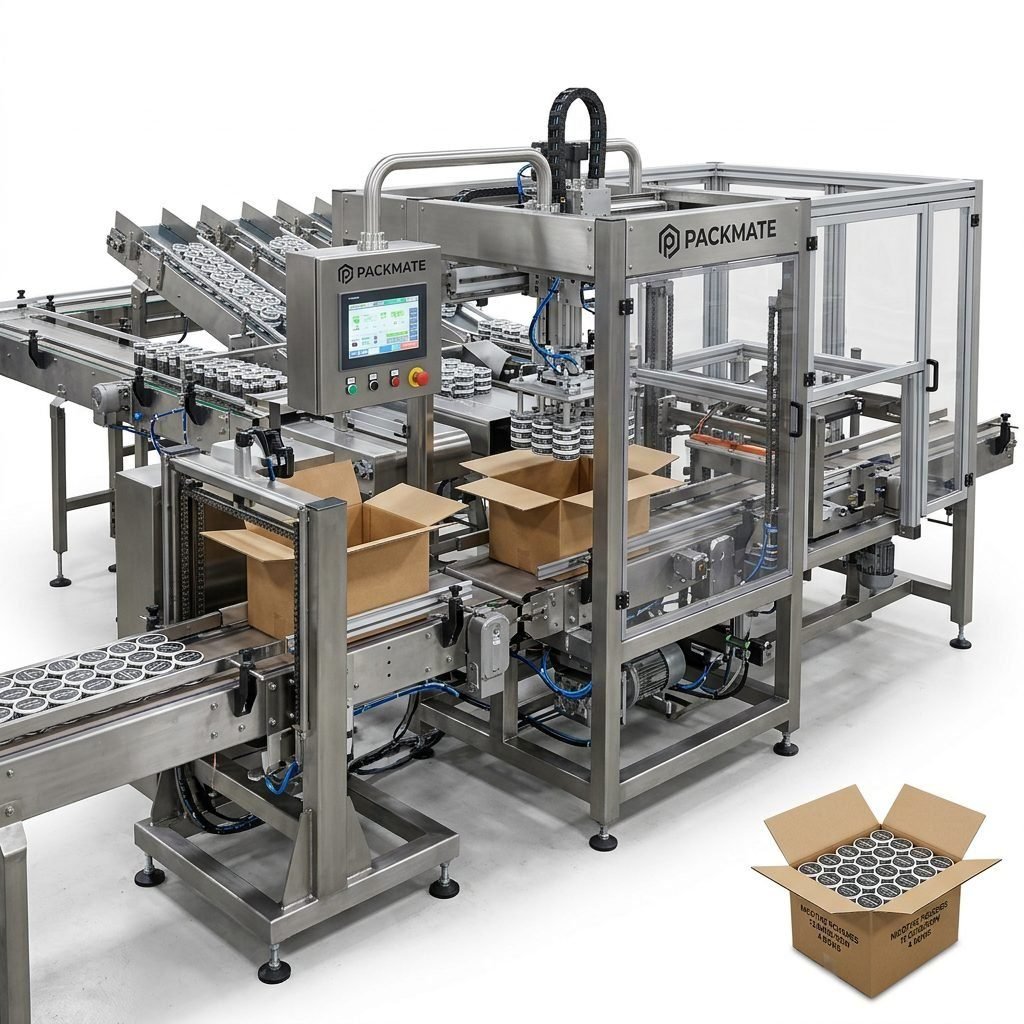
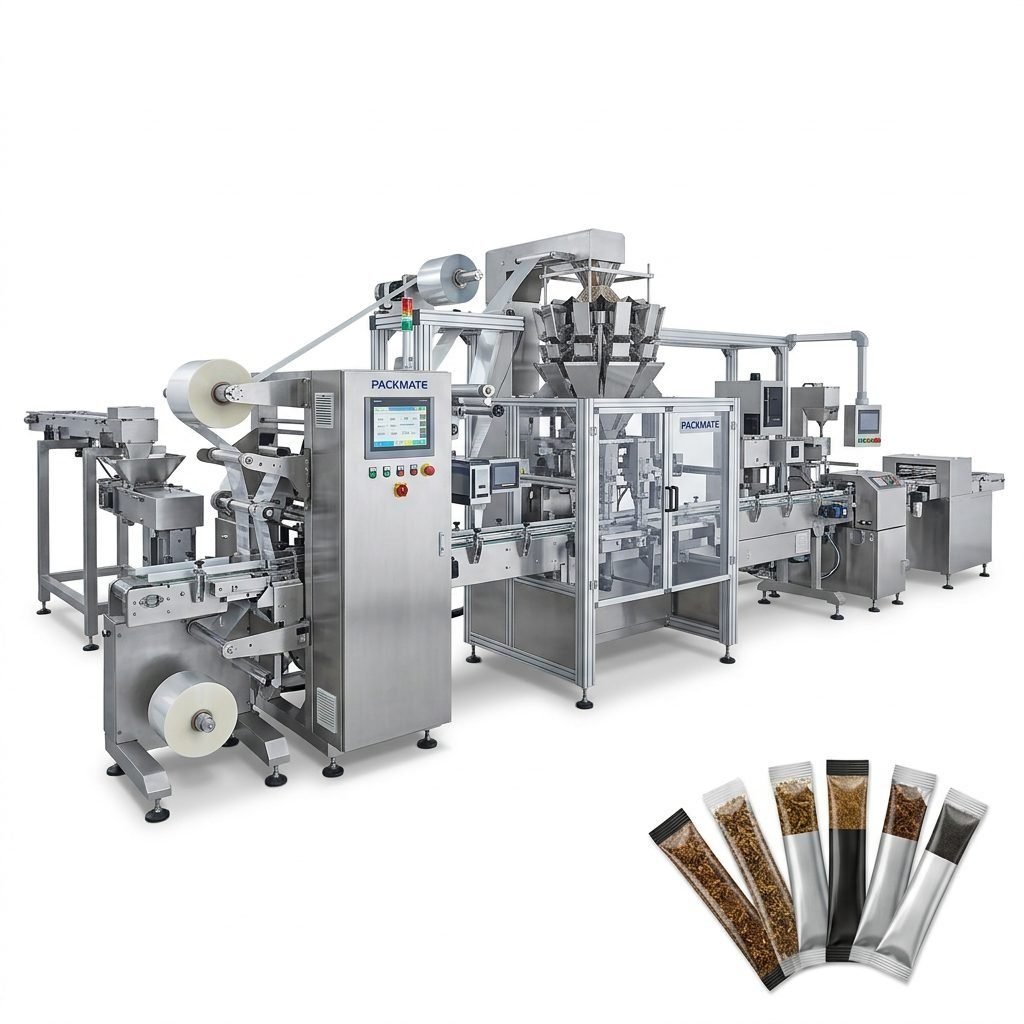
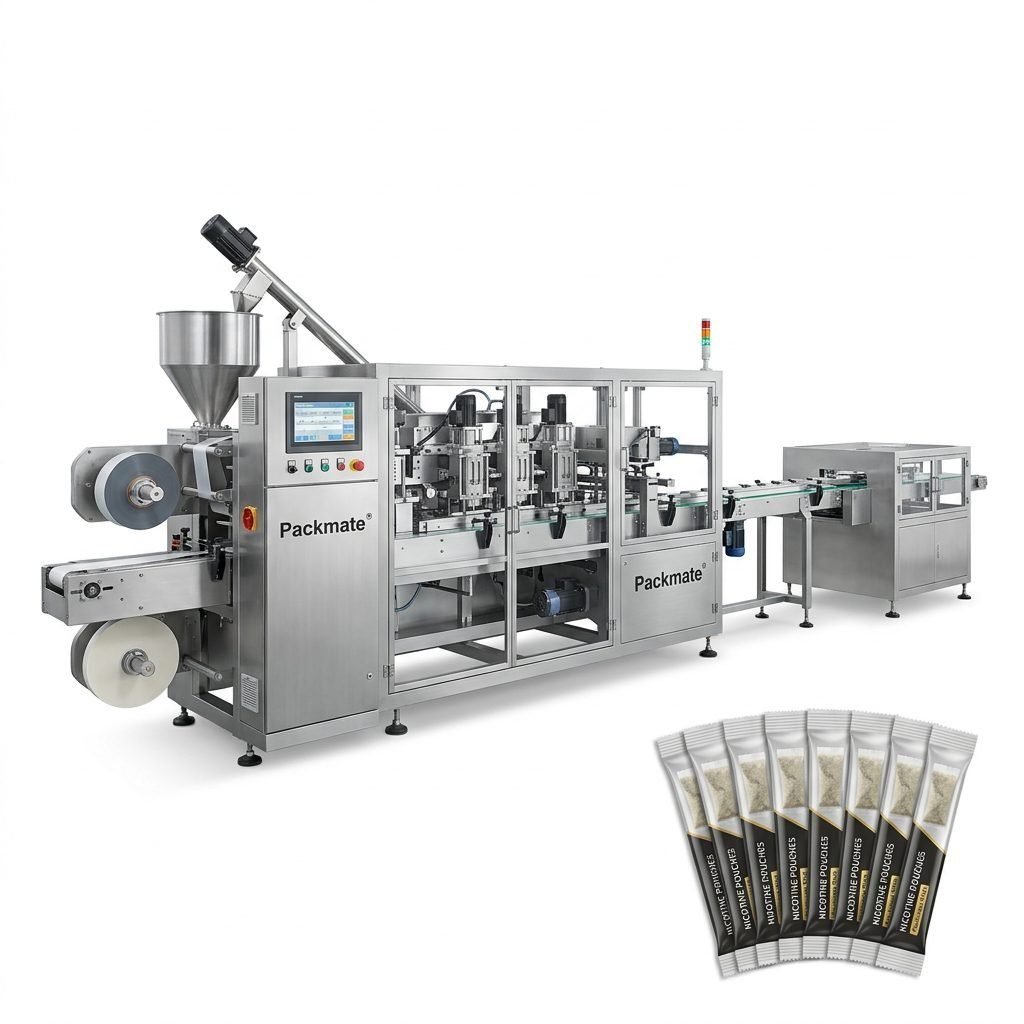
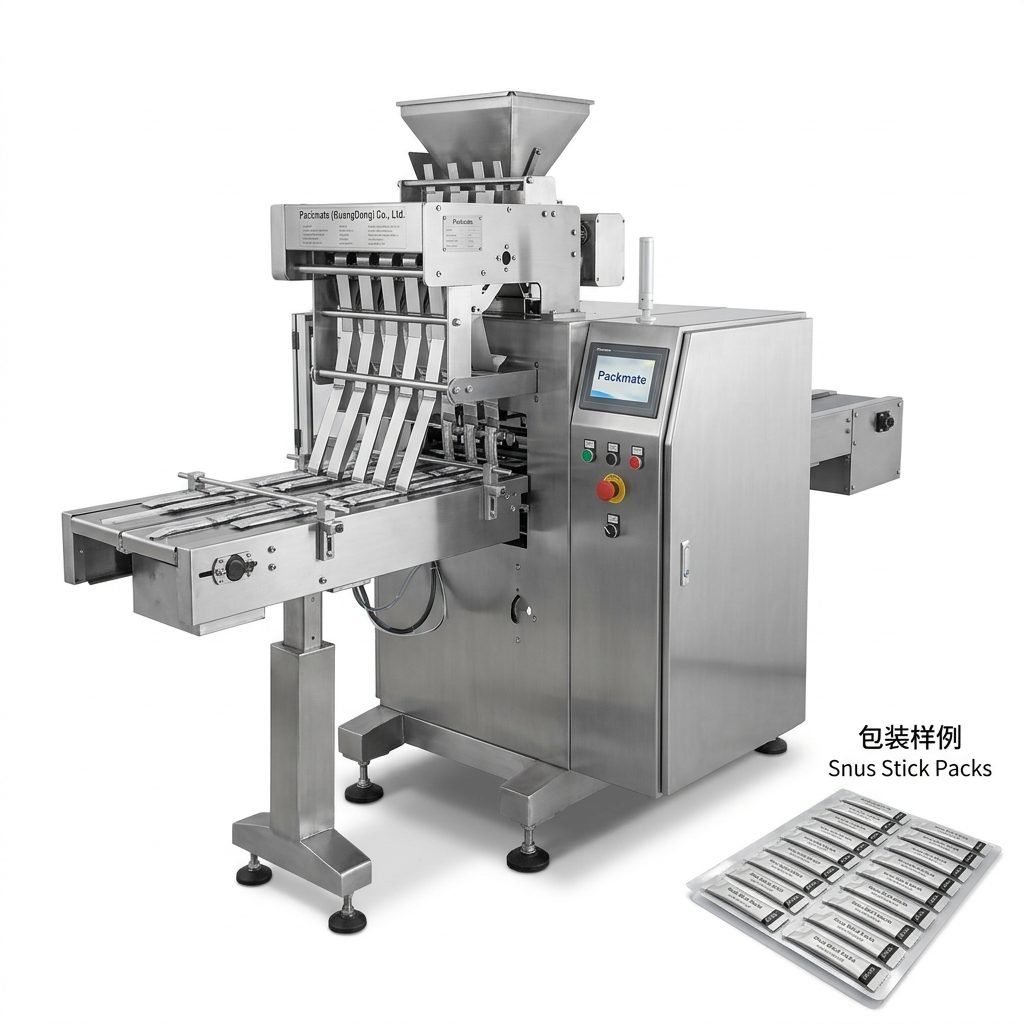
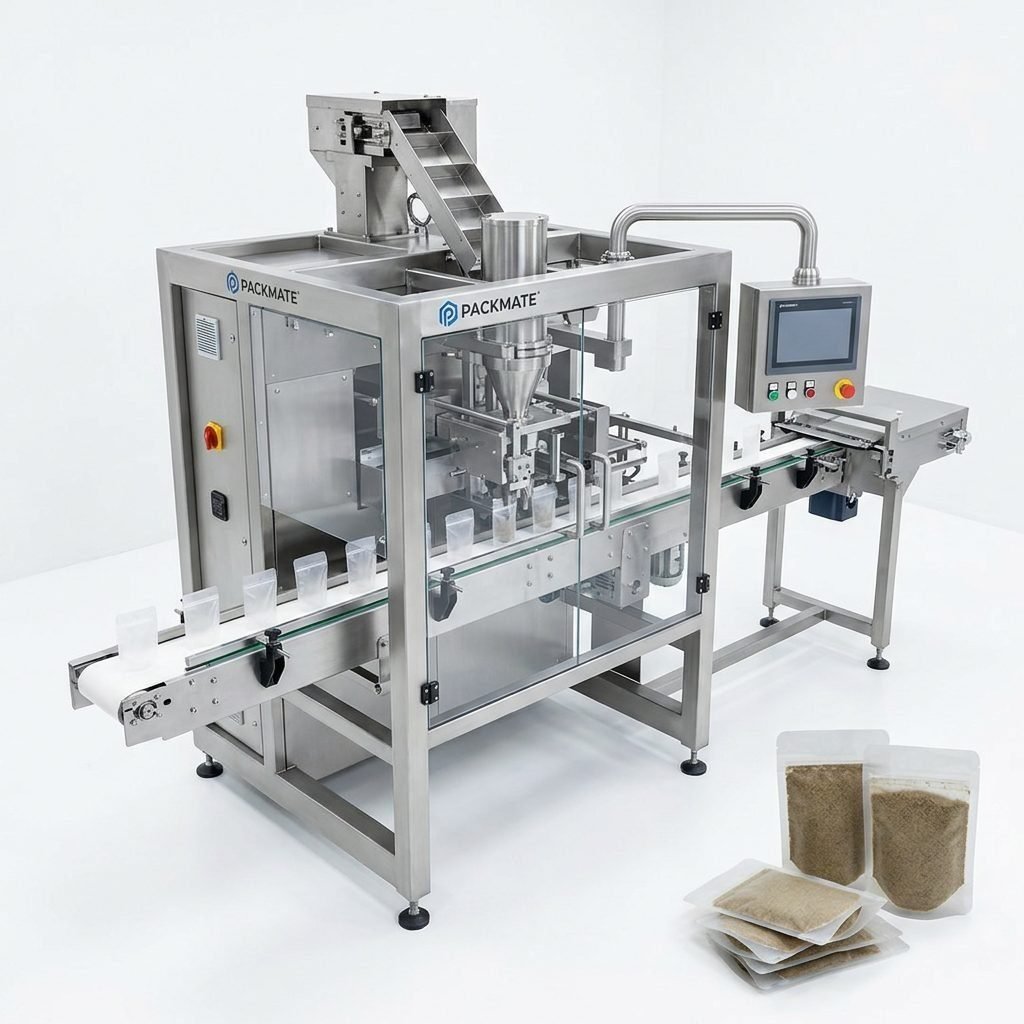
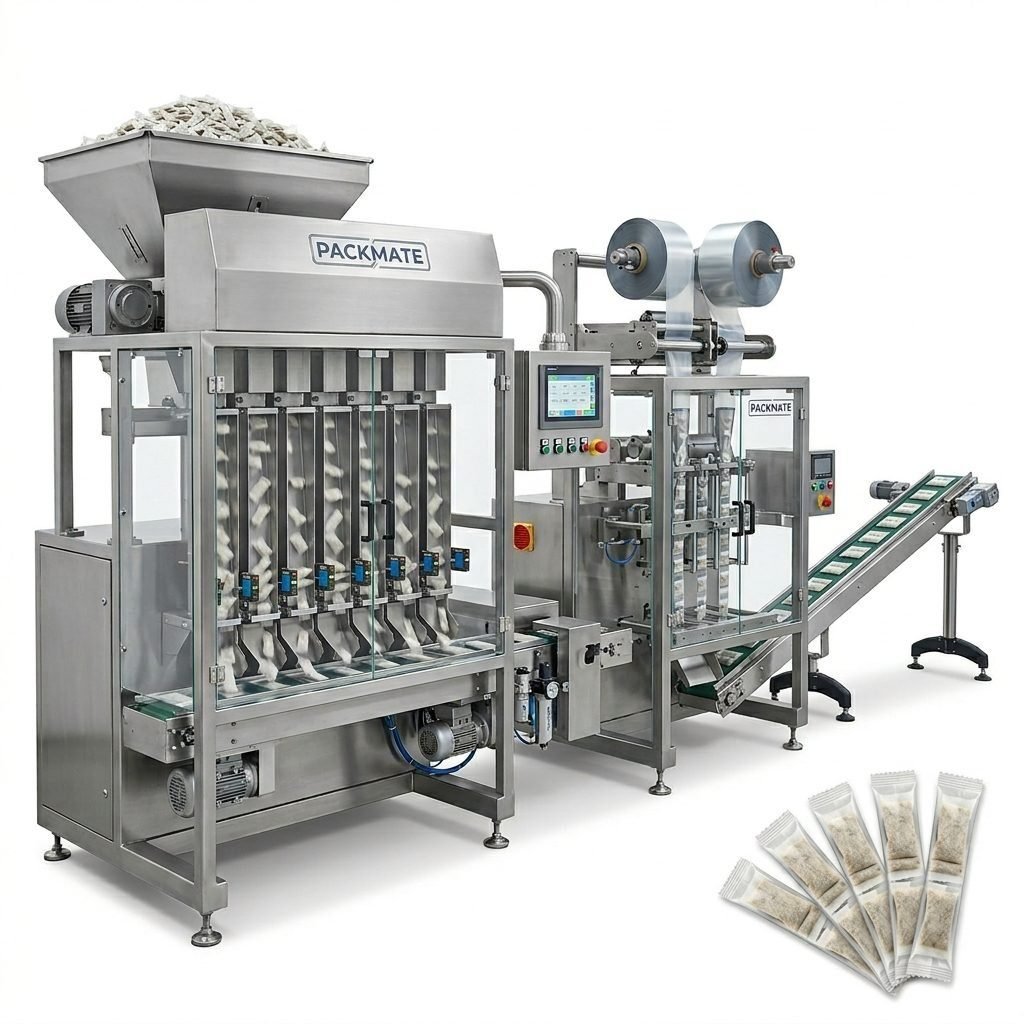
In Finland, where snus and nicotine pouches are part of the Nordic consumer landscape, choosing a reliable snus packaging machinery supplier demands attention to local regulations, product quality, and operational efficiency. This buyer’s guide walks you through practical steps to find a partner who delivers machines that match Nordic standards and your production goals.
Understand Finland’s Market & Regulatory Context
Finland follows strict rules around tobacco and nicotine products, and while nicotine pouches are growing in popularity, compliance is key. Before you choose a supplier, verify that the equipment supports hygienic production, traceability, and easy cleanability. Finnish buyers expect clear documentation, CE/ISO compliance, and a partner who understands export/import rules and local testing requirements.
Local Business Customs That Matter
Finnish companies value punctuality, transparency, and detailed contracts. Expect thorough technical specifications and formal delivery timelines. A supplier that offers professional project management and clear communication (timely email responses, structured timelines) will fit the Finnish procurement culture.
⚠️ Tip: Ask for documentation demonstrating machine compliance with CE, ISO, and any Nordic or EU-specific hygienic manufacturing standards. Suppliers with clear certification records reduce approval risk in Finland.
Key Technical Criteria for Snus Packaging Machines
When evaluating machines, focus on features that affect quality, uptime, and flexibility. Below are core technical criteria to assess:
- Production capacity: Target machines that meet your daily output goals—single-lane vs. multi-lane decisions impact throughput and footprint.
- Format flexibility: Ability to run various pouch sizes and formats (snus cans, sachets, sticks, nicotine pouches).
- Material compatibility: Support for film types, laminates, and barrier films suitable for nicotine pouches.
- Hygiene & CIP capability: Cleanable surfaces and designs that minimize contamination risk for nicotine products.
- Control systems: PLCs with intuitive HMI, recipe management, and remote diagnostics for fast troubleshooting.
- Energy & material efficiency: Reduced waste, accurate dosing, and optimized film usage lower your operating costs.
Which Machine Types to Consider
Choose based on product and scale:
- Snus & Nicotine Packaging Machines: For specialized nicotine pouch lines offering dosing, sealing, and secondary packing — see examples here: Snus & Nicotine Packaging Machines.
- Sachet & Stick Pack Machines: Good for single-dose formats; check adaptable stick and sachet lines: Sachet & Stick Pack Machines.
- Filling & Packaging Lines: Integrated lines for upstream dosing and downstream packaging, ideal for turnkey projects: Filling & Packaging Lines.
Assess Supplier Capabilities and Credibility
A machine’s specs matter, but supplier strength is equally critical. Evaluate the following:
✓ Manufacturing footprint: Prefer suppliers with a sizeable factory and advanced CNC/assembly capabilities—this implies consistent quality and faster lead times. Packmate’s 20,000㎡ facility is an example of such capacity.
- Experience & References: Look for companies with long industry history (30+ years is ideal) and customer cases across Europe. Ask for case studies and contactable references—real production references in Nordic markets are a plus.
- Range of models & custom solutions: A supplier that offers multiple models and turnkey solutions can tailor lines to your needs and scale with you.
- Certifications & testing: Request CE, ISO certificates, and any product-specific testing results.
- After-sales & spare parts: Fast spare parts supply and remote/onsite service are crucial to minimize downtime in Finland’s cold logistics environment.
Factory Visits, Audits & Sample Runs
Whenever possible, visit the supplier’s factory or request a virtual factory tour and a live demo. Key checks:
- Observe assembly lines, machining centers, and testing procedures.
- Request a sample run with your materials and specifications to validate dosing accuracy and packaging integrity.
- Review production records, quality control logs, and machine acceptance test reports.
Documentation Checklist
Make sure the supplier provides:
- Detailed machine specifications and electrical pneumatic schematics
- Operation manuals and maintenance guides in English (and Finnish if possible)
- Factory acceptance test (FAT) reports and software documentation
- Spare parts kit list and recommended stock levels
Commercial Terms & Total Cost of Ownership (TCO)
Price is just one part of the decision. Calculate TCO including installation, training, spare parts, energy consumption, and expected yield. Negotiate clear warranty terms and service level agreements (SLAs). Finnish procurement teams favor transparent contracts with defined milestones and penalties for delays.
⚙️ Warranty & Support: Aim for at least 12 months of warranty and guaranteed remote support. Confirm response times for spare parts shipments to Finland.
Logistics, Installation & Commissioning in Finland
Consider shipping options (FCA, CIF, DDP), customs clearance, and local installation support. A supplier offering turnkey solutions that include installation, commissioning, and operator training reduces project risk and gets lines running faster.
Training & Documentation for Operators
Ensure the supplier provides structured training: operation, maintenance, troubleshooting, and safety procedures. Finnish operators appreciate hands-on sessions and clear SOPs that align with local workplace safety norms.
Long-term Partnership Indicators
Look for these signs of a sustainable partnership:
- Clear after-sales structure: Dedicated service engineers, local partners or fast global remote support.
- Continuous improvement approach: Supplier invests in R&D and can upgrade your line as market demands evolve.
- Spare parts availability: Short lead times and reasonable pricing for wear parts.
Why Packmate Snus Machine Might Be a Fit
With over 30 years of engineering experience, a 20,000㎡ manufacturing facility, and a range of 50+ machine models, Packmate focuses on high-performance snus pouch systems, including multi-lane and turnkey lines. Their strengths include robust CNC production, CE/ISO compliance, and global delivery experience—attributes that align with Finnish expectations for quality and reliability. Learn more about the company profile and credentials here: About Packmate.
📌 Reference & Demos: If available, request to see cases or exhibitions where the supplier demonstrated lines. Packmate often attends global exhibitions—check event history and case studies: Case and Our Exhibition.
Negotiation Checklist
Before finalizing, ensure these items are agreed:
- Detailed scope of supply (spare parts, tooling, consumables)
- Delivery timeline with penalties for delays
- Warranty terms, response times, and spare part lead times
- Acceptance testing criteria (FAT & SAT) and performance guarantees
- Training schedule and documentation language
Final Steps: Pilot Runs & Scaling
Start with a pilot line or limited machine run to validate product quality, yield, and operator workflows. Once validated, scale up with multi-lane lines or additional modules. For turnkey solutions that combine filling, weighing, and packaging modules, see integrated options listed here: Weighing & Packaging Systems and Auxiliary Packaging Equipment.
Move Forward with Confidence
By combining careful technical evaluation, supplier audits, and clear contractual terms, you can secure a packaging partner that meets Finland’s regulatory expectations and your business ambitions. Prioritize hygiene, reliability, and long-term support to ensure a resilient production line for snus and nicotine pouches.
FAQs — Common Questions from Finnish Buyers
Q1: Can the supplier provide CE and ISO certificates for snus packaging machines?
A: Reputable suppliers should supply CE and ISO documentation. Always request scanned certificates and cross-check with issuing bodies when necessary.
Q2: How long is the typical lead time and what about spare parts availability?
A: Lead times vary by model and customization—expect several weeks to months. Choose suppliers with local or regional parts warehouses for reduced downtime.
Q3: Do suppliers support on-site commissioning and operator training in Finland?
A: Many suppliers provide on-site commissioning and training. Confirm travel, accommodation terms, and training language in the contract.
Q4: Can a supplier run sample tests with our materials before purchase?
A: Yes—request sample runs or FAT with your films and formulations to validate performance and sealing quality.
Q5: Where can I get more detailed product information or contact the supplier?
A: For product catalogs, services, and direct contact, visit the supplier’s resources: Catalog, Service, and Contact Us.