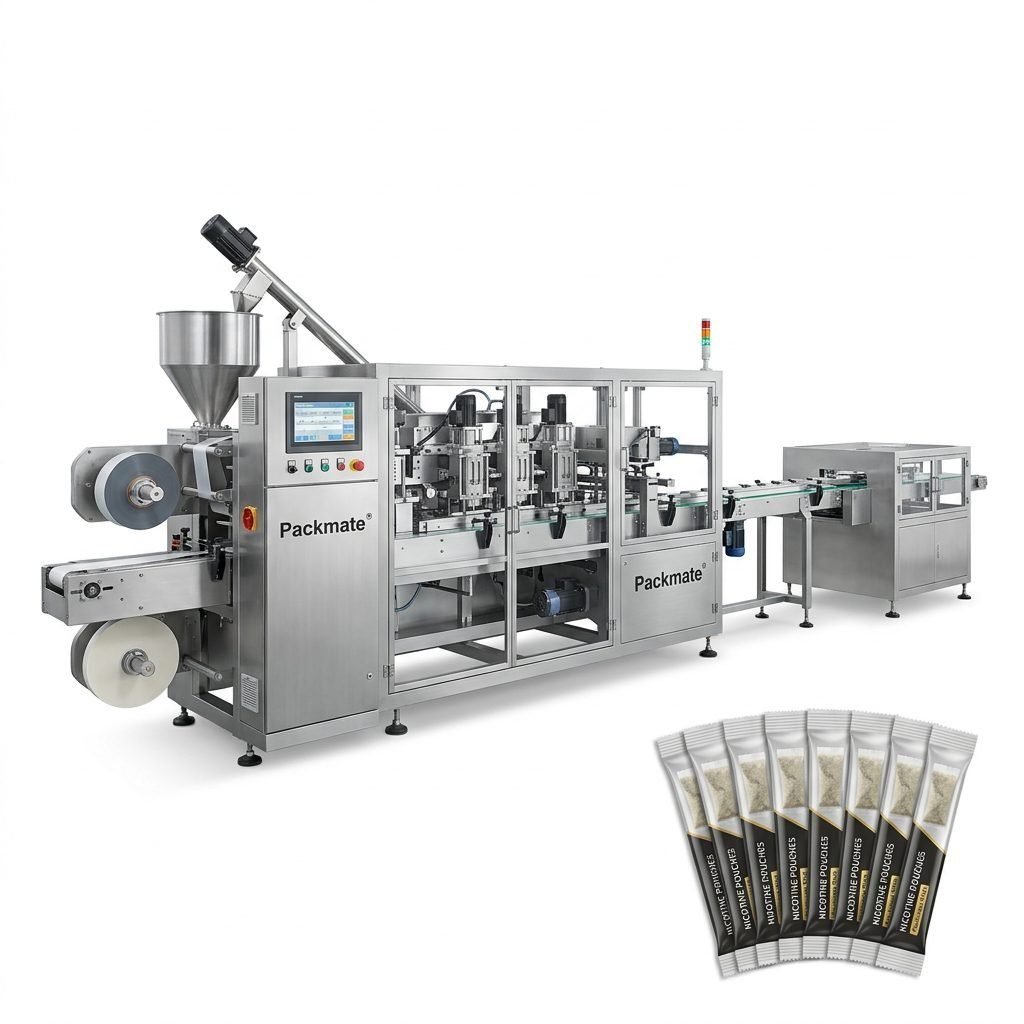
Choosing the right snus packaging machinery supplier is a strategic decision for any manufacturer opening or expanding operations in Mongolia. The right partner delivers more than machines: they provide production efficiency, regulatory compliance, local knowledge, and dependable after-sales service that together determine whether your factory meets quality, cost and delivery targets. This guide walks you through practical criteria and local considerations so you can select a supplier who will help your Mongolian operation thrive.
Why Choosing the Right Supplier in Mongolia Matters
Mongolia presents unique opportunities and challenges: a growing consumer base in Ulaanbaatar and regional centers, long logistical distances, seasonal temperature swings, and evolving local regulations around nicotine products. A supplier who understands these realities will help you avoid costly downtime, customs delays, and product quality issues. Look for partners who combine proven machine technology with international certifications and a realistic service model for Mongolia.
Local market & cultural considerations
📌 Respect traditional consumption patterns: While snus and nicotine pouches are modern products, Mongolian consumers often value trusted brands and consistent quality. Packaging that conveys hygiene, clear labeling and a premium appearance helps build trust.
🚚 Logistics and location: Mongolia’s vast distances mean longer domestic transit times. Suppliers should advise on packaging durability for temperature and humidity changes, and recommend machine options that minimize the need for frequent spare part shipments.
⚖️ Regulatory awareness: Ensure the supplier is familiar with local import rules, product labeling laws, and nicotine-related regulations. Machines that help you control dose, tamper-evident seals and traceability support compliance.
Core technical criteria to evaluate
Selecting a machine is about matching technical capability to your product and production plan. Key parameters include:
- Production speed (pouches per minute) and multi-lane capability for future scaling.
- Accuracy of fill and weight control to maintain regulatory compliance and reduce waste.
- Compatibility with your chosen packaging format: stick pack, sachet, or multi-lane snus pouches.
- Hygienic design and materials suitable for nicotine/food-contact products.
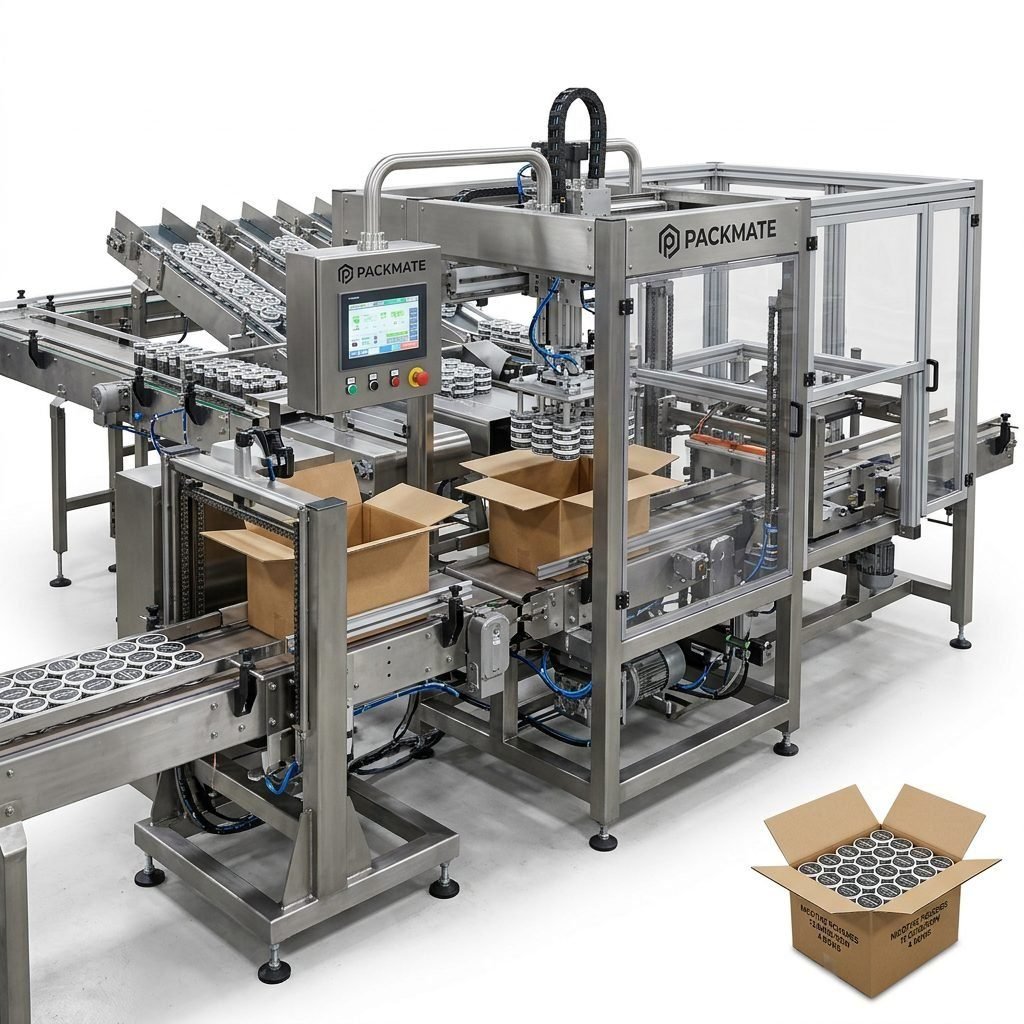
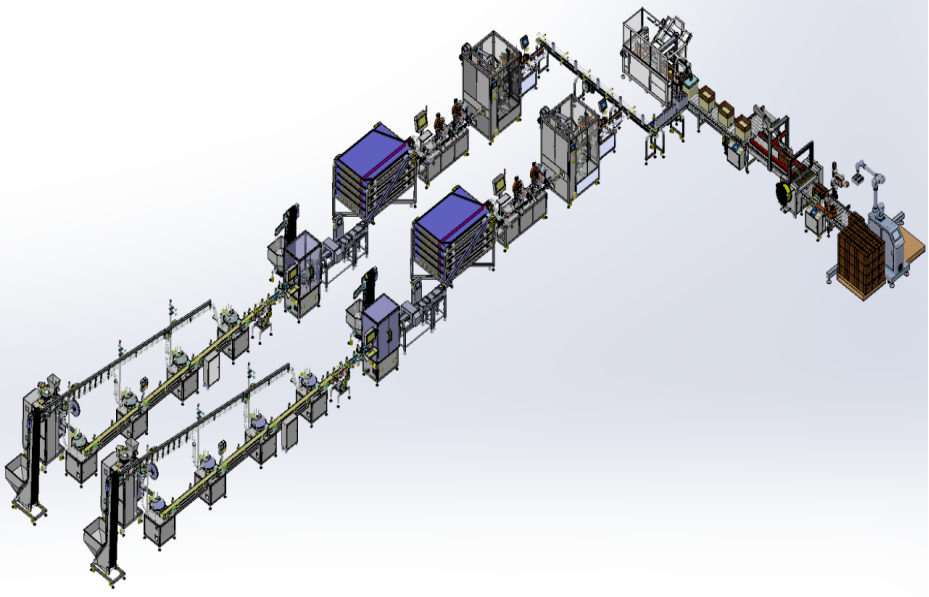
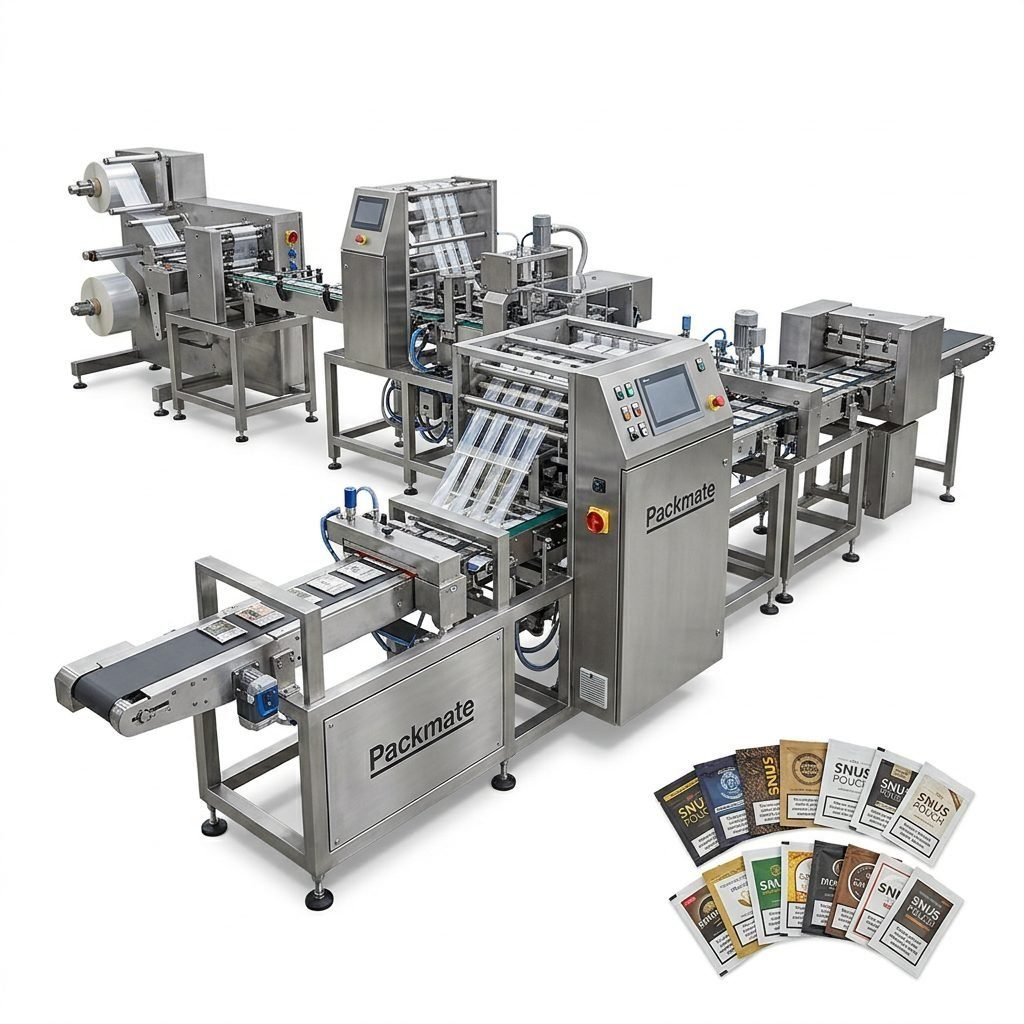
- Automation level: integrate with upstream dosing and downstream cartoning or boxing lines.
Types of machines and when to choose them
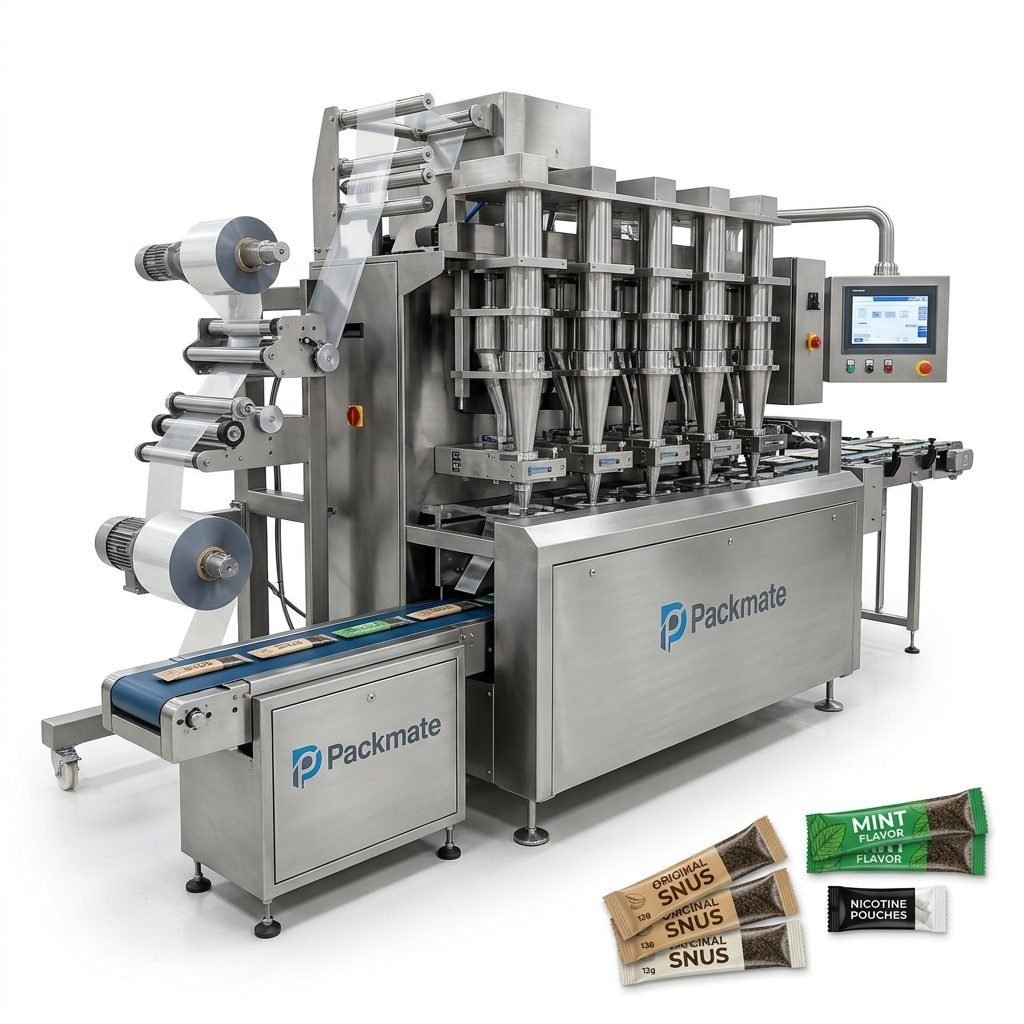
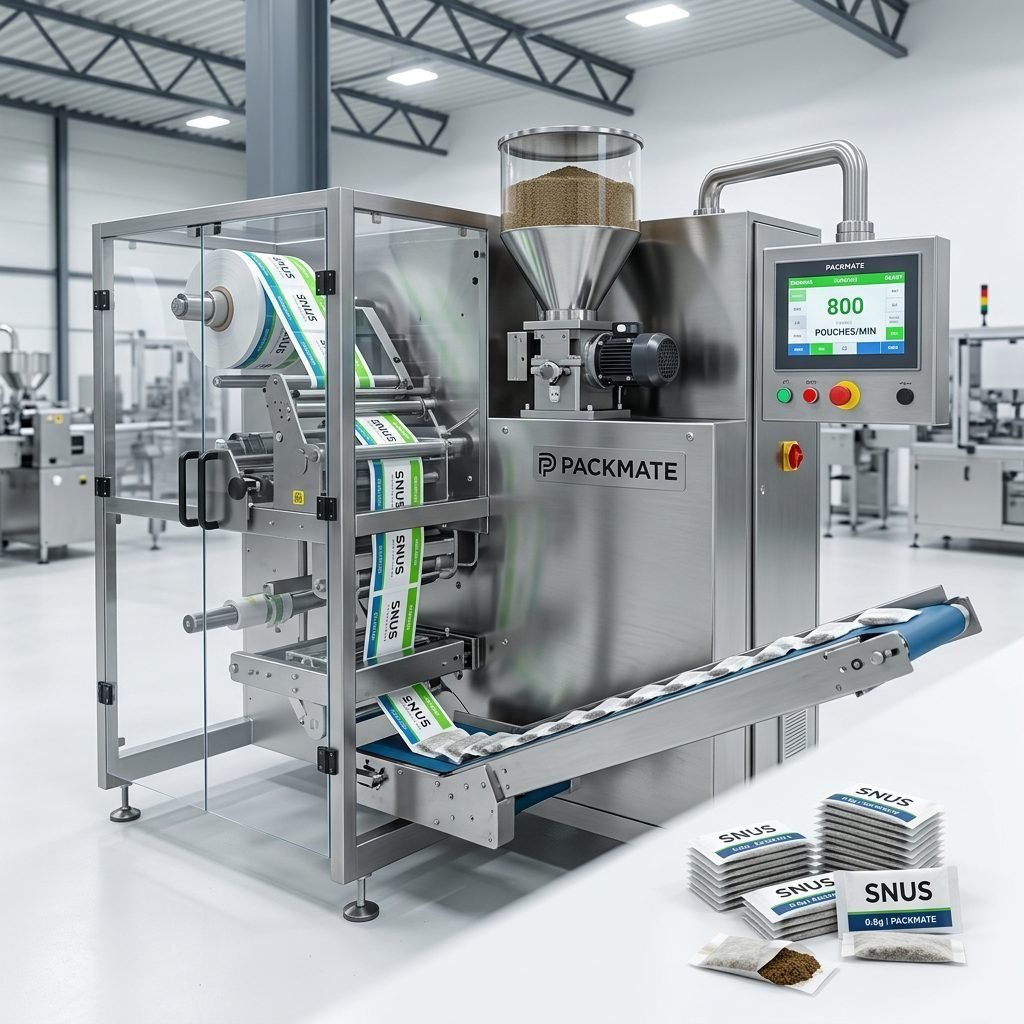
Stick pack machines are ideal for single-dose stick formats — fast, compact, and cost-effective for high-speed single-serve products.
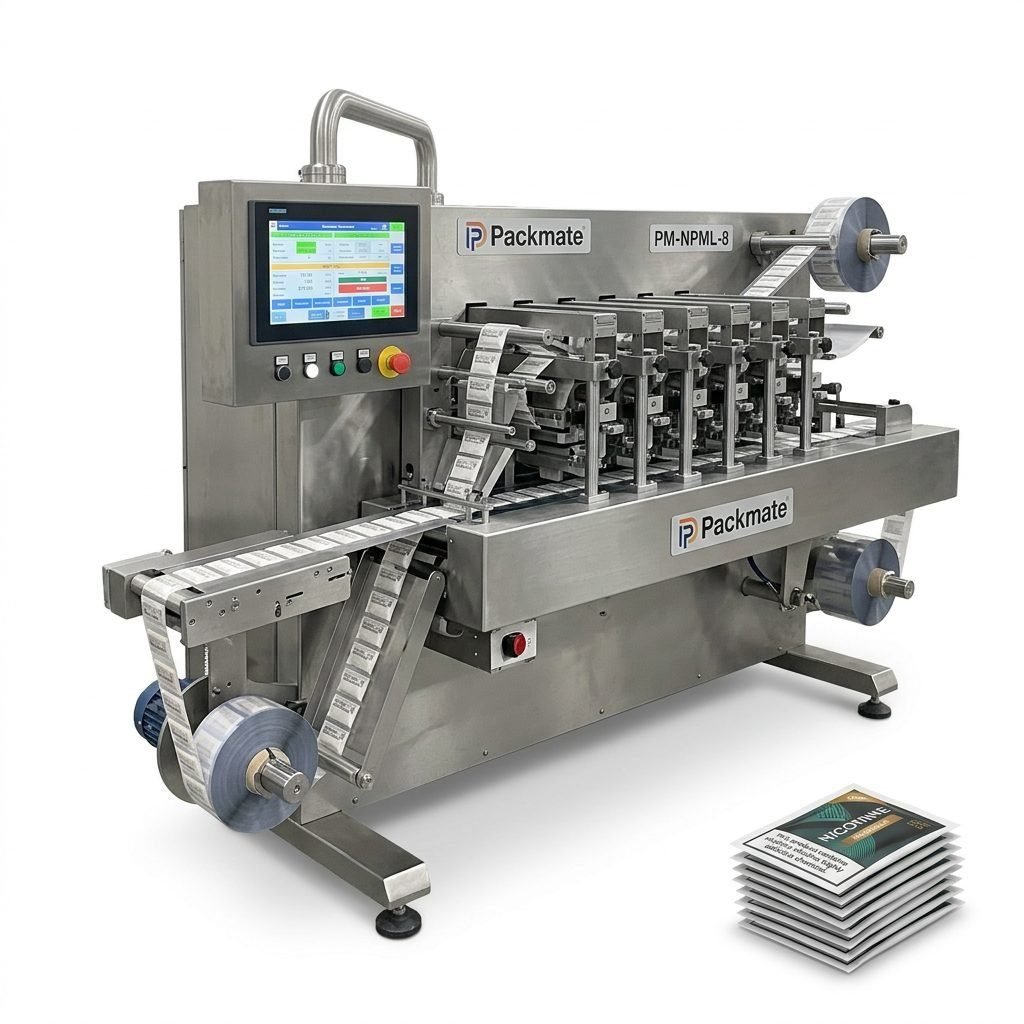
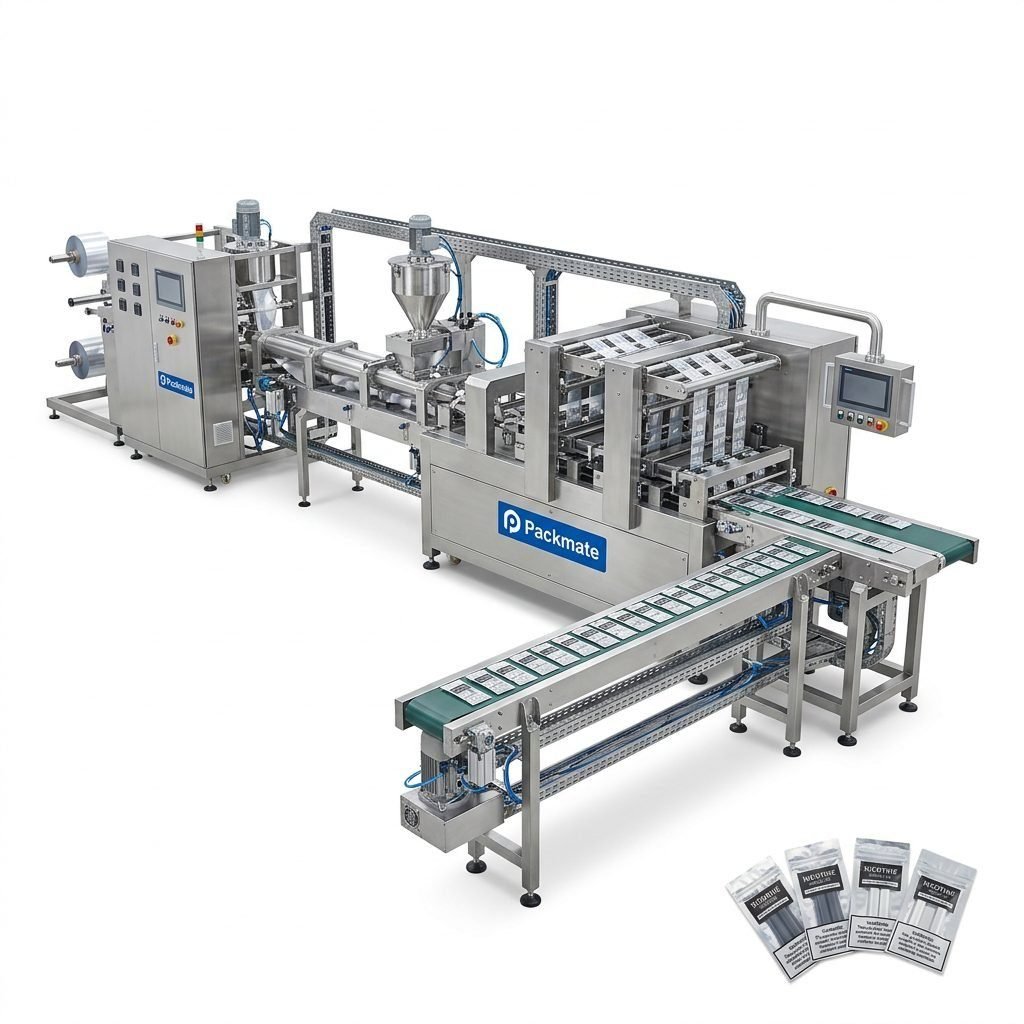
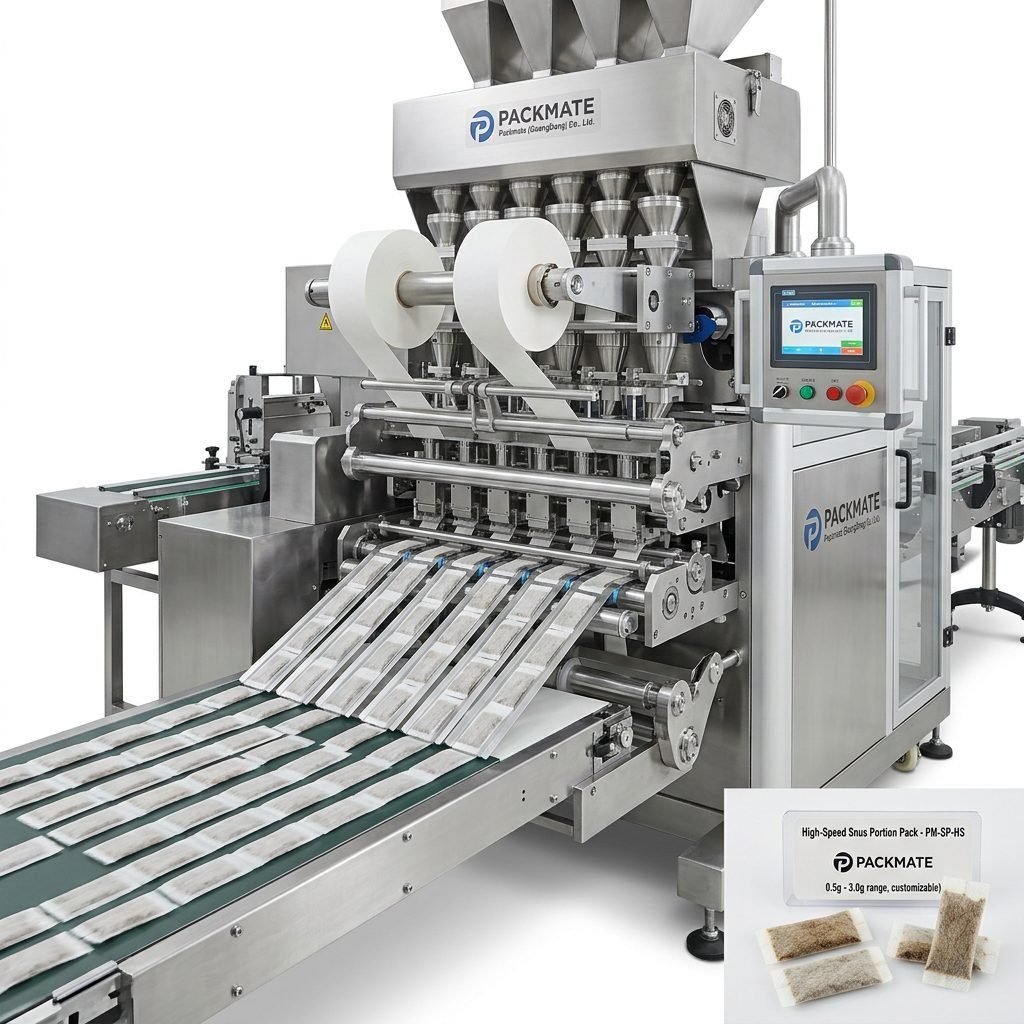
Sachet & pouch machines are suited for small snus pouches and nicotine sachets with precise dosing. Multi-lane sachet systems increase throughput without increasing footprint. See examples in Sachet & Stick Pack Machines.
Multi-lane snus pouch systems are recommended when you plan to produce many small-dose pouches concurrently — they dramatically raise output while keeping per-unit labor and energy costs lower.
Production planning: capacity, flexibility and ROI
Think beyond initial output: choose machines that let you add lanes, change formats, and automate components as demand grows. A machine with a modular design will protect your investment and shorten payback time. Evaluate ROI by modeling yield improvements from better dose control, reduced changeover time, and lower scrap rates.
Quality assurance, certifications and testing
Prioritize suppliers with international certifications (CE, ISO) and robust factory testing procedures. These certifications indicate compliance with safety and manufacturing standards and facilitate customs clearance and acceptance by local regulatory agencies. For detailed proof points, review supplier certificates and case histories — for example, browse Packmate’s credentials at Certificate.
After-sales support, spare parts and training
After-sales service is critical in Mongolia where distances and climate can complicate repairs. Ask suppliers about:
- Local or regional service partners and their response times.
- Spare parts availability and recommended spare parts kits for remote operation.
- Training programs for Mongolian operators and technicians — in-person commissioning plus remote troubleshooting are ideal.
- Planned maintenance schedules and remote monitoring options to prevent unplanned downtime.
Factory capability: why manufacturing strength matters
A supplier’s factory capability indicates their ability to deliver consistent, well-built machines. Look for suppliers with advanced CNC machining centers, precision assembly lines and formal QA processes. Packmate’s 20,000㎡ facility and 30+ years of engineering experience are examples of the kind of capacity you want to see; learn more About Packmate.
Checklist: evaluate suppliers quickly
✔ Production specs: speed, lanes, format compatibility.
✔ Quality & certification: CE, ISO, factory testing reports.
✔ Service model: spare parts lead times and training in Mongolia.
✔ References & cases: similar installations and performance data — review global cases to validate claims at Case.
Questions to ask prospective suppliers
- Can you provide a production demo or video of the exact model under load?
- What is the Mean Time Between Failures (MTBF) and what parts typically require replacement?
- Do you offer on-site commissioning in Mongolia and what is your typical lead time?
- What data do your machines provide for traceability and quality records?
- Can the machine handle seasonal temperature swings and dusty transit conditions common in Mongolia?
Logistics, installation and customs — practical tips for Mongolia
Work with suppliers who have experience exporting to Mongolia or nearby markets. That experience helps reduce customs delays and clarifies duties and documentation needs. Confirm crating standards for long-haul transport, and ensure the supplier provides clear installation drawings, electrical and compressed-air specifications, and a commissioning plan that can be executed by local technicians with remote support.
Sustainability and energy considerations
Energy efficiency reduces operating costs, especially where energy supply may be costly or variable. Request machine power consumption data and look for servo-driven, low-waste designs. Sustainable packaging options and reduced material waste are increasingly important in gaining consumer acceptance.
Why consider Packmate for your Mongolian factory?
Packmate Snus Machine offers specialized snus and nicotine pouch packaging solutions, backed by more than 30 years of R&D and a large manufacturing facility. Their product range covers Snus & Nicotine Packaging Machines, stick pack and sachet systems, and integrated weighing and filling lines. Packmate’s global cases and exhibition presence demonstrate experience with international installations and after-sales support — reach their team through Contact Us to discuss Mongolian requirements.
Negotiation and contracting tips
Negotiate clear acceptance tests, a detailed list of spare parts included with delivery, warranty terms, and response SLAs for remote and on-site service. Include training hours and documentation in Mongolian or Russian if required. If you plan to buy multiple lines or future upgrades, discuss volume discounts and fast-track spare parts agreements.
Implementing a pilot run and ramp-up plan
Before full-scale production, plan a pilot run to validate dosing accuracy, packaging integrity under Mongolian transport conditions, and operator proficiency. Use pilot results to refine recipes, adjust machine settings and finalize SOPs. A structured ramp-up minimizes product recalls and accelerates time-to-market.
Common pitfalls to avoid
⚠️ Underestimating spare parts lead times: Remote locations amplify downtime costs. Stock critical wear parts locally.
⚠️ Buying the fastest machine without flexibility: High speed with inflexible format changeovers can limit product portfolio growth.
⚠️ Ignoring operator training and documentation: Proper training reduces human error and supports consistent quality from day one.
Conclusion
Selecting the right snus packaging machinery supplier for Mongolia requires balancing technical specifications, local market understanding, robust after-sales support, and proven manufacturing capability. Prioritize suppliers who demonstrate international certifications, adaptable machine designs, transparent testing and commissioning processes, and realistic service plans adapted to Mongolia’s logistics and climatic conditions. Doing so will ensure your factory runs reliably, stays compliant and delivers the product quality Mongolian consumers expect.
Frequently Asked Questions
Q1: What machine format is best for small-dose snus pouches in Mongolia?
A: Multi-lane sachet or snus pouch systems are often the best balance of throughput and space efficiency for small-dose pouches. They deliver consistent dosing with fewer operators and allow you to scale by adding lanes.
Q2: How do I ensure spare parts and service support in remote Mongolian regions?
A: Negotiate spare parts kits as part of the purchase, identify regional service partners, and require supplier-led remote troubleshooting tools. Keep an inventory of critical wear parts locally to minimize downtime.
Q3: Are Packmate machines compliant with international standards?
A: Yes, Packmate equipment is designed to meet international safety and quality standards such as CE and ISO. Review their certificates and case studies to confirm compliance for your project: Certificate.
Q4: What should I expect during machine commissioning?
A: A thorough commissioning includes on-site assembly, calibration, a pilot production run, operator training, and documentation handover. Ensure acceptance criteria are documented so both parties agree on performance before final sign-off.
Q5: Where can I find more information and product options?
A: For machine types and turnkey solutions, explore Packmate’s product pages including Snus & Nicotine Packaging Machines and contact their team via Contact Us to discuss your Mongolian factory requirements or request case studies at Case.