Choosing the right snus packaging machinery supplier in Qatar requires more than a checklist of technical specs — it demands an understanding of local market habits, climate challenges, import and regulatory requirements, and the ability to integrate turnkey solutions that support your business goals. This guide walks you through practical steps to evaluate suppliers, compare machines and services, and make a purchase decision that fits the Qatari market and climate.
Understand Qatar’s Market & Regulatory Context
Before engaging suppliers, be clear about Qatari regulations for nicotine products and packaging. Qatar follows strict import rules and labeling expectations — packaging often needs bilingual labels (Arabic and English) and must comply with GCC and local health regulations. Also consider cultural sensitivities: market positioning should respect local norms and target segments such as duty-free retailers, tourist channels, or specialized tobacco distributors.
Tip: Work with suppliers who can advise on Arabic labeling, registration support, and documentation for customs clearance in Qatar — this saves costly delays at port of entry.
Climate & Material Considerations
Qatar’s hot temperatures and occasional high humidity require packaging materials and machine components that tolerate heat and resist corrosion. Look for machines with stainless steel contact parts (SUS304 or SUS316), sealed electrical cabinets, and controls rated for high ambient temperatures. For snus or nicotine pouches, barrier films that protect against moisture and odor migration are essential.
Local Preferences & Presentation
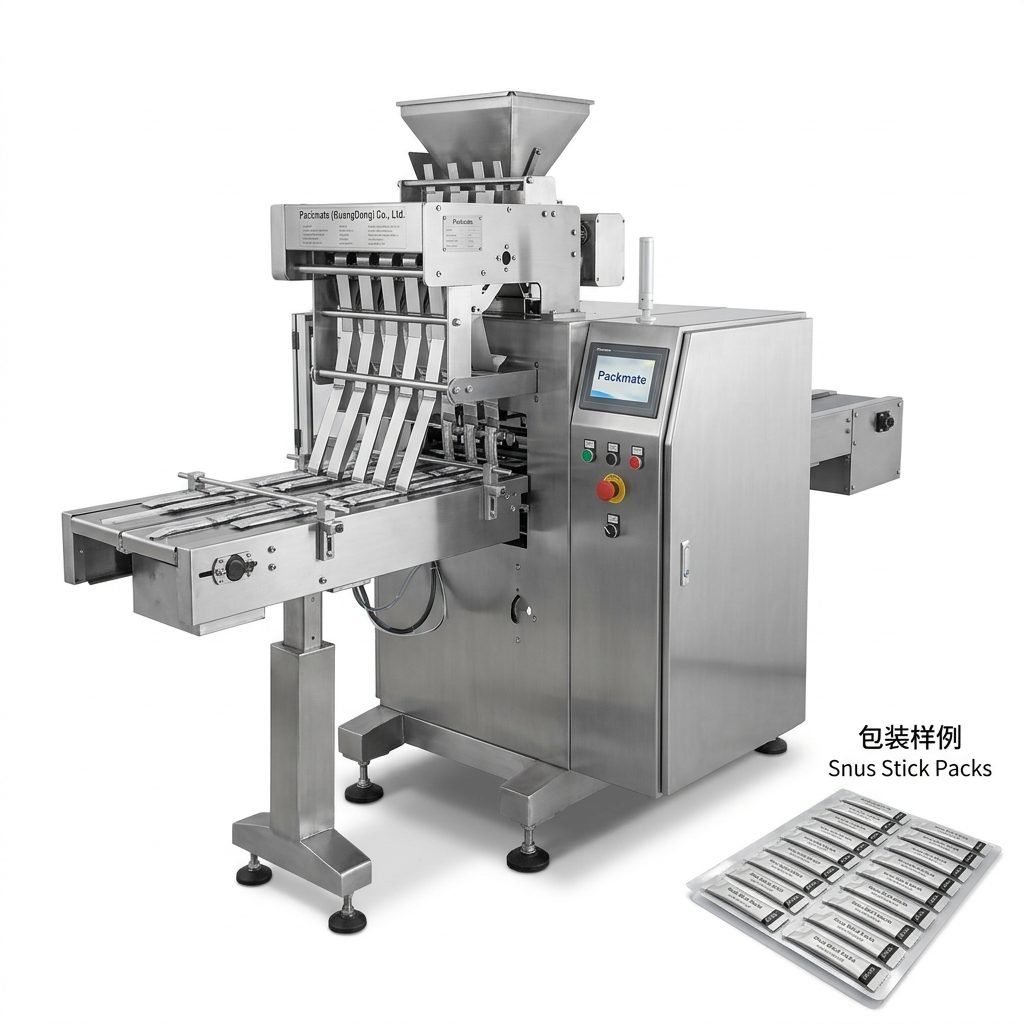
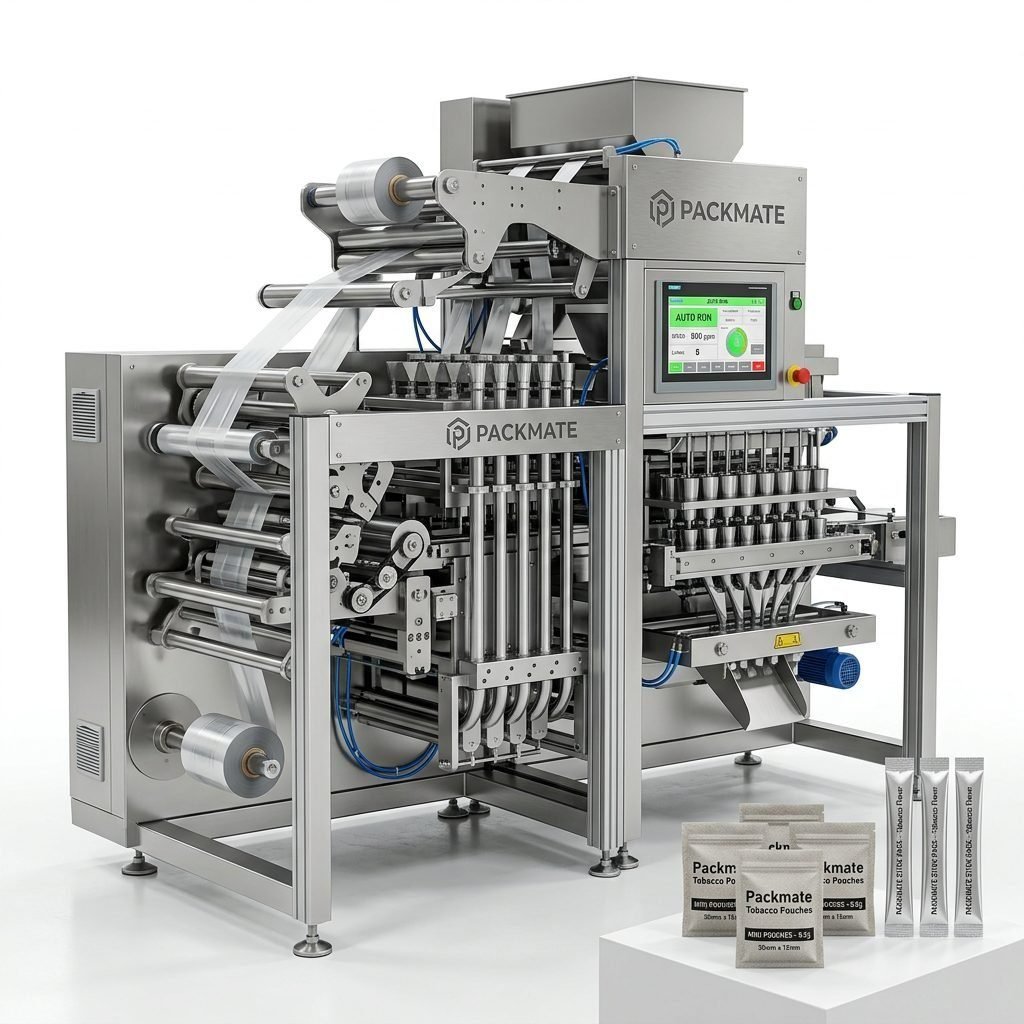
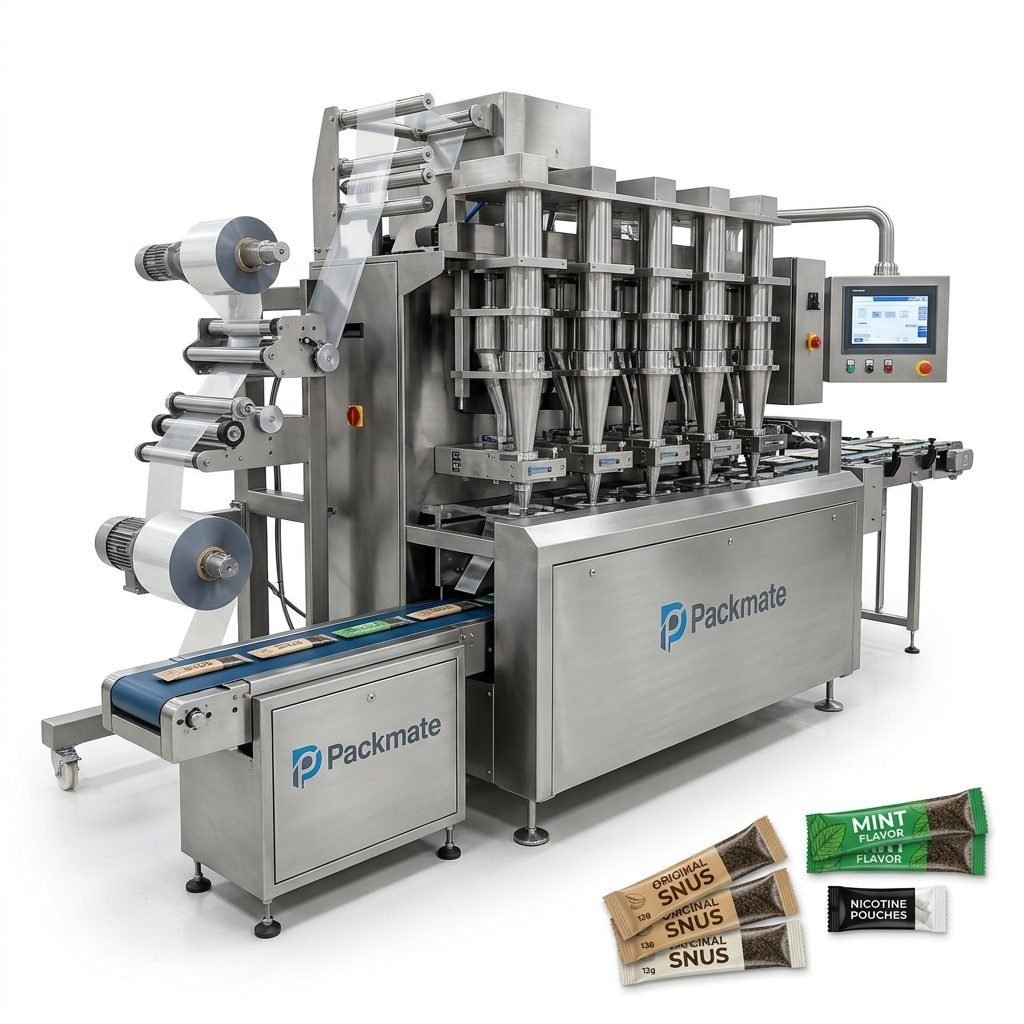
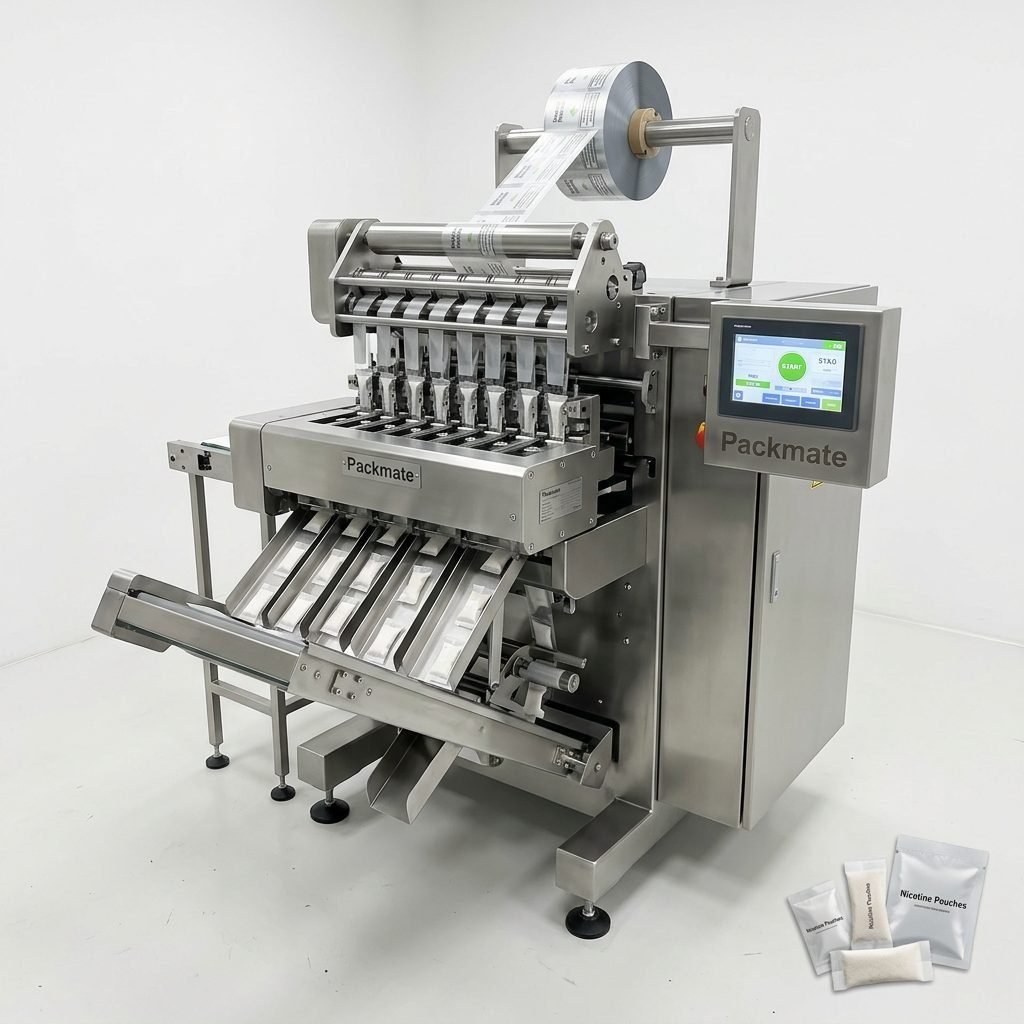
Consumers in Qatar and GCC markets may prefer discreet, premium-looking pouches or tins. Consider suppliers offering flexible format machines: stick pack, sachet, multi-lane nicotine pouch systems and custom pouch shapes. Versatility enables you to serve different channels: modern retail, pharmacies, and duty free.
Key Technical Features to Evaluate
- Production capacity (pouches per minute) and multi-lane capability — ensure throughput fits your target volumes.
- Filling accuracy and hygienic design — critical for small-dose nicotine pouches.
- Material compatibility — support for films, foils, and compostable options if required.
- Changeover speed and format flexibility — reduce downtime when switching SKUs.
- Automation level and Industry 4.0 features — data logging, PLC control, and remote diagnostics.
Key metric: Calculate cost-per-unit including downtime, maintenance, and utilities. A higher initial cost may be justified by lower total operating cost.
Assess Supplier Capability & Reputation
Vet the supplier’s track record. Look for manufacturers with specialized experience in snus and nicotine pouch packaging. Suppliers that participate in global exhibitions, offer CE/ISO certifications, and provide global turnkey installations typically demonstrate both technical competence and compliance awareness.
What to ask during supplier screening
- Can you provide case studies or references for snus/nicotine projects, especially in similar climates?
- What is your machine uptime guarantee and average lead time for spare parts?
- Do you provide on-site commissioning, operator training, and bilingual manuals (English/Arabic)?
- Which certifications do your machines hold (CE, ISO)?
- Can you customize machines for Arabic labeling or unique pouch sizes?
Service, Support & Spare Parts
In Qatar, fast support and spare parts availability matter. Importing parts from overseas can create long downtimes. Choose suppliers offering quick spare parts shipping, local partners, or on-site stock for critical components. Verify training options for local engineers and availability of remote diagnostics to reduce troubleshooting time.
Service checklist: Preventive maintenance contracts, spare parts kits, training for shift operators, remote PLC support, and guaranteed response times for critical failures.
Total Cost of Ownership (TCO) and Financing
Evaluate TCO: initial machine price, installation, utilities, operator costs, spare parts, downtime, and consumables. Understand warranty terms and consider suppliers offering leasing, trade-in, or staged payments. For many Qatari buyers, predictable operational costs and local support are more valuable than the lowest purchase price.
Energy & Utility Efficiency
With high operational hours in production facilities, choose energy-efficient machines and variable frequency drives (VFDs) that reduce power peaks. Machines able to operate in higher ambient temperatures without additional cooling lower facility infrastructure costs.
Customization & Turnkey Solutions
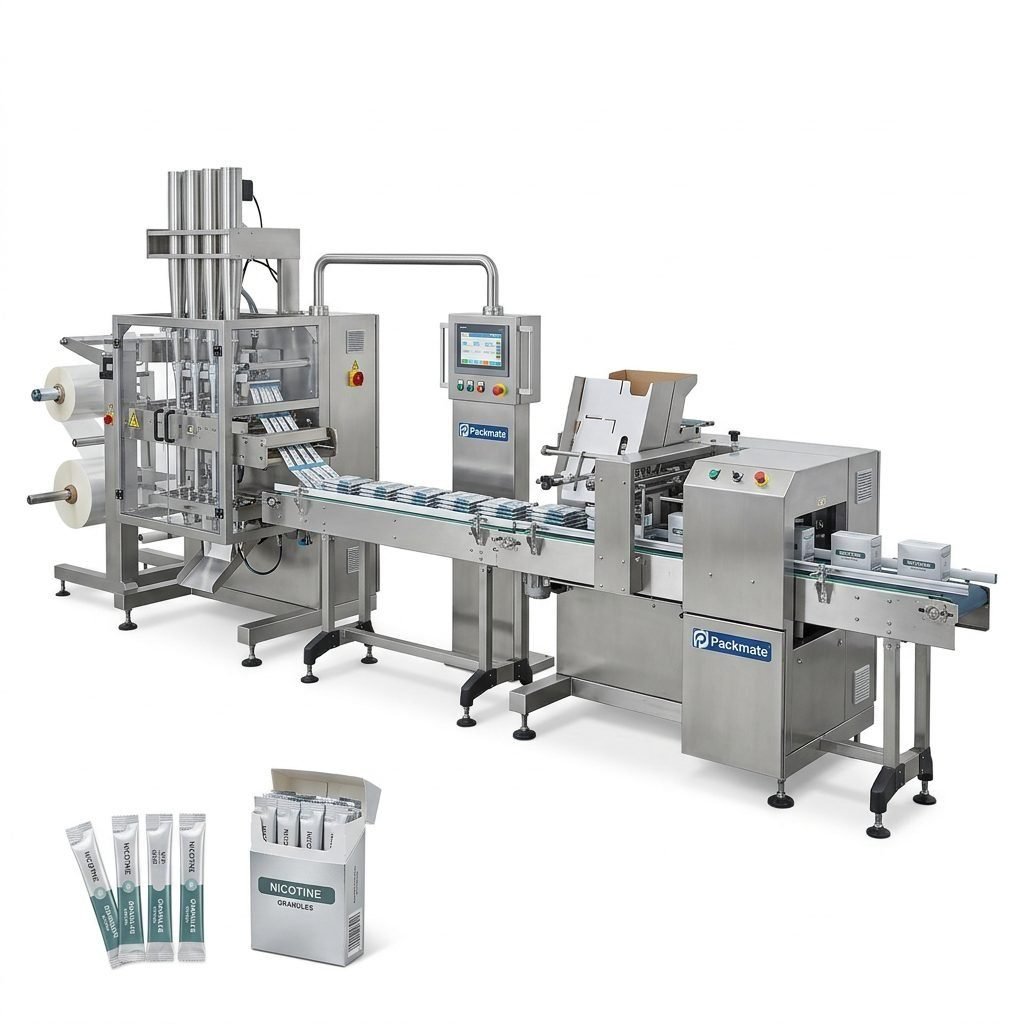
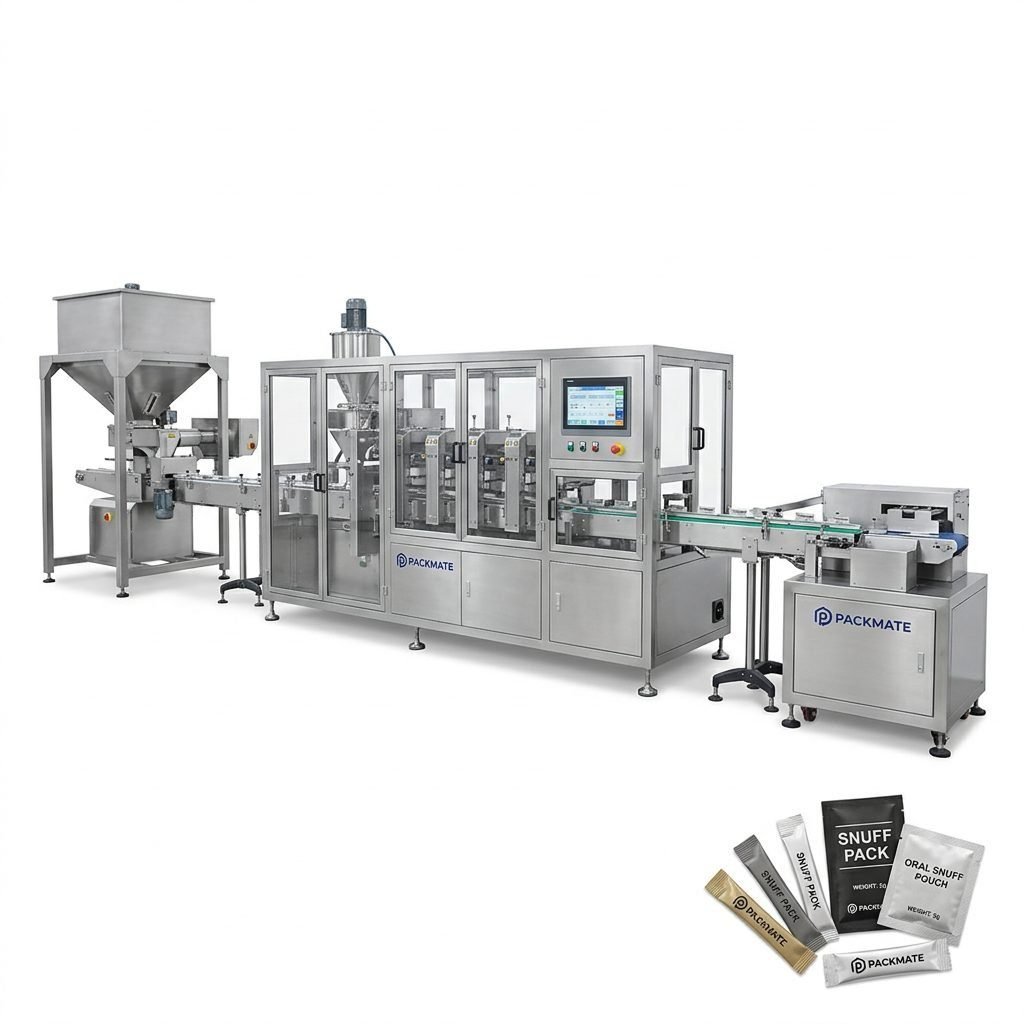
Many businesses in Qatar prefer turnkey solutions that include filling, capping, pouch forming, cartoning, and case packing. Suppliers that provide integrated lines and project management reduce vendor coordination and speed time-to-market. Ensure the supplier offers site surveys, layout planning, and installation services tailored to your facility.
Integration points to verify
- Compatibility with existing weighing and dosing systems.
- End-of-line solutions: cartoners, case packers, palletizers.
- Quality control modules: metal detection, checkweighers, vision inspection for labeling and fill level.
Why Manufacturer Experience Matters: Packmate Example
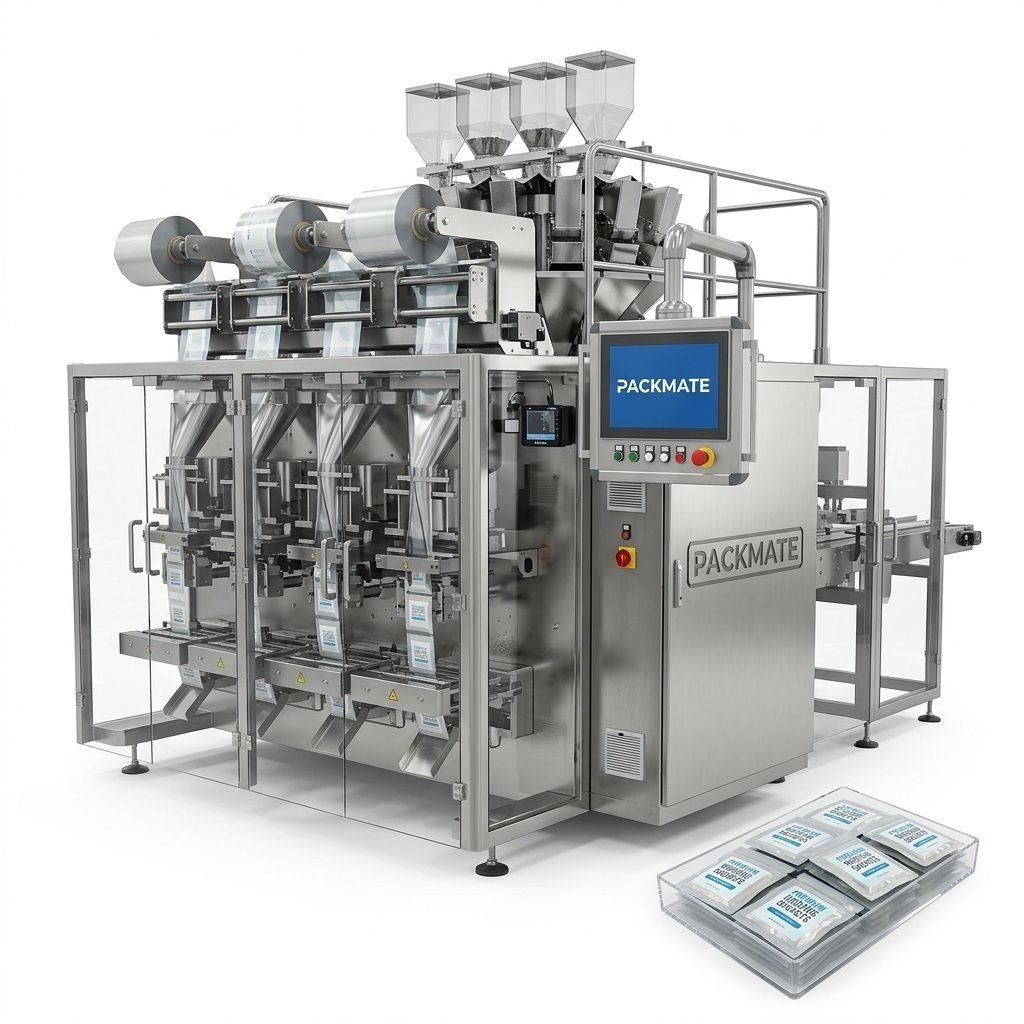
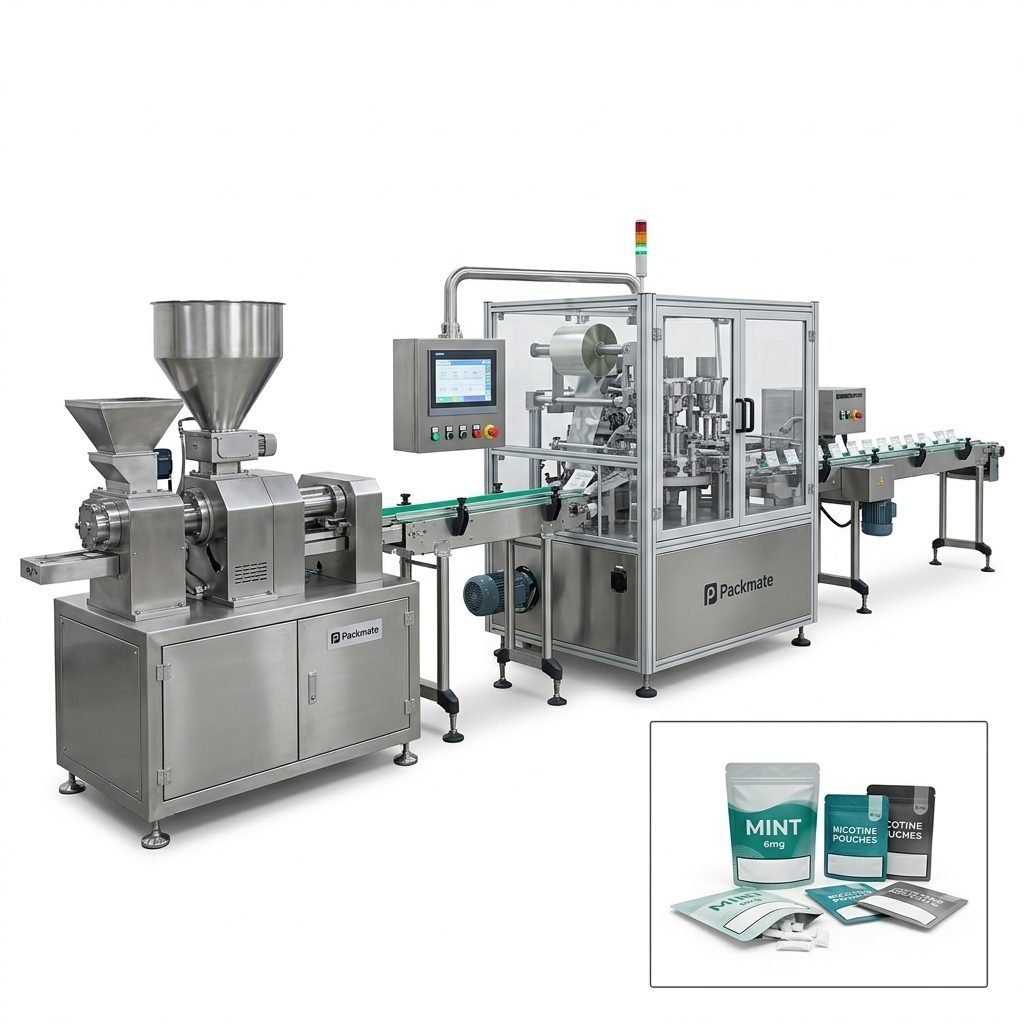
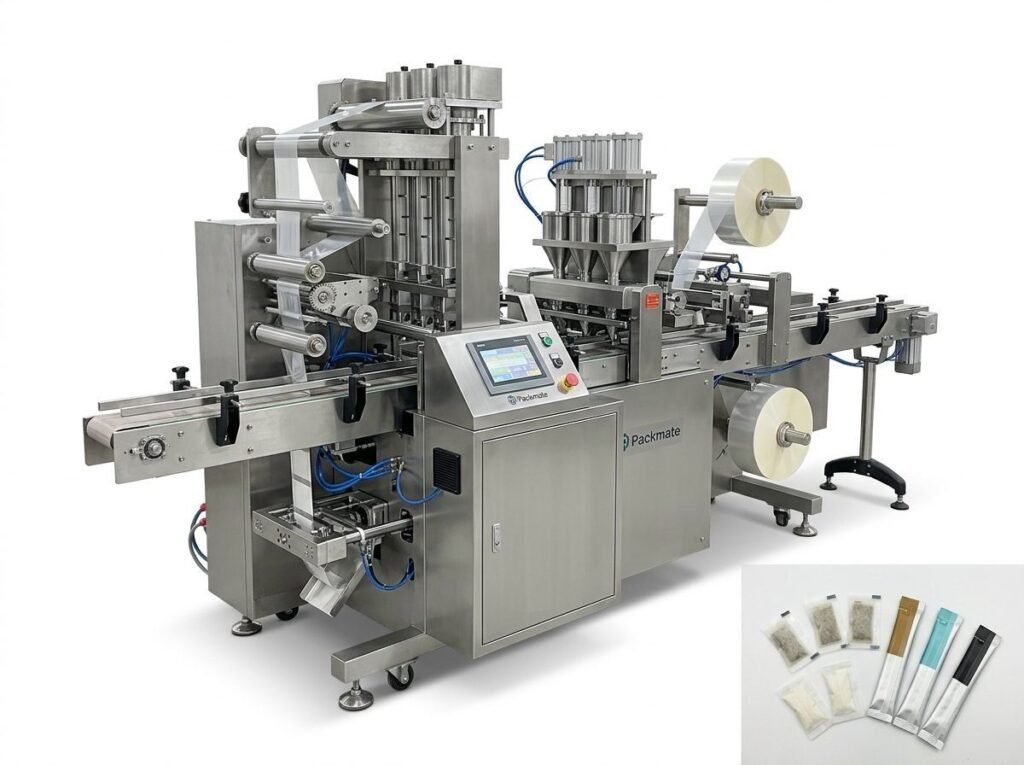
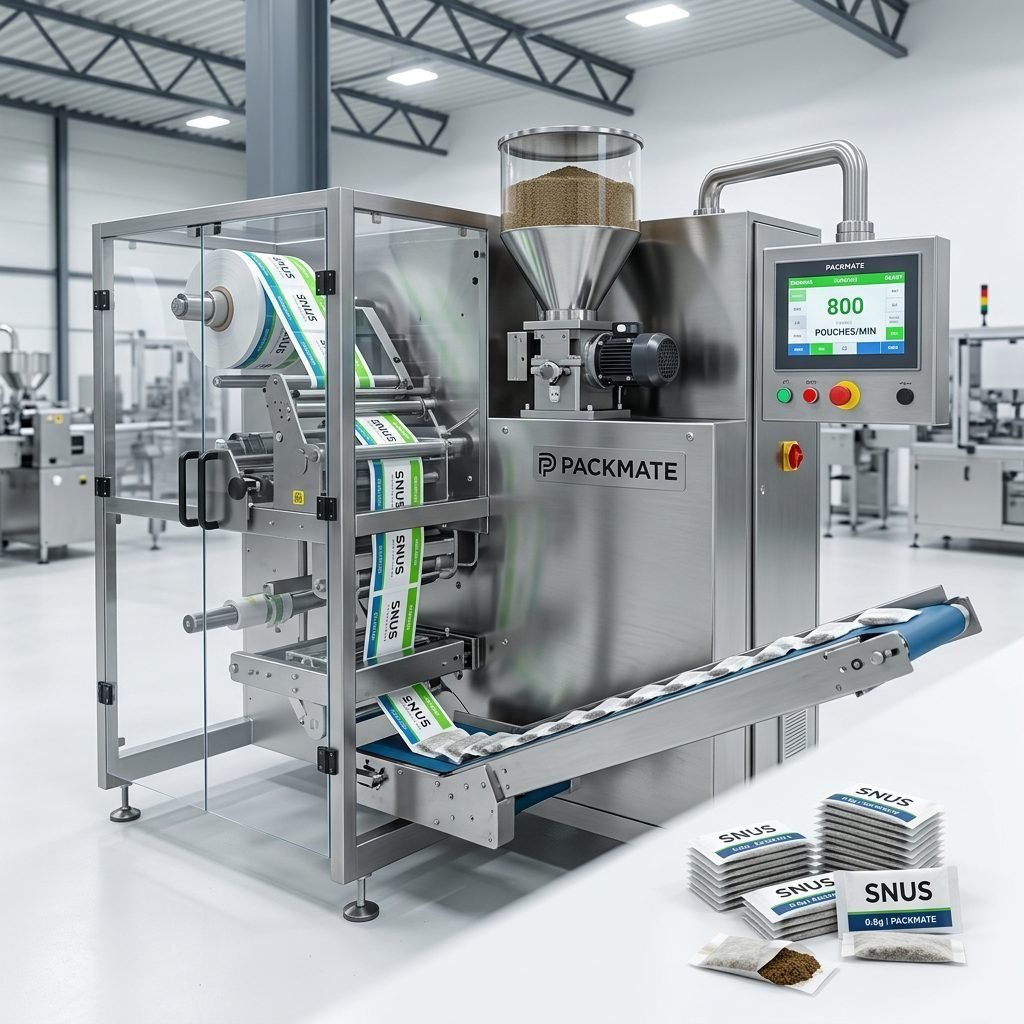
Suppliers with decades of focused development in snus and nicotine pouch packaging bring proven designs for small-dose precision, multi-lane throughput, and hygienic construction. For example, Packmate Snus Machine has over 30 years of engineering experience, a 20,000㎡ manufacturing facility, and a broad product range including Snus & Nicotine Packaging Machines, Bag & Pouch systems, and multi-lane sachet and stick pack lines.
Explore detailed product families and case studies to see how manufacturer expertise translates into reliable production lines and turnkey services: Snus & Nicotine Packaging Machines, Bag & Pouch Packaging Machines, and real-world cases.
Factory Tour, Testing & Acceptance
Insist on factory acceptance testing (FAT) with your product or a close simulant to verify fill accuracy, sealing integrity, and labeling. If a factory visit is not possible, request detailed testing videos and third-party inspection reports. FAT reduces surprises during on-site commissioning in Qatar.
FAT checklist: run rate validation, dosing accuracy, seal strength, labeling placement, and integration tests with downstream equipment.
Negotiating Contracts & After-Sales Terms
Negotiate clear terms for warranty, spare parts lead times, payment milestones, training and acceptance criteria. Specify penalties or remedies for missed delivery dates and ensure the contract captures language support (English/Arabic) for manuals and training sessions.
Contracts should include:
- Detailed technical specifications and acceptance tests.
- Clear warranty scope and duration.
- Spare parts list with recommended stock levels for first 12 months.
- Training scope and deliverables with language preferences.
How to Pilot & Scale Production in Qatar
Start with a pilot line to validate SKU formats, shelf life, and distribution channels in Qatar. Use the pilot data to refine machine settings, packaging material selection, and labeling. Once validated, scale up with multi-lane systems or additional lines. Suppliers offering modular expansions make scaling smoother and more cost-efficient.
Expansion considerations
Plan for spare parts, local service agreements, and potential automation upgrades as volumes grow. Confirm that your supplier has experience delivering multi-line setups and can support phased installations to avoid production interruptions.
Useful Supplier Resources & Next Steps
When researching suppliers, review product catalogs, certificates, and exhibition participation. Packmate provides comprehensive resources including product catalogs, certifications, and exhibition schedules that can help you evaluate technical fit and credibility: Catalog, Certificate, and Our Exhibition.
Summary action plan
- Confirm local regulatory and labeling requirements in Qatar.
- Request FAT with your product and check for corrosion-resistant design.
- Evaluate TCO and service terms including spare parts lead time.
- Negotiate detailed contracts with training and acceptance criteria.
- Start with a pilot line and plan modular scaling for growth.
Need help? Contact the supplier’s sales and service teams to arrange a consultation, factory visit, or remote demonstration. For more detailed product information and line examples, see Weighing & Packaging Systems and Sachet & Stick Pack Machines.
Common Questions
Q1: Can machines handle Qatari climate without additional cooling?
Most professional snus packaging machines with proper stainless-steel construction, sealed electrical cabinets, and high-temperature rated components can operate reliably. Ask suppliers about rated ambient temperature and recommended facility cooling.
Q2: Do I need Arabic labeling support?
Yes. For retail in Qatar and the GCC, bilingual labeling (Arabic and English) is often required. Verify that your supplier can integrate variable data printing or labeling modules and provide guidance on label design.
Q3: How important is factory acceptance testing (FAT)?
FAT is critical. It validates performance with your specific product and reduces on-site commissioning time. If you cannot attend, request detailed videos and third-party inspection reports.
Q4: Where can I find trusted suppliers with snus experience?
Look for specialized manufacturers with credible case studies and exhibition presence. For example, Packmate Snus Machine specializes in nicotine pouch and snus packaging lines and publishes product and case details online.
Q5: How to ensure fast spare parts support in Qatar?
Negotiate spare parts lead times, recommended stock lists, and options for local stocking by the supplier or third-party distributors. Consider suppliers with global logistics experience and regional partners.