Finding a reliable nicotine packaging machine supplier in Asia can make or break your production plans. Whether you are scaling a snus or nicotine pouch brand, moving from manual to automated filling, or sourcing multi-lane pouch lines, the right partner will deliver performance, regulatory compliance, and long-term support. This guide walks you through practical steps, red flags, and negotiation tips tailored to the Asian market — with real-world supplier indicators and product links for deeper research.
Why Asia is a Strategic Sourcing Hub for Nicotine Packaging Machines
Asia, especially regions like China, Taiwan, and Southeast Asia, hosts many highly experienced manufacturers that combine cost efficiency with engineering expertise. Over the past three decades, many plants have evolved from small workshops into modern factories with advanced CNC machining, precision assembly lines, and international certifications. For buyers, this means access to a wide model range, competitive pricing, and faster lead times.
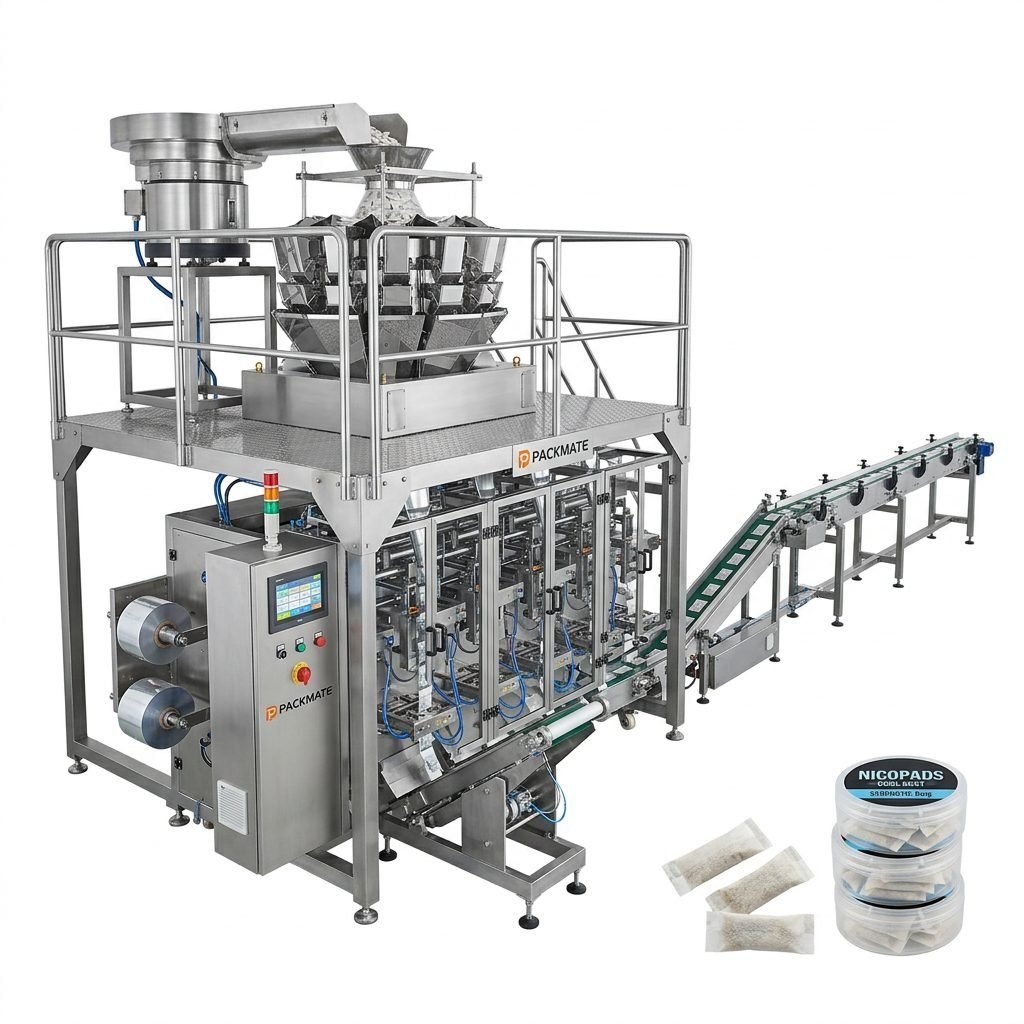
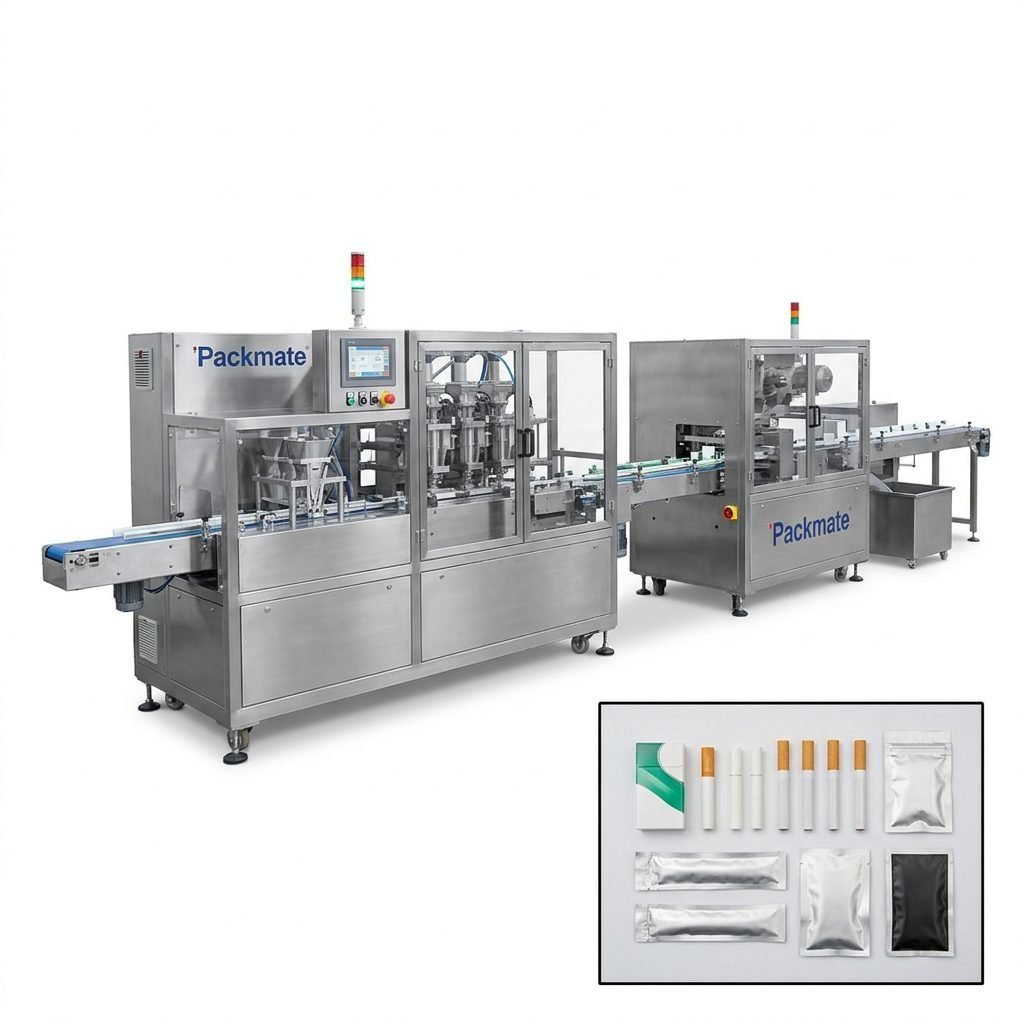
🔍 Key advantage: Many Asian suppliers, like Packmate Snus Machine, provide turnkey solutions — from forming and filling to multi-lane output — backed by decades of R&D and turnkey line experience.
Market Focus and Specializations
Suppliers in Asia tend to specialize: some focus on high-speed stick packs, others on snus and nicotine pouch machines, and a few provide full cleaning, weighing, and packaging lines. When evaluating vendors, match their specialties to your product format (snus pouch, stick pack, sachet, or multi-lane small-dose pouches).
Step-by-Step Checklist to Vet a Supplier
Use this checklist as a practical sequence when contacting potential suppliers. It helps you separate established manufacturers from trading companies or hobbyist workshops.
1. Verify company credentials and history
Ask for the supplier’s company profile, factory photos, founding year, and development timeline. Established companies often show a clear timeline of growth, product evolution, and trade show participation. Check for international standards like CE and ISO — these demonstrate an understanding of global regulatory expectations.
2. Inspect production capacity & equipment
Confirm factory size (e.g., 20,000㎡), advanced CNC centers, assembly lines, and testing facilities. High-precision multi-lane nicotine pouch systems require rigid manufacturing tolerances; a supplier’s investment in machining and QA equipment is a direct indicator of product quality.
✔️ Practical ask: Request a list of models (e.g., 50+ models) and recent case studies showing application to nicotine pouch or snus products.
3. Request technical demos and references
Insist on live machine demonstrations (virtual or in-person), production samples, and customer references. A reputable supplier will have demo videos, production case studies, and customers across Europe and the Americas who can confirm performance, uptime, and after-sales response.
4. Confirm compliance & certification
For nicotine-related packaging lines, ensure the equipment complies with relevant standards (CE, ISO) and that the manufacturer understands documentation needed for import into your target market. Request certificates and ask how they support compliance documentation.
Evaluating Product Fit: Machine Types & Features
Matching machine capabilities to your product specifications is critical. Look beyond price: consider product format, speed, accuracy, sanitation, and maintainability.
Snus & Nicotine Pouch Machines
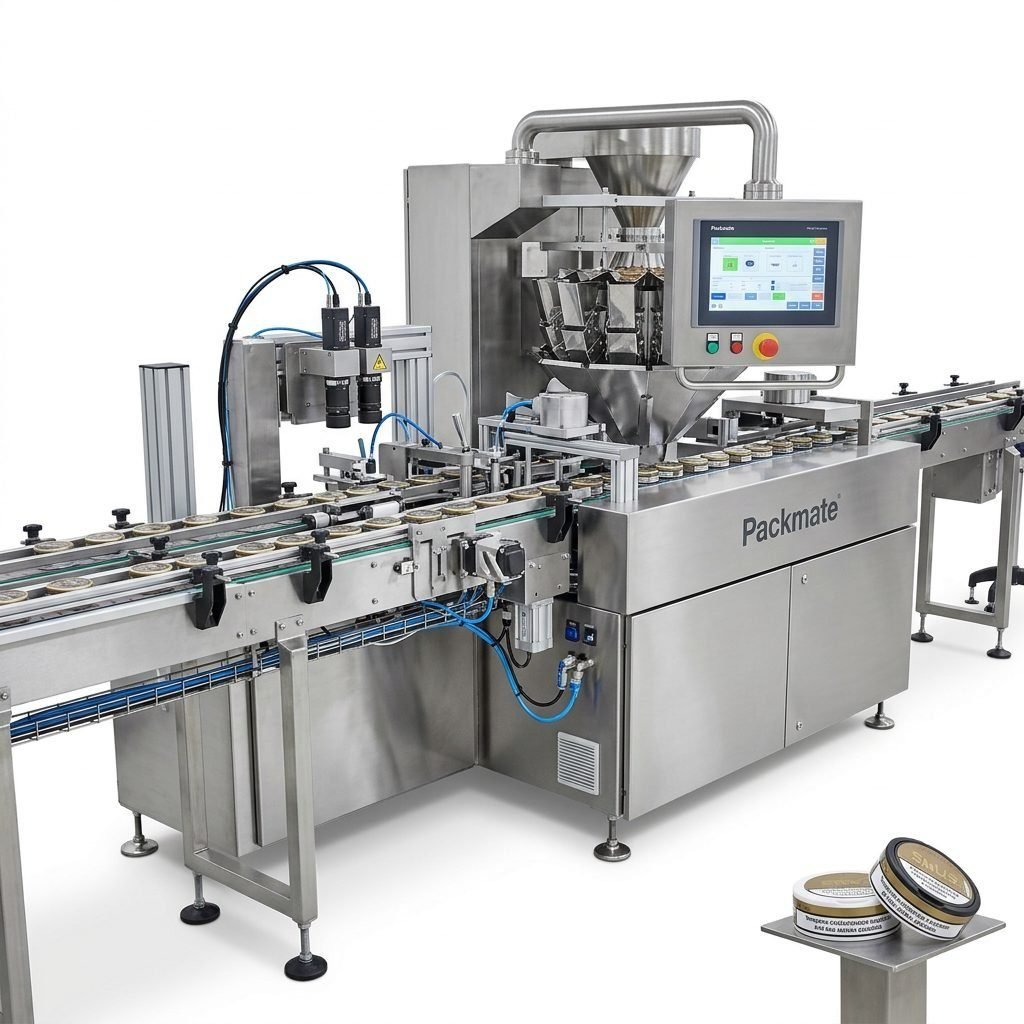
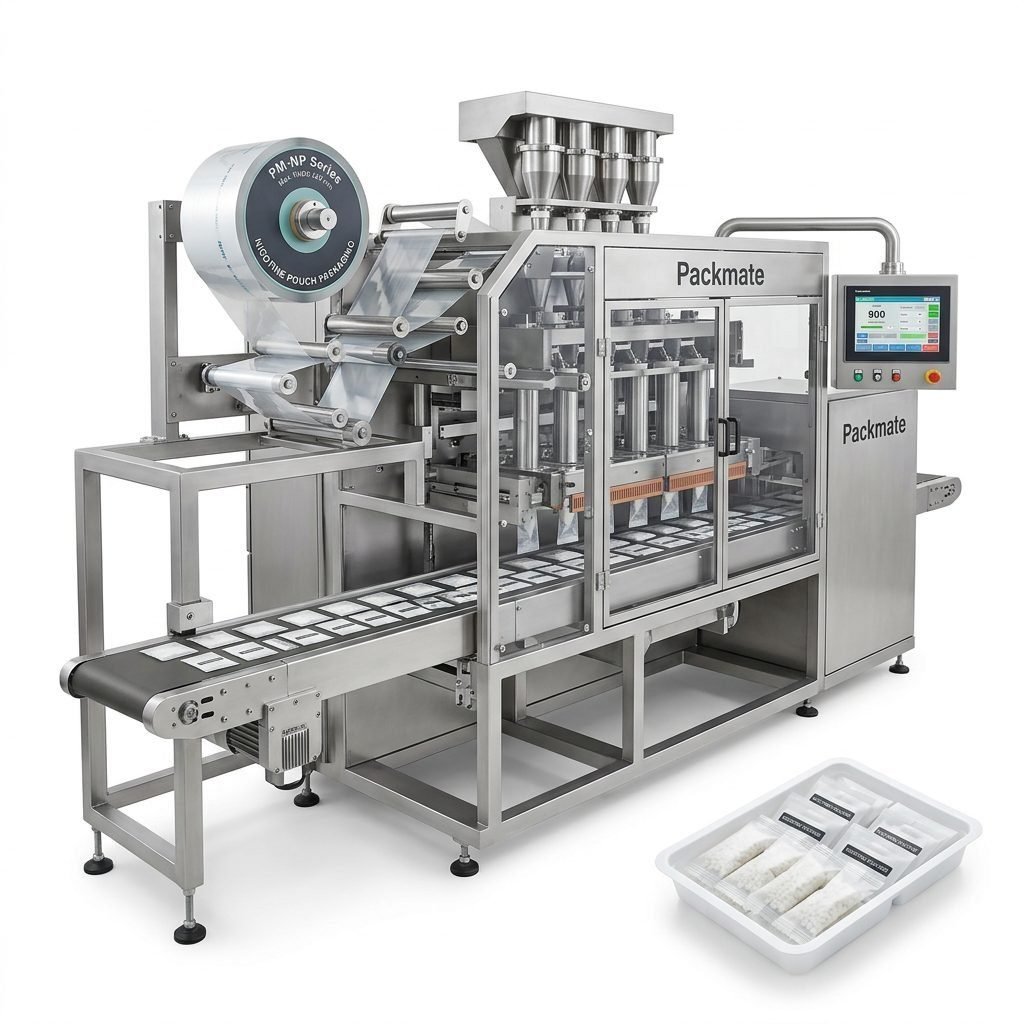
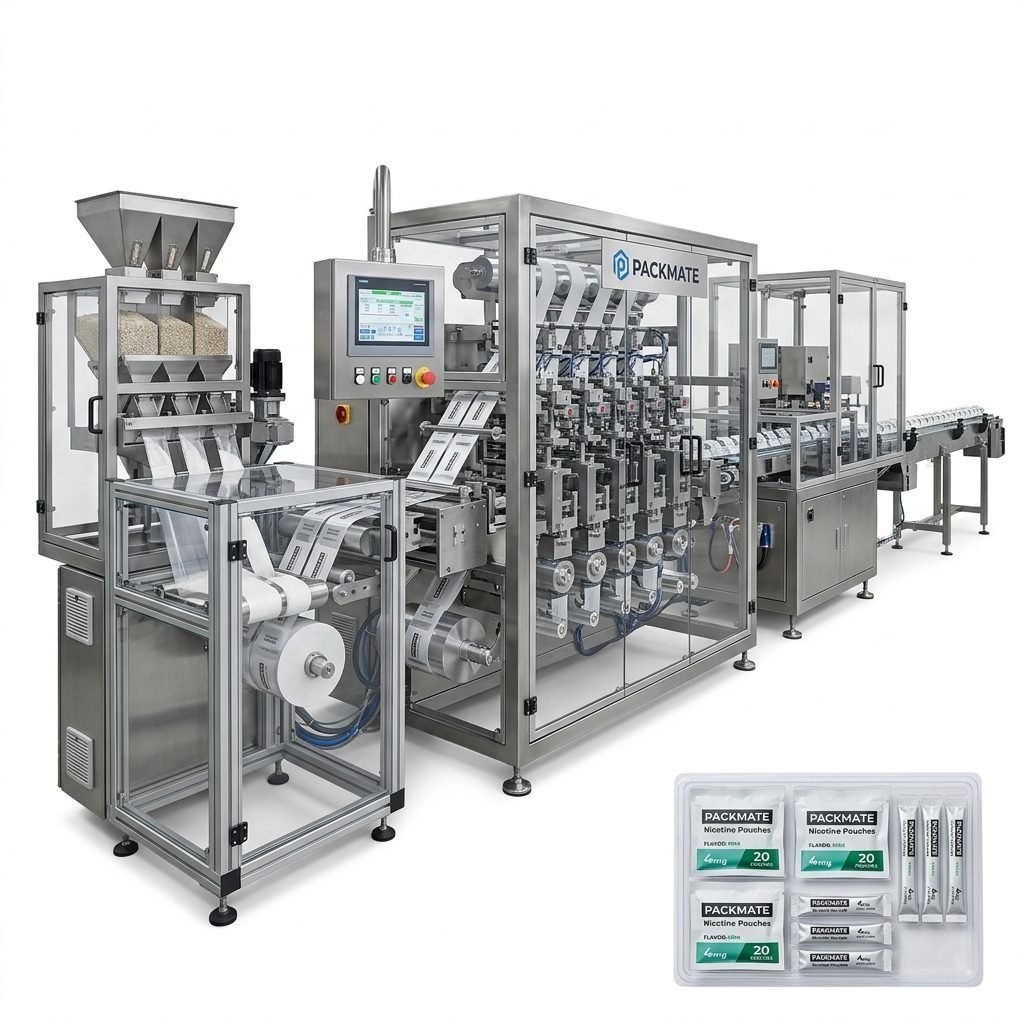
These lines are engineered for small-dose pouches and often require multi-lane formers, precise weighing, and gentle handling to protect product integrity. See examples of specialized equipment in the supplier’s portfolio: Snus & Nicotine Packaging Machines.
Sachet, Stick Pack, and Pouch Solutions
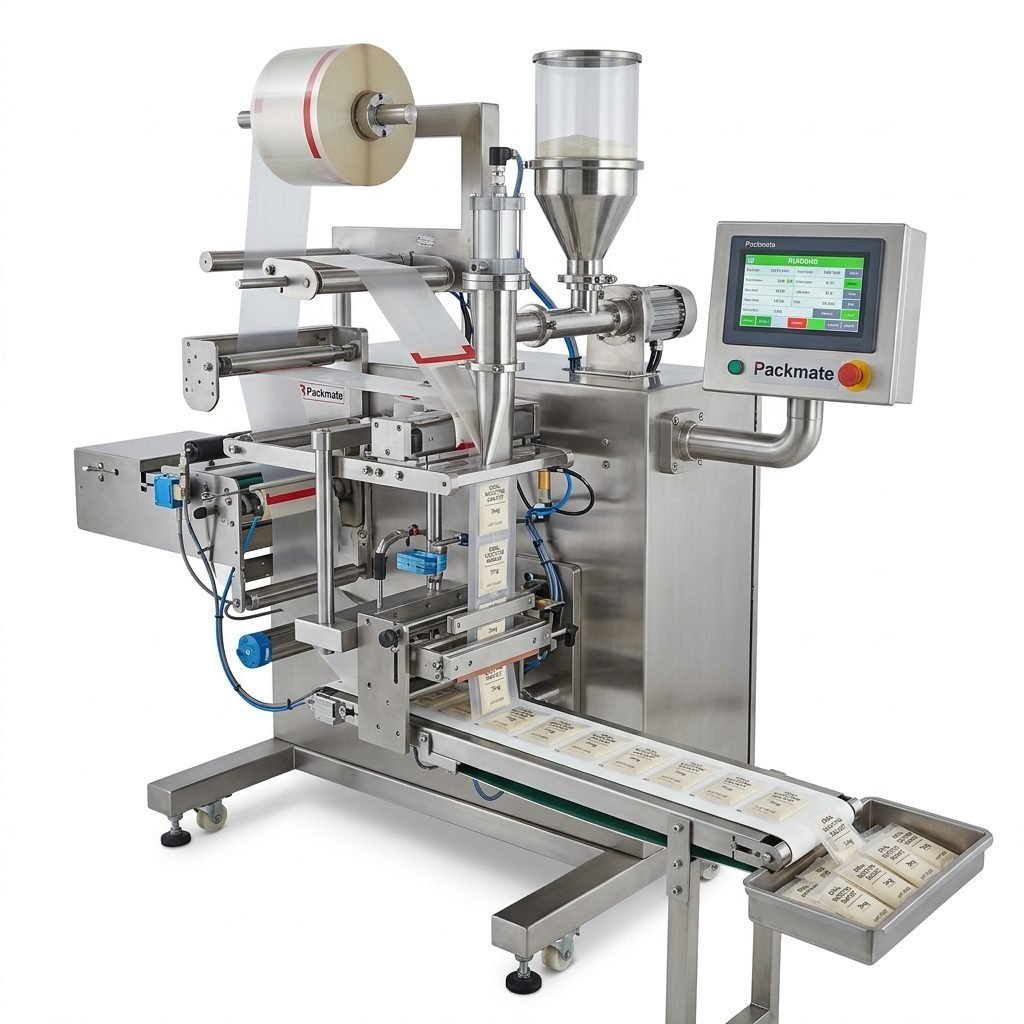
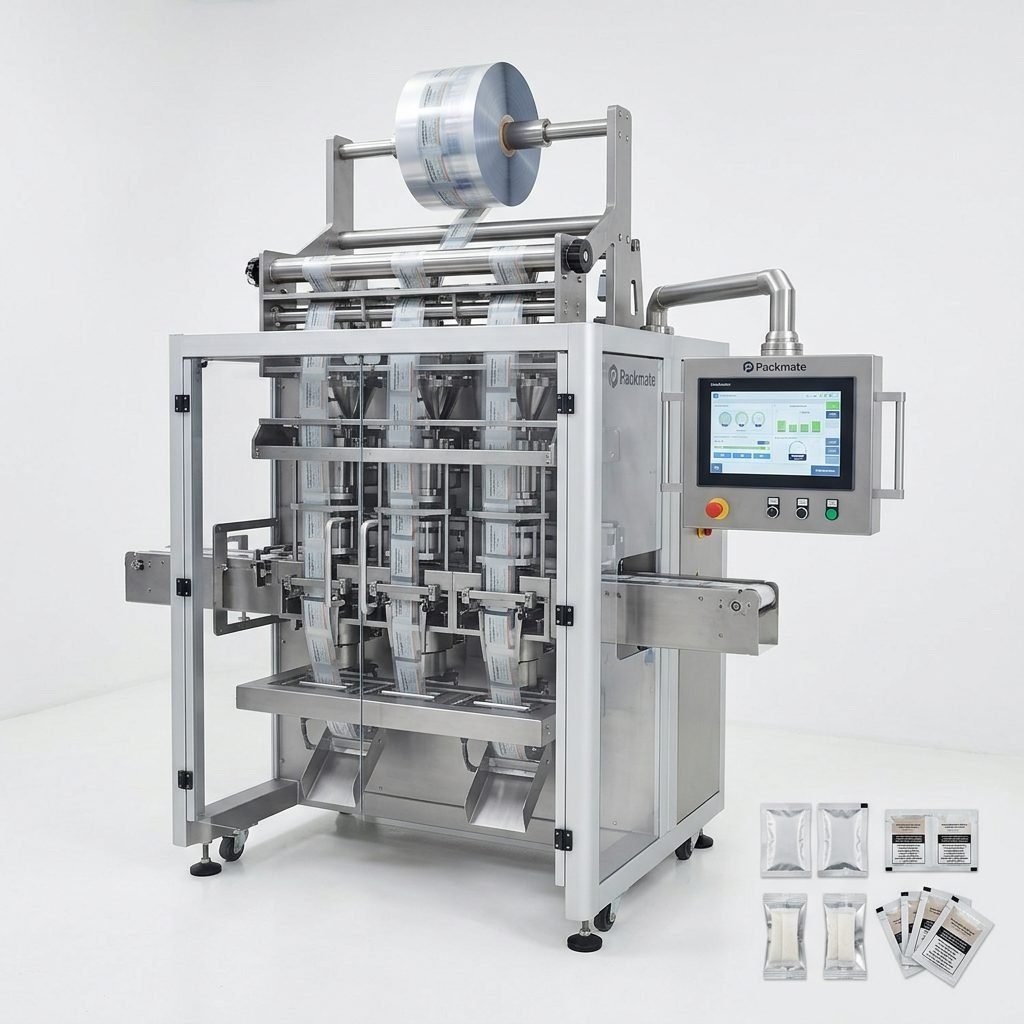
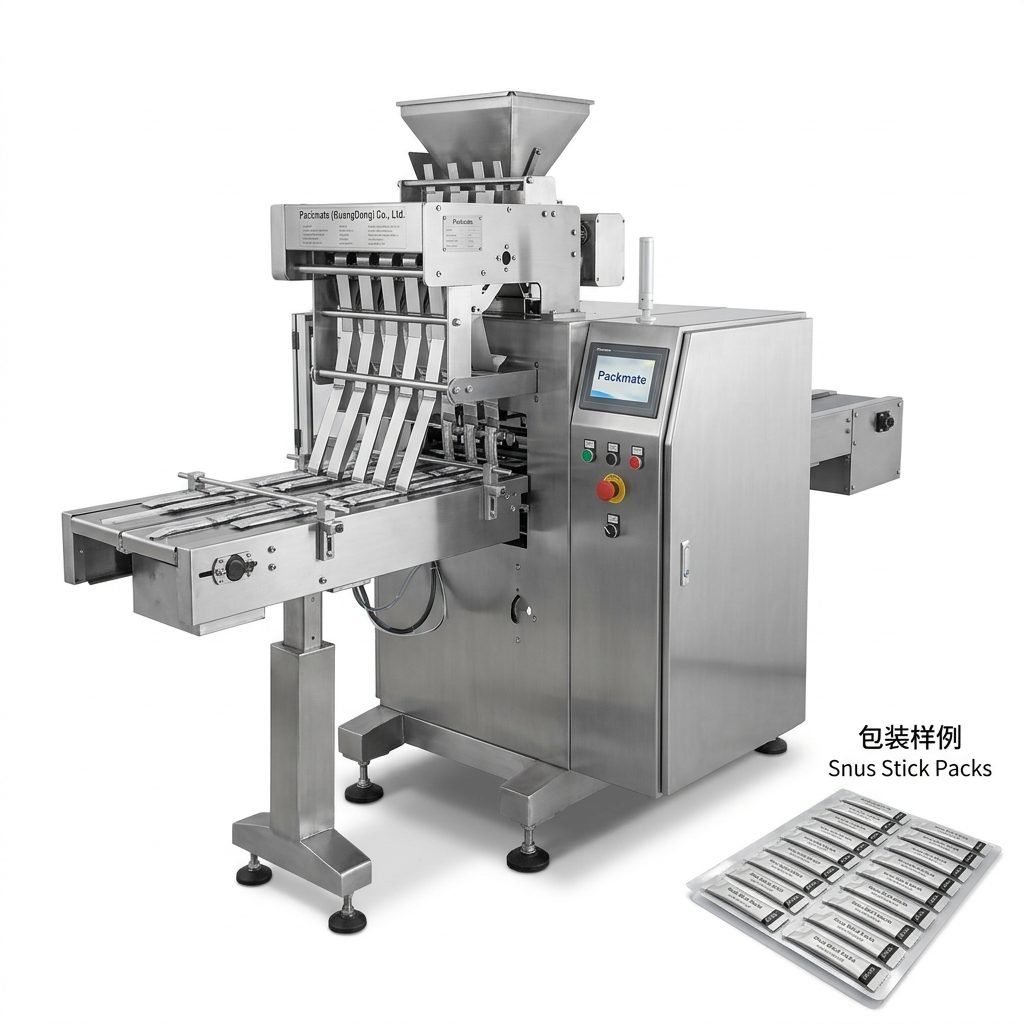
If your brand uses sachets or stick packs, evaluate machines such as vertical form-fill-seal (VFFS) or stick pack systems for dosing accuracy and material compatibility. Explore technical options at Sachet & Stick Pack Machines.
Quality Assurance, Testing & Warranty Expectations
A buyer must clarify acceptance criteria, factory testing protocols, and warranty coverage before signing contracts. Look for documented factory acceptance tests (FAT), running time metrics, and spare parts policies.
⚠️ Red flag: Suppliers that avoid documented testing or push only photos instead of videos of running machines — insist on video proof of continuous operation at target speeds.
Spare Parts & Local Support
Confirm availability and pricing of wear parts. Good suppliers provide spares kits, remote support (video troubleshooting), and training for mechanical and electrical maintenance. Check if they maintain regional partners for faster response times.
Commercial Terms: Pricing, MOQ & Payment
Negotiate total landed cost rather than factory price alone. Include installation, FAT, shipping, customs clearance, and spare parts in your calculations. Discuss minimum order quantities for machines and components, and agree on a payment schedule — commonly 30% deposit, 70% before shipment, or letters of credit for larger orders.
Currency and Payment Preferences in Asia
Many Asian suppliers accept USD, EUR, or local currencies. Chinese suppliers may prefer telegraphic transfers; some buyers use letters of credit for added protection. Be mindful of local business customs around deposits and contract formalities.
Logistics, Lead Times & Import Considerations
Machine lead times vary by complexity and factory backlog. Multi-lane lines require more assembly and testing, so plan for 8–16 weeks typical lead times. Discuss packaging for sea freight, crating specifications, and whether the supplier offers FOB/CIF terms and export documentation.
Customs & Regulatory Hints
Nicotine-related equipment may attract additional scrutiny depending on destination country regulations. Ensure the supplier provides compliant documentation, CE/ISO certificates, and detailed packing lists to avoid clearance delays.
Communication, Negotiation & Cultural Etiquette in Asia
Effective communication bridges technical gaps. Asian suppliers value long-term relationships, clear timelines, and respectful negotiation. For example, in China:
- Use clear written requirements (drawings, tolerances, sample photos) — suppliers respond well to detailed specifications.
- Face-to-face meetings and factory visits are highly valued; if travel is not possible, schedule synchronous video calls and virtual plant tours.
- Payment and contract formalities often follow established norms; expect polite but firm bargaining and an emphasis on mutual benefit.
📦 Local tip: Suppliers often accept QR code-based payments or telegraphic transfers; clarify invoice details and customs HS codes early.
Turnkey Solutions & Customization Options
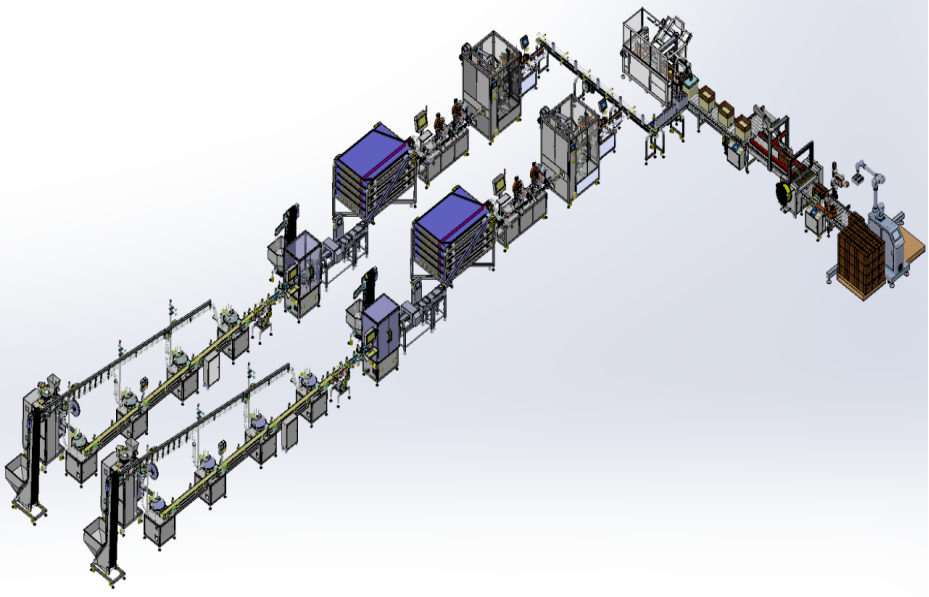
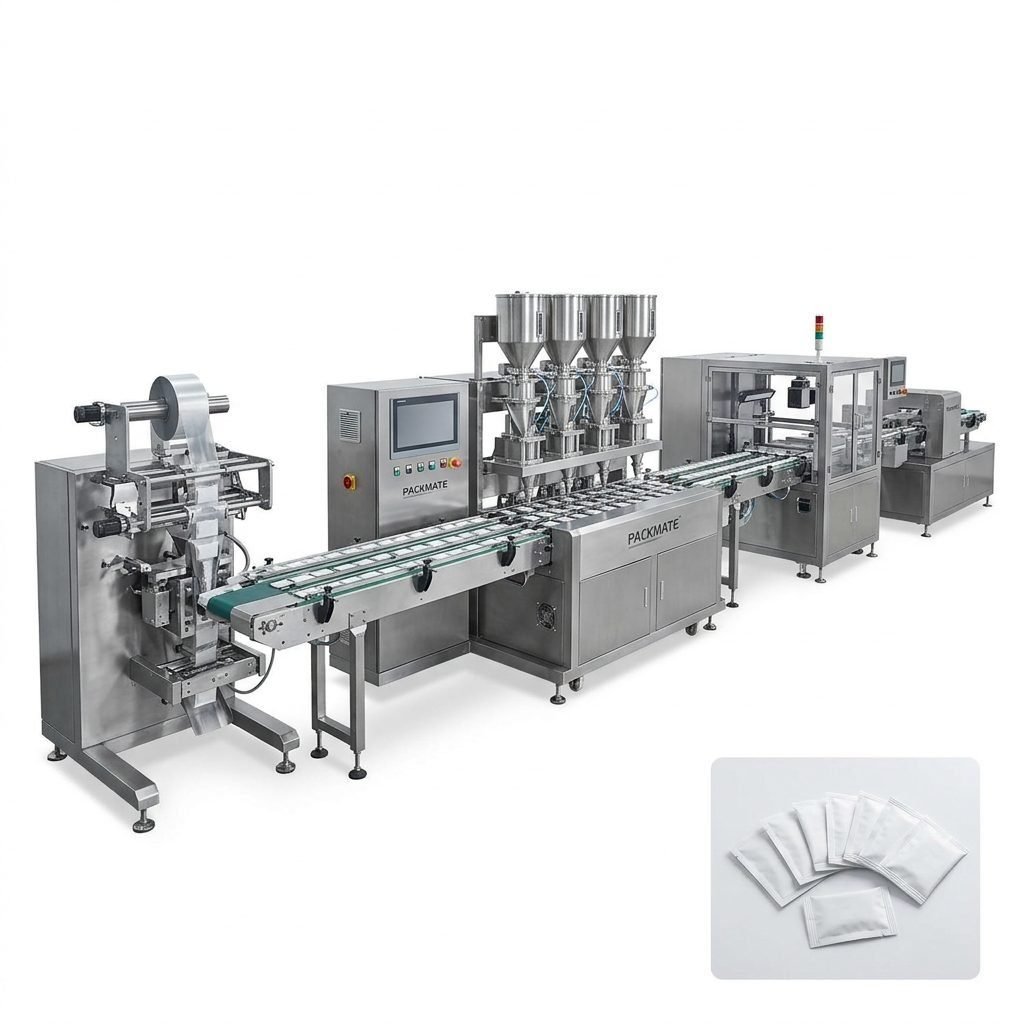
If you need a fully automated line, look for suppliers offering integration with weighing systems, conveyors, cartoners, and case packers. Companies with strong engineering teams can also customize pouch sizes, lane counts, and feeding systems to your precise product specs.
Learn more about integrated options like weighing & packaging and auxiliary equipment: Weighing & Packaging Systems and Auxiliary Packaging Equipment.
Service, Training & After-Sales Support
After-sales service is critical for production continuity. Confirm training plans (on-site/remote), spare parts lead times, warranty terms, and options for annual maintenance contracts. Suppliers with global exhibition presence typically maintain international service networks and faster response capabilities.
Documentation & Remote Diagnostics
Request machine manuals, electrical drawings, PLC code comments, and remote diagnostics setup. Modern suppliers equip machines with remote access modules for software updates and troubleshooting.
Real-World Verification: What to Ask During a Factory Visit
If you visit the factory, prepare a checklist: witness assembly lines running, inspect CNC equipment, examine QA test benches, and meet engineers who will manage your project. Confirm lead engineers’ experience and ask about previous nicotine pouch line projects and global customers.
Browse real case examples to evaluate installed base: Case.
Negotiating a Fair Contract
Ensure the contract covers delivery milestones, FAT acceptance criteria, spare parts lists, training scope, warranty terms, and penalties for missed dates or performance shortfalls. Request clear packaging and shipping instructions to avoid damage during transit.
Supplier Example: What to Expect from a Professional Manufacturer
A reputable supplier profile will typically include: over 30 years of engineering experience, a large factory footprint, 50+ machine models, certifications like CE/ISO, and turnkey capability for snus, stick pack, sachet, and filling lines. You can learn more about suppliers and their story via company pages such as About Packmate and their product catalogs.
🔧 Machine portfolio hint: Look for a supplier offering Snus & Nicotine Packaging Machines, Bag & Pouch options, and integrated filling lines to support product evolution: Bag & Pouch Packaging Machines • Filling & Packaging Lines.
Final Selection & Implementation Tips
Once you select a supplier, plan an implementation timeline with milestones: engineering drawings approved, FAT completed, shipment scheduled, installation and commissioning, production ramp-up, and post-acceptance review. Assign an internal project manager to coordinate logistics, QC sampling, and operator training.
Scaling & Future-Proofing
Choose modular machines that allow lane expansion or format changes as your product range evolves. Ensure the supplier can provide upgrades and performance retrofits without extensive downtime.
Useful Links & Next Steps
If you want to deep-dive into machine types or contact a long-established supplier, start at product and service pages to request catalogs and quotations: Catalog, Service, and Contact Us.
Conclusion
Sourcing a reliable nicotine packaging machine supplier in Asia is achievable by following structured due diligence: verify credentials, inspect manufacturing capacity, request demos and documentation, negotiate clear commercial terms, and plan for service and spare parts. Prioritize suppliers that demonstrate turnkey capability, certification, and a track record with similar products. With thorough evaluation, you can secure a partner who supports production scale-up and maintains your line’s uptime.
Frequently Asked Questions
Q1: How long does it take to receive a custom multi-lane nicotine pouch line?
A1: Typical lead times range from 8 to 16 weeks depending on complexity, customization, and factory backlog. Complex turnkey lines with integration and FATs can move toward the longer end of that range.
Q2: What certifications should I request from an Asian supplier?
A2: Ask for CE and ISO certificates, export documentation, and any additional compliance paperwork relevant to your import market. Suppliers should provide machine manuals, electrical diagrams, and FAT reports.
Q3: How do I ensure product quality before shipment?
A3: Insist on a documented FAT, running videos showing target speeds and production samples, and a signed acceptance report. If possible, visit the factory or arrange a trusted third-party inspection.
Q4: Are spare parts readily available for machines sourced from Asia?
A4: Reputable manufacturers maintain spare parts inventories and provide spare kits. Confirm lead times for common wear parts and discuss options for stocking critical components locally.
Q5: Can Asian suppliers handle turnkey integration and post-sale training?
A5: Yes, many established manufacturers offer turnkey solutions, on-site installation, and remote or on-site training. Verify their global references and exhibition presence as indicators of international service capability.