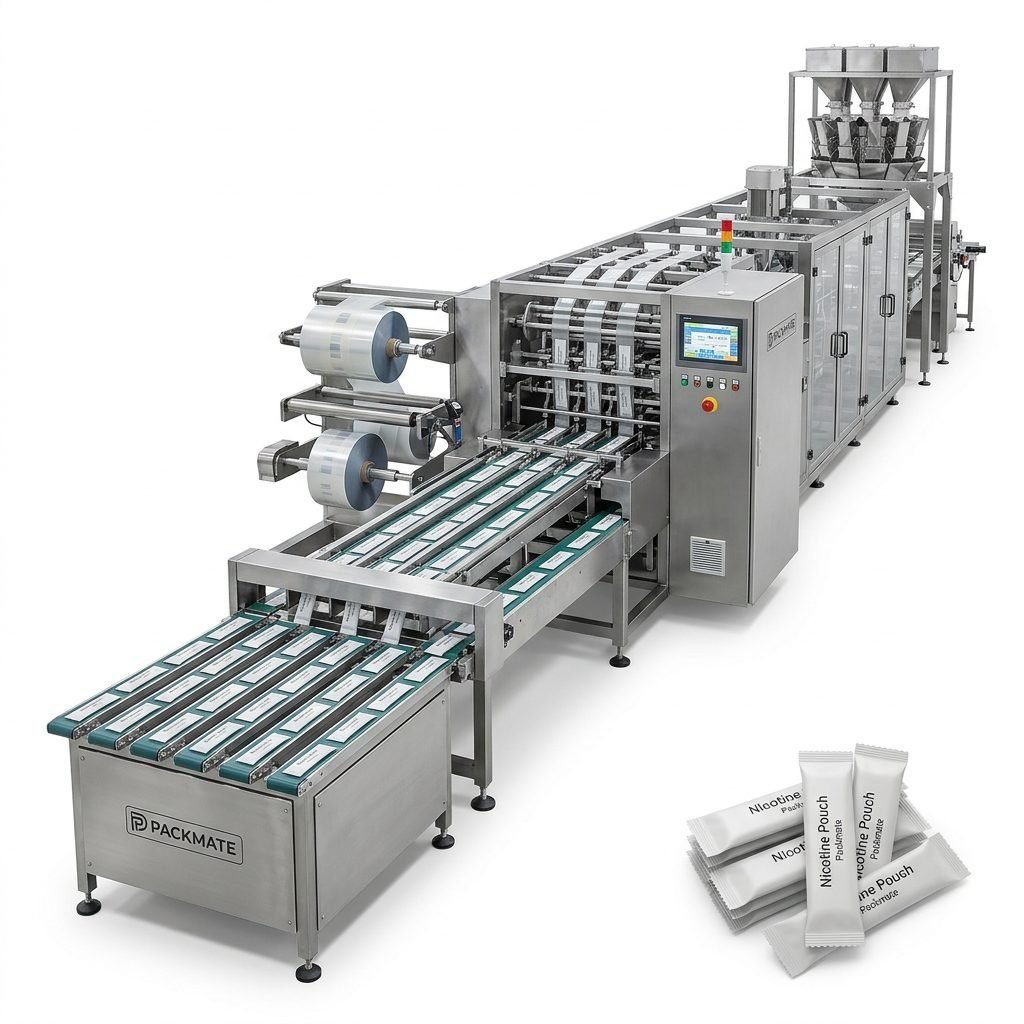
Choosing the right nicotine packaging machine supplier in Ecuador can make or break your production plans. Whether you are a startup launching nicotine pouches for the first time, a distributor expanding into Andean markets, or an established manufacturer upgrading production lines, this guide walks you through practical, market-aware steps to select a reliable supplier and ensure long-term success.
✓ Quick snapshot: Look for proven machine performance, CE/ISO certification, after-sales support, local regulation knowledge, and flexible financing/shipment options. Consider humidity control and packaging types that match Ecuadorian consumer habits (single-dose & travel-friendly packs).
Understand Ecuador’s Market and Local Habits
Ecuador has a diverse consumer base: coastal cities like Guayaquil are humid and fast-paced, while highland regions such as Quito see cooler, drier climates. Local preferences often lean toward convenient, discreet single-dose packs or small sachets due to urban commuting and increasing health-conscious choices. Spanish-language packaging and clear product claims are crucial — local buyers expect clear labeling in Spanish and compliant ingredient lists.
Regulations in Ecuador may be evolving for nicotine products; importers and manufacturers must be ready to adapt labeling, warning statements, and documentation. A supplier with international compliance experience (CE, ISO) and a track record supplying multiple regions will save time when navigating local certification and customs procedures.
Key Supplier Selection Criteria
Use this checklist when evaluating suppliers:
⚙️ Machine performance: Verify throughput, accuracy, and stability under continuous operation suited to your target volumes.
🔧 Engineering & customization: Can the supplier adapt pouch size, multi-lane configurations, or dosing systems for nicotine pouches?
📜 Certifications & compliance: Look for CE, ISO, and export documentation that help ease Ecuadorian import approvals.
🛠️ After-sales service: Check spare parts availability, remote support, and local technicians or training plans.
1. Proven Track Record & References
Ask for case studies and references from customers in similar climates or markets. Real-world performance data — uptime percentages, production runs, and maintenance records — demonstrate actual reliability. If possible, request references for machines used in Latin America or comparable regions, and ask for video demos or virtual factory tours.
2. Machine Types & Flexibility
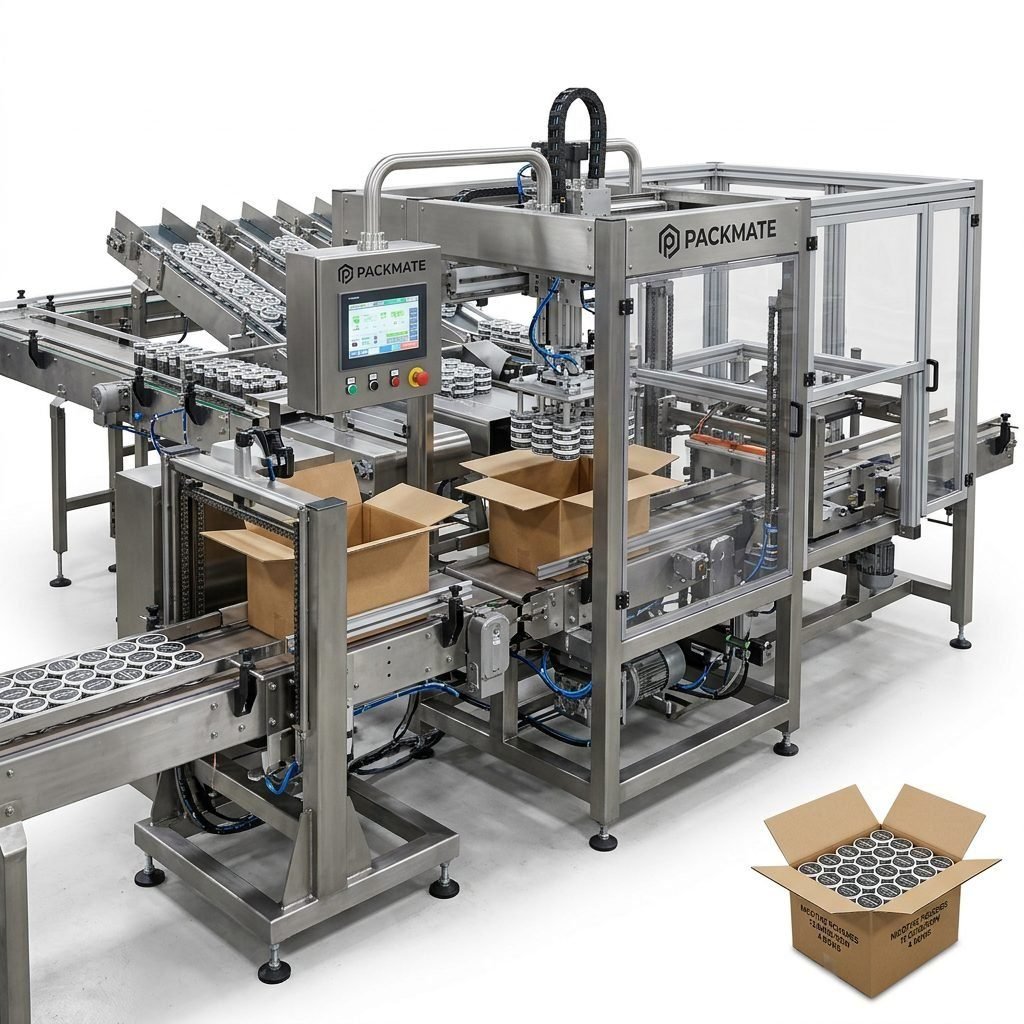
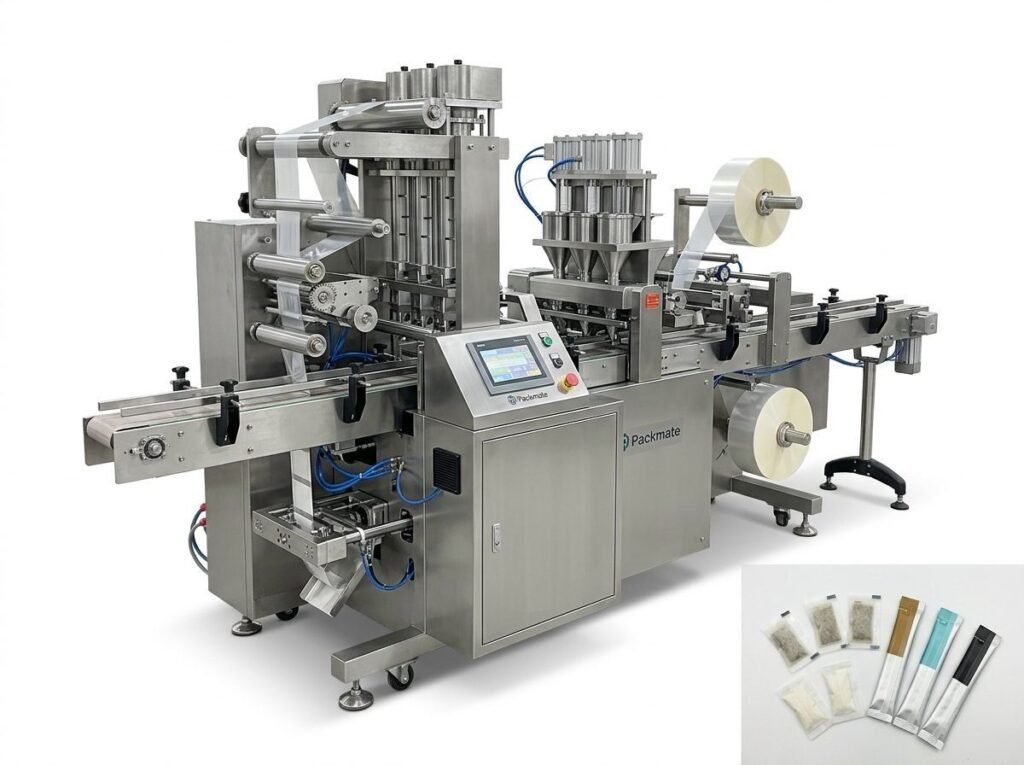
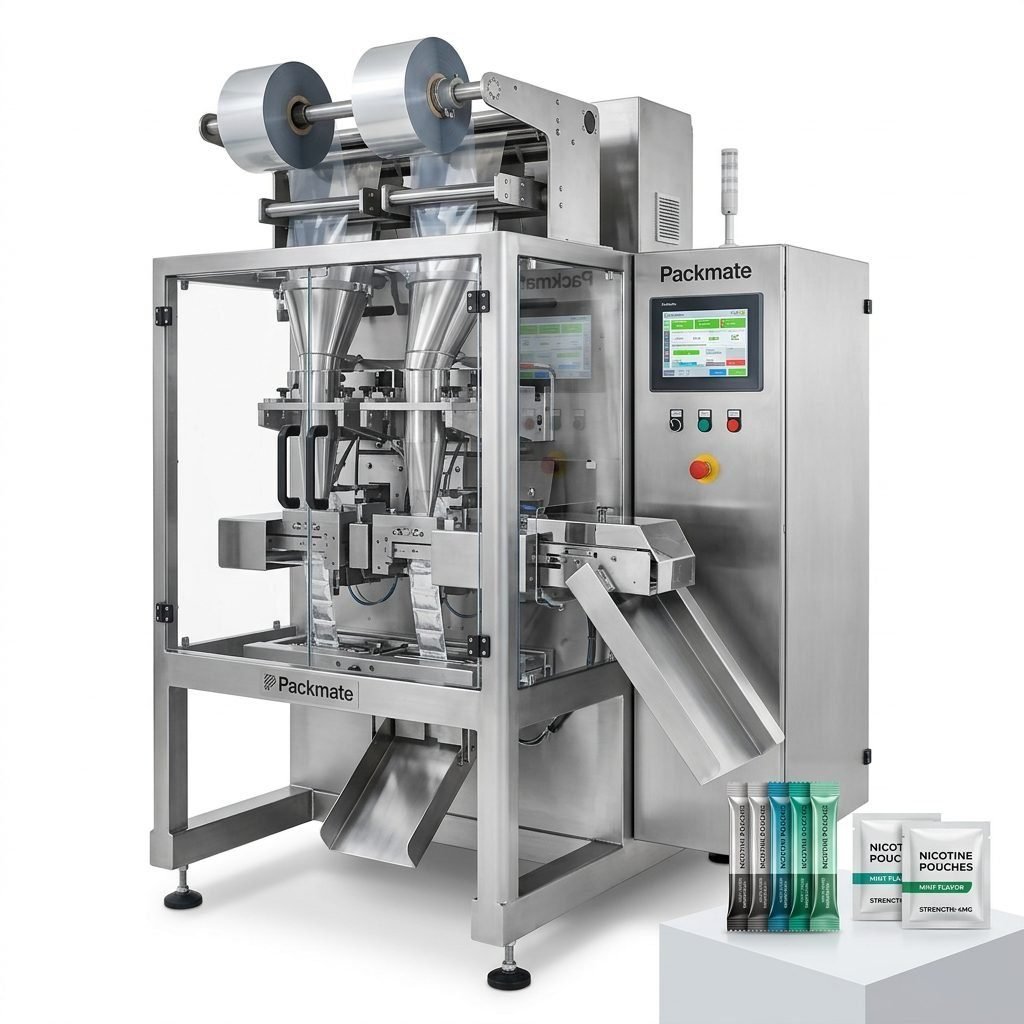
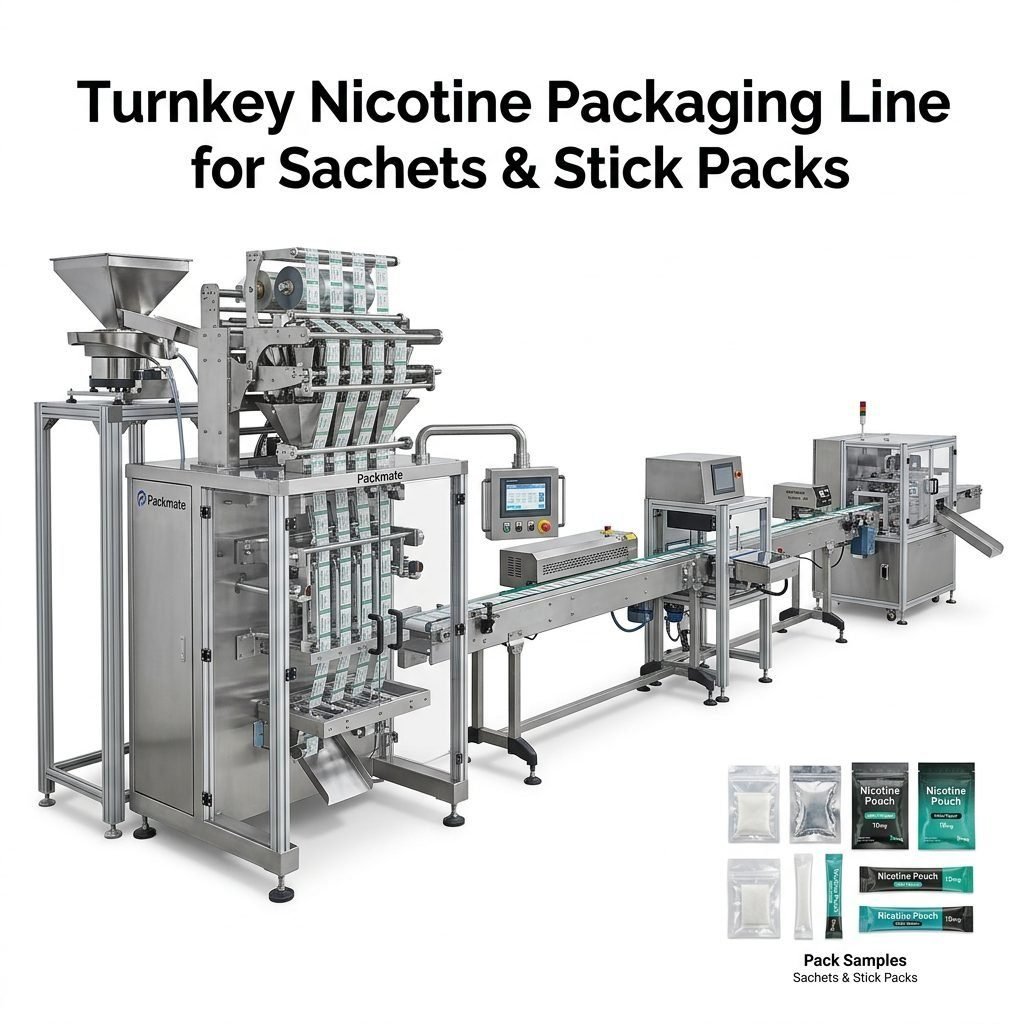
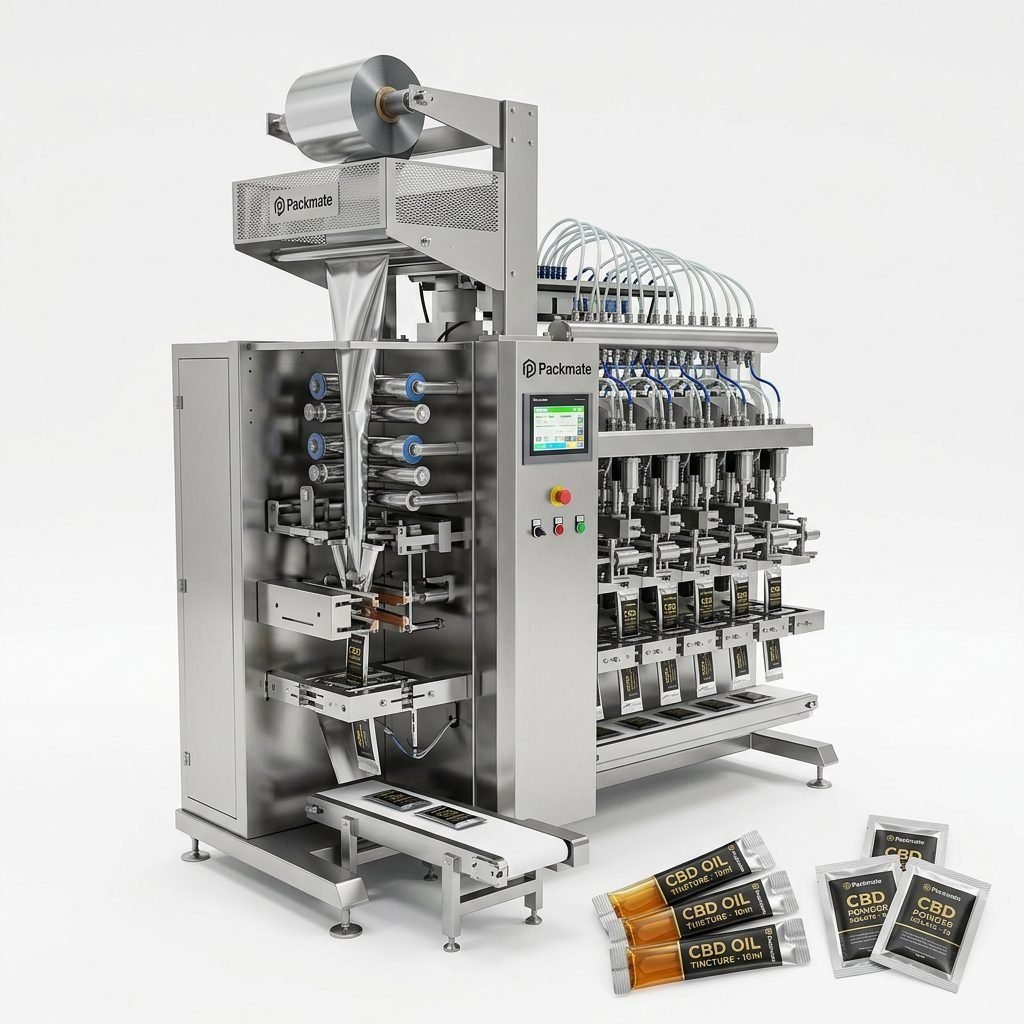
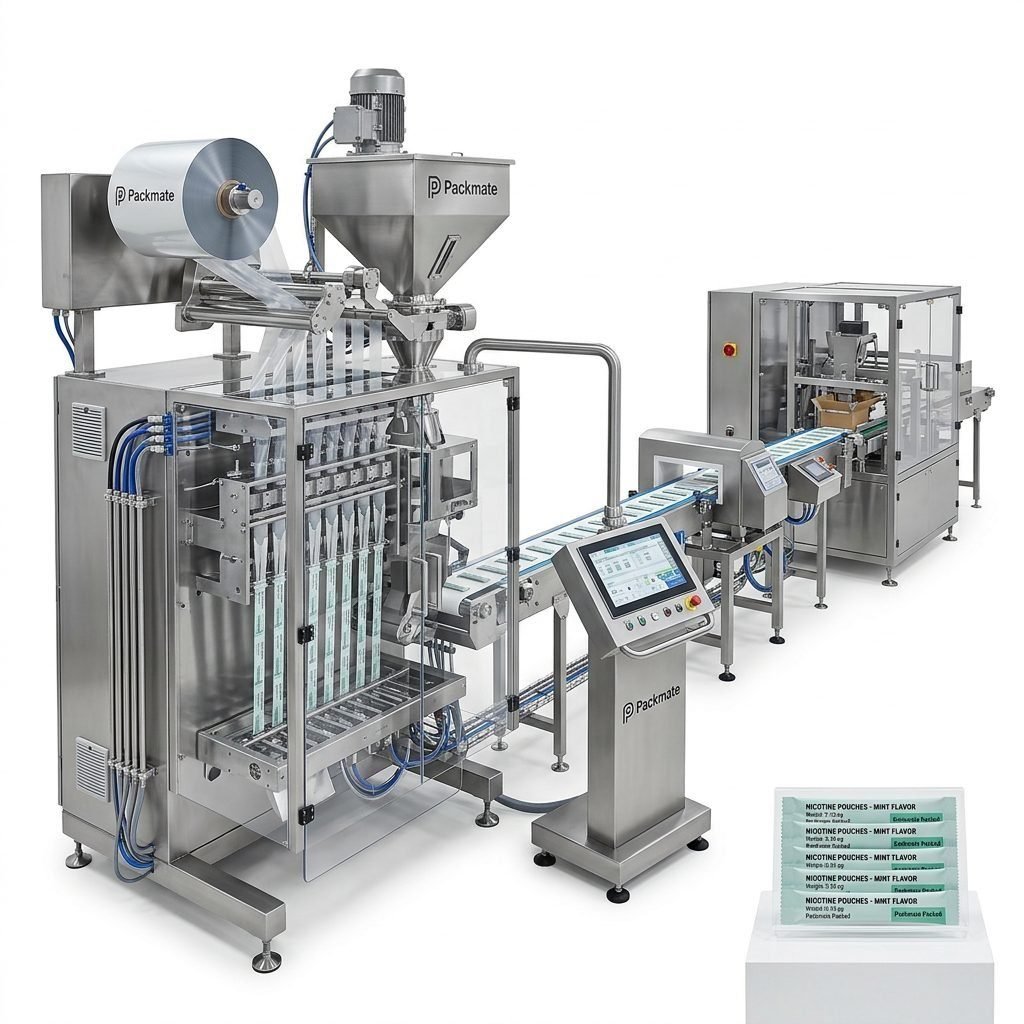
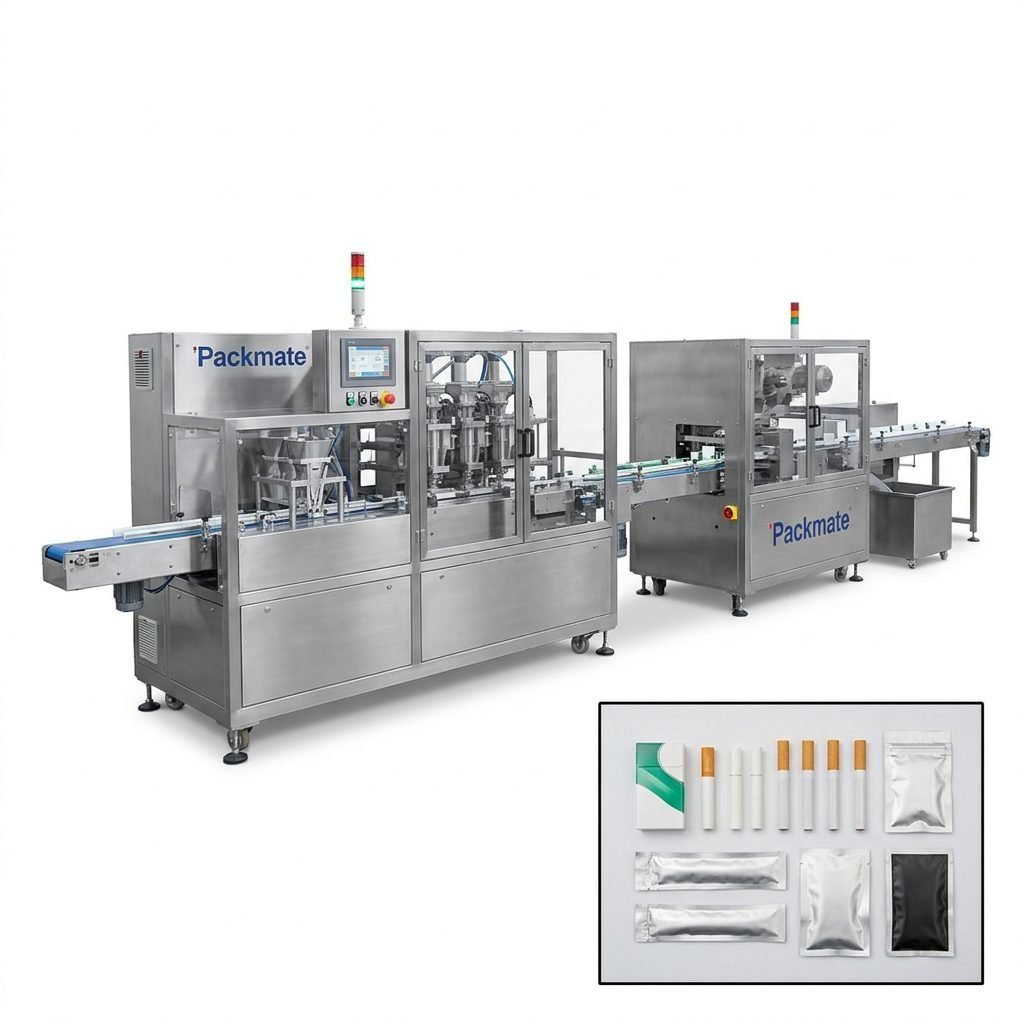
Different nicotine products require different machines: multi-lane pouch systems for high volumes, stick-pack or sachet machines for single-use formats, and specialized filling solutions for powders and liquids. A supplier who offers a full lineup — from single machines to turnkey lines — will be easier to scale with as your business grows.
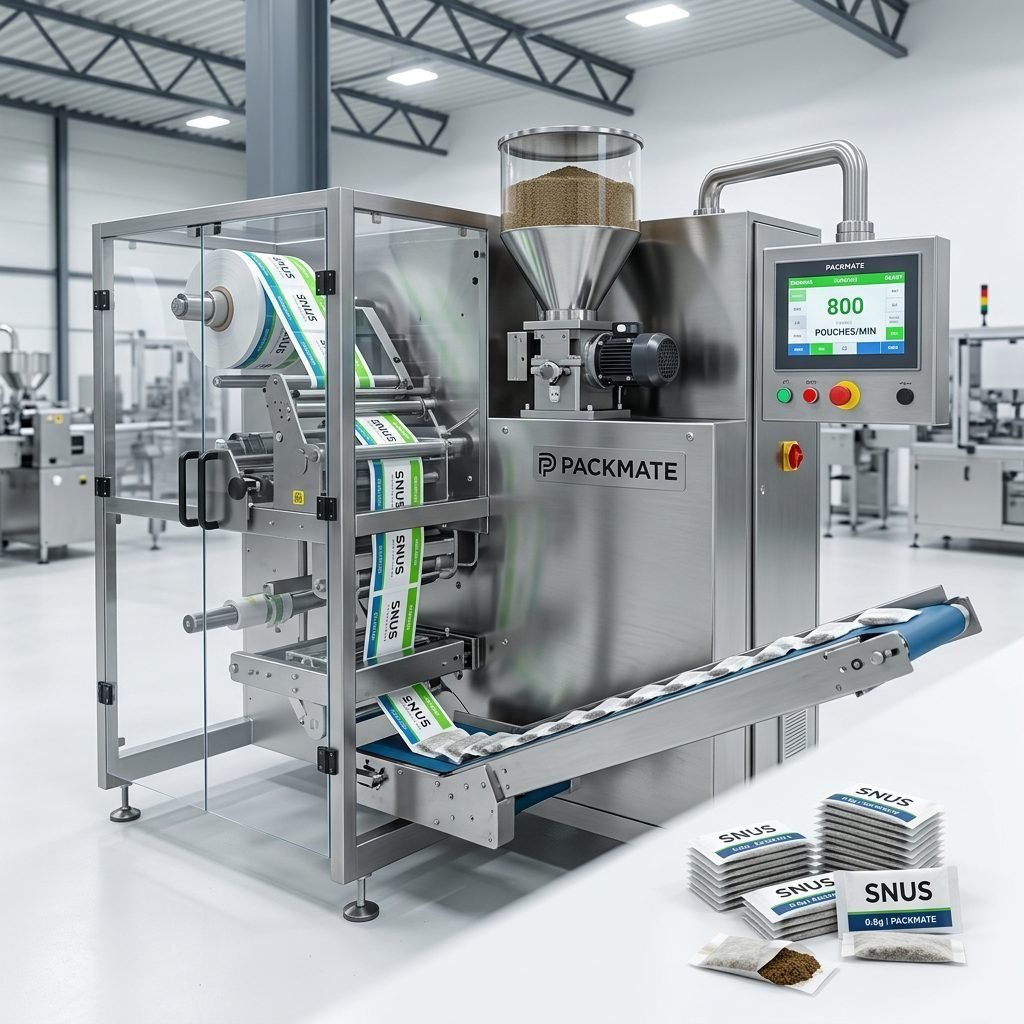
Consider suppliers that provide modular systems allowing you to upgrade lanes or integrate weighing systems later. For example, multi-lane snus packing machines can increase output without a complete line replacement.
3. Quality, Build & Factory Capacity
A supplier with a properly equipped factory and solid machining capability reduces delivery risk. Look for mentions of advanced CNC centers, precision assembly, and rigorous quality testing. Larger facilities often have better spare-parts stock and quicker lead times for custom orders.
If possible, review factory certifications and ask for photos or virtual tours. A transparent supplier will provide clear production timelines and inspection protocols.
Logistics, Installation & Local Support
Shipping heavy machinery to Ecuador entails customs documentation, packaging for long sea voyages, and local handling. Choose a supplier that offers experience with maritime export procedures, helpful packing lists, and support for customs clearance. Many suppliers provide CIF or DDP options to simplify import.
On-site installation and training are critical. Ecuadorian teams benefit from Spanish-language manuals and operator training sessions tailored to local staff experience. Ask if the supplier offers remote commissioning or sends engineers for first-run validation.
⚠️ Humidity & storage: In coastal Ecuador the high relative humidity can affect powder flow and pouch sealing. Confirm the sealing temperature range and provide recommendations for climate-controlled storage or dehumidification if needed.
4. Spare Parts & Consumables
Downtime is costly. Prioritize suppliers who keep commonly replaced parts in stock and can ship to Ecuador quickly. Inquire about wear parts for sealing jaws, dosing components, cutting knives, and belts, and request a spare-parts list with expected lifetimes.
5. Technical Training & Documentation
Comprehensive documentation in Spanish or bilingual formats, hands-on training, and remote troubleshooting reduce mistakes and increase uptime. Look for suppliers who include PLC/HMI programming backups, wiring diagrams, and maintenance schedules.
Commercial Terms & Risk Management
Negotiate payment terms, warranty scopes, and delivery milestones. Payment via letter of credit or staged payments tied to FAT (Factory Acceptance Test) and SAT (Site Acceptance Test) milestones helps share risk. A supplier that offers a clear warranty period and defined service response times is preferable.
Factory & FAT Visits
If possible, conduct a FAT or virtual FAT. This validates the machine’s performance and allows you to request last-minute modifications before shipment. A reputable supplier will welcome inspections and provide demonstration runs and performance data.
How Packmate’s Experience Can Help Ecuador Buyers
Suppliers with decades of experience and diversified product lines can better support specific nicotine packaging needs. For example, a manufacturer with 30+ years in packaging engineering and multiple machine categories — snus & nicotine packaging, sachet & stick pack, weighing systems and turnkey lines — brings the integration capability needed for a complete production solution. You can review specific product portfolios such as Snus & Nicotine Packaging Machines to confirm model suitability.
A partner that provides case studies and exhibition demos helps you compare equipment performance and see machines in action. Look for suppliers with global turnkey experience and spare parts readiness to minimize your operational risk.
ℹ️ Helpful links: Check product lines and company info for reference — Snus & Nicotine Packaging Machines, About Packmate, and recent Case studies to understand real deployments.
Integration Tips for Ecuadorian Operations
Plan the factory layout to allow for material flow, quality control, and packaging storage. Keep finished goods in climate-controlled areas if coastal humidity is a concern. Invest in small-scale QC tools and rapid sampling procedures to detect any sealing or fill issues immediately.
Consider a phased approach: start with a single or dual-lane system and scale to multi-lane as demand stabilizes. This reduces initial capital outlay and helps your teams learn machine operation and maintenance in a gradual, controlled way.
Quality Control & Regulatory Readiness
Maintain thorough batch records, material certificates, and traceability systems. A supplier that supplies PLC/HMI data logging or integrates with your MES can streamline compliance and product recalls if necessary. Spanish-language labels and QR codes linking to ingredient lists and safety info resonate well with Ecuadorian consumers.
Negotiation and Final Purchase Checklist
When finalizing the purchase, ensure the contract clearly lists: delivery timelines, acceptance criteria (performance and accuracy), warranty terms, included spare parts, training scope, and penalties for missed milestones. Ask for an electrical and mechanical drawing set, and confirm packaging protections for sea transit to Ecuador.
🔎 Before you sign: Request a sample production run with your exact pouch format and product to verify sealing, dosing, and downstream handling. This reduces surprises at installation.
Post-Purchase: Maximizing Uptime
Establish a spare-parts inventory plan and schedule preventative maintenance. Remote support capability from the supplier is invaluable for diagnosing intermittent issues quickly. Periodic training refreshers for operators and maintenance staff will reduce human error and improve overall equipment effectiveness.
Final Recommendations
Focus on suppliers that combine product variety (snus, sachet, stick pack, weighing systems), certified quality, and proactive service. If you want to explore full packaging lines and weighing integration, review available product categories such as Sachet & Stick Pack Machines and Weighing & Packaging Systems to ensure end-to-end capability.
For quotes, factory tours, and service inquiries, use supplier contact portals — a reliable partner will respond with detailed proposals, references, and transparent timelines. You can start with vendor profiles or request direct contact via their service pages.
📨 Helpful links to get started: Sachet & Stick Pack Machines, Weighing & Packaging Systems, and Contact Us for direct inquiries.
Frequently Asked Questions
Q1: How do I choose between multi-lane and single-lane machines? Choose multi-lane when you need high throughput and predictable demand; start with single/dual-lane if flexibility, lower capital cost, or multiple SKUs are priorities. Multi-lane systems excel for a single, high-volume SKU.
Q2: What certifications should I ask from the supplier? At minimum ask for CE and ISO certificates, plus export documentation and FAT reports. Suppliers experienced with international markets often provide ready documentation for customs and local regulatory submissions.
Q3: How does Ecuador’s climate affect machine choice? High humidity can impact powder flow and pouch sealing. Choose machines with robust sealing controls and consider desiccant or climate-controlled storage. Discuss environmental conditions with the supplier to ensure proper calibration and recommendations.
Q4: What after-sales support should I demand? Ask for defined warranty periods, response times for technical support, availability of spare parts, and training packages. Prefer suppliers offering remote diagnostics and scheduled preventive maintenance plans.
Q5: Can the supplier handle turnkey lines? Yes — select suppliers who provide full-line integration from filling to final packaging and auxiliary equipment. Evaluate their portfolio for turnkey installations and review case studies of similar deployments.