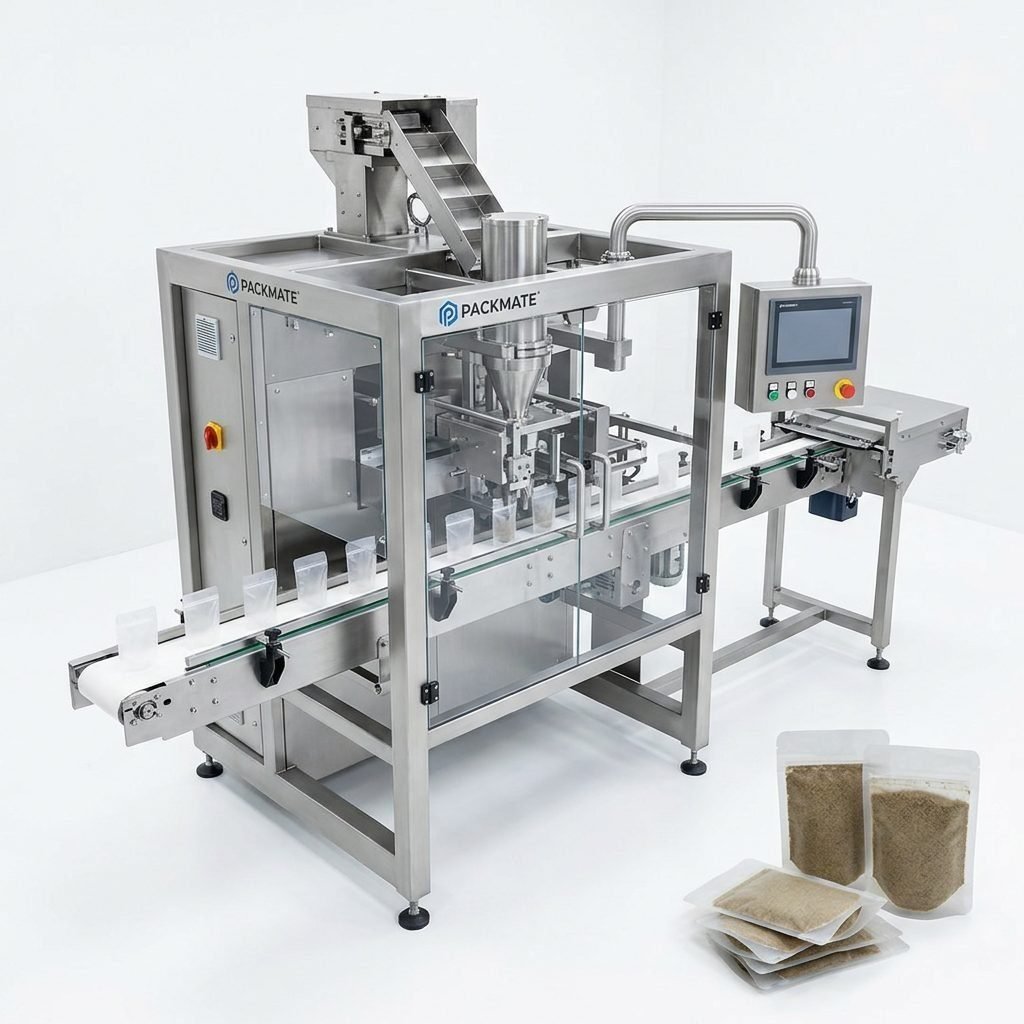
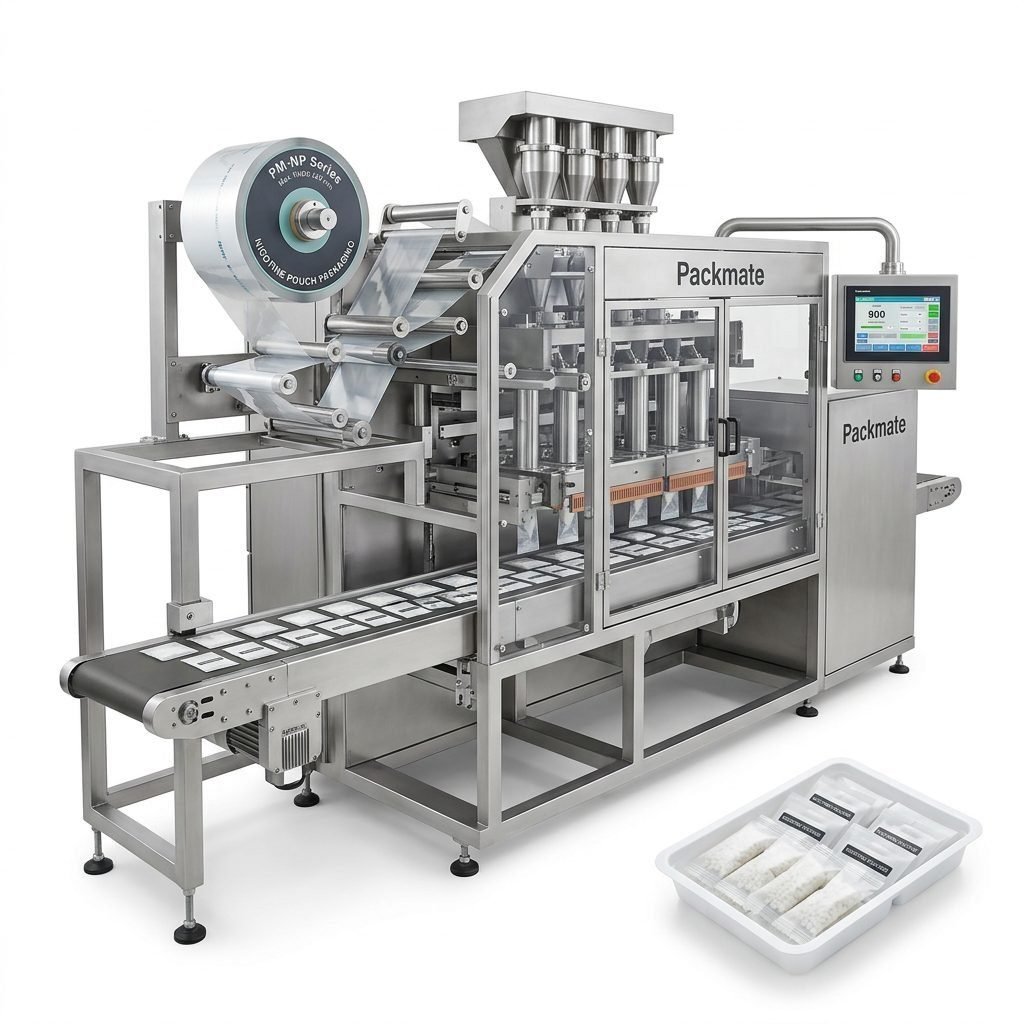
Choosing the right nicotine packaging machine supplier for your factory in Paraguay is a decision that affects product quality, regulatory compliance, and long-term operational costs. This guide walks Paraguayan manufacturers and investors through the practical steps, cultural considerations, and technical checkpoints needed to select a supplier who will deliver reliable snus and nicotine pouch packaging solutions.
Understand Paraguay’s Market & Local Considerations
Paraguay’s business environment blends formal procedures with relationship-driven interactions. Spanish and Guarani are commonly used; building trust via personal contact and clear documentation is essential. Logistics often depend on border routes to Brazil and Argentina, so think about delivery lead times, customs clearance, and local power stability when planning machine installations.
Why supplier selection matters
A reputable supplier affects uptime, product consistency, and after-sales service. For nicotine pouches and snus, precision in dosing, pouch forming, and sealing is critical. Poor equipment leads to waste, returns, or regulatory issues. Prioritize suppliers who offer turnkey lines, validation support, and spare parts accessibility.
Key Technical Criteria to Evaluate
When assessing machine proposals, focus on technical details, not just price. The following checkpoints will help you compare vendors fairly.
1. Production Capacity & Flexibility
Match machine throughput to your target output. For multi-SKU operations, choose systems that support quick product changeovers and multi-lane configurations to scale production without duplicating equipment.
2. Precision Filling & Pouch Consistency
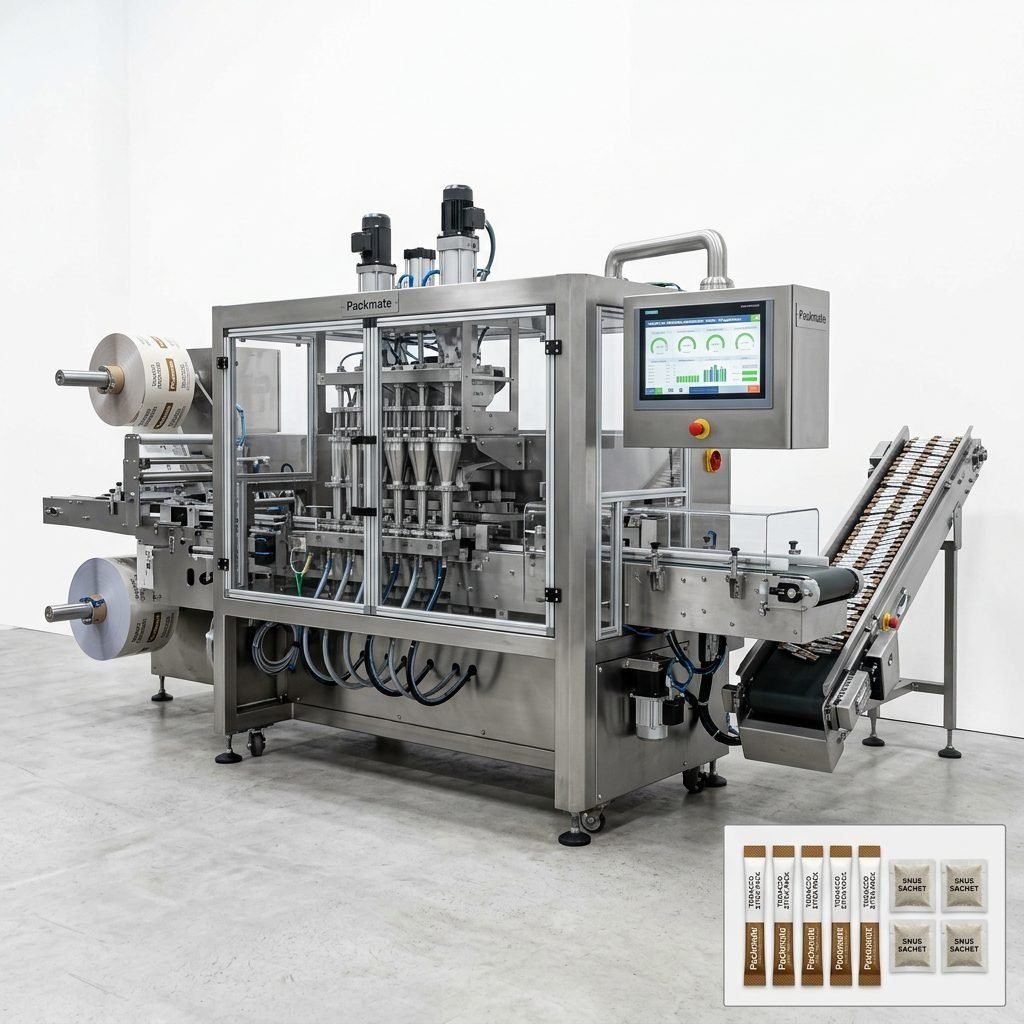
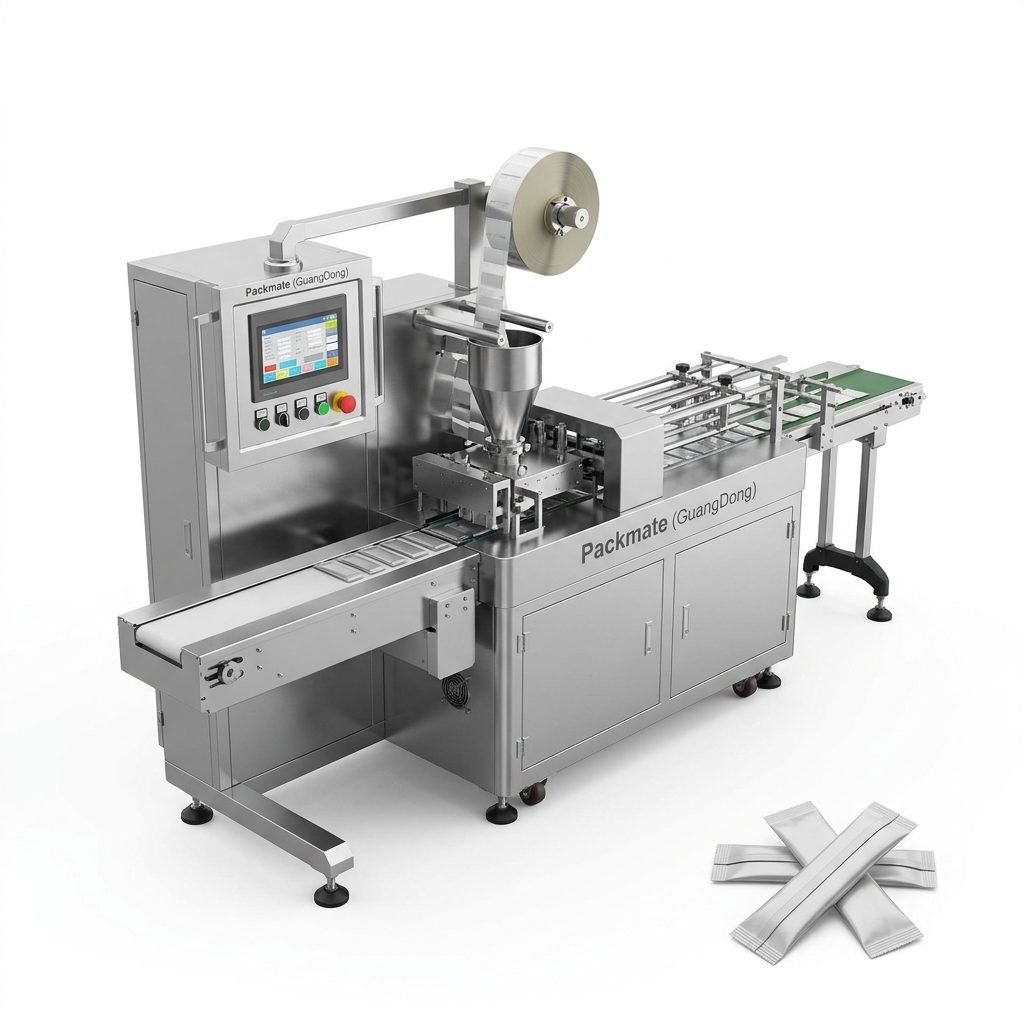
For nicotine pouches, small dose variations impact product perception and compliance. Evaluate the supplier’s weighing/filling systems, error tolerance, and capability to handle different pouch formats such as stick pack, sachet, and multi-lane pouches.
3. Machine Reliability & Mean Time Between Failures (MTBF)
Ask for MTBF data, maintenance schedules, and failure mode histories. Machines designed with robust materials and simple, modular parts reduce downtime and maintenance costs.
4. Automation & Integration
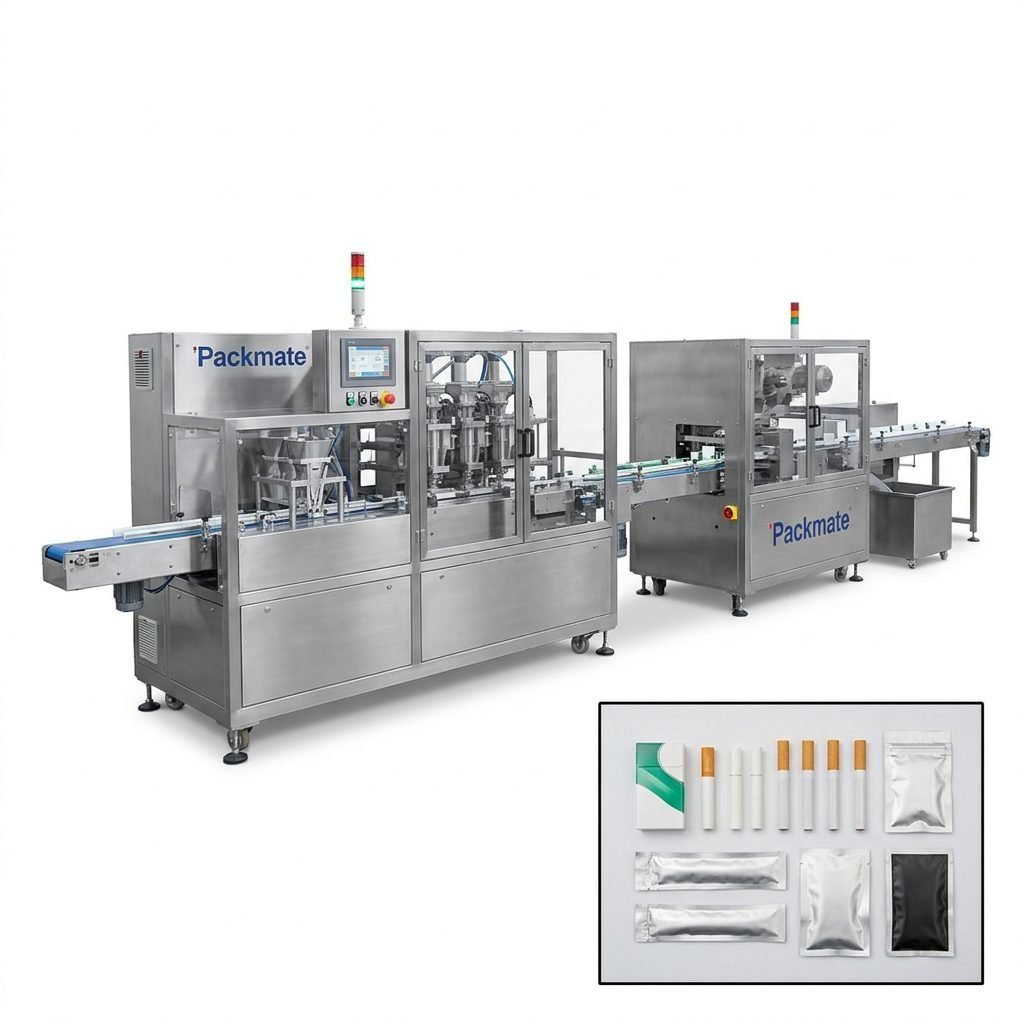
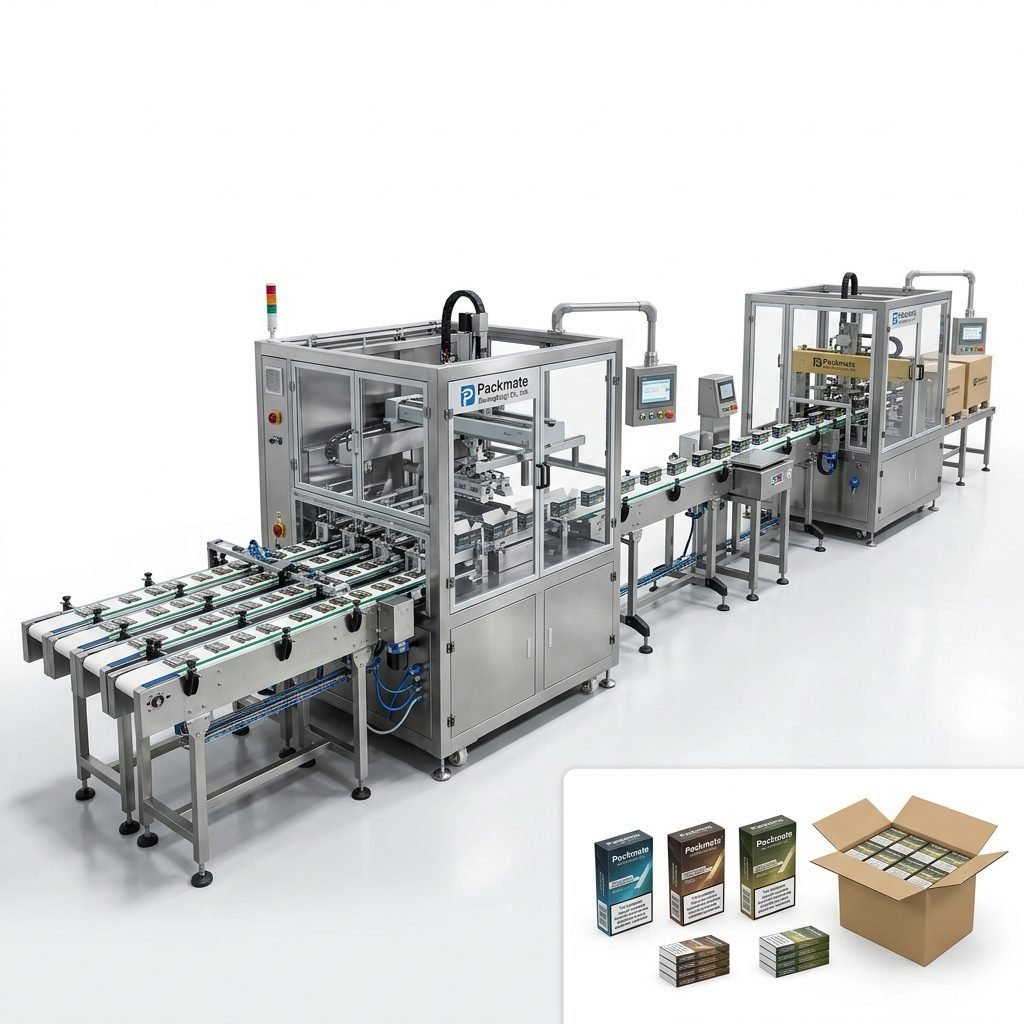
Evaluate compatibility with existing upstream and downstream equipment — conveyors, checkweighers, cartoners, and case packers. Suppliers who deliver integrated solutions save engineering time and reduce handoff issues.
Vendor Evaluation Checklist
Use a structured checklist during supplier selection. Below are the essentials to request and verify.
- Company credentials: years in industry, factory size, certifications (CE, ISO).
- References & case studies: ask for installations in similar markets and request contactable references.
- Factory acceptance testing (FAT): insist on full FAT and video documentation before shipment.
- After-sales service: local support options, spare parts lead times, and remote diagnostics.
- Training & documentation: on-site commissioning, operator training in Spanish or via interpreters as needed, and digital manuals.
What to request from the supplier
Before signing, request machine specs, FAT results, electrical and pneumatic requirements, warranty terms, spare parts list, and a clear installation schedule. Confirm export documentation and customs support for Paraguay.
Evaluating Packmate as a Potential Supplier
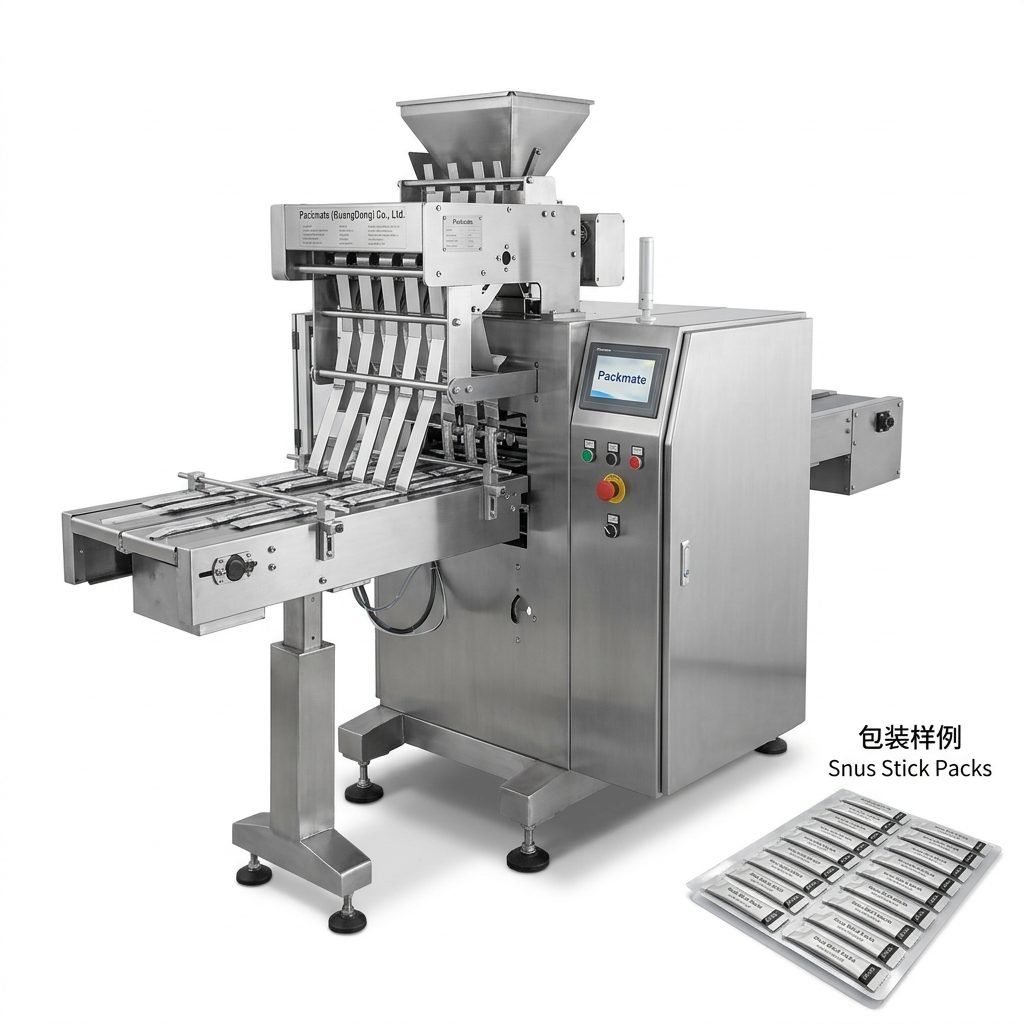
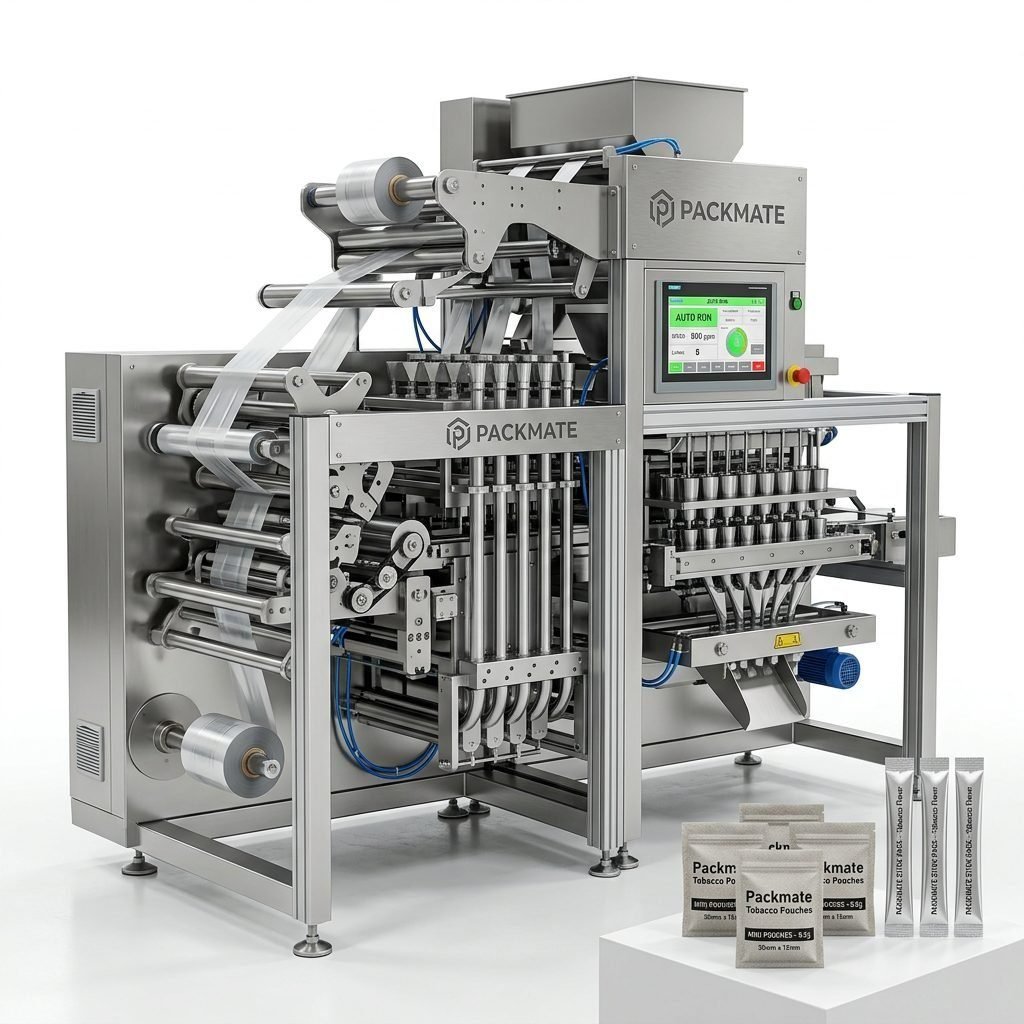
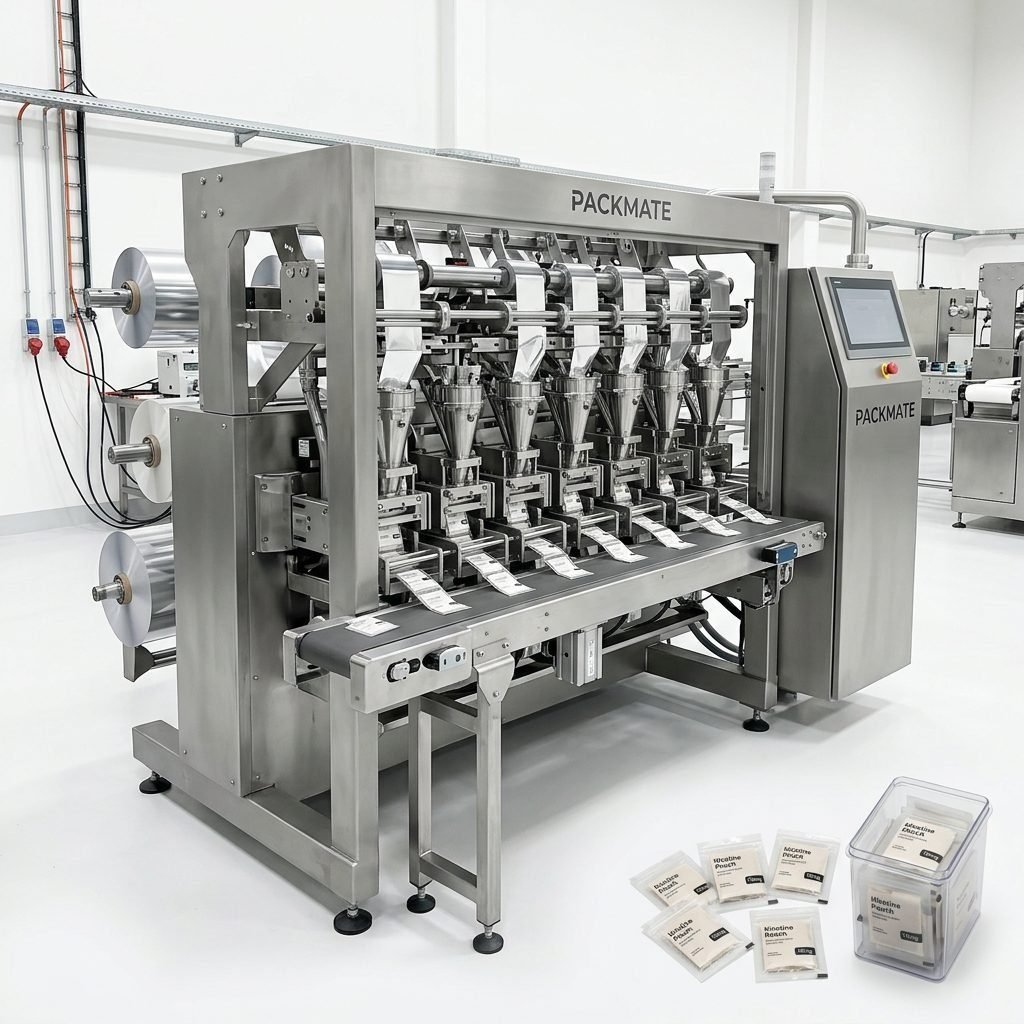
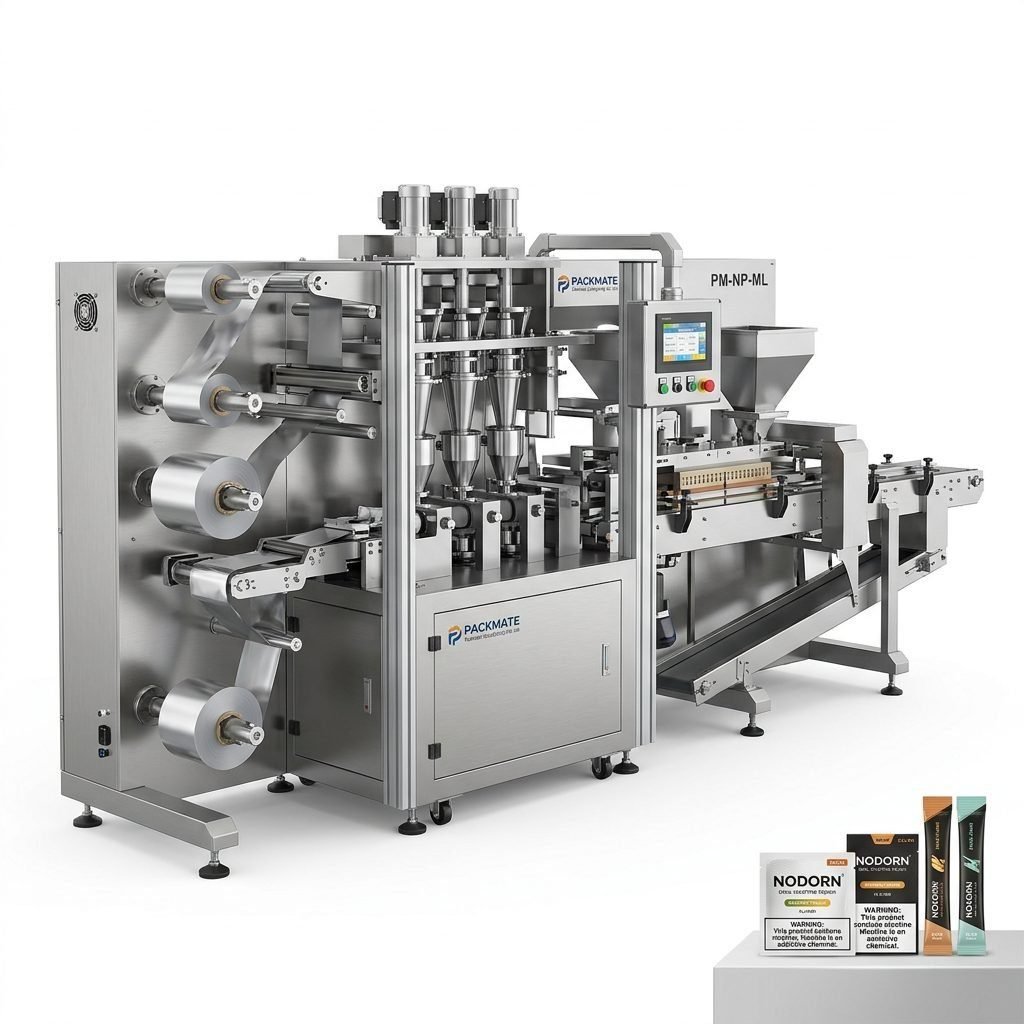
Packmate Snus Machine (Packmate) is a manufacturer specializing in snus and nicotine pouch packaging with over 30 years of engineering experience. Their 20,000㎡ factory, CE and ISO compliance, and experience with multi-lane systems make them a strong candidate for Paraguayan factories seeking turnkey packaging lines.
- 30+ years in packaging machine R&D and manufacturing
- 50+ machine models covering stick pack, sachet, multi-lane pouches
- Turnkey solutions including weighing, filling, and auxiliary equipment
- International presence with global case studies and exhibitions
Service, Support & Spare Parts — Critical for Paraguay
In Paraguay, response time for spare parts and technical support can make the difference between a small hiccup and a prolonged stoppage. Confirm whether the supplier offers:
- Remote troubleshooting via video and PLC remote access
- Local stockists or regional warehouses for critical spare parts
- Training programs in Spanish for operators and maintenance staff
- Agreed SLAs for support and part delivery
Commercial Terms & Financing
Negotiate payment terms, warranty duration, and acceptance criteria. Consider requesting performance guarantees tied to throughput and downtime. Suppliers with flexible financing or leasing options help manage capital expenditures.
Installation, Commissioning & Training
A clear commissioning plan reduces installation delays. Ensure the supplier provides:
- Pre-shipment FAT and a documented acceptance test
- Detailed installation drawings and electrical/pneumatic requirements
- On-site commissioning with adjustable timelines for local constraints
- Operator and maintenance training in Spanish or accompanied by translators
Compliance, Safety & Documentation
Verify that machines meet international safety standards and that the supplier provides full CE/ISO documentation, operation manuals, and risk assessments. Clear documentation simplifies local approvals, insurance, and workplace safety training.
Sustainability & Efficiency
Efficiency reduces waste and operating costs. Ask suppliers about energy consumption, recyclable packaging compatibility, and options for waste reduction. Upfront investment in energy-efficient components often pays off in lower utility costs.
Practical Steps to Finalize Your Supplier
Follow a structured procurement path to minimize risk and ensure clarity.
- Shortlist 3–5 experienced vendors with snus or pouch experience.
- Request detailed proposals, FAT videos, and a list of installed customers.
- Visit a reference site or attend a live demo (or request a remote demo).
- Negotiate terms including warranty, spare parts, and training.
- Confirm logistics, customs assistance, and local support availability.
Useful Resources & Next Steps
Explore supplier product pages and company information to compare offerings. For example, review Packmate’s product lines and company credentials to see if they fit your factory needs:
Snus & Nicotine Packaging Machines |
About Packmate |
Case Studies |
Contact Packmate
Final Checklist Before Purchase
Confirm these items in writing: machine performance guarantees, spare parts list, FAT acceptance criteria, delivery timeline, installation and training schedule, warranty terms, and language support for manuals and training.
Frequently Asked Questions
Q1: How long does it take to install a snus packaging line in Paraguay?
Typical installation and commissioning take 4–8 weeks after machine arrival, depending on site readiness, electrical work, and staff training. Pre-shipment FAT and clear installation drawings shorten on-site time.
Q2: What after-sales support should I insist on?
Insist on remote diagnostics, spare parts availability (regional if possible), defined SLA response times, and on-site service options. Bilingual documentation and training in Spanish are highly recommended for Paraguayan teams.
Q3: Are there local regulations in Paraguay affecting nicotine pouch production?
Regulations vary by product and intended market. Compliance with labeling, health regulations, and import/export rules is essential. Work with legal counsel and choose suppliers who provide complete documentation to support approvals.
Q4: How can I reduce downtime due to spare parts delays?
Stock critical wear parts locally, negotiate lead times with your supplier, and set up a preventative maintenance program. Suppliers with global distribution networks typically deliver spare parts faster.
Q5: What advantage does Packmate offer for Paraguayan manufacturers?
Packmate brings decades of experience, a wide product range (including multi-lane snus packaging machines), and turnkey solutions that can be customized for Paraguay’s logistical and regulatory environment. Their FAT practices and global case history help reduce implementation risk.