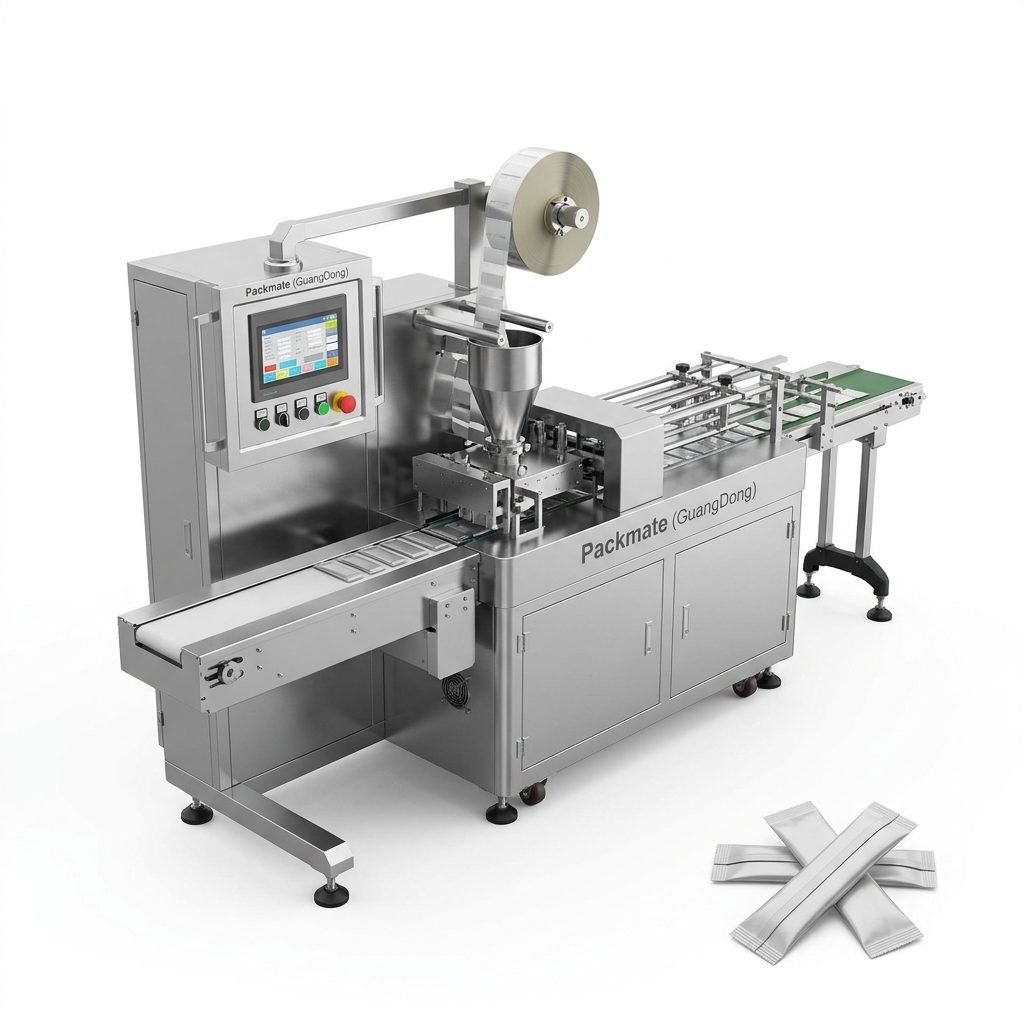
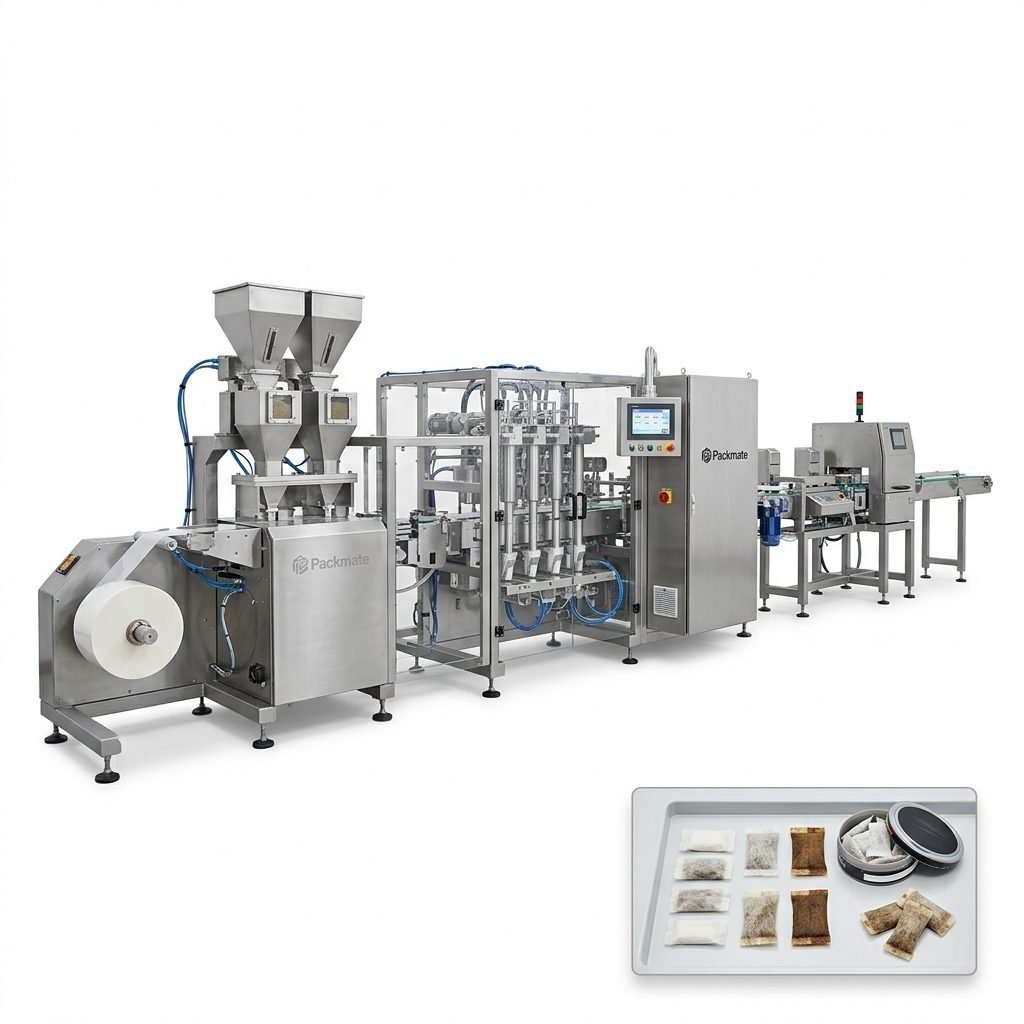
Choosing the right nicotine packaging machine supplier in Luxembourg requires more than a comparison of price tags — it demands a careful look at compliance, local market preferences, production reliability, and after-sales support. This guide walks you through every critical consideration to ensure your business selects a supplier who can deliver consistent quality, meet Luxembourg’s regulatory expectations, and help you scale production efficiently.
Understand Luxembourg’s Market and Regulatory Context
Luxembourg is a small, affluent country with multilingual consumers (Luxembourgish, French, German) and strong environmental and health regulations. When sourcing nicotine packaging equipment, you must account for:
🔶 Regulatory compliance: Machines and processes should support labeling, traceability, and tamper-evident packaging that meet EU and local requirements.
🔶 Sustainability expectations: Luxembourg buyers value recyclable and minimal-packaging solutions, so look for machines that optimize material use and support recyclable substrates.
Why local cultural and business habits matter
Business dealings in Luxembourg often favor partners who understand multilingual communication and who can offer documentation and training materials in French, German, or English. Deliveries and installation schedules should respect local business hours and customs procedures, as Luxembourg imports largely follow EU trade norms but may still require precise logistics coordination for cross-border shipments.
Key Technical Capabilities to Evaluate
A supplier’s technical strengths determine whether they can meet your production goals. Consider these core capabilities when comparing suppliers:
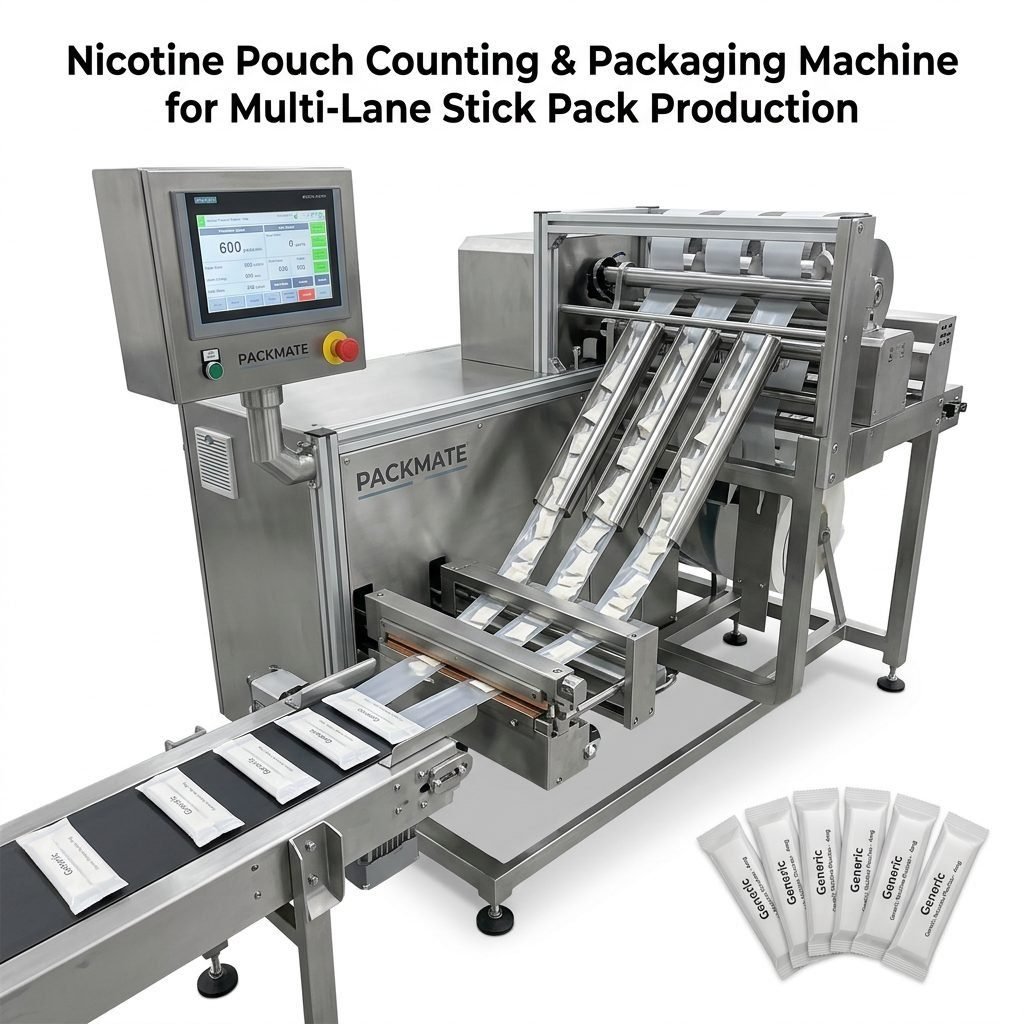
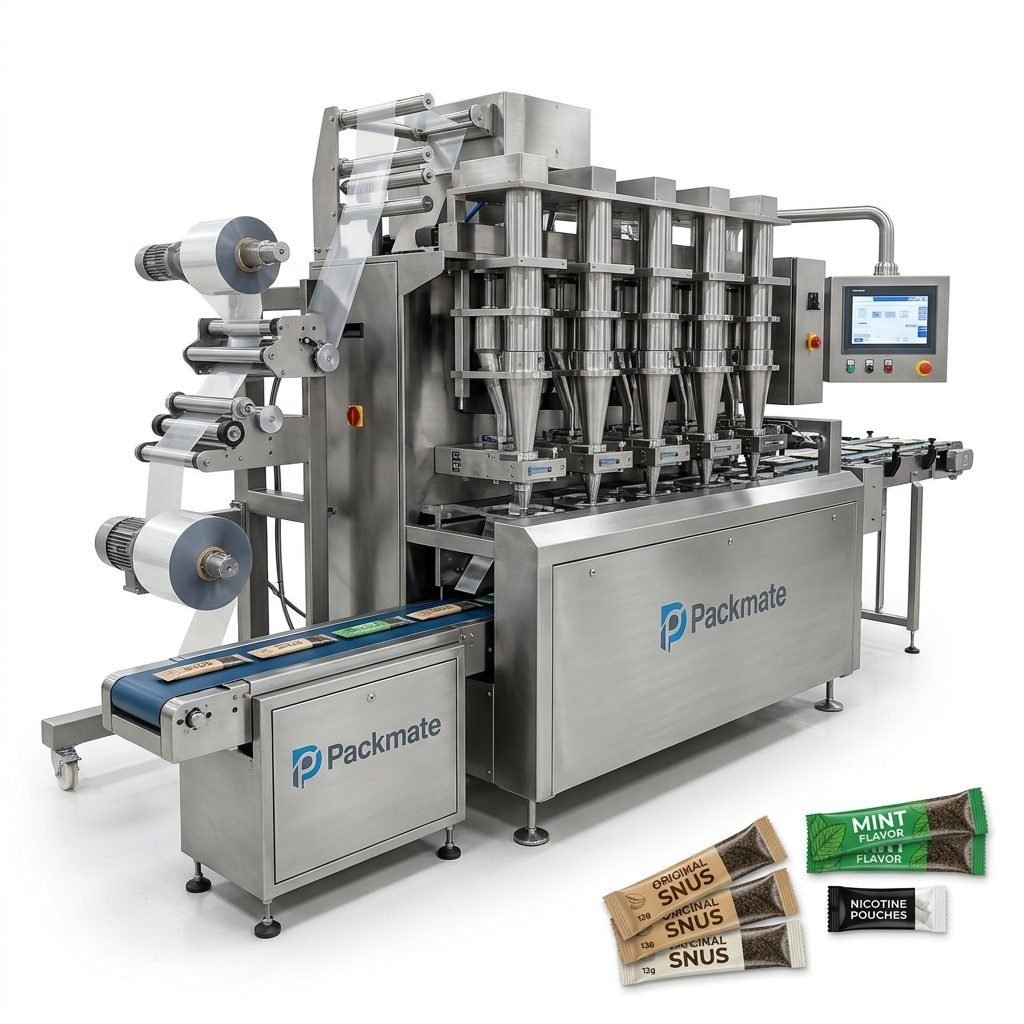
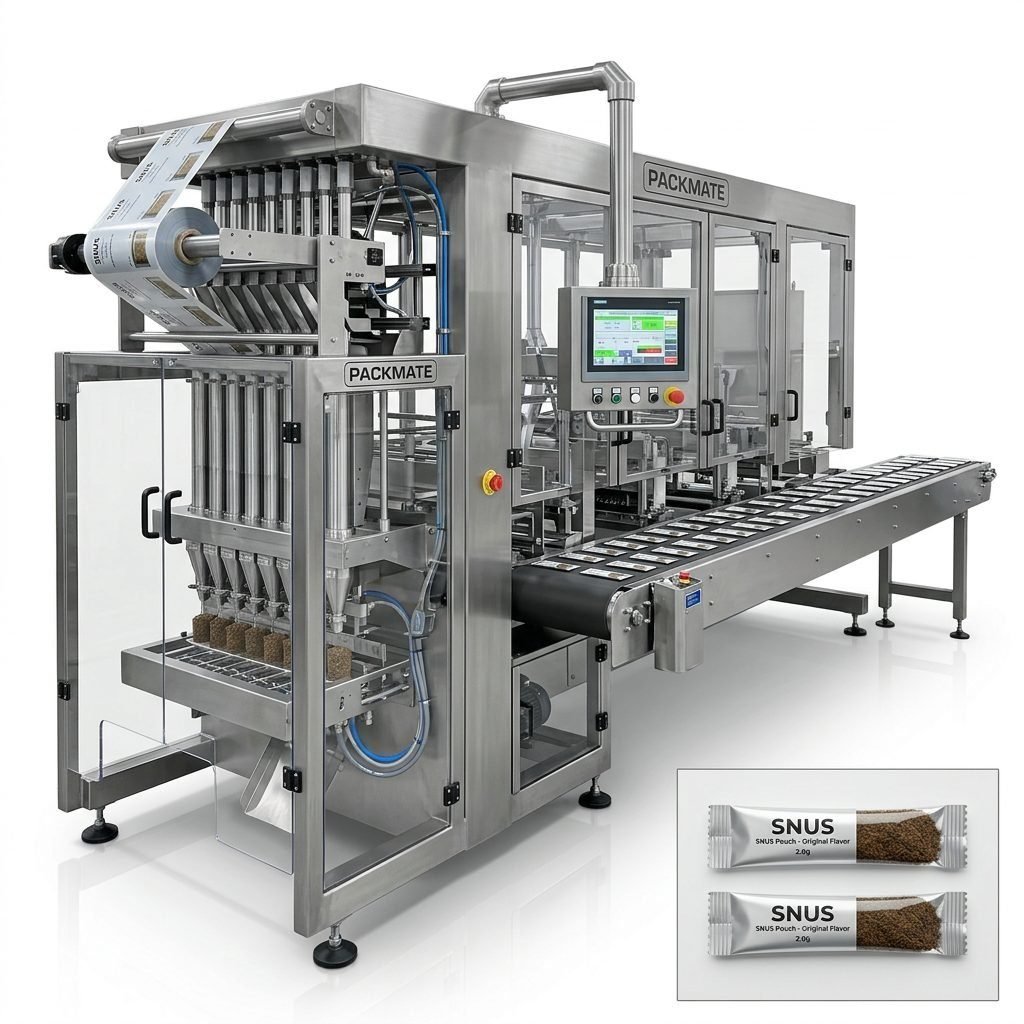
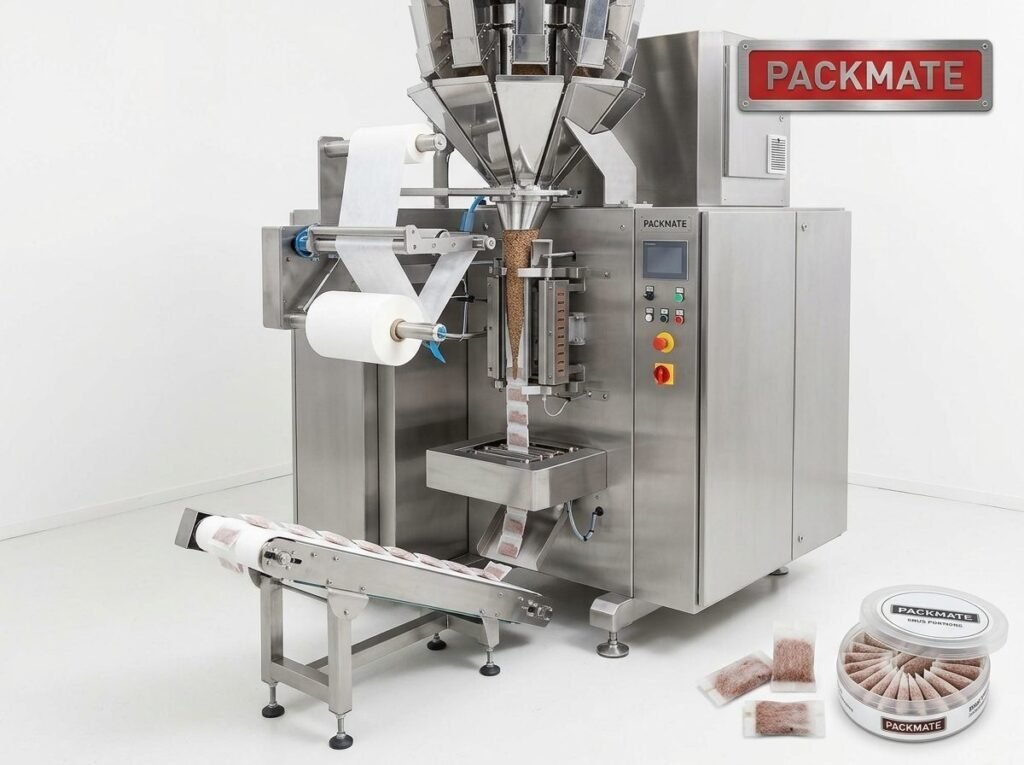
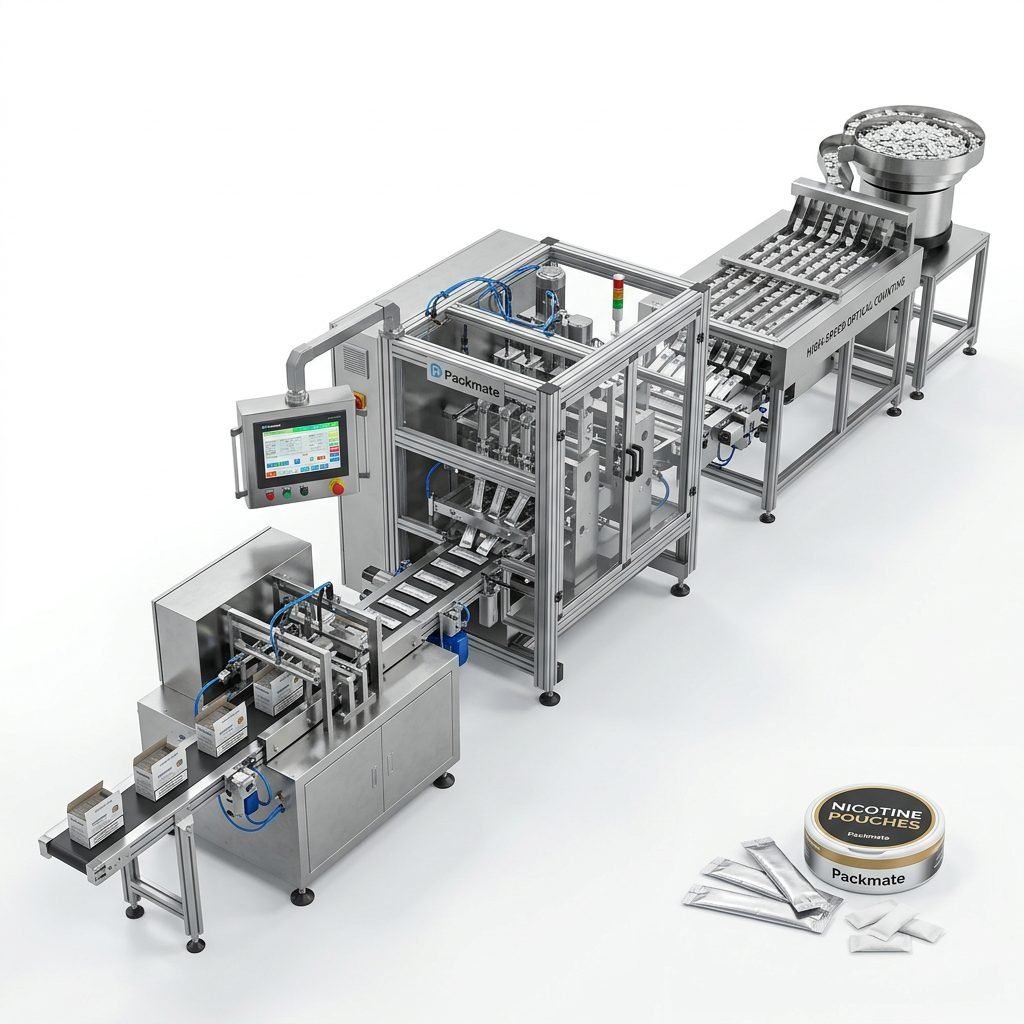
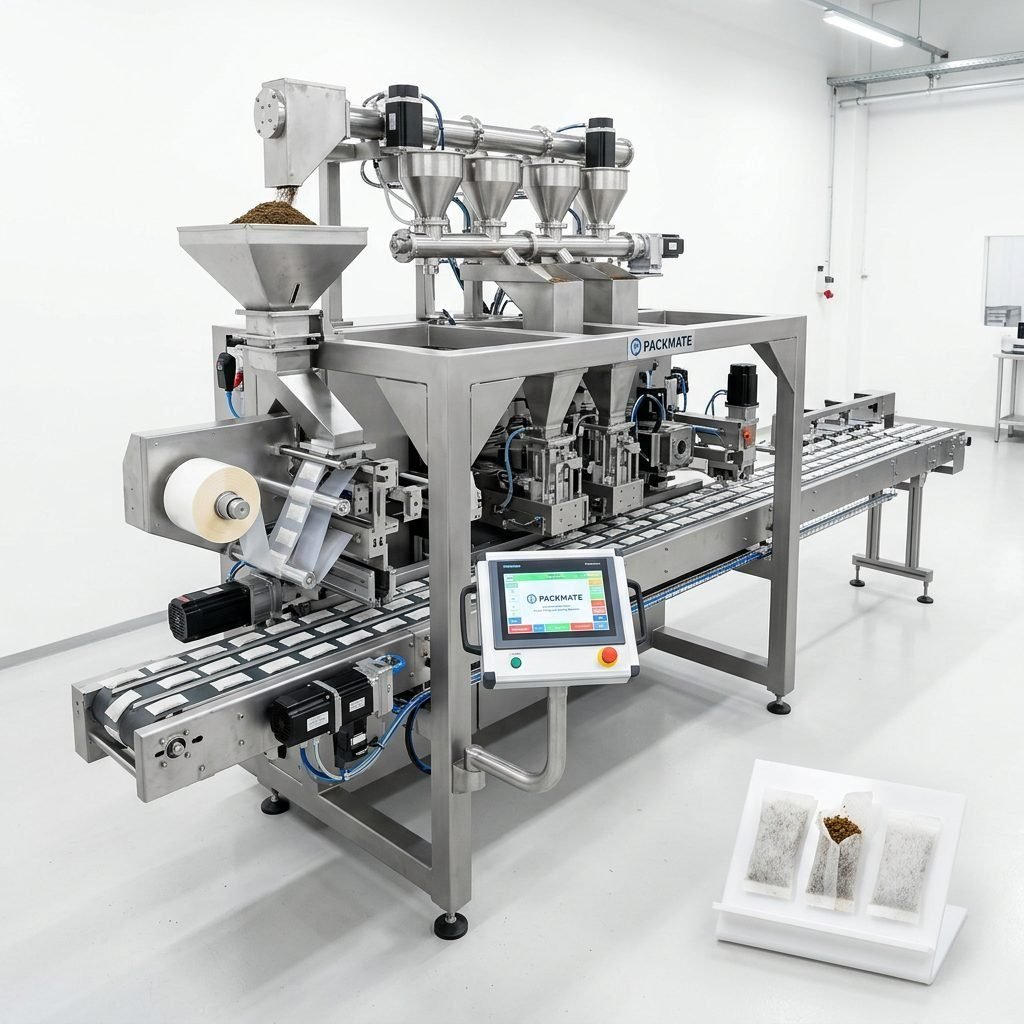
✅ Machine range and flexibility: Can the supplier provide multi-lane snus and nicotine pouch systems, stick pack or sachet machines, and custom formats to support SKU variety?
✅ Production speed and uptime: Check rated speeds, mean time between failures, and whether the machines support quick format changes — critical for smaller-batch, premium products common in Luxembourg’s market.
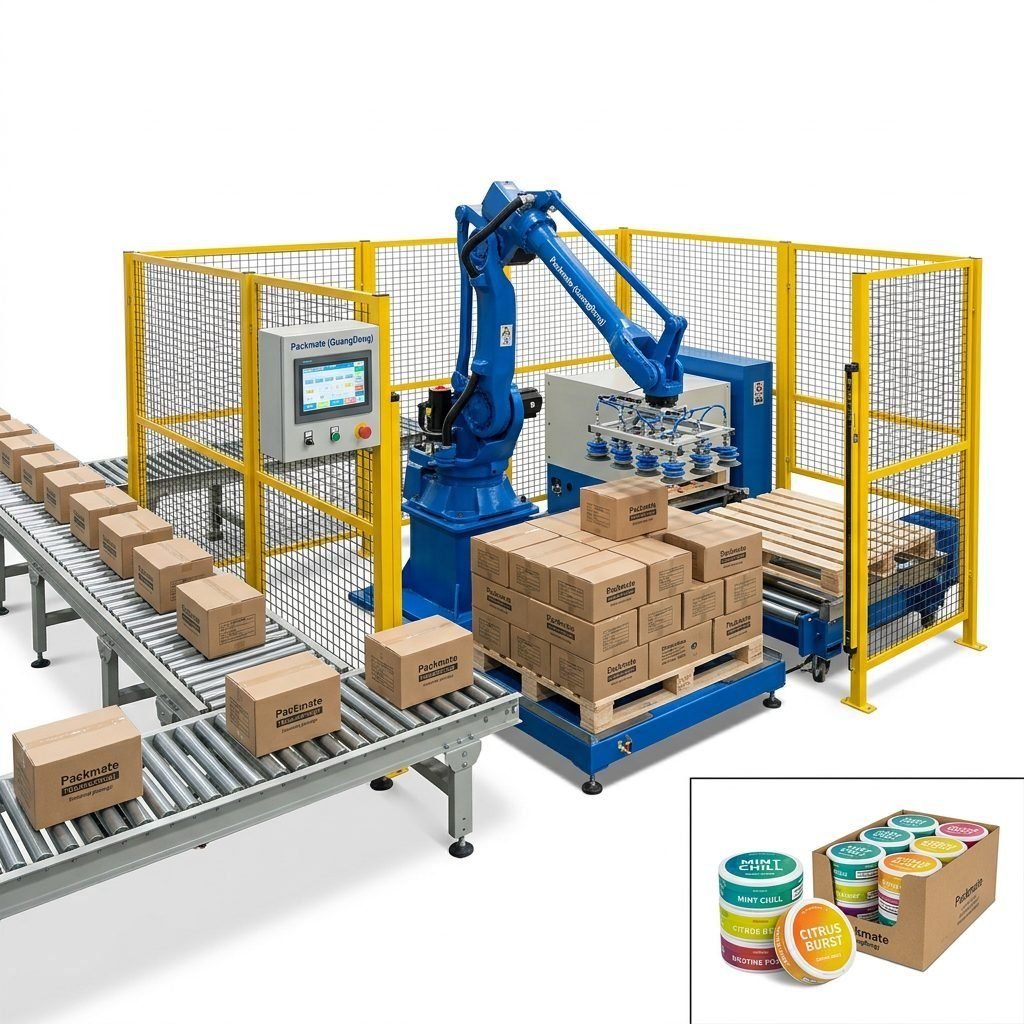
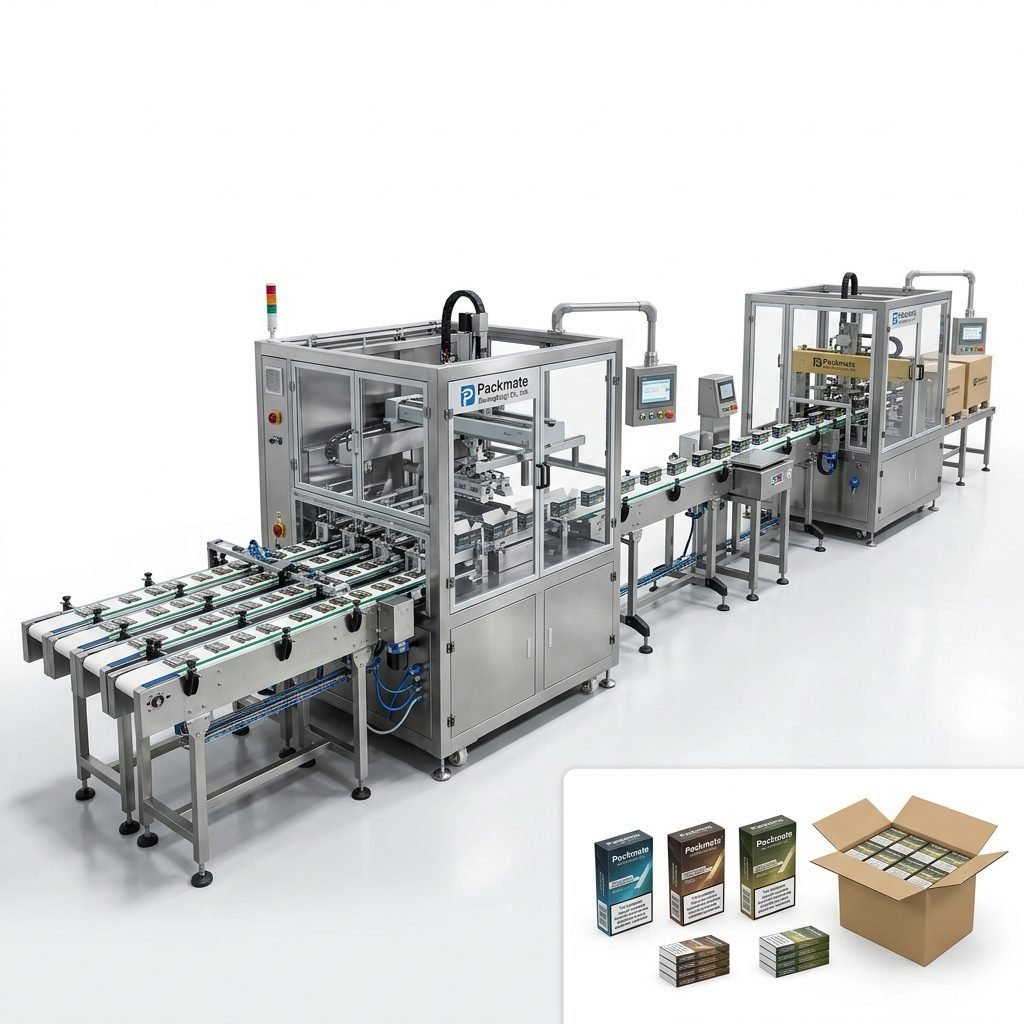
✅ Integration and turnkey solutions: Evaluate if the supplier offers full lines including feeding, weighing, sealing, and secondary packaging to reduce vendor management complexity.
Packmate’s manufacturing strengths you should verify
When assessing a candidate supplier, look for proof points such as a large manufacturing facility, CNC machining capability, a wide selection of models, and experience with snus/nicotine pouch lines. For reference, suppliers with decades of engineering background and a broad product portfolio can typically offer stronger customization and faster lead times.
Quality, Certification and After-Sales Support
For nicotine packaging machines, uptime and consistency directly impact revenue. Prioritize suppliers who demonstrate:
⚠️ International certifications: CE and ISO certifications indicate compliance with safety and quality systems.
⚠️ Spare parts availability: Ask about local or regional parts stocking, and expected delivery times for critical components.
⚠️ Service network and training: Reliable remote support, scheduled maintenance, and on-site commissioning should be available in the EU timezone and preferably with multilingual technicians.
Questions to ask about warranty and lifecycle support
Ask for the warranty window, average lead time for spare parts, availability of preventive maintenance contracts, and whether the supplier provides documentation and troubleshooting guides in the languages used by your operations team.
Evaluating Supplier Experience with Nicotine Products
Not all packaging machines are equal when handling nicotine pouches or snus. A supplier with proven experience in this product category will understand nuances such as dose consistency, moisture control, and pouch sealing that preserves product integrity.
🔶 Production examples and case studies: Request case histories or references showing similar installations in Europe — this helps validate claims about performance and support.
🔶 Trial runs and sample testing: The best suppliers will offer to run your formulation and pouch materials on their machines or provide sample packs so you can verify sealing, look, and shelf stability.
Commercial Terms, Delivery and Installation
A clear commercial proposal that details lead times, shipment terms, installation scope, and acceptance testing reduces future misunderstandings. For Luxembourg customers, check customs paperwork, VAT handling, and whether the supplier can coordinate delivery to your warehouse or production site.
Red flags to avoid
Beware of vague specifications, overly optimistic delivery timelines, unclear warranty coverage, or suppliers who cannot provide client references. These often indicate future service and reliability problems.
How to Compare Suppliers — A Practical Checklist
Use a scoring approach to objectively compare vendors across technical, commercial, and support criteria. Important checklist items include:
1) Machine performance data and real-world run rates.
2) Certifications (CE/ISO) and compliance documentation.
3) References and case studies from European customers.
4) Spare part delivery times and service contract options.
5) Flexibility for product changes and future capacity upgrades.
Vendor Shortlist: What to Request from Each Candidate
When you narrow candidates, request the following to make a final decision:
– Detailed technical specification sheets and video of similar machines running.
– A list of spare parts with recommended stock levels.
– Installation, commissioning, and acceptance test procedures.
– A sample contract that includes warranty terms and service response times.
Use supplier resources to validate claims
Visit supplier pages with product details and case studies, and where applicable, ask for factory acceptance testing (FAT) or invite site visits. For example, review product lines such as Snus & Nicotine Packaging Machines and related solutions to compare real offerings and specifications:
– Snus & Nicotine Packaging Machines
– Sachet & Stick Pack Machines
– Case studies
Negotiating a Successful Purchase
Negotiate clear KPIs for performance and acceptance testing. Include terms for training, spare parts kits on delivery, and agreed service level agreements (SLAs) for critical downtime response. For Luxembourg clients, ensure all documentation aligns with EU import and VAT processes.
Tip: Build a clause for future capacity upgrades or retrofits so the line can evolve as the market and regulations change.
Local Partners, Logistics and Installation in Luxembourg
Choose a supplier that coordinates logistics into Luxembourg and offers EU-based technical support. Confirm transport routing, palletization, customs paperwork, and the supplier’s familiarity with cross-border rules within the EU. If possible, prefer suppliers that can provide local installation partners or EU-based service representatives to shorten support response times.
Engaging with trade shows and demonstrations
Attend industry exhibitions in Europe to watch machines live and meet technical teams. For vendor background and events, see supplier exhibition histories and capabilities:
– Our Exhibition
– About Packmate
Final decision framework
To choose the best supplier for Luxembourg, score each candidate across: technical fit, regulatory compliance, sustainability features, demonstrated nicotine pouch experience, commercial clarity, and local support capability. The supplier with the most consistent scores across these categories will reduce risk and accelerate your route to market.
Why a specialist snus machine manufacturer is often the best choice
Specialist manufacturers focusing on snus and nicotine pouch lines bring deep process knowledge, tailored machine designs, and often a broader catalog of relevant auxiliary equipment. This reduces integration headaches and helps ensure consistent dosing, sealing integrity, and production scalability.
Next steps: How to get started
Begin by creating a clear specification sheet for your product (pouch size, fill weight, materials, desired output), then request proposals and FAT demonstrations from shortlisted suppliers. Include expectations around delivery, installation, training, and spare parts in your request for quotation.
When you are ready to request detailed proposals or schedule a factory visit, contact the supplier’s sales and technical teams to discuss timelines and sample testing. For supplier background and services information visit:
– Service
– Contact Us
Conclusion
Selecting the best nicotine packaging machine supplier in Luxembourg is a strategic decision that impacts product quality, regulatory compliance, and your ability to scale. Prioritize suppliers with proven nicotine pouch expertise, strong European references, reliable local support, and a commitment to sustainability and compliance. A systematic, evidence-based selection process will help you find a partner that supports both your short-term launch and long-term growth.
Frequently Asked Questions
Q1: What certifications should a nicotine packaging machine supplier have for Luxembourg?
A1: At minimum, look for CE marking and ISO quality management certifications. Additional documentation related to safety, electrical standards, and material handling is helpful for cross-border regulatory checks.
Q2: How important is local spare-part availability in the EU?
A2: Very important — fast access to critical spares reduces downtime. Suppliers with EU-based warehouses or fast shipping arrangements are preferable.
Q3: Can suppliers help with regulatory labeling and traceability for Luxembourg?
A3: Good suppliers provide guidance on machine capabilities for printing, coding, and serialization. Always confirm that their systems can integrate with your traceability workflows and local regulatory requirements.
Q4: Should we prioritize specialization (snus machines) or general packaging suppliers?
A4: For nicotine pouches and snus, specialization often pays off because specialized suppliers understand dosing, moisture control, and pouch sealing nuances that generalists might overlook.
Q5: How can I validate a supplier’s performance claims?
A5: Request case studies, client references, machine run videos, and, if possible, a Factory Acceptance Test (FAT) or sample production run to verify throughput and product quality.