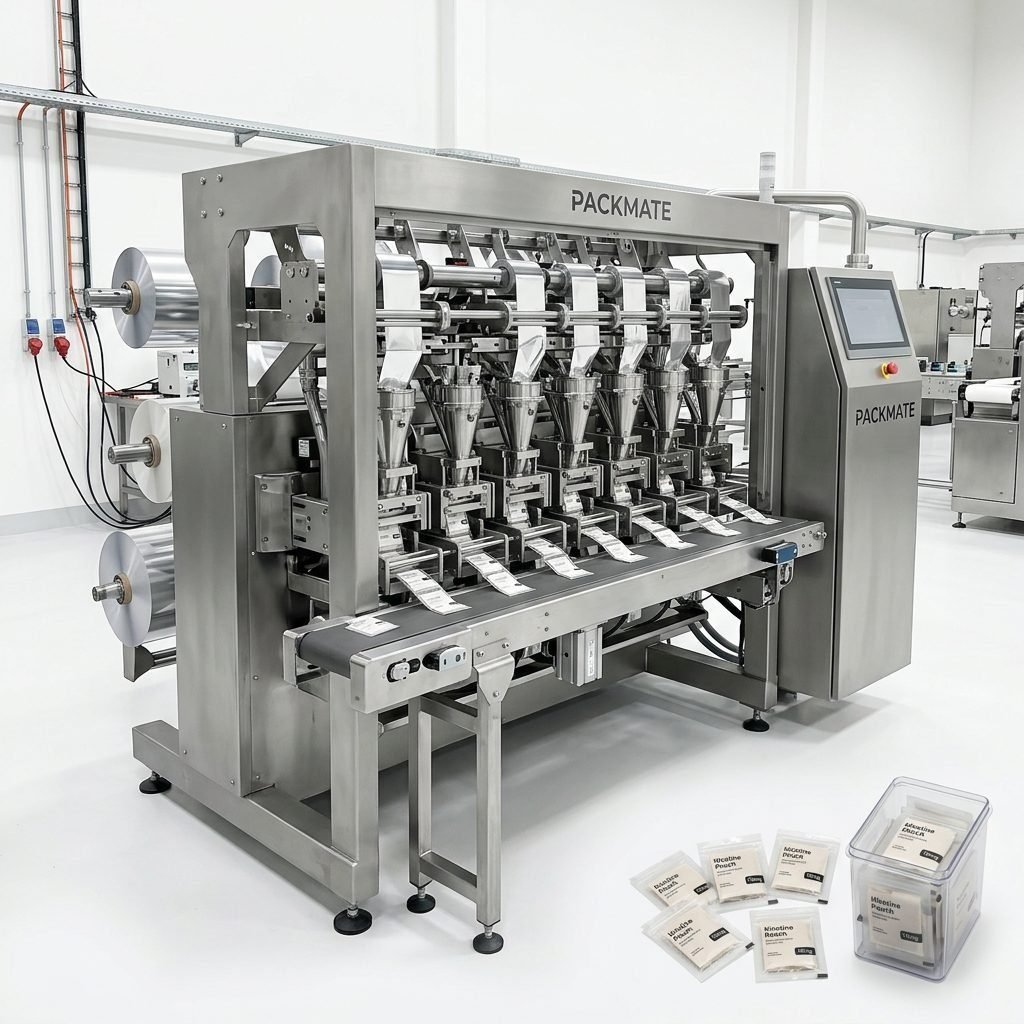
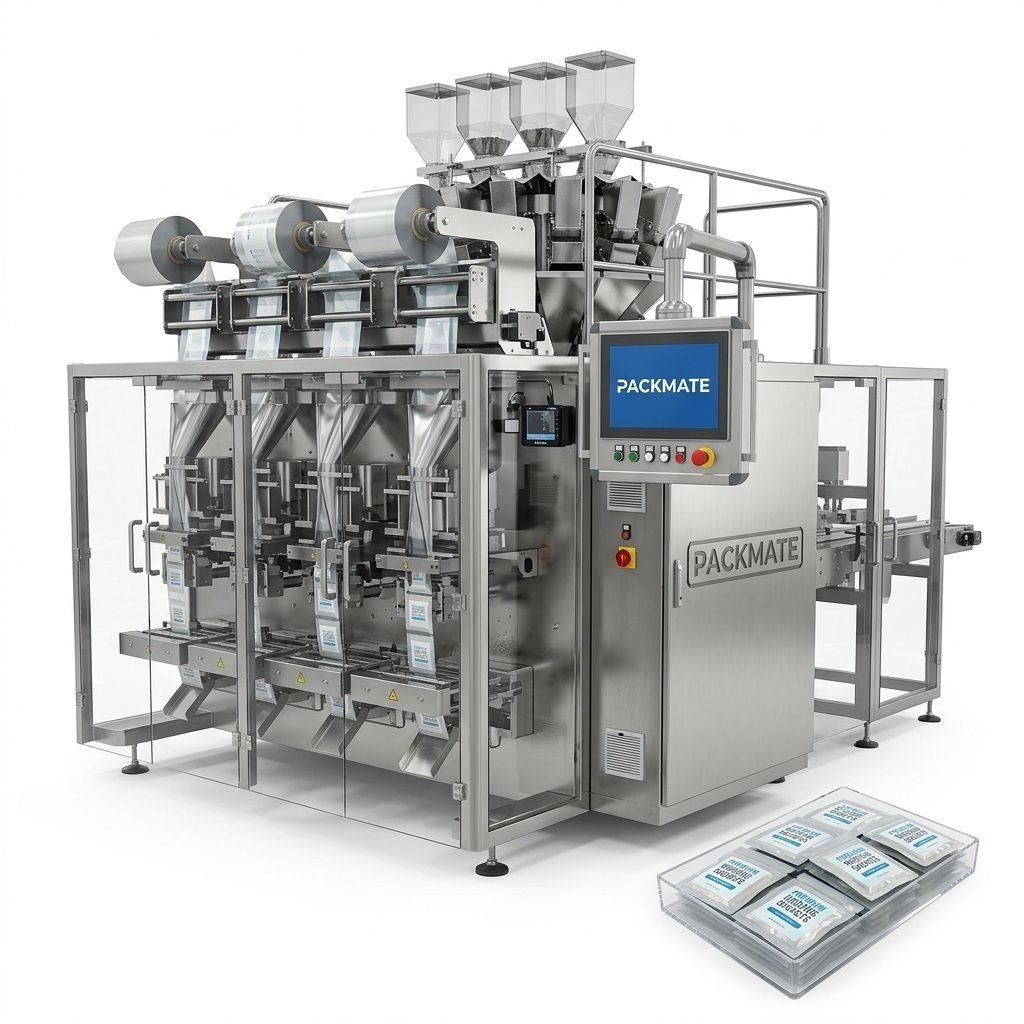
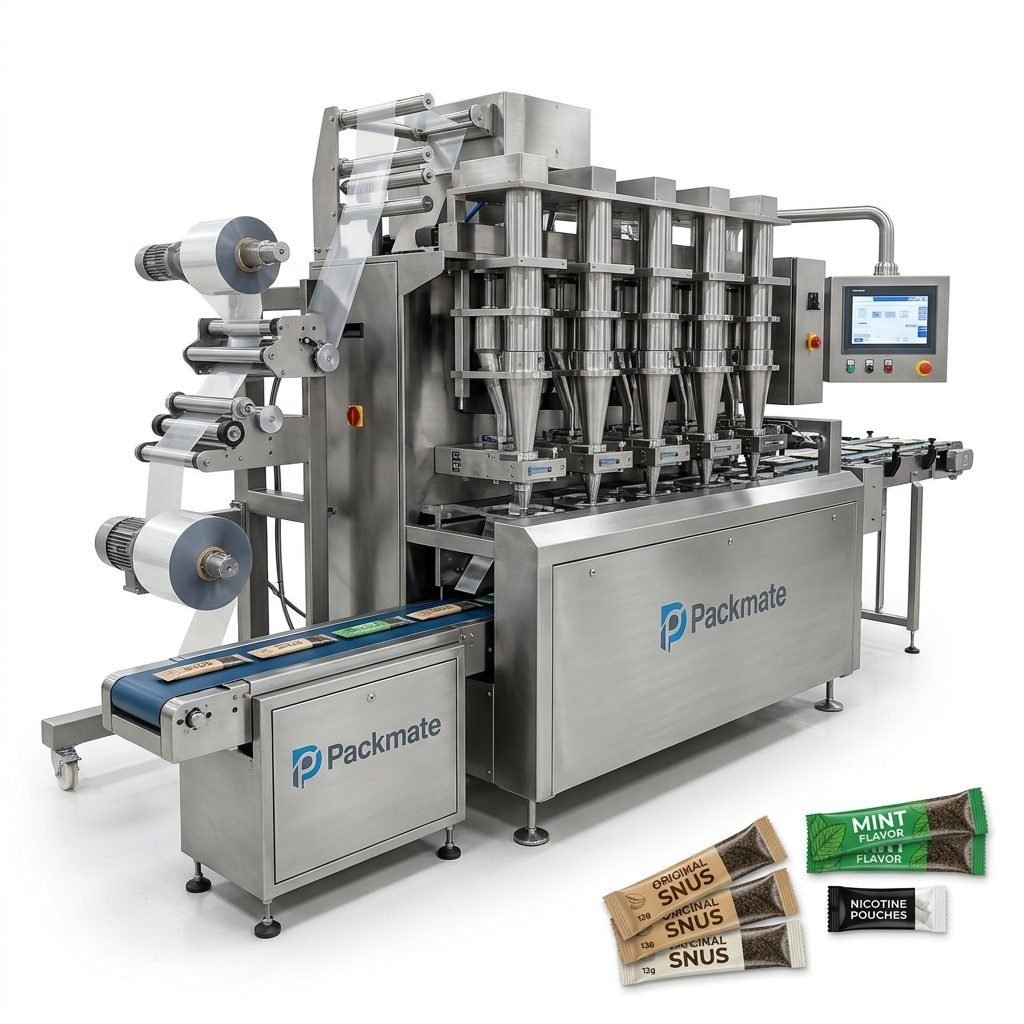
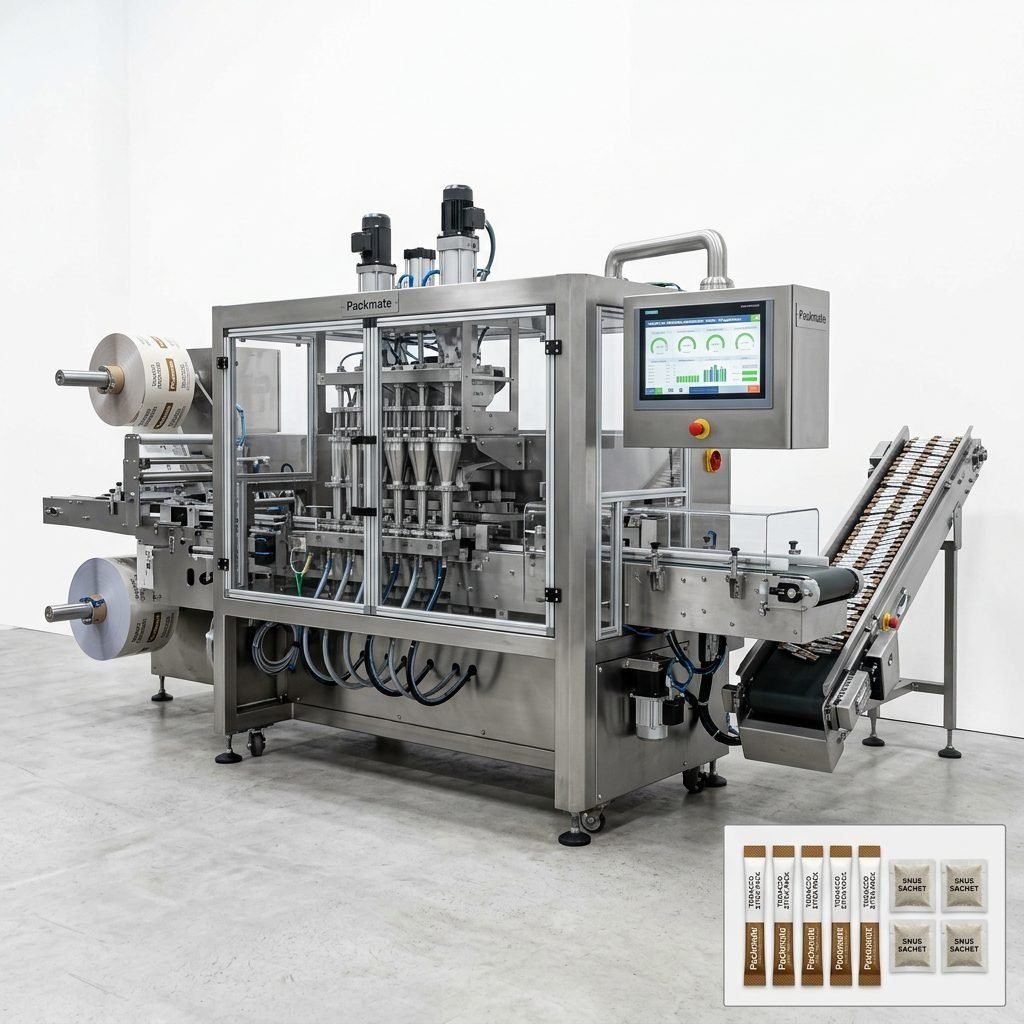
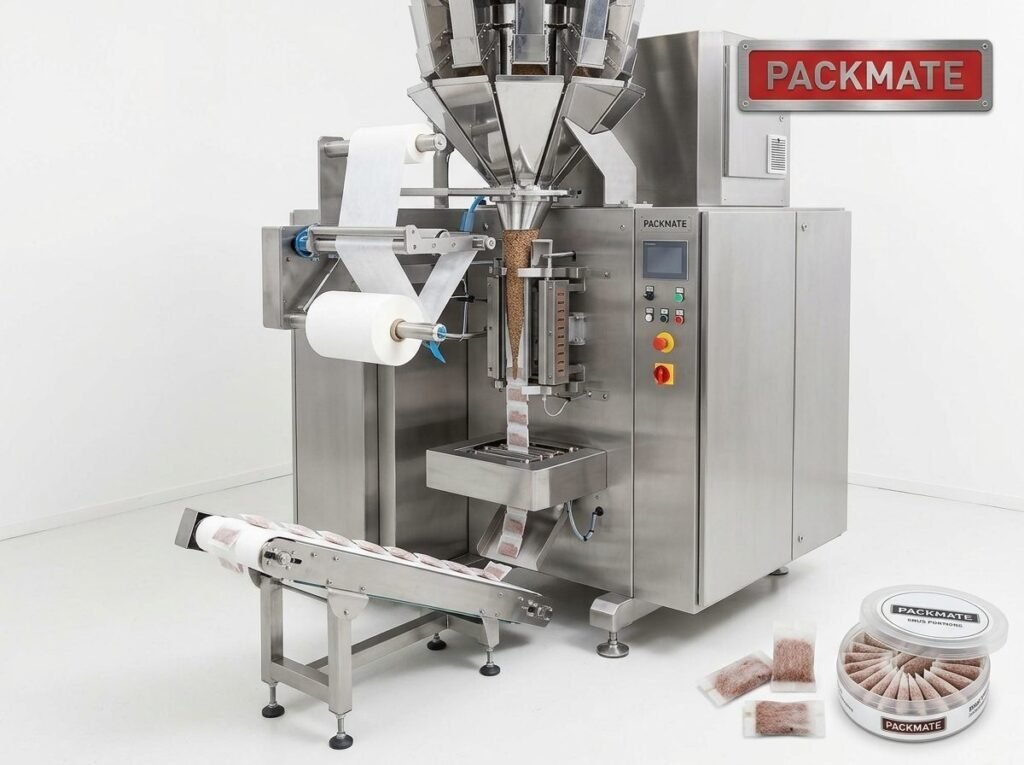
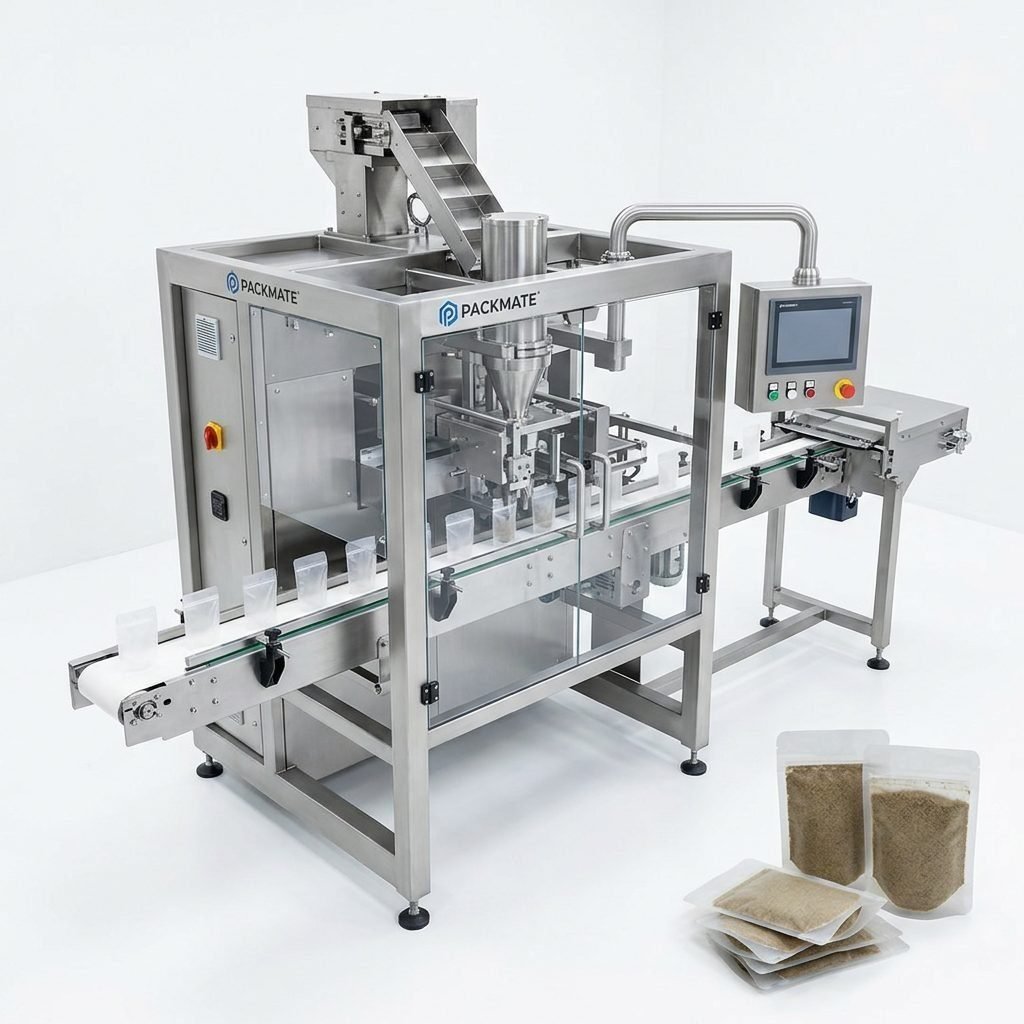
Choosing the right supplier for a nicotine pouch or snus packaging machine is one of the most important decisions for manufacturers operating in Liechtenstein. With a small domestic market, high regulatory expectations, and proximity to Swiss and EU distribution channels, production partners must offer reliable engineering, regulatory support, and tailored automation that fits both boutique and larger production runs. This guide walks you through practical steps, technical criteria, local considerations, and red flags to watch for when selecting the best supplier for your production needs.
Understand Your Product and Production Requirements
Before evaluating suppliers, clarify the core characteristics of your product: pouch size, dose per pouch, target output per minute, humidity sensitivity, powder or granular flowability, and desired secondary packaging. Liechtenstein manufacturers often value compact, flexible lines that can adapt to small-batch specialty flavors while scaling for export to neighboring markets.
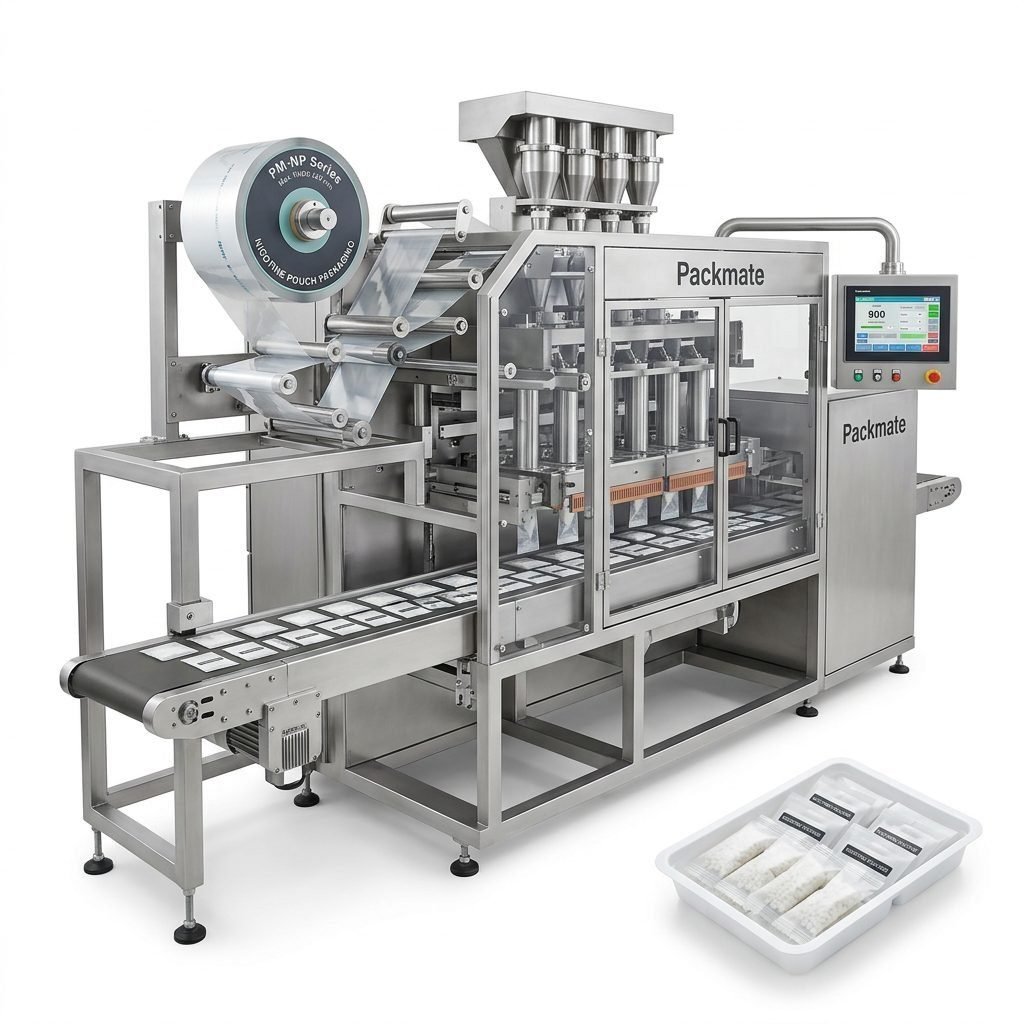
🔍 Key question: Do you need a single-lane or multi-lane system? Multi-lane systems increase throughput but require more precise dosing and upstream feed systems. Suppliers with multi-lane expertise can help balance output with quality control.
Regulatory Compliance and Documentation
Operating in Liechtenstein means aligning with EU-style regulations and nearby Swiss standards. Verify that potential suppliers provide machines with CE marking and ISO-compliant manufacturing documentation. Request full machine specifications, electrical schematics, risk assessments, and validation templates that match EU/Swiss quality expectations.
Tip: Ask for traceable material certificates for product-contact parts and documented cleaning validation procedures if you handle flavored or controlled substances. Suppliers that proactively supply these documents reduce time-to-market and ease the auditing process for regulators and clients.
Supplier Capabilities: What to Inspect
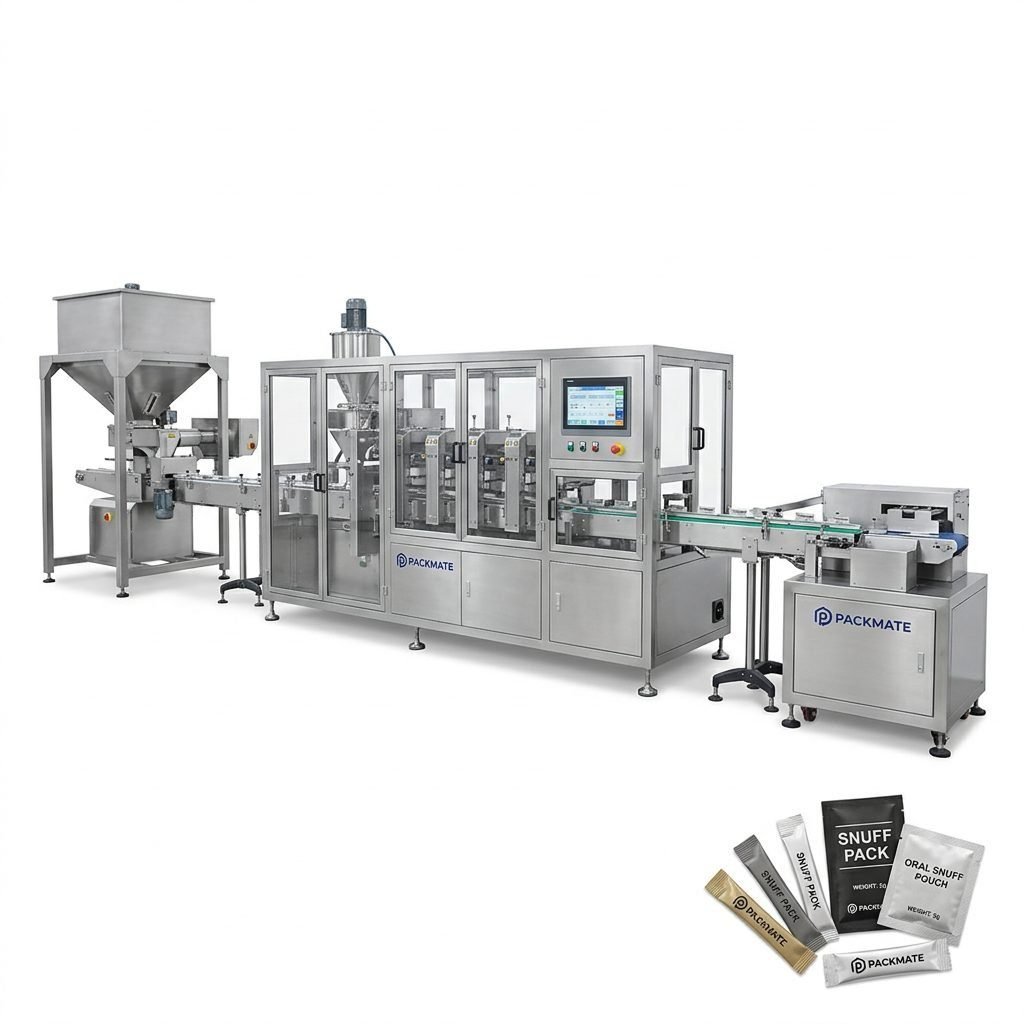
When vetting a supplier, assess both their product range and their factory capabilities. Important indicators include years of experience, production floor area, CNC and precision assembly capabilities, and a catalogue that includes specialized machines like snus/nicotine pouch systems, stick pack machines, and sachet equipment. Suppliers with a wide range of models and turnkey lines demonstrate the ability to solve integration challenges.
✅ Factory facts to request: factory area, number of machine models, CNC capabilities, assembly line process, and test reports for machines under production.
Performance Specifications and Technical Details
Technical suitability is the heart of your decision. Confirm these details in writing:
• Maximum pouches per minute and per lane
• Accuracy and tolerance of dosing systems (gravimetric or volumetric)
• Changeover time between formats and ease of tool switching
• Material handling: feeders, weighers, vibratory systems, dust control and containment
Automation, Integration and Turnkey Services
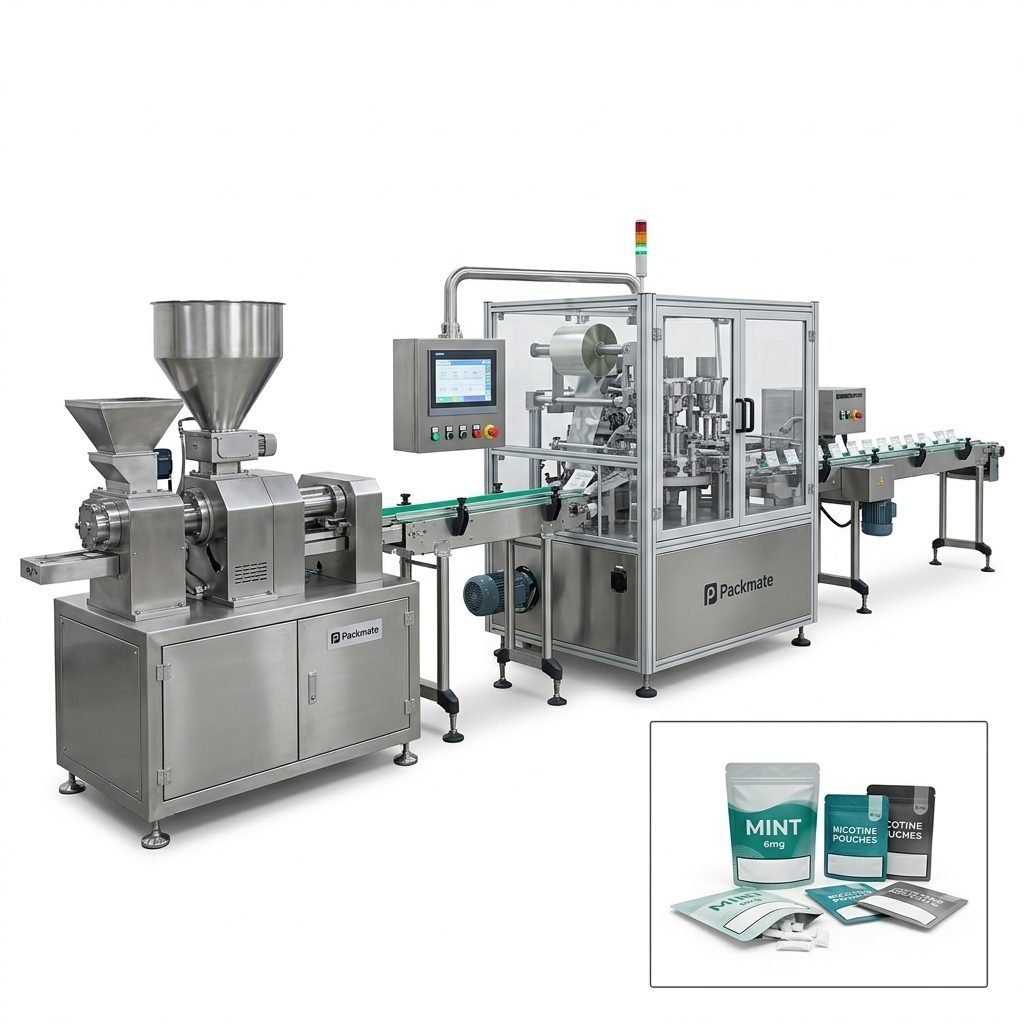
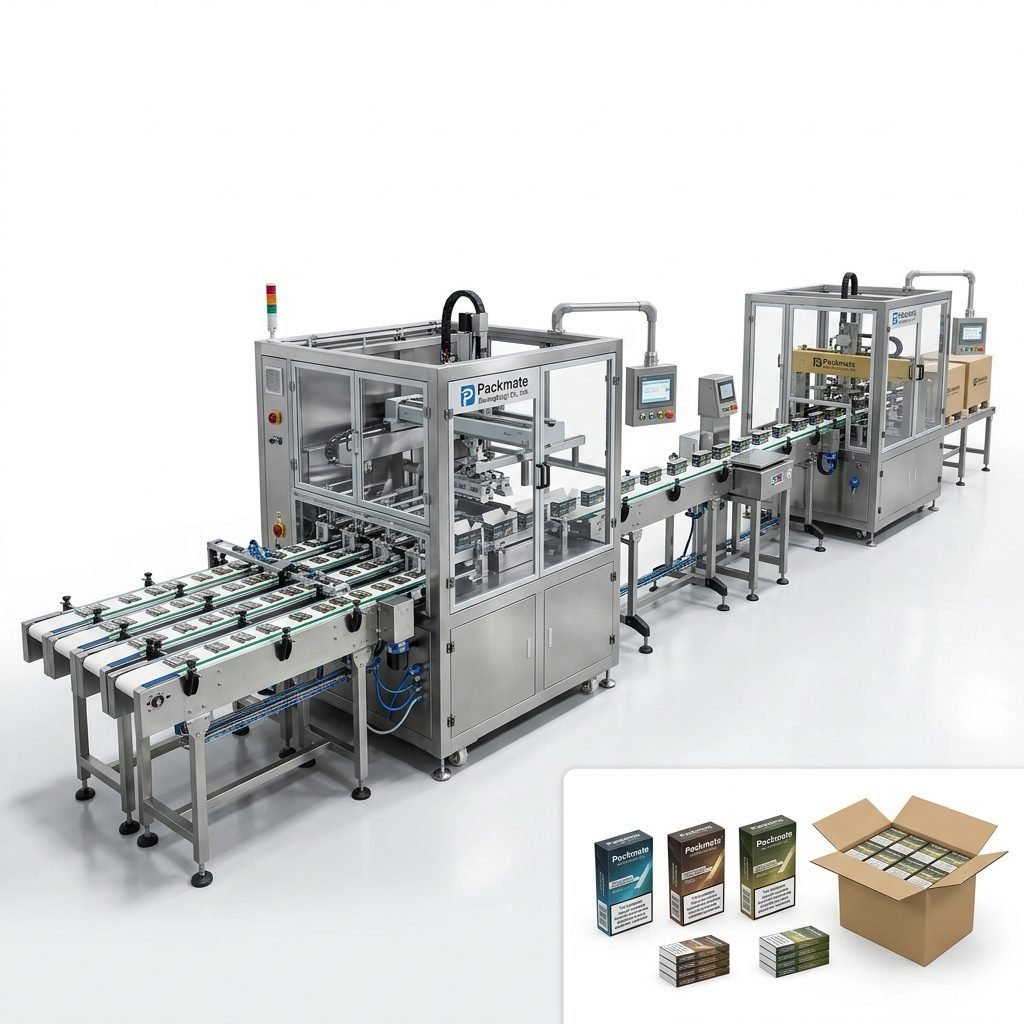
If you need a complete production line — from material dosing to primary pouch forming and secondary case packing — prioritize suppliers that offer turnkey integration and system-level testing. A supplier with in-house design and assembly can optimize mechanical interfaces and PLC/HMI communications to minimize commissioning time.
For reference, suppliers who publish full solution pages, like those for Snus & Nicotine Packaging Machines and Filling & Packaging Lines, usually have the modular components and documentation needed to assemble a dependable line.
⚙️ Ask for: PLC brand, HMI language options, remote diagnostic capability, and spare-parts lists with lead times.
Quality, Testing and Acceptance Criteria
A clear FAT (Factory Acceptance Test) and SAT (Site Acceptance Test) protocol protects buyers. Your supplier should allow you to witness factory testing with your product. Test criteria should include run rates, weight accuracy, sealing quality, and long-run stability tests. In Liechtenstein’s context where traceability and export standards matter, documented FAT reports are essential for customs and downstream partners.
After-Sales Support, Spare Parts and Training
After-sales service is often the differentiator between a good supplier and a great partner. Confirm the supplier’s spare parts stock policy, availability of certified technicians for commissioning in the EU/Swiss time zones, remote troubleshooting options, and training packages for your operators and engineers.
Local nuance: Liechtenstein companies value timely, professional support and predictable maintenance agreements. Suppliers able to provide scheduled preventive maintenance and remote PLC support during Central European working hours will shorten downtime and improve line yield.
Customization, R&D and Long-Term Innovation
If you plan to launch multiple product sizes or innovate on dosage formats, choose a supplier with an R&D track record and flexible engineering teams. Look for evidence of continuous improvement, new model releases, and experience with small-dose or multi-lane designs. Suppliers with over two decades of experience often combine stability with incremental improvements and solid spare-parts support.
You can learn more about supplier evolution and capabilities on pages like About Packmate and explore case studies from global deployments at Case.
Transportation, Installation and Local Logistics
Liechtenstein is landlocked and relies on road transit through Switzerland or Austria for international freight. Confirm crating, export documentation, and customs support with your supplier. A supplier experienced with European shipping can advise on DAP, DDP, and required certifications for seamless cross-border transport. Also ensure the supplier provides detailed installation drawings so your local engineers can prepare foundations, utilities, and compressed-air hookups in advance.
📦 Shipping checklist: Machine dimensions, gross weights, lifting points, electrical schematics, and any permits for oversized loads.
Factory Visit and Third-Party Audits
Whenever possible, schedule a factory visit or request a live machine demonstration. Witnessing production and quality procedures will reveal the supplier’s workmanship and test discipline. If you cannot visit, ask for live-streamed demonstrations and invite third-party auditors to validate manufacturing and quality systems.
Commercial Terms and Total Cost of Ownership
Beyond the purchase price, evaluate total cost of ownership (TCO) including spare parts, consumables, energy consumption, expected service intervals, and training costs. Flexible financing, performance guarantees, and clear warranty terms mitigate financial risk. Suppliers that provide transparent spare-part pricing and optional service contracts help you predict operating expenses.
Red Flags to Avoid
Be cautious if a supplier:
• Is unwilling to provide FAT/SAT documentation
• Lacks CE/ISO evidence or traceable material certificates
• Cannot support spare parts delivery within a reasonable European timescale
• Avoids giving references or customer contacts for previous snus/nicotine pouch projects
If concerns arise, request references and follow up with previous customers to validate performance and service responsiveness. A credible supplier will be transparent about past projects and offer verifiable references.
Short Decision Checklist
🔑 Quick checklist:
• Confirm CE/ISO and material certificates
• Witness FAT with your product or accept a live demonstration
• Verify spare-part logistics and service contracts
• Validate multi-lane and dosing accuracy if required
• Review TCO, warranty terms and training packages
For detailed product portfolios and equipment types, explore categories such as Sachet & Stick Pack Machines and related auxiliary equipment. A supplier that presents full-system options including weighing and packaging systems often simplifies project management and reduces integration risk.
Final Thoughts
Selecting a nicotine packaging machine supplier for Liechtenstein operations is a balance of technical capability, regulatory readiness, logistical reliability, and long-term service commitment. Prioritize suppliers who offer documented quality, FAT/SAT transparency, spare-part availability, and turnkey integration experience. With these elements in place, you will minimize downtime, protect product quality, and be well-positioned to serve both local and export markets with confidence.
Need to reach out?
If you want to learn more about supplier offerings and direct support options, a reliable contact page is essential — suppliers typically list technical contacts and local representative details on their contact pages such as Contact Us.
Common Questions (FAQs)
Q1: What certifications should I expect from a nicotine pouch packaging machine supplier for use in Liechtenstein?
A1: Expect CE marking, ISO management system evidence, and material certificates for all product-contact parts. Suppliers should provide FAT reports and risk assessments aligned with EU/Swiss auditing practices.
Q2: How important is multi-lane capability for small-batch producers in Liechtenstein?
A2: Multi-lane systems can dramatically increase throughput but add complexity in dosing accuracy and changeover. For manufacturers focused on variety and small runs, flexible single-lane or modular multi-lane systems with quick format changes are often preferred.
Q3: What after-sales services should a top supplier guarantee?
A3: Timely spare-part delivery, remote support, scheduled preventive maintenance, on-site commissioning, operator training, and clear warranty terms. Suppliers that support EU time zones and provide spare parts in Europe reduce operational risk.
Q4: Can I test my product on a supplier’s machine before purchase?
A4: Reputable suppliers offer FAT with customer product runs or live demonstrations. If an in-person visit isn’t feasible, request video demonstrations and recorded test reports demonstrating run stability, weight accuracy, and sealing integrity.
Q5: How should I handle logistics from supplier factory to Liechtenstein?
A5: Coordinate with suppliers experienced in European exports to prepare DAP/DDP terms, export docs, crating details, and customs support. Ensure machine drawings and electrical requirements are delivered early so site preparation matches supplier specifications.