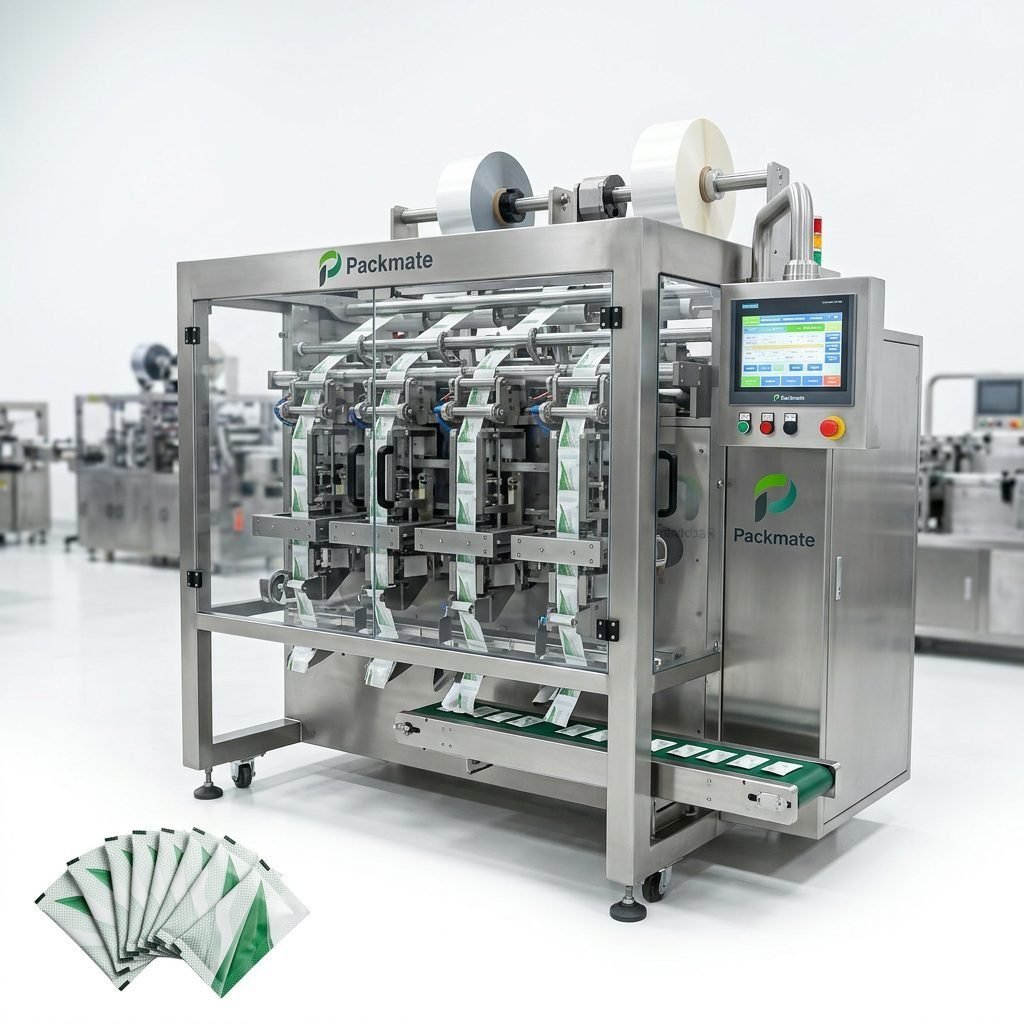
Choosing the right nicotine packaging machinery supplier for your business in France is a strategic decision that affects production efficiency, regulatory compliance, and brand image. Whether you’re launching nicotine pouches, snus, or other tobacco-alternative products, the ideal supplier will combine reliable equipment, local market knowledge, strong after-sales support, and sensitivity to French consumer and regulatory expectations. This guide walks you through practical criteria, questions to ask, and local considerations to help you select the best partner.
🔍 Understand the French Market & Regulatory Landscape
France follows European Union regulations as well as national health and packaging rules that affect nicotine products. You should confirm that any machinery supplier understands the EU Tobacco Products Directive, local labeling requirements (French language mandatory on consumer-facing labels), and the specific nuances around nicotine pouch classification in France. A supplier who knows local regulatory bodies and can help prepare compliant packaging workflows is a major advantage.
- French language labeling and health warnings
- EU-wide requirements (e.g., material traceability and CE marking)
- Waste and recycling expectations—French consumers value recyclable or minimal packaging
- Strict hygiene and GMP considerations if machines are also used for food-like products
✅ Assess Technical Capabilities & Machine Types
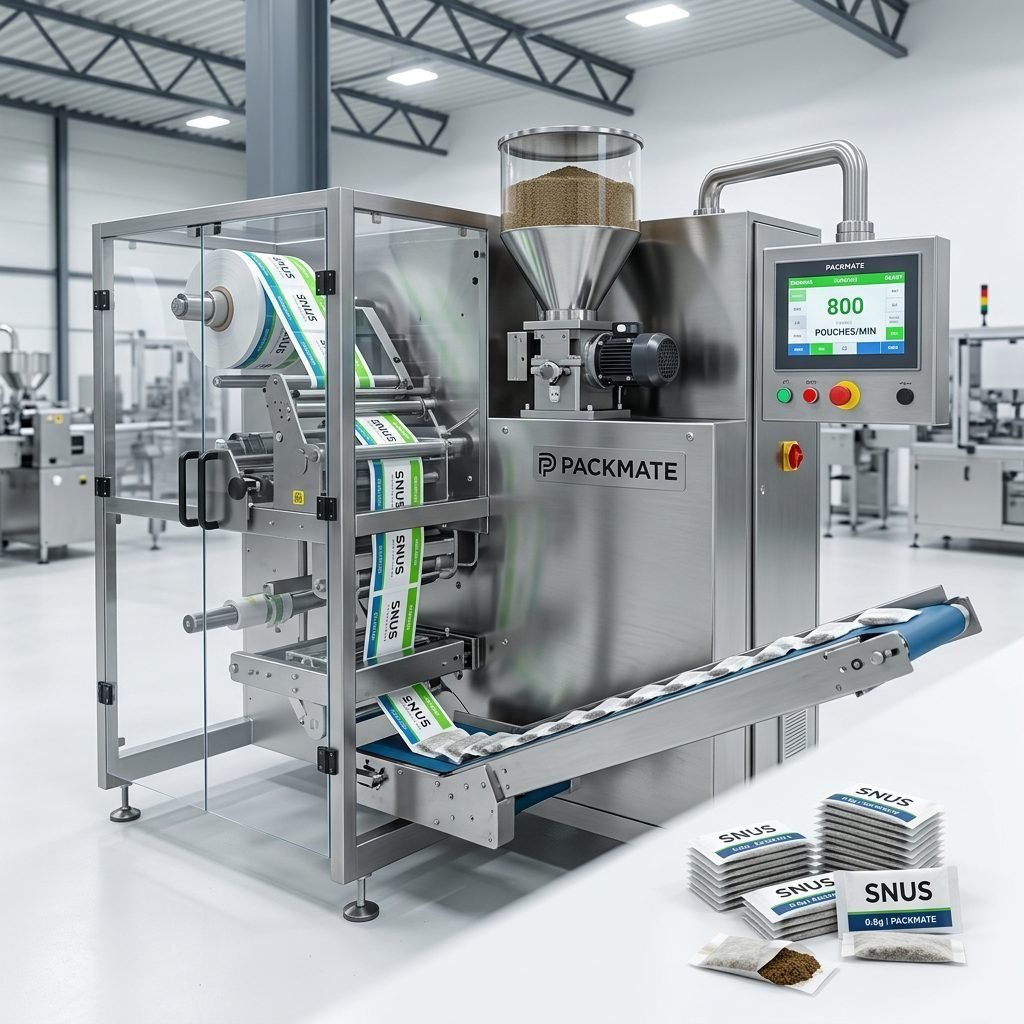
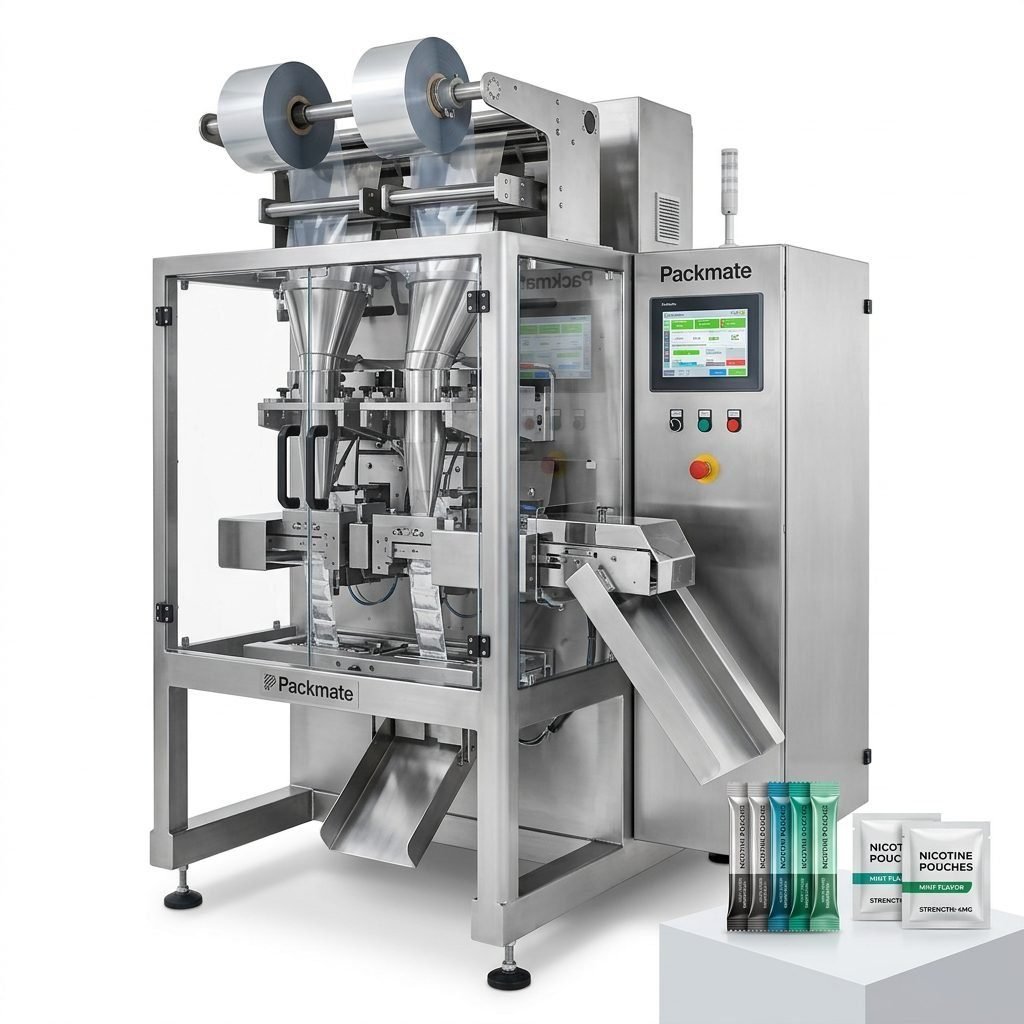
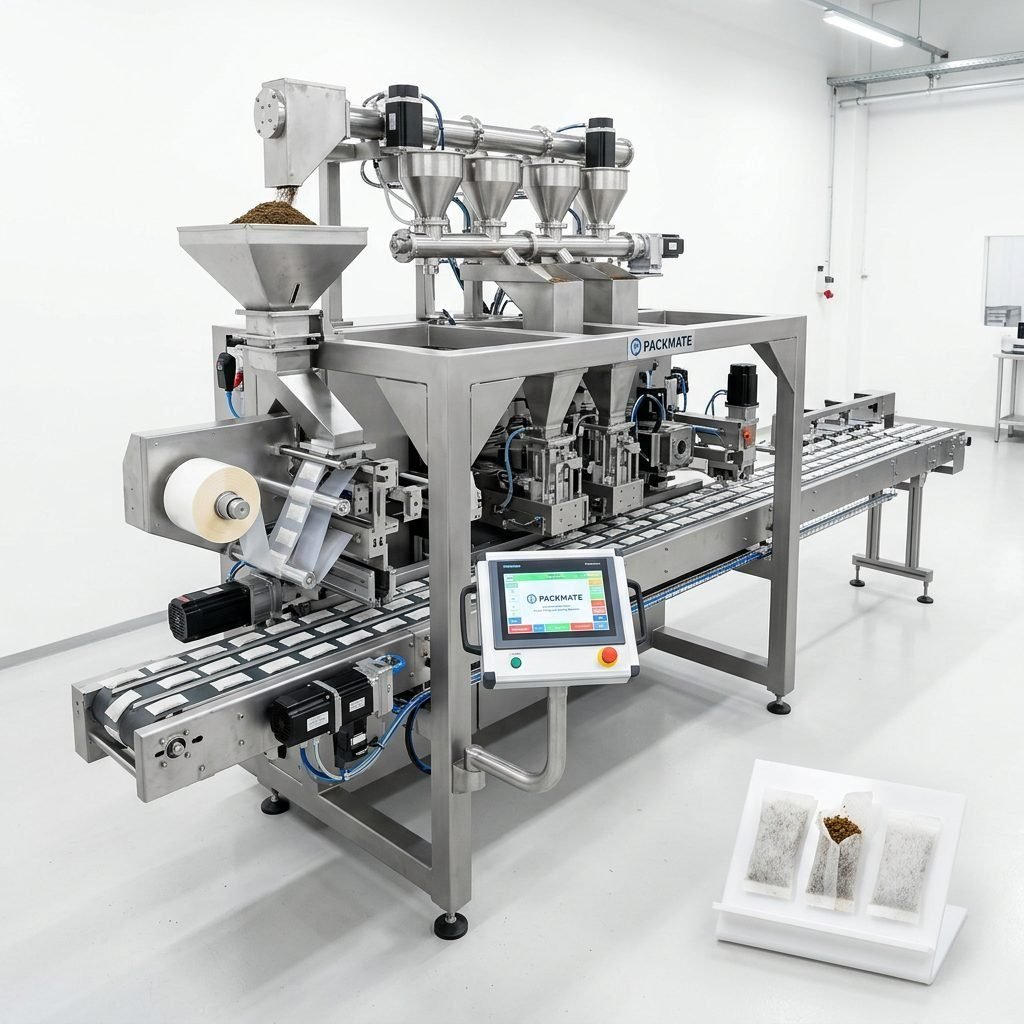
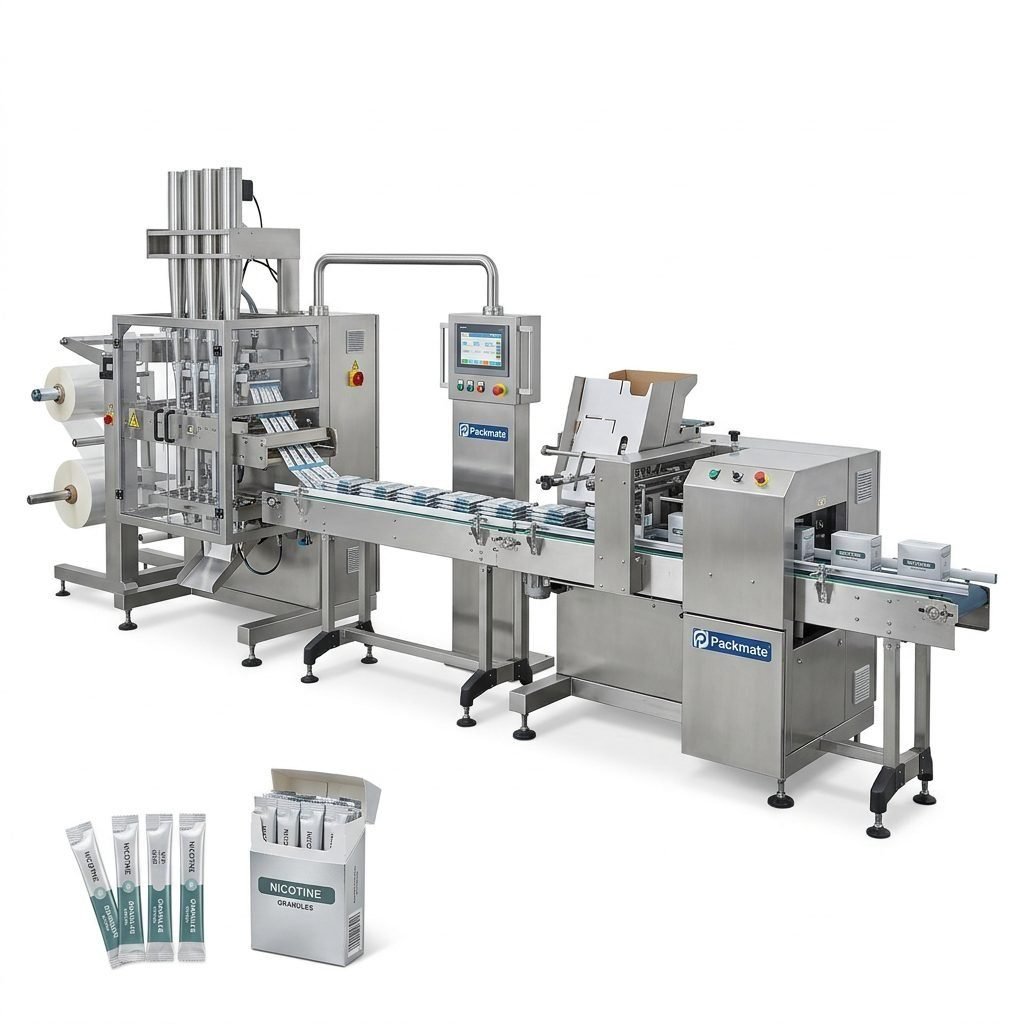
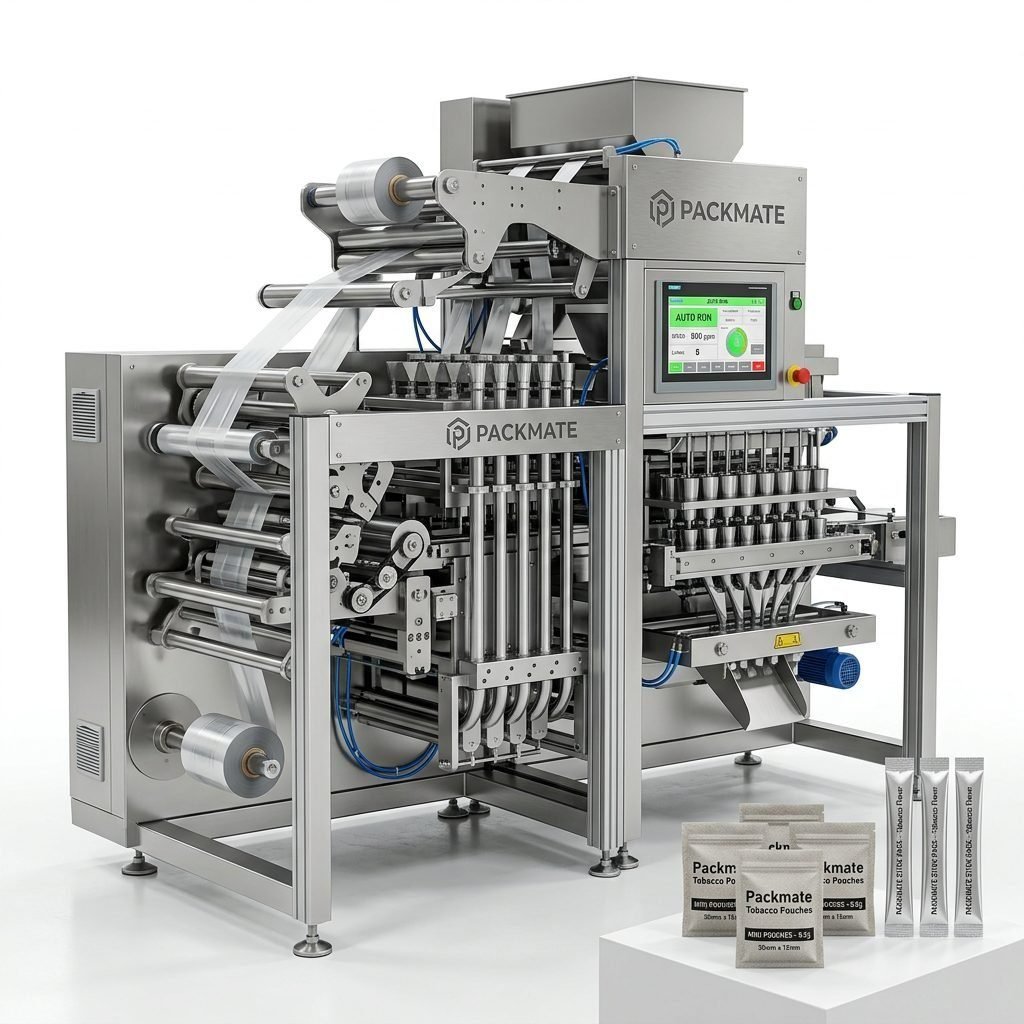
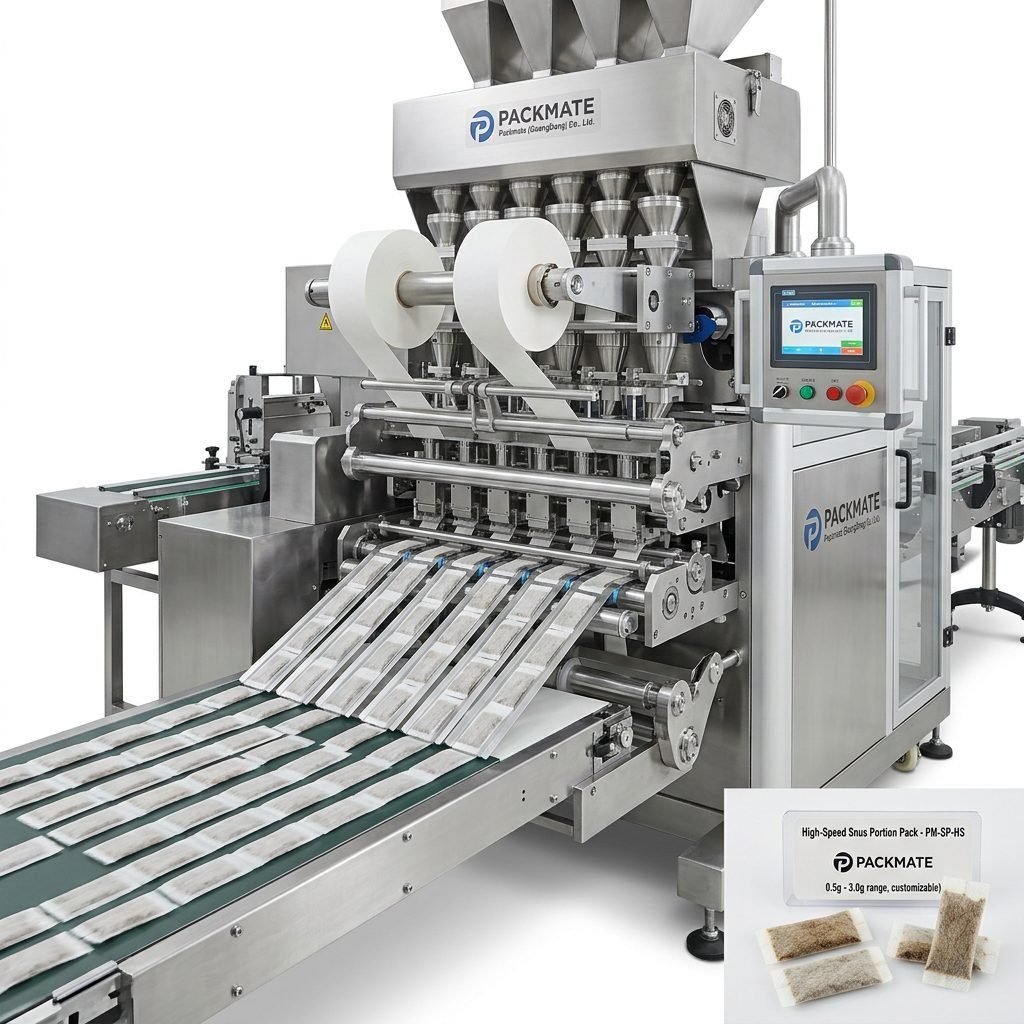
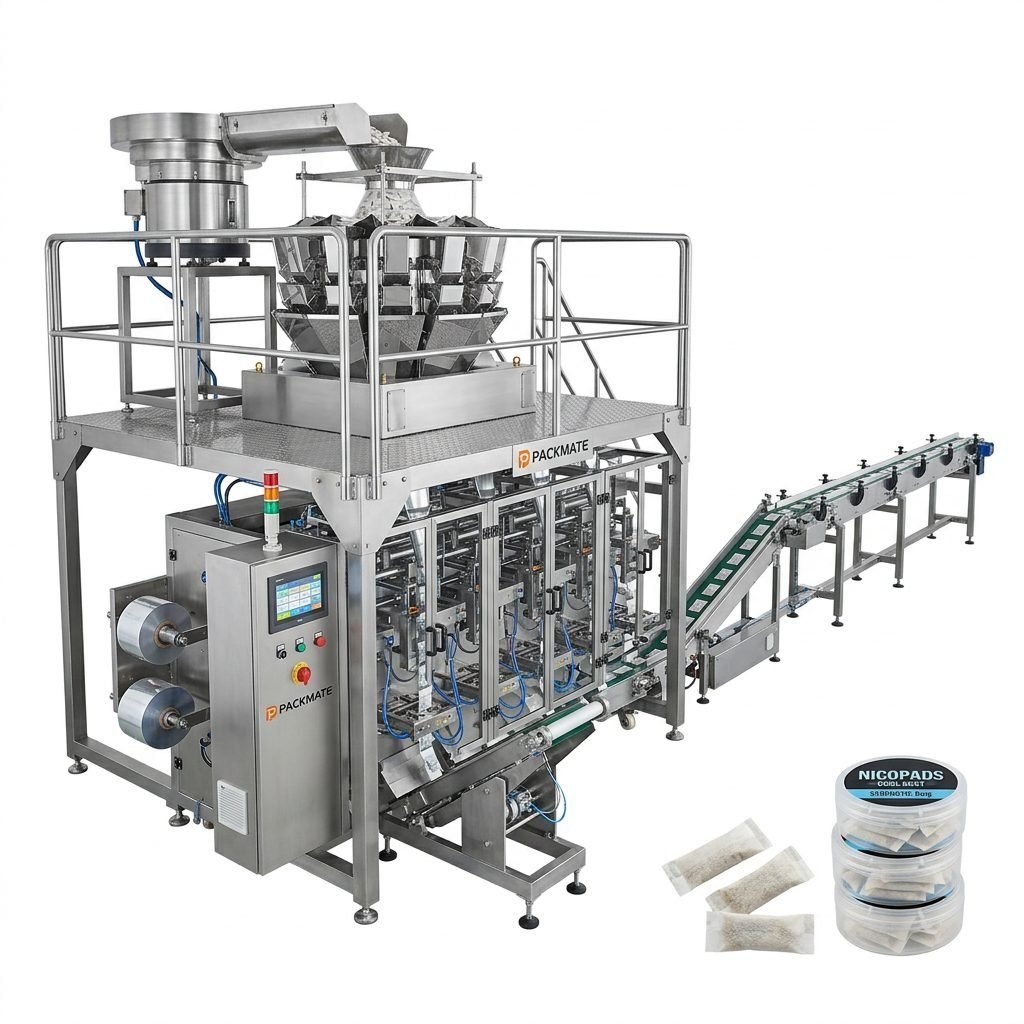
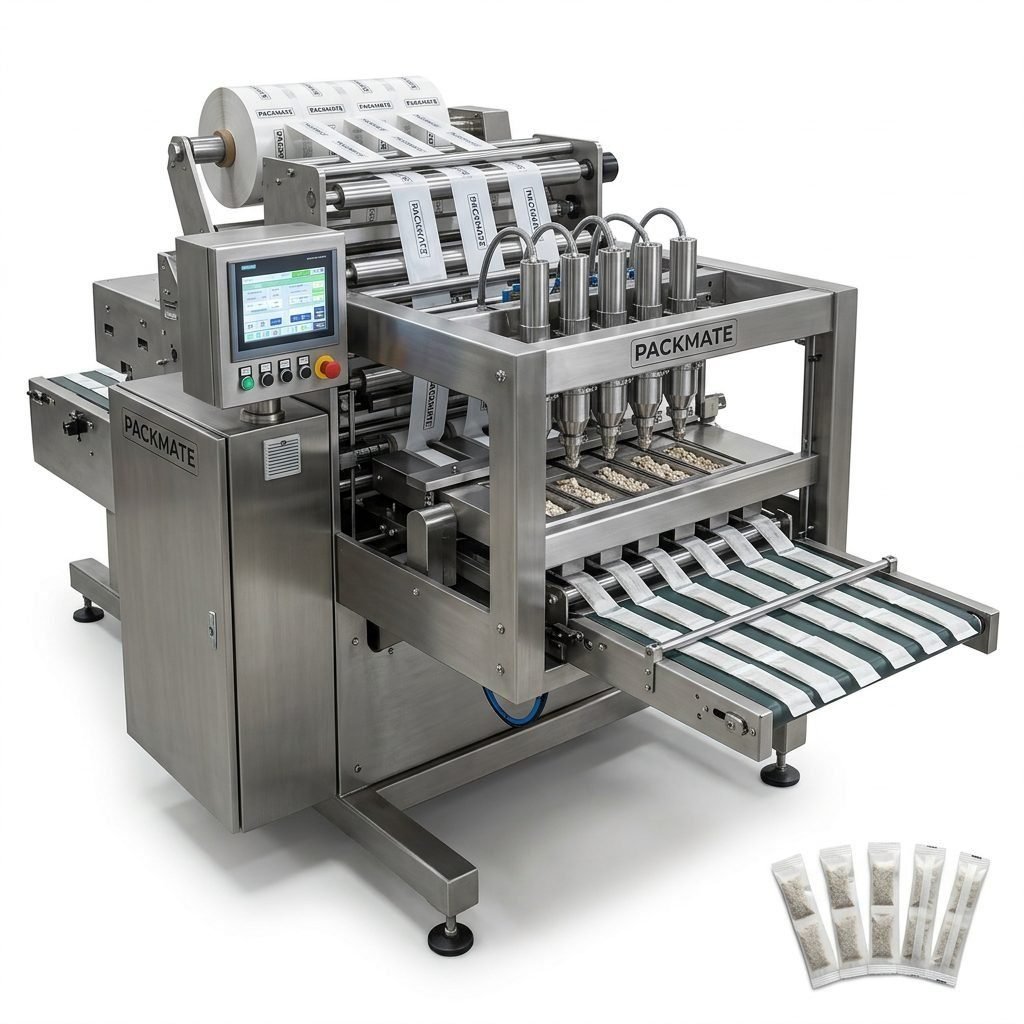
Nicotine and snus products require specialized machines: stick pack, sachet, multi-lane pouch lines, and automated filling & sealing systems. Choose suppliers with proven models built for small-dose pouches, multi-lane throughput, and gentle handling to preserve product integrity. Verify machine options such as integrated weighing systems, high-speed multi-lane capability, and compatibility with different pouch materials.
What to inspect technically
- Electrical and control systems compatibility with French standards (230V, CE compliance)
- Automation level and Industry 4.0 readiness (remote monitoring, data logging)
- Modularity for different pouch sizes and product formats
- Spare parts availability and ease of maintenance
📦 Evaluate Manufacturer Experience & Track Record
Experience matters. Suppliers with a long history in packaging engineering and a focus on snus/nicotine lines are better positioned to deliver optimized equipment. Look for companies with 20+ years of machine-building experience, advanced manufacturing capabilities (CNC machining centers, precision assembly), and a broad model range for customization. Packmate Snus Machine, for example, emphasizes multi-lane systems and turnkey solutions backed by decades of development.
💬 Prioritize After-Sales Service & Local Support
In France, businesses expect punctual, reliable, and professional service. Evaluate a supplier’s after-sales footprint: do they offer European spare parts warehouses, local technicians, or rapid remote support? Training in French or with French-speaking engineers can shorten commissioning time and reduce errors. Also confirm warranty coverage, SLAs for downtime, and availability of consumables.
Questions to ask suppliers about service
- Do you provide on-site commissioning and operator training in France?
- What is your parts delivery lead time to European addresses?
- Is remote diagnostics included, and what communications protocols are supported?
- Can you guarantee rapid response times during production-critical incidents?
💶 Total Cost of Ownership vs. Purchase Price
Initial price is only one part of the equation. Evaluate total cost of ownership (TCO): energy consumption, spare parts, maintenance intervals, operator training, and expected lifetime. A slightly higher initial investment in robust, efficient machines can reduce downtime, lower operating costs, and improve product quality—important in the premium-oriented French market.
- Energy use and efficient servo systems
- Mean time between failures (MTBF) and maintenance costs
- Training costs for operators and technicians
- Resale value and upgrade path
🔧 Factory Acceptance Tests (FAT) & Site Acceptance Tests (SAT)
Insist on thorough FAT at the supplier’s facility and SAT during installation in France. FATs demonstrate performance with your product or a close surrogate, and allow you to validate speed, accuracy, and integration with upstream or downstream systems. For French buyers, seeing the machine run with real materials and receiving clear documentation in French is a major advantage when negotiating acceptance criteria and final payment terms.
🎯 Customization, Flexibility & Future-Proofing
Your product range may evolve—consider suppliers who offer flexible platforms and modular upgrades. Multi-lane capability, quick changeovers, and software-controlled recipe management save time when switching SKUs. Also evaluate how easy it is to integrate new checkweighers, vision inspection, or labeling modules for traceability and branding changes—crucial for French market differentiation.
🌍 Sustainability & Packaging Preferences in France
French consumers and regulators increasingly demand sustainable packaging. Suppliers who support recyclable materials, reduced film thickness, or mono-material solutions will help you align with local expectations. Ask about material compatibility and whether the supplier can help you trial and validate eco-friendly films while maintaining seal integrity for nicotine pouches.
🧾 Contracting, Delivery & Customs
Understand delivery terms (INCOTERMS), lead times, and customs clearance processes for equipment imported into France. A supplier with experience shipping to the EU can streamline VAT handling, CE documentation, and local installation logistics. Also ensure clear contractual terms on acceptance criteria, penalties for late delivery, and responsibilities for installation and site preparation.
📈 Visiting Exhibitions & In-Person Demos
Meet suppliers at major European exhibitions where snus and tobacco-alternative technologies are shown. Seeing live demos, talking with engineers, and observing machine reliability in real demo runs helps greatly. Packmate often exhibits at international shows—check exhibition schedules and arrange demos to compare models in person: Our Exhibition.
📝 Practical Checklist Before Signing
- Confirm CE/ISO certificates and compliance documentation (request copies).
- Request detailed FAT/SAT plans and documented acceptance criteria.
- Verify spare parts lead times for shipments to France and spare parts kit recommendations.
- Agree on training scope, language support, and first-year maintenance schedule.
- Clarify warranty terms, performance guarantees, and escalation procedures.
🔎 How to Compare Multiple Suppliers
Create a scoring matrix that weighs technical fit, compliance support, TCO, lead time, and local service. Request references from French or neighboring European customers and seek videos or remote demonstrations. A supplier like Packmate, with decades of experience, a wide product portfolio, and turnkey solutions, often scores highly on technical depth and manufacturing strength—review product lines such as Snus & Nicotine Packaging Machines and associated Weighing & Packaging Systems.
📦 Logistics, Commissioning & Local Adaptation
Plan for site readiness: floor loading, electrical hookups, compressed air, and waste handling. Ask the supplier for a pre-installation checklist and ensure local contractors understand the machine footprint and utilities. A supplier providing a full turnkey package can reduce installation risk and speed up time-to-market—learn more about turnkey offerings and service capabilities at Service and About Packmate.
📋 Negotiation Tips & Final Decision
When negotiating, align milestones with payments: down payment, FAT acceptance, successful SAT, and performance warranty. Negotiate for spare parts kits, first-year preventive maintenance visits, and training inclusion. Clarify intellectual property and software ownership if customization is involved. For French businesses, transparent and well-documented contracts in both English and French foster trust and clarity.
🔗 Useful Resources & Next Steps
Explore machine options, technical documents, and real-world case studies to inform your decision. If you want to see examples of multi-lane snus and nicotine pouch lines, review Sachet & Stick Pack Machines and Filling & Packaging Lines. When you have shortlisted suppliers, request FAT dates and confirm language support for commissioning.
Final considerations before signing
- Regulatory compliance documentation must be comprehensive and translated into French if required.
- Plan for promotional and brand-specific packaging changes; ensure supplier flexibility.
- Confirm long-term partnership potential—after all, packaging machinery is a multi-year relationship.
Frequently Asked Questions
Q1: How important is CE certification and what should I request?
A1: CE certification is essential for machinery sold in France and the EU. Request copies of CE and relevant ISO certificates, conformity declarations, and full machine documentation. Confirm electrical and safety standards are met for 230V single-phase or 400V three-phase environments common in French facilities.
Q2: Can a supplier help with French labeling and regulatory language?
A2: A competent supplier should advise on the mechanical aspects of labeling and printing; however, legal compliance consulting may require a separate regulatory expert. Prioritize suppliers who have European customers and can provide templates and tested printing/labeling integrations.
Q3: What lead times and shipping considerations should I expect?
A3: Lead times vary; standard machines often take several months due to detailed manufacturing and FAT scheduling. Confirm INCOTERMS, customs support, and shipment insurance. Suppliers experienced with European deliveries will usually streamline clearance and local trucking to your site.
Q4: How do I ensure quick spare parts delivery in France?
A4: Negotiate a spare-parts strategy—critical parts stocked in a European warehouse, a recommended spare-parts kit on first delivery, and clear lead times for replacements. Some suppliers provide express shipping options for high-importance items.
Q5: What should I expect for training and commissioning?
A5: Expect on-site commissioning, operator and maintenance training, and detailed manuals. Ensure training is offered in French or with a translator, and request documented training completion to confirm operator competency.
If you want to contact a specialized snus/nicotine pouch machinery provider with extensive packaging experience and turnkey options, consider reaching out to the manufacturer directly for tailored proposals and FAT scheduling: Contact Us.