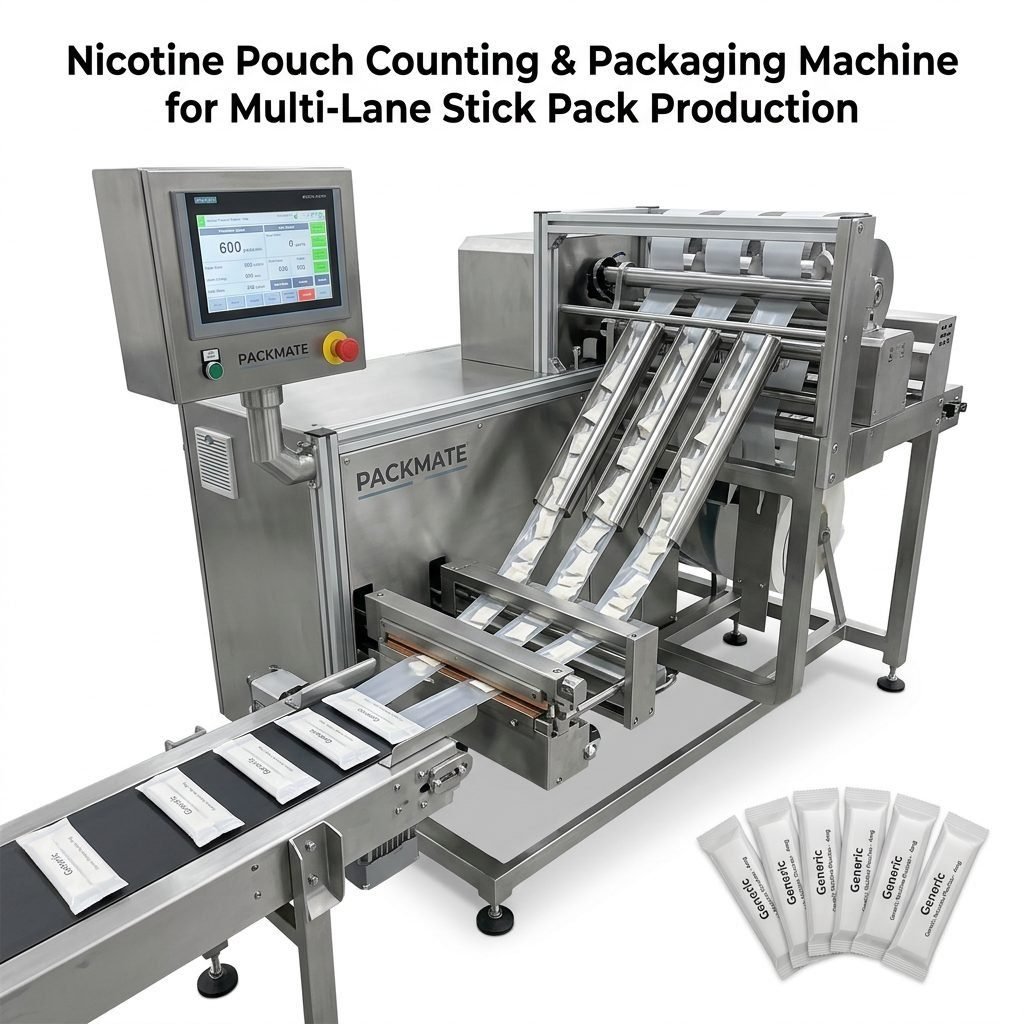
Choosing the right supplier for nicotine pouch and snus packaging machines in South Africa is a strategic decision that affects product quality, regulatory compliance, production uptime, and long-term profitability. This guide walks you through practical, step-by-step considerations—from machine types and factory capabilities to local compliance, service networks, and total cost of ownership—so you can make an informed choice aligned with South African market realities and workforce practices.
Understand the Types of Machines You Need
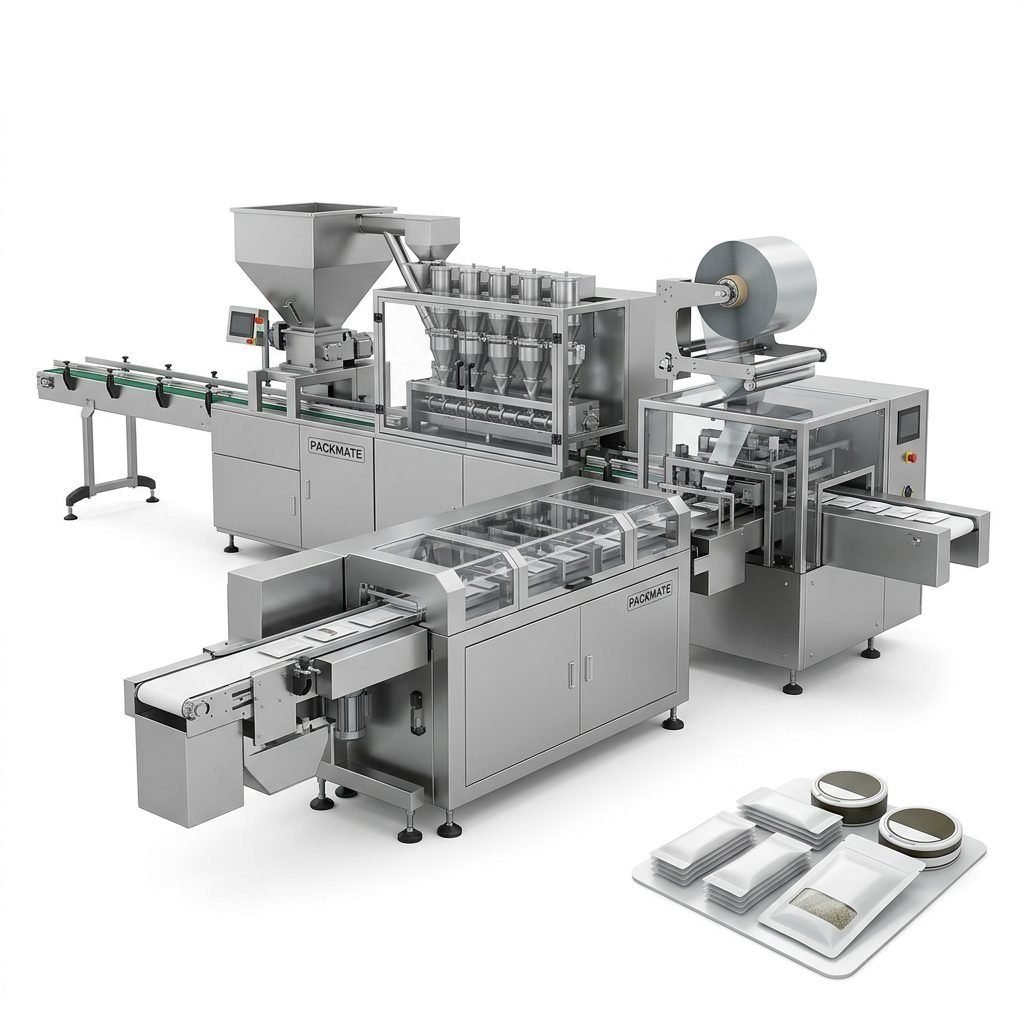
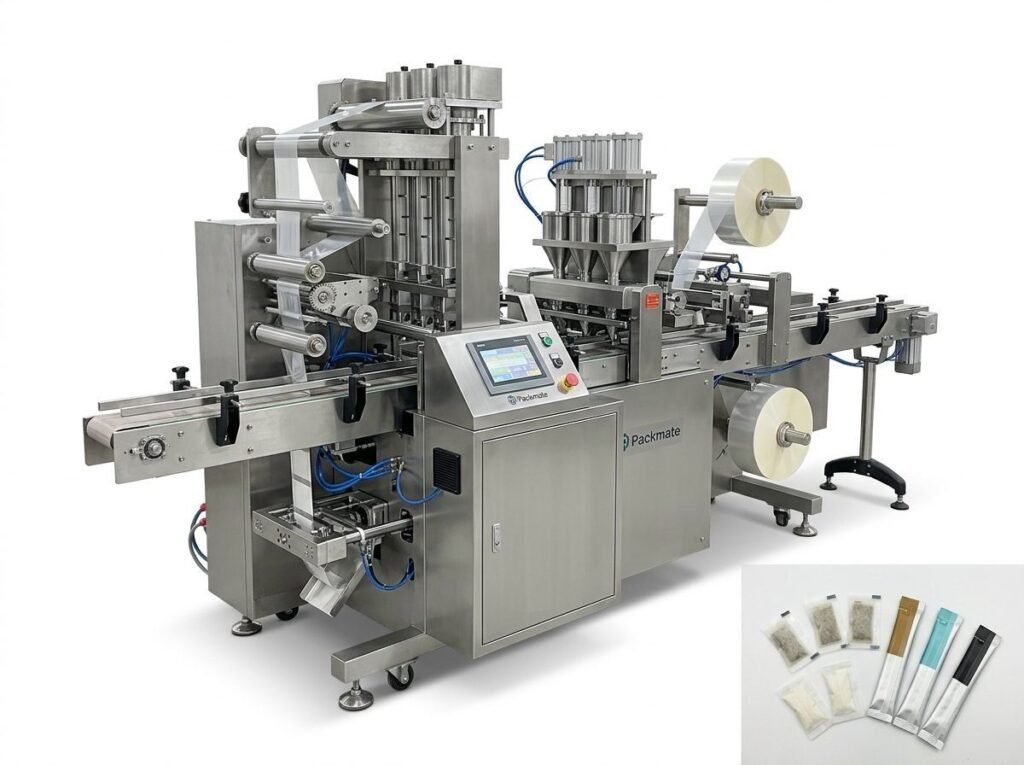
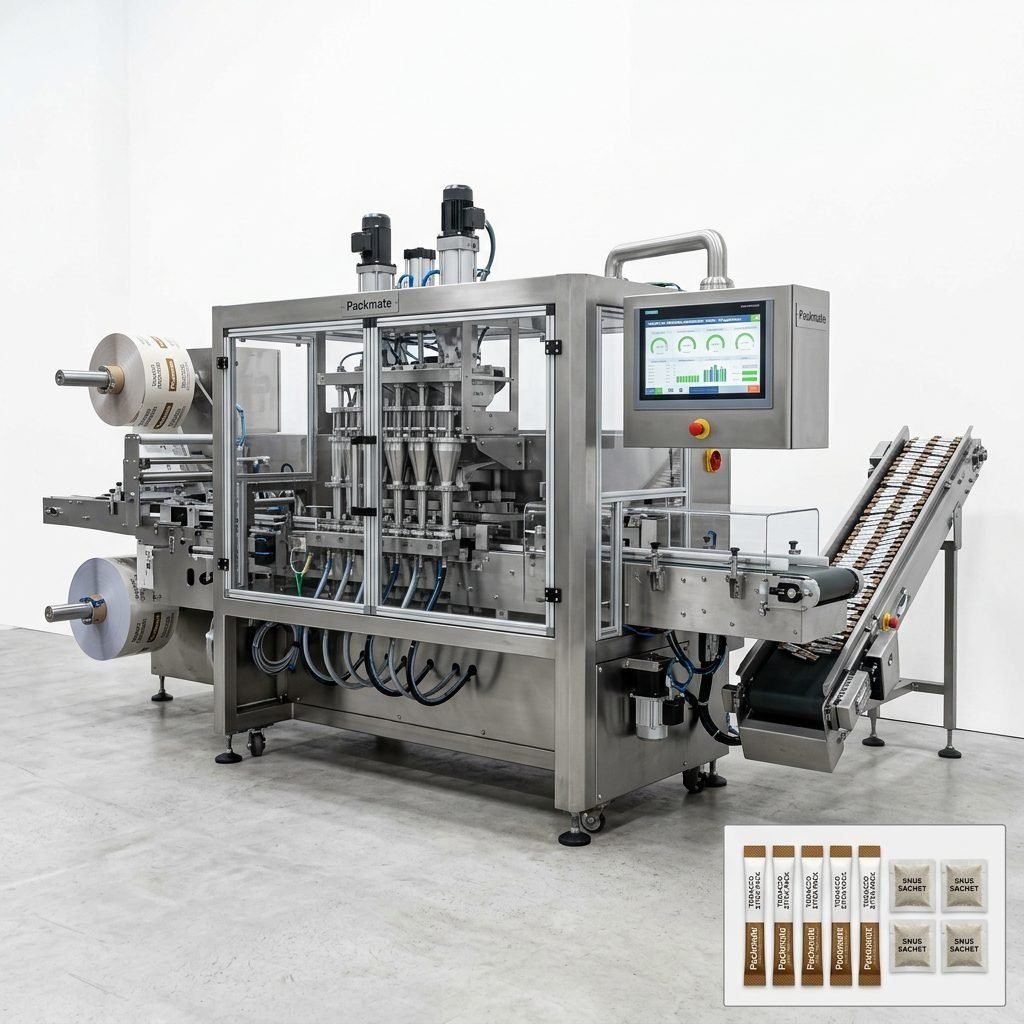
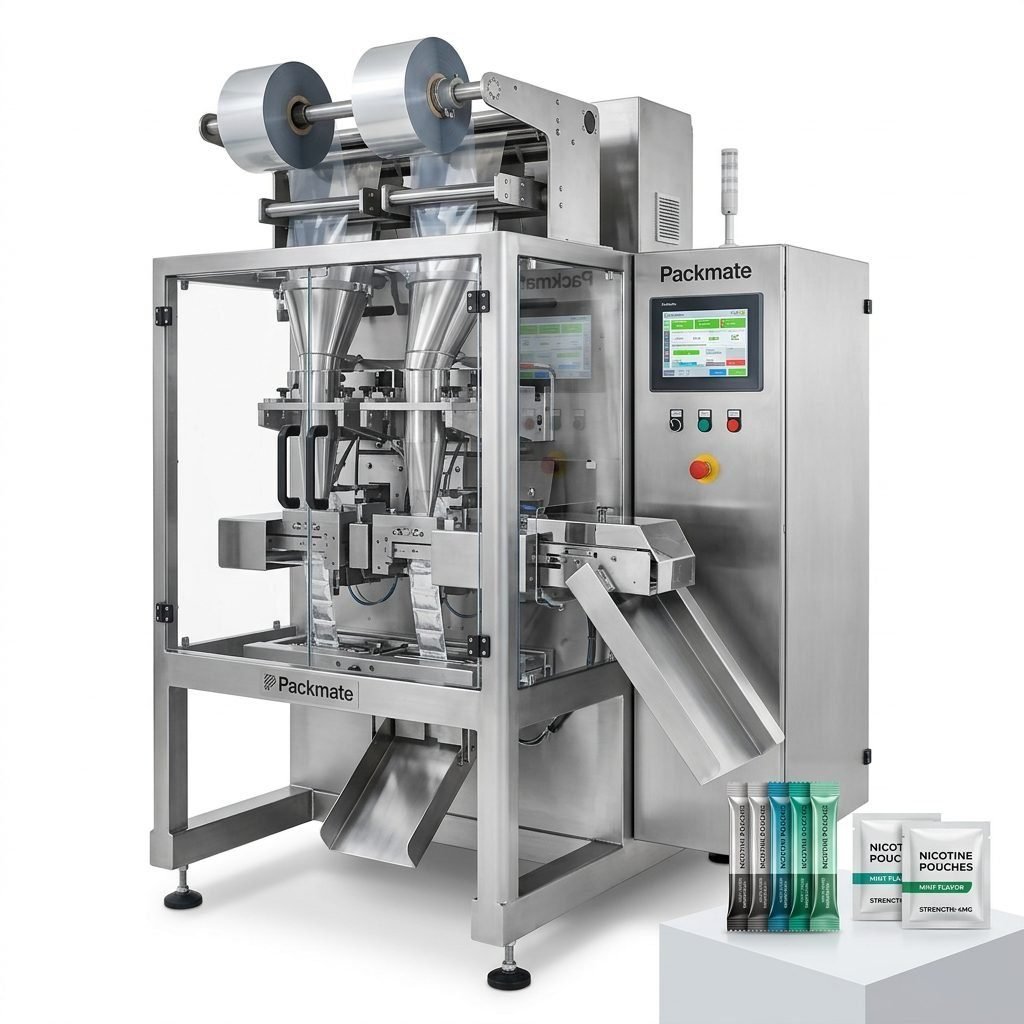
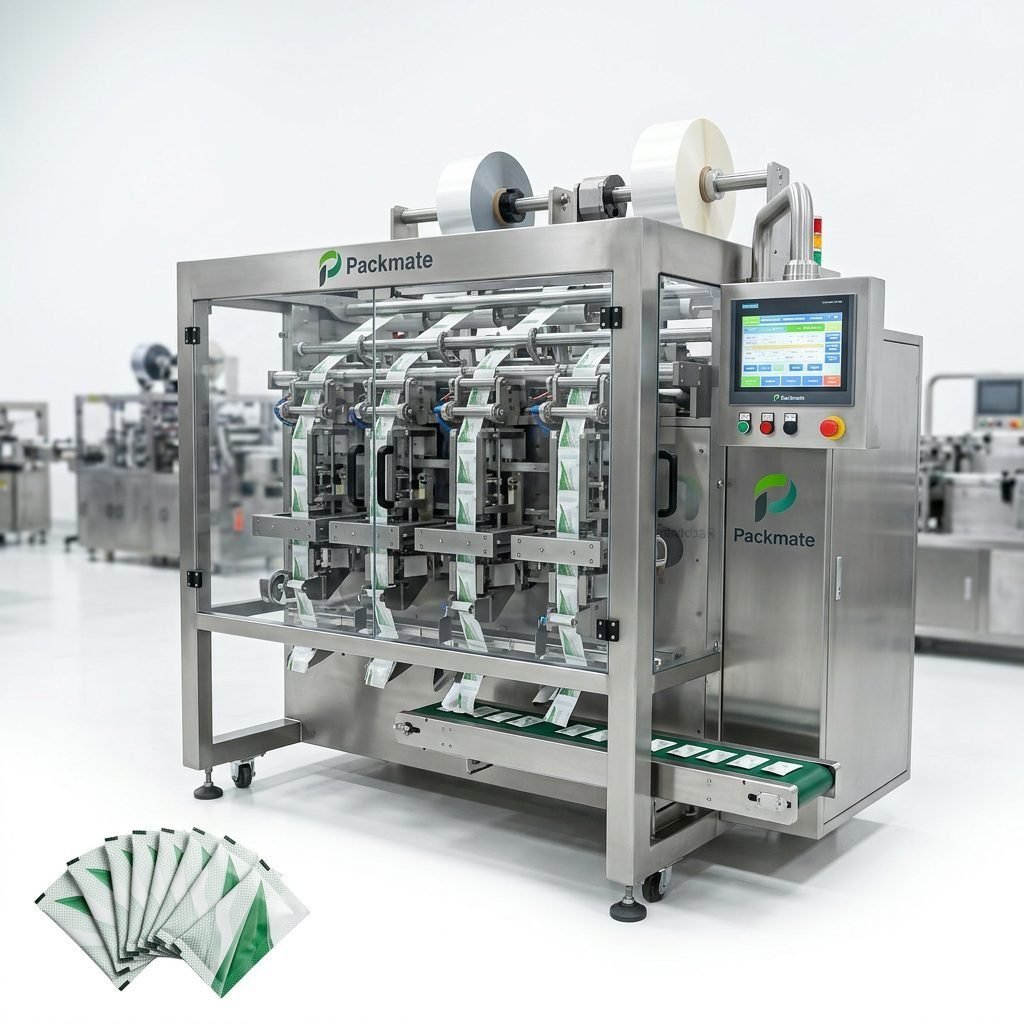
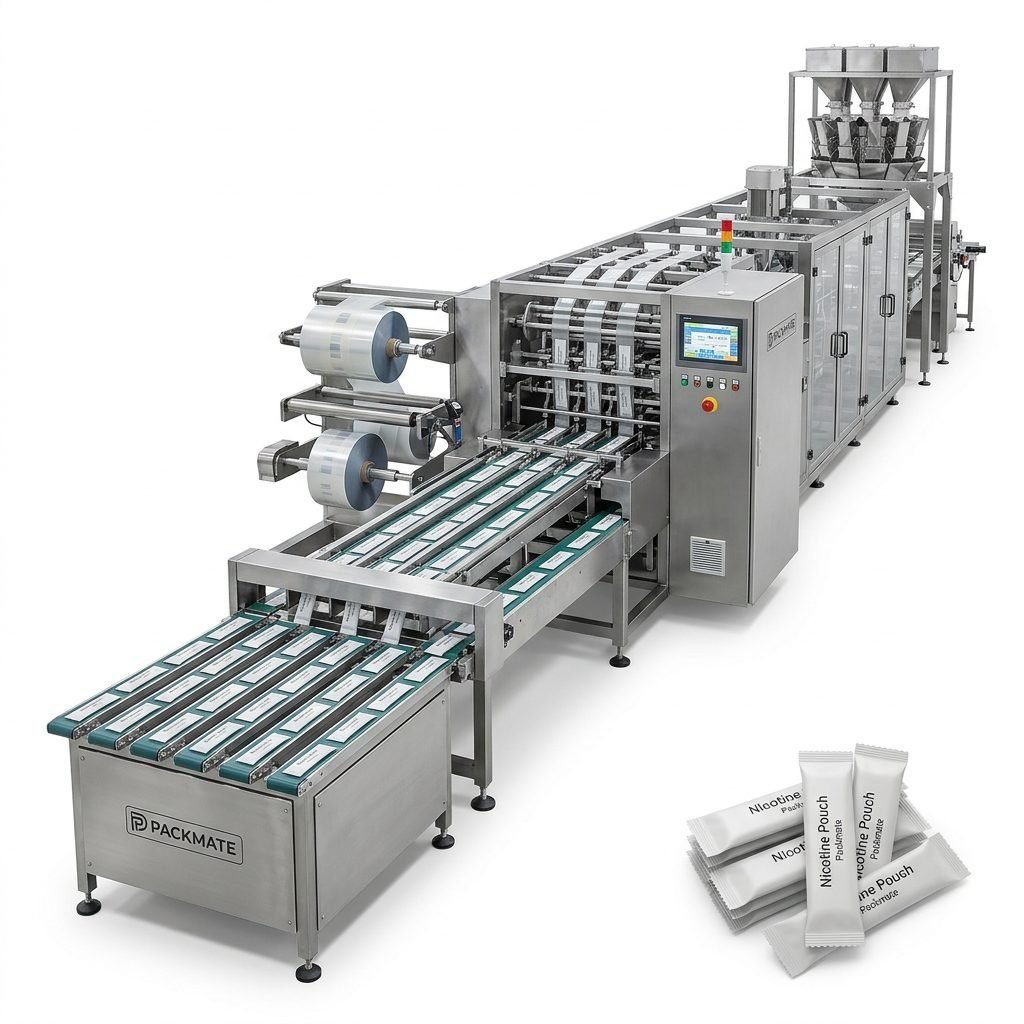
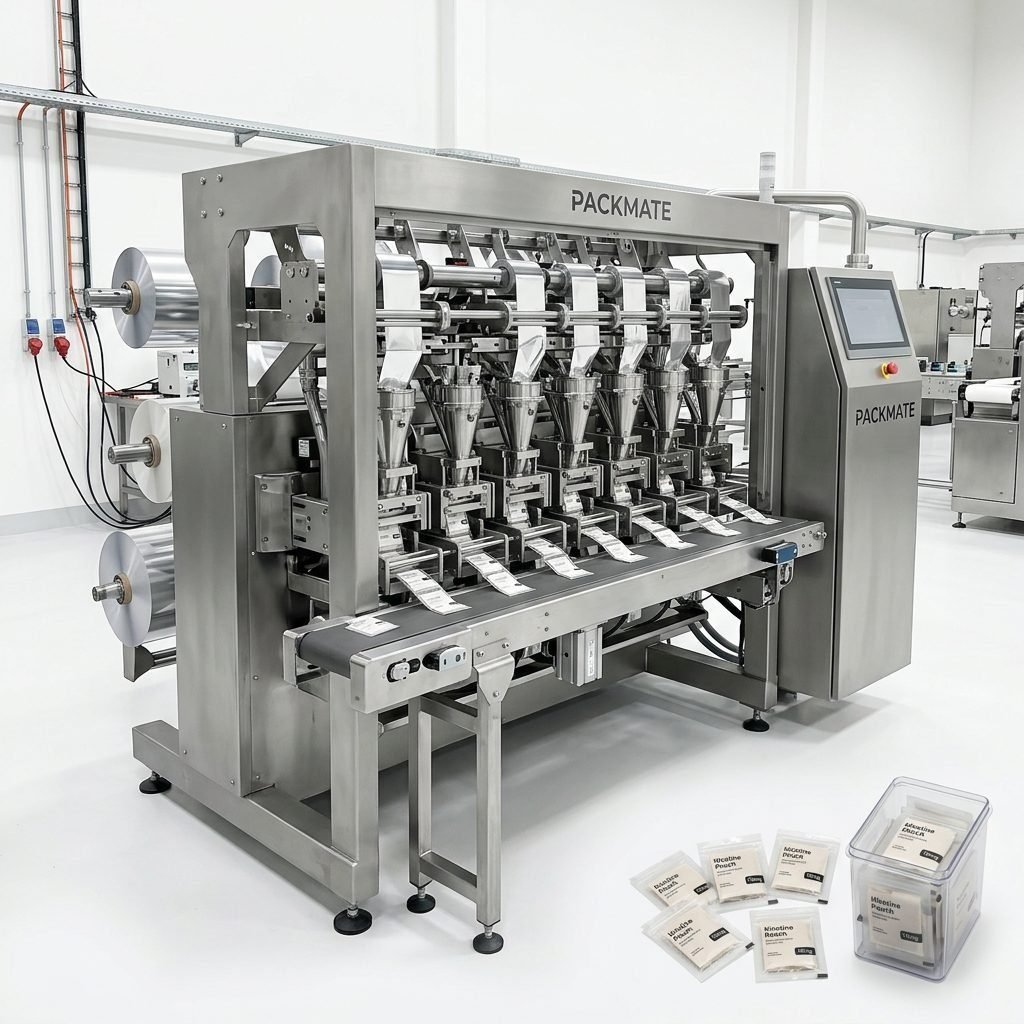
The first step is clarity on what you want to pack. Nicotine pouches and snus come in different formats—loose pouches, stick packs, sachets, multi-lane small-dose pouches—and each format demands specific machinery and upstream systems. Suppliers like Packmate specialize in multi-lane snus and nicotine packaging systems that can handle high-speed, low-dose pouch production. Review product weight ranges, pouch materials (paper, foil, laminated films), and desired pack formats before shortlisting vendors.
Quick machine categories to consider
🔶 Stick pack machines for single-dose stick formats.
🔶 Sachet and multi-lane machines for small-dose pouches and snus-style products (Sachet & Stick Pack Machines).
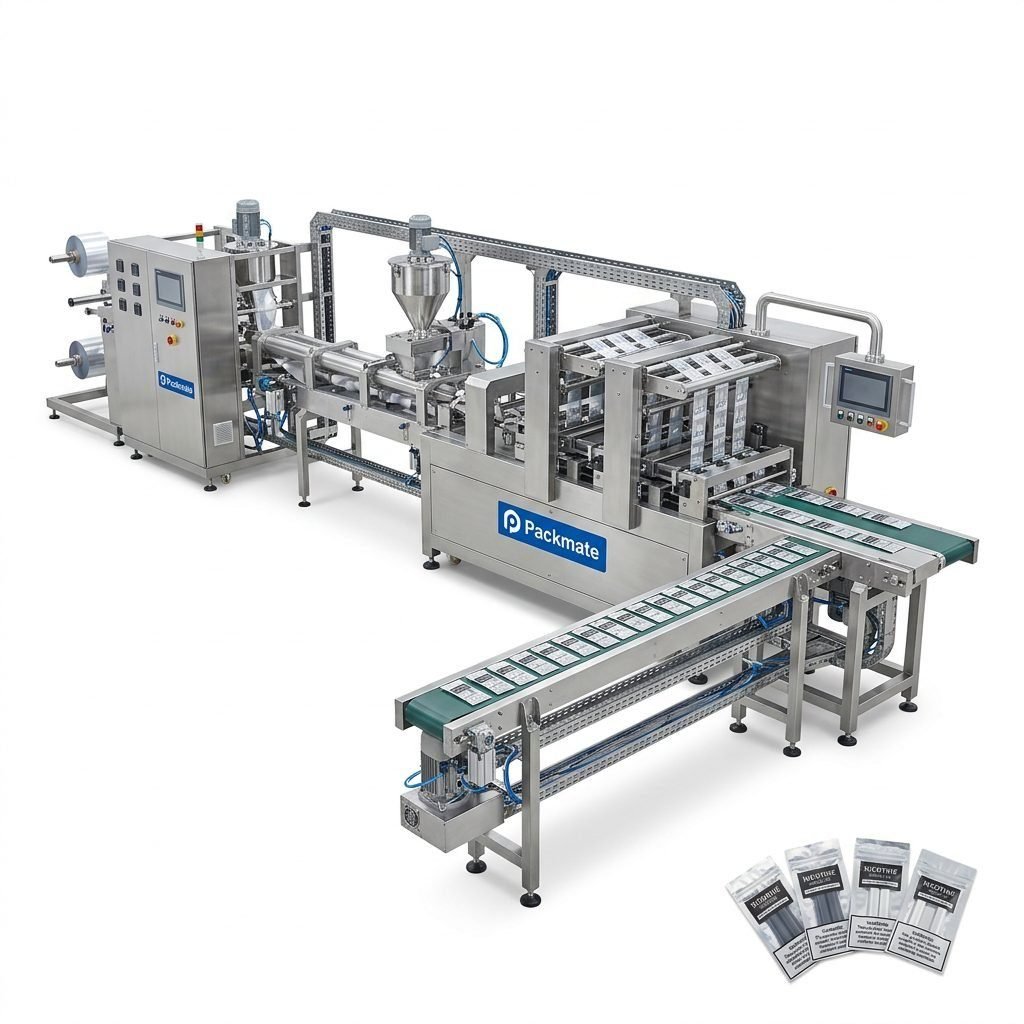
🔶 Dedicated snus & nicotine pouch lines for controlled dosing and high hygiene (Snus & Nicotine Packaging Machines).
Evaluate the Supplier’s Factory and Manufacturing Strength
A reputable supplier should operate a robust manufacturing facility, equipped with CNC machining centers, precision assembly lines, and rigorous quality control. Suppliers with a proven factory footprint—such as a 20,000㎡ plant—demonstrate capacity to produce reliable machines at scale. Ask for factory tours, machine assembly photos, or video walk-throughs during vendor evaluation.
✅ Tip: Verify certifications such as CE and ISO, and request test certificates for finished machines. These certifications indicate conformity to international safety and quality standards.
Check Experience & Product Range
An experienced supplier brings insights into solving production challenges. Companies with 20–30+ years in packaging machinery R&D and hundreds of delivered lines will likely have optimized solutions for nicotine products. Look for a broad model range and the ability to customize, including auxiliary equipment such as weighing systems and filling lines (Weighing & Packaging Systems, Filling & Packaging Lines).
Questions to ask about experience
🔶 How many nicotine pouch lines have you supplied to international markets?
🔶 Can you show case studies or references in similar regulated industries? (Case)
🔶 Do you offer turnkey production lines or just single machines?
Local South African Considerations
South Africa has unique market and operational characteristics. Understanding local labor norms, regulatory frameworks, and logistics will influence your supplier choice. For instance, the South African workforce values on-site training and clear maintenance documentation in English and, when possible, Afrikaans or other local languages. Consider suppliers who offer comprehensive on-site commissioning and operator training tailored to your team’s skill level.
Regulatory compliance in South Africa for nicotine and tobacco-related products can be strict and may require labelling, packaging material restrictions, and precise batch traceability. Choose suppliers who are experienced exporting to regulated markets and who can provide documentation and machine features supporting traceability and QA workflows.
⚠️ Important: Consider local customs such as production downtimes during national holidays, skills availability in your region, and logistical lead times for spare parts. Suppliers with global experience and regional support channels are easier to work with in South Africa.
Assess Technical Capabilities & Customization
Not every factory has identical production needs. A good supplier should offer modular machines and customization options—such as multi-lane configurations, dosing precision adjustments, and material handling integration—to match your product recipe and output targets. Packmate’s model range and custom turnkey solutions are examples of suppliers who provide tailored engineering for snus and nicotine production.
Key technical checks
🔶 Dosing accuracy and repeatability for small-dose pouches.
🔶 Changeover speed between SKUs and ease of tool-free adjustments.
🔶 Compatibility with primary and secondary packaging materials.
🔶 Integration capability with existing upstream/downstream equipment.
Evaluate After-Sales Service & Spare Parts Support
After-sales support is often the true differentiator. Machines will need commissioning, periodic maintenance, and occasional part replacements. Prefer suppliers who provide:
🔶 Clear spare parts lists and fast shipping options to South Africa.
🔶 Remote diagnostics and technical support via video calls.
🔶 On-site commissioning and operator training packages.
🔶 Service contracts and optional local agent partnerships.
Trial Runs, Factory Acceptance Tests (FAT) & Quality Validation
Insist on Factory Acceptance Tests and witness trials using your actual product or a close analogue. FATs should include speed testing, dosing accuracy reports, seal integrity, and uptime simulation under production conditions. If the supplier offers case studies or FAT videos, review them. A supplier who allows you to witness a FAT in their factory or provides detailed FAT reports shows confidence in machine performance.
Total Cost of Ownership (TCO) — Beyond the Purchase Price
Purchase price is only one component of cost. Calculate TCO by adding shipping, installation, spare parts, tooling, commissioning, training, and expected energy consumption. High-quality machines may cost more upfront but offer lower downtime and maintenance costs. Ask suppliers for realistic uptime statistics and mean time between failures (MTBF) data.
Warranty, Contracts & Legal Protections
Ensure warranties are clear and that service-level agreements define response times. Contracts should specify acceptance criteria, delivery terms (INCOTERMS), penalty clauses for missed timelines, and provisions for intellectual property. If importing from abroad, plan for customs, duties, and local certification requirements for electrical safety and machine guarding.
Logistics, Installation & Local Partnerships
Shipping large machinery into South Africa requires coordination with customs brokers, freight forwarders, and possibly local agents for assembly. Suppliers who provide logistics support, crating guidance, and direct shipping experience to South African ports will simplify the process. Consider working with vendors who can assign a local distributor or service partner for quicker response times.
Cultural & Operational Fit for South African Factories
Operationally, South African manufacturers often prefer collaborative vendor relationships built on trust and reliable communication. Suppliers who provide detailed manuals in English and offer extended on-site training during commissioning can help shorten the learning curve for local operators. Respect for local production cycles, labor practices, and seasonal impacts will make the supplier a better long-term partner.
Practical Selection Checklist
Use this practical checklist when comparing suppliers:
✅ Proven factory and CNC capabilities.
✅ CE/ISO certifications and FAT documentation.
✅ Demonstrated experience in nicotine/snus packaging and turnkey lines.
✅ Spare parts availability and reasonable lead times to South Africa.
✅ Clear warranty, installation, and training offers.
✅ Local support options or a partner network.
✅ Transparent TCO with energy and maintenance estimates.
How to Run Supplier Comparisons
Create a simple scorecard weighted to your priorities (accuracy, uptime, service response time, price, customization). Have each supplier demonstrate an equivalent machine or provide verified FAT data. If possible, visit the supplier’s factory or an installed reference line to observe performance under real operating conditions.
Why Choose a Turnkey Partner?
Turnkey suppliers reduce integration risk by delivering harmonized systems—from feeding and dosing to packaging and case packing. They often provide commissioning, operator training, and post-sale support, which is especially valuable when entering regulated markets like nicotine products in South Africa. For turnkey solutions and modular systems, review the supplier’s full product portfolio and services page (About Packmate).
Final Steps Before Placing an Order
Make sure you have:
🔶 Signed FAT acceptance criteria and test protocols.
🔶 Agreed delivery schedule, installation timeline, and training plan.
🔶 Clear spare parts list and lead times to South African ports.
🔶 Warranty and service-level agreement with escalation paths.
🔶 Contact details for technical support and local representation (Contact Us).
Summary: Selecting the Best Supplier
Selecting the best nicotine packaging machinery supplier for your South African factory involves balancing technical fit, manufacturing quality, local support, and long-term serviceability. Prioritize suppliers who demonstrate a strong factory presence, certifications, tailored customization capabilities, and clear after-sales plans. Look for vendors experienced in snus and nicotine lines who can offer FATs and turnkey solutions that adapt to South African operational realities.
Common Questions
Q1: How long does it take to install and commission a multi-lane nicotine pouch line in South Africa?
A1: Typical installation and commissioning can take 4–8 weeks depending on line complexity, site readiness, and customs clearance. Turnkey suppliers often provide detailed schedules during contract negotiation.
Q2: What spare parts should I stock locally for continuous operation?
A2: Prioritize wear parts such as seals, belts, sensors, cutting blades, and critical electronic components. Suppliers usually provide a recommended spare parts kit and lead-time estimates for replenishment.
Q3: Are there local service agents in South Africa for major international suppliers?
A3: Many global suppliers partner with local agents; always ask for local contacts or authorized service partners to ensure faster on-site support.
Q4: How important is FAT witnessing and what should I expect?
A4: FAT witnessing is critical. Expect speed tests, dosing accuracy reports, sealing and packaging integrity tests, and video documentation. A supplier should allow you to approve machine performance before shipment.
Q5: Where can I find more details about product ranges and certifications?
A5: Visit the supplier’s product and certification pages for technical specifications, certifications, and exhibition history to validate credibility (Certificate, Our Exhibition).