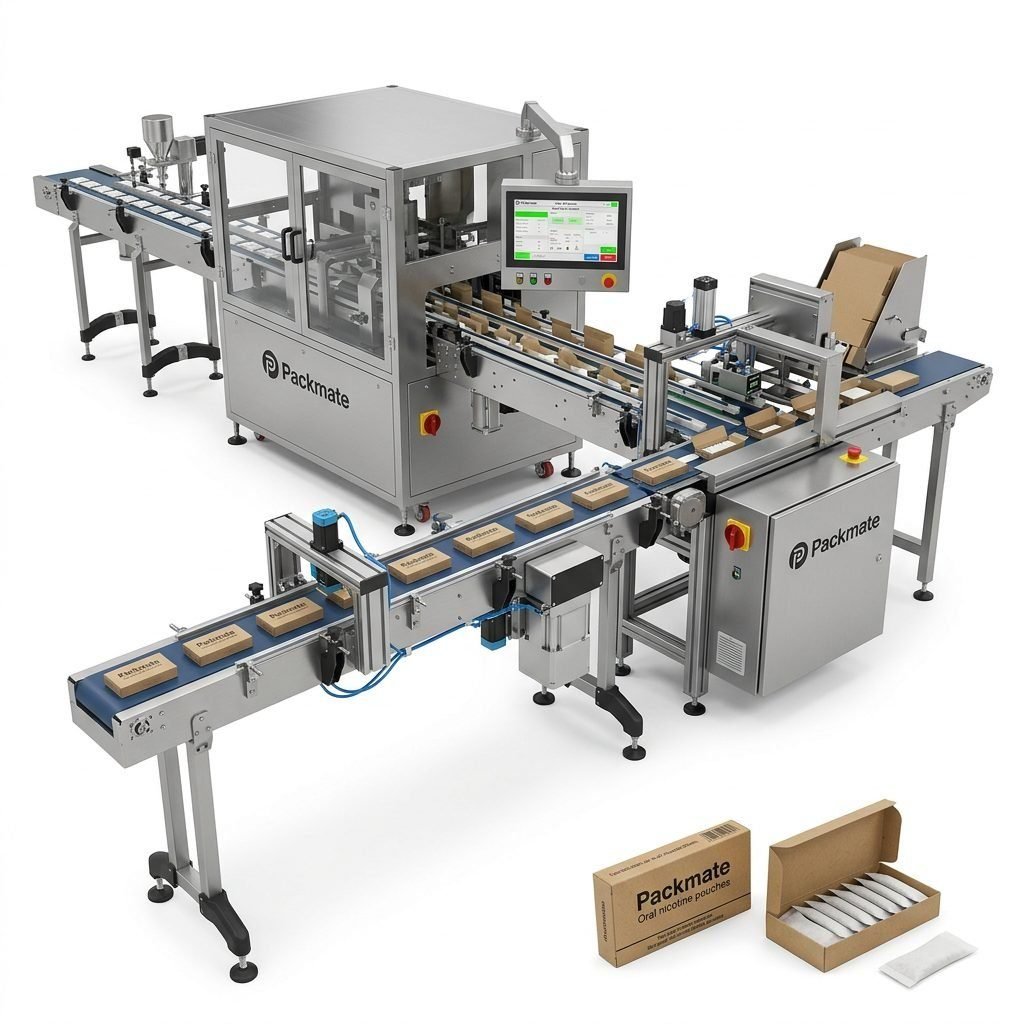
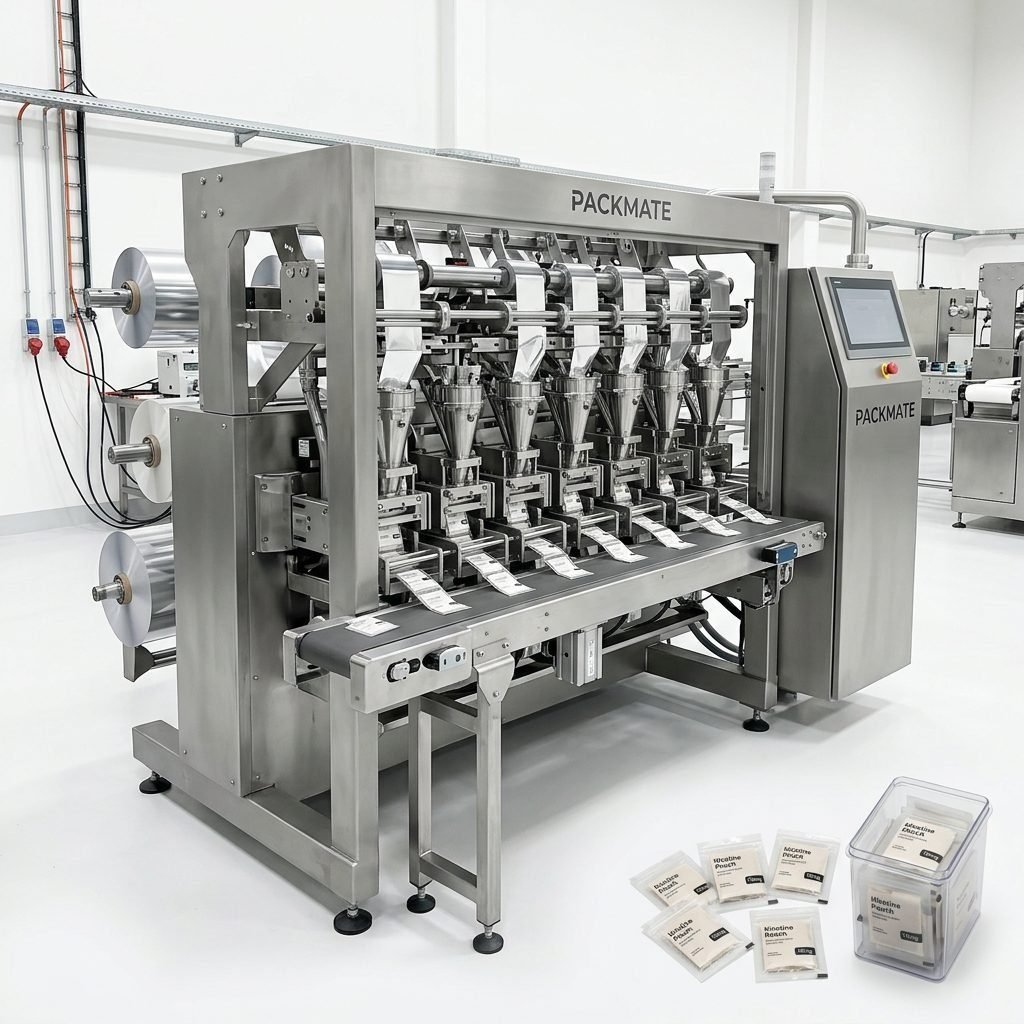
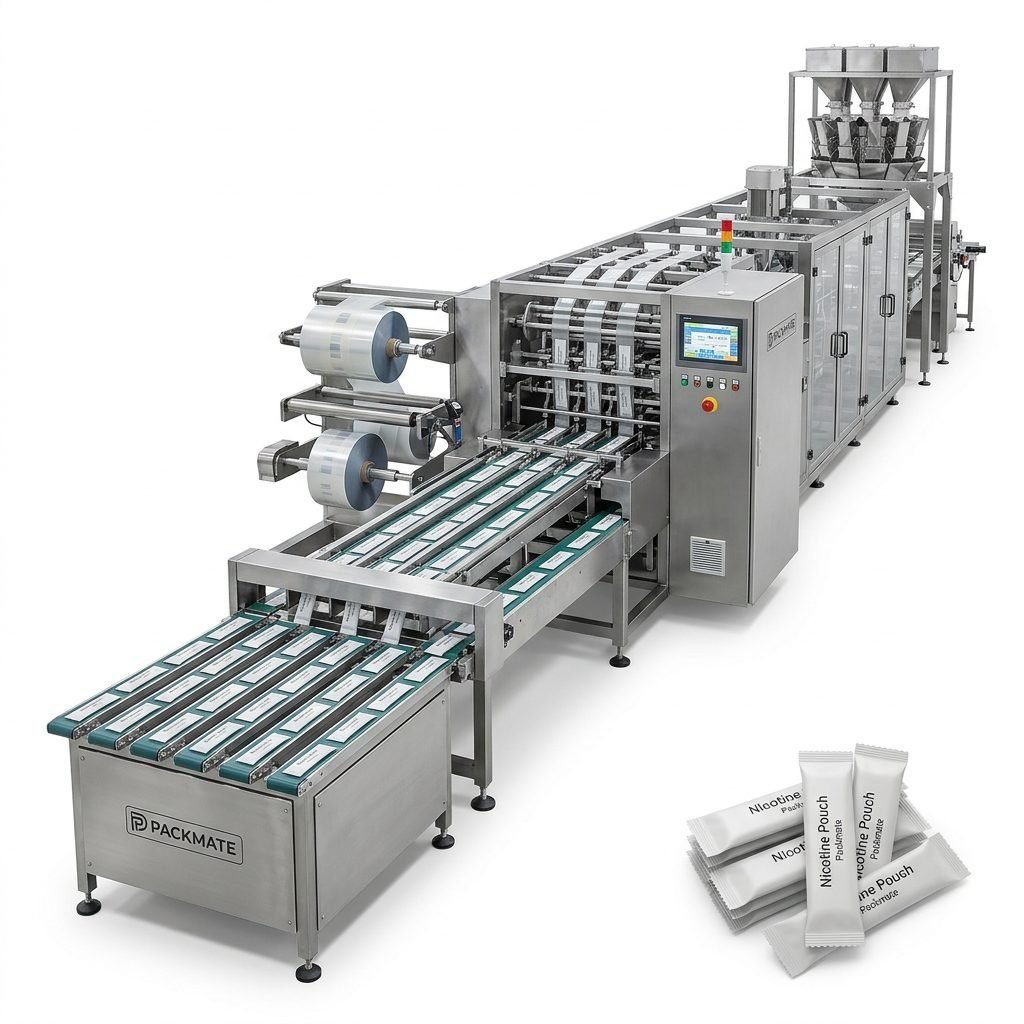
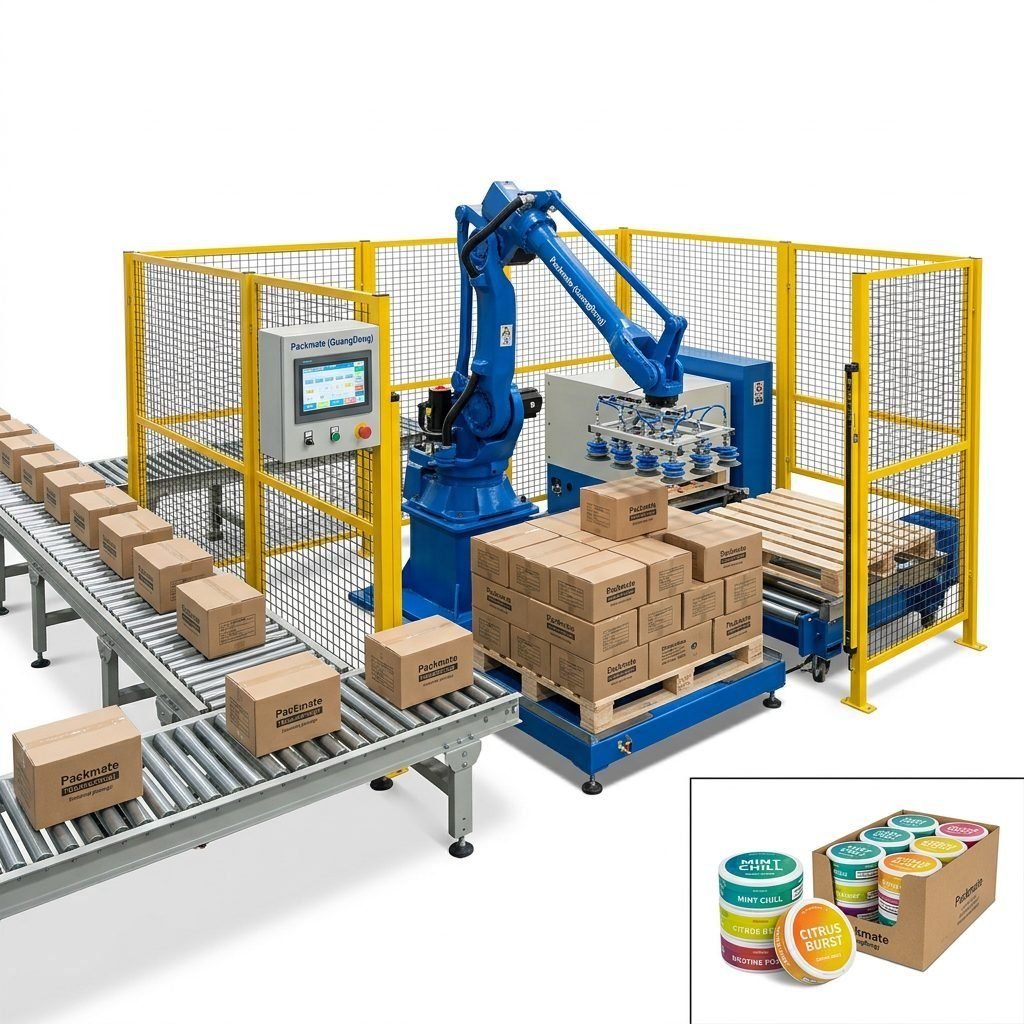
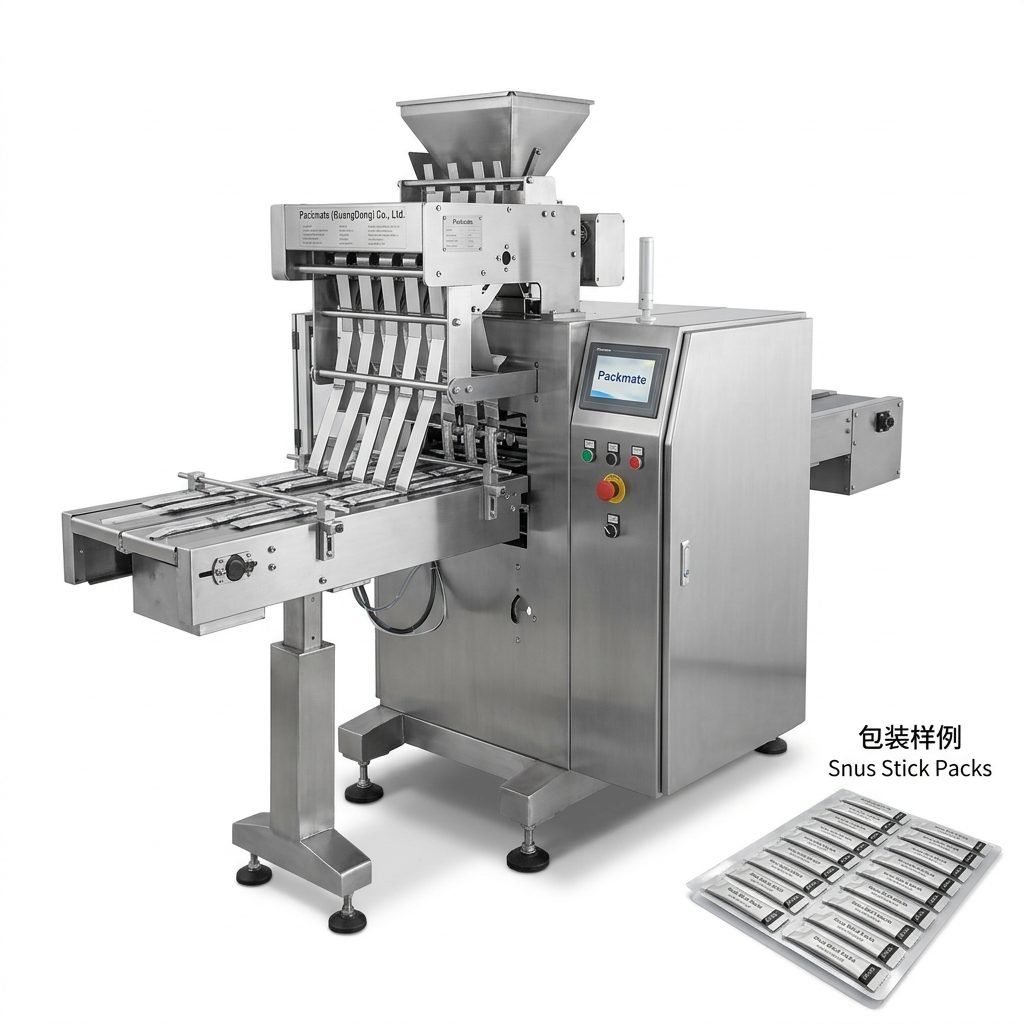
Entering or expanding in Sudan’s nicotine pouch and snus market requires more than choosing a machine — it demands a trusted packaging machinery partner who understands local logistics, regulatory nuances, and the everyday realities of Sudanese production environments. This guide will walk you through how to evaluate and select the best nicotine packaging machinery supplier for your Sudan-based business, from technical requirements to post-sale support and cultural considerations that affect operations.
Understand Your Product and Production Goals
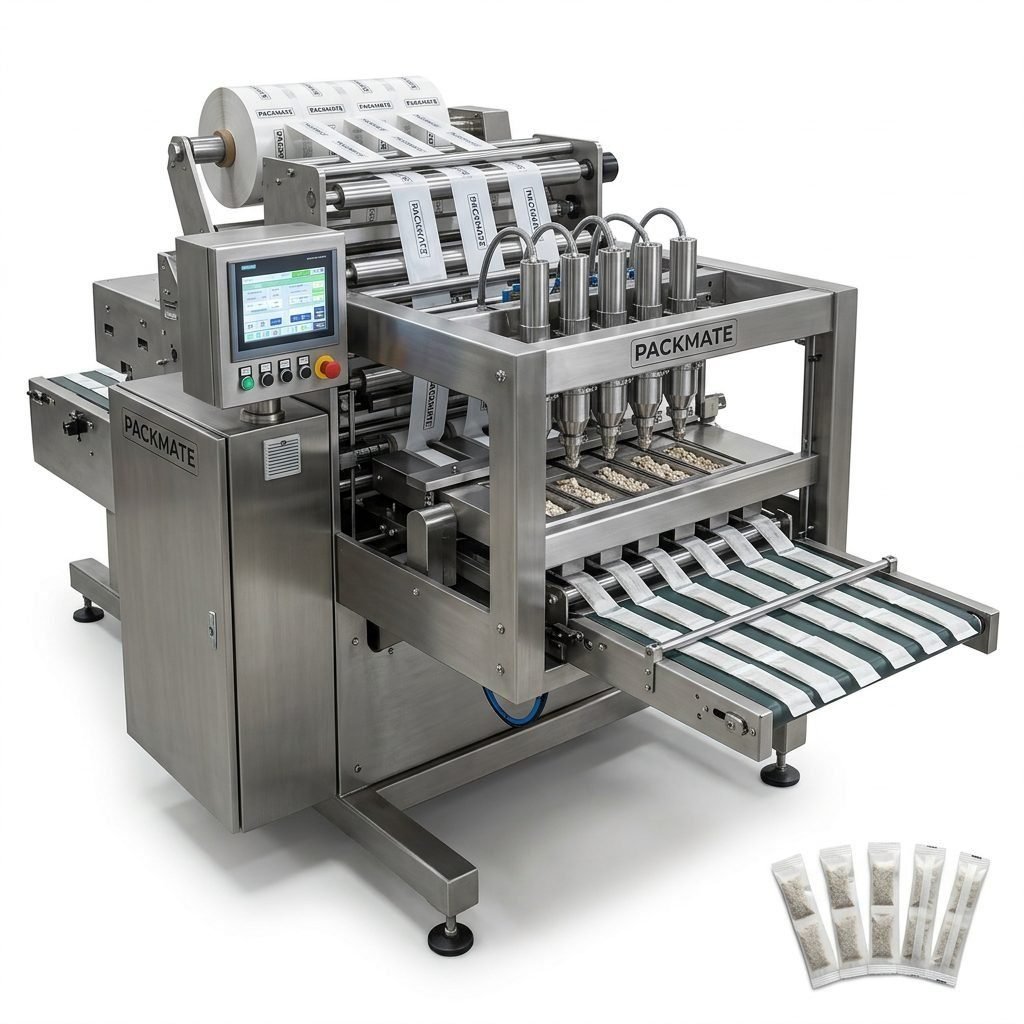
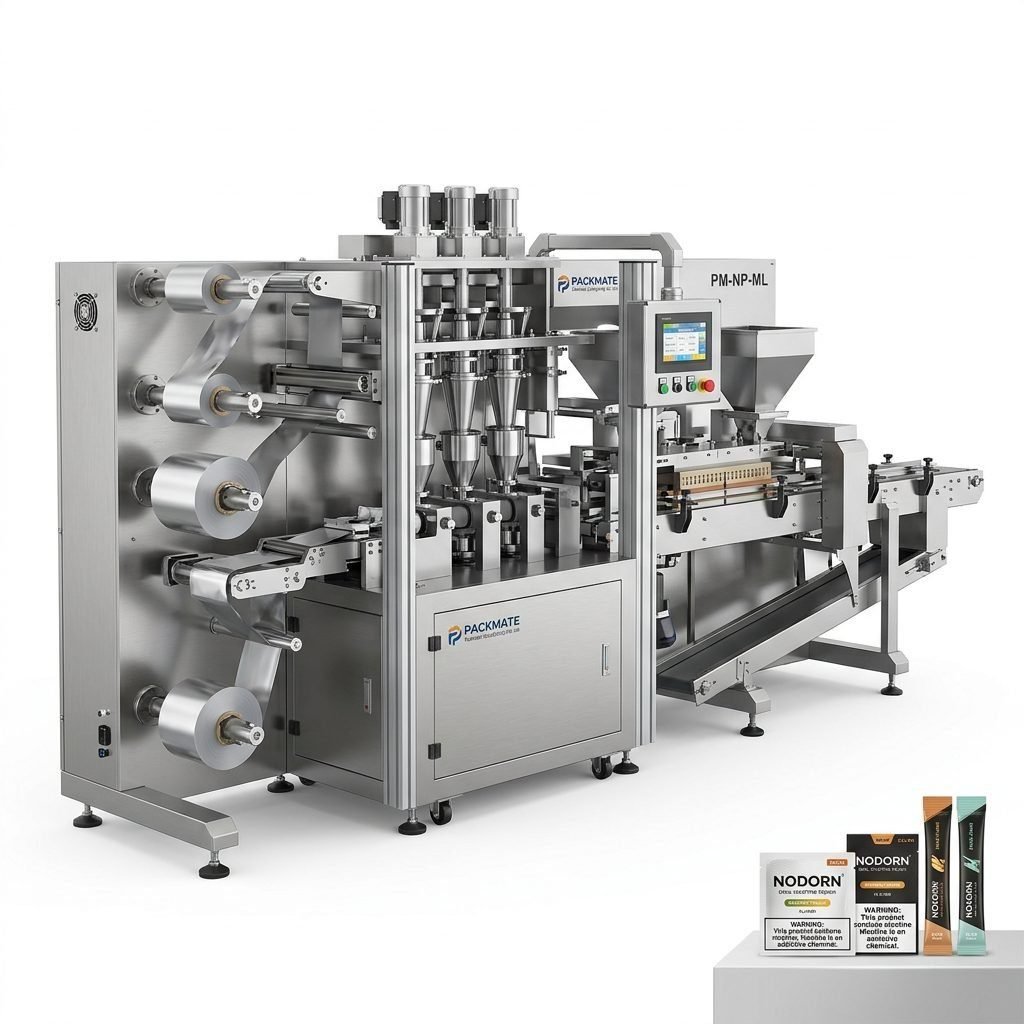
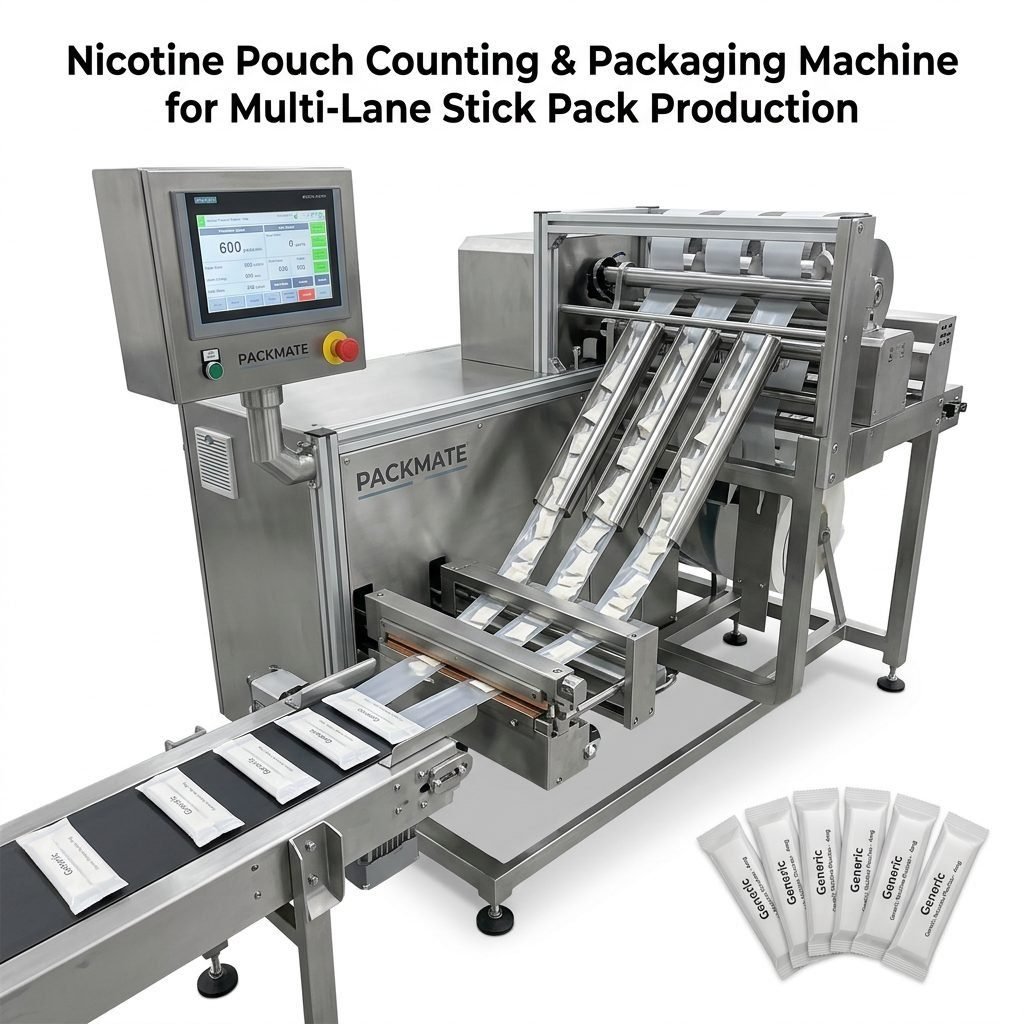
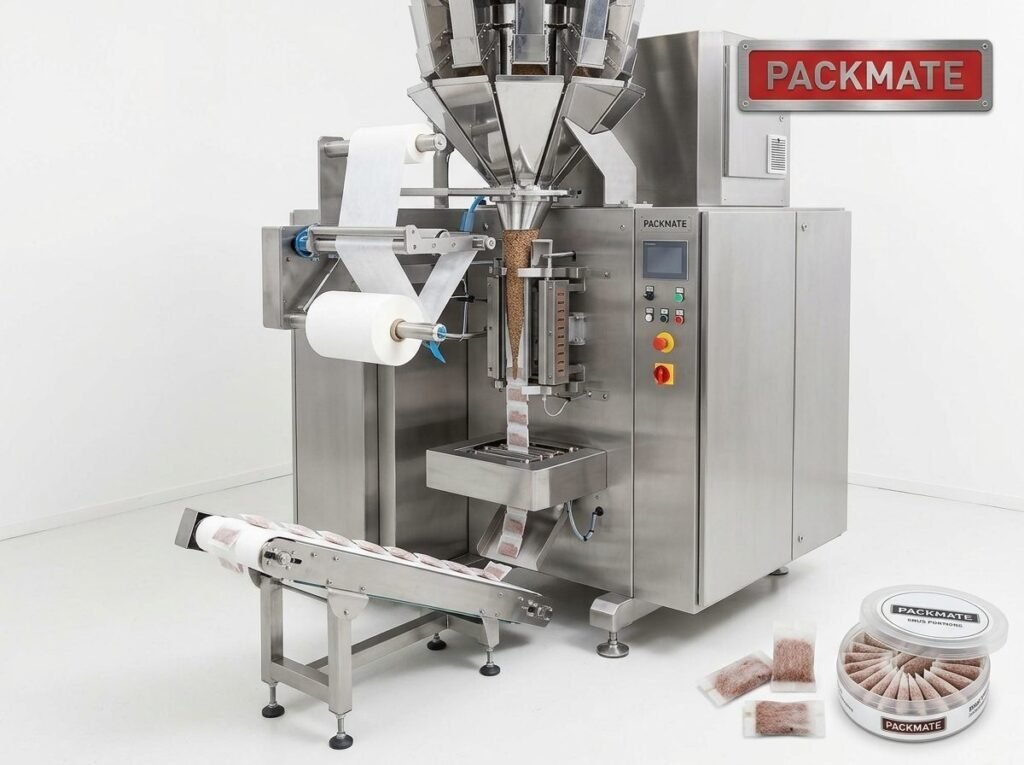
Start by clearly defining what you plan to produce: nicotine pouches, snus, stick packs, sachets, or multi-lane small-dose pouches. Different formats require different equipment families — for example, multi-lane snus lines for small-dose pouches need precise dosing and high-speed sealing technology, while stick pack or sachet machines are better for single-serve formats. Match your desired daily output and flexibility (one product vs. multiple SKUs) with machine throughput and modularity.
Key technical factors to specify
• Target pieces per minute and shifts per day.
• Pouch sizes, materials, and barrier requirements to preserve freshness in Sudan’s warm climate.
• Dosing tolerance for nicotine content and fill accuracy (critical for regulation).
• Integration needs — do you need allied equipment like feeders, weighers, or cartoners?
Tip: If you are producing nicotine pouches for export or varied local tastes, choose machines that can be reconfigured quickly to handle different pouch sizes and materials.
Evaluate the Manufacturer’s Experience and Capabilities
Proven experience is vital. Look for suppliers with long-term R&D, large manufacturing facilities, and multiple machine models covering the types you need. A supplier boasting over 30 years in packaging engineering and a sizable factory indicates stability, product maturity, and production capacity to supply and support you.
What to check in a supplier’s profile
• Years of industry experience and development history.
• Range of available models and the ability to deliver turnkey solutions.
• Production facility scale, CNC and precision assembly capability.
• International certifications such as CE and ISO for reliability and export acceptance.
Supplier example: A manufacturer that provides full lines — from filling and weighing to pouch forming and auxiliary equipment — greatly simplifies procurement and integration. Explore product lines like Snus & Nicotine Packaging Machines and Sachet & Stick Pack Machines when assessing options.
Assess Local Suitability: Power, Climate & Materials
Sudan’s climate is generally hot and can be dusty in many regions. Machines that operate reliably in high temperatures and can be adapted with extra filtration, sealed control cabinets, or humidity-resistant components will reduce downtime and maintenance burden.
Electrical and environmental considerations
• Verify machine voltage and phase compatibility with local power supplies; request options for local power standards.
• Ask about cooling and ventilation for high-speed servo systems and PLCs.
• Request dust-proofing measures for sensitive components and sealing areas.
• Ensure the supplier can advise on suitable packaging films that resist heat and humidity to maintain nicotine pouch quality during storage and local transport.
Quality, Certifications and Compliance
Regulatory compliance and product safety are critical. Even if Sudan’s local regulations differ, international certifications mean machines meet global safety and environmental standards.
Look for CE and ISO certification evidence, machine-level documentation, wiring diagrams, and a clear list of supplied spare parts. These documents smooth customs clearance at Port Sudan and help local technicians maintain the equipment.
After-Sales Service, Training & Spare Parts
After-sales support is often the deciding factor. Choose a supplier who offers installation supervision, commissioning, operator training, and prompt spare parts supply. For businesses in Sudan, responsiveness and remote troubleshooting are particularly valuable when physical service visits can take time.
Must-have service items: commissioning at site (or virtual commissioning), multi-day training for operators and maintenance staff, spare parts kit for first 12 months, and documented maintenance schedules.
Verify Real-World Performance: References and Case Studies
Ask for case studies and reference customers in similar climates or markets. A supplier that shares production success stories, examples of turnkey lines, or global exhibition demos is more likely to deliver predictable results. Review examples and machine demonstrations either in-person or via video link.
See real cases and line examples to compare claimed speeds and actual outputs: Case.
Logistics, Import & Local Partnerships in Sudan
Plan logistics early. Major import routes to Sudan often use Port Sudan for seaborne cargo. Ensure the supplier provides complete documentation — packing lists, certificates of origin, CE/ISO copies, and machine manuals. Work with a local customs broker familiar with machinery imports to avoid delays and unexpected duties.
Local partnership strategies
• Consider appointing a local agent for spare parts and first-line support.
• Train a core in-house maintenance team to reduce dependency.
• Build relationships with local electrical and mechanical contractors for installation and modifications.
Commercial Terms: Pricing, Payment & Lead Times
Compare total cost of ownership — not just the purchase price. Include installation, training, spare parts, expected uptime, energy consumption, and potential productivity gains. Negotiate clear lead times, payment milestones, warranty terms, and penalties for delayed delivery when possible.
Request transparent terms about warranty coverage and the estimated timeline for spare parts shipments to Sudan. For many buyers, a partial upfront payment followed by milestones tied to factory acceptance tests is common.
Factory Acceptance Tests (FAT) and Site Acceptance Tests (SAT)
Insist on a Factory Acceptance Test (FAT) before shipment to verify performance under real conditions. FAT reports should document speed, accuracy, sealing quality, and sample outputs. After installation, perform a Site Acceptance Test (SAT) with the supplier present to verify machine integration and final performance.
Cultural and Business Etiquette in Sudan
Business in Sudan is relationship-driven. Respectful communication, patience, and awareness of religious practices are important. During Ramadan, expect shorter operating hours and slower response times; Friday prayers are a central weekly observance. Offering flexible scheduling for training and installation around these periods helps build goodwill.
Negotiating and visiting suppliers
• Schedule virtual or in-person visits; factory tours strengthen trust.
• Confirm language support for manuals and training — Arabic and English materials are helpful.
• Clarify after-sales communication channels and response times.
Integration with Auxiliary Equipment and Full Lines
If you need a complete production line, prioritize suppliers who offer a suite of compatible equipment — from weighing & packaging systems to filling lines and auxiliary devices. Integrated suppliers simplify handoffs between machines and improve guarantee coverage for overall line performance.
Explore related solutions like weighing systems and filling lines to ensure smooth material flow: Weighing & Packaging Systems and Filling & Packaging Lines.
Checklist before signing: FAT video, spare parts list, training plan, warranty and service SLA, documentation in English (and Arabic if possible), and shipping schedule with customs paperwork.
How to Start the Supplier Evaluation Process
1) Create a technical specification sheet for your intended products.
2) Shortlist manufacturers that match product scope and have credible references.
3) Request quotations including optional accessories and spare parts kits.
4) Arrange FATs, remote demonstrations, and reference checks.
5) Agree payment terms and draw up a clear contract with performance milestones.
Why Choose an Established Packaging Partner
Choosing an established supplier reduces risk. Experienced manufacturers deliver mature designs that operate reliably under real-world stresses and provide continuous technical support. They also have proven supply chains for spare parts and consumables, easing operational continuity for businesses in Sudan.
For detailed company information, product families, and contact options, review the supplier’s profile and reach out directly: About Packmate and Contact Us.
Final Recommendations
– Prioritize suppliers with proven multi-lane snus and small-dose pouch experience.
– Ensure the machine design suits hot, dusty environments and local power specifications.
– Demand FATs and clear spare parts policies.
– Build local technical capacity and a spare-parts inventory.
– Respect local business culture and plan around major religious observances.
Frequently Asked Questions
Q1: How long does it typically take from order to delivery for a turnkey snus packaging line?
A1: Delivery depends on customization, model, and current production load. Typical lead times range from 12 to 20 weeks, including FAT and shipping. Plan extra time for customs clearance at Port Sudan and on-site commissioning.
Q2: What warranties and post-sale support should I insist on?
A2: Standard expectations include a 12-month mechanical/electrical warranty, remote troubleshooting, commissioning support, and a spare-parts kit for the first year. Negotiate response times for critical parts and technical support.
Q3: Can machines be adapted for local power and environmental conditions?
A3: Yes. Reputable suppliers provide options for voltage/phase adjustments, enhanced sealing and filtration, and upgraded control protection for harsh climates. Confirm these options in the quotation.
Q4: Is it feasible to get training and manuals in Arabic?
A4: Many established suppliers can provide English manuals and may offer Arabic translations or bilingual training. Ask for language support ahead of time to ensure effective operator training.
Q5: How important is choosing a supplier that offers complete lines vs. single machines?
A5: Buying from a supplier that can deliver integrated lines reduces integration risk, accelerates commissioning, and simplifies warranty and service coverage. If you opt for single machines, ensure compatibility and clear responsibility for system integration.