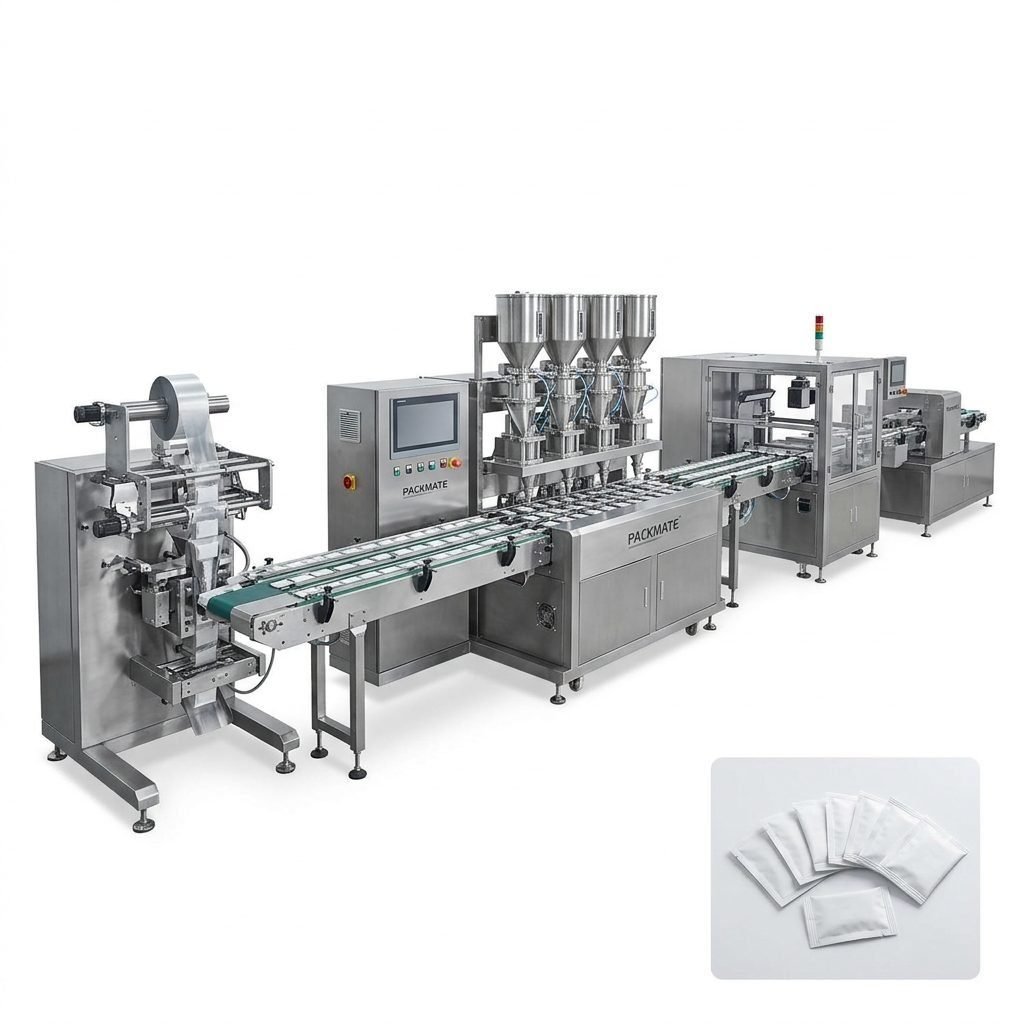
Choosing the right nicotine packaging machinery supplier for your factory in Rwanda is a critical business decision that affects product quality, regulatory compliance, production efficiency, and your long-term competitiveness. Whether you plan to produce nicotine pouches, snus, sachets, stick-packs, or multi-lane products, the supplier you pick must meet technical, logistical, and cultural expectations unique to the Rwandan market. This guide walks you through practical steps, local considerations, and evaluation criteria so your factory makes a confident, well-informed purchase.
Understand Rwanda’s Market and Regulatory Landscape
Rwanda has a dynamic regulatory environment and a growing demand for modern packaged consumer goods. It is important to learn local laws and standards for nicotine products, which may fall under health, tobacco, or consumer safety regulations. Most business is conducted in English, Kinyarwanda and French, and labeling rules often require clear language options. Before committing to equipment, confirm how the chosen machinery supports compliant labeling, batch traceability, and hygienic production to meet Rwanda’s import and distribution requirements.
Key local points to research
➤ Confirm licensing and permits required by Rwanda’s regulatory authorities for nicotine and snus products.
➤ Understand import duties, VAT treatment, and any incentives for local manufacturing offered by the Rwanda Development Board.
➤ Gauge local consumer preferences—single-dose sachets, resealable pouches, or multi-pack formats—and ensure your supplier can deliver machines that produce those formats.
Match Machine Types to Your Product Strategy
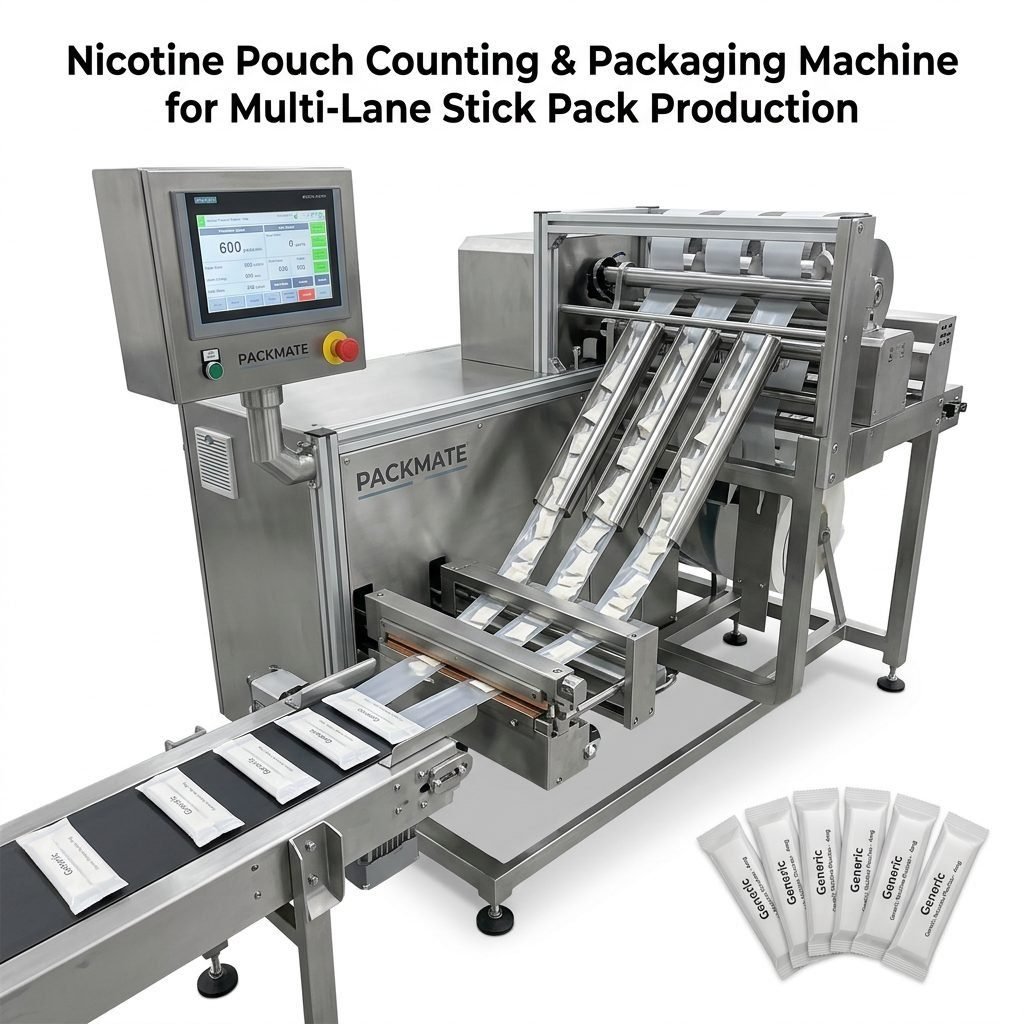
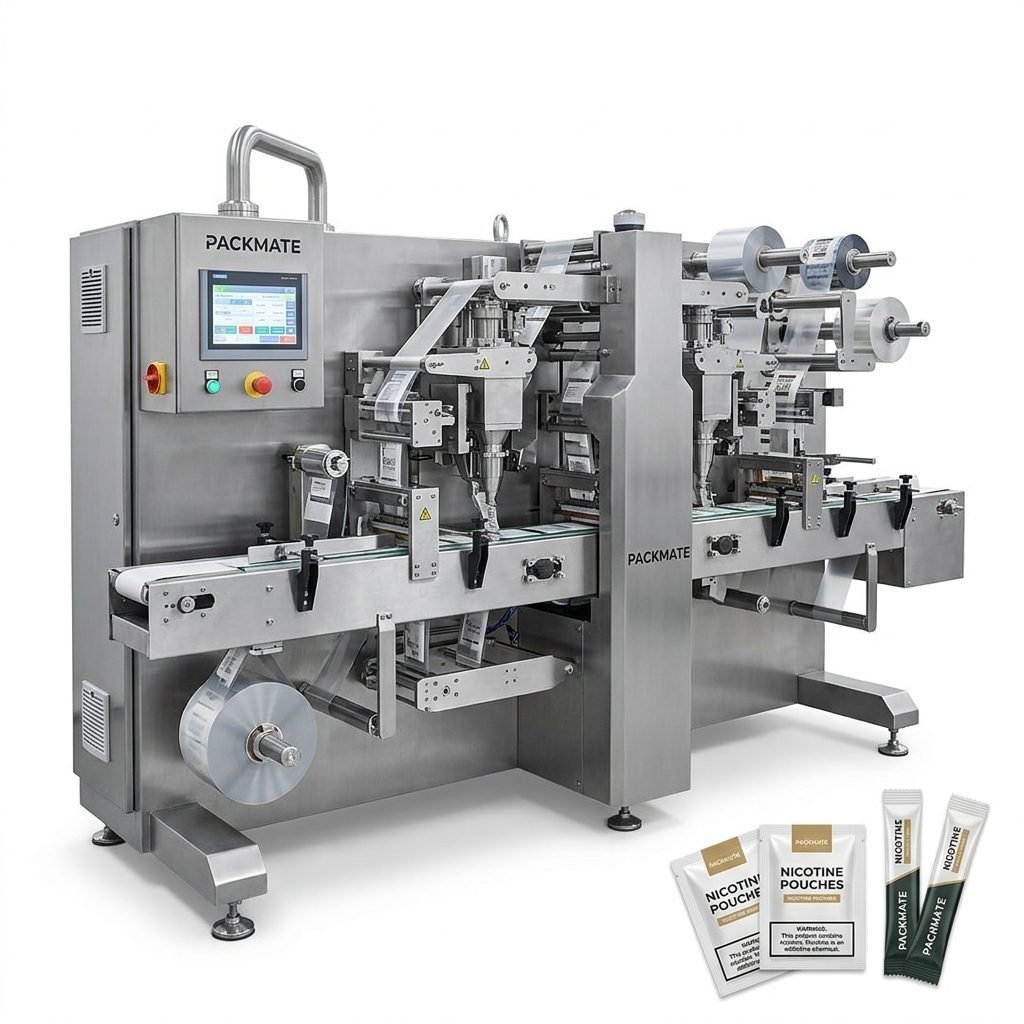
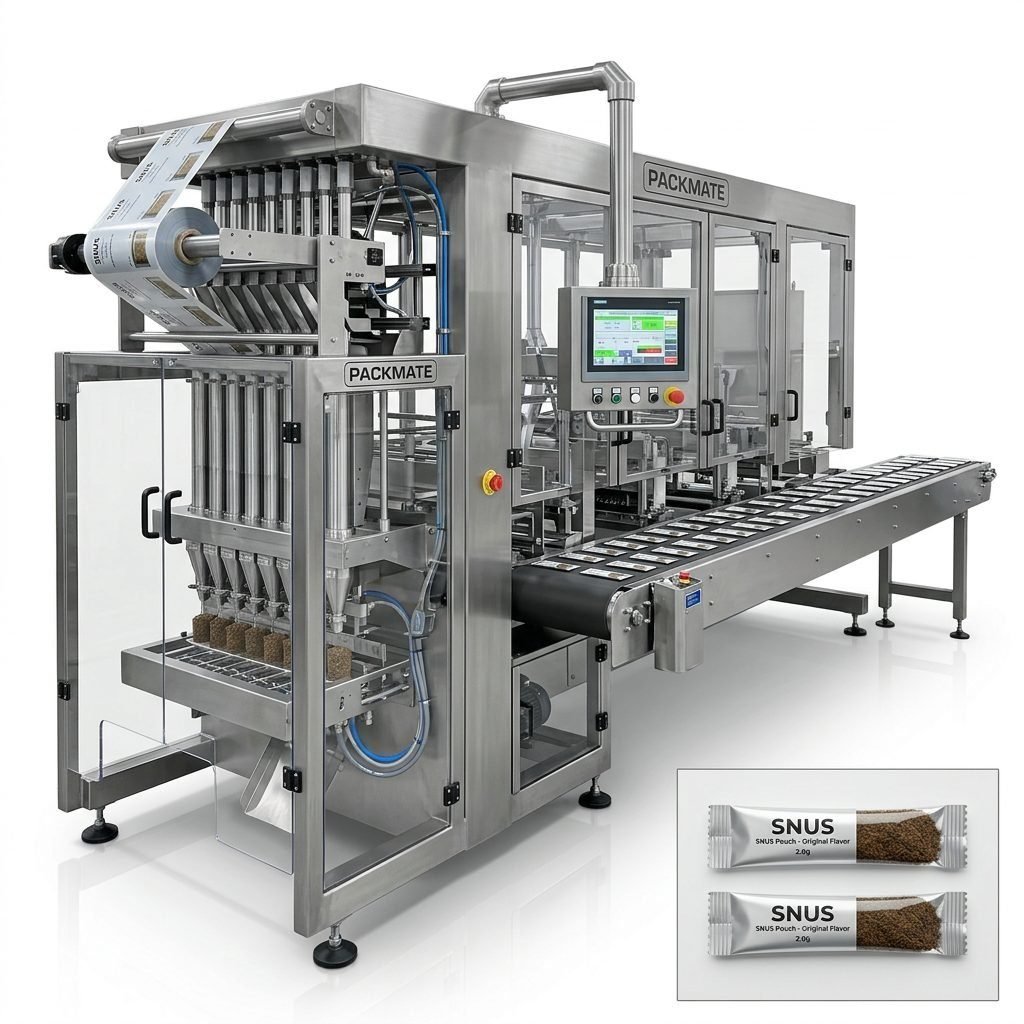
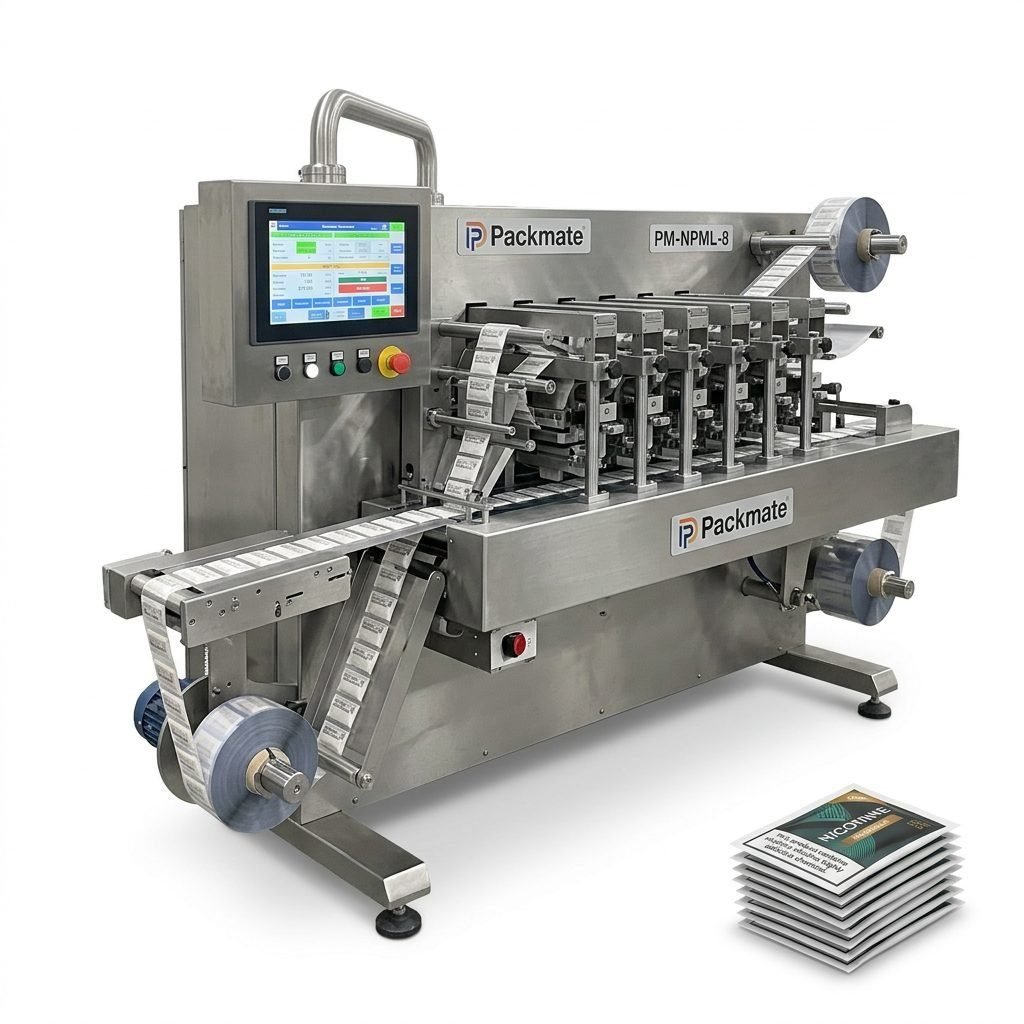
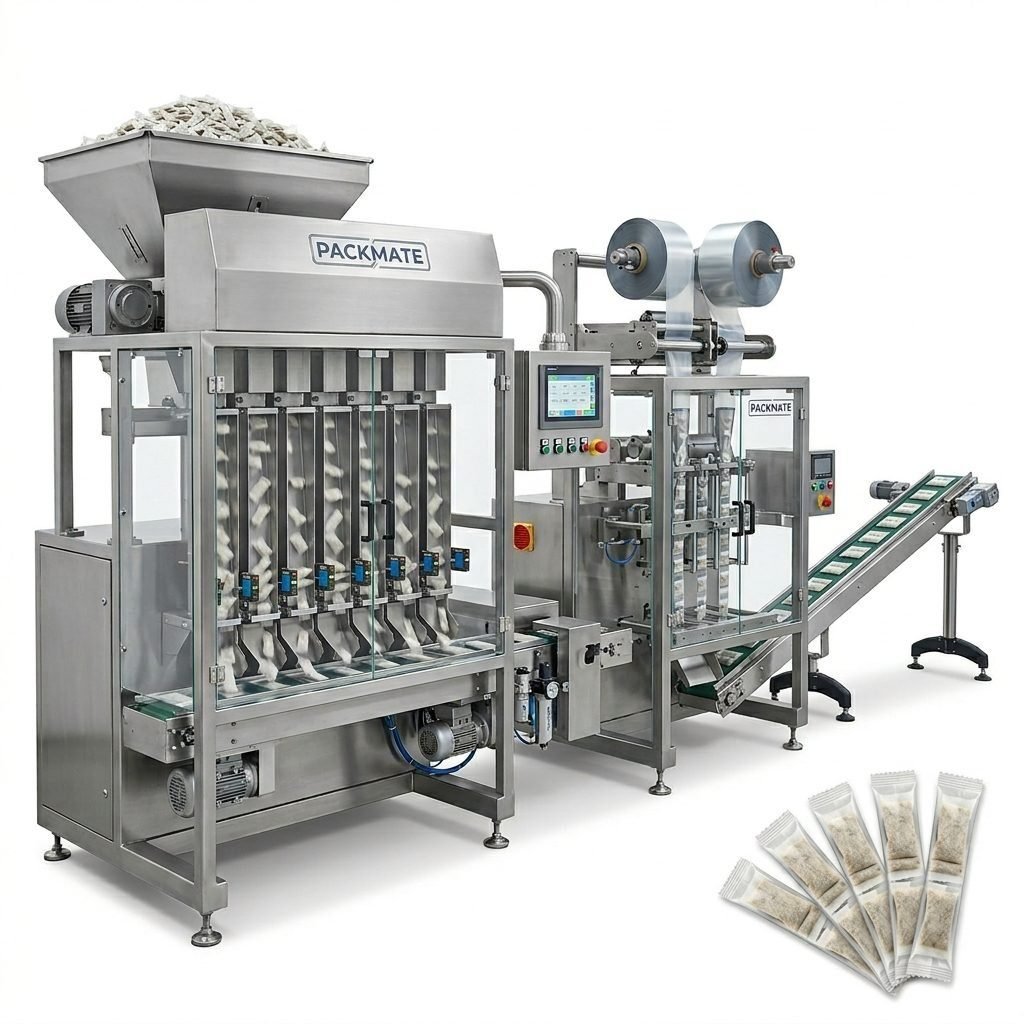
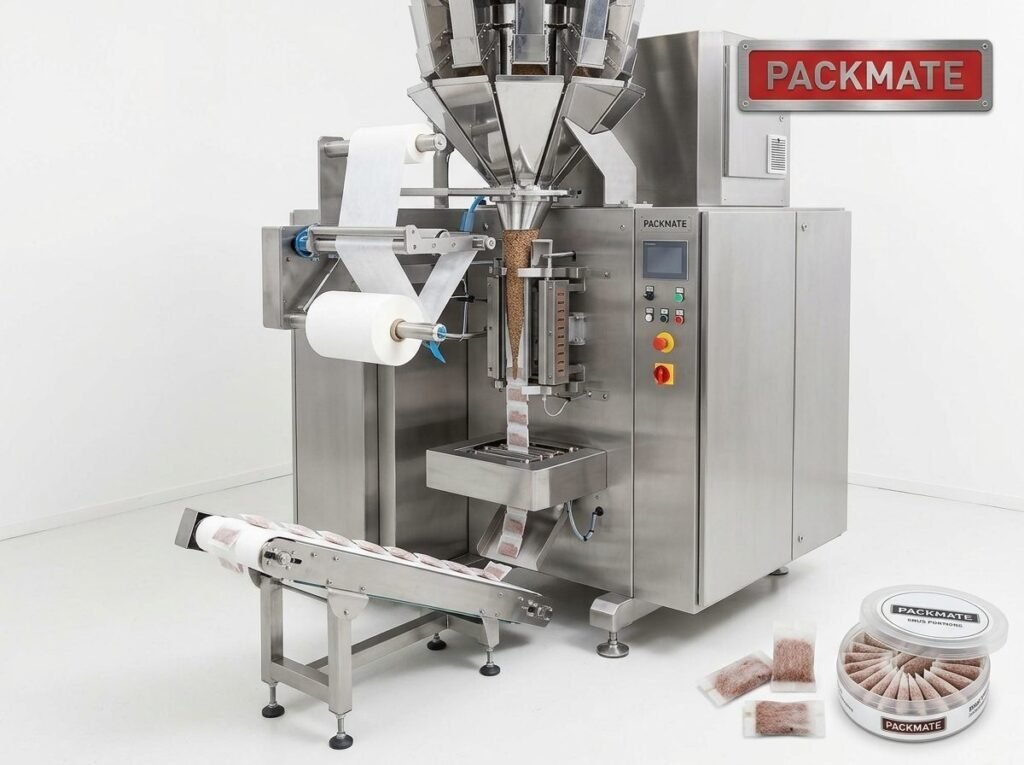
Different production strategies require different equipment. Decide whether your factory will focus on single-lane simplicity or high-throughput multi-lane systems. Typical machine families include snus & nicotine pouch packaging machines, bag & pouch packaging machines, and sachet & stick pack machines. Review the supplier’s portfolio and request demonstration videos or references for the exact model you plan to buy. Packmate’s product pages are useful references for machine categories to consider: Snus & Nicotine Packaging Machines, Bag & Pouch Packaging Machines, and Sachet & Stick Pack Machines.
Important: For Rwanda, prioritize machines that offer flexibility in format changeovers and simple controls in English/French to reduce operator training time. Multi-lane systems increase output but require higher maintenance discipline and stable utilities.
Evaluate Technical Specifications and Performance
Technical fit is not just about speed. Evaluate the machine’s accuracy, uptime, materials compatibility (pouches, foils, laminates), and sanitary design. Check whether the machines support integrated weighing and dosing systems for small-dose nicotine pouches, which preserve portion accuracy and minimize waste. Ask for factory acceptance testing (FAT) and a video demonstration under loads similar to your planned production.
Checklist you should request
✓ Typical and maximum output rates for your product format.
✓ Tolerance and accuracy for dosing and fill weights.
✓ Material compatibility, sealing types, and required pre-treatment for substrates.
✓ Availability of spare parts and common wear items delivered to Rwanda.
Certifications, Quality Control and Testing
Machines compliant with international standards such as CE and ISO provide a baseline of safety and manufacturing quality. Request certificates and independent test reports. A reliable supplier should offer structured quality control documentation, FAT reports, and the ability to run acceptance trials with your materials. Packmate highlights CE and ISO compliance which can streamline local approvals.
After-Sales Service, Spare Parts and Local Support
In Rwanda, timely technical support and spare parts availability can make or break production. Verify if the supplier offers:
➤ Remote diagnostics and training in English/French/Kinyarwanda-friendly terms.
➤ Fast shipping options for critical spares, and a recommended local partner or service agent.
➤ A spare parts kit and recommended preventive maintenance schedule tailored to Rwanda’s environment (humidity, dust levels, power stability).
Tip: Ask for references from suppliers who have installed machines in Africa or similar emerging markets. Demonstrated experience in supporting startups in the region is a strong advantage.
Logistics, Importation and Local Partnerships
Rwanda’s strategic location in East Africa means freight routes via Mombasa or Dar es Salaam, or direct air cargo for urgent parts. Understand CIF/DDP terms and customs clearance processes. A supplier who coordinates shipping documentation, advises on duties, and suggests accredited freight forwarders will reduce lead times and risks.
Building a local partner or distributor relationship in Rwanda can help with installation, operator training, and regulatory paperwork. Strong local ties also align with Rwandan business culture where trust and relationship-building are essential.
Factory Layout, Utilities and Power Considerations
When planning for new machinery, match equipment footprints to your existing factory layout. In Rwanda, consider power reliability—investigate whether your site requires voltage stabilizers, UPS systems, or backup generators. Ask suppliers for machine electrical specifications and average power draw. Machines with modular design and easy access panels simplify maintenance tasks in facilities with limited workshop space.
Electrical & environmental safeguards
➤ Confirm operating voltage ranges and whether the supplier supplies transformer or frequency adaptation.
➤ Check for IP ratings for dust and moisture protection if your factory has higher environmental exposure.
Customization, Software and Language Support
Your supplier should be willing to customize HMI screens, print modules, and labeling workflows to reflect Rwandan language needs—English and Kinyarwanda are common. Look for machines with intuitive software, offline recipe storage for different SKUs, and remote firmware update capability. Suppliers who offer modular auxiliary equipment like weighing systems and sealing modules provide a better long-term fit. See Packmate’s integrated solutions at Weighing & Packaging Systems and Filling & Packaging Lines.
Cost, Financing Options and Total Cost of Ownership
Price is important but always analyze the total cost of ownership (TCO). Include installation, training, spare parts, expected downtime, and energy use. Ask the supplier for case studies that reveal real-world running costs. Some manufacturers assist with financing or leasing options—investigate whether the supplier or a local bank has experience financing industrial equipment in Rwanda.
Factory Visit, Commissioning and Training
Arrange a factory visit to the supplier’s production site if possible, or insist on a detailed virtual FAT and live demonstration with your materials. Commissioning should include on-site calibration, validation runs and operator training. Training packages that include a written manual in English and hands-on sessions will improve uptime and safety once the machine is in Rwanda.
Sustainability, Waste Management and Corporate Responsibility
Rwandan consumers and authorities increasingly value sustainability. Choose machines that minimize material waste, support efficient use of films and pouches, and generate minimal emissions. Suppliers who can advise on recyclable packaging solutions or offer waste reduction technologies deliver long-term brand advantages.
Local culture note: In Rwanda, punctuality, clear communication, and respect for local authority structures are highly regarded. When negotiating, show preparedness with clear technical requirements and an understanding of local business customs to build trust faster.
Why a Proven Supplier Matters — Example: Packmate
Choosing a supplier with decades of engineering experience and a diverse product line reduces execution risk. Packmate Snus Machine, for instance, emphasizes 30+ years of experience and global turnkey solutions across snus, nicotine pouches, sachets and more. Explore their credentials and case studies to validate real-world performance: Case Studies and learn more About Packmate.
When to choose a global OEM
A global OEM brings robust engineering, documented QA processes, international certifications, and a wider spare-parts network—benefits that are important for high-volume nicotine pouch production intended for export or long-term domestic distribution.
Steps to Make the Final Decision
1) Define technical requirements and target output clearly.
2) Shortlist suppliers with relevant product lines and African market experience.
3) Request FAT videos, references, and verified performance data with your materials.
4) Compare TCO, spare parts lead time, service contracts and training offerings.
5) Confirm shipping terms, customs assistance, and installation timelines before signing.
Final Recommendations for Rwandan Factories
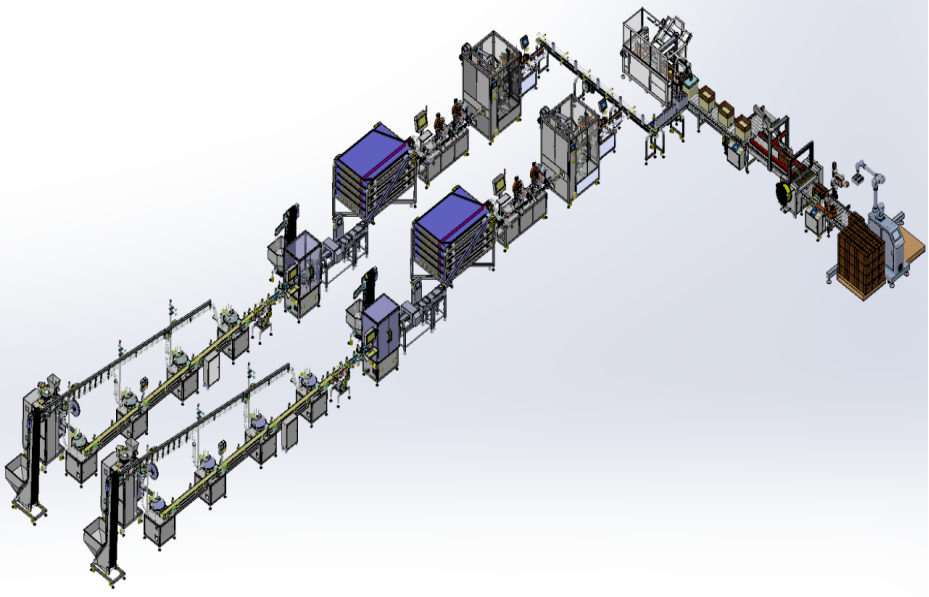
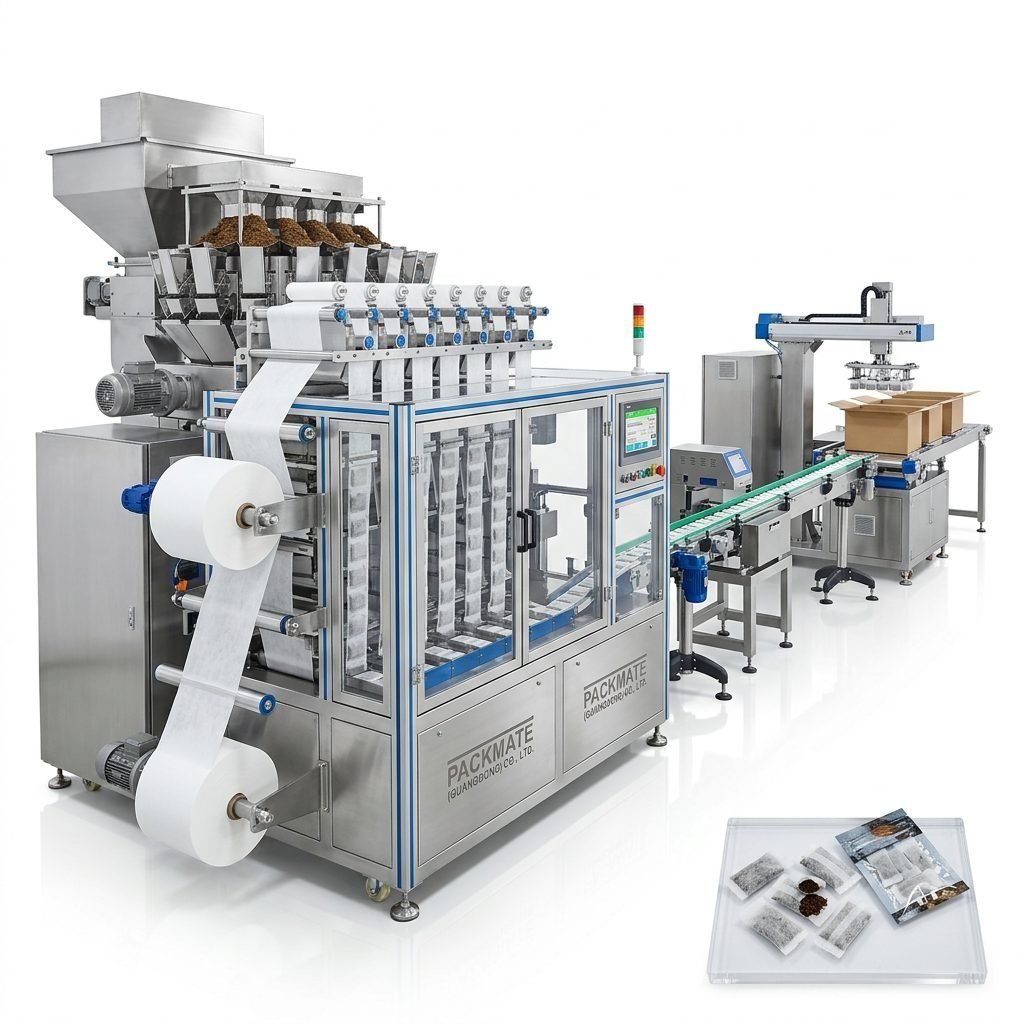
– Prioritize suppliers that offer complete production lines and integrated solutions so you can scale from pilot to full production seamlessly.
– Ensure spare parts access within reasonable lead times to avoid extended downtime in Rwanda.
– Negotiate training programs and language support during commissioning to empower your local workforce.
– Verify regulatory compliance documentation up front—this saves delays at customs and during local approvals.
Useful Resources and Next Steps
If you are preparing tender documents or a purchasing specification, include expected product formats, output rates, acceptable tolerances, power availability, and local language needs for HMIs and manuals. For modular or auxiliary equipment review, see Auxiliary Packaging Equipment for options that complement main packing machines.
Frequently Asked Questions (3-5)
Q: How long does it typically take to get a snus or nicotine pouch production line to Rwanda from a foreign supplier?
A: Lead times vary by machine complexity and spare part availability, but expect 8–20 weeks for manufacturing, plus international shipping and customs. Plan for commissioning and operator training at the destination which can add 1–3 weeks.
Q: What certifications should I request from a supplier to satisfy Rwandan regulators?
A: CE and ISO certificates are commonly accepted as baseline quality and safety proof. Additionally ask for material safety datasheets, FAT reports, and any testing reports relevant to packaging integrity. Confirm with local authorities if additional approvals are necessary for nicotine products.
Q: Can suppliers help with customs clearance and spare parts logistics to Rwanda?
A: Many established suppliers coordinate shipping documentation and can recommend freight forwarders familiar with Rwandan procedures. Ensure responsibilities are clearly defined in sales contracts and consider DDP terms if you prefer the supplier to handle end-to-end shipping.
Q: How important is local language support for machine HMIs and manuals?
A: Very important. Providing manuals and HMI options in English and simple translations into Kinyarwanda or French reduces training time, lowers operator error, and speeds regulatory compliance.
Q: Where can I see real-world examples of nicotine pouch packaging lines before making a decision?
A: Ask your shortlisted suppliers for case studies and video demonstrations. Packmate’s case pages and exhibition records are helpful resources: Our Exhibition and Service.