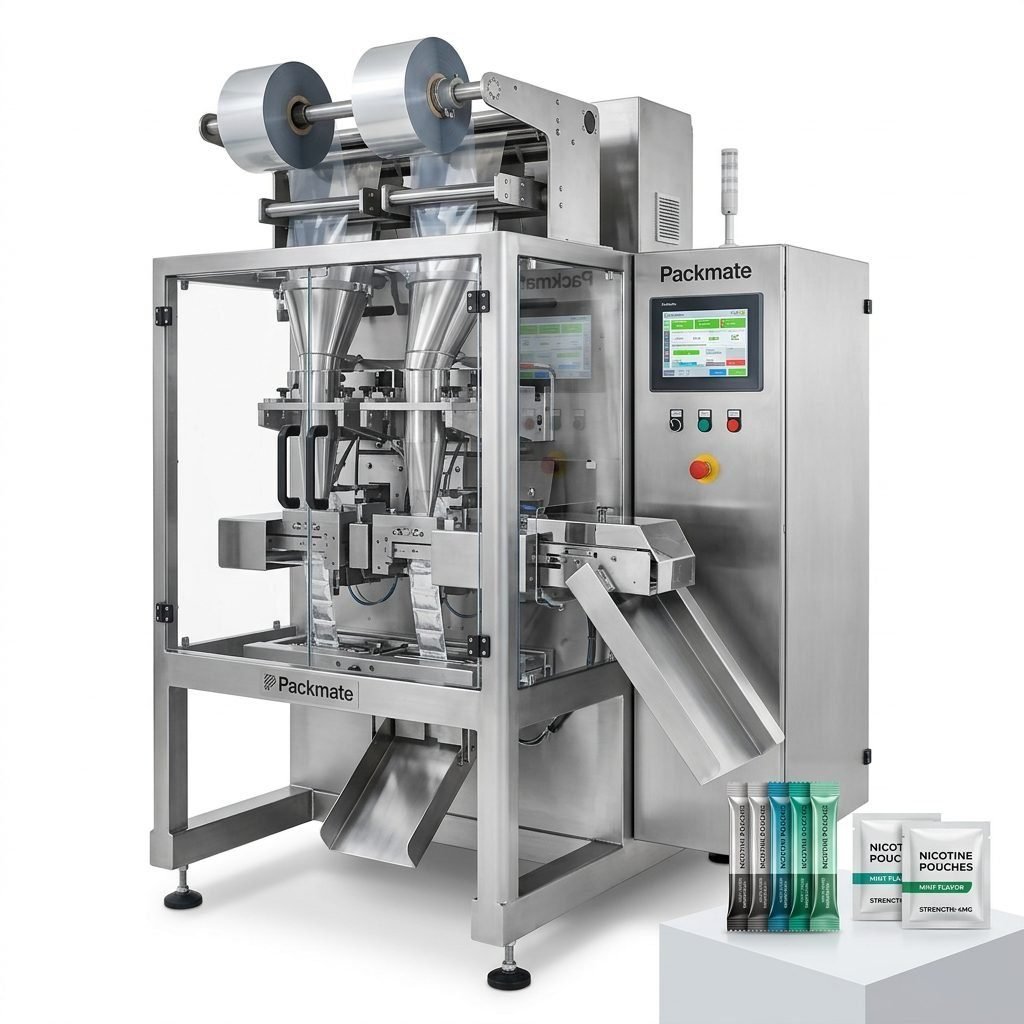
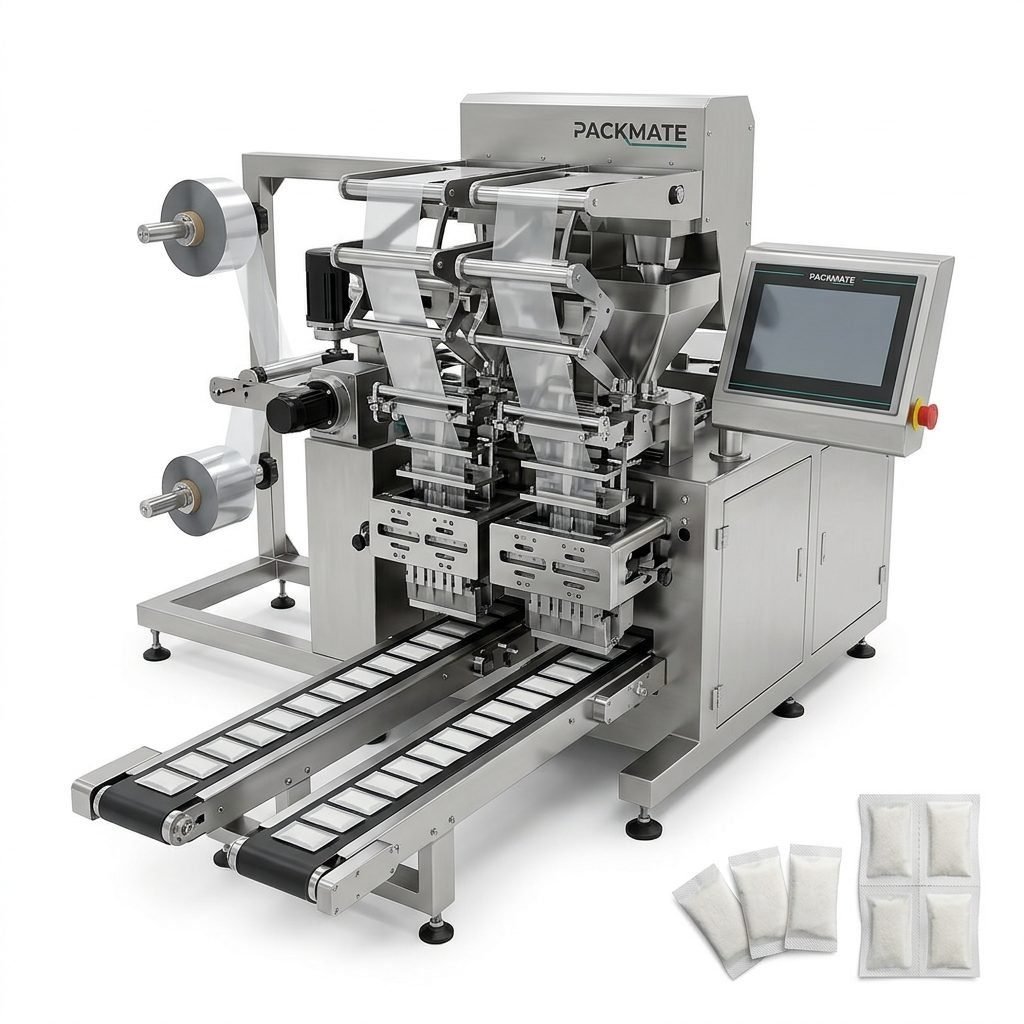
Sweden has a unique and mature market for nicotine pouches and snus, with strong local preferences and strict regulatory oversight. Choosing the right nicotine packaging machinery supplier in Sweden is about more than price — it’s about compliance, local service, production efficiency, and long-term partnership. This guide outlines practical steps and key evaluation criteria to help Swedish manufacturers, co-packers, and entrepreneurs select the best packaging equipment partner for their business.
Understand Sweden’s Market and Regulatory Context
Sweden is one of the world’s largest consumers of snus and nicotine pouches per capita. Buyers here expect discreet, high-quality packaging and reliable supply chains. At the same time, Sweden follows European Union directives and local health regulations that affect labeling, materials, and production hygiene. When vetting suppliers, confirm they understand EU requirements and can recommend compliant materials and processes.
Practical tip: ask prospective suppliers for examples of previous deliveries to European clients, compliance documentation, and references from Nordic customers. A supplier familiar with Sweden’s market will be able to advise you on optimal pouch sizes, barrier films, and regulatory labeling.
Prioritize Compliance, Certifications, and Documentation
The most critical proofs of a reliable supplier are certifications and traceable documentation. Look for partners who provide CE marking, ISO quality system evidence, and full machine acceptance documents. These demonstrate consistent manufacturing standards and make customs clearance and local validation smoother.
Must-have documents: machine CE certificates, factory quality manuals, wiring and control diagrams, spare parts lists, and FAT (Factory Acceptance Test) reports. A transparent supplier shares these documents early in negotiations.
🔍 Quick check: verify CE and ISO copies, confirm electrical spec compatibility with Swedish standards (230V/50Hz), and request an English-language manual and maintenance schedule.
Match Machine Types to Your Product Portfolio
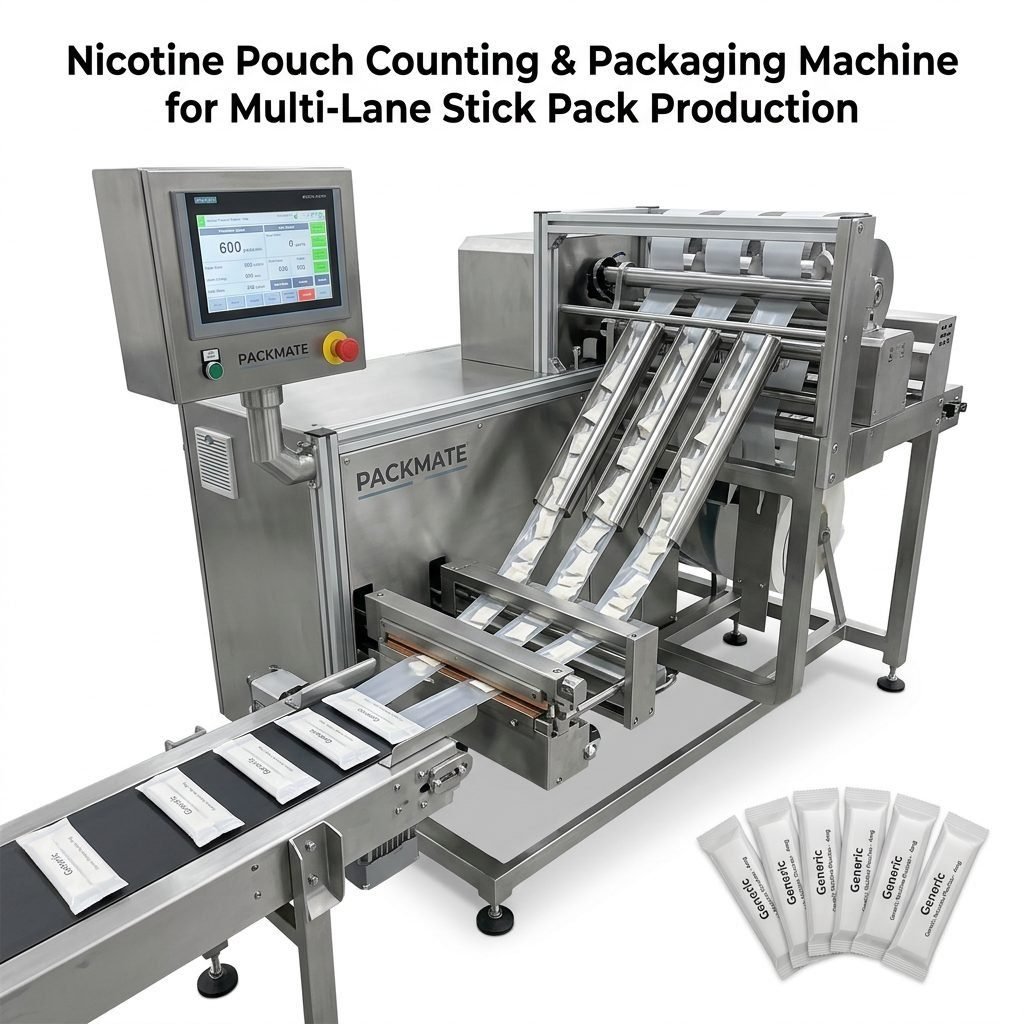
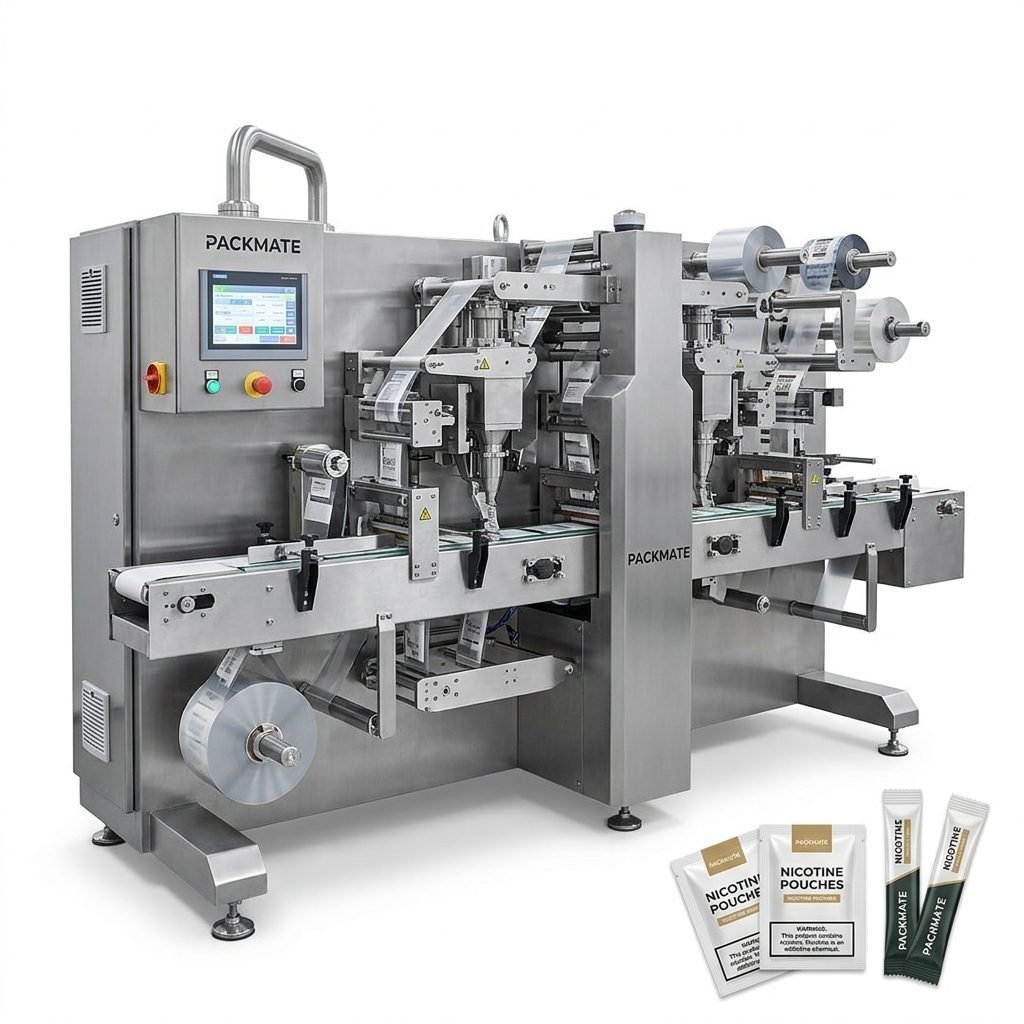
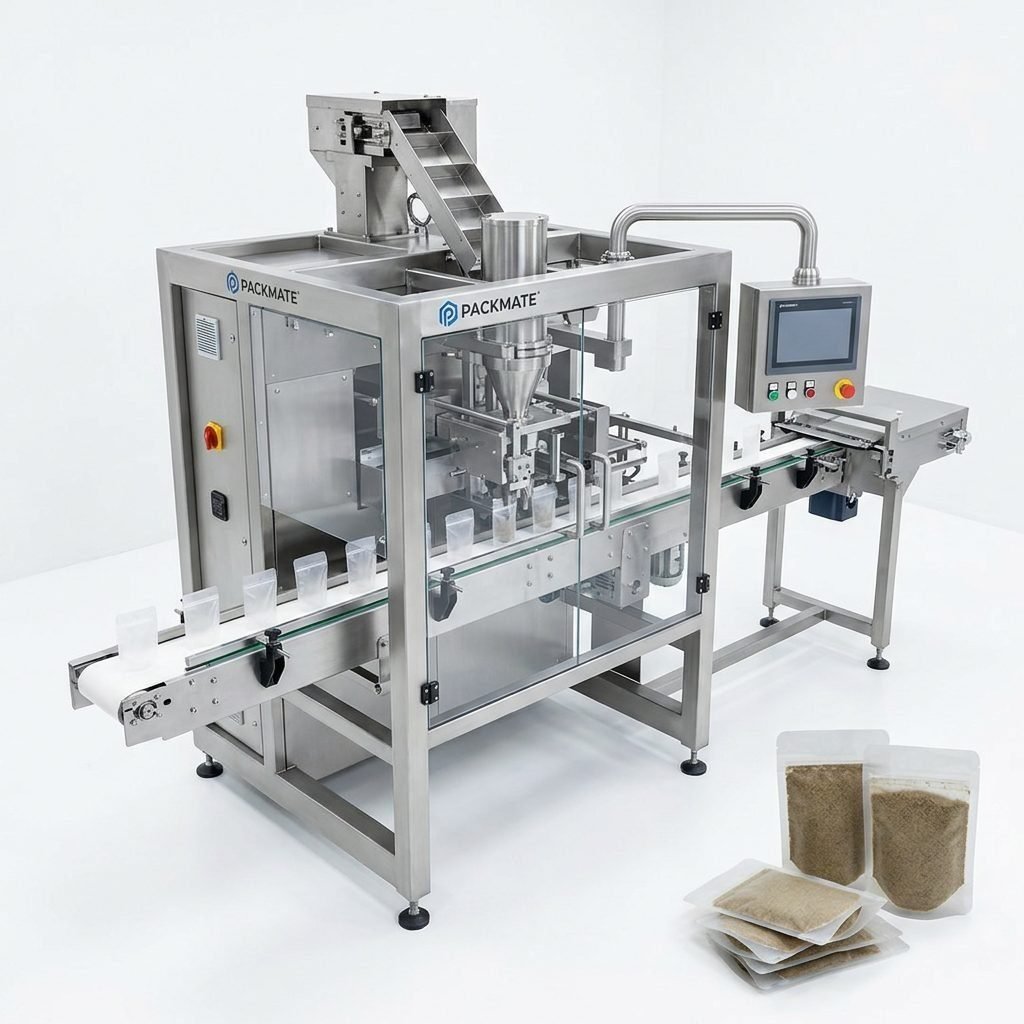
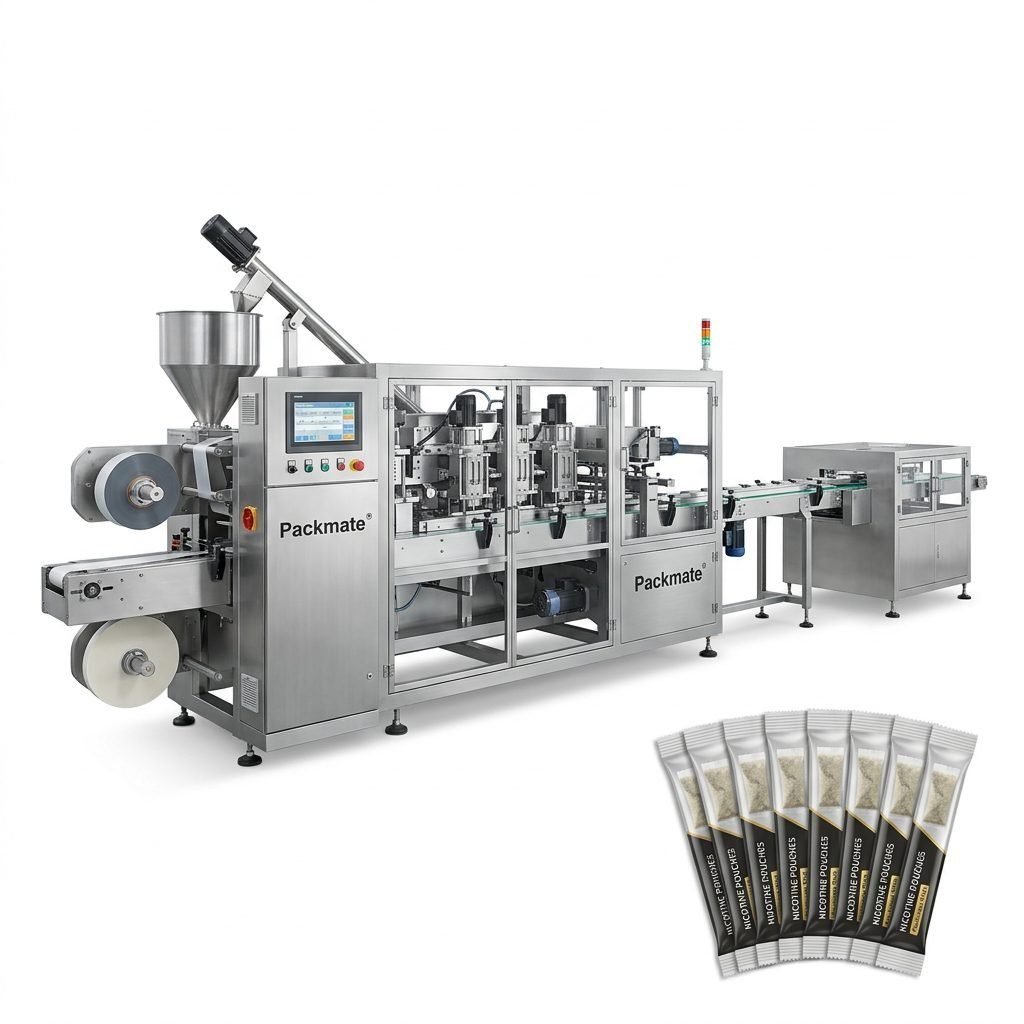
Nicotine packaging needs vary: small-dose nicotine pouches, portion snus, stick packs, and sachets each require different feeding, filling, and sealing technologies. Choose a supplier that offers the right machine family and can scale from pilot runs to full production lines.
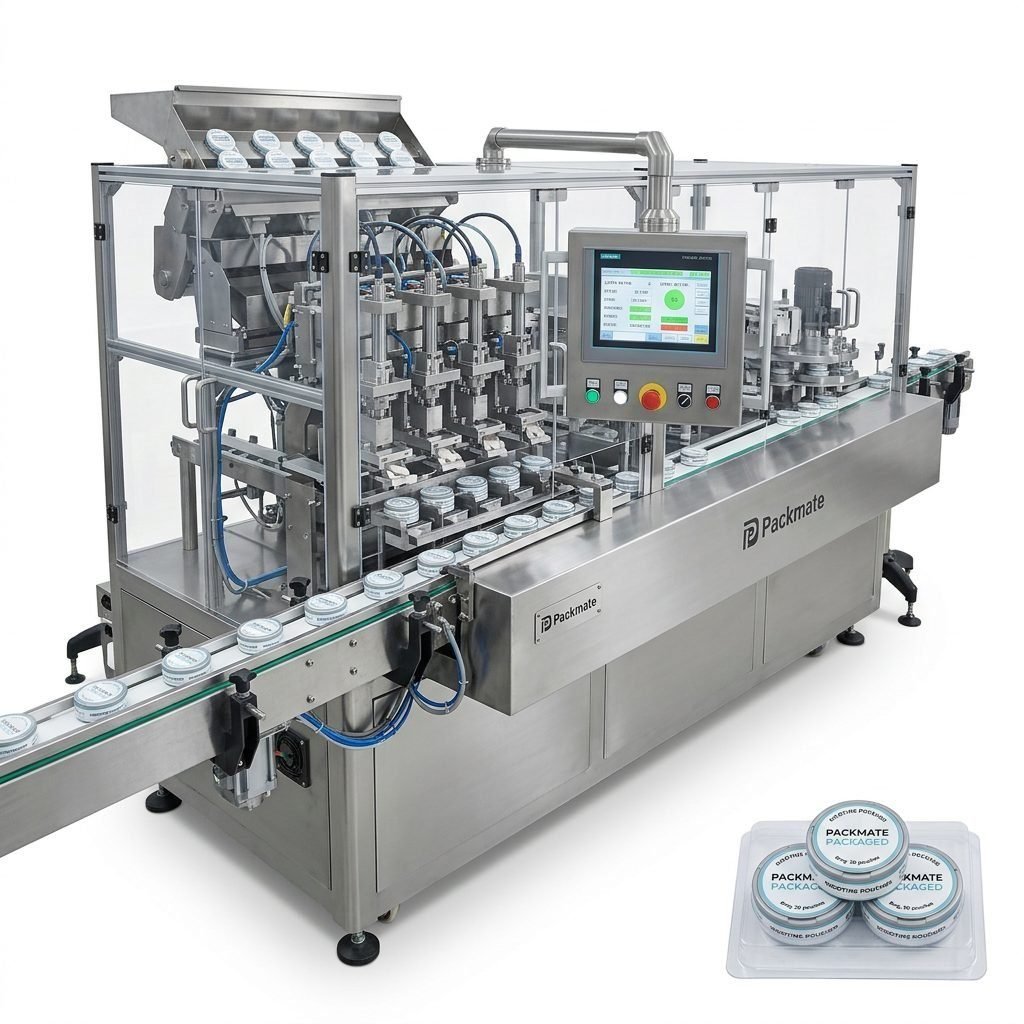
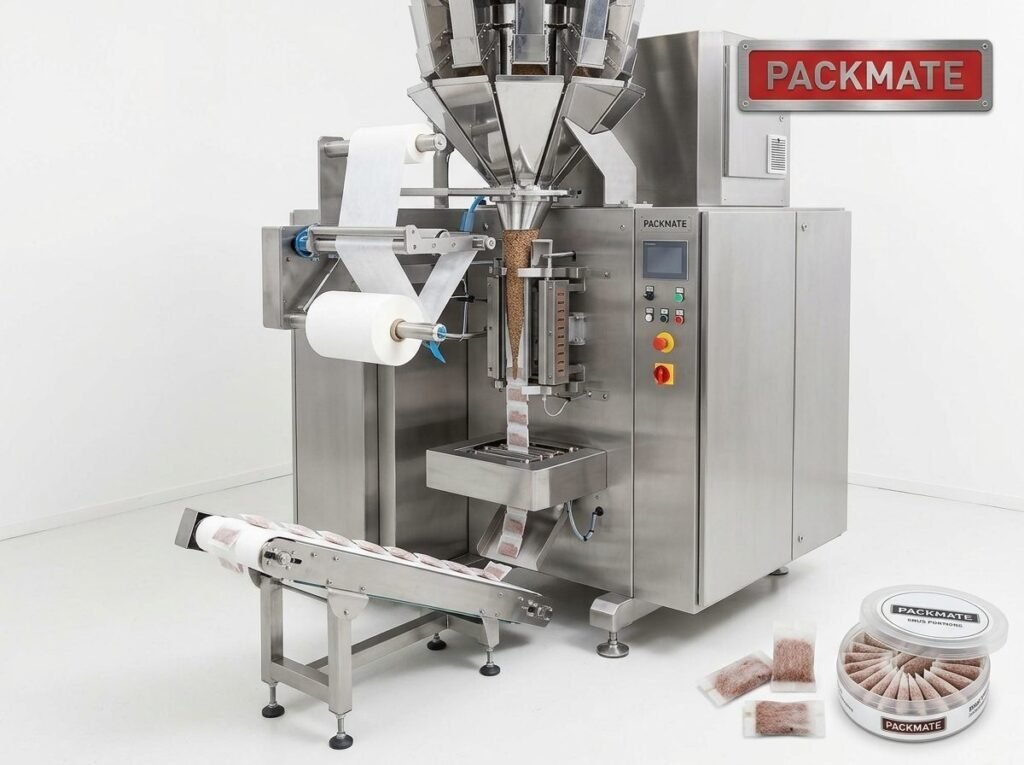
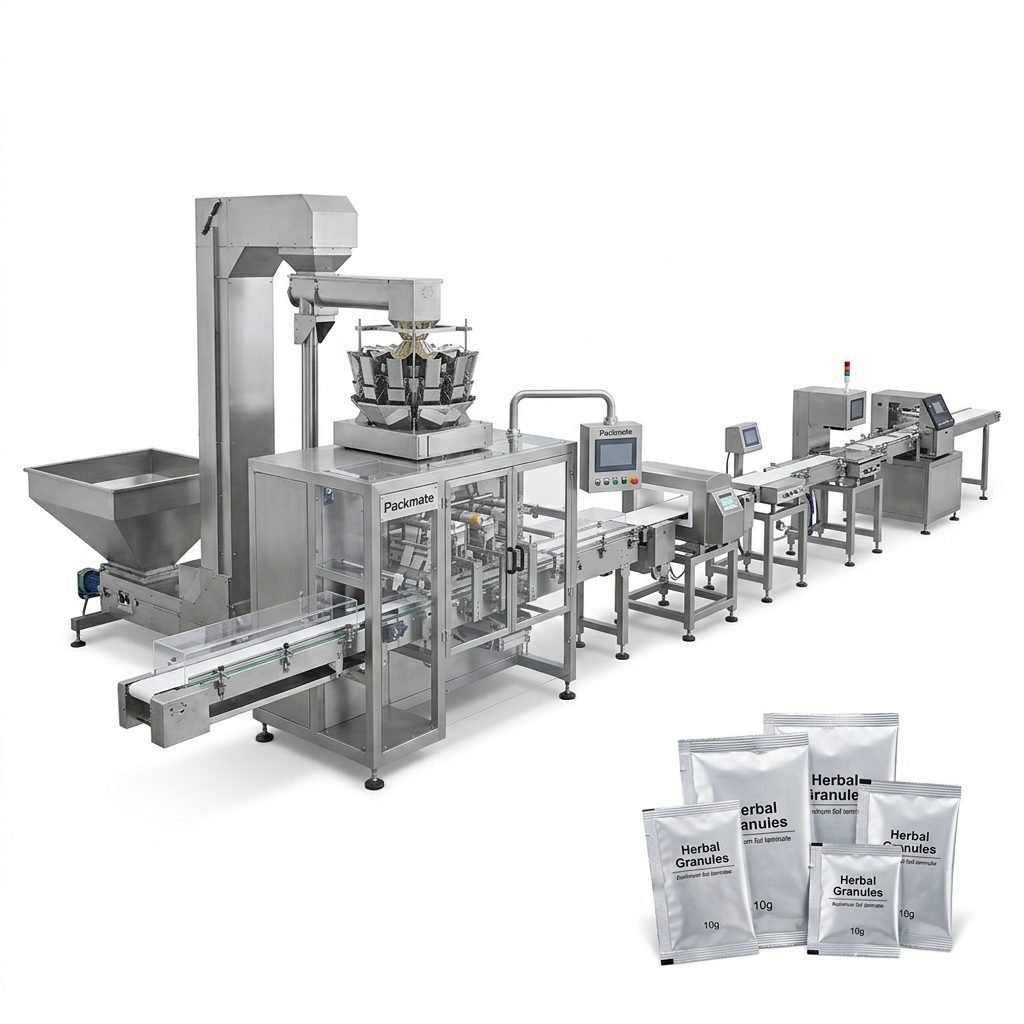
For Swedish producers focused on snus and nicotine pouches, consider multi-lane pouch systems and high-precision feeders that maintain dose consistency. Suppliers that provide end-to-end lines — including weighing, filling, pouch sealing, and secondary packaging — reduce integration risk and speed up commissioning.
Refer to trusted product groups when comparing equipment: Snus & Nicotine Packaging Machines, Sachet & Stick Pack Machines, and Weighing & Packaging Systems.
Evaluate Manufacturing Strength and Supply Stability
A supplier’s factory capability affects delivery lead times and spare parts availability. Look for factories with advanced CNC machining, dedicated assembly lines, and quality testing. Suppliers with large-scale facilities can often customize machines and maintain parts inventories for faster service.
Example: suppliers with a 20,000㎡ factory, multi-model offerings, and experienced engineering teams are better positioned to handle custom requests, multi-lane upgrades, and ongoing scaling of production.
📦 Inventory & spare parts: confirm average lead time for critical spare parts and ask whether the supplier keeps a European parts warehouse or local stock in Sweden or the EU.
Assess Engineering Expertise and Customization Options
Nicotine pouch production often requires tight dosing tolerances and specialized pouch formats. Choose a supplier with deep R&D and multi-lane packaging experience. Ask for case studies demonstrating custom solutions, high-speed multi-lane installations, and low-dose precision work.
Suppliers with 30+ years of engineering experience and a track record of iterative product improvement provide greater confidence. They can adapt nozzle systems, sealing jaws, and dosing modules to match your unique recipes and pouch materials.
Service, Installation and Local Support in Sweden
Local support is a differentiator in Sweden. Even if machines are built overseas, suppliers with a European service network, local partners, or field engineers reachable in Swedish/English will minimize downtime. Confirm response times for on-site service, availability of remote diagnostics, and training plans for your operators.
Ask whether the supplier provides commissioning support in Sweden, operator training in local language, and spare parts express shipping. A supplier that attends European exhibitions and has regional references is usually more accessible.
Digital Support and Remote Diagnostics
Modern packing machines often include PLC/HMI systems with remote connectivity. Confirm cybersecurity practices and remote service agreements. Remote troubleshooting can often resolve issues quickly without a costly site visit.
Total Cost of Ownership (TCO) over Initial Purchase Price
Don’t focus only on the purchase price. Evaluate energy consumption, changeover speed, yield rates, consumable costs (films, pouches), maintenance intervals, and mean time to repair. A higher-quality machine may cost more upfront but deliver superior uptime and lower long-term cost.
⚖️ TCO checklist: energy per hour, spare parts list, predicted runtime between service, consumables cost per 1000 pouches, and historical uptime statistics.
Factory Acceptance Test (FAT) and On-Site Validation
Insist on a comprehensive FAT before shipment. A FAT should cover production of your exact pouch format, speed tests, dose accuracy, sealing quality, and integration with auxiliary equipment like checkweighers and cartoners. This reduces surprises during installation in Sweden.
If travel is restricted, request a live video FAT and recorded performance logs. Confirm acceptance criteria up front — for example, target output, reject rate limits, and sealing temperature ranges.
References, Case Studies and Exhibition Presence
Suppliers who invest in international trade shows and publish case studies usually have stronger market validation. Check for evidence of European installations, especially references in Nordic countries. Meeting a supplier at a European exhibition or seeing demonstration videos of similar lines builds confidence.
Useful resource links: Case and Our Exhibition.
After-Sales Service Contracts and Spare Parts Strategy
A reliable supplier offers tiered service contracts, preventive maintenance plans, and fast spare parts shipping. In Sweden, where production continuity and hygiene are key, a structured maintenance program reduces unplanned outages.
Verify warranty terms, turnaround time for critical components, and whether the supplier provides operator training materials and maintenance videos in English or Swedish.
Sustainability and Material Compatibility
Swedish buyers increasingly value sustainability. Ask suppliers about energy-efficient drives, recyclable pouch options, and reduced waste changeover systems. Machines designed to minimize scrap and facilitate easy material changes align with Swedish sustainability preferences.
Inquire about compatibility with barrier films you prefer, and whether the supplier supports trials with biodegradable or recyclable film structures if you plan to pursue green packaging claims.
Negotiation Tips and Contract Clauses
Negotiate clear acceptance criteria, penalty clauses for missed delivery or performance targets, and an agreed inventory of spares shipped with the machine. Include training days, remote support hours, and a list of deliverables in the purchase order.
Consider including staged payments keyed to FAT success, shipment, and successful on-site commissioning. This balances supplier and buyer risks.
Local Customs and Practical Considerations in Sweden
Respect for timelines and clear communication are important in Swedish business culture. Provide detailed technical specifications and timelines early. Many Swedish manufacturers prefer predictable project management and formal milestones. Be punctual for meetings, and document agreements in writing.
Language: while most business is conducted in English, offering manuals or training in Swedish can be a differentiator for local operations and operator adoption.
Why Consider a Turnkey Supplier Like Packmate?
Suppliers that provide turnkey packaging lines — from snus pouch forming to weighing, dosing, and secondary packing — simplify project management and integration. They reduce the number of vendors and streamline commissioning. Packmate Snus Machine, with decades of experience in snus and nicotine pouch equipment, offers multi-lane systems, stick pack and sachet machines, and weighing systems tailored to nicotine products.
Explore product groups for specific equipment options: Bag & Pouch Packaging Machines and Filling & Packaging Lines.
📌 Key advantage: an experienced turnkey supplier reduces interface risks between machines and shortens commissioning time — crucial when scaling production for Swedish retail or export.
Red Flags and Warning Signs
Be cautious if a supplier: refuses FATs, cannot provide European references, has unclear spare parts lead times, or lacks remote diagnostic capability. Also watch for vague warranty terms or missing documentation for electrical/mechanical drawings.
If a supplier is unwilling to run your product during testing or cannot show production videos of similar lines, consider this a signal to negotiate stricter acceptance terms or seek alternative partners.
Final Checklist Before You Sign
– Confirm certifications: CE, ISO and any regional declarations required for Sweden.
– Agree FAT criteria and video documentation if you cannot attend in person.
– Validate spare parts list and service SLA for Sweden/EU.
– Confirm electrical and pneumatic specs match your site.
– Secure operator training days and documentation in English/Swedish.
If you want a quick contact point, see supplier pages like Contact Us and About Packmate for company background and support options.
Conclusion
Selecting the best nicotine packaging machinery supplier for the Swedish market requires a blend of technical validation, cultural fit, regulatory compliance, and commercial safeguards. Prioritize suppliers with strong engineering experience, clear documentation, European references, and robust after-sales support. A turnkey, experienced partner can significantly reduce time-to-production and help ensure regulatory compliance and product quality in Sweden’s demanding nicotine pouch market.
✅ Next step: compile your technical specs, schedule a FAT with shortlisted suppliers, and request a formal spare-parts and warranty proposal before final purchase.
Common Questions
Q1: How important is CE certification for machines used in Sweden?
A: CE certification is essential. It confirms compliance with EU safety and machinery directives and facilitates customs clearance and insurance. Always ask for the CE certificate and related conformity documents.
Q2: Should I buy a single machine or a turnkey line?
A: If you aim to scale quickly and reduce integration complexity, a turnkey line is preferable. For small-scale testing or R&D, a single machine may suffice. Evaluate integration costs and project timelines.
Q3: How can I guarantee fast spare-part delivery in Sweden?
A: Negotiate a spare-parts inventory commitment, confirm whether the supplier has an EU stock, and include express-shipping clauses in your service agreement. Consider local stocking of critical wear parts.
Q4: What role do FATs play in risk reduction?
A: A comprehensive FAT verifies machine performance against your acceptance criteria before shipment, reducing commissioning surprises. If you cannot attend, request live video FATs and detailed performance logs.
Q5: How can I find European references for a supplier?
A: Request client lists, case studies, and exhibition history. Suppliers presenting European installations, trade show participation, and published case studies (e.g., product case pages) typically have verifiable references.