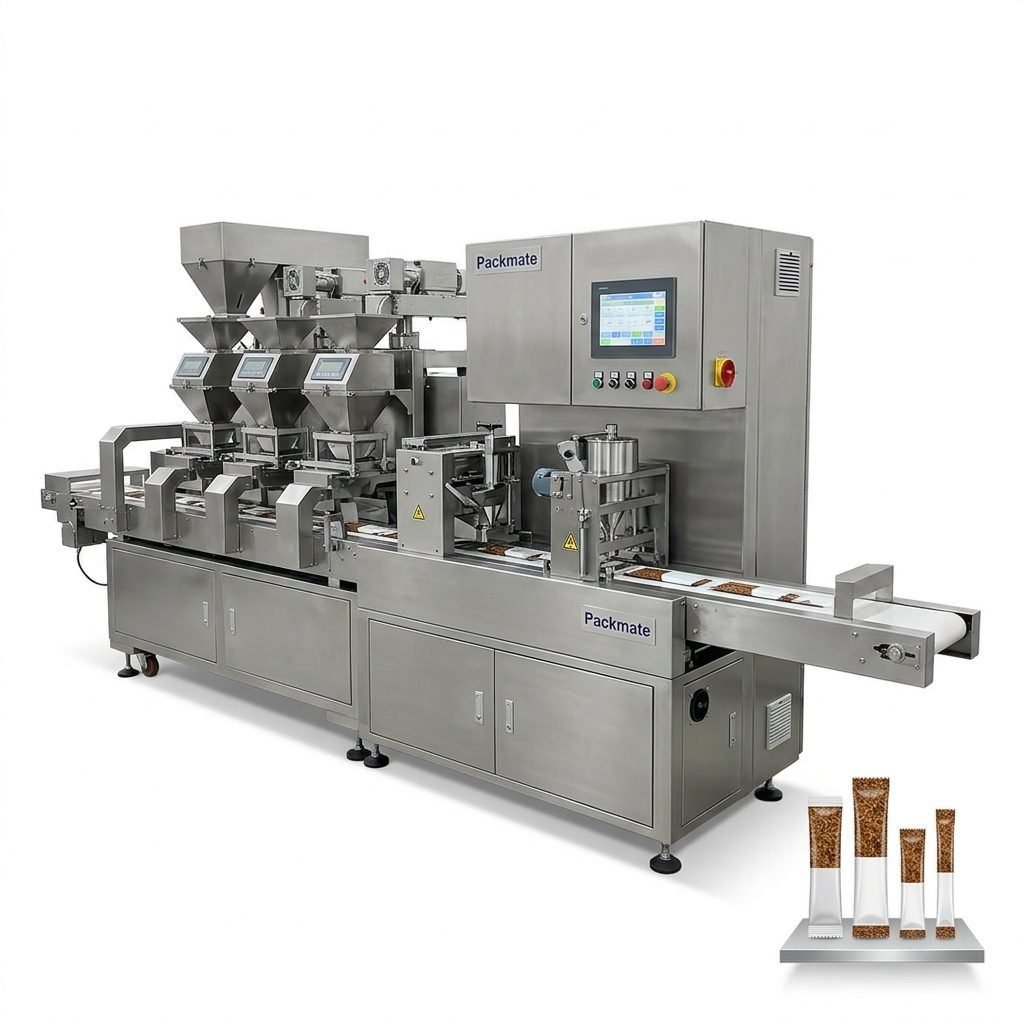
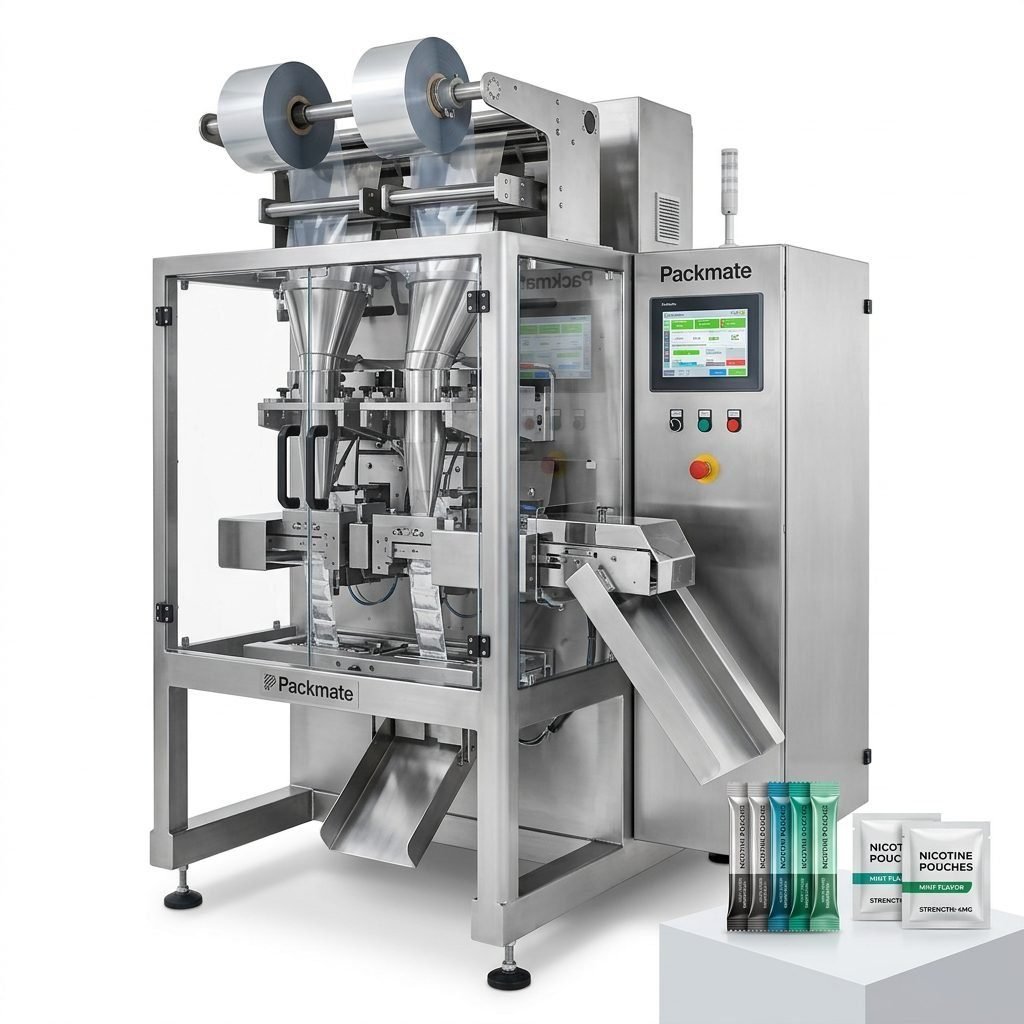
Entering the Republic of the Congo market with nicotine pouches or snus production requires more than just buying a machine. You need a supplier who understands your product requirements, local regulations, logistics challenges, and the climate that affects packaging materials. This guide helps factory managers and procurement teams in Congo Republic evaluate and choose the best nicotine packaging machinery supplier to ensure reliable production, compliance, and long-term support.
Understand Local Context: Why Congo Republic Matters
The Congo Republic (French-speaking, with major ports in Pointe-Noire and river access in Brazzaville) has its own commercial practices and regulatory environment. Suppliers who can support French-language documentation, provide clear import paperwork, and advise on local labelling and health warnings in French will save you time and cost. Also consider climate factors — high humidity and heat in certain regions can affect pouch seals and material behavior. Choose a partner who designs machines with climate-resilient components and offers sealing and humidity control guidance.
Key local considerations
✓ French language support for manuals and labels
✓ Guidance on customs & import permits (Brazzaville / Pointe-Noire)
✓ Advice on packaging materials suited for humid, tropical climates
✓ Availability of on-site training and spare parts in Africa or via fast air shipment
Technical Capabilities: What to Inspect on a Machine
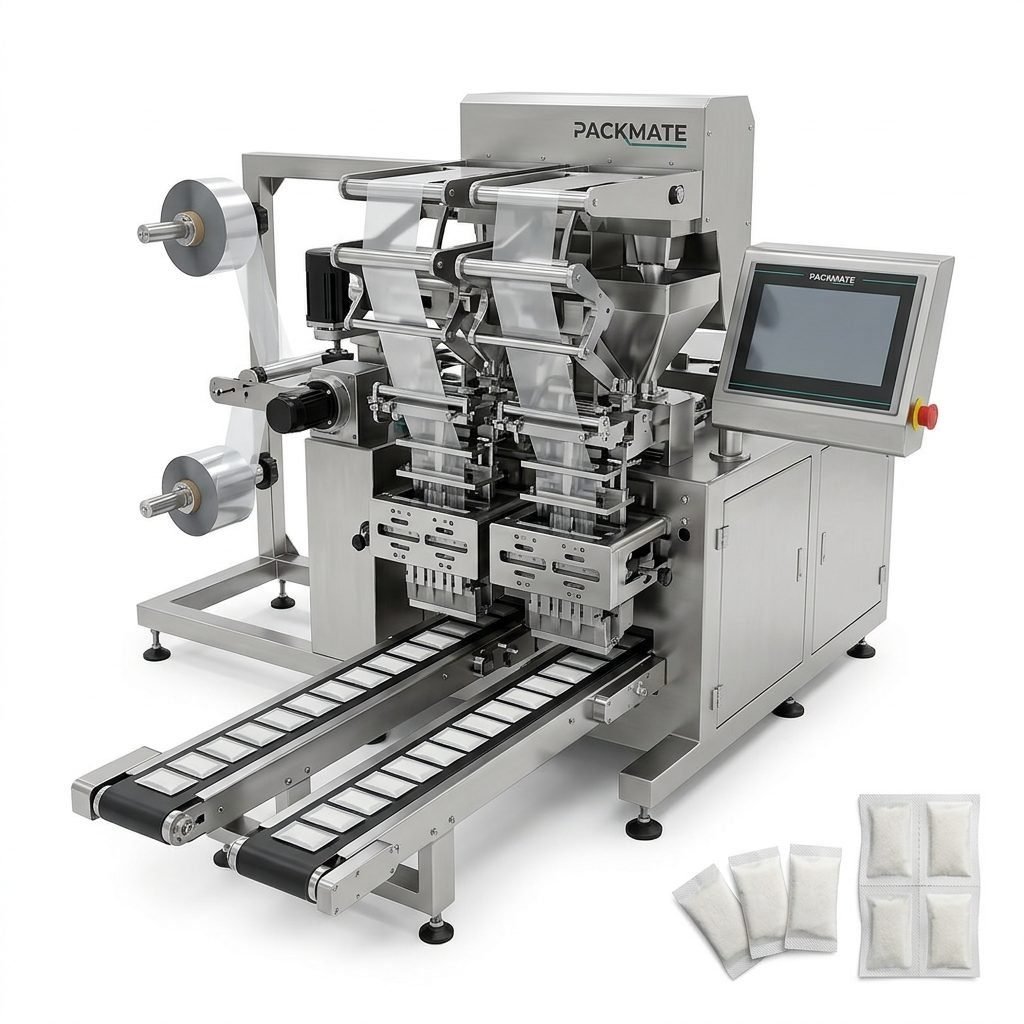
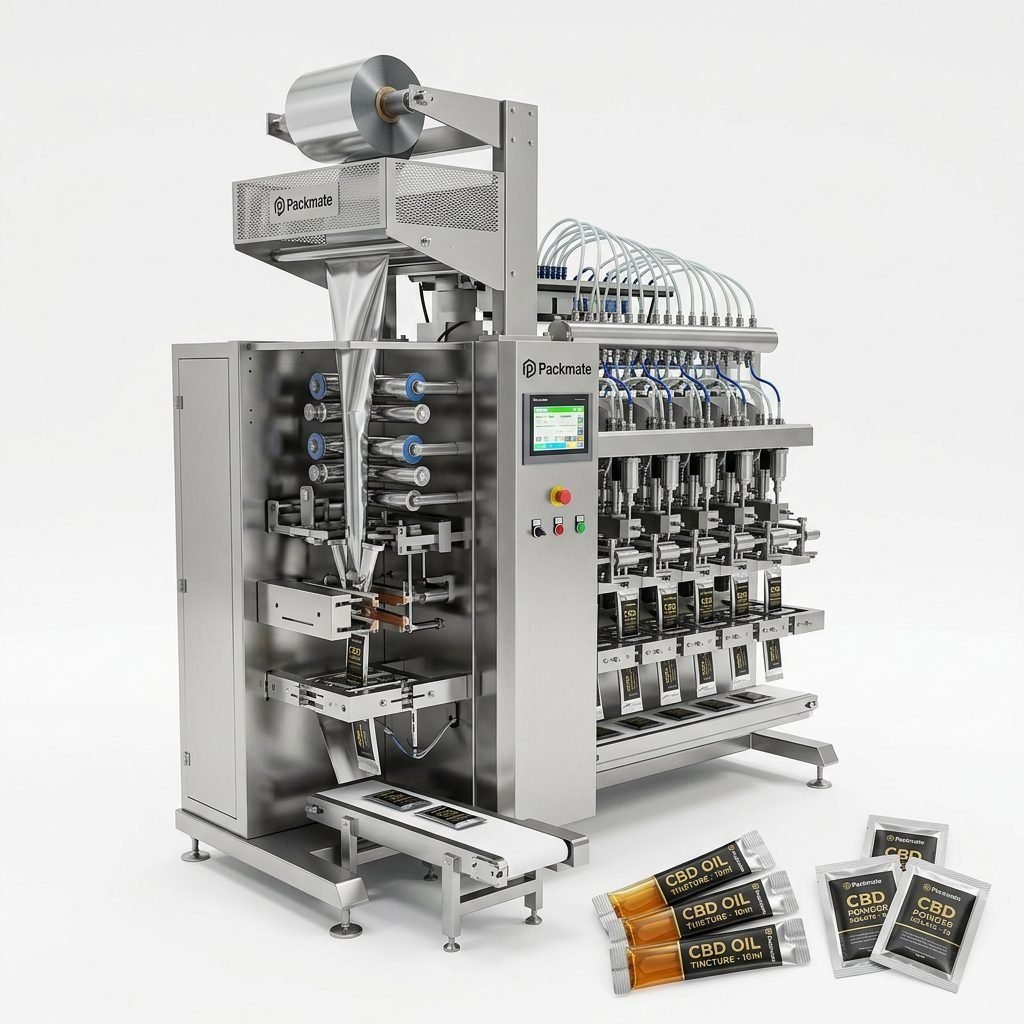
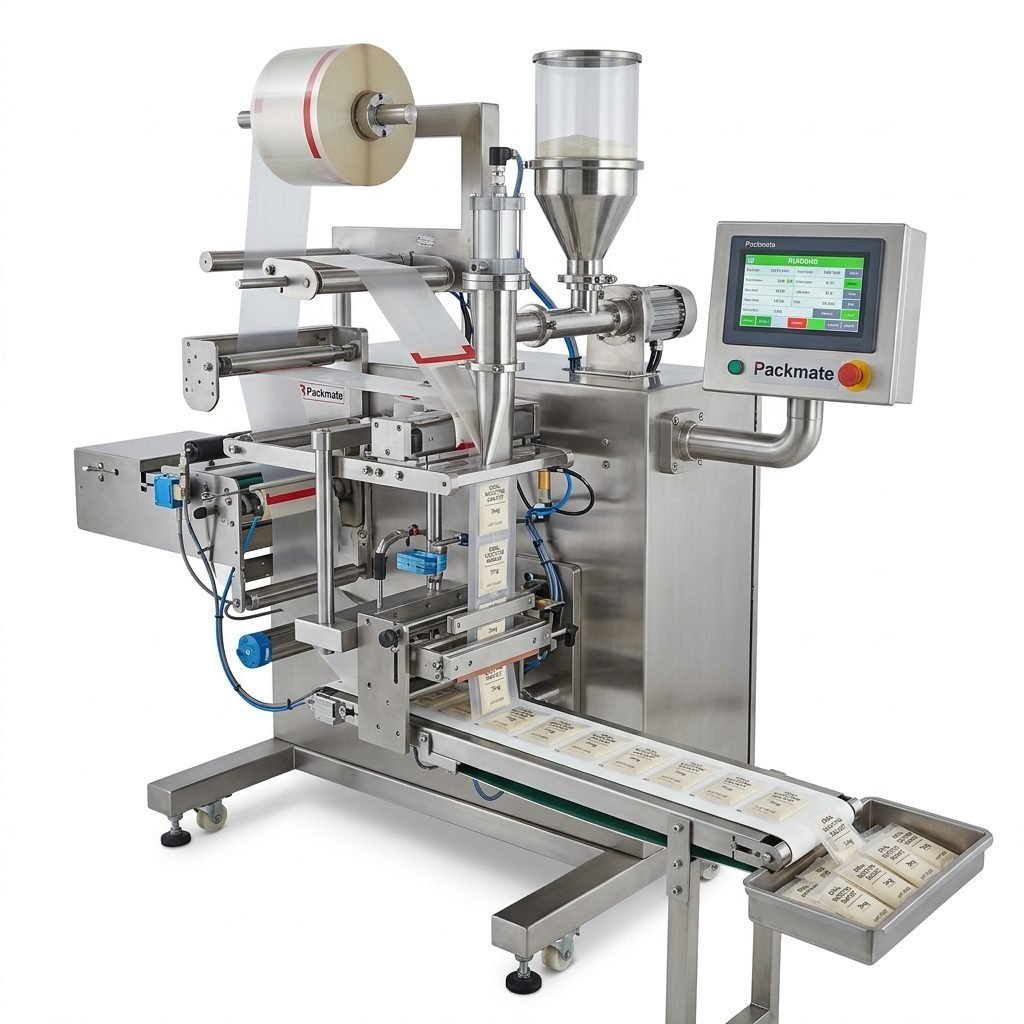
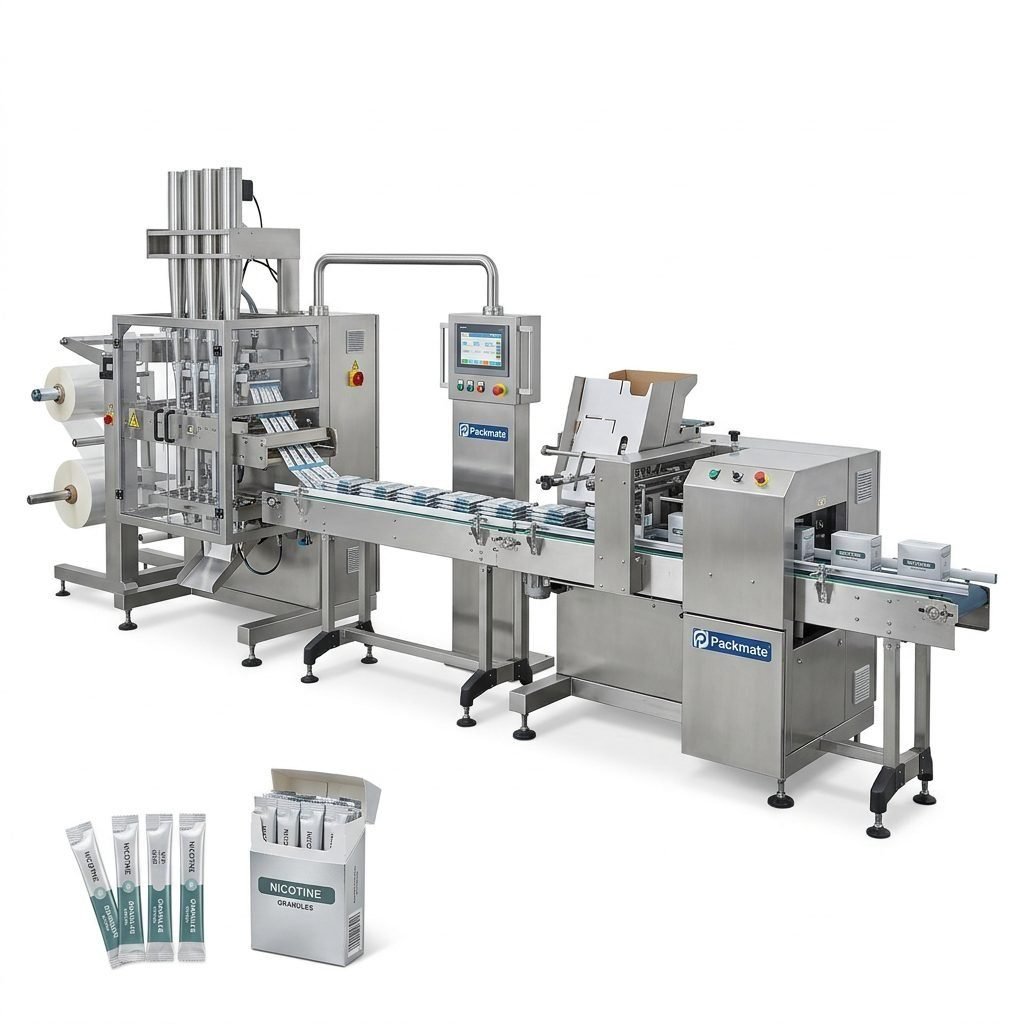
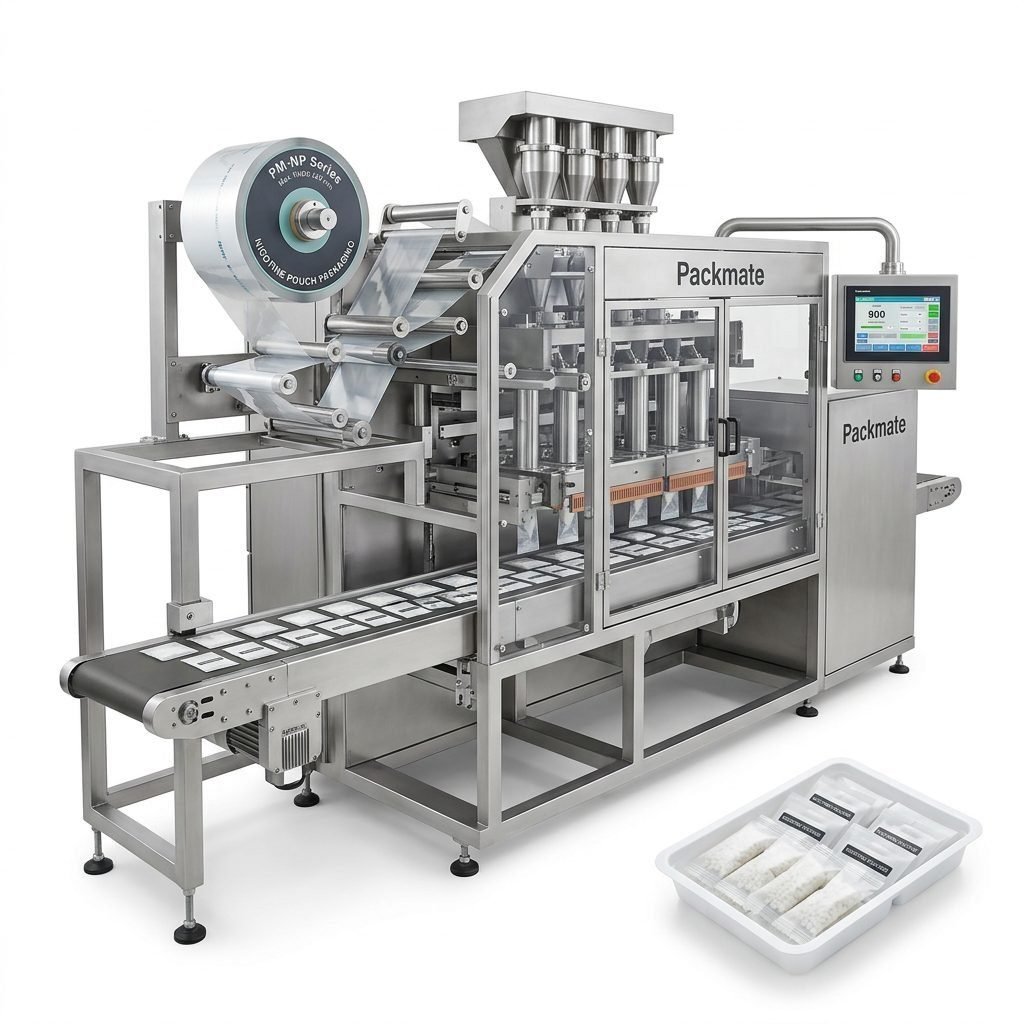
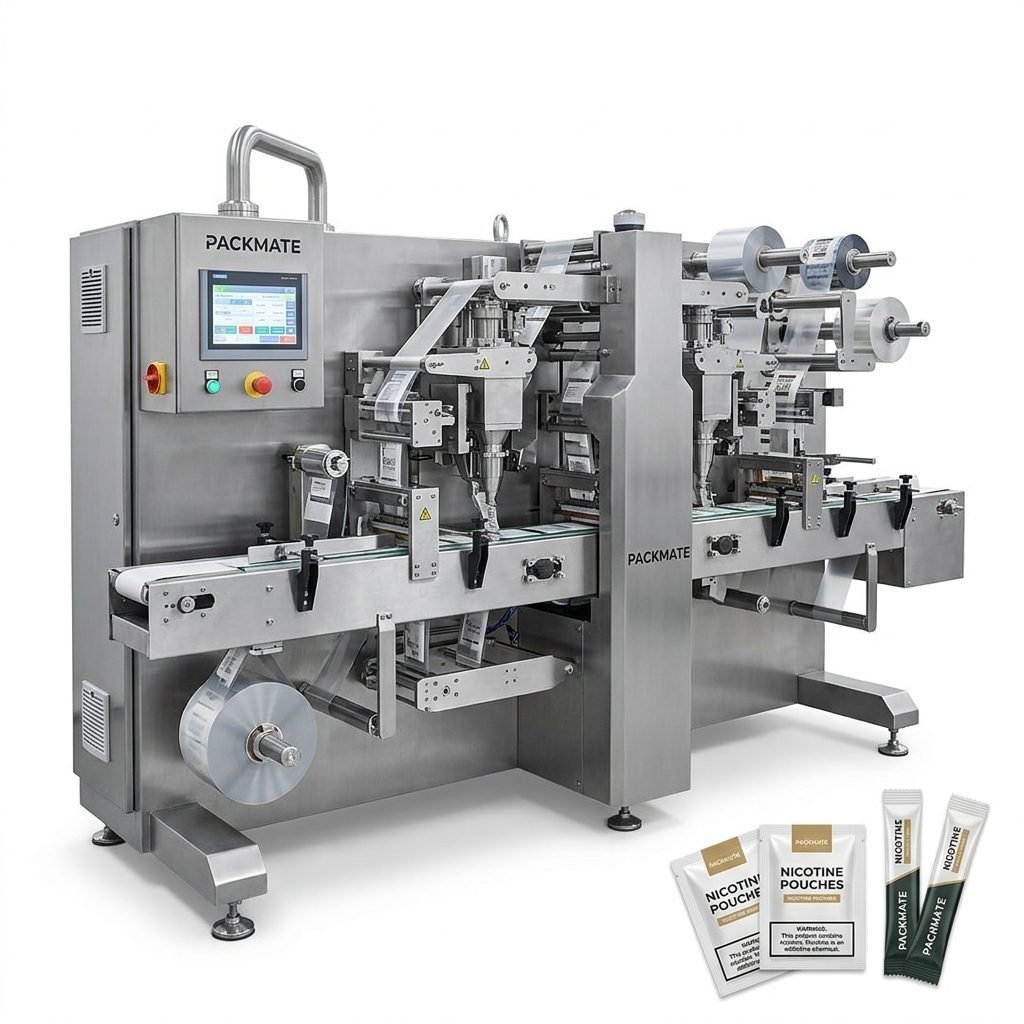
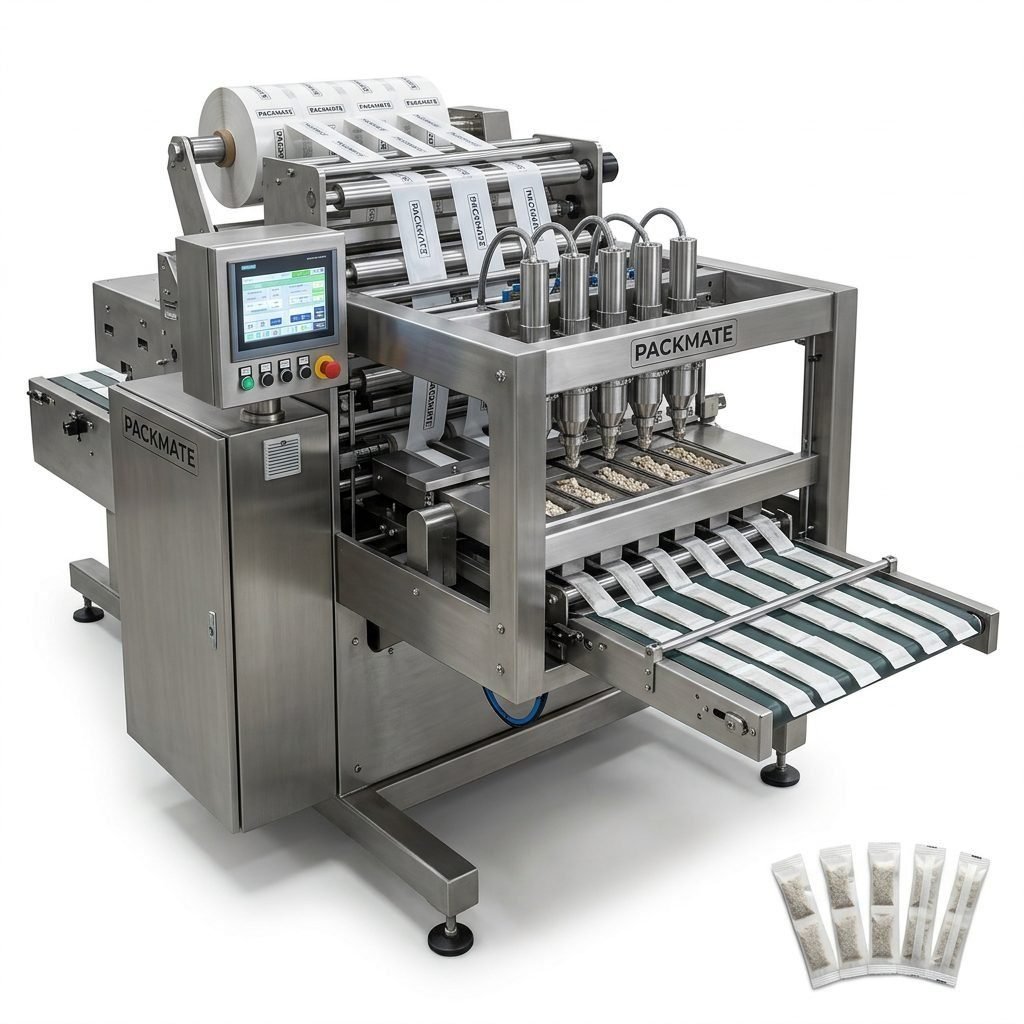
When evaluating machinery for nicotine pouch/snus production, focus on repeatability, hygiene, and flexibility. Look for machines that can run multiple pouch formats (stick pack, sachet, multi-lane pouches) and support small-dose products with precise fill controls. A supplier with a broad product range and R&D history indicates stronger engineering depth.
Must-check technical features
⚙️ Servo-driven control for consistent dosing and pouch formation
⚙️ Multi-lane capabilities to increase throughput without compromising accuracy
⚙️ Hygienic design for easy cleaning, compliant with food/pharma standards if needed
⚙️ Modular design to add weighing, sealing, or secondary packaging later
Supplier Credentials: Certificates, Factory Capacity, and Track Record
A reliable supplier will demonstrate quality through certifications (CE, ISO), a visible manufacturing footprint, and clear evidence of global deliveries. Check their factory size, machining capabilities, and number of machine models. A supplier with decades of engineering experience and a 20,000㎡ facility is usually better positioned to ensure component precision and faster spare part production.
Red flags and green flags
Green flags: documented CE/ISO certificates, factory tours or virtual demos, long-term customer references, and clear after-sales policies. Red flags: vague technical specs, no spare parts plan, or no local language documentation.
Service & After-Sales: The Most Important Long-Term Factor
Machines are capital equipment; downtime in Congo Republic can be costly because of long spare part lead times and shipping. Prioritize suppliers offering:
⚡ Fast spare parts dispatch and clear parts catalog (with part numbers)
⚡ Remote diagnostics and PLC program backup support
⚡ On-site commissioning and training in French or with a translator
⚡ Preventive maintenance schedules and readily available consumables
Cost vs. Value: Total Cost of Ownership (TCO) Approach
Avoid choosing solely by lowest purchase price. Factor in installation, freight, customs duties, spare parts availability, electricity compatibility (voltage and frequency), expected uptime, and training. A slightly higher initial investment in a durable, low-maintenance machine often yields lower TCO over years of production.
Checklist for TCO estimation
– Warranty duration and what it covers
– Cost and delivery time of critical spare parts
– Energy consumption and compatibility with local electrical supply
– Ease of local repair — can technicians be trained locally?
– Software/PLC ownership and licensing for future upgrades
Regulatory & Compliance: Maintain Local and International Standards
Nicotine products are sensitive to regulation. Ensure your supplier can help with documentation to satisfy customs, labelling laws, and any health warnings required in the Republic of the Congo. Also verify that machines can meet international standards if export is planned.
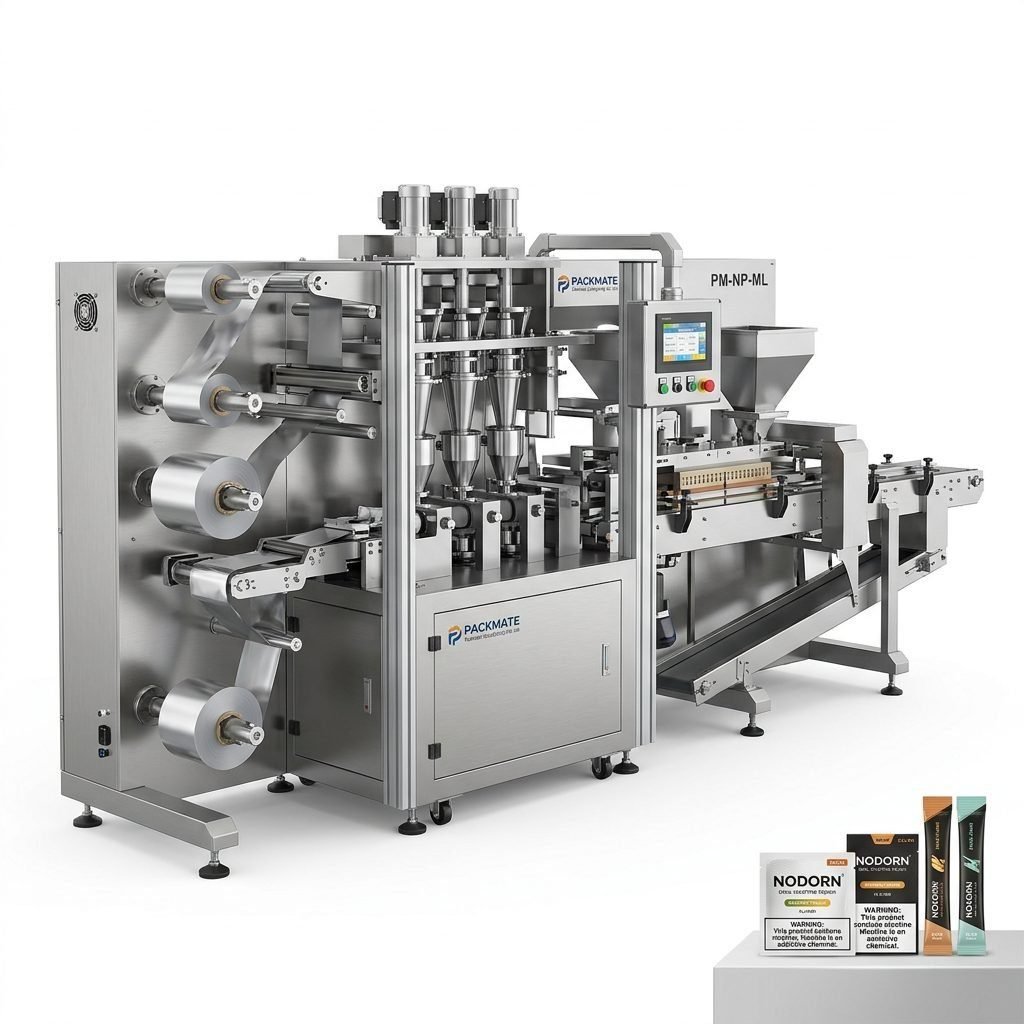
For guidance on machines built for snus and nicotine packaging, review suppliers with specific product lines such as Snus & Nicotine Packaging Machines and modular options like Filling & Packaging Lines.
Factory Visits, Demos & Case Studies
Insist on live demos or recorded runs of the exact model you plan to buy. A supplier with exhibition presence and customer case studies gives extra assurance. Ask for video of multi-lane machines running small-dose pouches and references in markets with similar climates to Congo.
See examples and customer cases to confirm real-world performance: Case.
Factory capability indicators
– Large manufacturing area and advanced CNC centers
– Full assembly lines and quality testing procedures
– Multiple machine models and turnkey solution offerings
Negotiation & Purchase Tips Specific to Congo Republic
Local customs and negotiation practices often value long-term relationships and clear written commitments. Request written lead times, penalties for late delivery, and acceptance tests. Ensure the contract covers:
⚖️ Defined factory acceptance test (FAT) procedures and results
⚖️ Clear warranty terms and response time for spare parts
⚖️ Training commitments, ideally with French-speaking instructors
⚖️ Logistics support for export documentation to Congo Republic
When to Choose a Turnkey Supplier vs. Component Vendor
If your factory requires end-to-end setup (weighing, dosing, sealing, secondary packaging), a turnkey supplier simplifies integration and accountability. For phased investments, component vendors may be suitable, but plan integration carefully. Packmate-style suppliers that offer full lines and have global service experience can be particularly valuable for rapid factory ramp-up.
Explore modular solutions in Weighing & Packaging Systems or Bag & Pouch Packaging Machines.
Final Selection Roadmap — Step-by-Step
1) Define your product specs and expected throughput.
2) Shortlist suppliers with relevant snus/nicotine experience and certifications.
3) Request FAT videos and machine specifications; verify climate-resilience.
4) Check spare parts strategy, local language support, and training offerings.
5) Negotiate delivery, commissioning, and warranty terms with clear KPIs.
Useful Links and Resources
Learn more about supplier profiles, machines, and services from experienced manufacturers: About Packmate, Service, and the Our Exhibition page for live demos and show schedules.
Conclusion
Choosing the best nicotine packaging machinery supplier for a factory in the Republic of the Congo requires balancing technical fit, regulatory support, and strong after-sales service. Emphasize suppliers who can provide French-language documentation, climate-resistant machine designs, rapid spare parts delivery, and on-site training. A partner with a proven track record in snus and nicotine pouch solutions will reduce risk and accelerate production ramp-up.
Frequently Asked Questions
Q1: What certifications should I ask from a machine supplier for nicotine pouches?
A1: Request CE and ISO certifications, plus documented safety and electrical compliance. Ensure the supplier provides material and electrical specs compatible with local standards.
Q2: How can I reduce downtime if spare parts take long to ship to Congo Republic?
A2: Negotiate a spare parts kit to be shipped with the machine, obtain local stocking options, and ensure the supplier offers digital manuals and remote diagnostics.
Q3: Do I need French manuals and training for operators in Congo Republic?
A3: Yes — French-language manuals and on-site or remote French training greatly improve operator competency and reduce errors.
Q4: What machine features matter most for humid tropical climates?
A4: Reliable sealing systems, humidity-tolerant electrical enclosures, and recommendations for desiccants or controlled environments for packaging lines.
Q5: Where can I view real customer cases and product lines?
A5: Review supplier case studies and product catalogs for snus and packaging machines to confirm real-world performance — for example, explore Sachet & Stick Pack Machines and the Catalog.