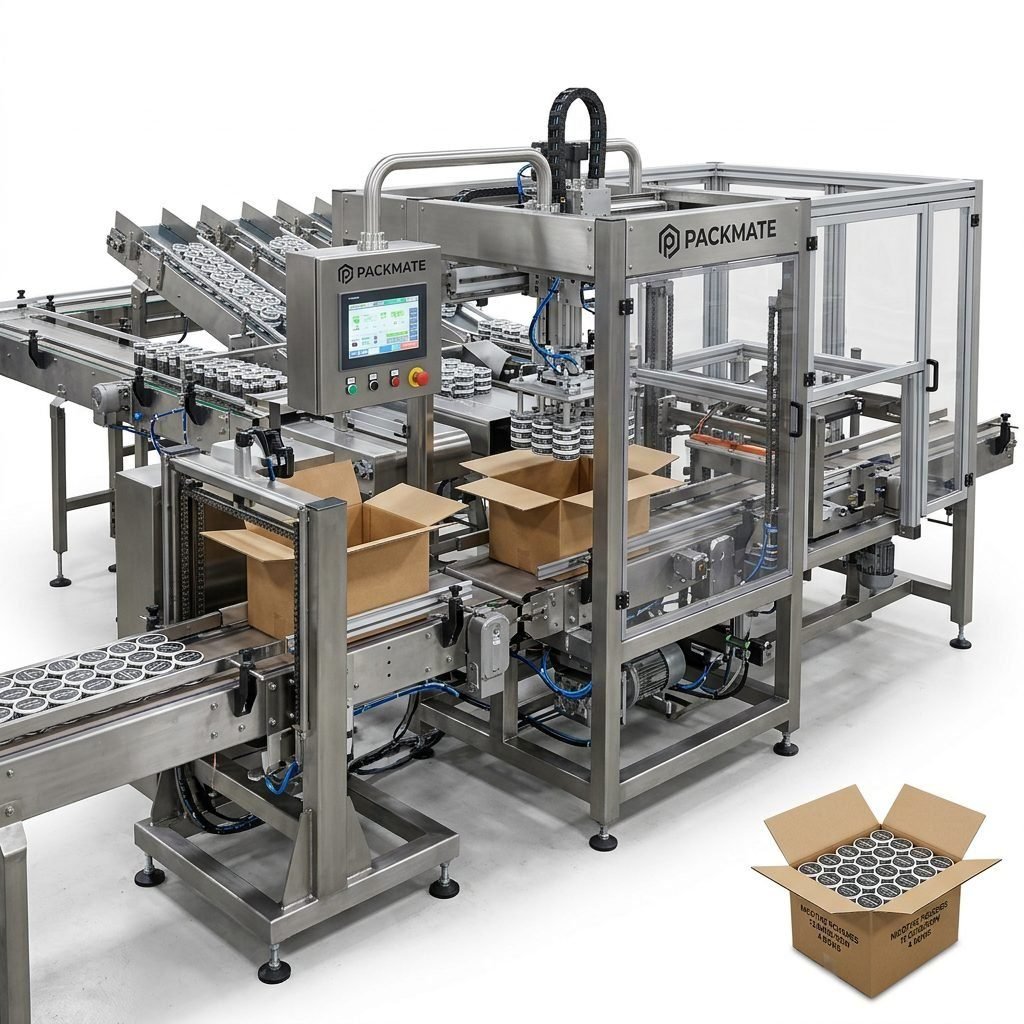
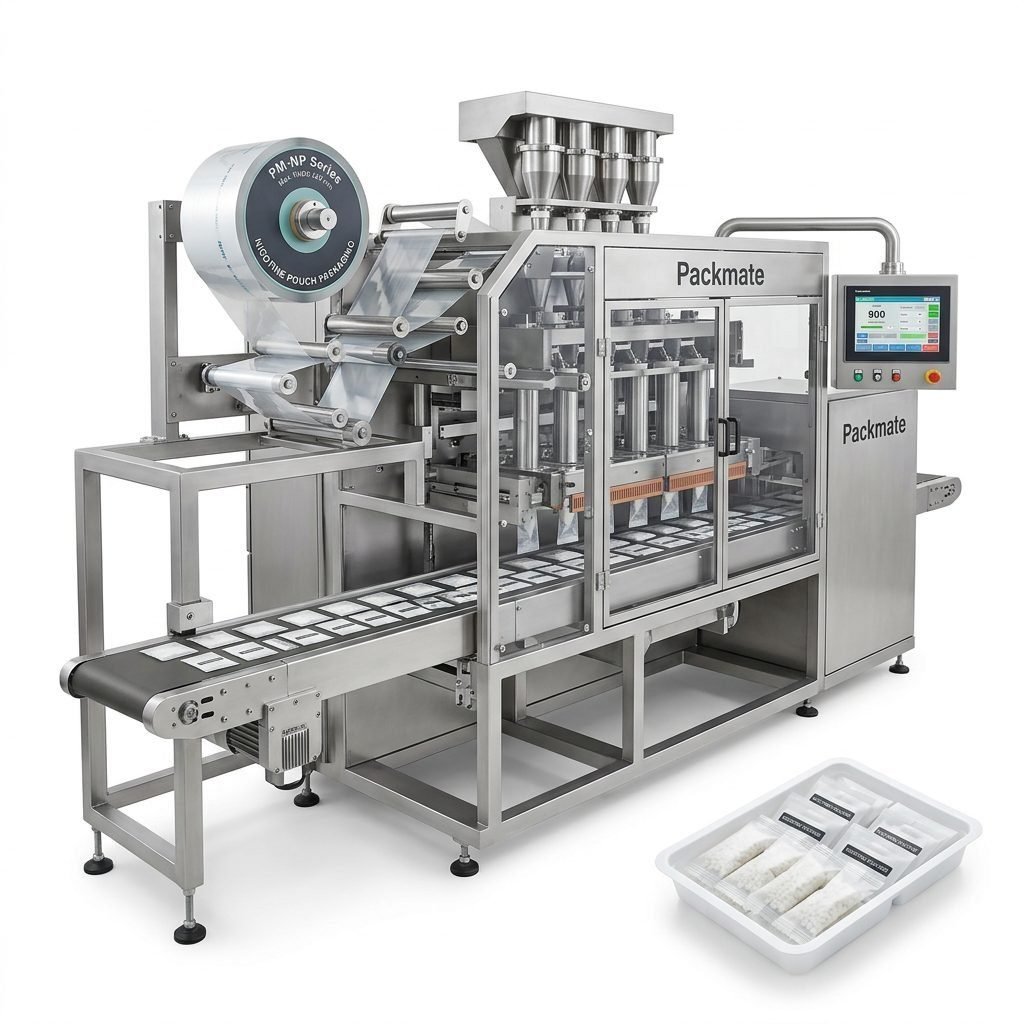
Choosing the right nicotine packaging machinery supplier for your business in Mauritius requires more than a price comparison — it demands a clear understanding of the local market, regulatory environment, technical requirements, and long-term service expectations. This guide breaks down practical steps, technical checks, and negotiation tips to help Mauritian businesses source reliable snus and nicotine pouch packaging equipment that fits local customs, import logistics, and long-term production goals.
1. Understand Mauritius market dynamics and local considerations 🏝️
Mauritius is a small island economy with a tightly regulated import environment and a multicultural consumer base. French and English are widely used in business, and Mauritian Creole influences local marketing language. When you evaluate suppliers, prioritize those who understand:
– The pace of duty clearances through Port Louis and the need for accurate shipping documentation.
– Packaging and labeling expectations for local retailers and duty-free outlets.
– The value of in-person relationships and responsiveness — Mauritian companies often favour suppliers who can deliver timely communication and reliable service.
Regulatory caution — check local rules first ⚖️
Nicotine pouches, snus, and similar products can fall under specific tobacco and pharmaceutical-like regulations in Mauritius. Always verify product classification, import permits, and labeling rules with local authorities before finalizing machine specifications. Suppliers who proactively help with documentation and regulatory compliance are valuable partners.
2. Technical selection: match machine capability to product and volume 🔧
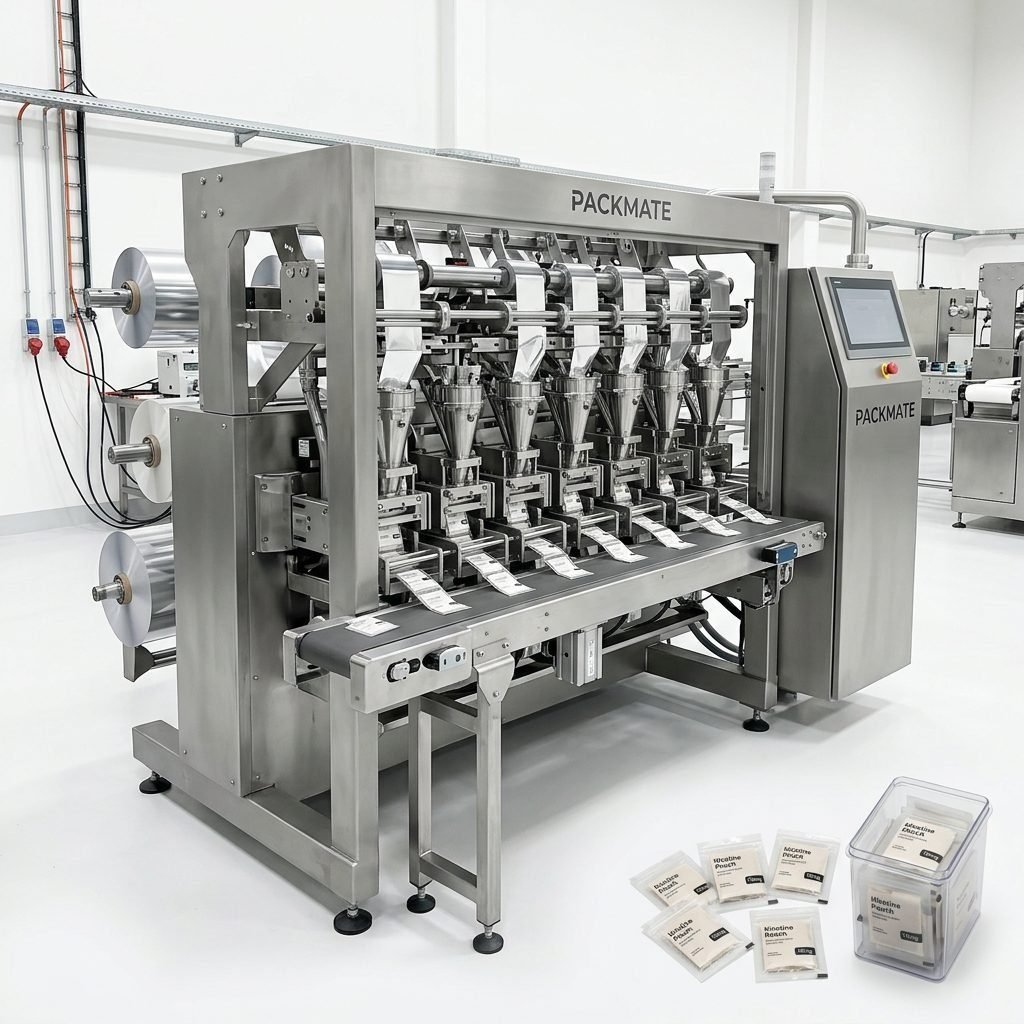
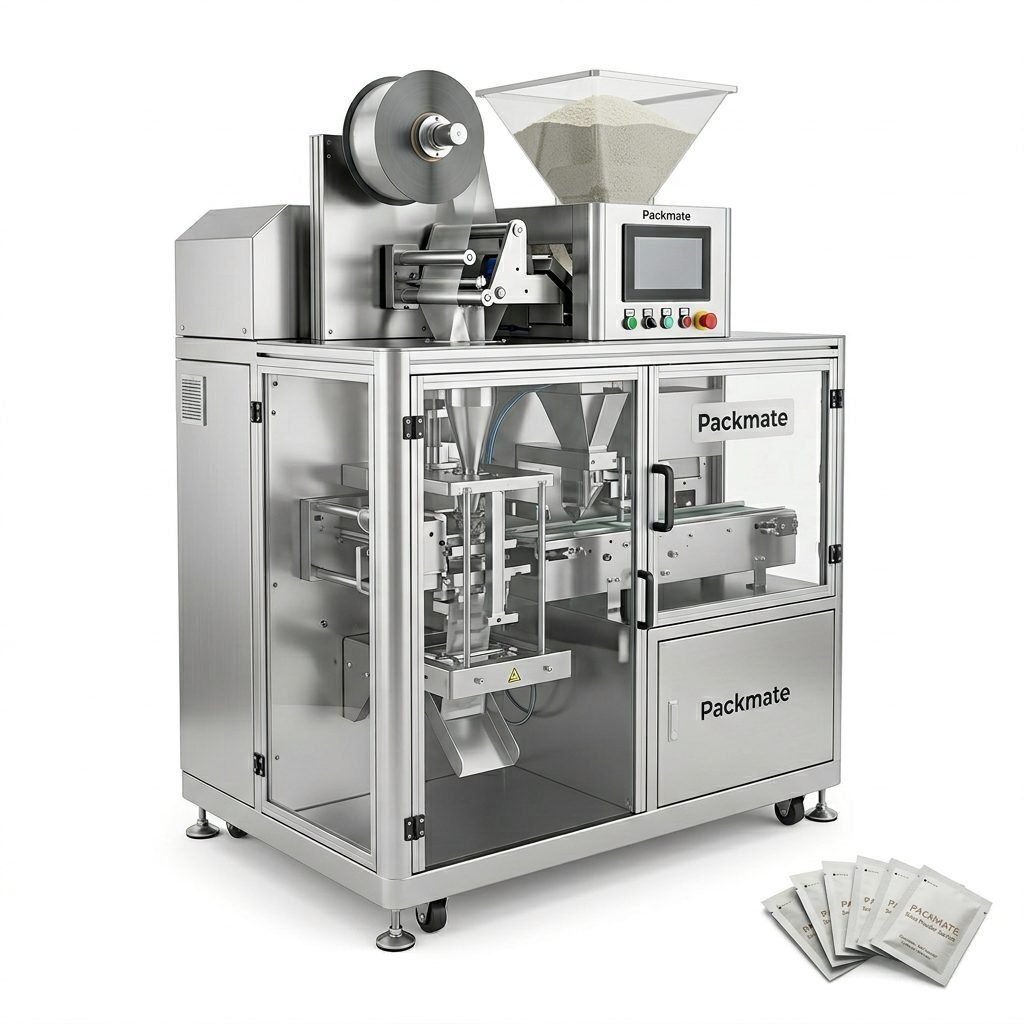
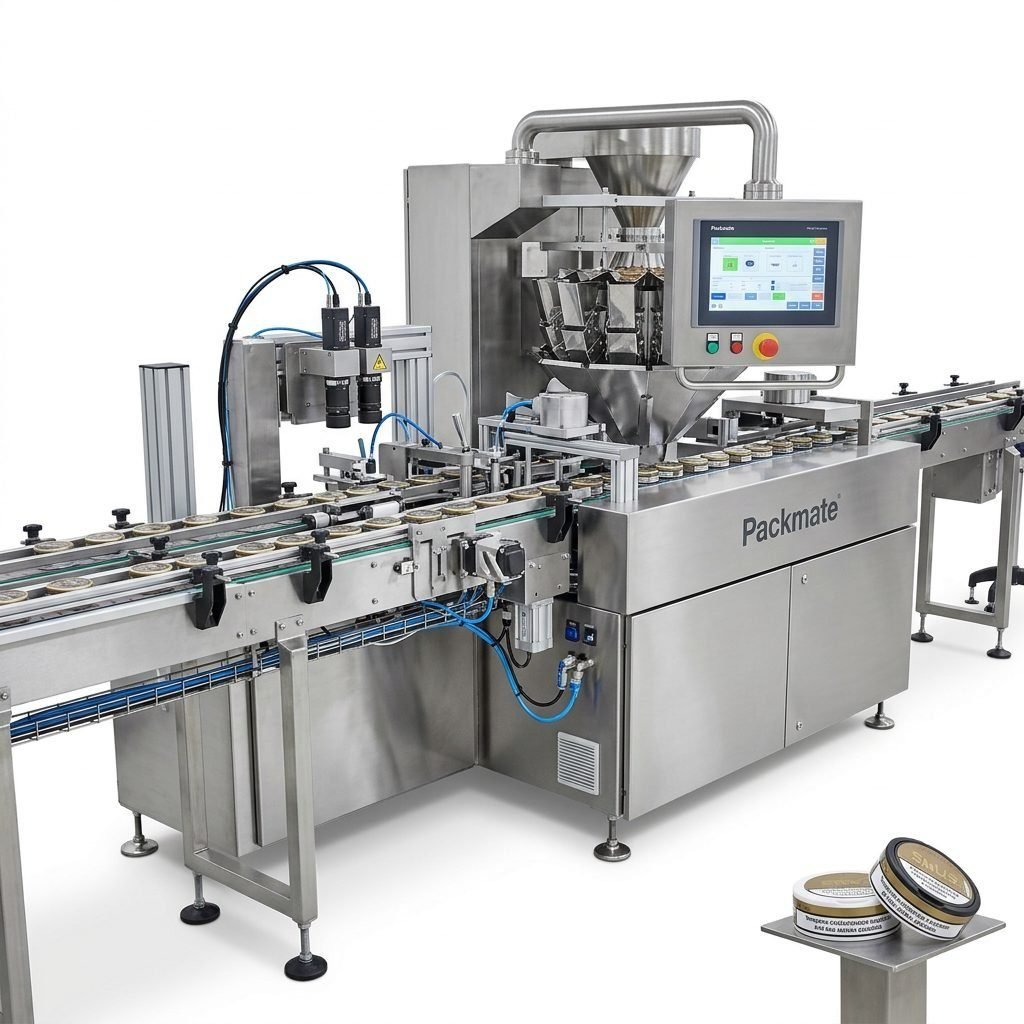
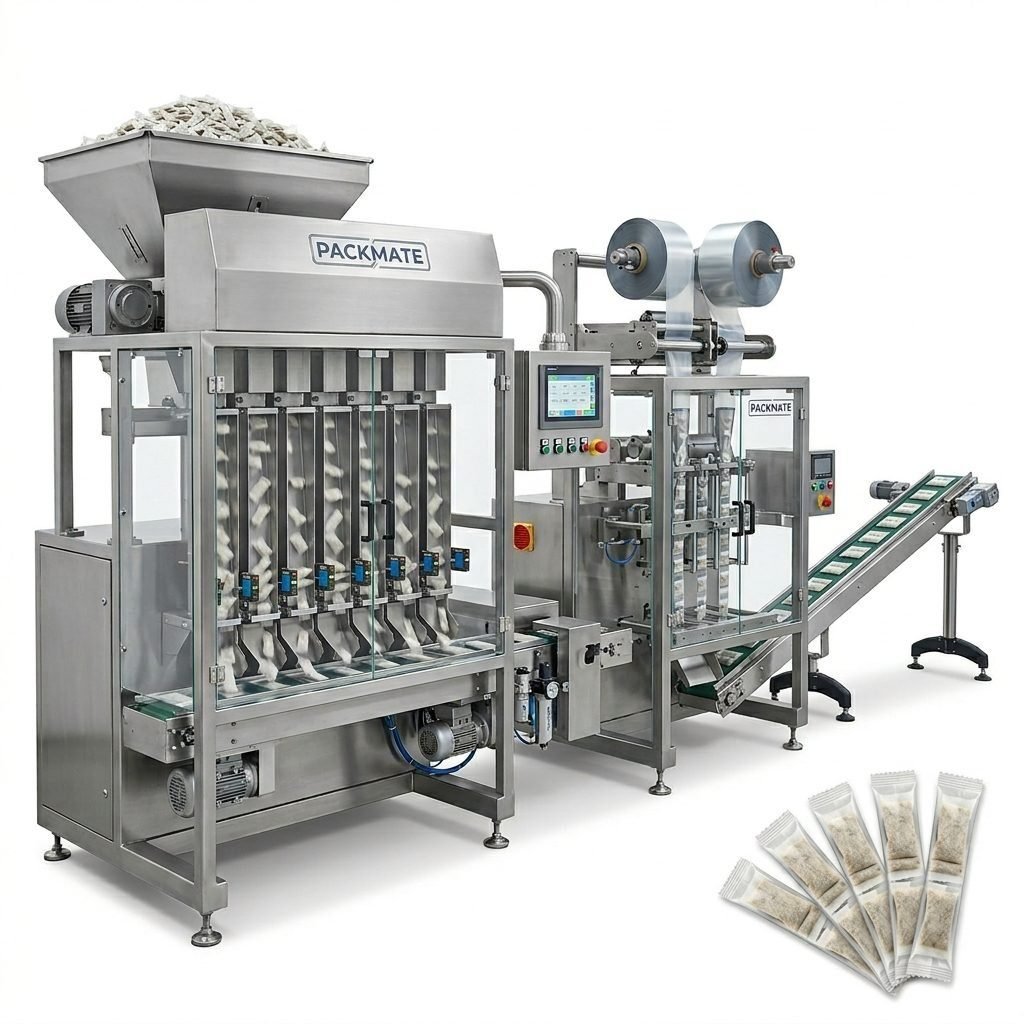
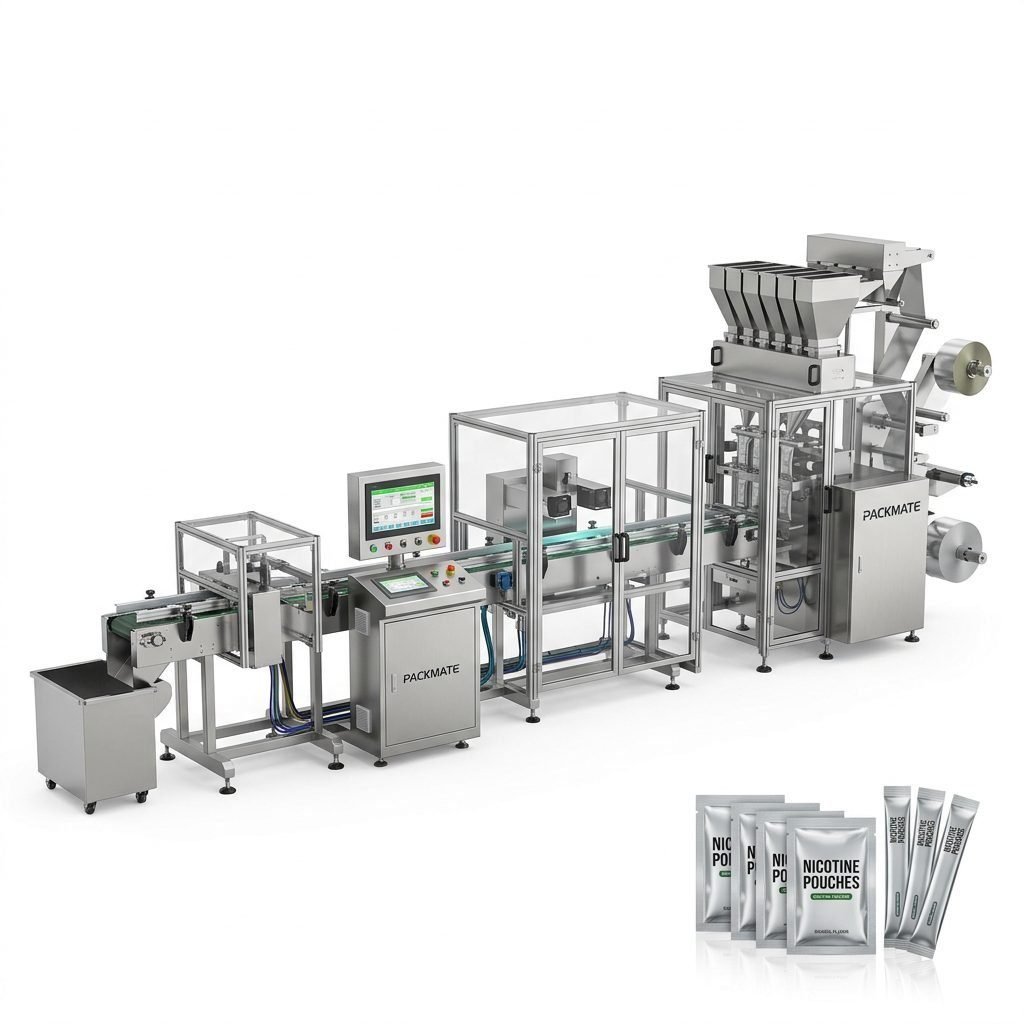
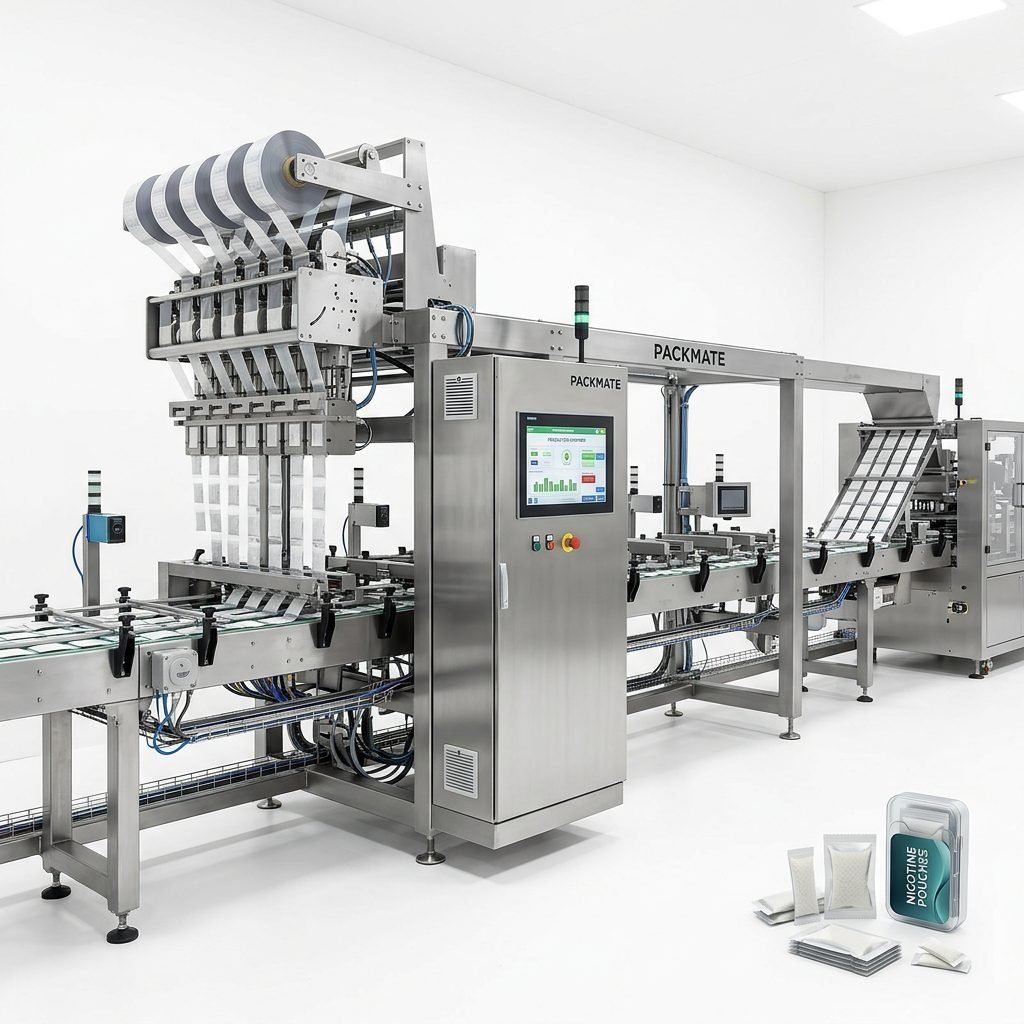
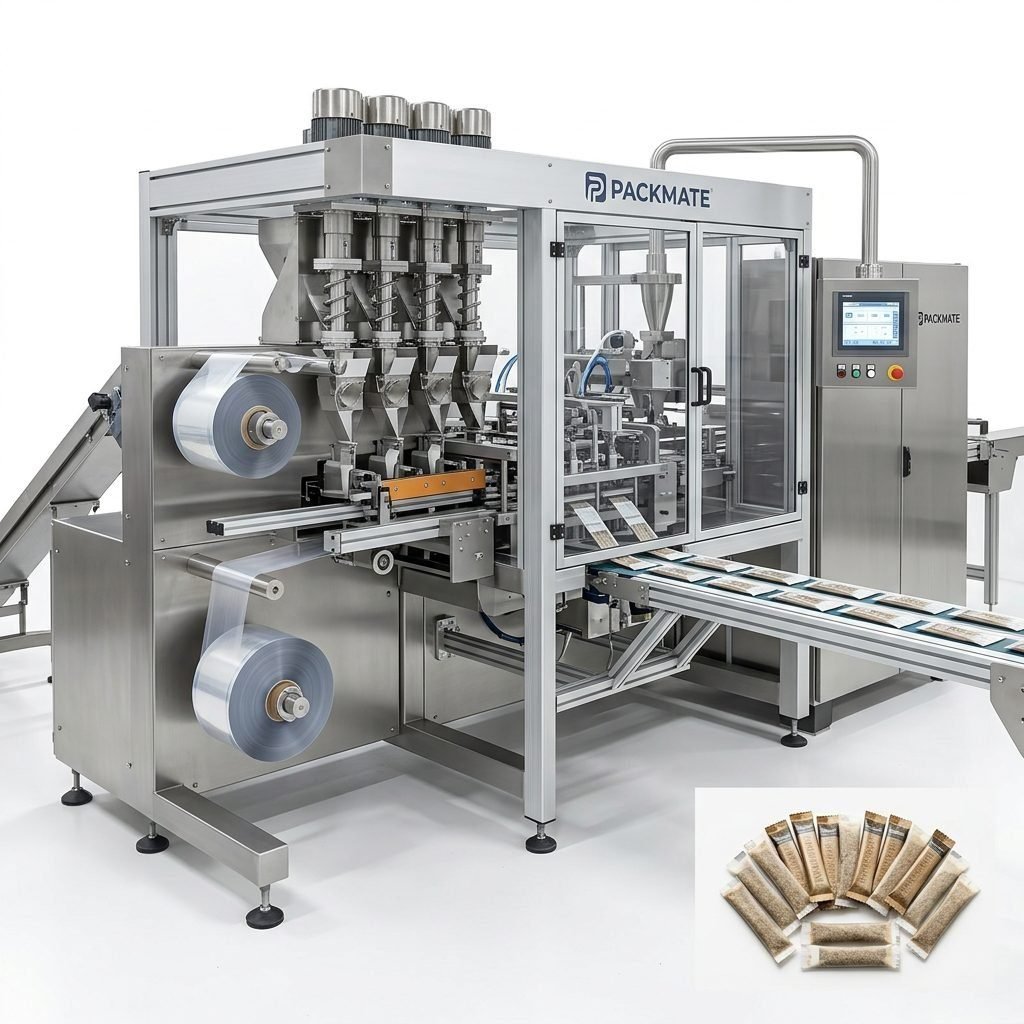
Selecting equipment that matches your nicotine pouch format, dose size, and production target is critical. Common machine families include multi-lane snus pouch machines, stick pack systems, sachet machines, and auxiliary filling or weighing systems. Consider:
– Format compatibility: Ensure machines support the exact pouch style (round/flat), filter materials, and dosing accuracy you need.
– Output capacity: Choose multi-lane or high-speed models if you expect to scale quickly. Underpowered machines lead to frequent upgrades and downtime.
– Dose accuracy & repeatability: Nicotine products require precise dosing; check tolerance specs and in-line weighing capability.
Look for machines with modular designs that allow future upgrades (e.g., additional lanes or automated feeding systems). Also confirm electrical compatibility (Mauritius commonly uses 230V), available spare parts, and control interfaces that can be provided in English and French.
Useful product references
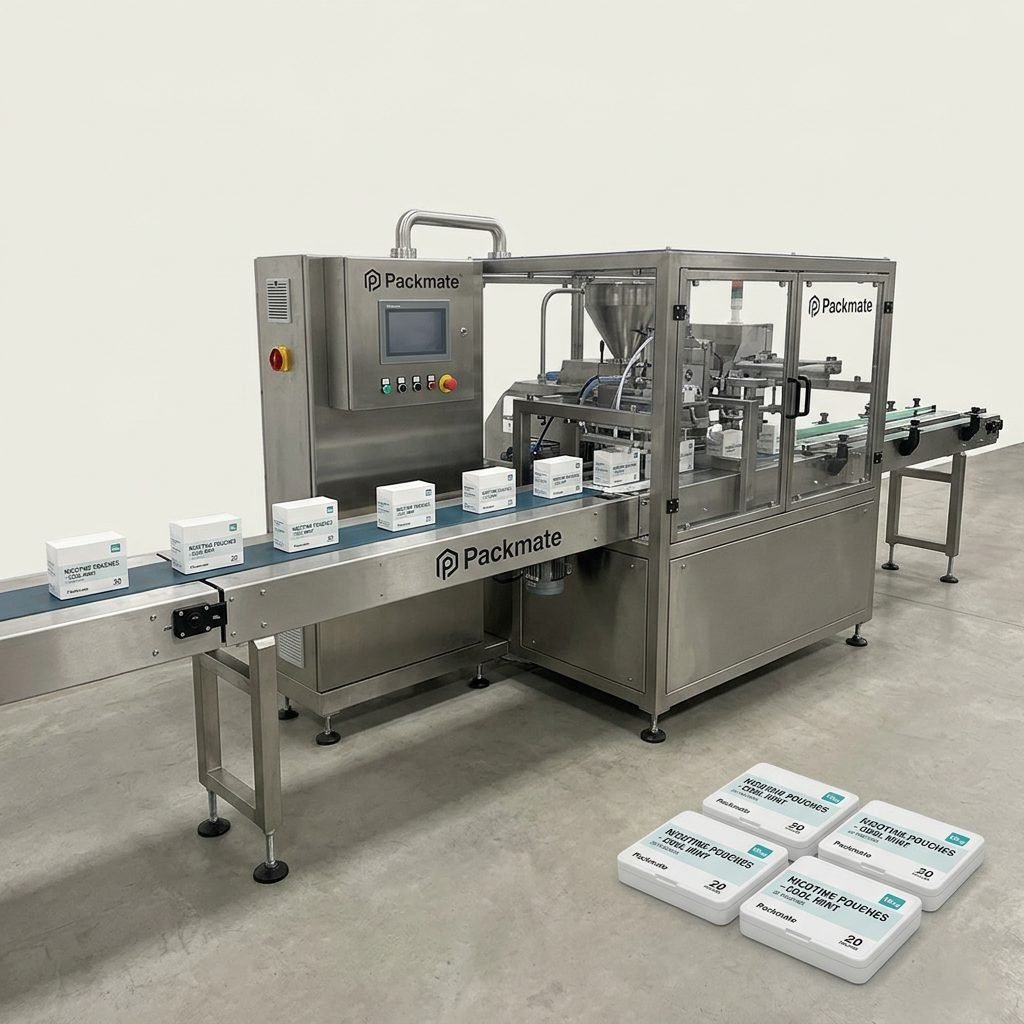
If you want to review specific machine families, explore reputable supplier catalogs like Packmate’s Snus & Nicotine Packaging Machines and related lines for sachets and stick packs. These pages highlight multi-lane configurations, filling systems, and turnkey line options.
Snus & Nicotine Packaging Machines
3. Supplier credibility: factory, experience, and certifications ✅
A supplier’s credibility reduces risk. Verify:
– Years in industry: Prefer suppliers with decades of engineering experience and proven case histories.
– Factory capacity and equipment: Large CNC centers, precision assembly areas, and a sizable factory footprint (for example, a 20,000㎡ facility) indicate manufacturing reliability.
– International certifications: CE and ISO certifications demonstrate compliance with safety and quality standards — important for Mauritian import inspections.
You can learn about manufacturer background and case studies through supplier pages like About Packmate and their global Case references to confirm field performance in similar markets.
Tip: Request a virtual factory tour or recent test video of the exact model you’ll purchase. Video proof of machine running your product reduces commissioning surprises.
4. After-sales service, training and spare parts — the true value drivers 🛠️
After-sales service matters most for island operations. Look for suppliers that offer:
– On-site installation and commissioning, or clear remote commissioning if travel is restricted.
– Local spare parts stock or fast shipping from regional hubs to avoid long downtimes.
– Structured operator and maintenance training in English/French.
– Extended warranty options and preventive maintenance plans.
Ask the supplier for references of customers in similar geographies or logistics contexts. Suppliers active in multiple continents often demonstrate robust service frameworks and can share documented response times and spare-parts lead times.
5. Total Cost of Ownership (TCO) over purchase price 💰
Cheapest upfront cost can be the most expensive option long term. Evaluate TCO by including:
– Energy consumption and air requirements (compressor sizing).
– Predicted spare-parts consumption and pricing.
– Planned maintenance intervals and service contract costs.
– Downtime impact on revenue — calculate lost production per hour.
– Opportunities for automation and future capacity upgrades.
Request a detailed operational cost estimate and expected mean time between failures (MTBF). Suppliers with transparent documentation and field performance data (like Packmate’s case studies) help build a realistic TCO model.
6. Logistics, installation and local support — plan for Port Louis delivery 🚢
Mauritius relies on sea freight for large machinery; Plan proactively:
– Confirm supplier experience with packing for sea transit and handling customs paperwork.
– Estimate inland transport from Port Louis to your production site, crane or forklift needs for unloading, and local electrical standards.
– Choose suppliers who provide clear installation manuals and offer remote technical support or send field engineers for commissioning.
A supplier that coordinates logistics closely and offers turnkey installation reduces the administrative burden on your team and speeds up time-to-production.
7. Practical supplier evaluation checklist ✅
Use this checklist when comparing vendor proposals:
🔎 Factory audit: Photos, videos, certifications, and recent client references.
📊 Performance data: Speed (pps), yield, dosing accuracy, and sample reports.
🛠️ Service & spares: Spare parts lead time, recommended spares list, remote support SLA.
📜 Warranty & contracts: Coverage, exclusions, preventive maintenance schedule.
💼 References: Clients in similar regions or with similar product lines; request contactable references.
If available, evaluate supplier product pages and case studies to confirm similar installations and outcomes.
8. Why a specialized manufacturer like Packmate can be a strategic choice 🌍
Specialized manufacturers with deep experience in snus and nicotine packaging often bring benefits Mauritius importers value:
– Domain expertise: Focused R&D on multi-lane pouch systems, dosing precision, and small-dose automation.
– Manufacturing strength: Large factory footprint, advanced CNC machining, and rigorous QC increase machine reliability.
– Turnkey solutions: Full lines from filling to final packaging, simplifying supplier management.
Explore product specifics on the supplier’s product pages for equipment families and support services:
Snus & Nicotine Packaging Machines |
Contact Us
9. Negotiation tips and contract essentials 📝
Include clear milestones and acceptance criteria in your contract:
– Acceptance test procedure (FAT/SAT) with agreed performance metrics.
– Lead times for spare parts and consumables.
– Warranty scope and penalties for missed deadlines.
– Training scope, language of documentation, and handover deliverables.
– Payment terms tied to milestones (prototype, FAT, shipping, installation).
Negotiate bundled service packages if possible; an annual maintenance plan with predictable costs often yields better uptime and budgeting certainty.
10. Final checklist before placing your order ✔️
Before signing, confirm:
– Electrical and air requirements align with your site.
– Full spare parts list and prices are provided.
– Communication language for manuals and training is suitable.
– Logistics plan to Port Louis and local handling are agreed.
– A clear commissioning timeline and acceptance criteria exist.
Quick reminder: Because Mauritian business culture values trust and long-term relationships, build a supplier partnership rather than a one-time transaction.
Additional resources
For more detailed machine options, spare parts information and service offerings, consult the manufacturer’s product pages or request their catalog and FAQs:
Summary and next steps
Selecting the best nicotine packaging machinery supplier in Mauritius combines technical matching, regulatory due diligence, and logistical readiness. Prioritize suppliers with proven experience in snus and nicotine pouch systems, strong factory capabilities, CE/ISO compliance, transparent TCO estimates, and robust after-sales support. Engage suppliers early to confirm documentation and customs support for Port Louis, and insist on clear FAT/SAT acceptance tests in the contract. Building a partnership with a specialist manufacturer reduces operational risk and accelerates your path to consistent, high-quality production.
Frequently Asked Questions (FAQs)
Q1: What certifications should I insist on when buying nicotine packaging machines?
A1: At minimum, request CE and ISO certificates. These show adherence to international safety and quality standards. Also seek documented performance data and FAT reports.
Q2: How long does shipping and installation typically take to Mauritius?
A2: Sea freight to Port Louis often takes several weeks depending on origin. Allow additional time for customs clearance, inland transport, installation, and SAT — plan a 2–3 month timeline from shipment to production in many cases.
Q3: Should I buy a local service contract or rely on remote support?
A3: For Mauritius, a hybrid approach is best: remote diagnostics for quick fixes plus scheduled on-site service visits or a stocked-spare agreement to minimize downtime.
Q4: Can suppliers help with regulatory paperwork for nicotine products in Mauritius?
A4: Reputable suppliers often provide documentation support and can advise on typical labeling and technical files, but you must confirm local regulatory requirements with Mauritian authorities or a local consultant.
Q5: Where can I view real-world examples of machines in operation?
A5: Ask suppliers for case studies, run videos of the exact model running your product, and request references from customers in similar regions. Packmate’s case pages are a good starting point for examples.