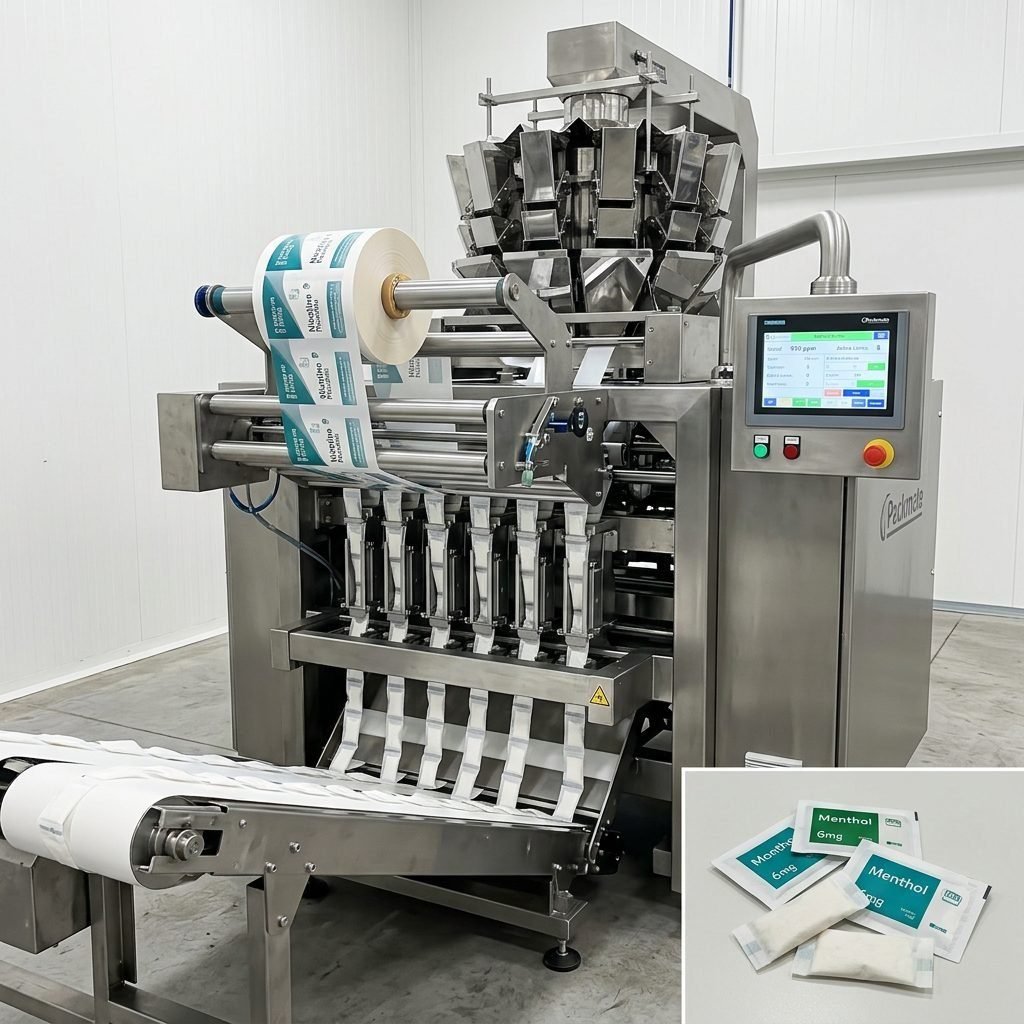
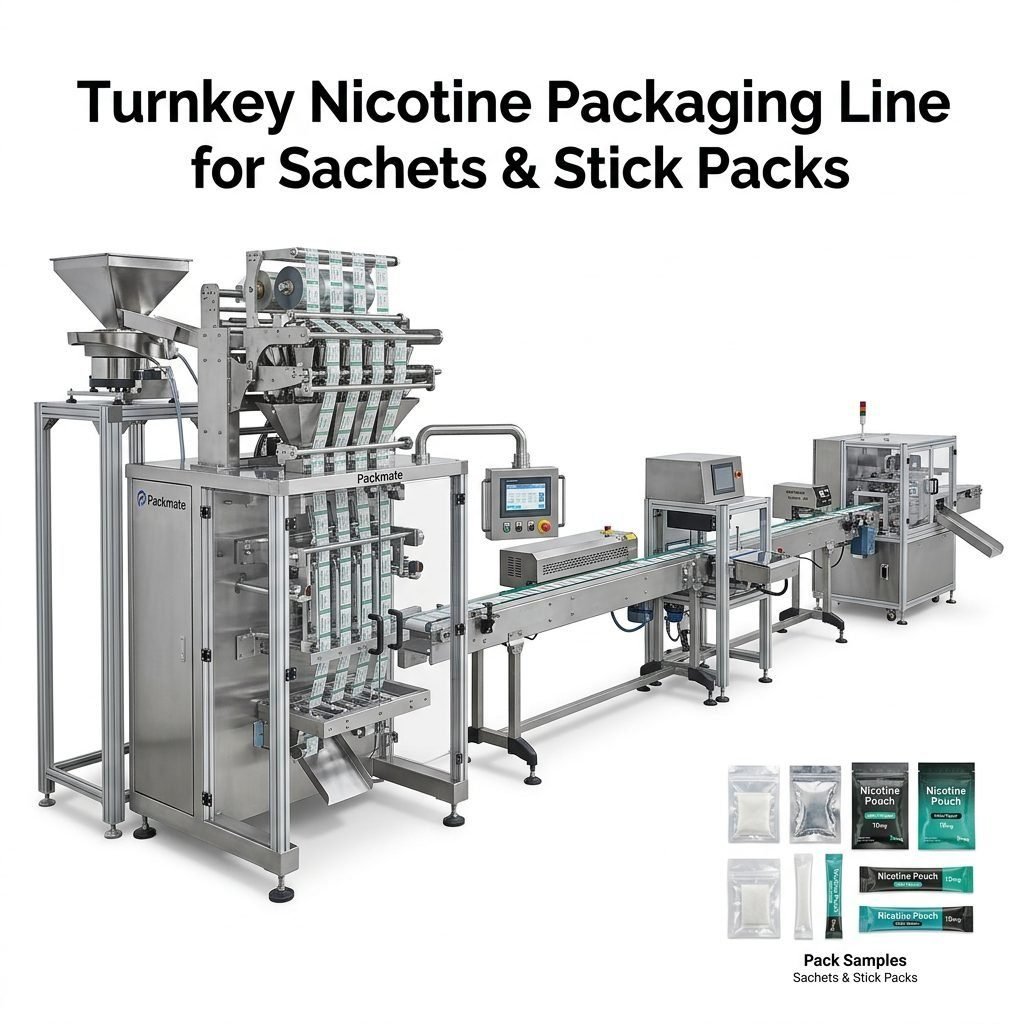
Choosing the right nicotine packaging machinery supplier in Montenegro is more than a procurement decision — it is a strategic investment that impacts production consistency, regulatory compliance, and brand experience. This guide walks packaging managers, production engineers, and business owners through a practical, step-by-step evaluation process tailored to Montenegro’s market specifics and operational realities. You will learn what technical capabilities matter, how to verify factory quality, what after-sales support to demand, and how to calculate real production ROI.
Why the supplier selection matters for Montenegro producers ⚠
Montenegro’s nicotine pouch and snus market is shaped by a small but discerning consumer base, strong tourism flows, and evolving regulation influenced by European standards. A packaging machine supplier isn’t just selling equipment — they enable you to meet local distribution channels (kiosks, specialty shops, online sales and duty-free), adapt to regulatory labeling requirements, and deliver consistent pouch quality across small to medium production runs. Selecting a supplier with proven reliability reduces downtime, speeds compliance, and lowers lifetime operating costs.
Local considerations: culture, channels and compliance
Montenegro has a mix of urban customers in Podgorica and coastal visitors in Budva and Kotor. Buyers often value discreet, high-quality packaging and precise portioning. When evaluating suppliers, consider:
✓ Distribution habits: kiosks and small retailers prefer compact, high-speed multi-lane outputs for small-dose pouches.
✓ Regulatory alignment: expect CE/ISO-adherent machines and clear documentation to simplify customs & compliance.
✓ Service proximity: a supplier that offers remote support, timely spare parts and training reduces risk in a smaller market.
Technical capabilities to prioritize
Technical fit is the backbone of your long-term production success. Look for suppliers that can demonstrate performance across these machine categories and systems:
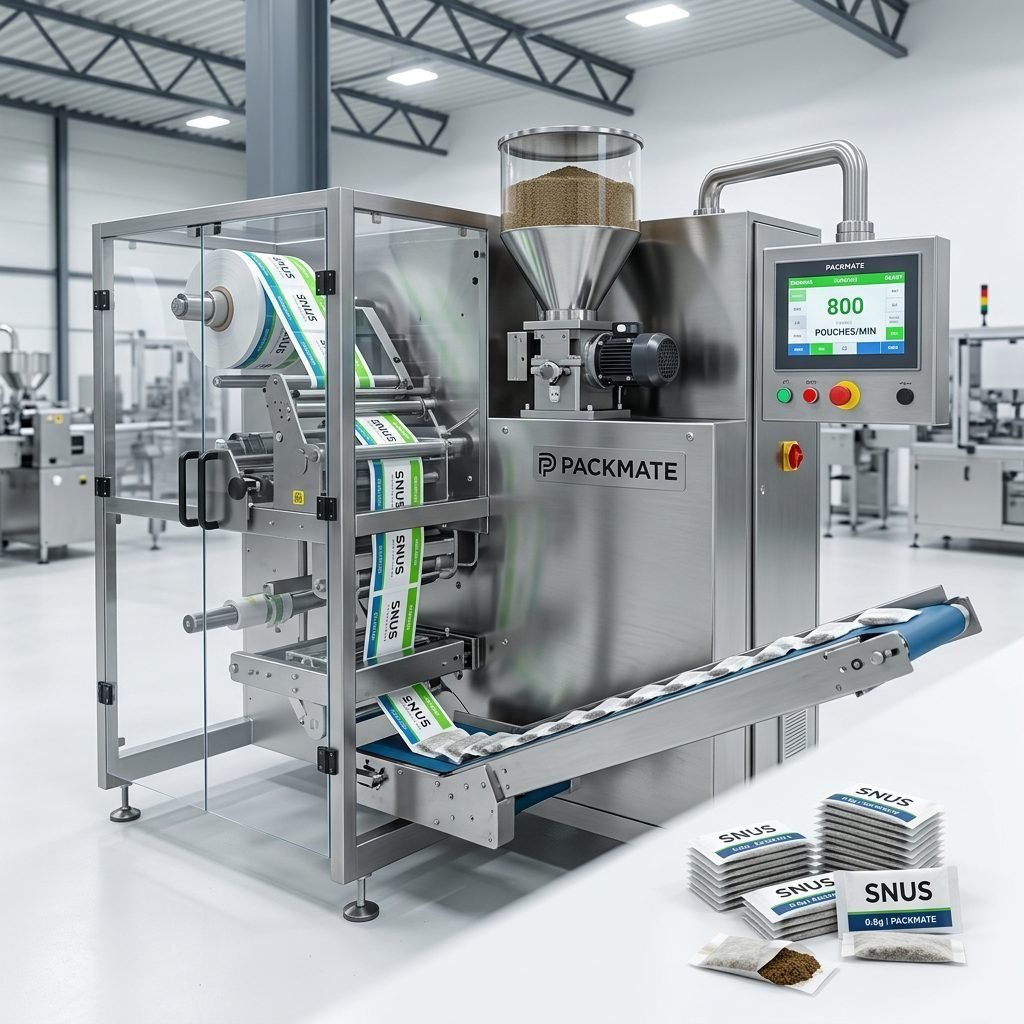
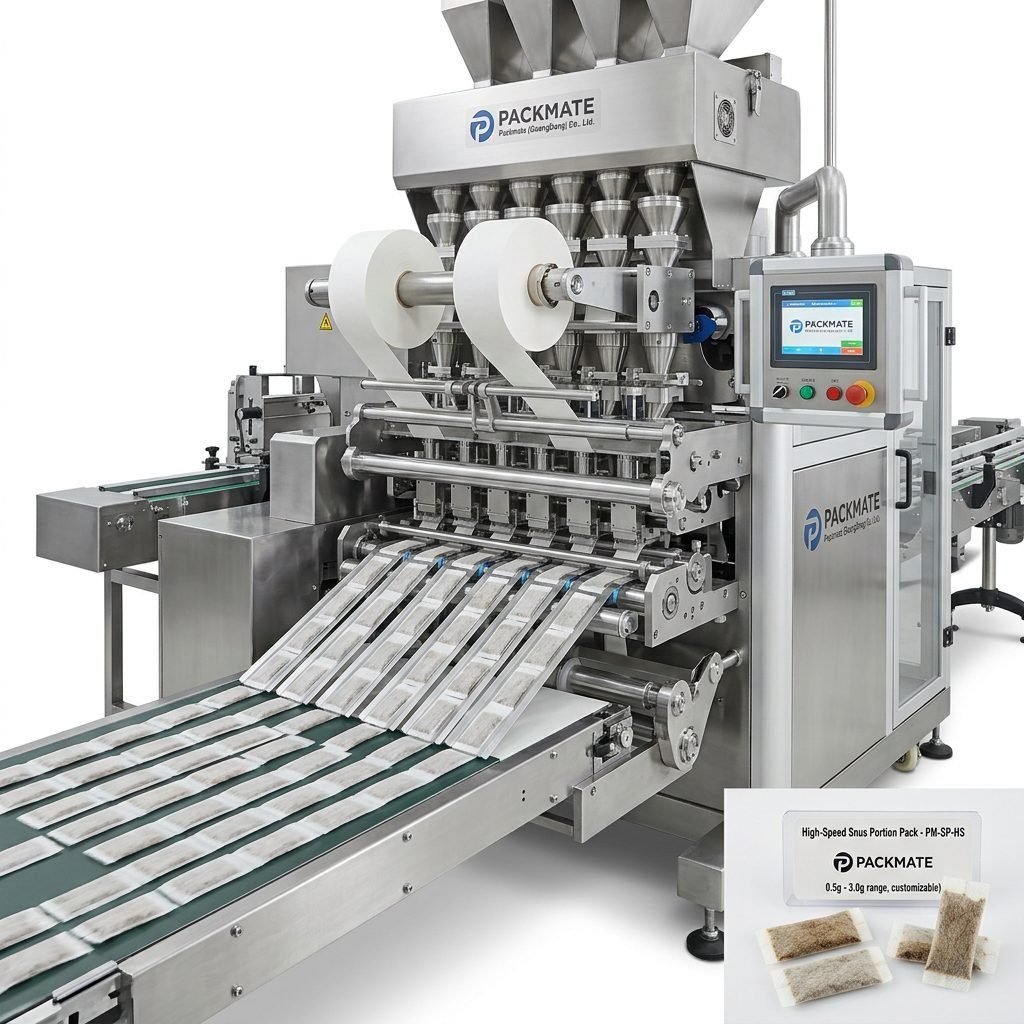
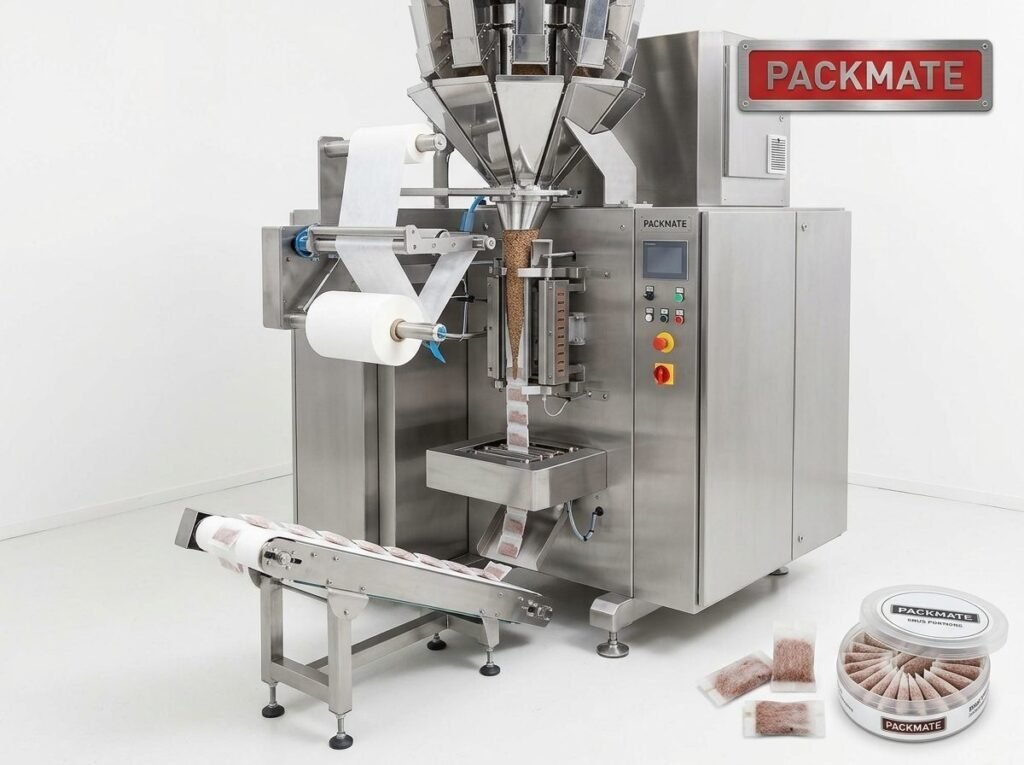
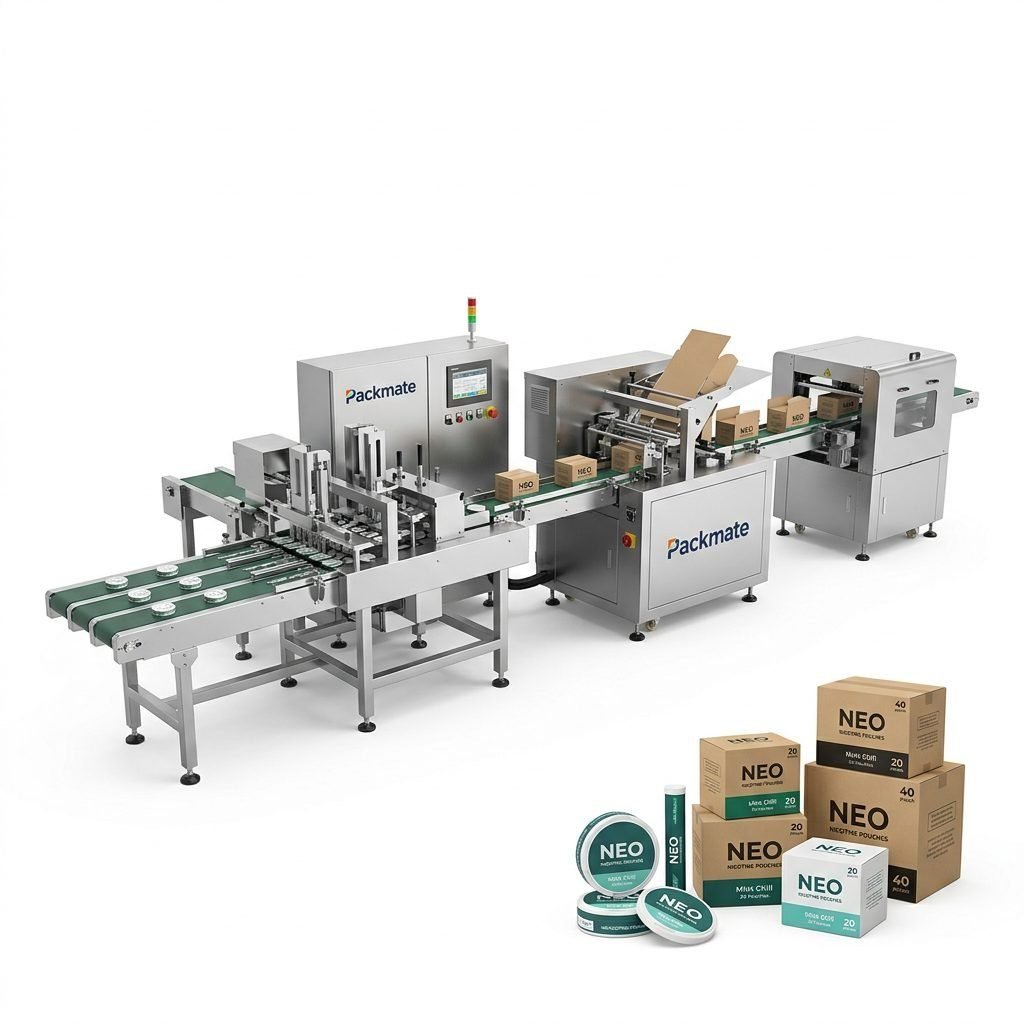
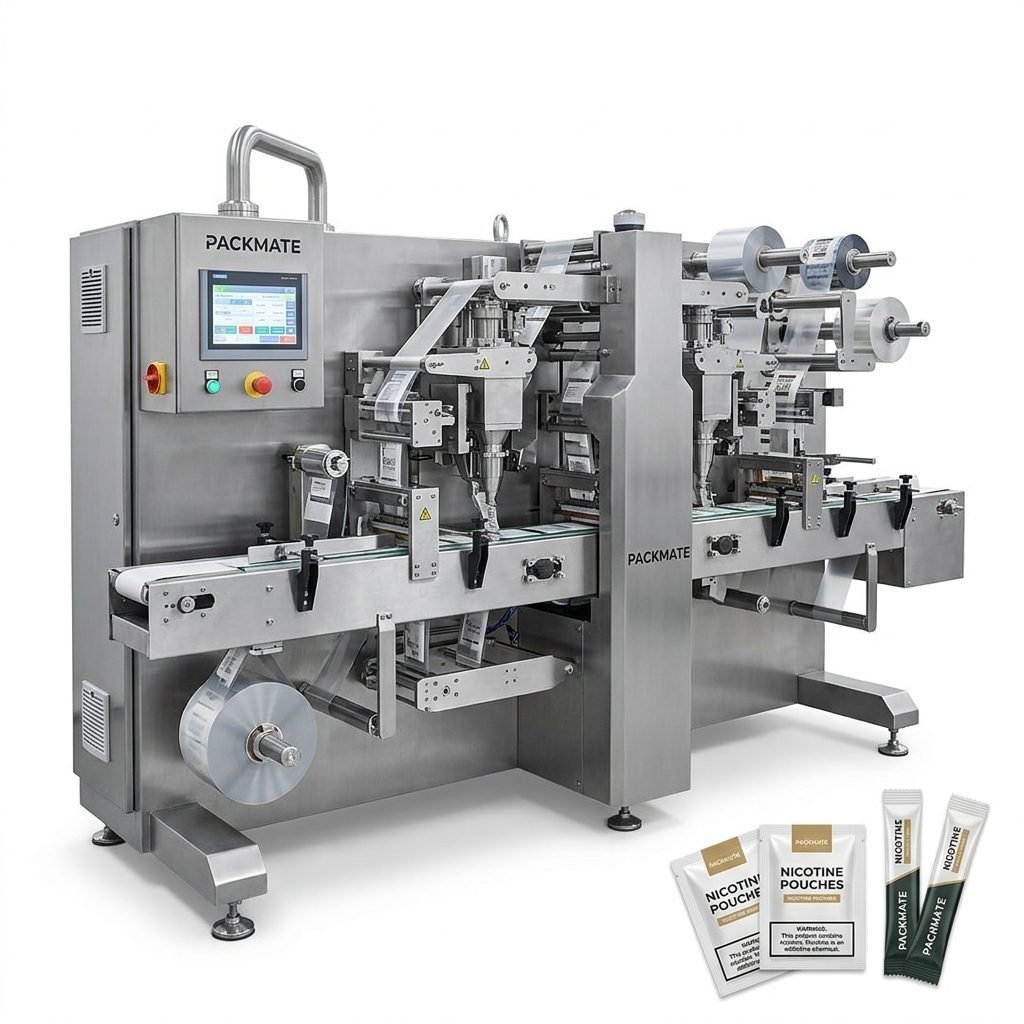
- Snus & Nicotine pouch packing machines for precision dosing and sealed pouches — ideal for nicotine pouches and snus products. See solution examples: Snus & Nicotine Packaging Machines
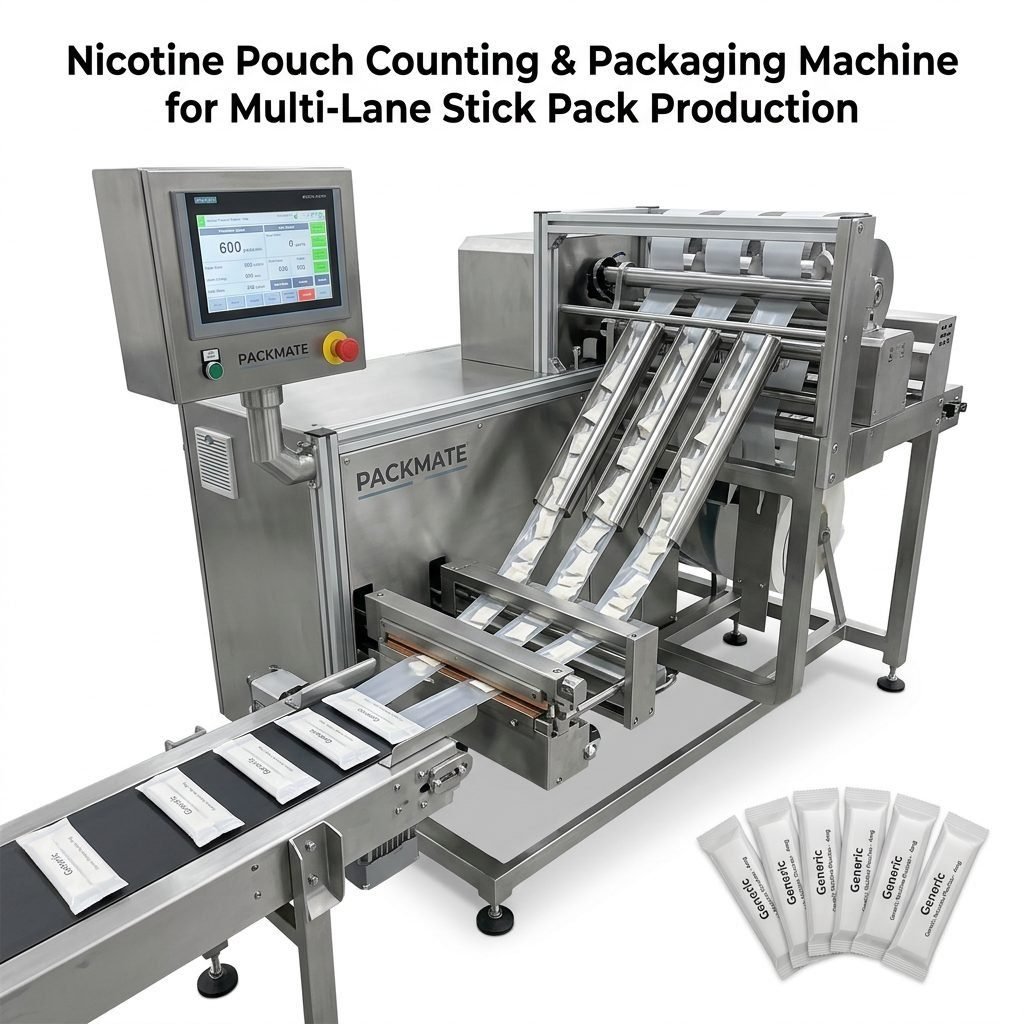
- Stick pack and sachet machines for single-portion formats, high speed and small footprint — useful for trial formats or promotional runs: Sachet & Stick Pack Machines
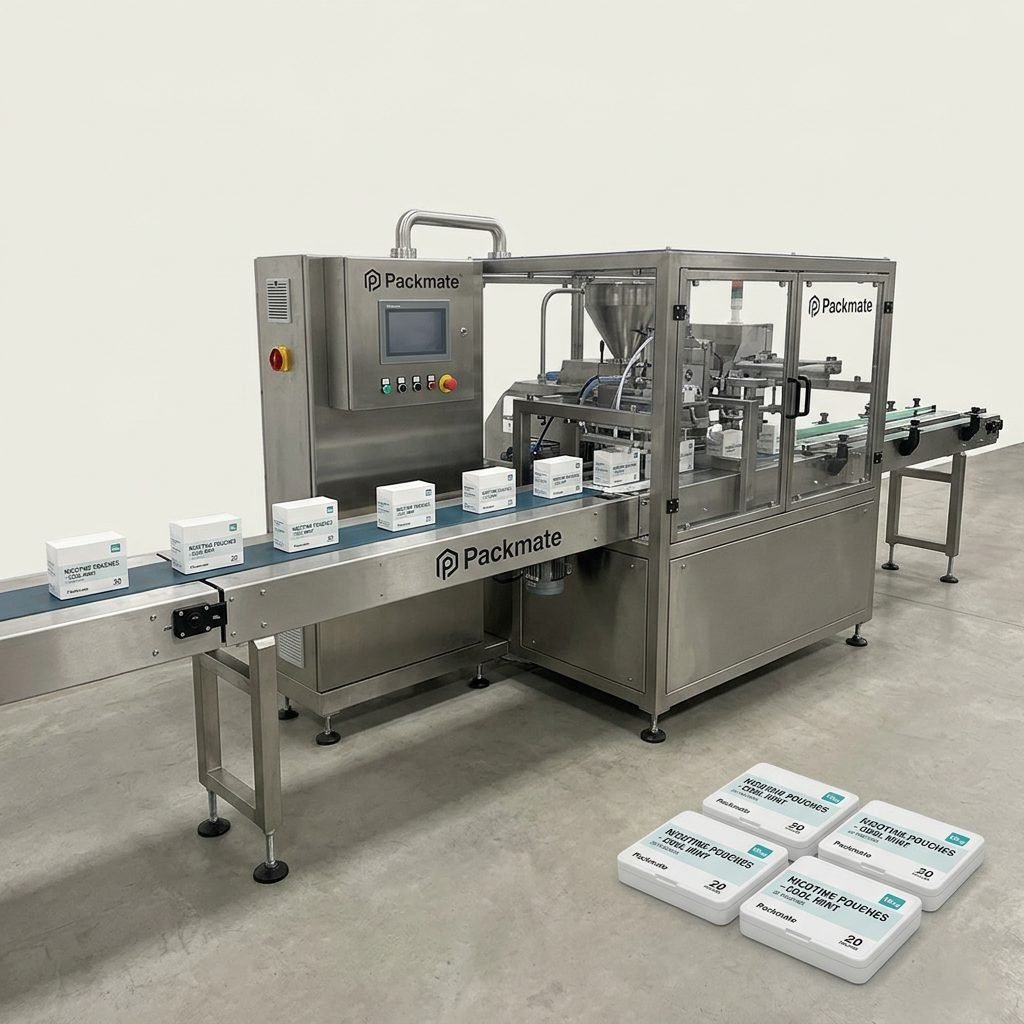
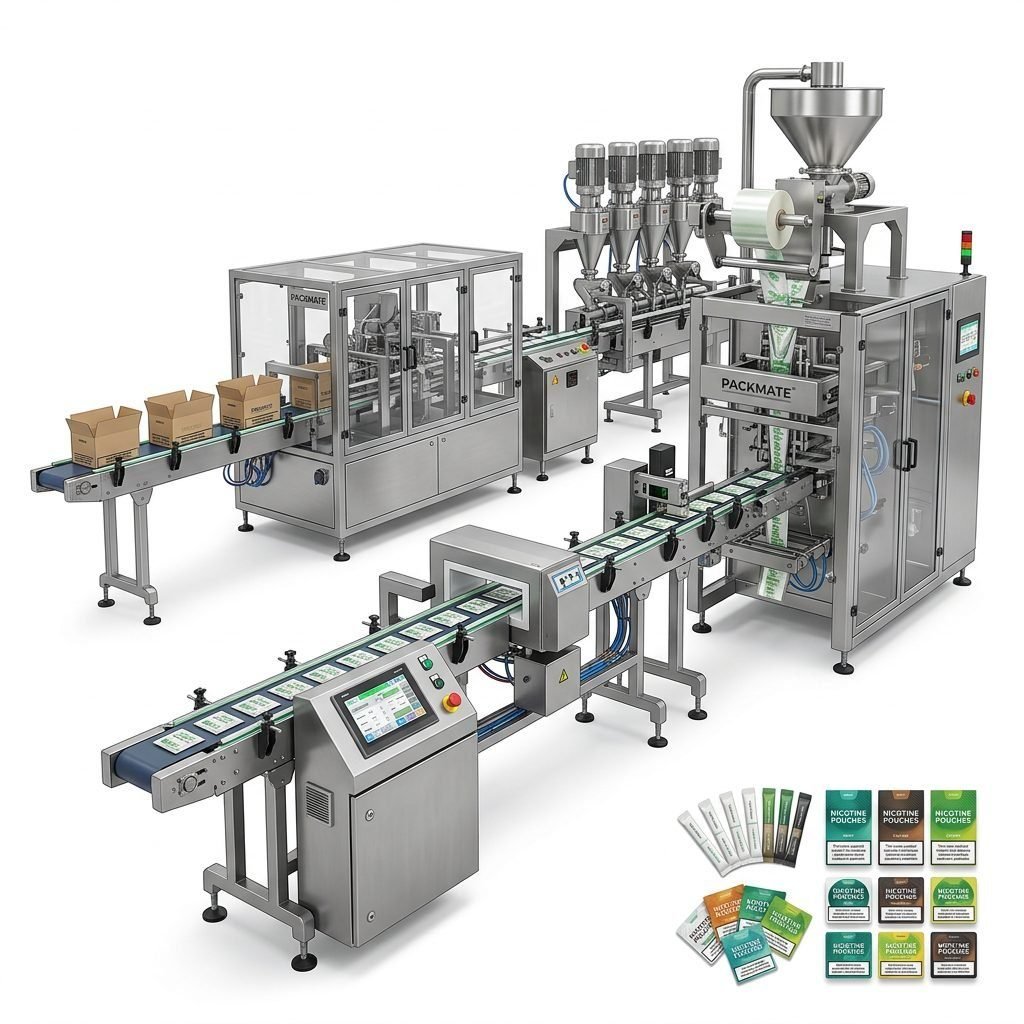
- Multi-lane systems and full filling/packaging lines for scaling production or running multiple SKUs in parallel: Filling & Packaging Lines
- Integrated weighing and auxiliary systems for consistency and traceability: Weighing & Packaging Systems
Machine features that matter
When you inspect technical datasheets or watch a demo, verify:
● Speed & lanes: multi-lane options increase throughput while keeping per-unit cost low.
● Filling accuracy: +/- tolerances for nicotine dosages and weight control reduce waste and compliance risk.
● Changeover ease: quick tool-less format change is vital for small-batch, multi-SKU operations typical in Montenegro.
● CIP & cleaning: hygienic design and easy cleaning save downtime and ensure product safety.
Factory strength, certifications and trust signals
A supplier’s manufacturing footprint and certifications are concrete proof of capability. Prioritize suppliers with:
- Large, modern facility with CNC machining centers and precision assembly lines — these reduce variability across delivered units.
- Documented CE and ISO compliance for machines and control systems — simplifies Montenegro import and retail acceptance. Check certification details if available: Certificate
- Transparent history and case studies showing installations in similar markets — ask for references and live demo videos: Case
Why factory scale matters for Montenegro buyers
Smaller markets benefit from suppliers with bigger, standardized factories: faster spare parts, proven QA, and better volume pricing for spare components. If the supplier has 50+ machine models and turnkey capabilities, they can better match your phased growth from pilot runs to commercial batches.
After-sales support: the often-overlooked differentiator
In Montenegro, remote troubleshooting and rapid spare-part shipments matter because specialized technicians can be scarce. Verify:
✔ Warranty & spare parts: clear SLAs for parts delivery and typical lead times to Podgorica or Bar port.
✔ Training: on-site commissioning and operator training, plus multilingual manuals (Montenegrin/Serbian/English).
✔ Remote support: phone/Teams/Zoom support and PLC/servo remote diagnostics to reduce technician dispatches.
Customization & turnkey solutions
Montenegro producers typically need compact turnkey lines that combine filling, dosing, sealing and final packaging. Look for suppliers who:
- Offer modular designs to expand capacity as demand grows.
- Provide full-line integration including auxiliary equipment: feeders, conveyors, case packers. Explore options: Auxiliary Packaging Equipment
- Supply electrical & control documentation for local certification and customs clearance.
Cost considerations and calculating ROI
Price is important but should be evaluated as total cost of ownership (TCO). Key cost drivers:
- Initial machine CAPEX and cost of optional modules.
- Energy consumption and consumables (film, pouches, seals).
- Maintenance intervals, typical spare-part costs, and mean time to repair (MTTR).
- Operator labor and changeover times for multi-SKU runs.
- Shipping, customs duties and local VAT on imports to Montenegro — plan for port handling at Bar or transit to inland locations.
ROI tip: prioritize machines that reduce rework and scrap; a small premium on higher accuracy often pays for itself within months in nicotine pouch production.
A practical evaluation checklist for Montenegro buyers
Use this step-by-step checklist when receiving proposals and visiting vendor demos:
- Request machine demo videos and live remote demos. Verify dosing accuracy and seal consistency.
- Ask for a detailed BOM, spare parts list and local lead times for critical components.
- Confirm CE/ISO certificates and ask for sample inspection reports.
- Review on-site commissioning plan, operator training schedule, and language of training materials.
- Obtain references from similar installations in Europe or nearby markets and ask for production KPIs post-commissioning.
Visit and verification
If possible, visit a factory or meet the supplier at an exhibition to see machines running. Suppliers that exhibit internationally send reliable signals — check their exhibition history: Our Exhibition.
Questions to ask prospective suppliers (red flags)
During tendering and demos, probe for these specifics. Hesitation or vague answers are warning signs:
• Lead times for key spares: can they ship within days to Montenegro or are parts months away?
• Data on uptime: average first-year uptime and cases of field failures.
• Local support network: do they work with local agents or supply remote diagnostic tools?
• Documentation: are electrical drawings, PLC code and parts diagrams provided on handover?
Implementation timeline & logistics for Montenegro
Expect a realistic timeline from contract to production:
- Pre-order technical clarifications and contract signing: 2–4 weeks.
- Manufacturing & FAT (factory acceptance test): 6–12 weeks depending on customization.
- Shipping & customs clearance at Bar or other ports: 2–6 weeks; plan for documentation reviews and VAT processing.
- On-site installation, training & validation: 1–3 weeks depending on line complexity.
Plan local permits and labeling verification in advance — a supplier that provides detailed shipment and customs paperwork reduces delays.
Why Packmate-style suppliers are often a strong fit
Suppliers with deep product focus, extensive machine ranges and strong factory capabilities align well with Montenegro’s needs. A manufacturer that offers specialized snus/nicotine pouch lines, modular multi-lane equipment, and 30+ years of engineering experience can deliver consistent quality, effective after-sales service and turnkey options as volumes grow. Learn more about the company background and capabilities: About Packmate.
How to finalize supplier selection
Final selection should be based on total alignment across technology, delivery, compliance and support. Ask for a final proposal including:
- Detailed machine specs, line layout and spare parts package.
- Clear warranty, training and service SLAs.
- References and user feedback from similar projects.
- A commercial offer showing CAPEX, estimated consumables cost, and a 3-year TCO estimate.
Next steps and where to get help
Reach out to suppliers who can provide demos, factory tours or local references. When you request proposals, include your target throughput, pouch format, expected SKUs and regulatory labeling needs. For direct vendor contact and service options, consider the supplier’s service page and contact channels: Service • Contact Us.
Conclusion
Selecting the best nicotine packaging machinery supplier for Montenegro requires balancing machine performance, compliance readiness, local support and TCO. Prioritize suppliers who demonstrate robust factory capabilities, clear certifications, modular turnkey solutions and rapid after-sales service. Thorough demos, verified references and a transparent spare-parts strategy will ensure a smooth path from installation to profitable production.
Frequently Asked Questions
Q1: How long does a typical snus packaging line take to commission in Montenegro?
A1: Allow 10–20 weeks from order to production for a customized line, including manufacturing, FAT, shipping and on-site commissioning depending on complexity and customs timing.
Q2: What certifications should I verify before purchase?
A2: Check for CE and ISO compliance, plus machine-specific safety and electrical declarations. Suppliers should provide documentation to ease Montenegro import and local testing.
Q3: Can machines be serviced remotely?
A3: Many modern systems support remote diagnostics and PLC access. Confirm the supplier’s remote support tools, response SLAs and spare-parts shipping times.
Q4: Do suppliers offer turnkey packaging lines?
A4: Yes — look for vendors that provide integrated solutions including auxiliary equipment, weighing systems and packaging automation to speed time-to-market. See turnkey offerings: Bag & Pouch Packaging Machines.
Q5: Where can I view past installations?
A5: Ask suppliers for case studies and visit exhibition booths when possible. Review documented cases and reference installations for operational KPIs: Case.