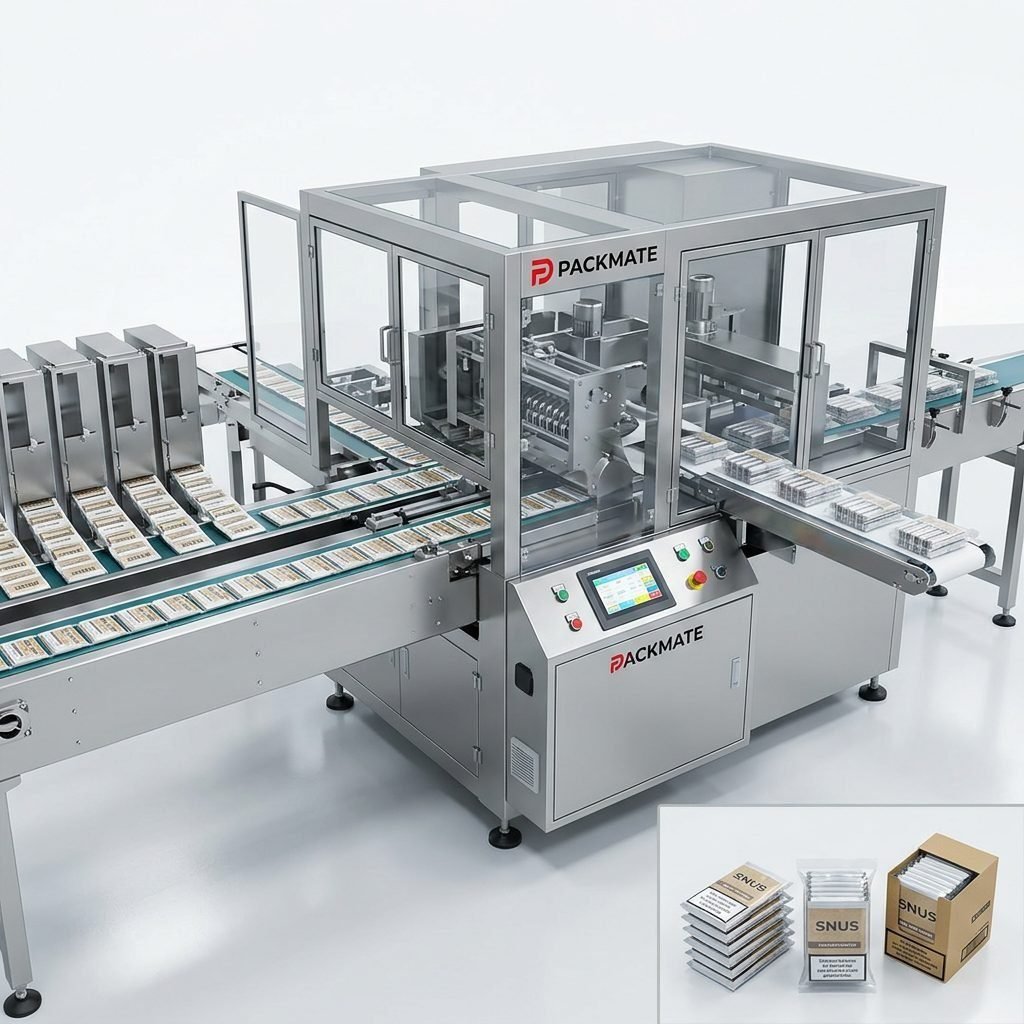
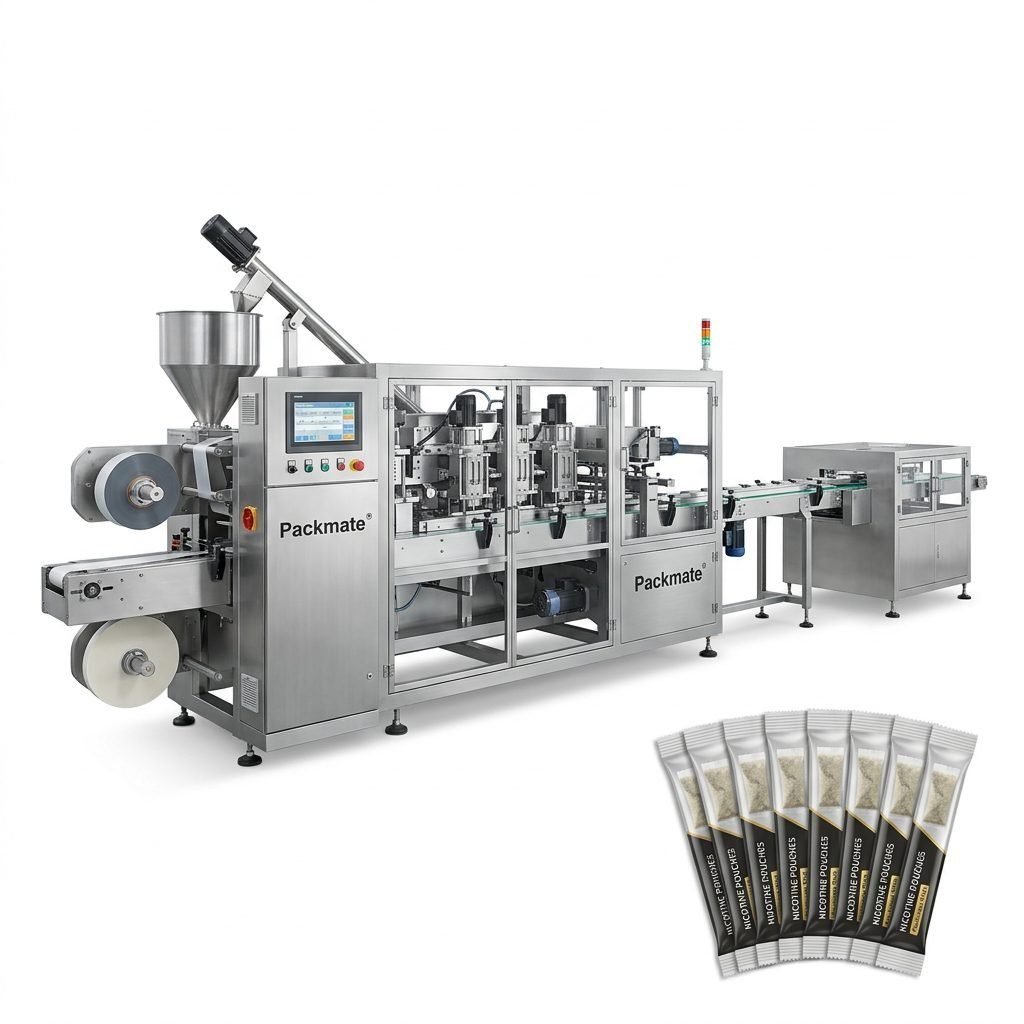
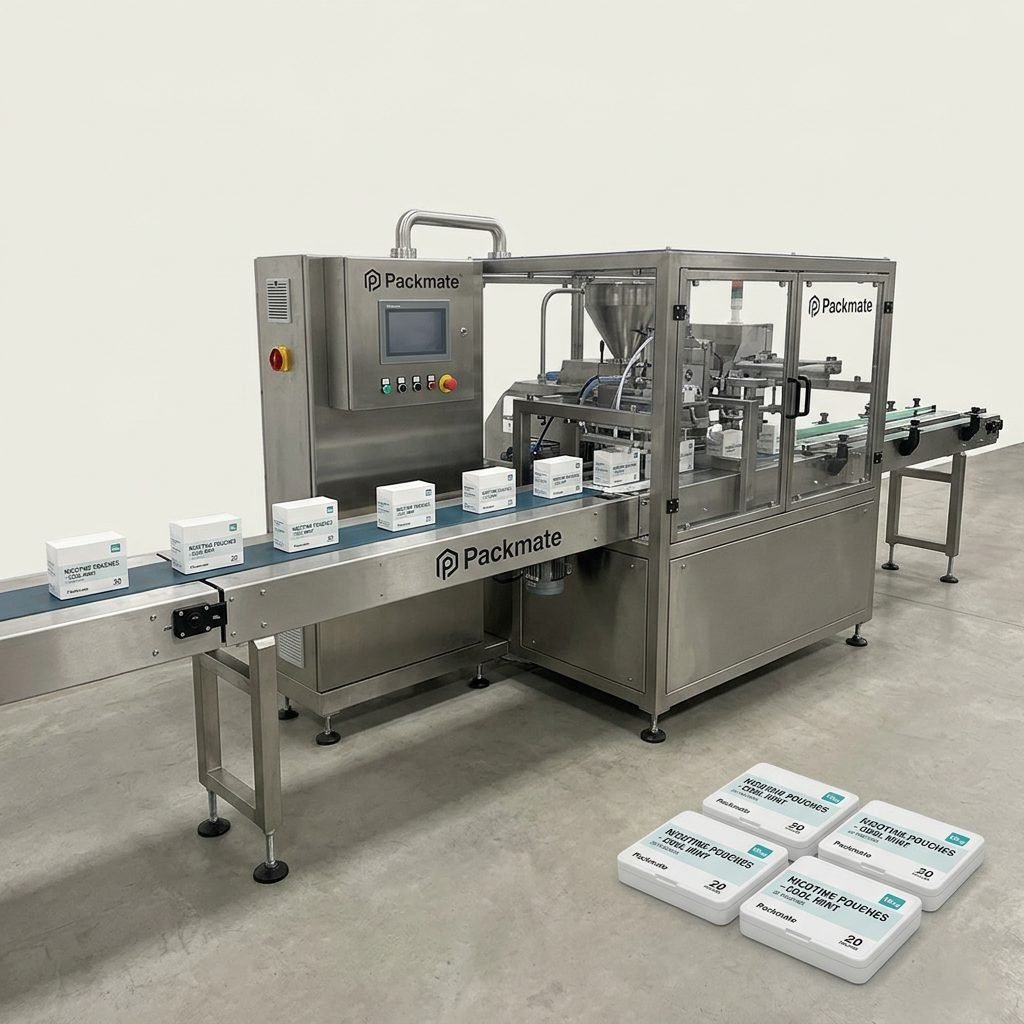
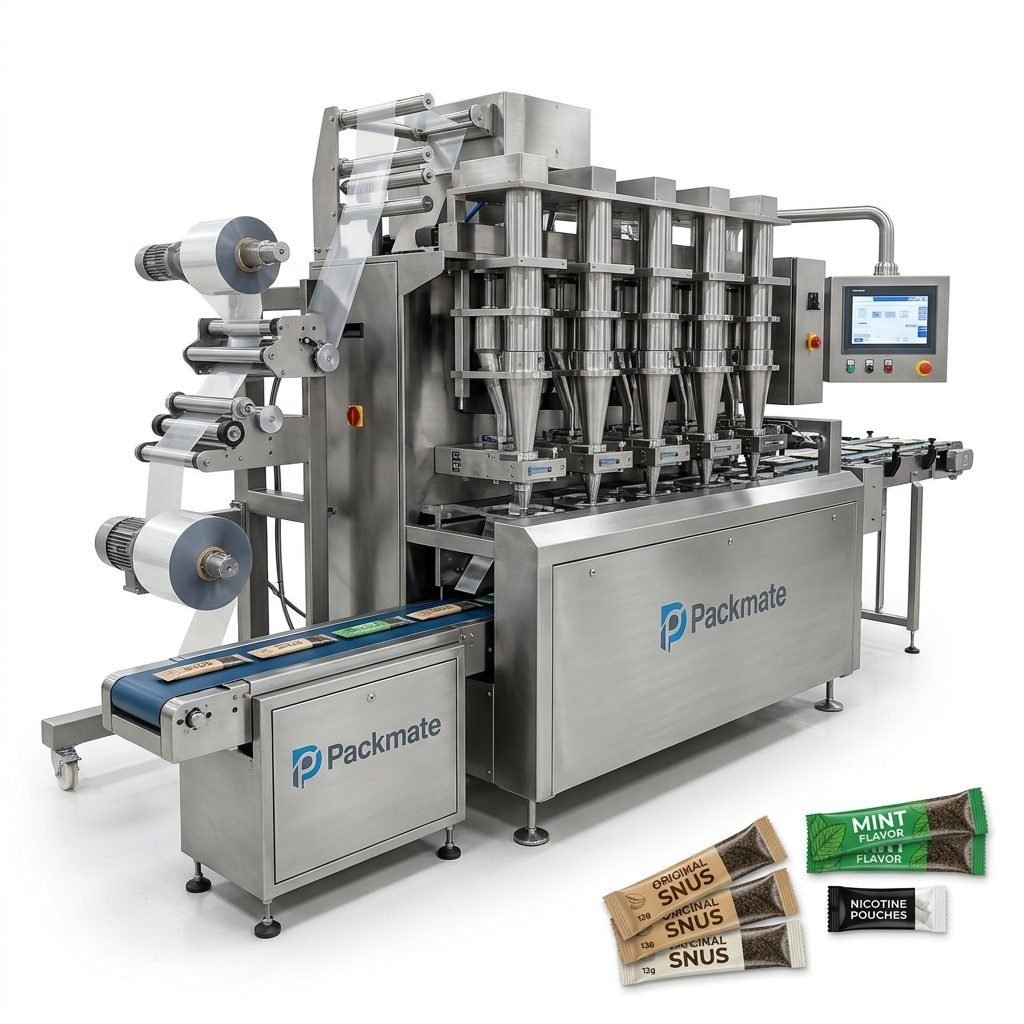
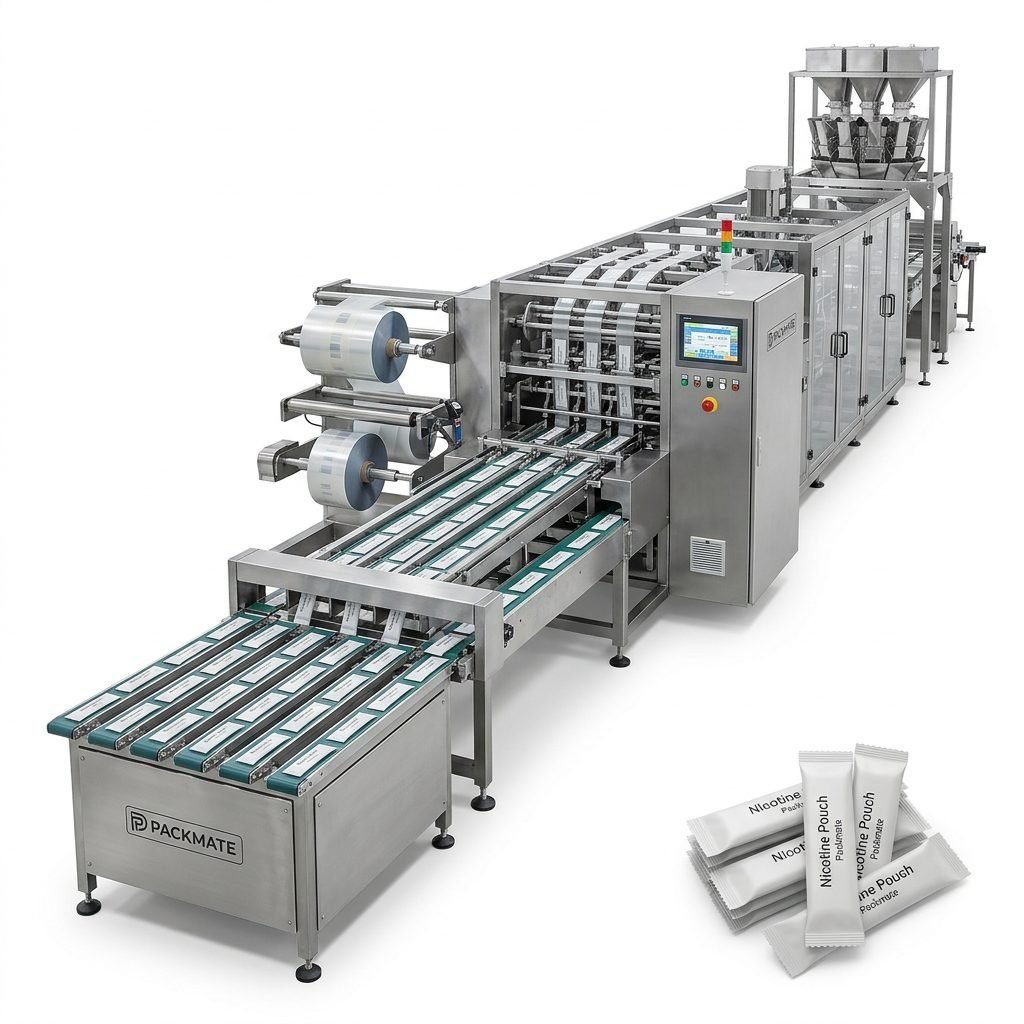
Choosing the right snus or nicotine pouch packaging machine manufacturer is a critical step for any business looking to enter or expand in the Austrian market. This guide walks you through practical considerations—from local regulatory context and consumer preferences in Austria to machine capabilities, certifications, after-sales service, and return-on-investment factors—so you can confidently select a partner that matches your production goals.
Understanding the Austrian market and local preferences
Austria is part of the European Union and shares many regulatory approaches with neighboring countries. Although traditional snus (tobacco-containing) is restricted in most EU countries outside Sweden, the market for nicotine pouches and tobacco-free snus alternatives has grown steadily. Austrian consumers tend to value quality, product safety, and environmental responsibility. They also expect reliable documentation and compliance with CE and ISO standards.
Practical points for Austria-focused sourcing:
🔍 German language support is often preferred—documentation, user manuals, and training in German help speed up commissioning and operator acceptance.
📌 Compact floor layout and low-noise operation matter for smaller EU production facilities and for meeting strict workplace comfort standards.
♻️ Environmental concerns and energy efficiency are a purchasing factor for mid- and large-sized manufacturers in Austria.
Key factors when choosing a snus packaging machine manufacturer
When evaluating manufacturers, use the following criteria as a checklist to compare suppliers objectively:
✅ Technical capability and machine range — multi-lane systems, stick pack, sachet and pouch formats, dosing options for powder/granule/liquid. Ensure the supplier has models matching your target pouch size and daily throughput.
✅ Certifications and compliance — CE and ISO compliance are essential for sales and installation in the EU. Look for documented test reports and traceability for critical components.
✅ After-sales service and spare parts — fast spare-parts delivery, remote support, and local representation (or German-speaking technicians) reduce downtime and are especially valuable in Austria.
✅ Customization & integration capability — turnkey solutions that integrate weighing, filling, sealing and packaging lines can reduce system complexity and improve yield.
Technical capabilities to verify
A manufacturer should demonstrate strong engineering and manufacturing capability. Look for:
– Multi-lane filling and sealing technology for high throughput and consistent pouch weight.
– Accurate dosing systems for small-dose nicotine pouches, with repeatability guarantees.
– Flexible format changeover (quick tool-less change where possible) to support small batch, seasonal, or private-label production.
– Robust mechanical design with quality control in machining and assembly—advanced CNC centers and precision assembly lines are a plus.
Why manufacturing scale and history matter
Manufacturers with a long history and a large manufacturing footprint bring process maturity and supply-chain stability. For instance, companies with decades of R&D experience and a large factory area indicate capacity to customize, test, and support complex lines. When a supplier shows evidence of global turnkey projects and consistent product evolution, you gain confidence in long-term partnership.
Certifications, documentation, and regulatory readiness
Austria expects high standards in workplace safety, CE marking, electrical safety, and process hygiene. Ask your manufacturer for:
⚠️ Complete certification pack — CE/ISO certificates, material traceability, and machine safety reports. If you plan to export to Sweden or specialized markets, check additional documentation requirements.
After-sales & field service — essential for Austrian operations
Timely service reduces downtime. For Austrian customers, prioritize suppliers who offer:
- Remote diagnostics and software support to minimize onsite visits.
- Spare-part kits and critical component lead times clearly stated.
- Operator and maintenance training, ideally in German or with German documentation.
Production footprint and customization capability
Check factory capacity, R&D resources, and examples of customized delivery. A modern manufacturing facility with advanced CNC machining and precision assembly is a sign of quality control. Examples of useful capabilities include: turnkey integration of weighing & packaging systems, multi-lane high-speed lines, and modular designs that allow future upgrades.
If you want to review real-world projects, ask for case studies or references from EU clients—these give insight into the supplier’s ability to meet local standards and deadlines. See manufacturer case examples and technical product lines for reference: Case, Snus & Nicotine Packaging Machines.
Cost considerations and total cost of ownership
Purchase price is only part of the equation. For Austrian operations, calculate:
📈 Total Cost of Ownership (TCO) including energy use, spare parts, downtime, training, and software updates. Energy-efficient drives and intelligent controls can significantly lower long-term operating costs.
Integration with existing lines and modular upgrades
If you already run a packing line in Austria, ensure the new machine integrates with existing conveyors, checkweighers, and metal detectors. Modular machine designs allow staged investment—start with core functionality and add lanes, feeders or robotic palletizers later.
Choosing the right machine type for your product
Match the machine type to your product and business model:
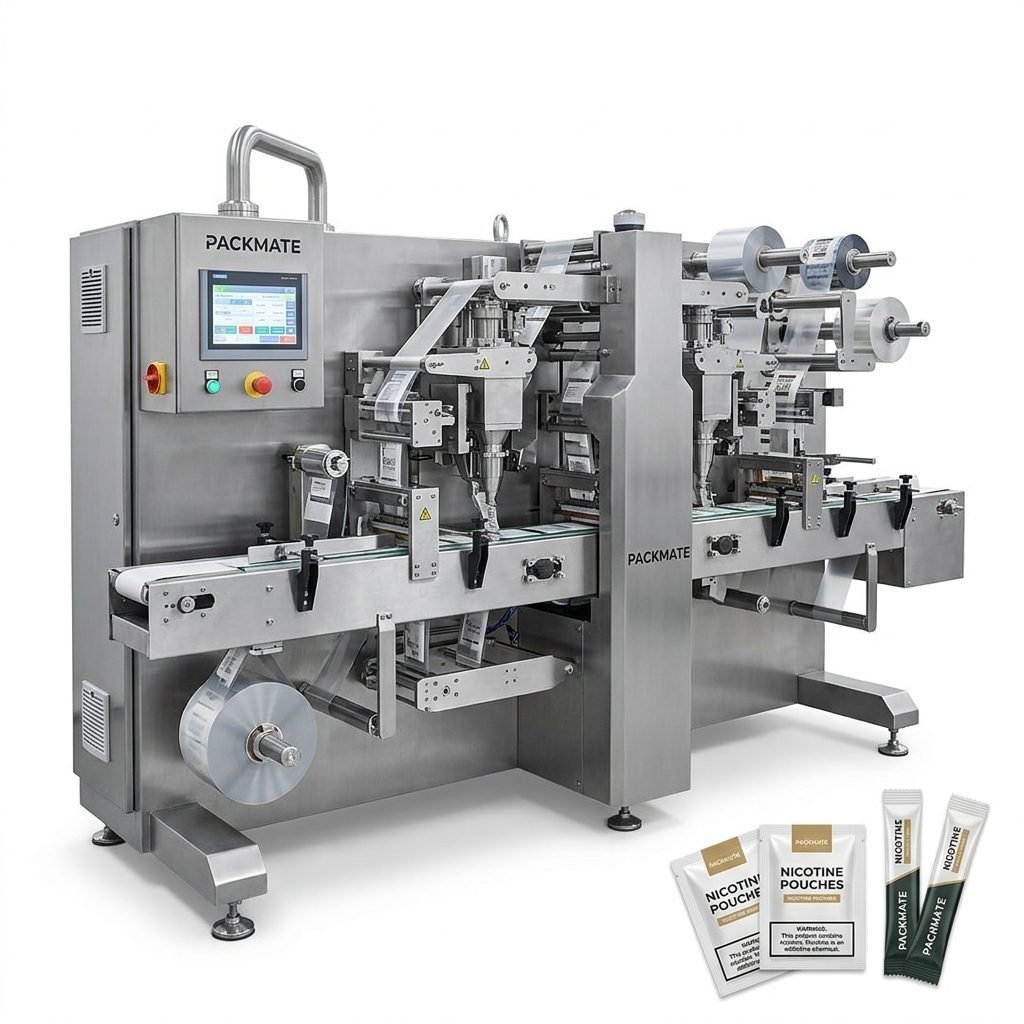
- Stick pack machines — ideal for single-dose stick formats and strong retail presence.
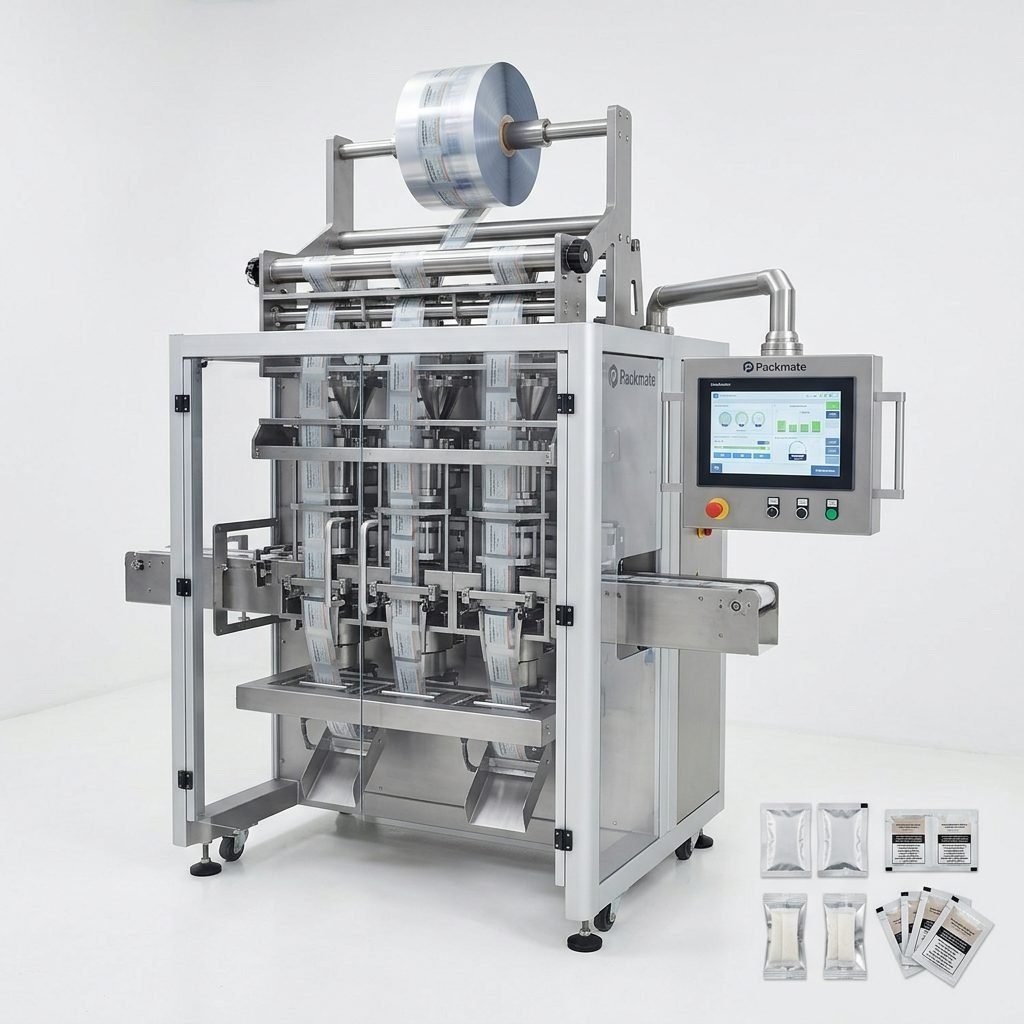
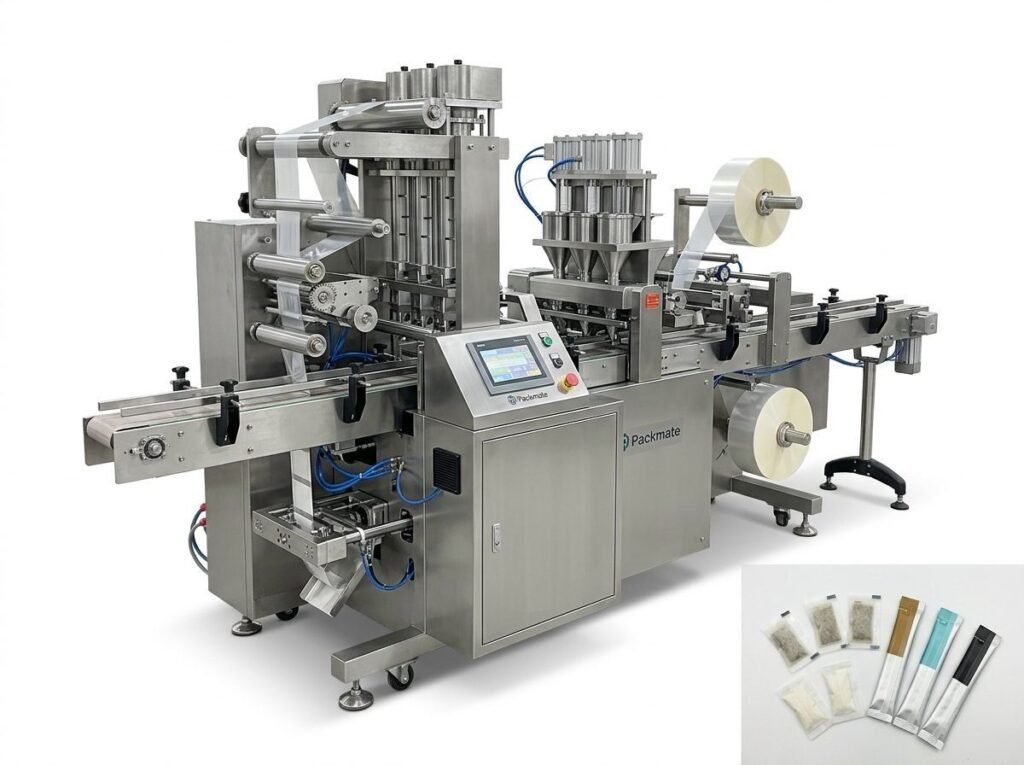
- Sachet & pouch machines — flexible for different pouch shapes and sizes; good for nicotine pouches and tea-like products (Sachet & Stick Pack Machines).
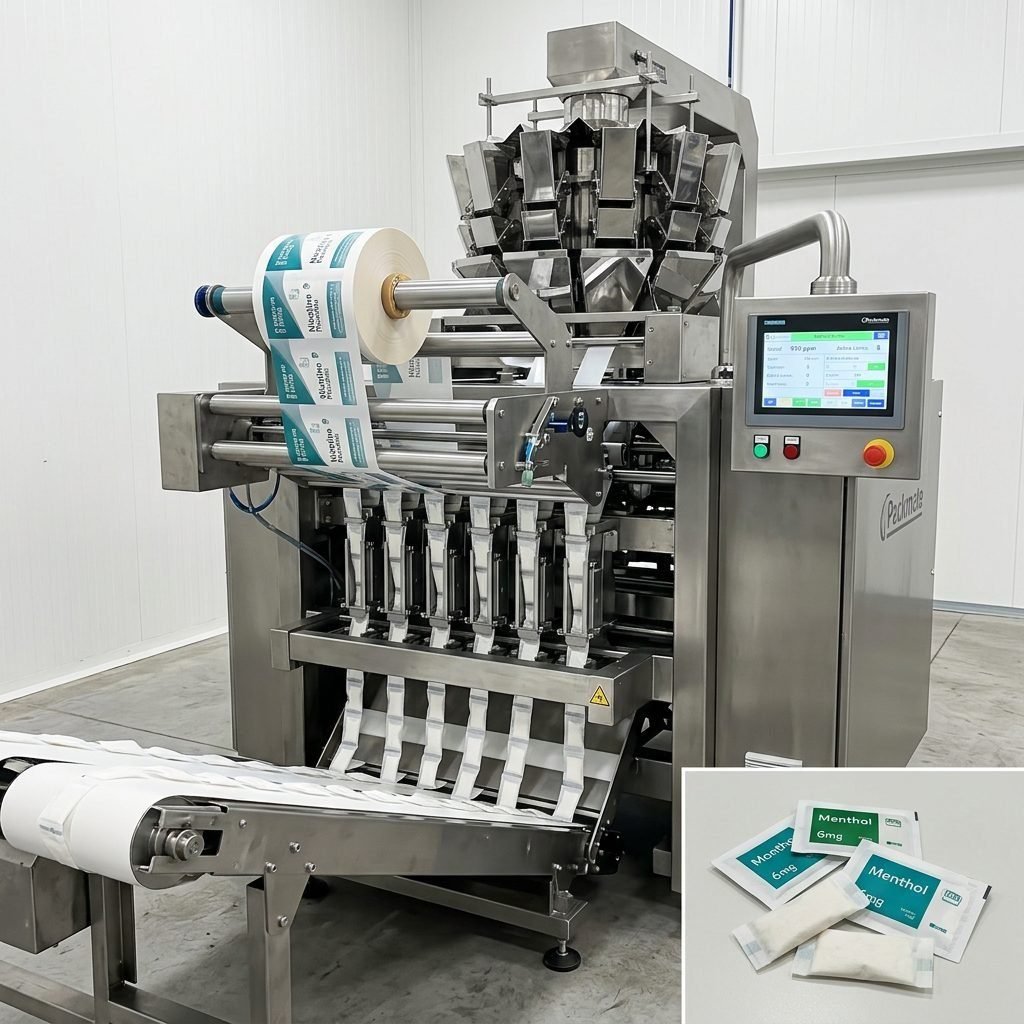
- Multi-lane systems — high throughput with small-dose pouches; useful when scaling production rapidly.
- Integrated weighing & packaging systems — for powder or granular formulations, check Weighing & Packaging Systems and Filling & Packaging Lines.
Factory visit and third-party inspections
Before finalizing a purchase, arrange a factory visit or a third-party inspection of the supplier’s production and quality control processes. Inspect assembly lines, CNC centers, testing benches, and final-run demonstrations. If travel is challenging, request detailed video walk-throughs and a live machine demo during an exhibition—many manufacturers participate in global trade shows. Check upcoming events or request demo opportunities at Our Exhibition.
Local considerations for Austria
Keep these Austria-specific items in mind:
🇦🇹 Documentation & language — ensure machine manuals, safety documents, and training materials are available in German.
🇦🇹 Compliance — Austrian inspectors expect clear CE documentation and hygiene-related validations, especially for food-contact machines.
Why Packmate Snus Machine is a strong candidate
A supplier with deep experience in snus and nicotine pouch equipment is advantageous. Packmate Snus Machine brings:
– 30+ years of engineering experience and a 20,000㎡ manufacturing facility.
– 50+ machine models covering stick pack, sachet, multi-lane and turnkey lines.
– Advanced CNC machining, precision assembly, CE and ISO compliance, and global turnkey project experience.
For more on Packmate’s range and credentials, review their product pages and company profile: About Packmate, Snus & Nicotine Packaging Machines, and their Certificate page.
Practical procurement checklist for Austrian buyers
Use this short checklist when evaluating final quotes:
- Complete technical specifications and guaranteed performance metrics (speed, weight accuracy).
- Lead time, shipping terms, and installation timeline.
- Spare parts list, recommended spare kits, and typical lead times to Austria.
- Training program details, language options, and warranty terms.
- References from EU installations and demonstration videos or onsite trials.
If you need tailored equipment, request a formal proposal that includes a clear statement of scope, acceptance tests, and commissioning plan. A good supplier will provide a FAT (Factory Acceptance Test) and SAT (Site Acceptance Test) agreement to reduce risk.
Negotiation tips
Negotiate beyond the buy price—seek favorable terms for spare parts pricing, training days, extended warranty options, and the cost or timeline for future upgrades. Ask for a formal service-level agreement (SLA) for remote support response times.
📌 Final tip: prioritize reliability and long-term partner capability over the lowest initial price. For snus and nicotine pouch production the cost of downtime and rework often outweighs a small capital saving.
If you would like to discuss machine options or request detailed product specifications and an official quote, you can reach the manufacturer via their contact page: Contact Us. For service offerings and after-sales support details, check Service.
Summary
Selecting the best snus packaging machine manufacturer for your Austrian operation means balancing technical performance, regulatory compliance, local language support, and dependable after-sales service. Focus on suppliers with proven multi-lane and small-dose expertise, transparent certification, and strong global turnkey experience to reduce risk and improve time-to-market.
Frequently Asked Questions
Q: What certifications should a manufacturer provide for machines used in Austria?
A: At minimum, CE marking and ISO quality management certificates. Hygiene-related documentation for food-contact parts and electrical safety documentation are also expected.
Q: How important is local language support for installation and training?
A: Very important. German-language manuals and training reduce commissioning time and operator errors in Austria.
Q: Should I buy a single-lane machine or invest in a multi-lane system?
A: Choose based on current demand and growth plans. Multi-lane systems offer higher throughput and lower unit cost at scale; single-lane or modular systems can be suitable for lower volumes or flexibility.
Q: How do I verify a supplier’s real performance before purchase?
A: Request FAT and machine run videos, visit the factory or review case studies and EU references. Contractually include acceptance tests with defined metrics for speed, weight accuracy, and downtime.