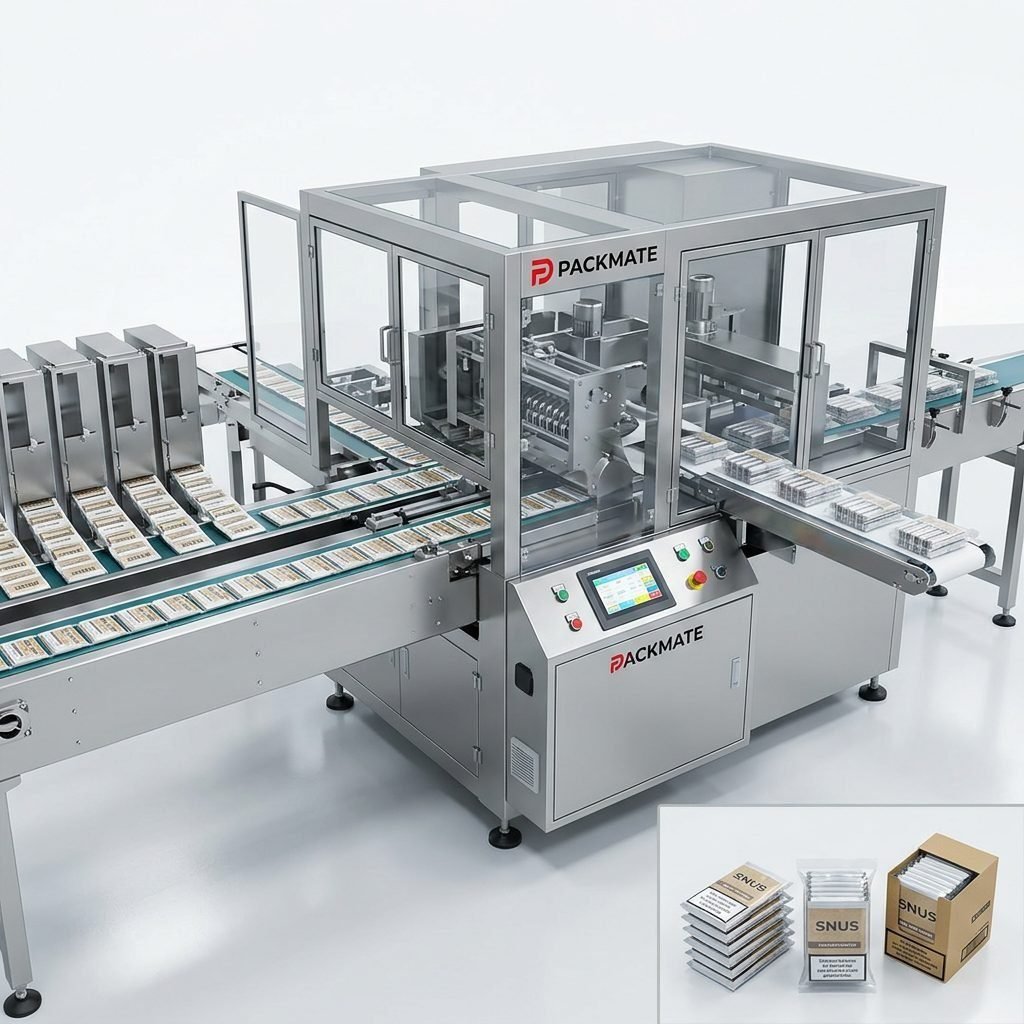
Libya’s market for tobacco alternatives and nicotine pouches is evolving. Manufacturers and packagers looking to supply reliable, safe, and compliant nicotine products in Libya must select packaging machinery that balances production efficiency, hygiene requirements, and local consumer expectations. This guide helps you evaluate and choose the best nicotine packaging machinery for Libyan operations, covering machine types, technical specifications, safety and regulatory considerations, and practical deployment tips adapted to Libya’s cultural and commercial environment.
Understand Libya’s Market and Cultural Context
Libya is a predominantly Muslim nation where public attitudes toward tobacco and nicotine can be influenced by cultural norms and regional regulations. When planning production and packaging of nicotine pouches, consider:
Key local considerations: product labeling in Arabic, sensitivity to public display and marketing, and adherence to import rules. Production schedules may also adapt around religious holidays such as Ramadan when consumer patterns change.
Market demand and product fit
Before selecting machinery, analyze demand for different nicotine formats. Nicotine pouches, snus-style products, and sachets each require specific packaging forms. For a flexible Libyan operation serving multiple channels (retail, pharmacies, duty-free), multi-format equipment or modular production lines are often the most future-proof.
Choose the Right Machine Type
Packaging equipment comes in many designs. Selecting the ideal machine depends on product characteristics, desired throughput, and packaging style.
Snus & Nicotine Pouch Machines
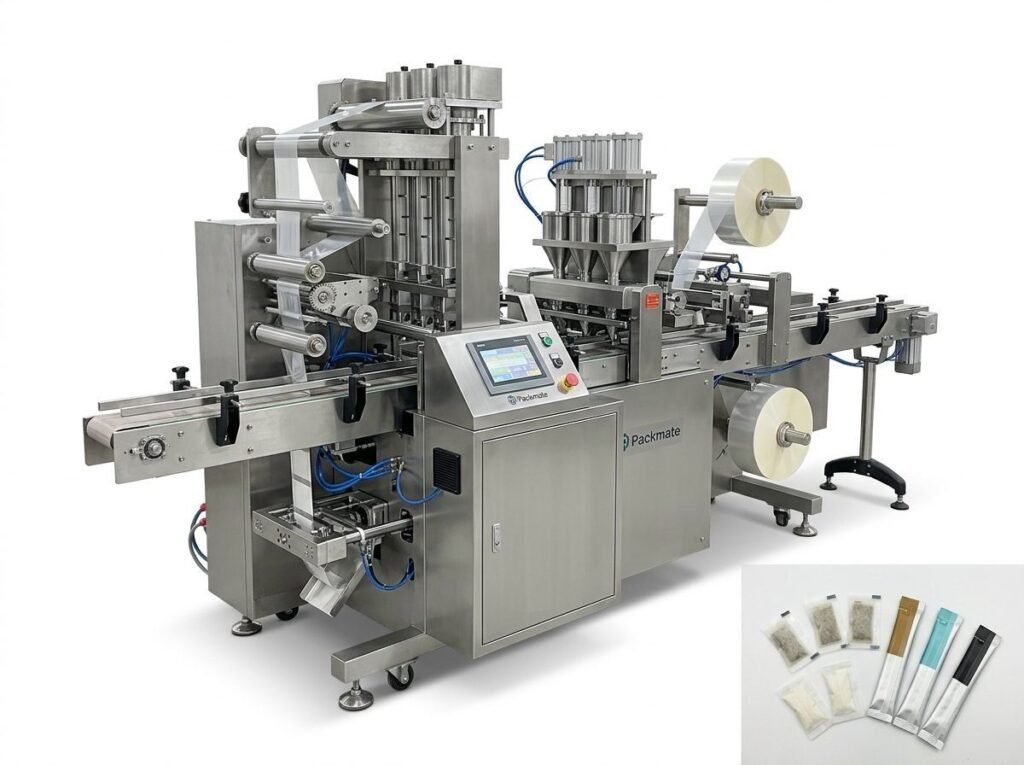
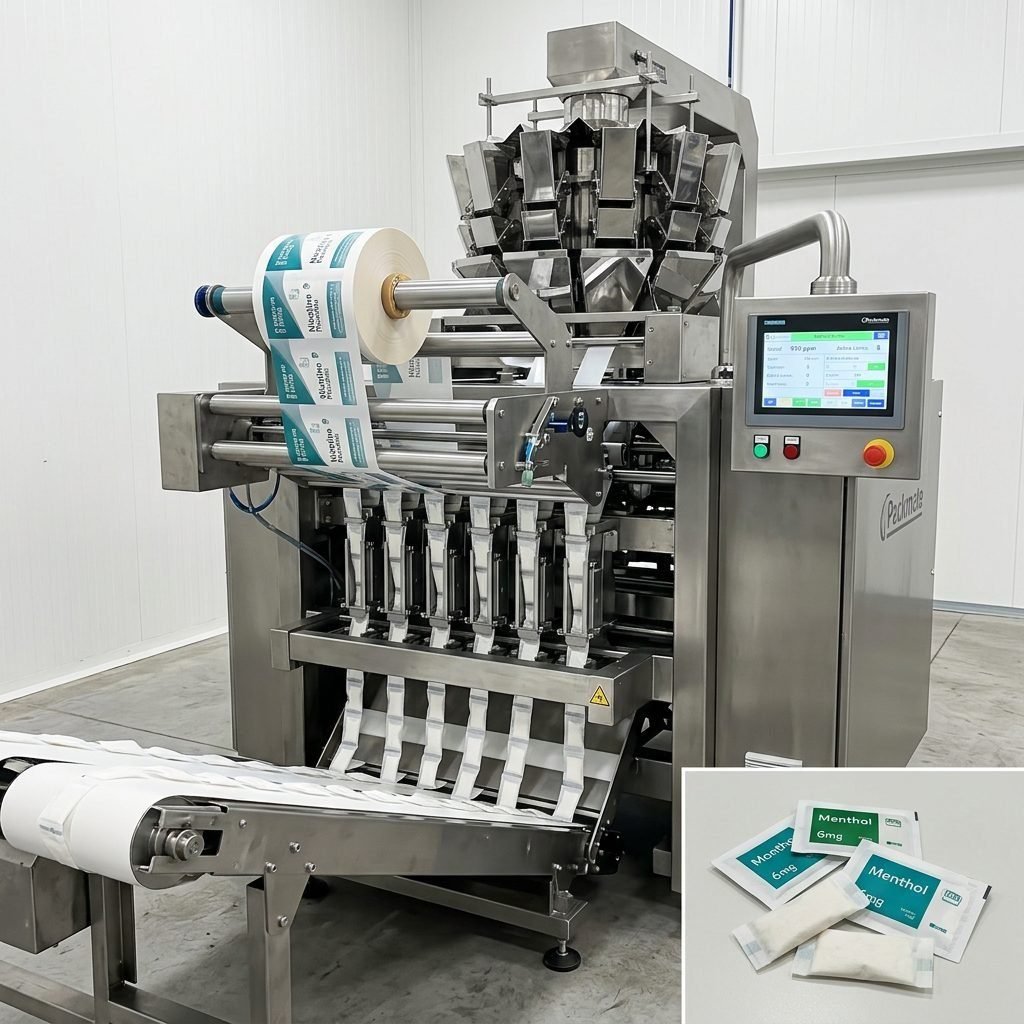
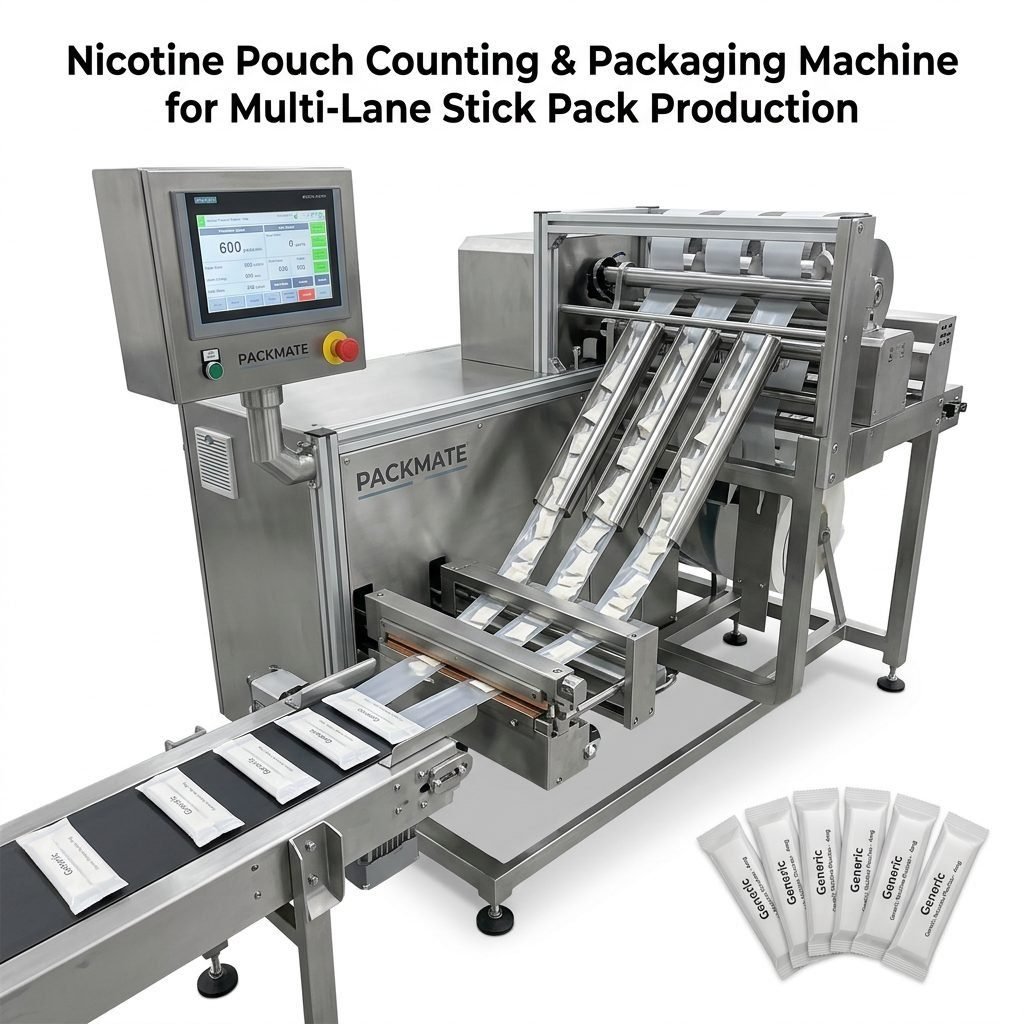
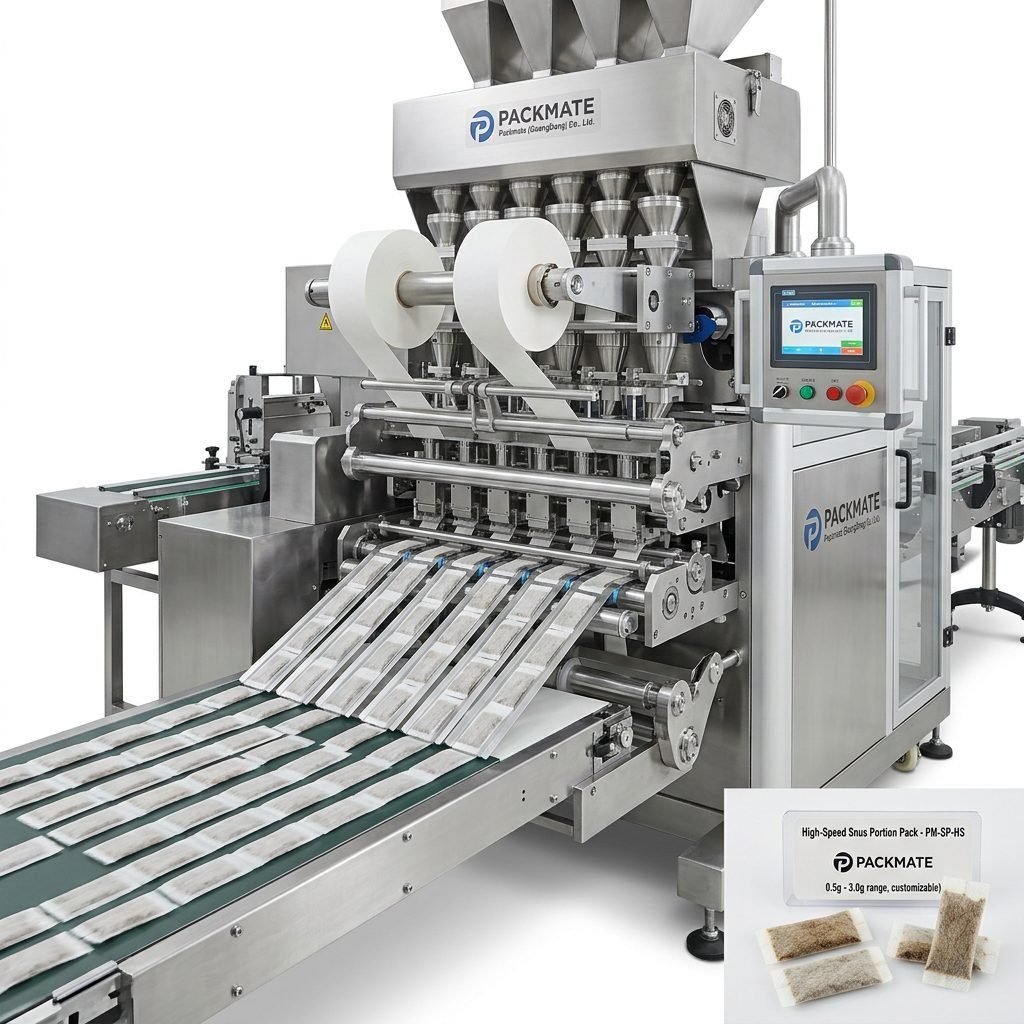
For nicotine pouches and snus, specialized machines provide precise dosing, pouch formation, and sealing. Look for multi-lane pouch machines if you plan high output with small-dose pouches. These systems are designed to handle powders and fine blends with accurate volumetric or weighing feeders.
Tip: consider a supplier with proven snus and nicotine packaging experience to avoid common dosing and seal issues — explore specialized lines like those shown on Snus & Nicotine Packaging Machines.
Stick Pack and Sachet Machines
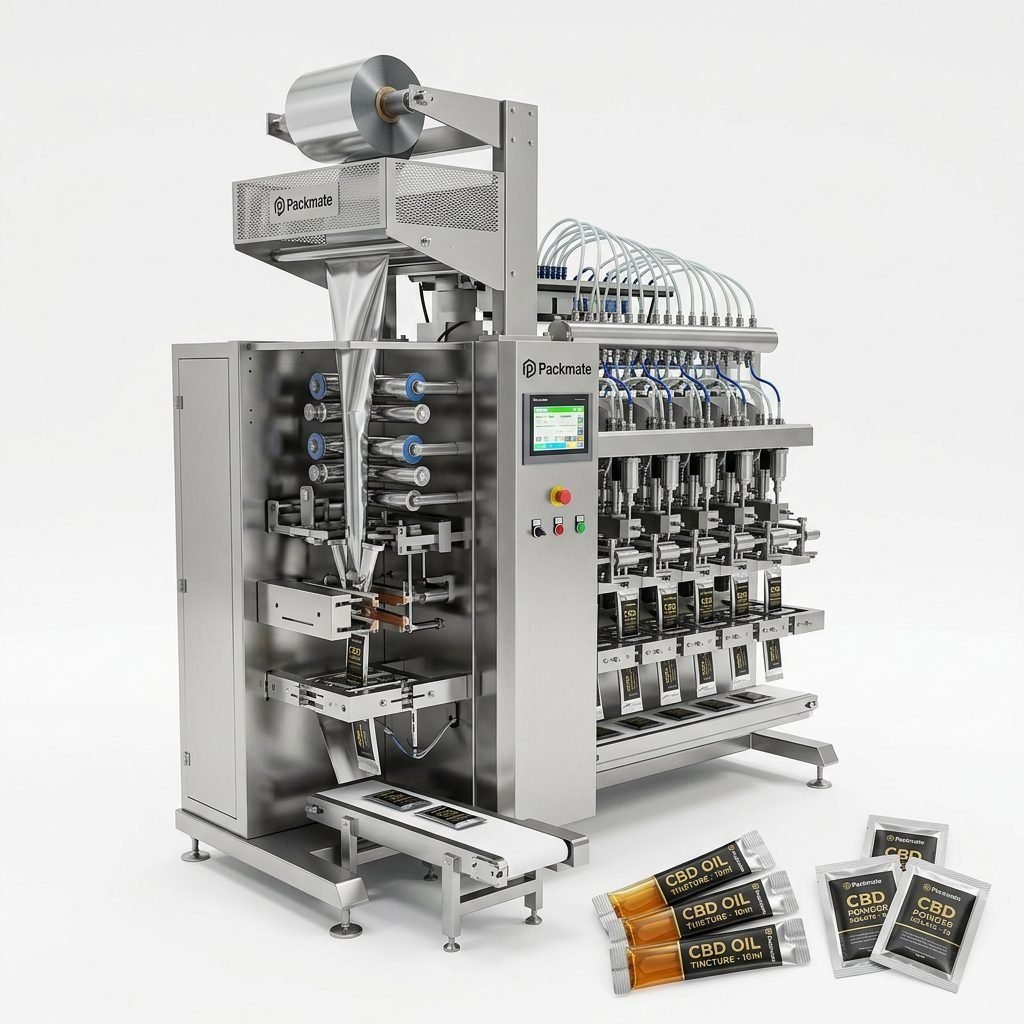
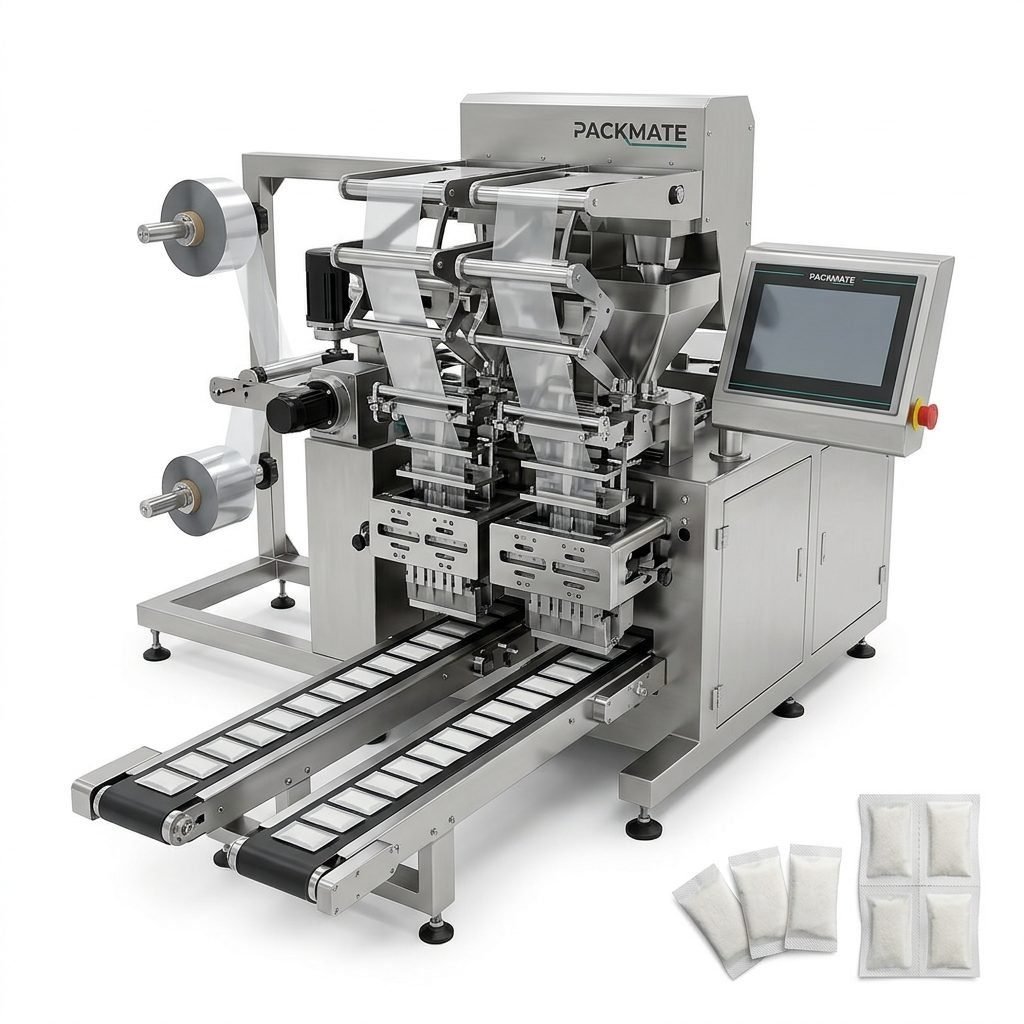
Stick packs and sachets are ideal for single-dose nicotine products. Machines in this category are compact and versatile and can be a good entry point for new brands targeting retail. Check that the machine supports the sachet material you plan to use and offers stable sealing at your required production speed.
Consider: Sachet & Stick Pack Machines for versatile single-dose packaging.
Essential Technical Specifications
When comparing equipment, inspect performance metrics and build quality closely.
Throughput and speed
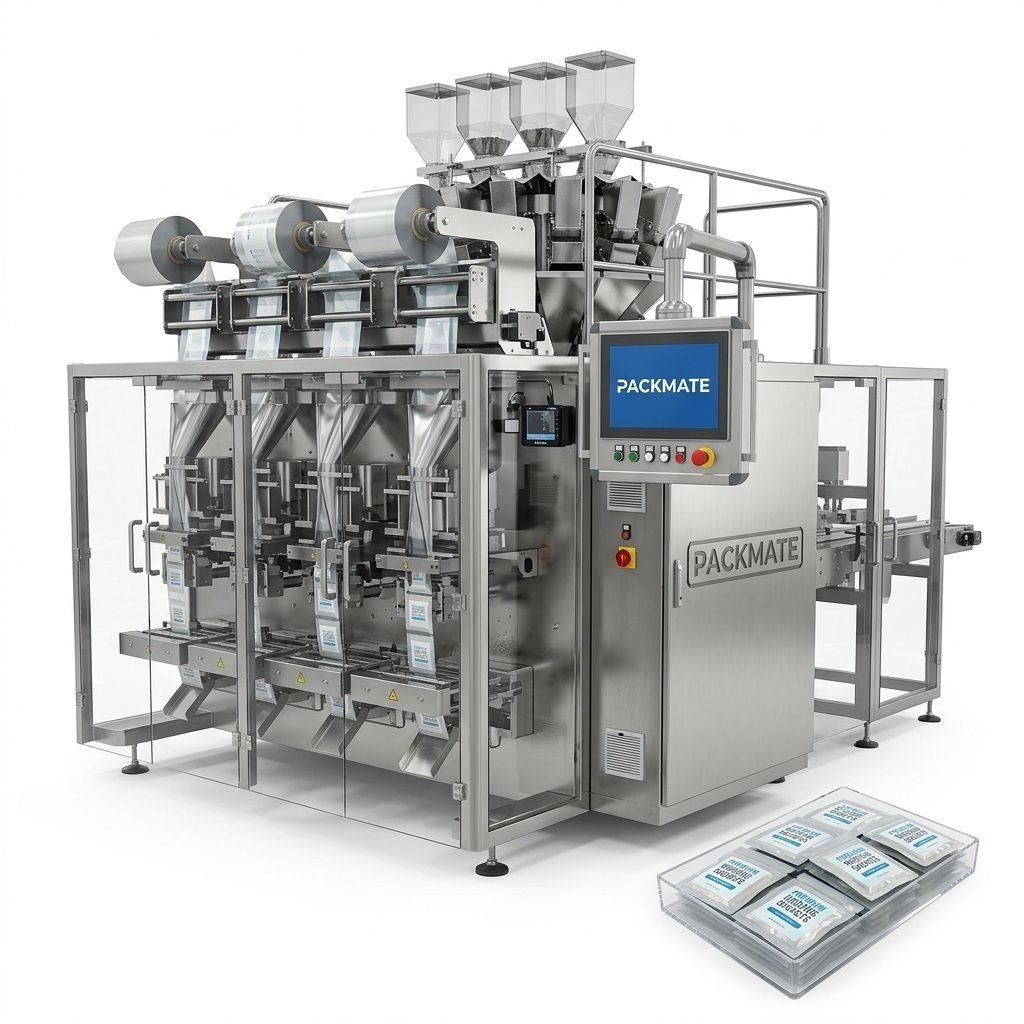
Calculate your target throughput (pouches per minute/hour). Multi-lane machines multiply output but require consistent raw material feed and synchronized downstream equipment (cartoning, case packing). Choose machines that can operate reliably at your target speed for extended shifts.
Dosing accuracy and consistency
Accurate dosing is critical for nicotine products due to regulatory and safety reasons. Look for machines with high-precision dosing modules (weighing or auger systems) and low variability. Certified calibration procedures help maintain batch-to-batch consistency.
Material compatibility and changeover
Verify compatibility with your chosen pouch film, laminates, or paper. Fast, tool-less changeovers reduce downtime when switching flavors, sizes, or formats — an important factor for operations serving multiple SKUs in Libya’s varied market.
Safety, Compliance, and Certifications
Safety and compliance are non-negotiable. Machines should be manufactured to international standards to simplify export, certification, and local approvals.
Must-have certifications: CE, ISO management systems, and documented validation processes. Suppliers like Packmate emphasize these standards — see Certificate references when evaluating vendors.
Hygiene, cleaning, and materials
Machines processing nicotine powders and moist blends must support easy cleaning and part sterilization. Stainless steel contact parts, sanitary design, and minimal crevices reduce contamination risk and ease compliance with good manufacturing practices.
After-sales Support and Local Service in Libya
Reliable after-sales service is essential, especially for businesses operating in Libya where on-site expertise and spare part logistics can affect uptime.
Vendor evaluation checklist: availability of spare parts, remote support capability, training programs for local operators, and documented maintenance schedules. Look for suppliers offering turnkey solutions and long-term support — learn more on the manufacturer’s Service page.
Layout, Installation and Plant Considerations
Plan your production area with hygiene, workflow, and cultural practices in mind. Consider separate zones for raw material handling, filling, sealing, and final packaging. In Libya, maintain clear documentation for imports and local inspections to reduce customs delays.
Practical tips for Libya: position packaging lines to allow for easy cleaning during religious holidays, schedule preventative maintenance around national events, and ensure Arabic labels and safety info are available for regulators and consumers.
Cost, ROI and Scalability
Evaluate total cost of ownership (TCO) rather than equipment price alone. TCO includes installation, commissioning, spare parts, energy consumption, and operator training. Factor in expected yield, scrap rates, and the flexibility to scale up or reconfigure lines as market demand evolves.
Return on investment drivers: high uptime, accurate dosing (reduces material waste), modular expansion options, and efficient downstream integration (cartoning and case packing).
Selecting the Right Supplier: Questions to Ask
Vet prospective suppliers thoroughly. Key questions include:
Checklist
✓ What are the machine’s validated throughput and dosing accuracy?
✓ Can the machine run my chosen materials and film formats?
✓ What on-site training and documentation are provided in Arabic or with translation?
✓ What is the lead time for critical spare parts to Libya?
✓ Can the supplier provide references or case studies from similar markets? (see Case)
Implementation and Commissioning Best Practices
Effective commissioning reduces ramp-up time and prevents operational surprises. Engage supplier engineers during installation and require full acceptance testing with your actual materials.
Commissioning essentials: FAT and SAT protocols, operator and maintenance training, spare parts kit, and documented SOPs tailored to Libyan regulatory needs.
Maintenance, Training and Local Skills Development
Establish a preventive maintenance program and train local technicians to handle common repairs. Suppliers that offer remote diagnostics and modular spare parts kits can greatly reduce downtime for operations in Libya.
Training focus areas: daily checks, sanitation routines, quick changeovers, and troubleshooting sensors or feeders.
Why Consider an Experienced Supplier like Packmate
Companies with decades of packaging experience and a proven portfolio in snus and nicotine packaging bring advantages: tested multi-lane systems, advanced CNC-built components, and global service networks. Packmate’s product lines and turnkey capabilities make it a contender for clients who need full production solutions — view more on their About Packmate page.
Checklist Before You Buy
Use this quick checklist to guide final decisions:
Final pre-purchase checks:
✓ Confirm machine speed and dosing specs with real material tests.
✓ Verify certifications and hygiene design.
✓ Ensure spare parts availability and local support commitments.
✓ Align packaging design and labeling with Libyan language and regulatory requirements.
✓ Negotiate training, warranty, and commissioning terms in the contract; include remote support SLAs where possible.
Conclusion and Next Steps
Choosing the right nicotine packaging machinery for Libya requires balancing technical performance, regulatory compliance, cultural sensitivity, and reliable support. Prioritize dosing accuracy, hygiene design, and supplier after-sales service. Consider modular systems that allow future expansion and be proactive about training local staff. When evaluating suppliers, request references, FAT/SAT records, and clear documentation — and validate performance with your chosen raw materials.
Useful resources
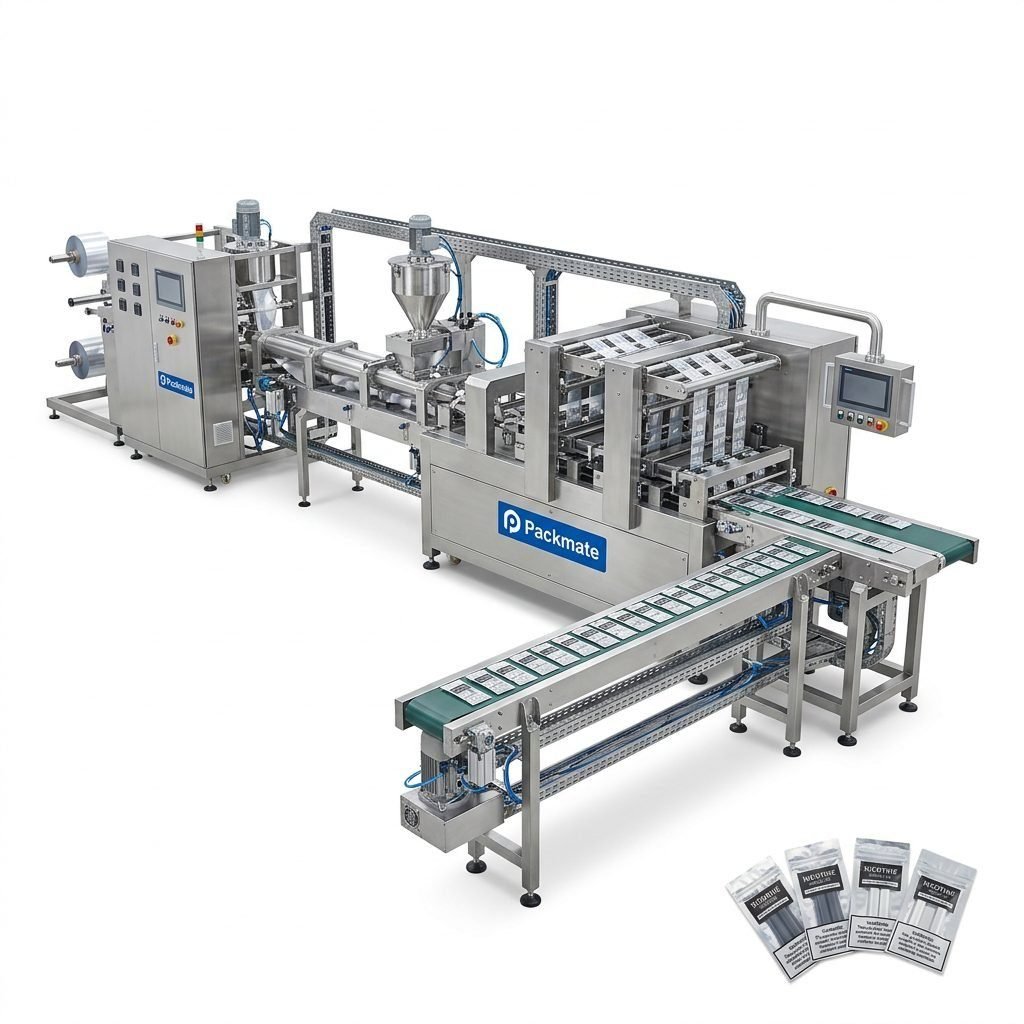
For machine options and turnkey packaging lines, explore product categories and technical examples to match your needs: Bag & Pouch Packaging Machines, Weighing & Packaging Systems, and Filling & Packaging Lines. To begin procurement or request a quote, contact the manufacturer directly via their Contact Us page.
Frequently Asked Questions
Q1: What machine type is best for a small Libyan startup producing nicotine pouches?
A small startup will benefit from modular sachet or single-lane pouch machines with flexible dosing systems. These machines have lower capital requirements, allow SKU testing, and can be upgraded to multi-lane systems as demand grows.
Q2: How important are certifications like CE and ISO for importing into Libya?
Certifications are important for demonstrating safety, quality, and international compliance. While Libya may have its own import procedures, vendors providing CE and ISO documentation make customs clearance, insurance, and local approvals smoother.
Q3: Can I get spare parts and after-sales support in Libya?
Many global suppliers offer spare parts kits and remote diagnostics. Before purchase, confirm lead times for critical parts to Libya, availability of local service partners, and remote support options. Negotiate spare parts packages as part of the contract.
Q4: How do I ensure product labeling meets Libyan cultural and regulatory expectations?
Work with legal counsel or local regulatory consultants to ensure Arabic labeling, ingredient transparency, and required warnings are present. Ensure labels and packaging meet local size and language conventions and accommodate seasonal behavioral changes like Ramadan.