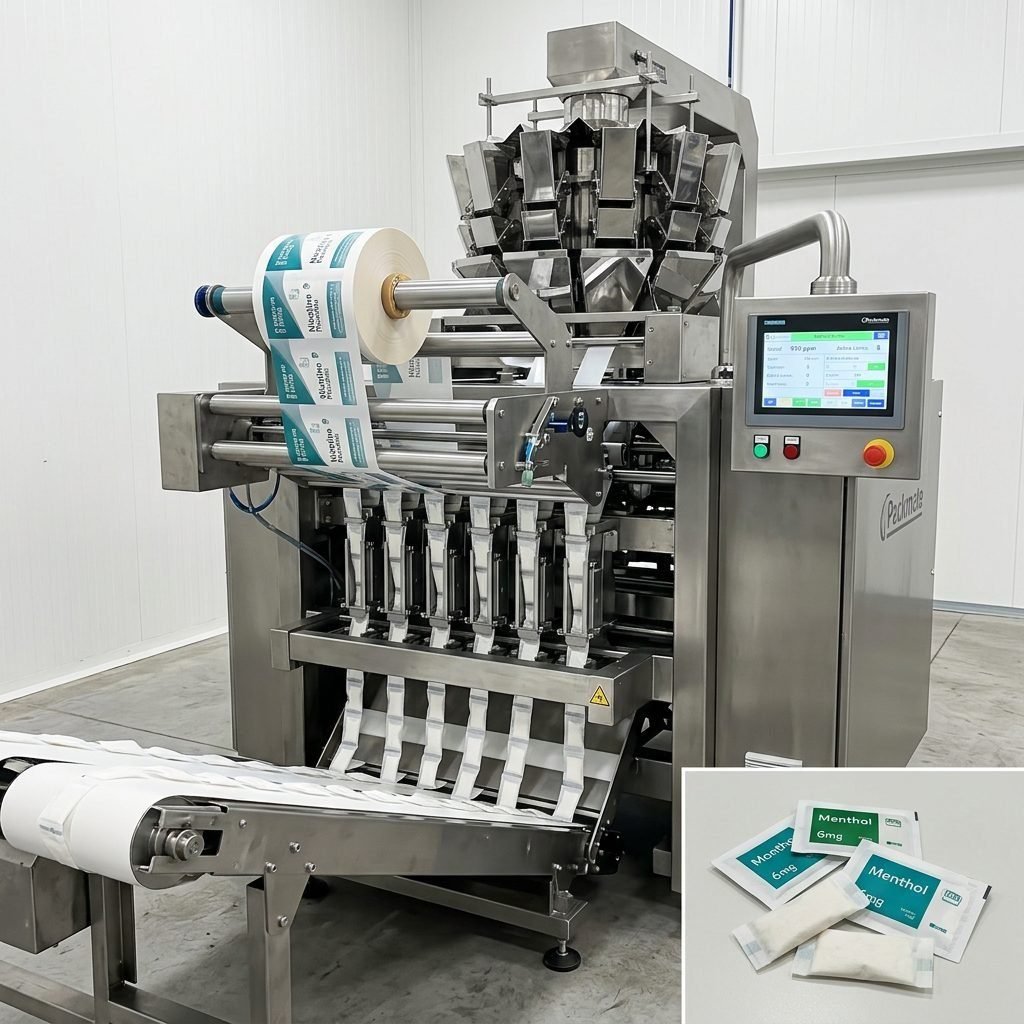
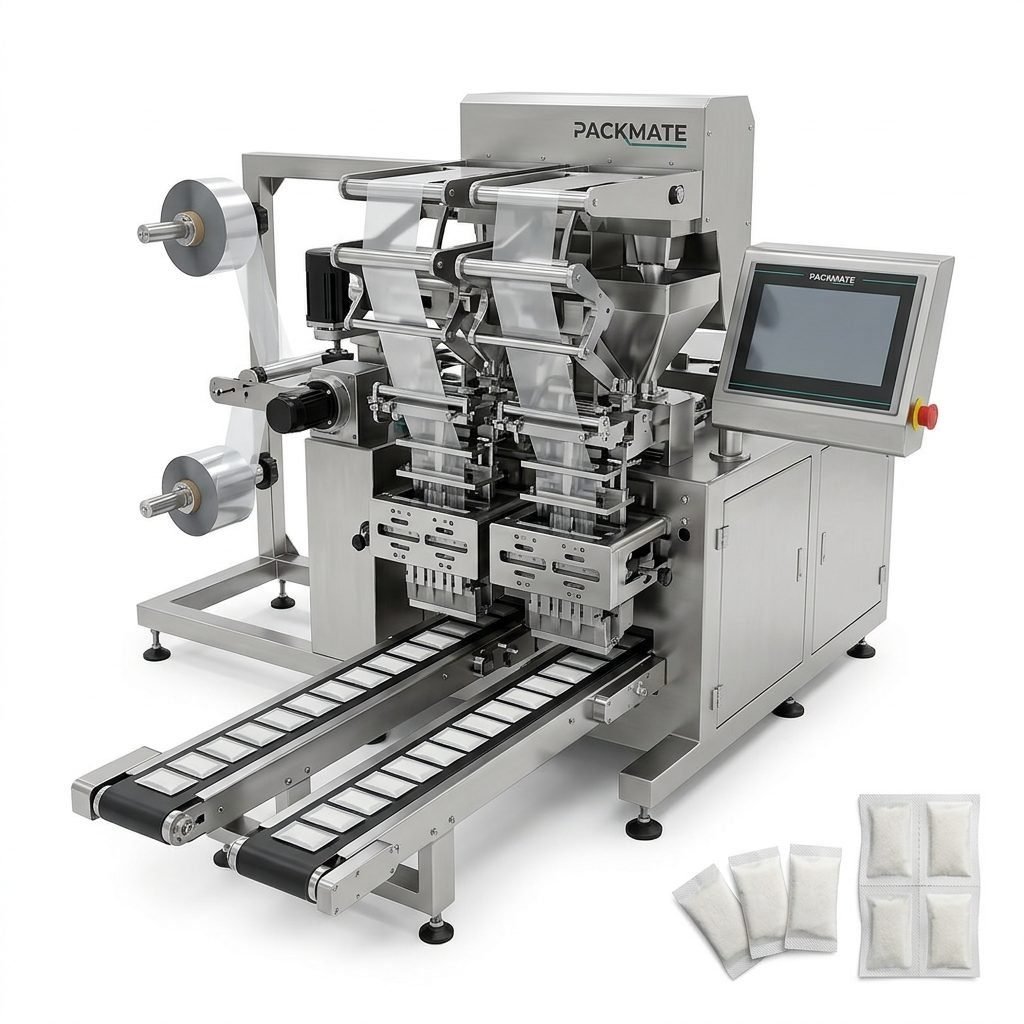
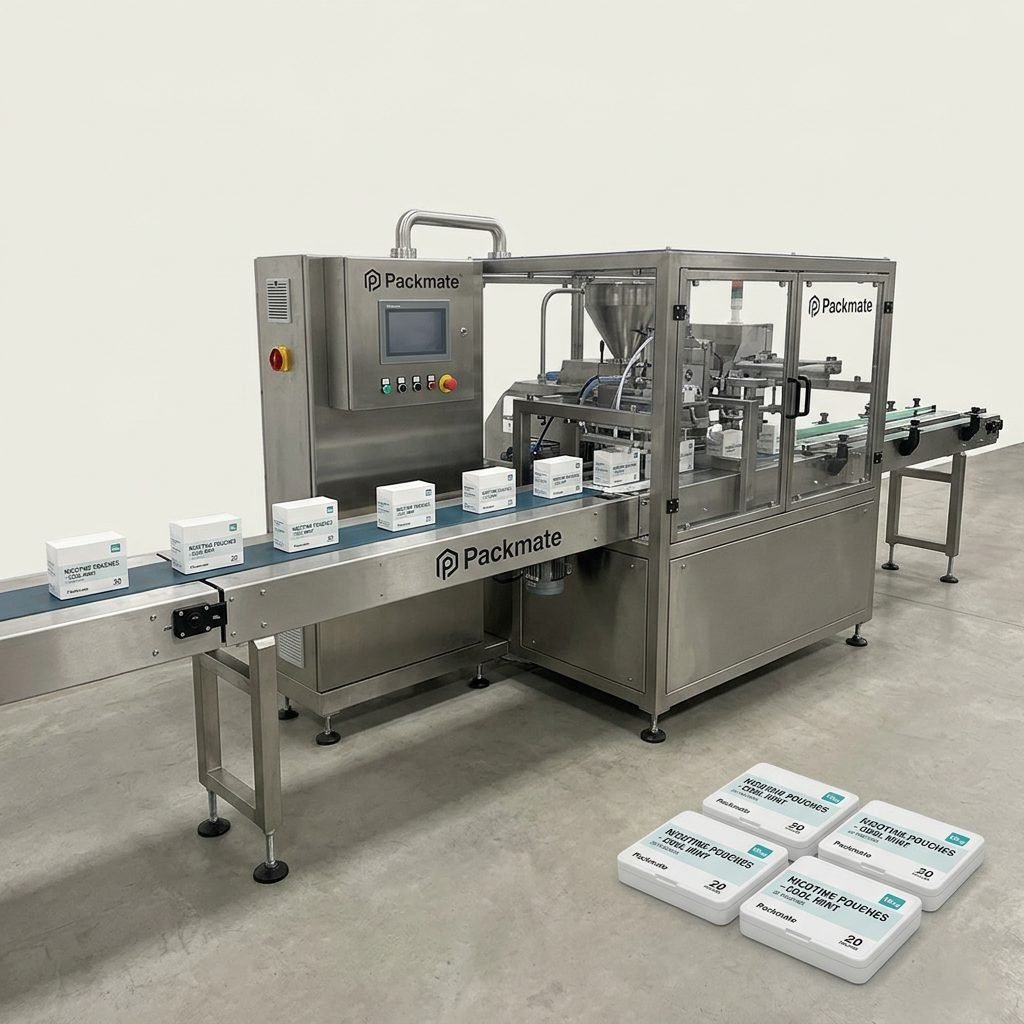
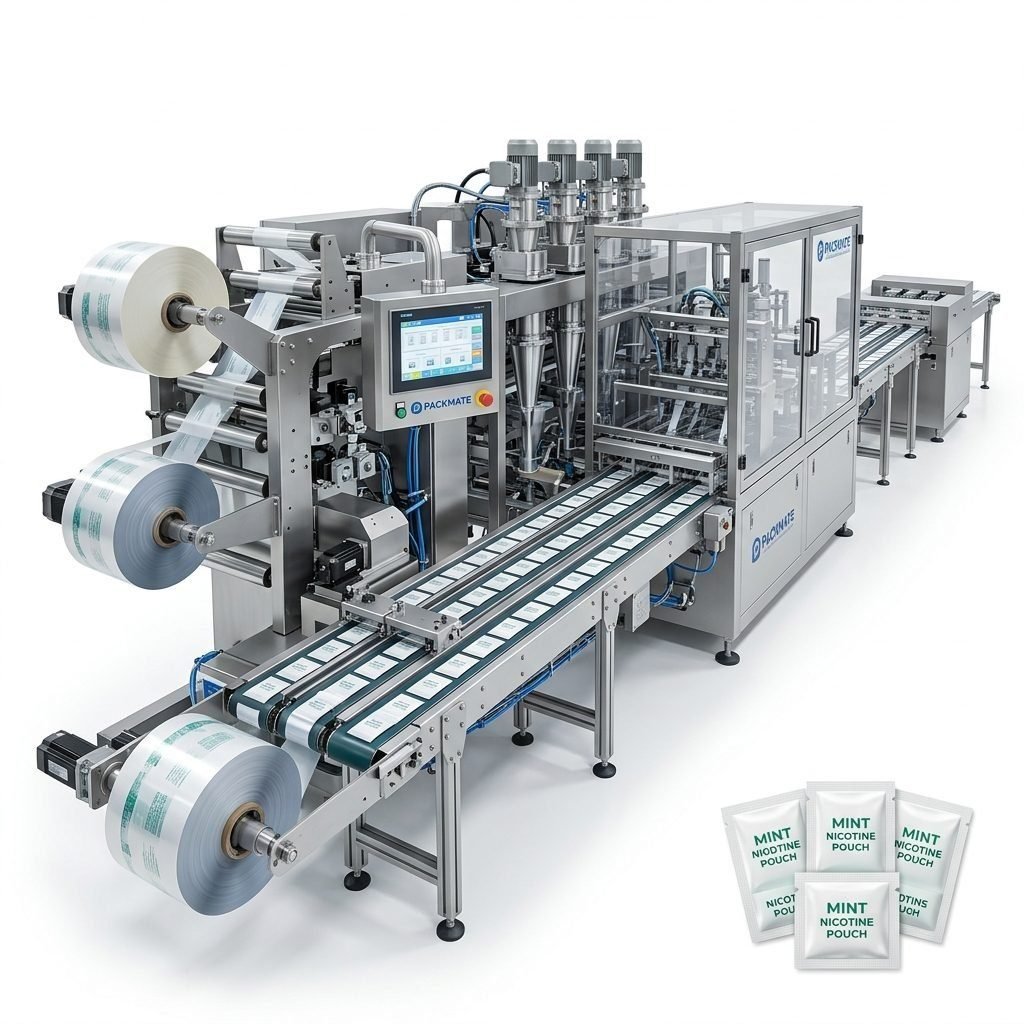
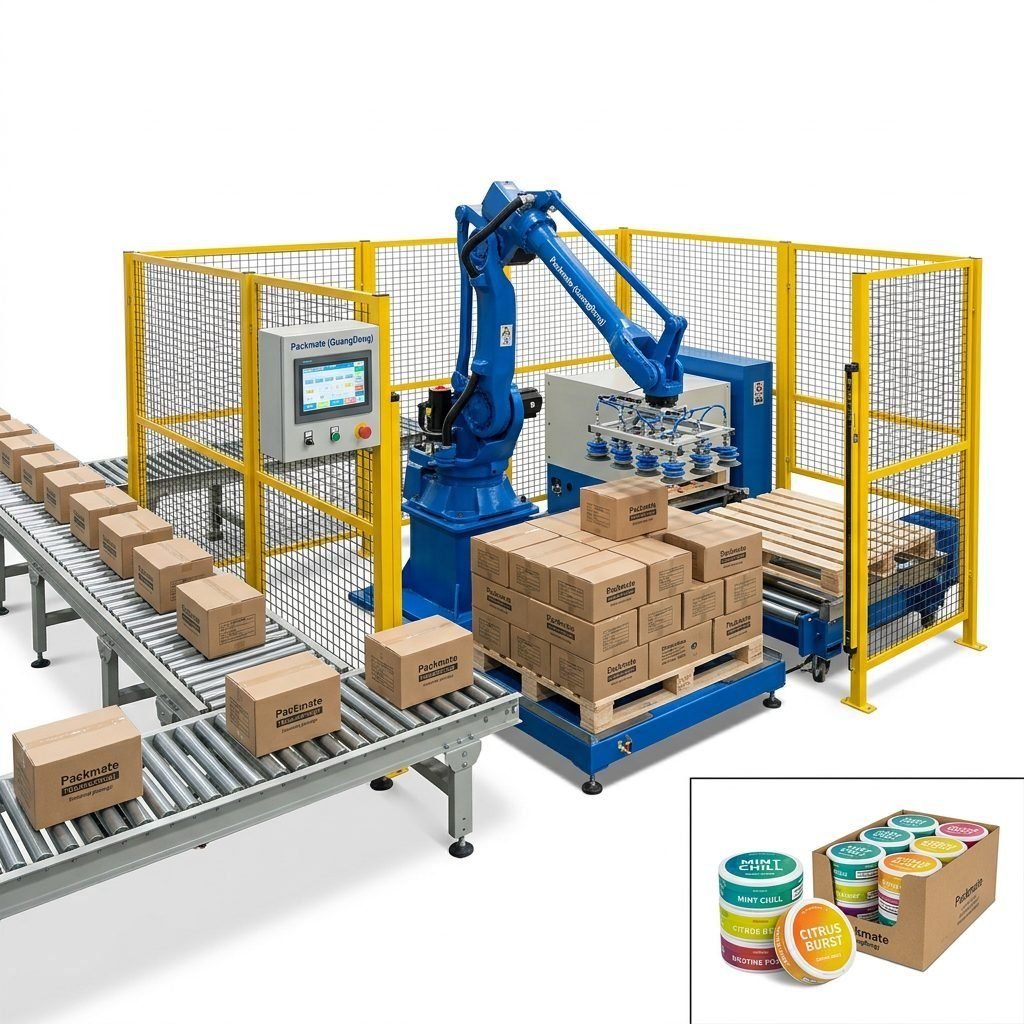
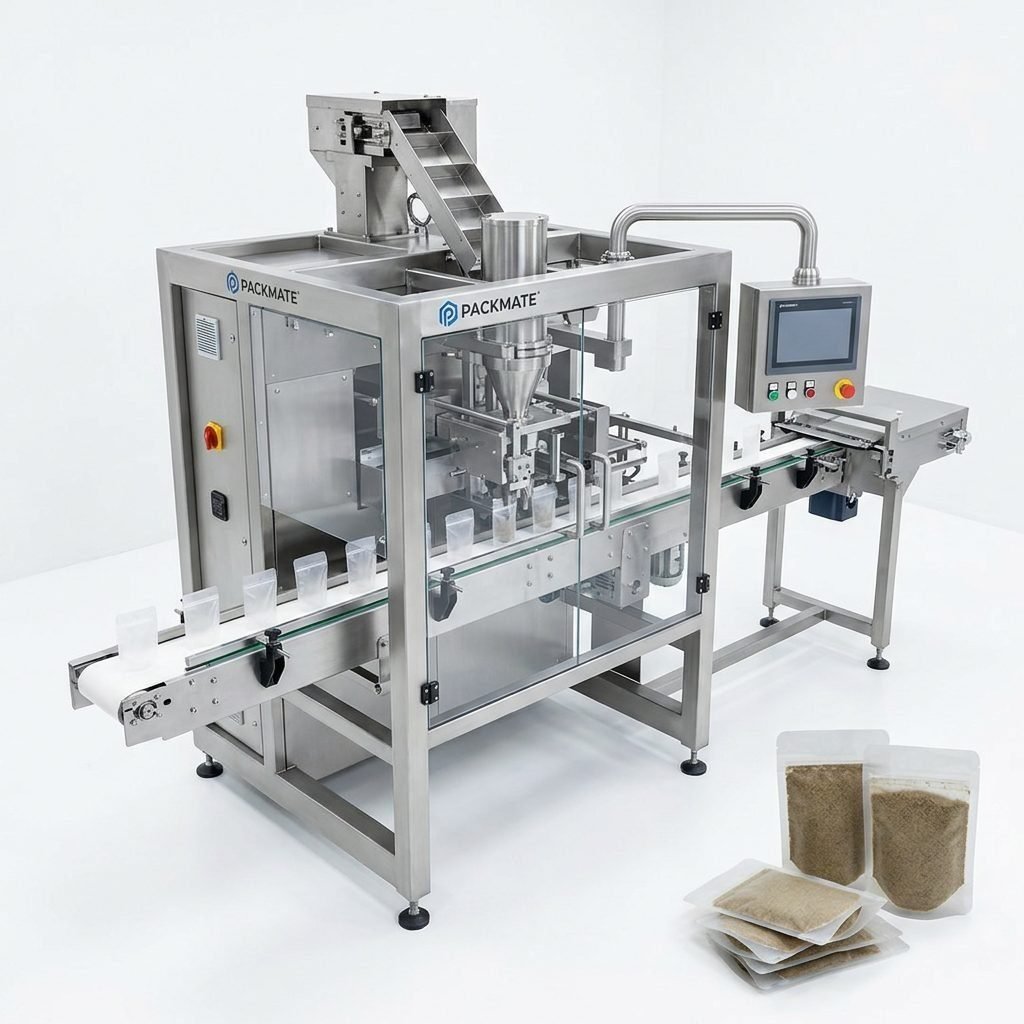
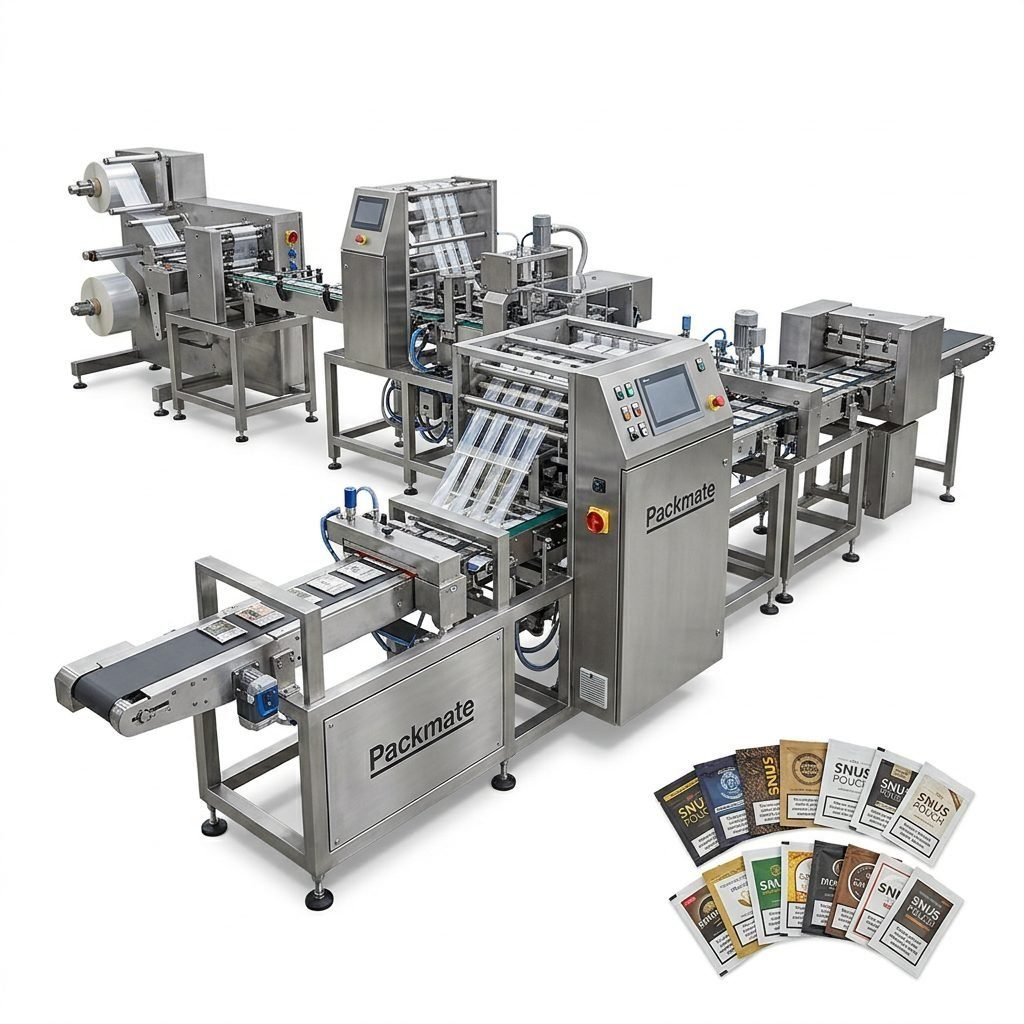
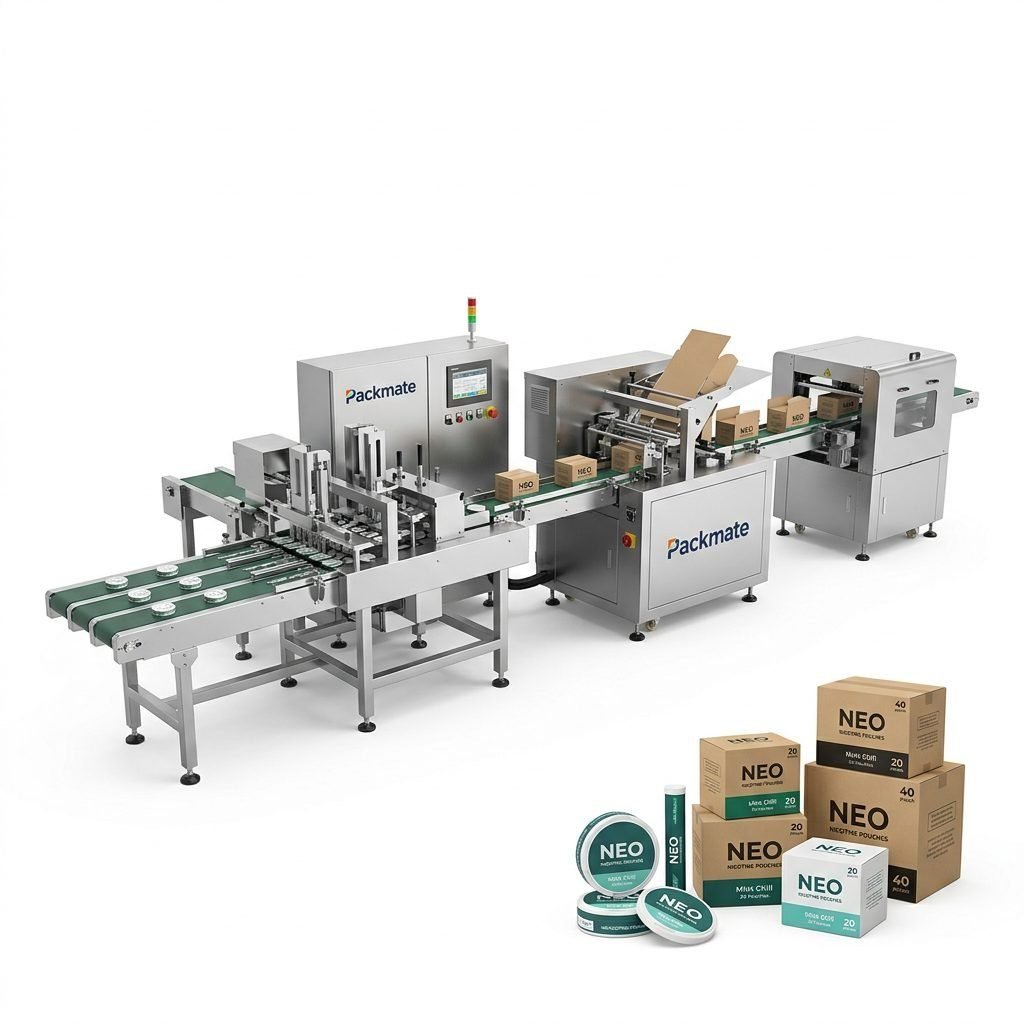
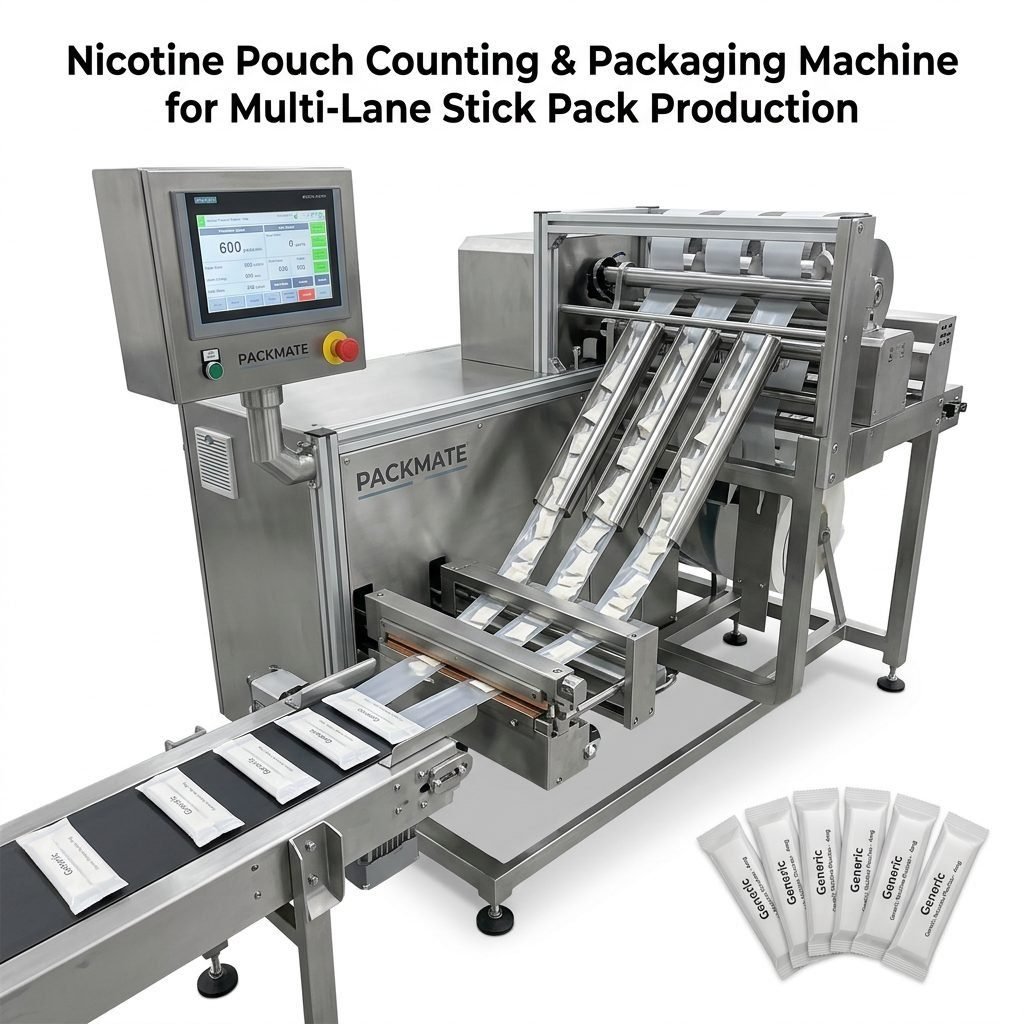
In the fast-moving world of snus and nicotine pouch production, machine uptime and consistent packaging quality depend heavily on access to high-quality spare parts. Whether you’re running a multi-lane snus line for nicotine pouches or a sachet and stick pack cell for flavored portions, selecting the right replacement components is vital to maintain product integrity, reduce downtime, and protect your investment. This guide walks you through the key spare parts used in snus packaging machines, how to evaluate part quality, maintenance best practices, and where to source reliable components for long-term production success.
🔧 Core Categories of Snus Line Spare Parts
Spare parts for snus packaging machines can be grouped into several practical categories. Understanding these categories helps production managers and maintenance teams prioritize inventory and quickly identify replacement items during breakdowns.
Mechanical Wear Parts
These include feed belts, guide rails, sealing jaws, cams, sprockets, bearings, chains, and cutting knives. Mechanical wear parts are exposed to friction, heat, and repetitive stress — they require frequent inspection and scheduled replacement to preserve sealing integrity and portion accuracy.
Electrical & Electronic Components
PLC modules, servo motors, motor drivers, encoder discs, contactors, transformers, and human-machine interface (HMI) panels. Electrical parts are critical for precise motion control and synchronized multi-lane packaging; failures here often lead to immediate line stops.
Sensors & Pneumatic Parts
Photoelectric sensors, proximity switches, vacuum pumps, cylinders, regulators, and solenoid valves. These components support automated detection, timing, and product handling tasks; faults can cause misfeeds or indexing errors.
Sealing & Forming Elements
Teflon-coated sealing jaws, sealing bars, forming tubes, and heated elements. Proper material selection and maintenance ensure consistent seals and prevent leaks or contamination — essential for tobacco-derived products and nicotine pouches.
✅ How to Evaluate High-Quality Replacement Components
When procuring spare parts for snus packaging lines, apply both technical and commercial criteria to ensure you receive parts that deliver longevity and compatibility.
- Material & Surface Treatment: Choose stainless steel, hardened alloys, or PTFE coatings for sealing surfaces and contact points to resist wear, corrosion, and nicotine residues.
- Tolerance & Fit: Dimensional accuracy matters — shafts, bearings, and cams should meet OEM tolerances to avoid vibration or misalignment.
- Electrical Specifications: Verify voltage, current ratings, and communication protocols for motors, drives, and PLCs to ensure safe and seamless integration.
- OEM vs. Aftermarket: OEM parts often guarantee fit and performance, while reputable aftermarket suppliers can offer cost savings. Always validate with performance data or reference fittings.
- Traceability & Certification: Request material certificates, CE compliance information, or test reports for critical components used in regulated markets.
📦 Inventory Strategy for Spare Parts
A tiered inventory approach minimizes production disruption while controlling costs. Classify parts into fast-moving (critical to continuous running), essential backup (medium lead time), and slow-moving (rare failures).
Suggested Stock Levels
– Critical items (belts, sealing jaws, sensors): maintain 2–4 units per line.
– Motors, drives, PLC modules: 1 spare per major control cabinet.
– Consumables (sealing elements, cutters): stock based on monthly throughput.
🛠 Best Practices for Installation & Maintenance
Proper fitting and preventive maintenance extend part life and improve line efficiency.
- Use Correct Tools and Torque: Over-torquing fasteners or improper alignment can damage seals and bearings.
- Follow OEM Installation Procedures: Calibration steps, alignment checks, and first-run inspections prevent premature failures.
- Scheduled Lubrication & Cleaning: Implement lubrication intervals for bearings and chains; remove nicotine residues to prevent sticky deposits on forming parts.
- Record-Keeping: Maintain a spare parts log with installation dates, run-hours, and failure modes to optimize reorder points.
🔄 Compatibility, Upgrades & Retrofitting Considerations
When retrofitting older snus packaging lines or upgrading to higher speeds, compatibility checks are essential. Upgrades can include high-speed servo motors, improved PLC controls, or multi-lane indexing systems. Ensure mechanical interfaces, communication protocols, and safety circuits are compatible before purchase.
Common Upgrade Paths
– Replace legacy motors with servo systems for precise portioning.
– Upgrade sealing jaws and heaters for better hermetic seals on nicotine pouches.
– Integrate vision inspection modules for pack integrity and print verification.
📍 Sourcing Spare Parts: Why Choose a Reputable Manufacturer
Sourcing parts from a reputable packaging machine manufacturer or an authorized distributor guarantees compatibility and support. Companies with decades of design and manufacturing experience understand the nuances of snus lines, from multi-lane synchronization to hygienic sealing requirements.
For full machine solutions and validated parts, consider the manufacturer’s product pages and service offerings. Explore product categories such as Snus & Nicotine Packaging Machines, Bag & Pouch Packaging Machines, or complete Filling & Packaging Lines for tailored spare part recommendations. You can learn more About Packmate and request support via Contact Us.
⚖️ Regulatory & Safety Considerations
In many regions, packaging lines that handle nicotine products are subject to stringent safety and hygiene requirements. Spare parts must not introduce contaminants or compromise product safety. Use materials that resist nicotine adsorption and choose parts that support easy cleaning and disassembly.
🔍 Troubleshooting Common Spare Part Failures
Rapid fault diagnosis reduces downtime. Below are common failure symptoms and likely parts to inspect:
- Sealing Imperfections: Check sealing jaws, heater elements, and temperature controllers.
- Misfeeds or Jams: Inspect belts, guide rails, and forming tubes for wear or misalignment.
- Synchronization Loss: Verify encoder signals, servo drivers, and PLC timing modules.
- Inconsistent Portion Weights: Calibrate weighing modules, check motors and cutting knives for wear.
💡 Cost Management: Balancing Price and Performance
While lower-cost alternatives can reduce short-term expenditure, evaluate the total cost of ownership (TCO). Consider spare part lifespan, impact on throughput, and potential costs from unscheduled stops. A slightly higher investment in premium components often results in lower TCO through fewer replacements and less downtime.
Purchasing Tips
– Ask for mean time between failures (MTBF) data for critical parts.
– Negotiate bundled pricing for spare kits including mechanical and electrical consumables.
– Confirm shipping lead times and availability for global operations.
📘 Case Example: Multi-Lane Snus Line Optimization
A European manufacturer operating a 6-lane snus packaging line experienced frequent sealing failures and intermittent encoder faults. After partnering with an experienced snus machine supplier, they replaced worn sealing jaws with PTFE-coated jaws, upgraded to higher-spec encoders, and implemented a preventive spare kit. The result: a measurable reduction in downtime, improved seal consistency, and higher throughput. For similar success stories and project references, view the supplier’s Case pages.
📌 Final Considerations for Sustainable Parts Management
Optimizing spare parts strategy for snus and nicotine pouch lines requires a balance of technical know-how, supplier trust, and disciplined inventory management. Prioritize quality for safety-critical parts, keep accurate maintenance records, and engage with suppliers who provide documentation and after-sales support.
❓ Frequently Asked Questions
1. How often should sealing jaws be replaced?
It depends on operating hours, product formulation, and production speed. As a rule of thumb, inspect jaws weekly and plan replacements every 2,000–5,000 production hours depending on wear patterns.
2. Are aftermarket parts safe to use on regulated nicotine packaging lines?
Reputable aftermarket parts can be acceptable if they meet material, tolerance, and certification requirements. Always validate against OEM specifications and perform a risk assessment before installation.
3. What spare parts should I keep for multi-lane machines?
Prioritize belts, sealing elements, sensors, cutters, and at least one spare servo or motor control module. Multi-lane systems amplify the impact of a single component failure, so maintain multiple critical items.
4. How can I reduce lead times for critical spares?
Establish local stocking agreements, work with authorized distributors, and maintain a safety stock for high-risk components. Partnering with a manufacturer that offers global support can also shorten response times.
5. Who can help with part selection and retrofitting?
Technical teams and service departments of experienced packaging machine manufacturers provide the best guidance. For specialized snus packaging solutions and spare parts, consult manufacturers with proven track records in nicotine pouch machinery.