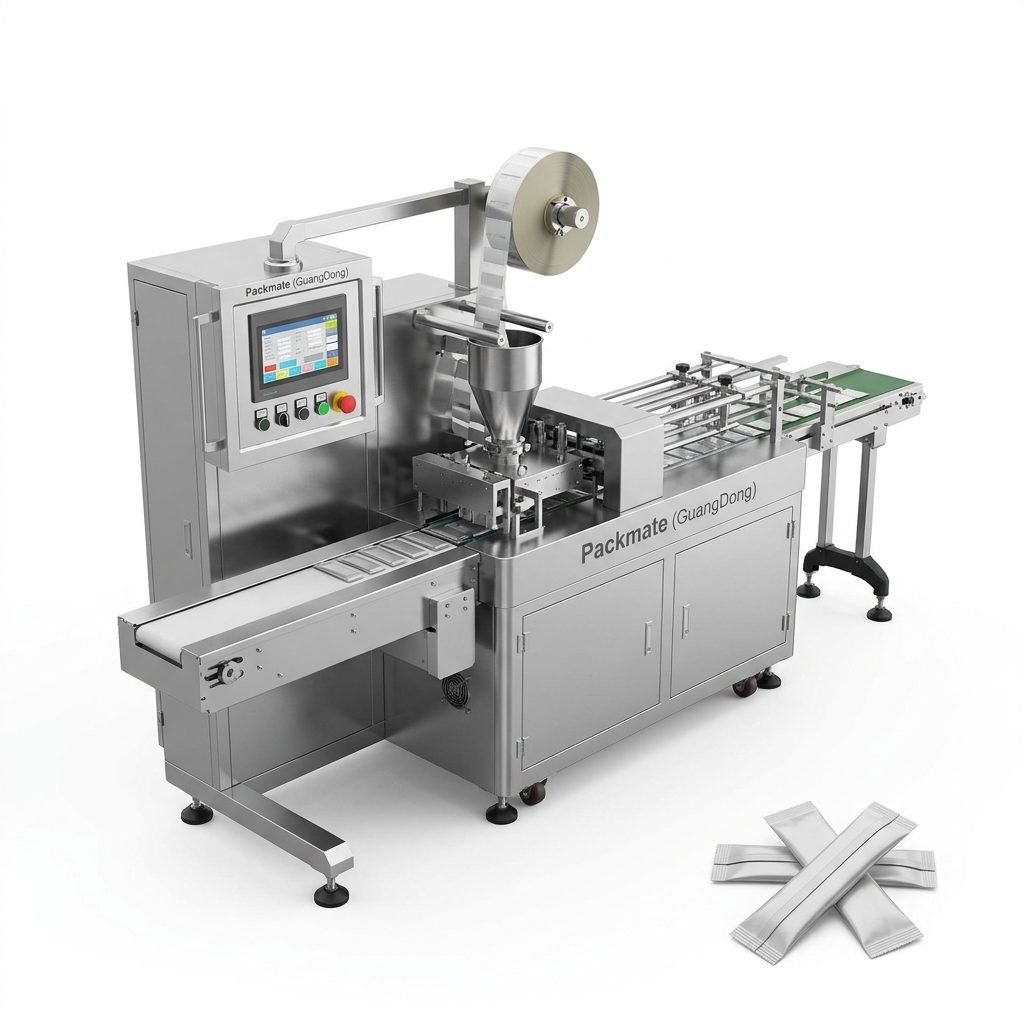
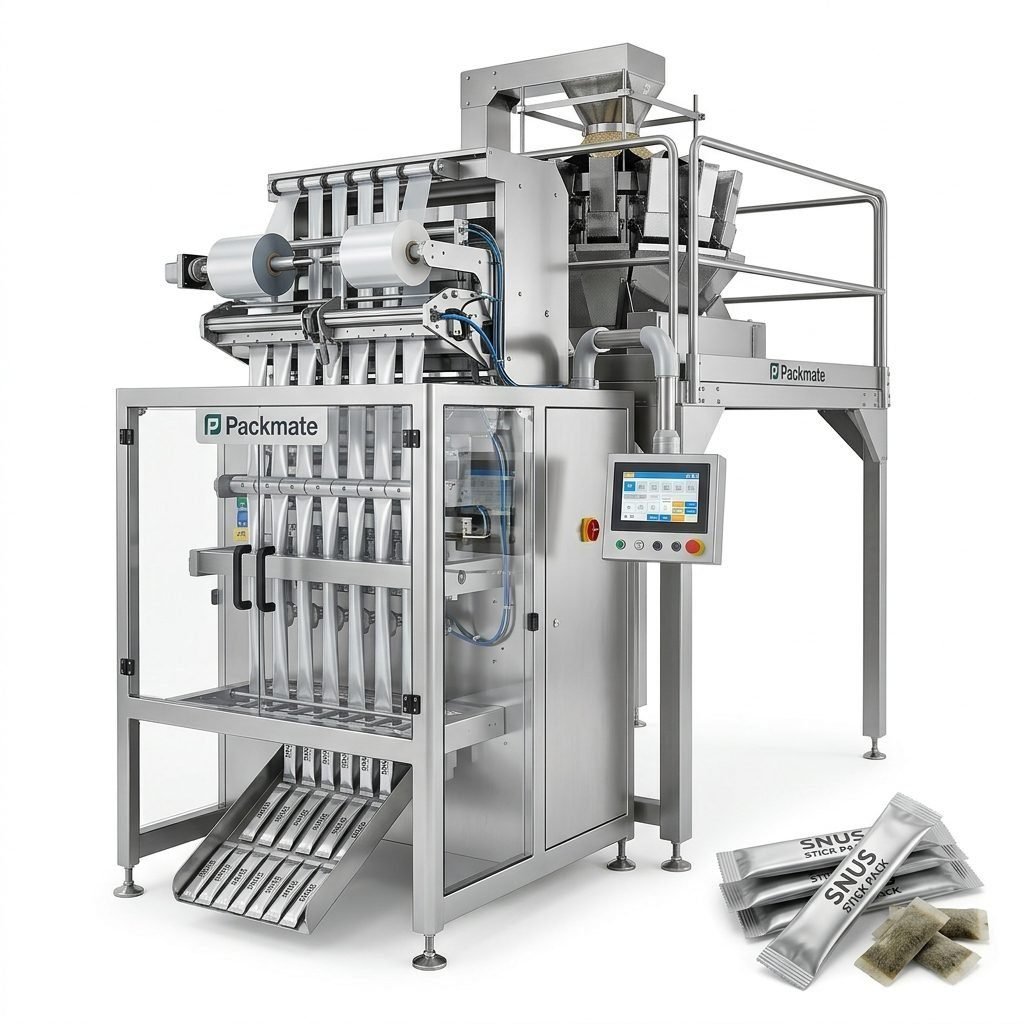
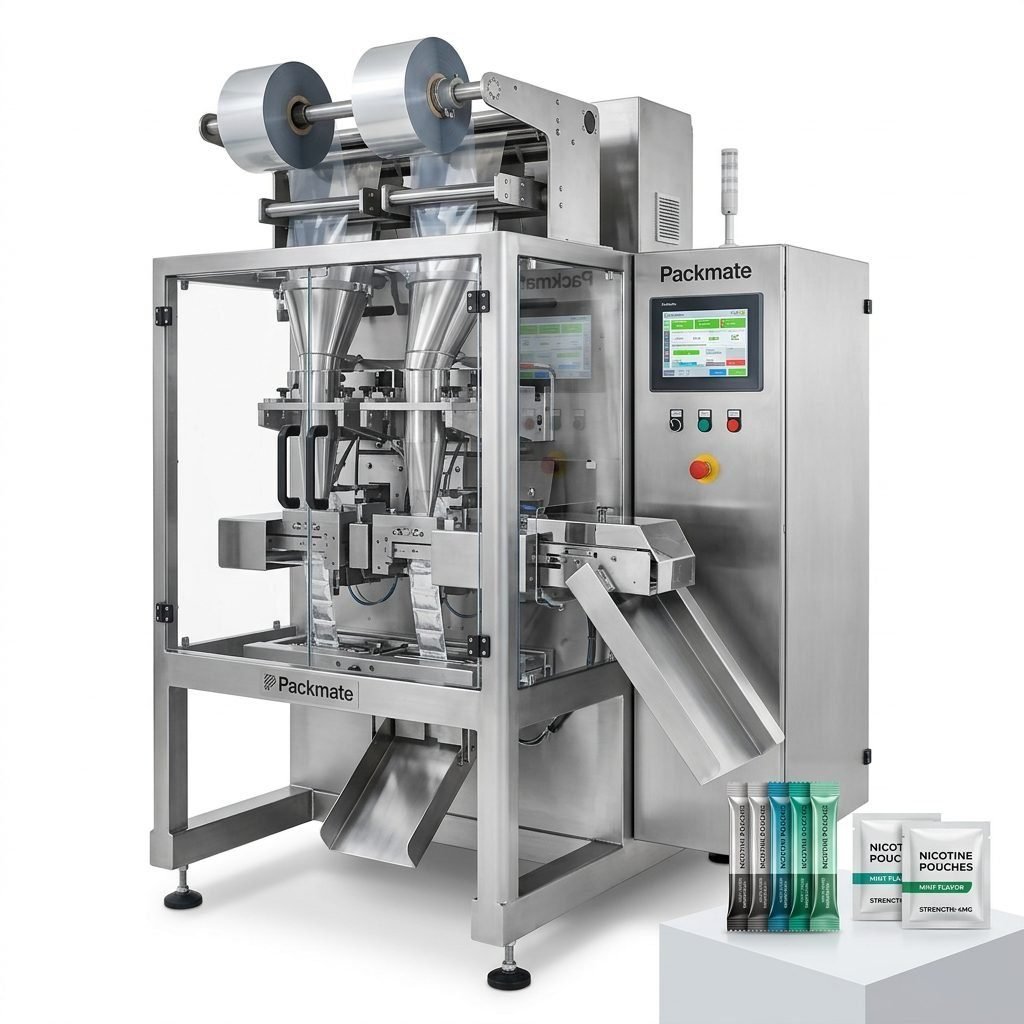
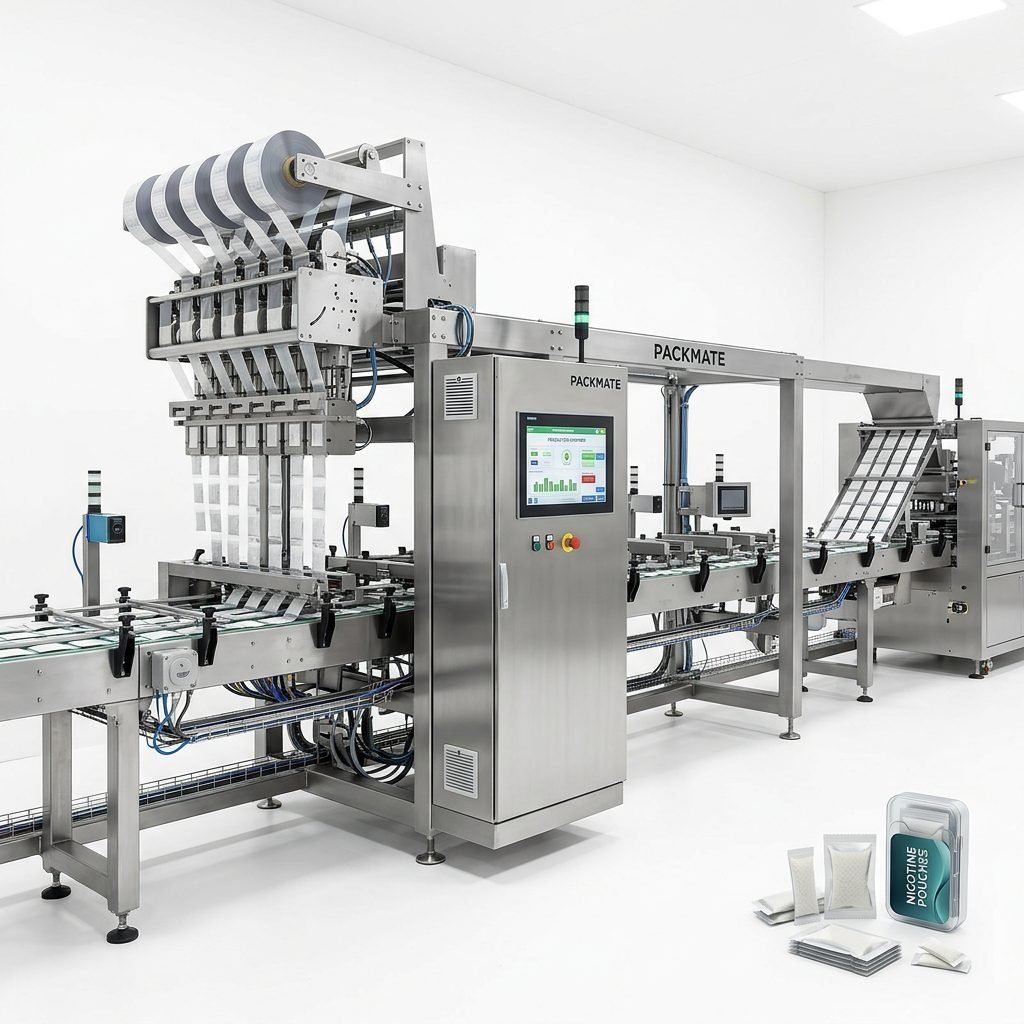
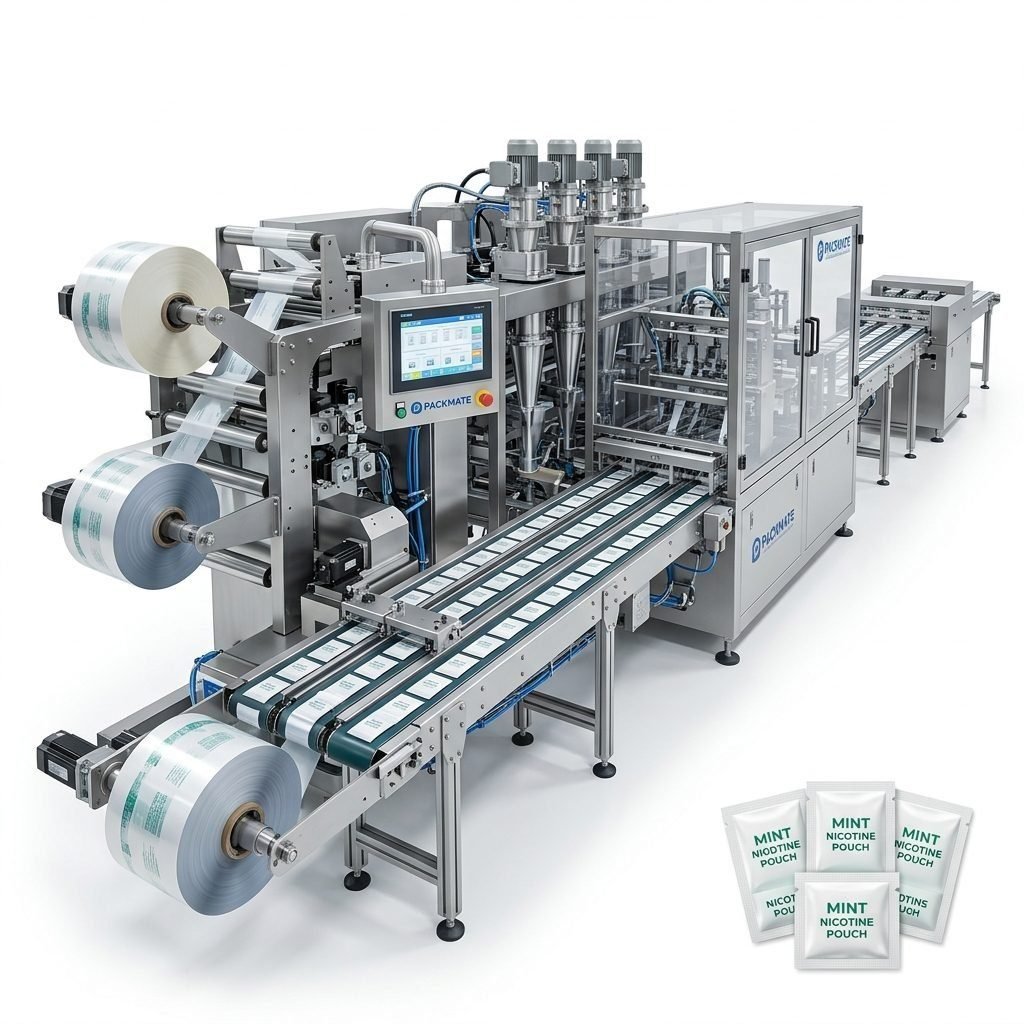
Entering the snus and nicotine pouch market requires more than a great product — it demands the right packaging partner. Choosing the best snus packaging machinery manufacturer in South Korea (or seeking Korean-grade quality from international suppliers who serve Korean customers) means balancing technical performance, regulatory compliance, and local business customs. This guide walks you through practical selection criteria, sample questions to ask manufacturers, on-site evaluation tips, and how to ensure long-term success with automated snus packing lines.
Why South Korea and Korean-grade suppliers matter for snus packaging
South Korea represents a market with high expectations for precision, aesthetics, and consistent quality. Even if your production is outside Korea, adopting Korean-level standards helps you meet strict regional regulations and buyer expectations. Korean buyers and partners emphasize punctual delivery, thorough documentation, and neat, compact equipment footprints suitable for space-conscious facilities. Additionally, business interactions in Korea often value formal communication, clear contracts, and prompt after-sales support.
Local customs and practical considerations
Keep in mind a few regional traits: South Korean manufacturers and buyers tend to prefer thorough factory tours and live demonstrations, value certification and compliance documentation, and expect fast response times for spare parts and technical support. Negotiations are typically professional and detail-oriented — prepare technical specs, quality standards, and acceptance criteria in writing.
Core evaluation criteria: What to look for in a snus packaging machinery manufacturer
1. Proven experience and product range
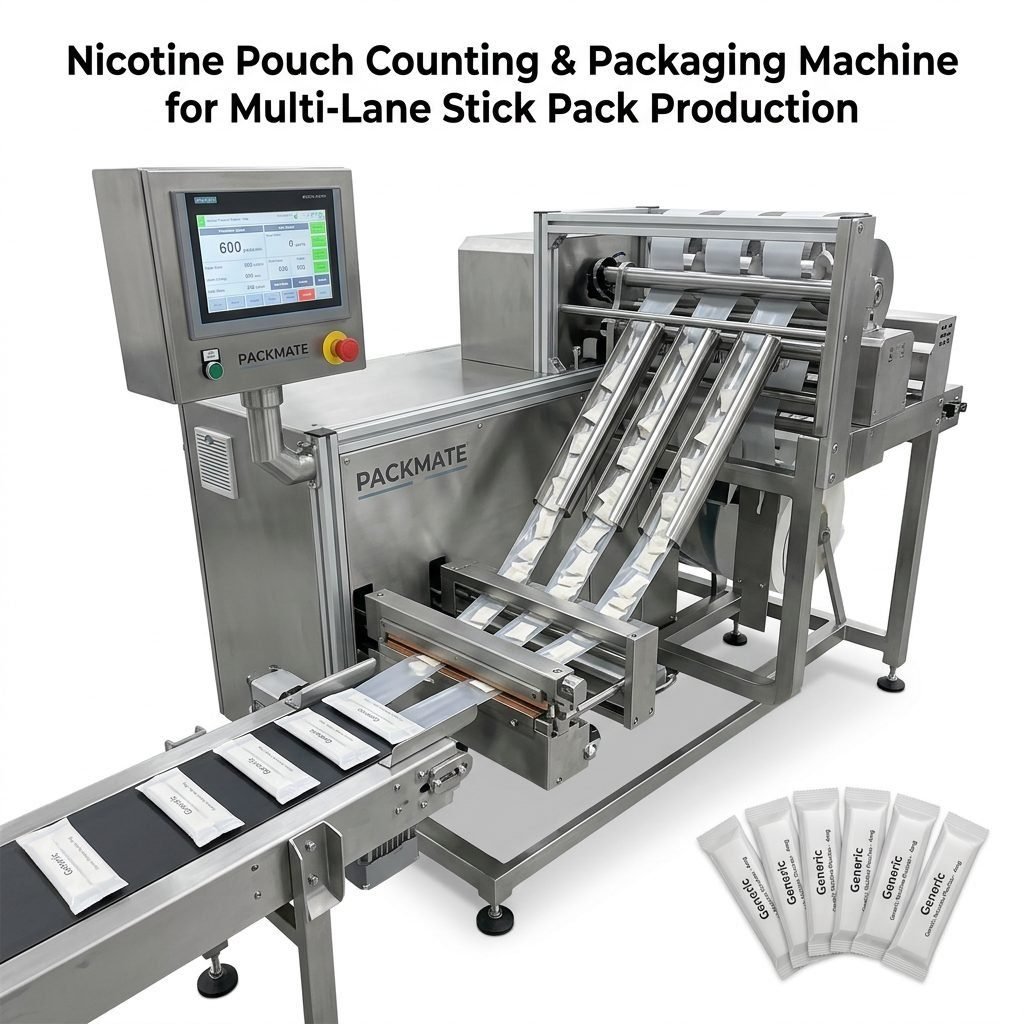
Look for manufacturers with strong histories in pouch and snus machinery — ideally companies that provide multiple solutions: multi-lane snus pouch lines, stick pack machines, sachet machines, and auxiliary filling systems. A vendor with a broad model range can offer flexible configurations to match product dose, pouch size, and output demands.
2. Factory capabilities and manufacturing standards
Inspect the factory scale (large workshops and precision CNC centers are a plus), quality control systems, and assembly practices. A modern facility with 20,000㎡ manufacturing space, advanced CNC machining, and dedicated assembly lines is an indicator of consistent build quality and scalability.
3. Certifications and international compliance
Ensure the manufacturer holds relevant certifications such as CE and ISO. These standards not only indicate safer machinery but also respect for regulatory compliance that Korean and international buyers expect.
4. Customization and engineering support
Snus and nicotine pouches vary in material, moisture sensitivity, and dosing. Choose a partner capable of customizing multi-lane systems, dosing mechanisms, and packaging materials handling. Engineering support for product development, format changeovers, and automation integration is essential.
5. After-sales service, spare parts, and training
Reliable after-sales service ensures minimal downtime. Evaluate spare-part availability, remote diagnostics, on-site training, and warranty terms. Korean-style expectations include fast spare-part dispatch and timely field service visits.
📌 Quick checklist (use during vendor selection):
✓ Track record in snus & nicotine pouch packaging
✓ CE / ISO certificates and clear QA processes
✓ Factory visit and live demo capability
✓ Spare parts inventory and training programs
✓ References and case studies from similar projects
Types of snus packaging lines and matching use-cases
Different production needs call for specific machine families. A manufacturer experienced across these types is preferable:
Sachet & stick pack machines
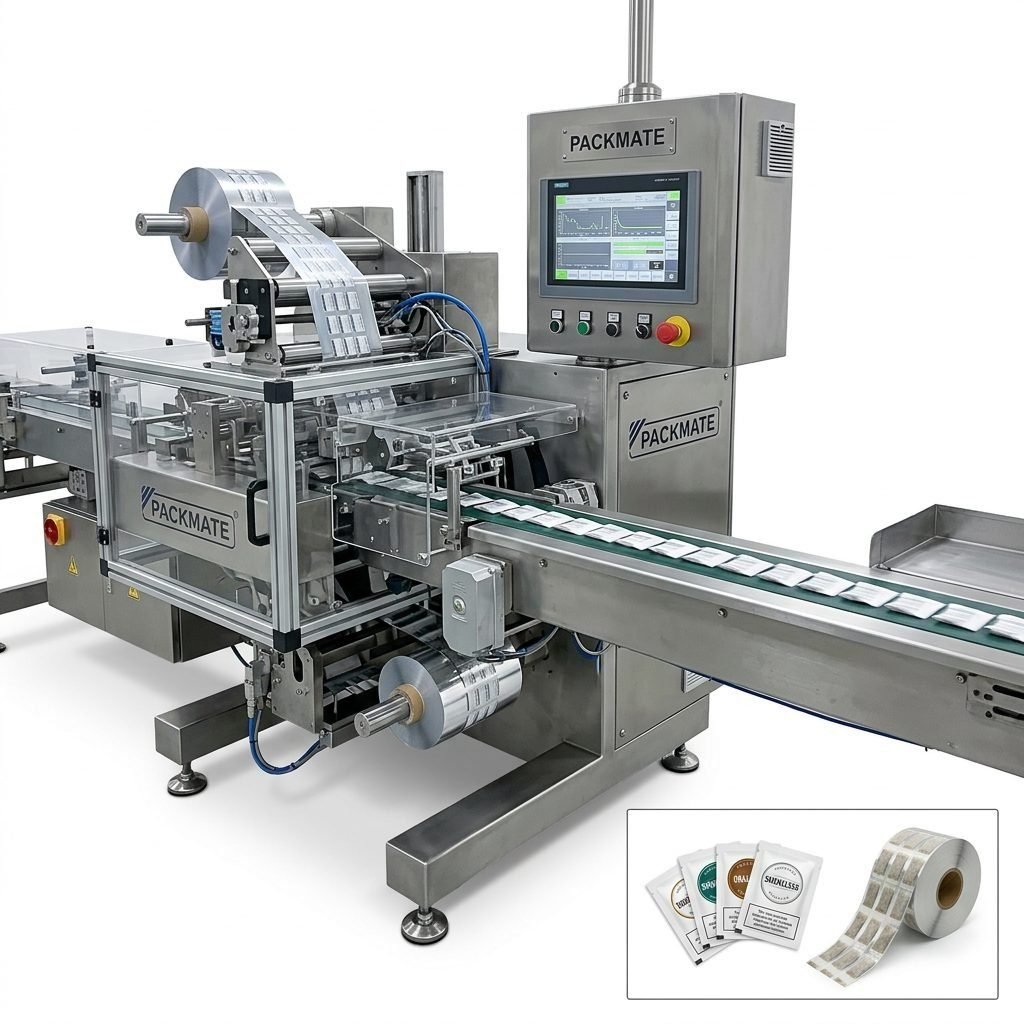
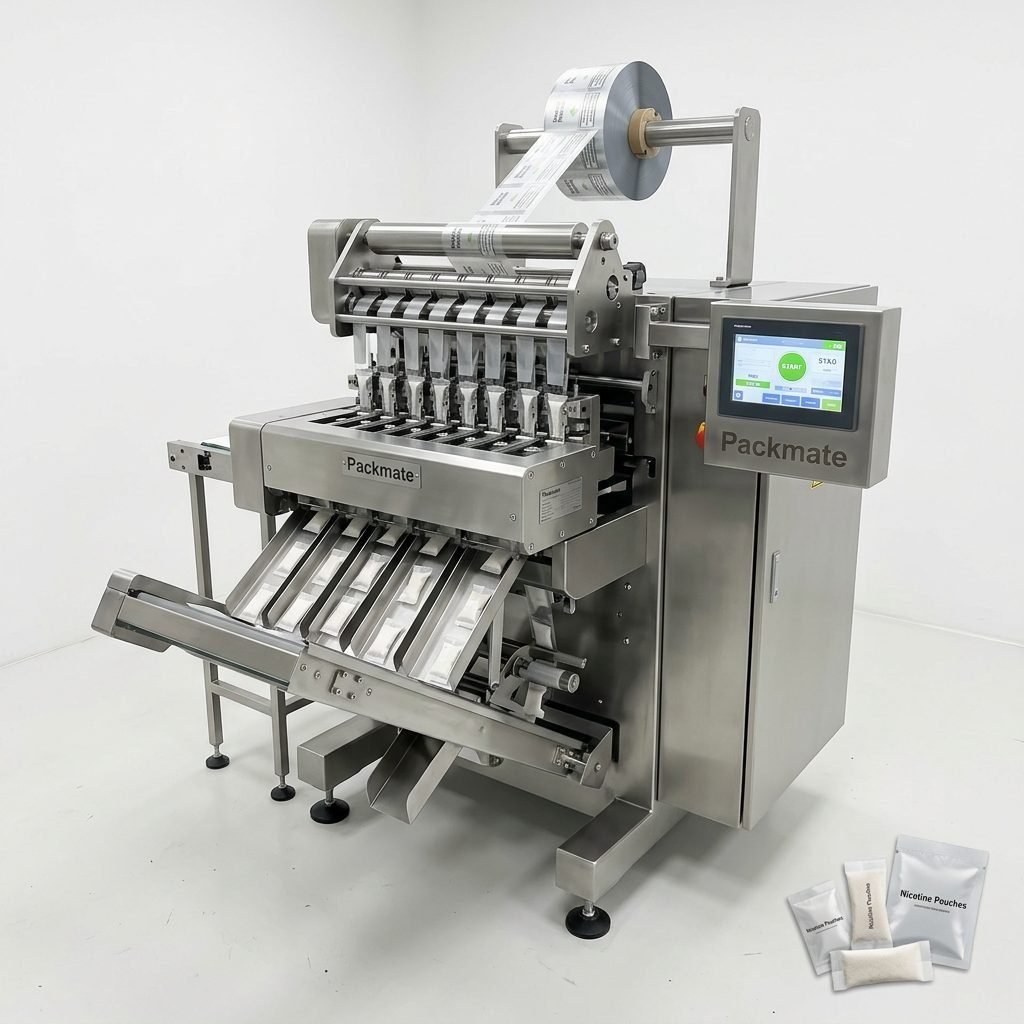
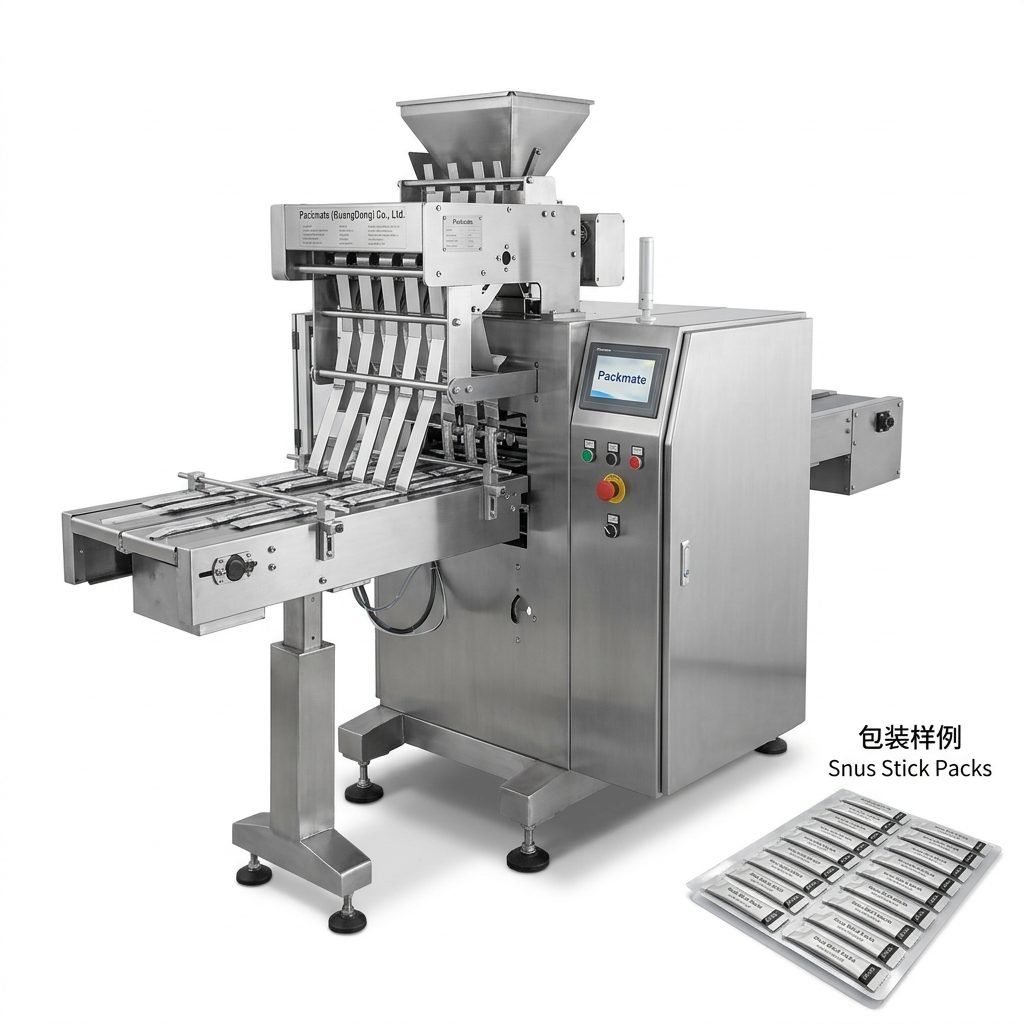
Ideal for single-dose nicotine pouches or stick formats. They offer precise dosing and high-speed sealing for powder or micro-pouch products. For bulk output and multi-lane formats, ensure the supplier can adapt production speed while maintaining dose accuracy.
Multi-lane snus pouch systems
When small-dose consistency and high throughput are required, multi-lane systems deliver scalable capacity. Confirm lane synchronization, pouch integrity testing, and ease of lane configuration changes for diverse SKUs.
Auxiliary and integration equipment
Filling, weighing, packing, and secondary-cartoning systems must integrate smoothly. A single-source provider who offers complete lines reduces compatibility issues and simplifies support. See product examples and line integrations for reference.
For more product details, consider reviewing dedicated equipment categories such as Snus & Nicotine Packaging Machines, Sachet & Stick Pack Machines, and Auxiliary Packaging Equipment.
Practical steps for factory visits and machine evaluation
On-site evaluation is one of the most reliable methods to judge a supplier. Use the following checklist during visits or virtual tours:
Factory tour checklist
– Verify machining centers, quality control stations, and assembly lines.
– Watch a live machine demonstration running your product (or similar).
– Inspect finished machines for wiring neatness, safety guards, and user ergonomics.
– Ask for sample production runs and obtain test pouches for lab analysis.
– Review spare parts stocks and packaging for export transport.
🔍 Technical acceptance tips:
• Agree on acceptance criteria: weight variance, seal strength, pouch appearance, and production speed.
• Conduct FAT (Factory Acceptance Test) and record results before shipment.
• Ensure spare-part kits and user manuals (English/Korean) accompany the machine.
Commercial terms, lead times, and warranties
Negotiate clear commercial terms: delivery lead time, payment milestones, warranty length, and acceptance procedures. Korean-style suppliers typically emphasize published lead times and contract clarity. Ensure the warranty covers critical assemblies (control system, dosing units, sealing jaws) and clarify response SLA for field service.
Logistics and installation support
Confirm the supplier can handle international shipping, customs paperwork, and local installation. A turnkey solution provider that offers installation, commissioning, and operator training reduces your ramp-up risk. For Korean buyers, having bilingual manuals and tech support (Korean/English) is a major plus.
Case study snapshot and supplier credibility
Consider suppliers with documented global cases across Europe, Asia, and the Americas. A strong portfolio with trade show presence, certifications, and long-term global partnerships suggests reliability. You can request case studies and references of similar projects to validate performance claims.
Explore company background and case examples directly via About Packmate and review project demonstrations at Case. Verify certificates shown on the vendor page at Certificate.
Common pitfalls and how to avoid them
Many buyers encounter similar issues: unclear acceptance criteria, slow spare-part supply, insufficient operator training, or hidden costs for customization. Avoid these by documenting every technical and commercial detail, insisting on FAT results in writing, and negotiating spare-parts lead times and annual service contracts upfront.
📌 Final decision checklist before signing:
• Signed FAT and acceptance criteria
• Warranty and spare-parts commitments in contract
• Training and commissioning deliverables
• Export and installation logistics plan
Connecting with suppliers and next steps
Start by collecting technical datasheets and asking for references. Request a virtual or in-person demo, insist on producing sample pouches under your specifications, and schedule a FAT. If you’d like to learn more about full line solutions, check detailed offerings for Filling & Packaging Lines and Weighing & Packaging Systems.
Conclusion
Choosing the best snus packaging machinery manufacturer for Korean markets — or ensuring Korean-grade quality — means prioritizing proven experience, robust factory capabilities, regulatory compliance, and reliable after-sales service. Combine thorough factory evaluation, clear contractual terms, and strong technical alignment with your product requirements to secure a partner that helps you scale, maintain product integrity, and meet market expectations.
Frequently Asked Questions
Q: How important are CE/ISO certificates when choosing a snus packaging machine supplier?
A: Very important — certificates demonstrate compliance with international safety and quality standards and are often required for export and buyer approval.
Q: Should I require a Factory Acceptance Test (FAT)?
A: Yes. FATs protect buyers by validating performance against agreed criteria before shipment.
Q: What lead time is realistic for a customized multi-lane snus packaging line?
A: Lead time varies by customization level and factory load; typical delivery windows range from several weeks for standard models to several months for fully customized turnkey lines.
Q: How can I ensure spare parts and maintenance in Korea or nearby regions?
A: Negotiate spare-part stock levels, response SLAs, and training for in-house maintenance. Ask for stocked spare kits and parts shipment timelines in the contract.
Q: Where can I find more information or request a demo?
A: Visit the manufacturer’s contact and service pages to request demos and technical support: Contact Us and Service.