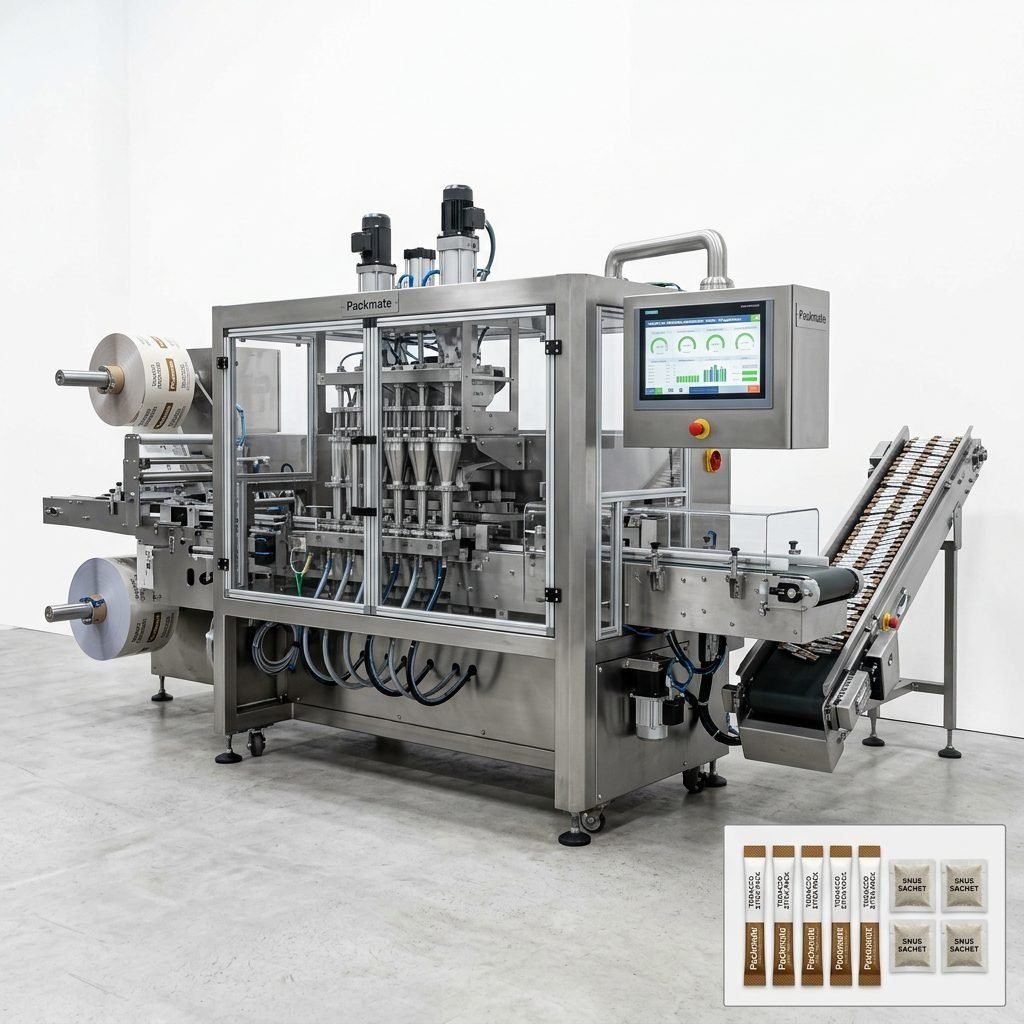
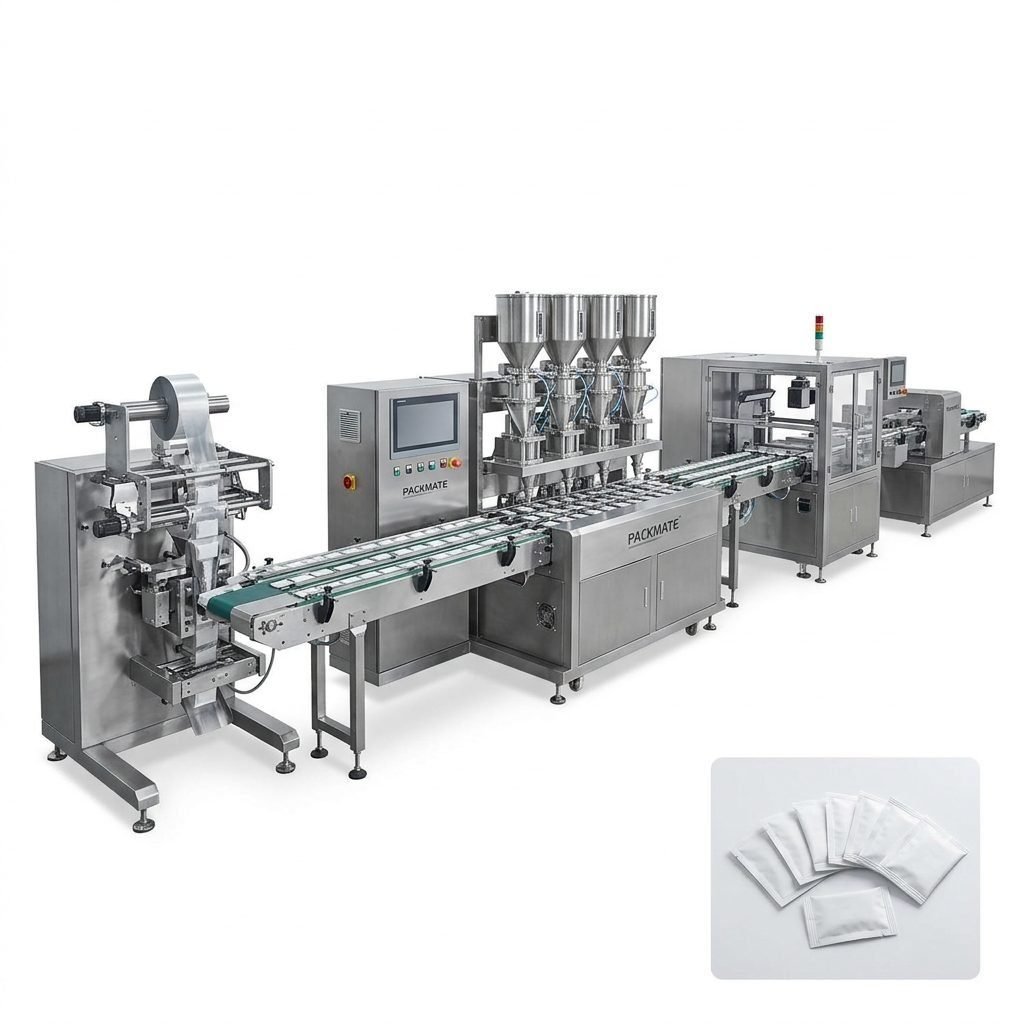
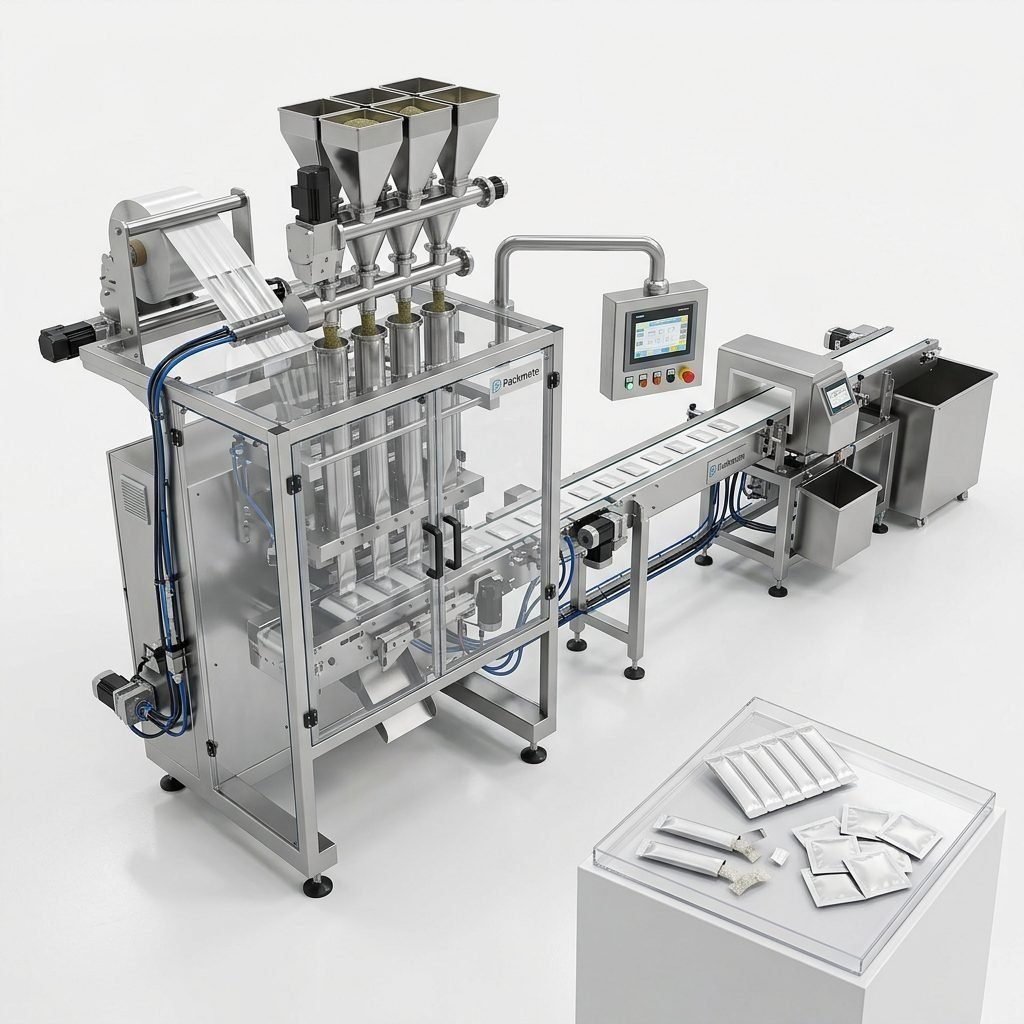
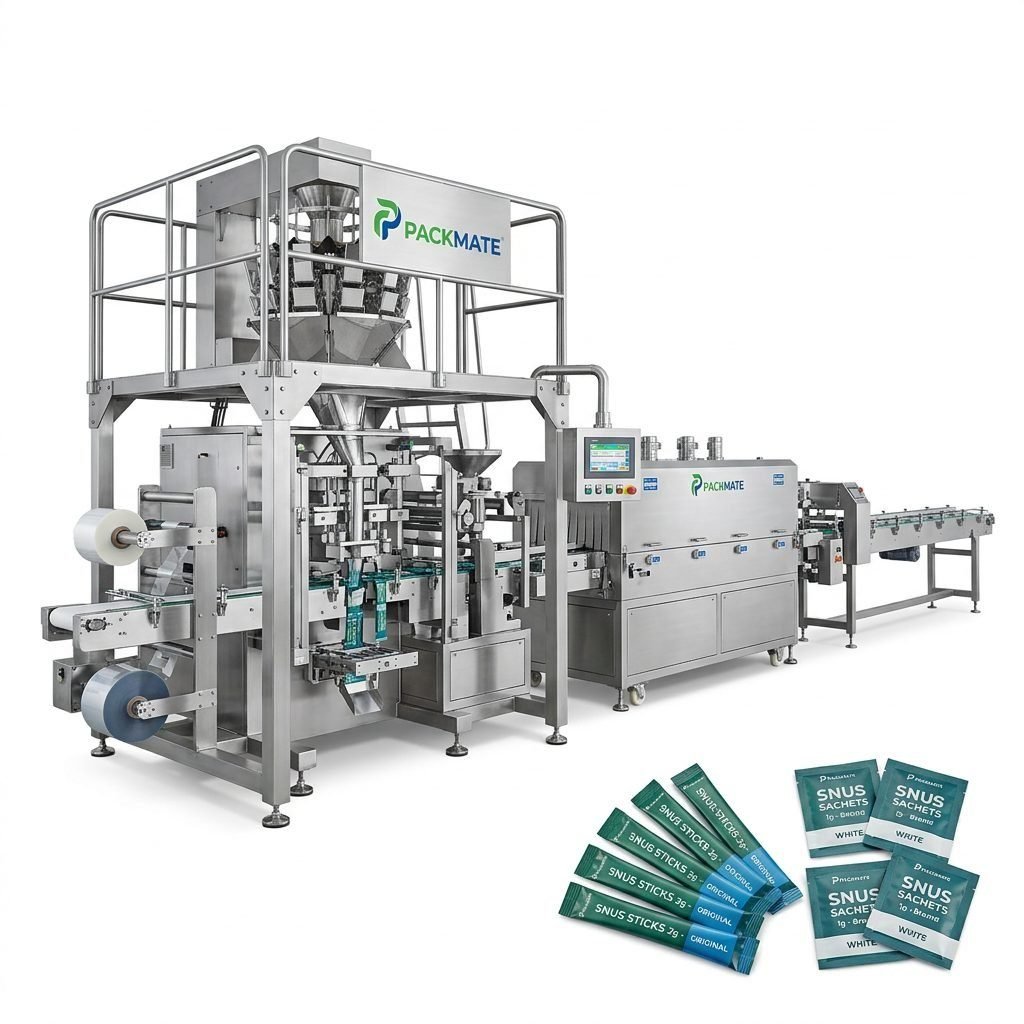
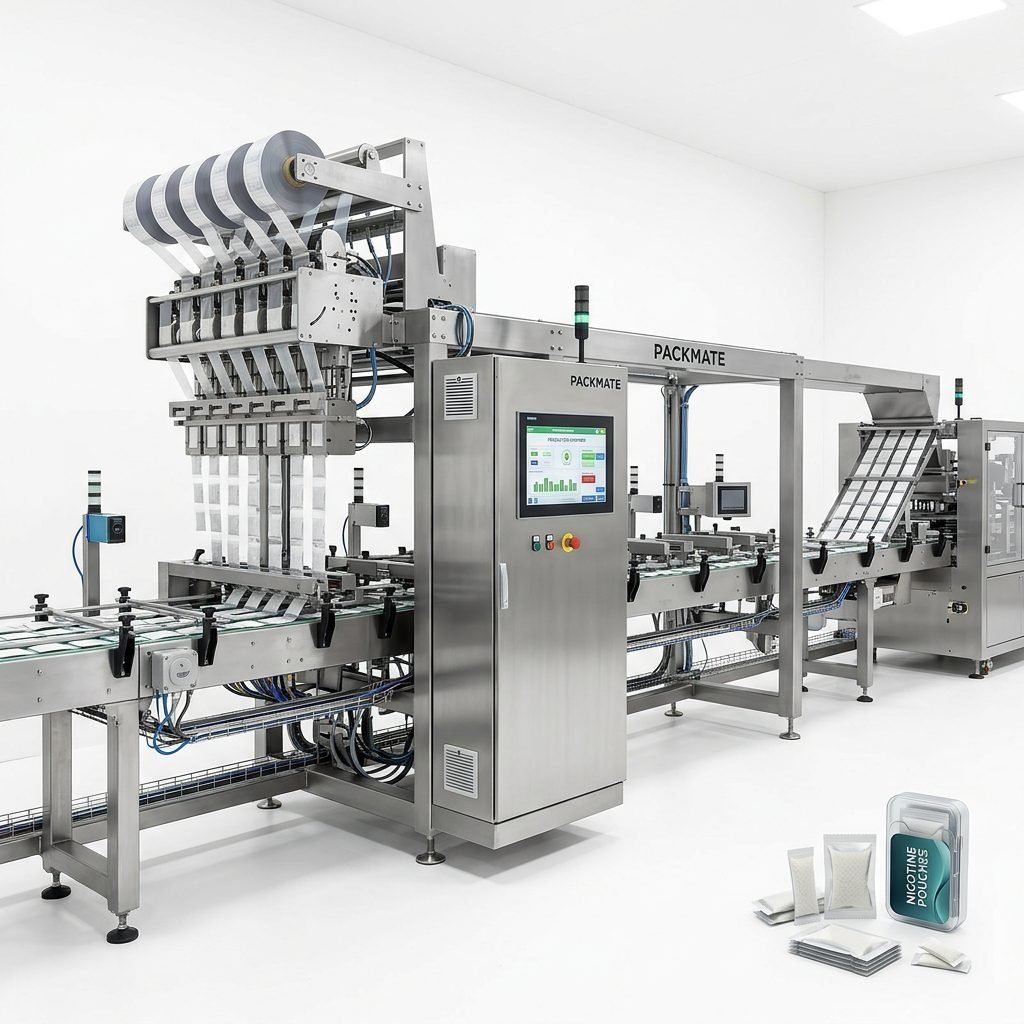
Efficient, high-speed snus pouch packaging is a core requirement for manufacturers seeking consistent product quality, regulatory compliance, and optimized production costs. This guide dives into the design, operation, and practical considerations of a Snus Pouch Packing System — explaining machine types, typical production lines, automation options, maintenance best practices, and return-on-investment factors for producers of portion snus and nicotine pouches.
Overview: What a Snus Pouch Packing System Delivers
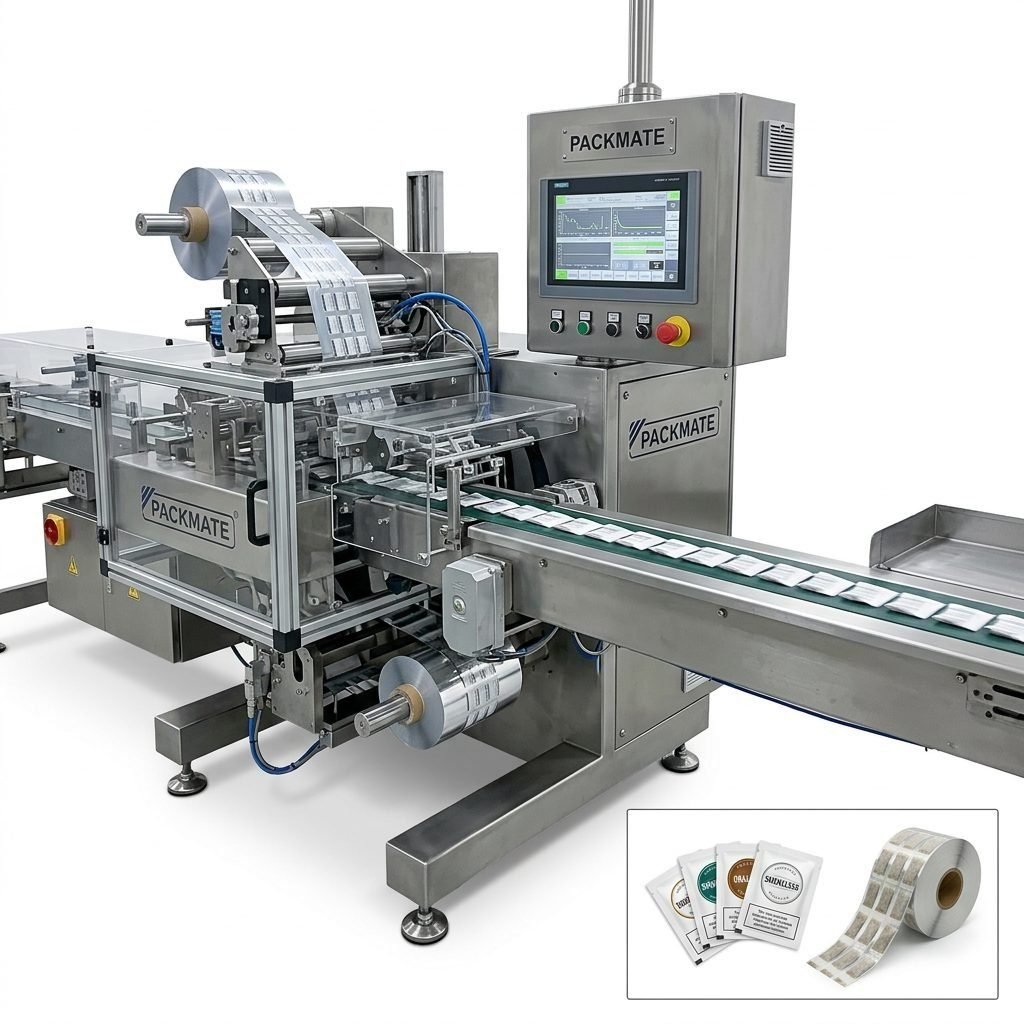
A modern Snus Pouch Packing System converts measured doses of tobacco-free or nicotine formulations into sealed pouches, packages them into single-portion sachets or multi-pouch formats, and prepares finished cartons or bags for distribution. These systems typically combine precision dosing, multi-lane pouch forming, high-speed sealing, and automated cartoning or bagging modules to reach daily output targets while preserving product integrity.
Why invest in a dedicated snus packaging line?
Investing in a specialized snus packing line brings measurable benefits: higher throughput, consistent dosing accuracy, reduced product waste, simplified cleaning and changeover, and easier regulatory compliance. For companies expanding into nicotine pouches, an optimized line becomes a competitive advantage in speed-to-market and batch traceability.
Key benefits at a glance
🔧 Precision dosing for consistent portion weight • 📦 Multi-lane configurations to multiply output • ⚙️ Turnkey integration with upstream and downstream equipment • ✅ Improved hygiene and easy cleaning procedures.
Core Components of a Snus Pouch Packing System
A complete production line is built from modular components that can be combined based on capacity needs. Typical modules include dosing and feeding systems, multi-lane pouch forming machines, vertical or horizontal pouch sealers, pouch counting and batching devices, secondary packaging (cartoning or bagging), and quality inspection systems (weight-checking, metal-detection, vision inspection).
Dosing and metering
Accurate dosing is critical for regulatory compliance and consumer consistency. High-precision auger fillers, vibratory feeders, or gravimetric weigh systems are used depending on particle size and moisture. Gravimetric systems provide the tightest tolerances for small-dose pouches.
Multi-lane pouch forming & sealing
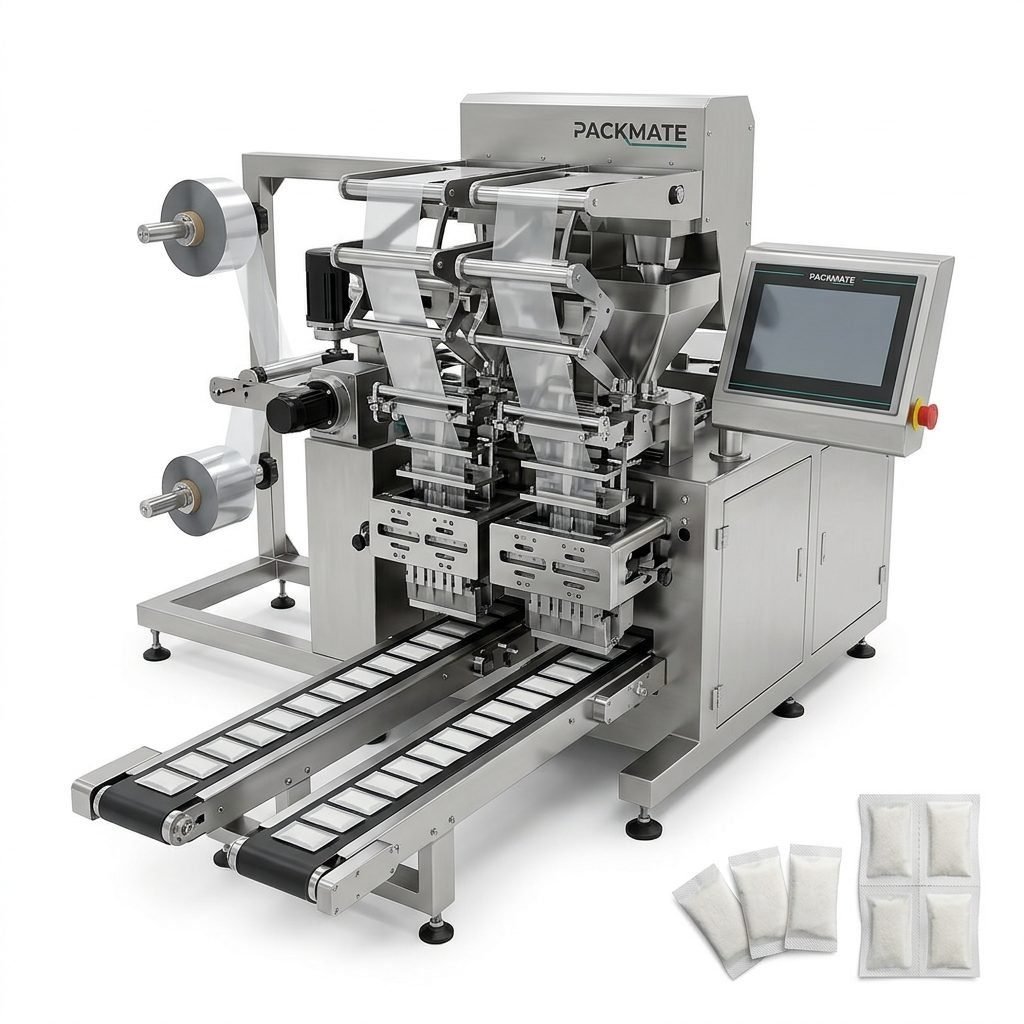
Multi-lane machines allow several pouches to be formed and filled in parallel. This dramatically increases output without proportional footprint increases. Look for synchronized servo drives and fine temperature control on sealing jaws to ensure hermetic seals across all lanes.
Machine Types & Configurations
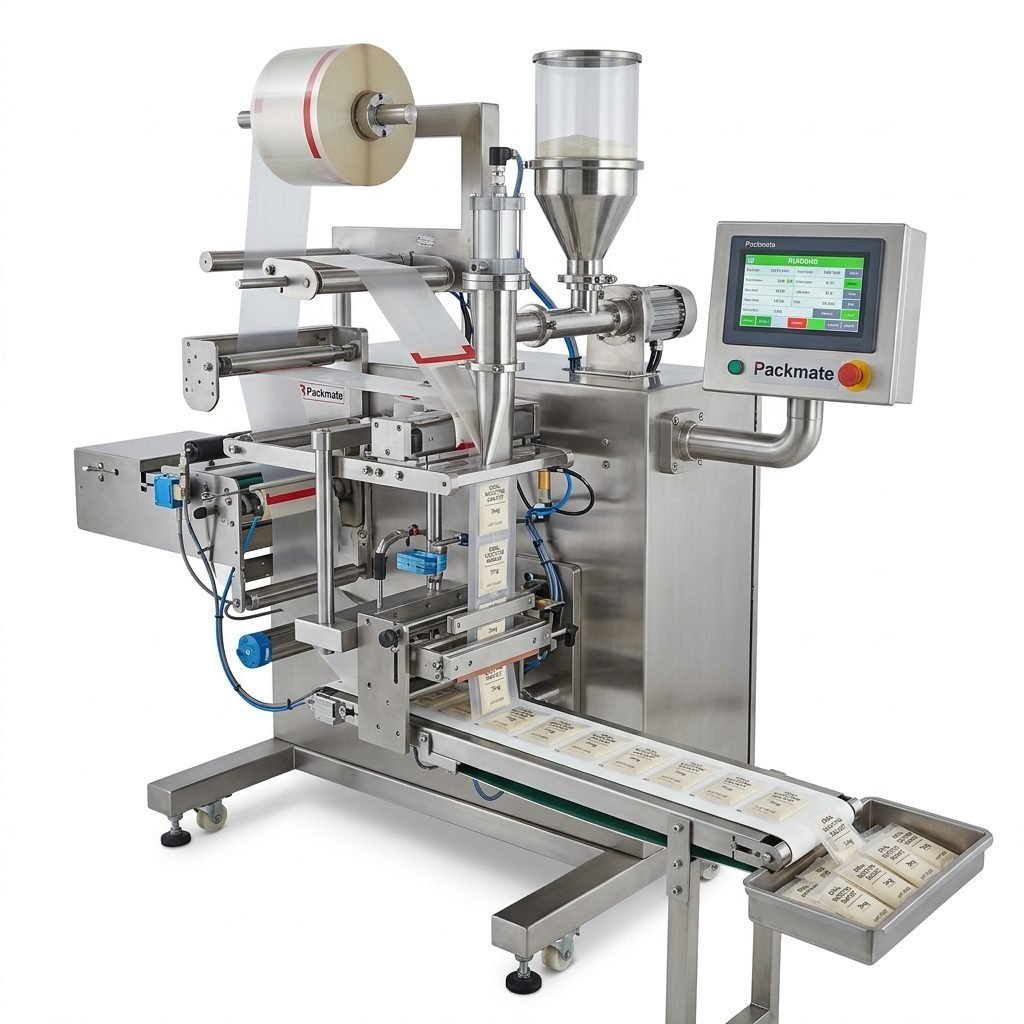
Manufacturers offer a range of equipment tailored to product format and throughput. Common types include stick pack systems, sachet machines, and specialized multi-lane portion snus machines. Packmate Snus Machine, for example, supports stick packs, sachets, and multi-lane pouch systems designed for nicotine pouches and similar small-dose products.
Explore product families and detailed machine specs here: Snus & Nicotine Packaging Machines and Bag & Pouch Packaging Machines.
High-speed vs. flexible format lines
Choose high-speed fixed-format lines when the product mix is stable and high volumes are planned. Choose flexible or modular machines when frequent format changes or multiple SKUs are expected. Many manufacturers offer quick-change tooling and automated recipe management to reduce downtime.
Design Considerations for Production Efficiency
A truly efficient packing system not only runs fast but minimizes downtime and simplifies maintenance. Key design features to consider include:
🔹 Servo-driven indexing for precise synchronization across lanes.
🔹 Quick-change tooling for rapid format shifts.
🔹 Hygienic design for easy cleaning and compliance.
🔹 Modular architecture so you can add downstream cartoning or case-packing later.
Material compatibility and film selection
Choose films that provide adequate barrier properties for moisture and aroma control. Common materials include laminated PET/PE or alu-foil laminates for extended shelf life. Seal strength and film thickness impact sealing temperature and cycle speed.
Automation & Integration
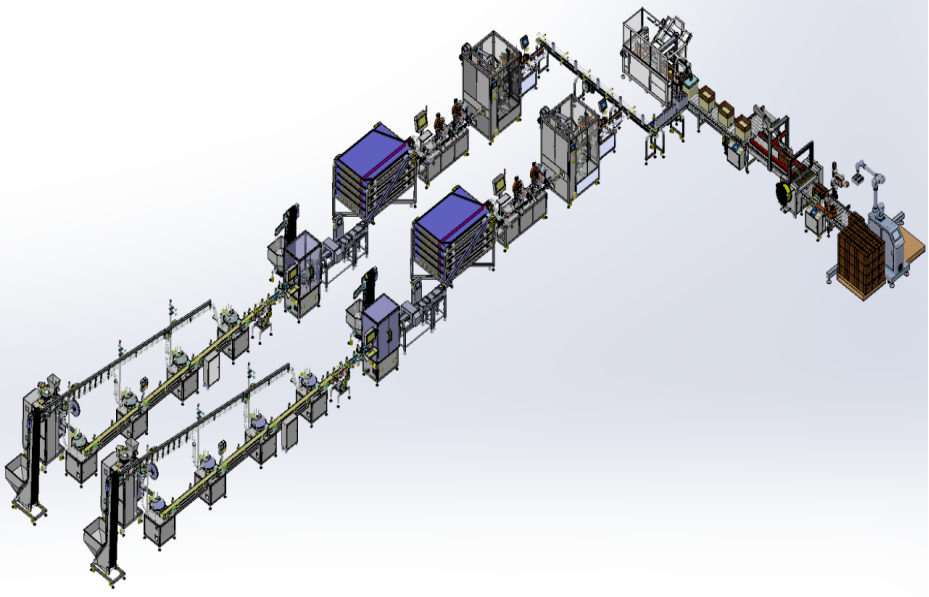
Integration with upstream mixers and downstream cartoners or labeling machines creates a seamless production line. Typical integrations include automated feeding hoppers, synchronized conveyors, inline checkweighers, and robotic case packers. A PLC or industrial PC with recipe management simplifies changeovers and ensures repeatable setup.
For full line solutions including weighing and fillers, review the Weighing & Packaging Systems and Filling & Packaging Lines.
Controls, data, and Industry 4.0 readiness
Modern lines include OEE dashboards, remote monitoring, and traceability modules. These features reduce time-to-diagnosis and enable predictive maintenance. Ask suppliers for standard communication protocols (Ethernet/IP, Profinet) and data export formats.
Quality, Safety & Regulatory Compliance
Suppliers should adhere to international standards like CE and ISO and offer validated manufacturing practices for nicotine-containing products. Consider machine features that support GMP: sanitary surfaces, CIP compatibility for liquid systems, and validated dosing equipment for product traceability.
✅ Certification tip: Request CE and ISO documentation and factory test reports to streamline audits.
Installation, Commissioning & After-Sales Service
Professional installation and commissioning shorten ramp-up time. Service offerings typically include on-site training, spare parts kits, remote diagnostics, and preventive maintenance contracts. Verify a supplier’s global service network and spare-parts availability to minimize downtime.
Packmate’s global experience and factory capabilities allow for turnkey solutions and long-term support — view company details at About Packmate.
Training and documentation
Ensure the supplier provides user manuals, spare-parts lists, electrical and pneumatic schematics, and operator training. Well-documented machine recipes reduce operator error and shorten changeover times.
Case Studies & Global Applications
Successful deployments span Europe, Asia, and the Americas. Lines are tailored to local regulatory requirements and consumer pack formats — from small trial lines to large multi-lane production plants. See real-world examples and customer references in the supplier’s case library: Case.
Local market considerations (for manufacturers operating internationally)
In some regions, snus and nicotine pouches face strict labeling, taxation, and advertising rules. When entering new markets, align packaging designs with local language and regulatory requirements, and plan for traceability elements such as batch codes and expiry dates.
Calculating ROI and Throughput Planning
ROI depends on machine throughput, labor savings, material cost reductions, and waste reduction. Estimate payback by calculating additional daily output, reduced labor hours, and lower scrap rates. Include installation, training, and spare parts in the total cost of ownership calculation.
Typical decision drivers include desired pouches-per-minute, daily production hours, and available factory space. Request detailed production simulations from vendors to validate throughput under real product conditions.
Maintenance best practices
🛠️ Daily checks: sealing surfaces, film path alignment, and dosing accuracy.
🔁 Scheduled maintenance: lubrication points, servo tuning, and spare-part replacement intervals.
🔍 Spare parts: maintain critical spares (sealing jaws, sensors, belts) to avoid extended downtime.
Customization & Turnkey Project Delivery
For many customers, the best option is a fully customized turnkey line that matches their factory layout, product specifications, and quality requirements. Top suppliers offer site surveys, layout drawings, FAT (Factory Acceptance Tests), SAT (Site Acceptance Tests), and full commissioning.
Learn more about service offerings and downloadable resources at the supplier’s Service and Catalog pages.
Choosing the right supplier
Evaluate suppliers on engineering experience, factory capabilities, quality certifications, and ability to deliver global support. A 30+-year engineering history, advanced CNC capability, and a robust assembly line are strong indicators of long-term reliability.
Final considerations before purchasing
Before committing, request a full proposal with layout, performance guarantees, FAT videos, and clear warranty terms. Confirm lead times and spare-parts delivery windows and verify training packages for operators and maintenance staff.
If you need examples of installed systems and exhibition demonstrations, check the company’s exhibition schedule: Our Exhibition.
Contact & next steps
Request a tailored line quote, send product samples for pilot testing, and schedule a Factory Acceptance Test. For direct contact and technical inquiries, visit the supplier’s contact page: Contact Us.
FAQs — Common Questions
Q1: How fast can a multi-lane snus pouch machine run?
A1: Speeds vary by lane count and pouch format; modern multi-lane lines can deliver several hundred to thousands of pouches per minute aggregated across lanes. Confirm with supplier performance tests using your specific material and pouch design.
Q2: What materials are best for portion snus pouches?
A2: Barrier laminates (e.g., PET/ALU/PE) or specially coated paper laminates are common. The choice depends on moisture sensitivity, aroma retention, and shelf-life requirements.
Q3: How long does installation and commissioning take for a full line?
A3: Typical installation and commissioning range from a few days for compact lines to several weeks for large turnkey installations. FAT planning and on-site preparations shorten final commissioning time.
Q4: What documentation should I request from the supplier?
A4: Request CE/ISO certificates, electrical and pneumatic schematics, FAT reports, validation protocols, training manuals, and spare-parts lists.
Q5: How can I see real-world examples before buying?
A5: Ask for case studies, FAT videos, or arrange to visit an exhibition where the supplier demonstrates equipment — many vendors also provide pilot runs using your product samples.