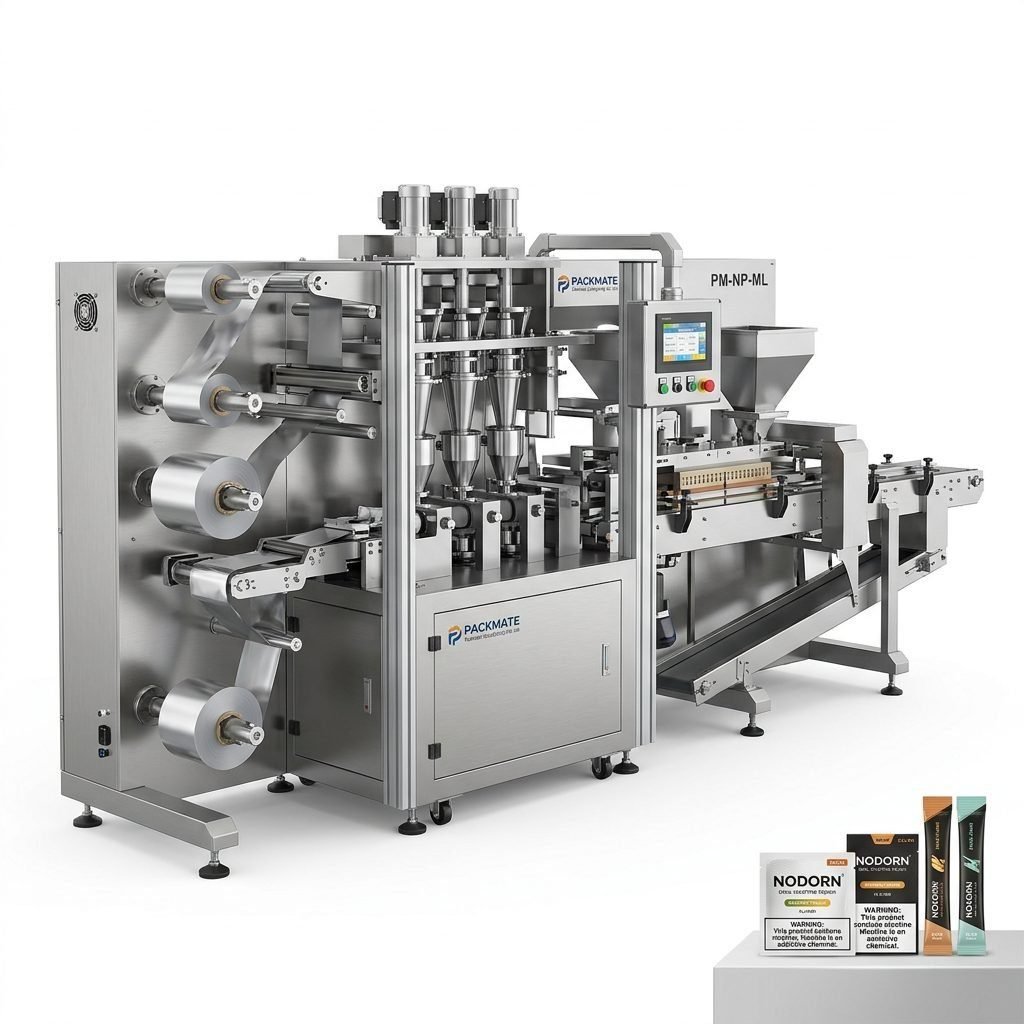
Choosing the right nicotine packaging machine manufacturer for your business in Namibia is a strategic decision that affects product quality, operational uptime, regulatory compliance, and long-term profitability. This guide helps Namibian entrepreneurs, contract packers, and importers compare suppliers, assess production needs, and select a partner that matches local conditions—from customs at Walvis Bay to workforce skills and electrical standards.
Understanding the Namibian Market & Local Considerations
Namibia’s market characteristics influence machine selection: a relatively small domestic population, strong export opportunities to neighboring Southern African countries, and a logistics focus around Windhoek and Walvis Bay. Consider these local factors:
Regulatory environment: Ensure packaging lines support labeling and traceability required by Namibian and export destination regulations. English is the official language, but Afrikaans and German are also widely used—packaged product labeling should account for target markets.
Logistics & import: Most imports enter via Walvis Bay port or road from South Africa. Choose vendors experienced with export documentation, customs clearance, and crating for sea freight to reduce damage and delays.
Power & workshop setup: Namibia uses 220–230V / 50Hz standard. Confirm machine electrical specifications and any need for on-site transformers or phase converters. Plan for stable power and consider UPS options for sensitive control systems.
Why choose a specialized snus & nicotine pouch machine supplier?
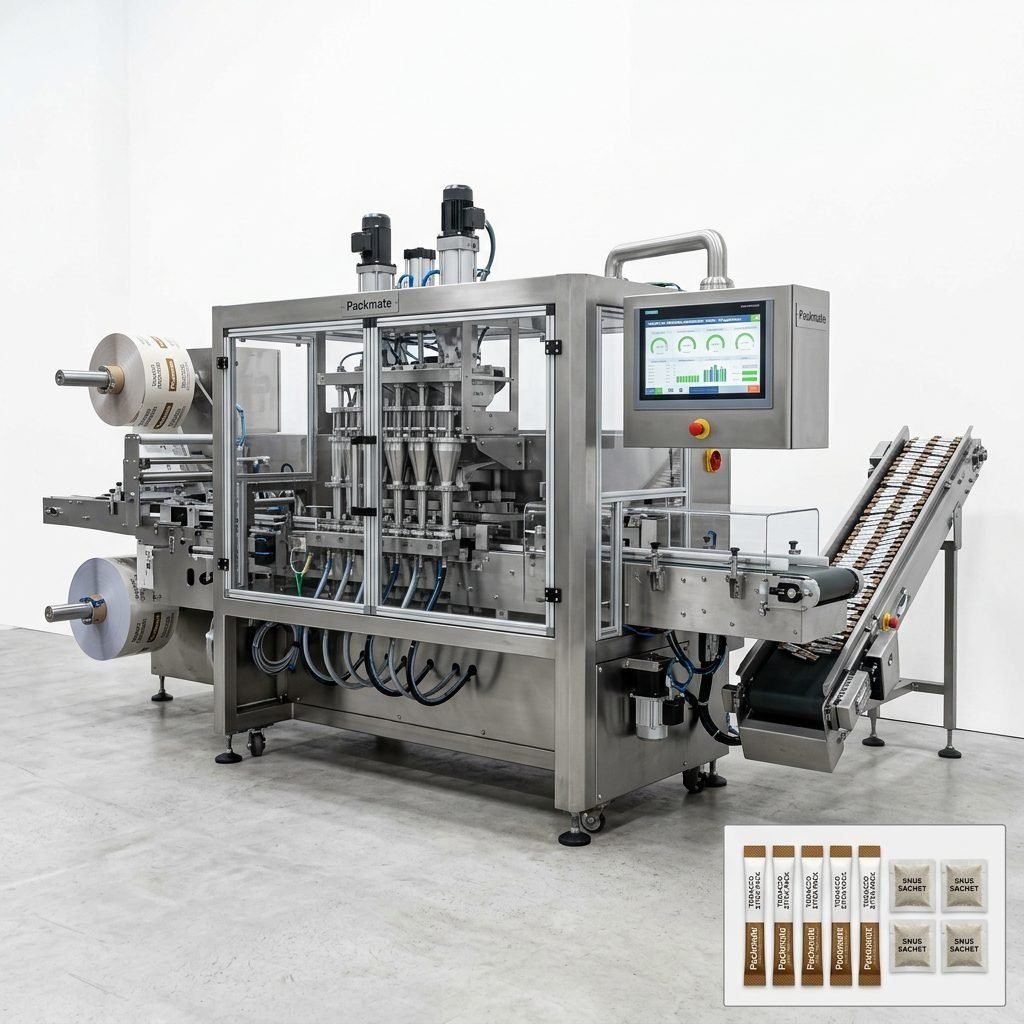
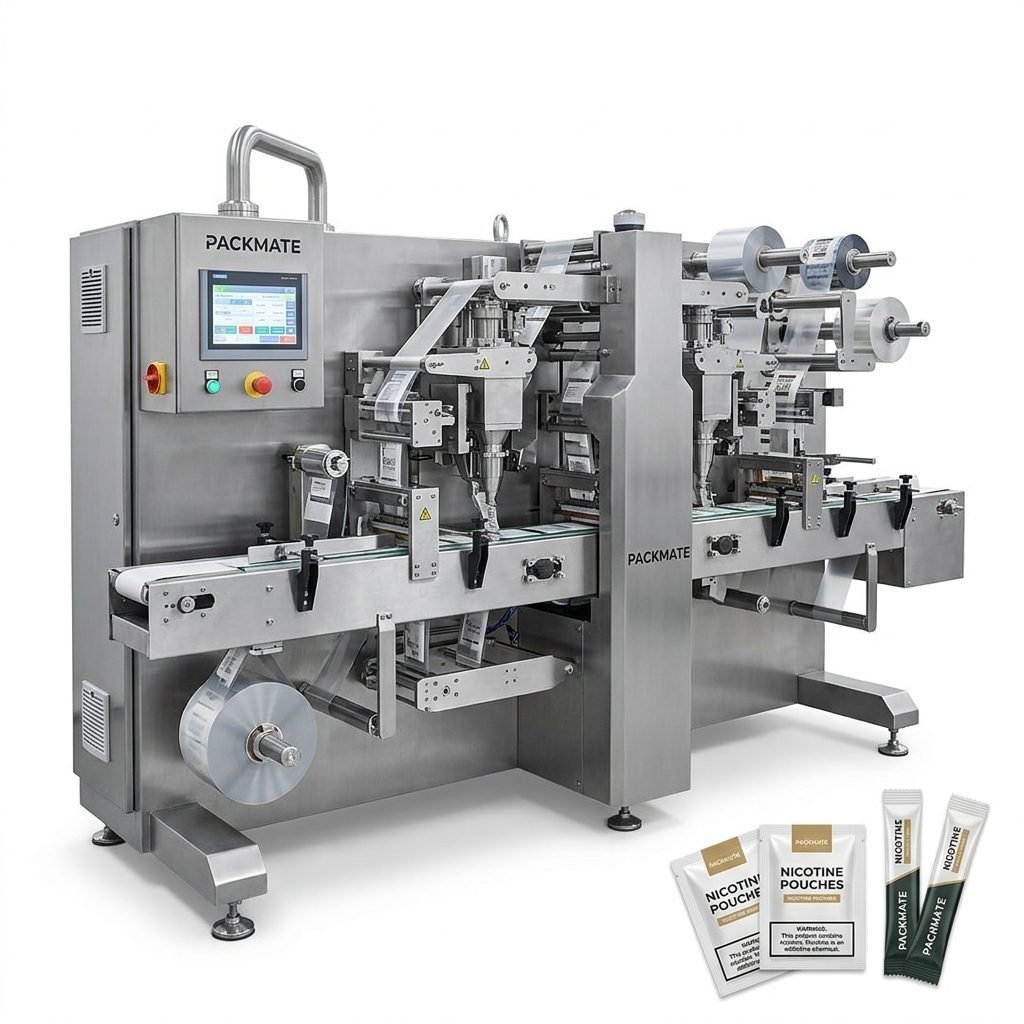
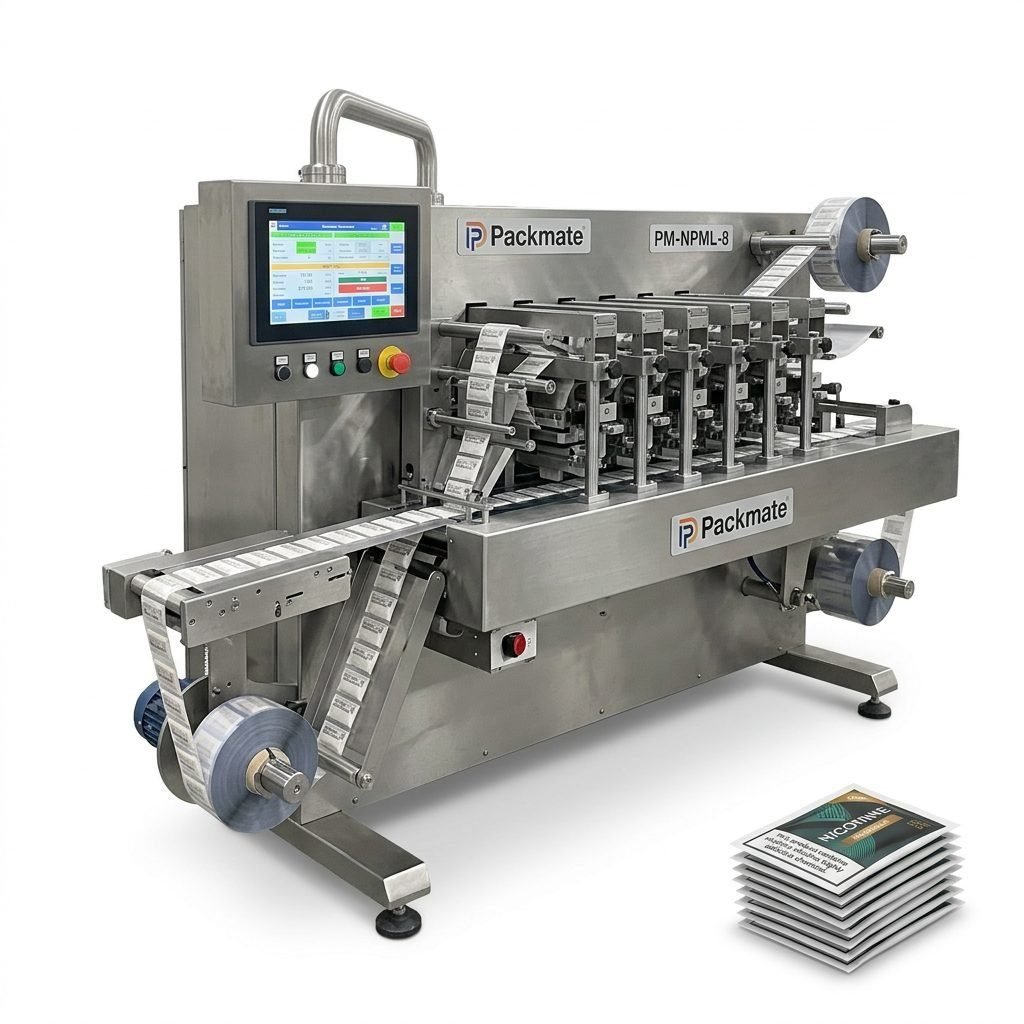
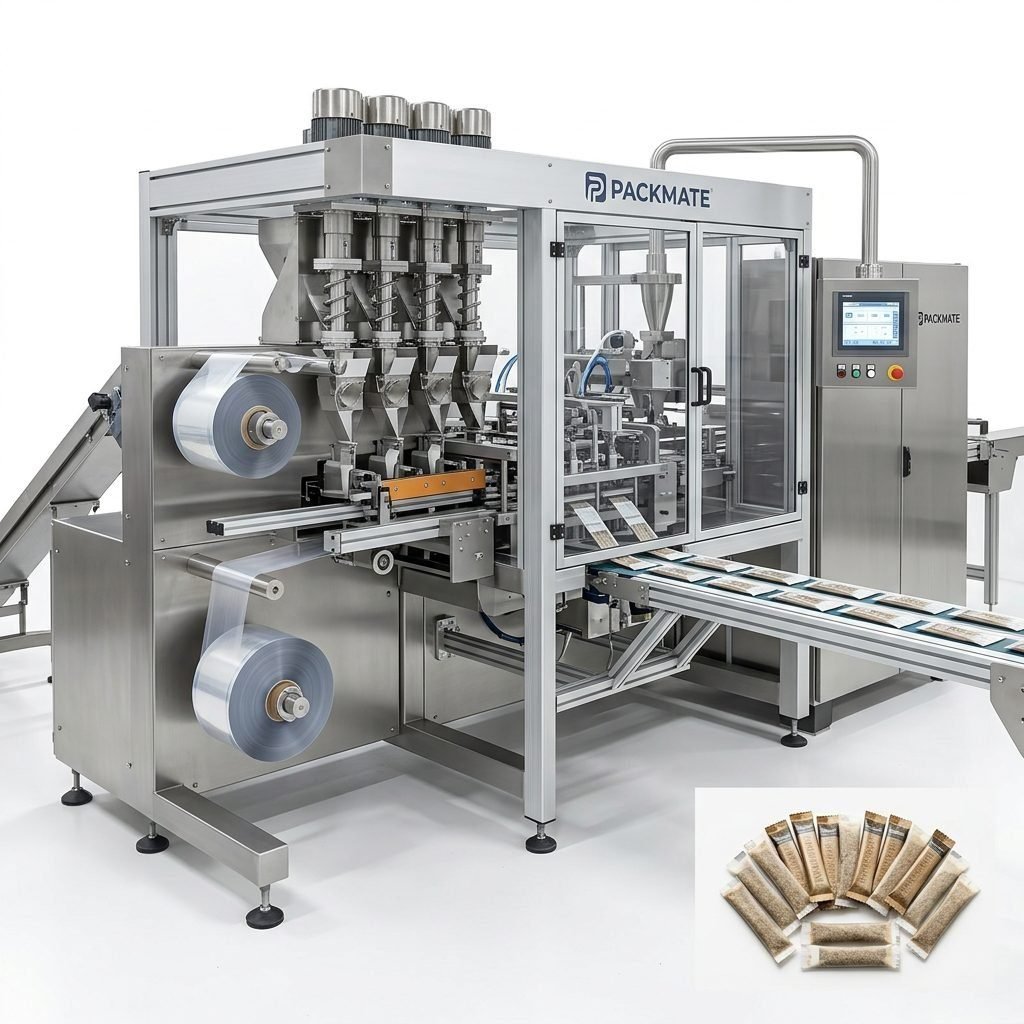
Specialized suppliers deliver machines tailored for small-dose pouches, strict hygiene, and multi-lane high-speed formats. If your product is nicotine pouches or snus, general-purpose pouch machines may not meet dosing accuracy or lane synchronization needs. Look for suppliers that offer:
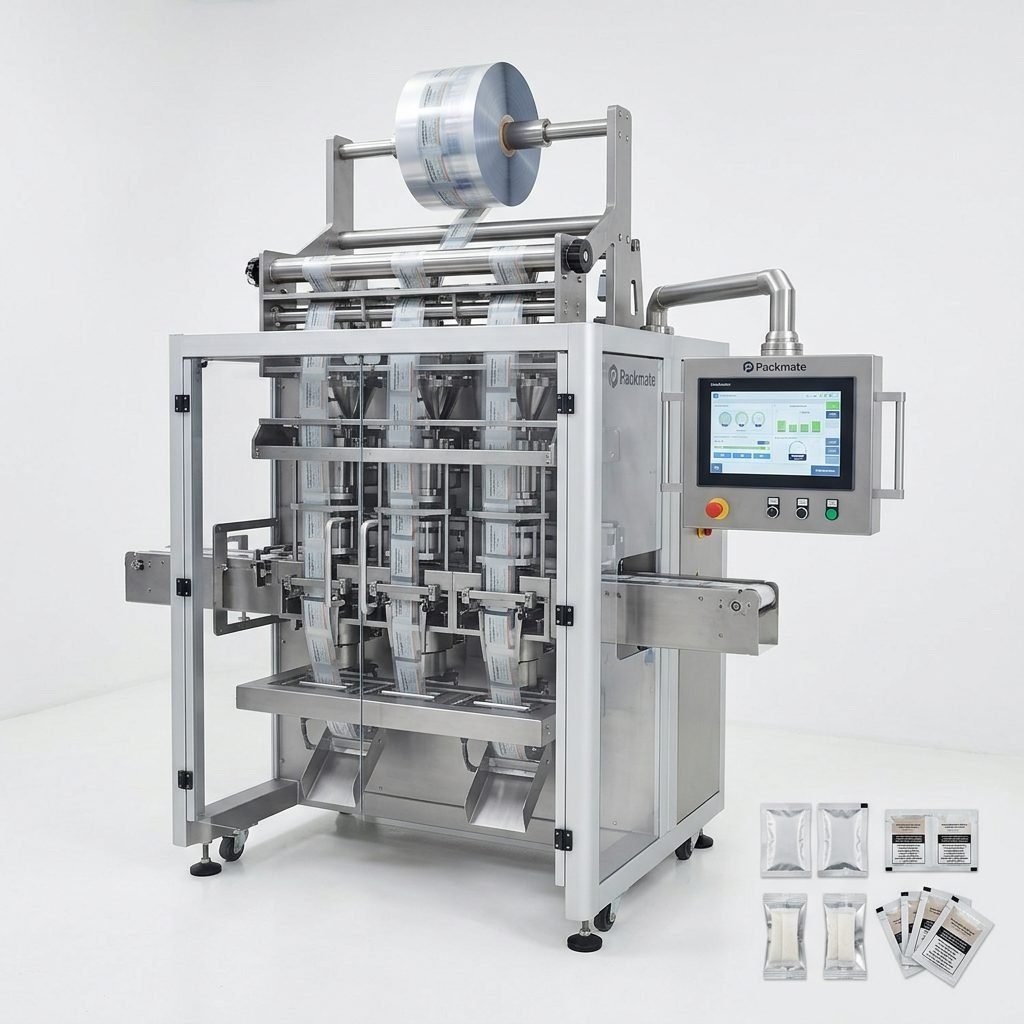
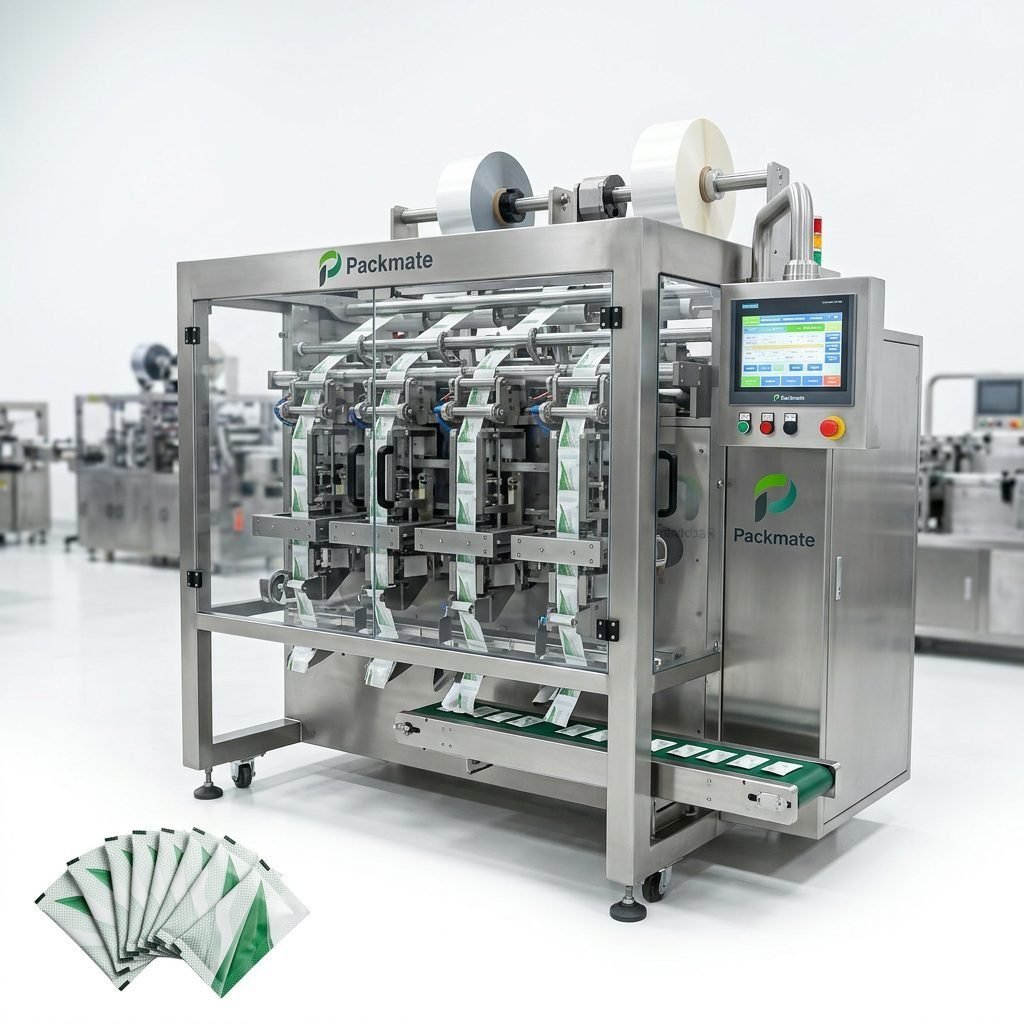
- Multi-lane pouch systems for efficient small-dose production.
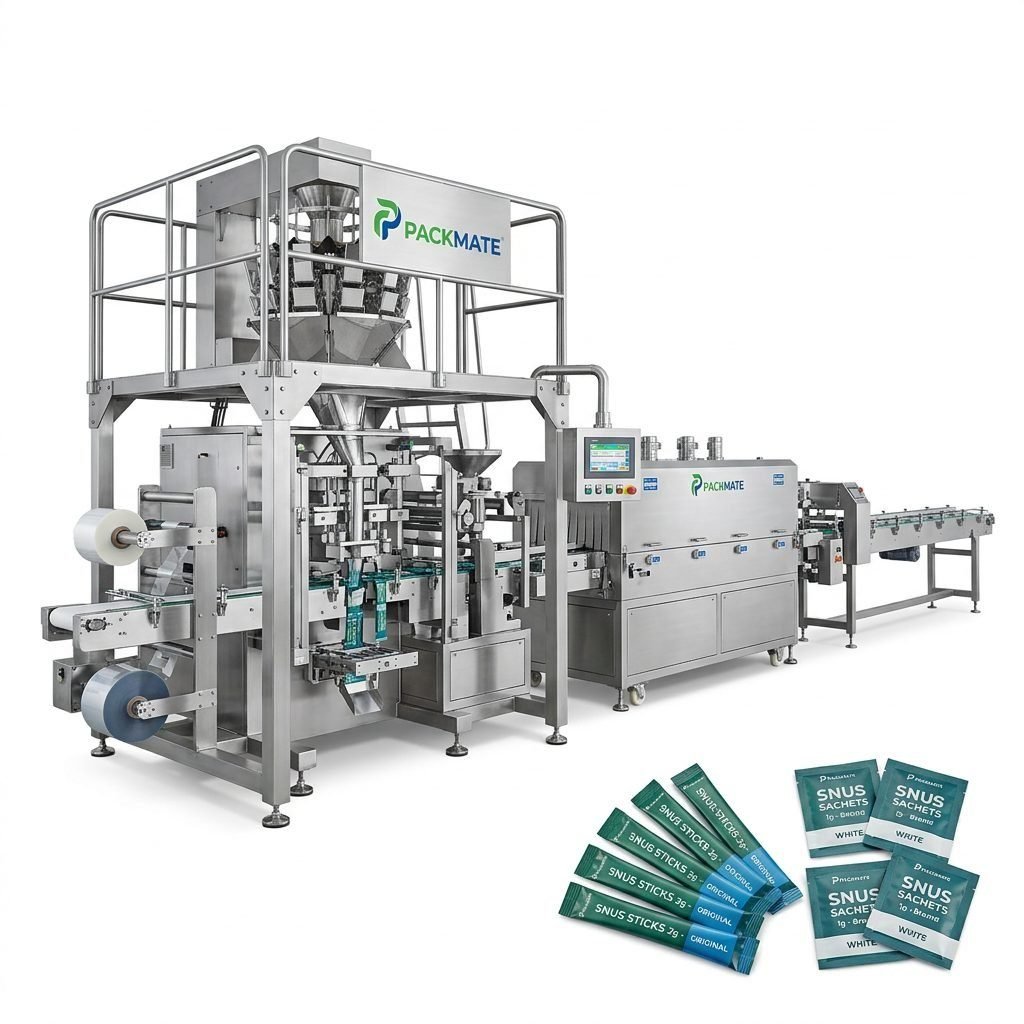
- Accurate weighing and filling integration for consistent nicotine content.
- Hygienic design, easy cleaning, and materials compatible with product safety standards.
Key Technical Criteria to Evaluate
Selecting equipment requires evaluating core technical factors. Below are the most important specifications to compare:
Production capacity & flexibility: Machines should meet your current output targets and scale easily. For export-focused operations in Namibia, prioritize multi-lane machines that can increase output without a proportional increase in footprint.
Dosing accuracy: For nicotine pouches, ± tolerance is critical for compliance and consumer trust. Confirm the supplier’s measuring systems and calibration procedures.
Mechanical reliability & uptime
Look for robust components, redundancy for critical systems, and documented MTBF (mean time between failures). A supplier with rigorous quality control and an established manufacturing facility—such as a 20,000㎡ plant and advanced CNC centers—indicates capability to produce consistent equipment.
Compliance & certifications
Ensure machines comply with international standards (e.g., CE, ISO) and can support hygiene GMP requirements if your product is intended for markets with strict health rules. This reduces regulatory friction for exports.
Operational & Commercial Factors
Beyond technical specs, several operational and commercial considerations determine long-term success:
After-sales support and spare parts: Choose manufacturers that provide fast spare-part delivery, remote diagnostics, and training. For companies operating in Namibia, timely parts shipment and remote support are essential to avoid costly downtime.
Local service partners & training: Ask whether the supplier has certified local partners or can train Namibian technicians at your facility. On-site training reduces language barriers and speeds up commissioning.
Total Cost of Ownership (TCO): Evaluate machine price, installation, spare parts costs, expected service intervals, energy consumption, and staff training. A low initial price can hide high long-term expenses.
Packaging formats & product compatibility
Match the machine with your product: nicotine pouches, wet snus, powder blends, or liquid inclusions require different filling heads and sealing methods. Specialized suppliers list machines for snus and nicotine packaging explicitly—review their product pages for compatibility: Snus & Nicotine Packaging Machines and Sachet & Stick Pack Machines.
Evaluating Suppliers: A Practical Checklist
When you approach a manufacturer, use this checklist during assessment and factory visits:
- Factory visit or virtual tour: confirm workshop size, CNC capabilities, and assembly lines.
- Quality certification: request CE/ISO certificates and test reports.
- Reference customers and case studies: ask for similar installations in Africa or climates like Namibia’s.
- Spare parts lead times and local stocking options.
- Warranty terms, on-site commissioning, and operator training plans.
- Energy consumption and maintenance schedules.
Red flags to watch for
No local references or unwillingness to provide case studies in similar environments; no clear spare parts plan; vague answers on electrical compatibility or shipping arrangements.
Why Packmate (Packmate Snus Machine) is Worth Considering
Packmate brings over 30 years of experience in packaging machinery, focused on snus and nicotine pouch solutions. Highlights that matter for Namibian buyers:
- 20,000㎡ factory with advanced CNC and precision assembly—indicates manufacturing consistency and capacity.
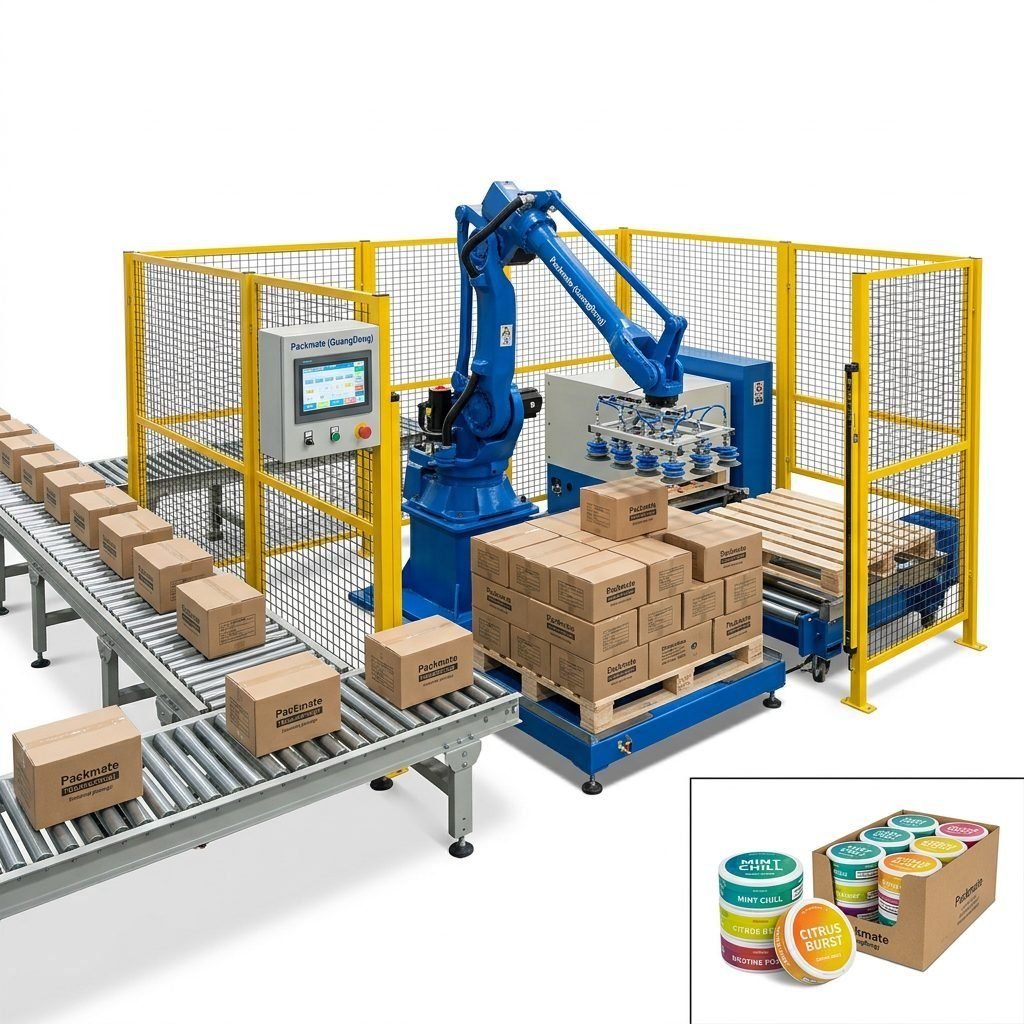
- 50+ machine models and turnkey solutions that cover snus, stick packs, sachets, and full filling lines.
- CE and ISO compliance for international markets.
- Global exhibition presence and documented case studies—useful to verify performance across climates and markets: Case.
For product compatibility and specific machinery lines, review Packmate’s product pages such as Snus & Nicotine Packaging Machines, Bag & Pouch Packaging Machines, and Weighing & Packaging Systems.
Factory strength & quality assurance
A large manufacturing footprint, robust CNC machining, and precision assembly lines reduce variability between units—this improves spare-part interchangeability and long-term serviceability, both crucial when servicing from Namibia.
Implementation Steps for Namibian Buyers
A practical roadmap to purchase and commission packaging equipment in Namibia:
- Define target SKUs, monthly output, and export destinations.
- Shortlist manufacturers with proven snus/nicotine solutions and export experience.
- Request detailed technical proposals, drawings, and energy specs.
- Plan site layout (floor loading, workflow, clean zones) and electrical requirements to match machine specifications.
- Confirm shipping method, insurance, and customs paperwork—Walvis Bay transit times and clearance should be part of the timeline.
- Schedule on-site commissioning and operator training; arrange spare-part kits for initial 12 months.
🔧 Tip: When negotiating, include a clause for remote troubleshooting and spare-part air shipment options. Namibia’s geography can make part delivery slower—guaranteed lead times are valuable.
Cost vs Value: Making the Business Case
A pricing decision should consider ROI, downtime risk, and potential export revenues. High-quality machines reduce waste, improve yield, and lower labor costs—factors that accelerate payback, especially when exporting to neighboring markets.
Calculate ROI: Estimate monthly production value, expected yield improvements, labor savings, and export growth to justify the capital outlay. Include freight, customs, installation, and spare parts in the total investment.
Working with International Suppliers — Practical Advice
When dealing with overseas manufacturers, ensure clear communication channels, signed technical specifications, and project milestones. Use contracts that cover delivery terms, acceptance tests, and penalty clauses for missed deadlines.
For more details about company capabilities, certifications, and exhibitions where you can see machines in action, check Packmate’s pages: About Packmate, Our Exhibition, and Contact Us.
Commissioning checklist
Ensure the following during factory acceptance tests (FAT) and site acceptance tests (SAT):
- Run with your actual materials and target speeds.
- Verify labeling, sealing, and weight tolerances.
- Test changeover times between SKUs.
- Confirm training of operators and technicians.
- Receive spare-parts list and maintenance schedule.
Final Selection Tips for Namibian Businesses
To summarize the decision path:
- Prioritize suppliers with proven snus/nicotine expertise and export experience.
- Validate factory capability and certifications.
- Plan logistics early—include Walvis Bay transit and customs in timelines.
- Secure a clear spare-parts and support agreement tailored to Namibia’s geography.
- Budget for operator training and initial spare-part kits to ensure uptime.
Useful resources & next steps
If you need detailed product catalogs, turnkey line information, or custom quotations, explore Packmate’s product categories and service pages for deeper technical specs and contact options: Catalog, Service, and Filling & Packaging Lines.
Frequently Asked Questions (FAQs)
Q1 🇳🇦 — What electrical or site preparations are needed for a machine shipped to Namibia?
A: Most machines are designed for 220–230V, 50Hz, but confirm phase requirements. Prepare a stable power supply, earthing, and sufficient floor loading capacity. Plan for an environmental control strategy in dusty or coastal (salt-air) areas to protect electronics.
Q2 — How long are spare parts lead times and can I stock parts locally?
A: Lead times vary by supplier and part. Negotiate an initial spare-part kit to be shipped with the machine and consider local stocking of high-use components. Ask manufacturers for recommended stock lists and approximate delivery times to Walvis Bay.
Q3 — Are remote diagnostics and training available?
A: Many modern suppliers provide remote support, spare-part shipment options, and on-site training packages. Confirm language for training and the availability of local technicians for follow-up service.
Q4 — How do I ensure my nicotine pouch line meets export regulations?
A: Work with the supplier to ensure accurate dosing, batch traceability, and labeling options. Validate machine performance during FAT/SAT using your materials and generate documentation for customs and health authorities.
Q5 — Where can I see real installations and get references?
A: Request customer references and case studies from the manufacturer. Visit exhibition demonstrations when possible—see event lists and company exhibitions to watch machines in action: Our Exhibition.