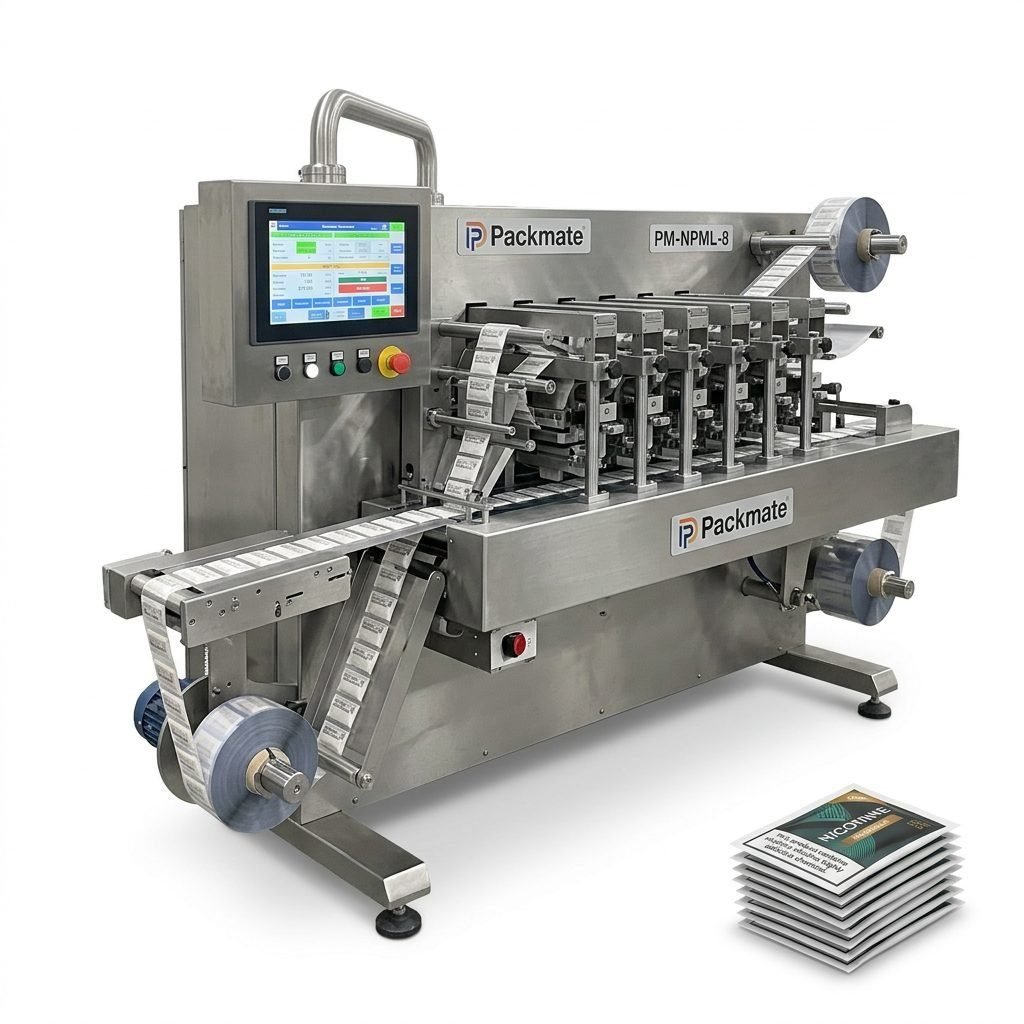
Choosing the right nicotine packaging machinery manufacturer is one of the most important decisions for businesses entering or expanding in Zimbabwe’s snus and nicotine pouch market. A correct selection affects production quality, regulatory compliance, total cost of ownership, and long-term scalability. This guide explains how Zimbabwean business owners, importers, and packaging engineers can select the best manufacturer for their needs — covering technical, commercial, and local considerations.
Why the Manufacturer Choice Matters to Your Zimbabwe Business
Selecting a manufacturer is not just about buying a machine. It determines: production stability, ease of compliance with local regulations, availability of spare parts, and the ability to adapt packaging formats popular in Zimbabwe and the Southern African region. Manufacturers with deep experience in snus and nicotine pouch lines reduce risks of downtime and inconsistent product output.
Key consequences of a poor choice
🔍 Unexpected downtime: Inadequate support or poor engineering increases repair frequency.
⚠️ Compliance gaps: Machines without clear documentation or CE/ISO alignment can cause regulatory headaches.
💸 Hidden costs: Low initial price can lead to higher lifetime cost due to spare part scarcity and inefficiency.
Understand the Types of Nicotine Packaging Machines
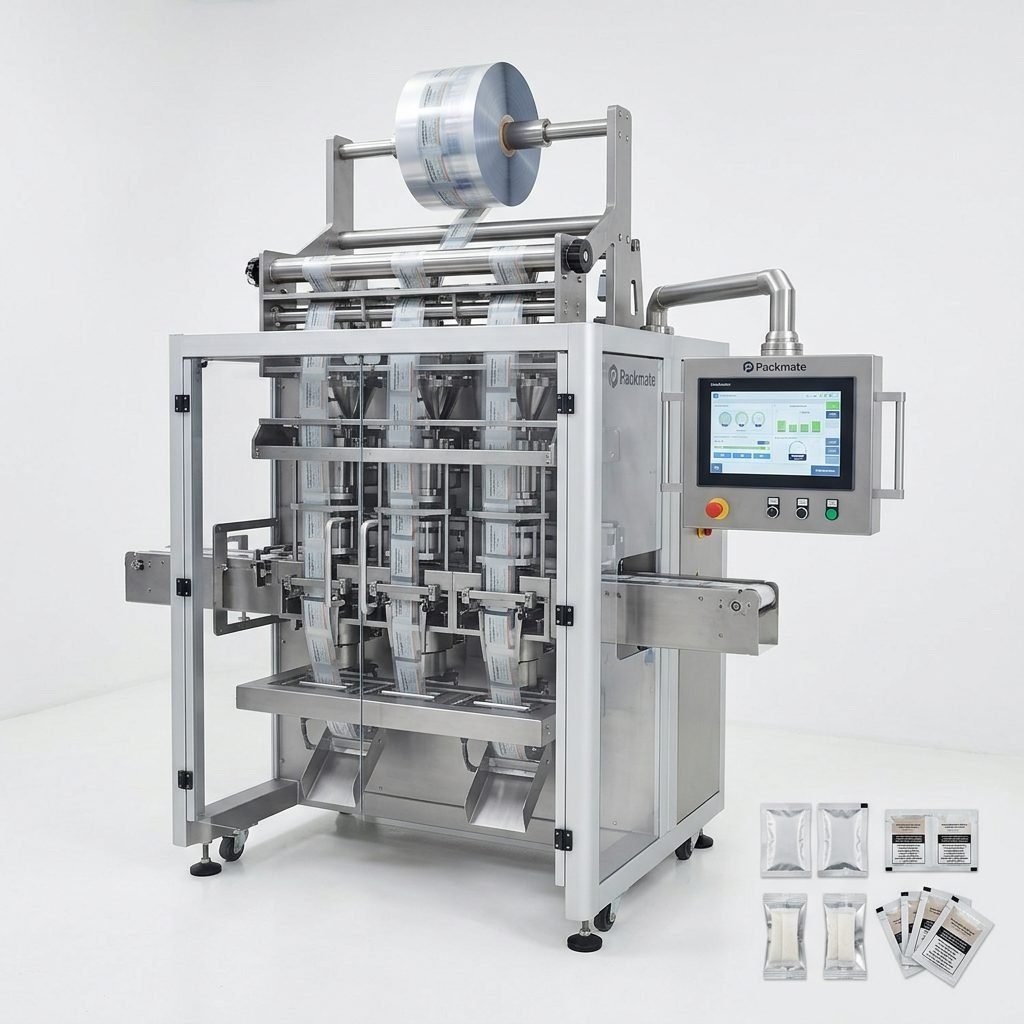
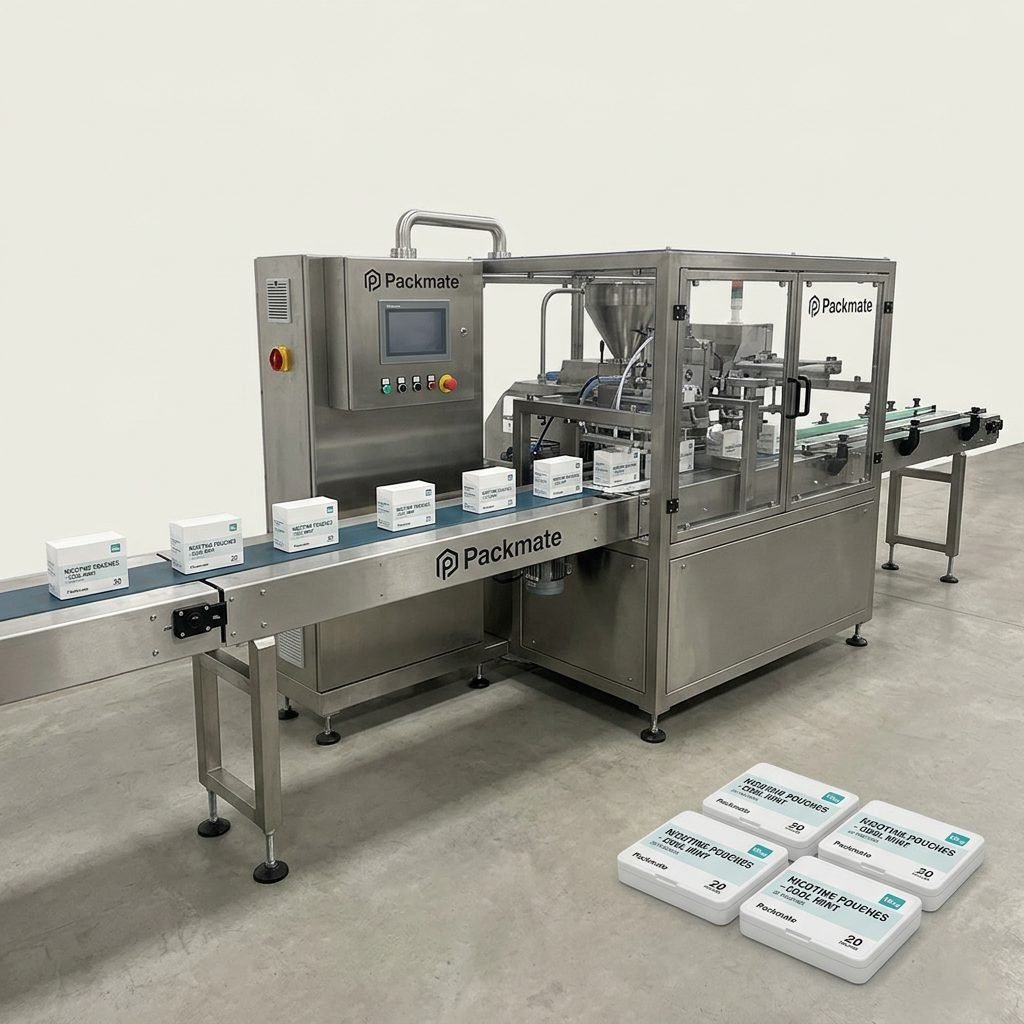
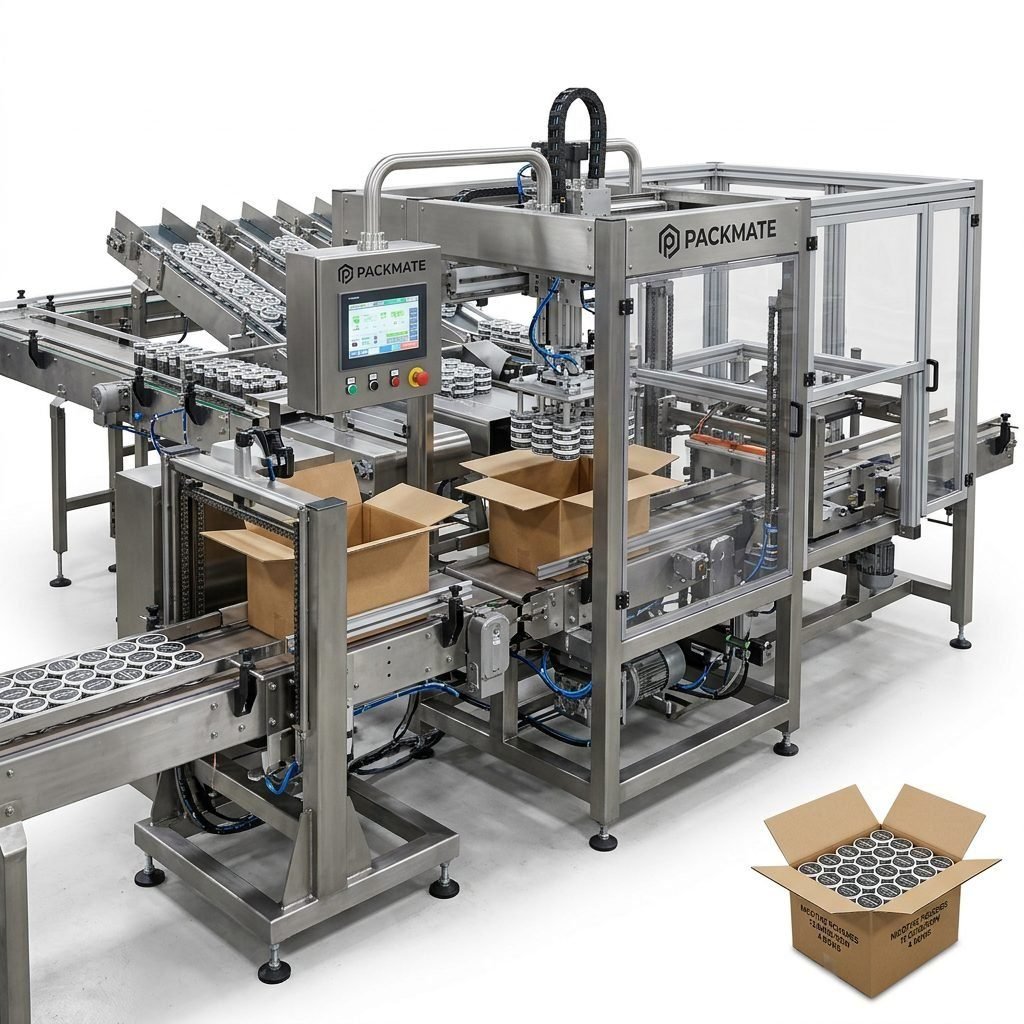
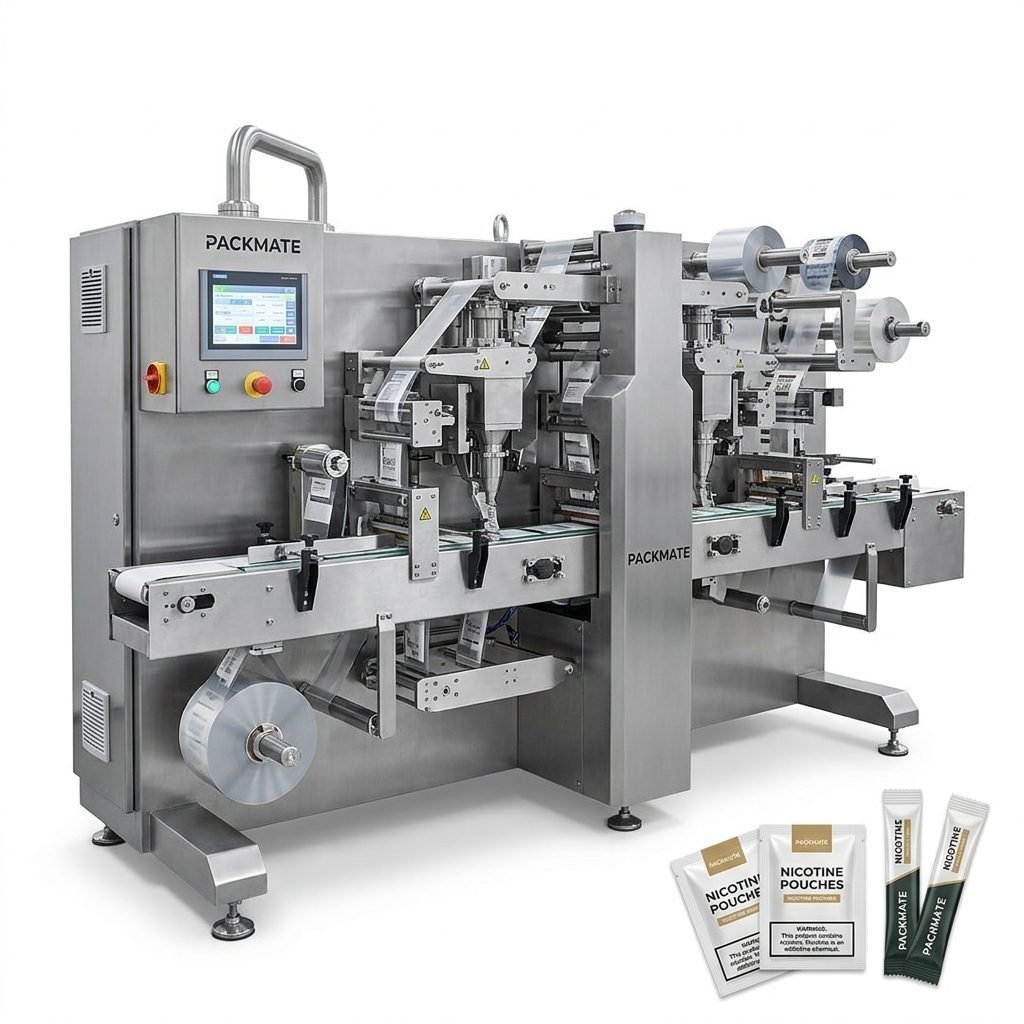
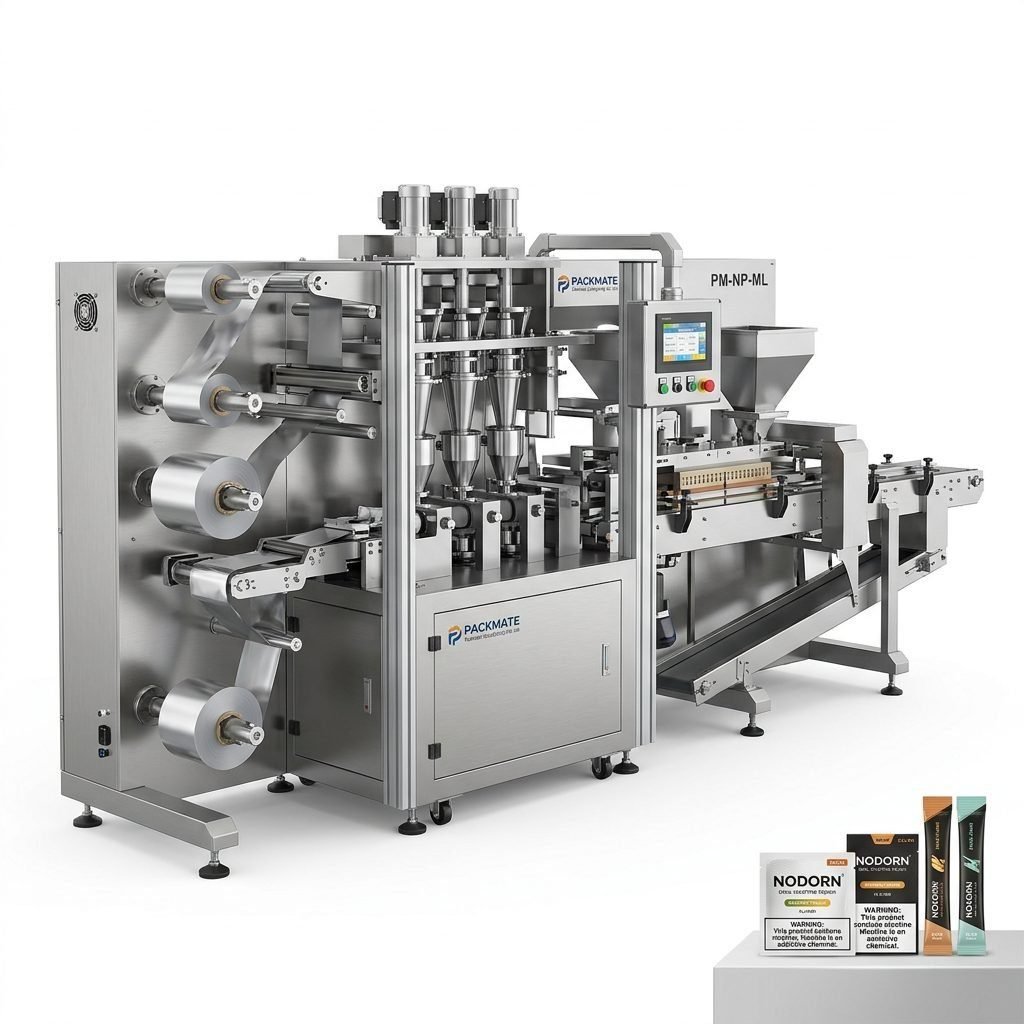
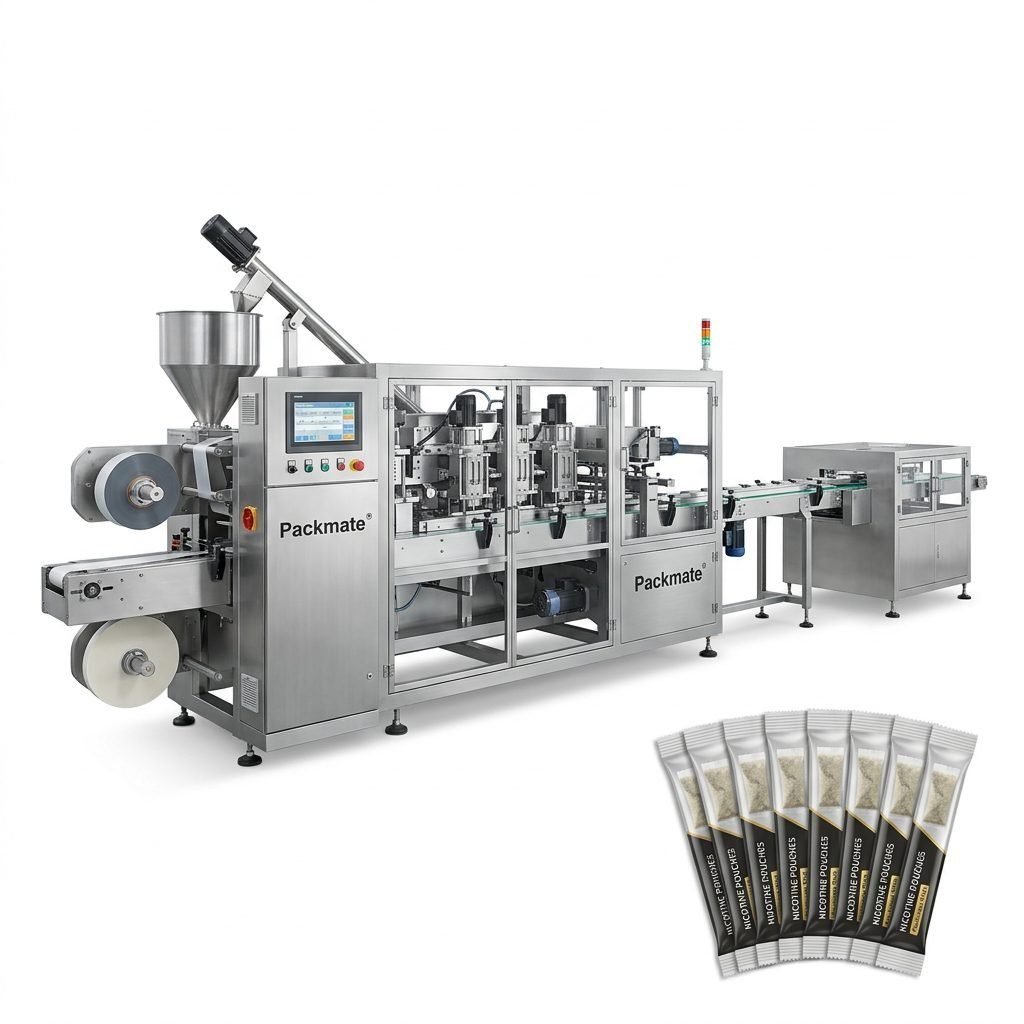
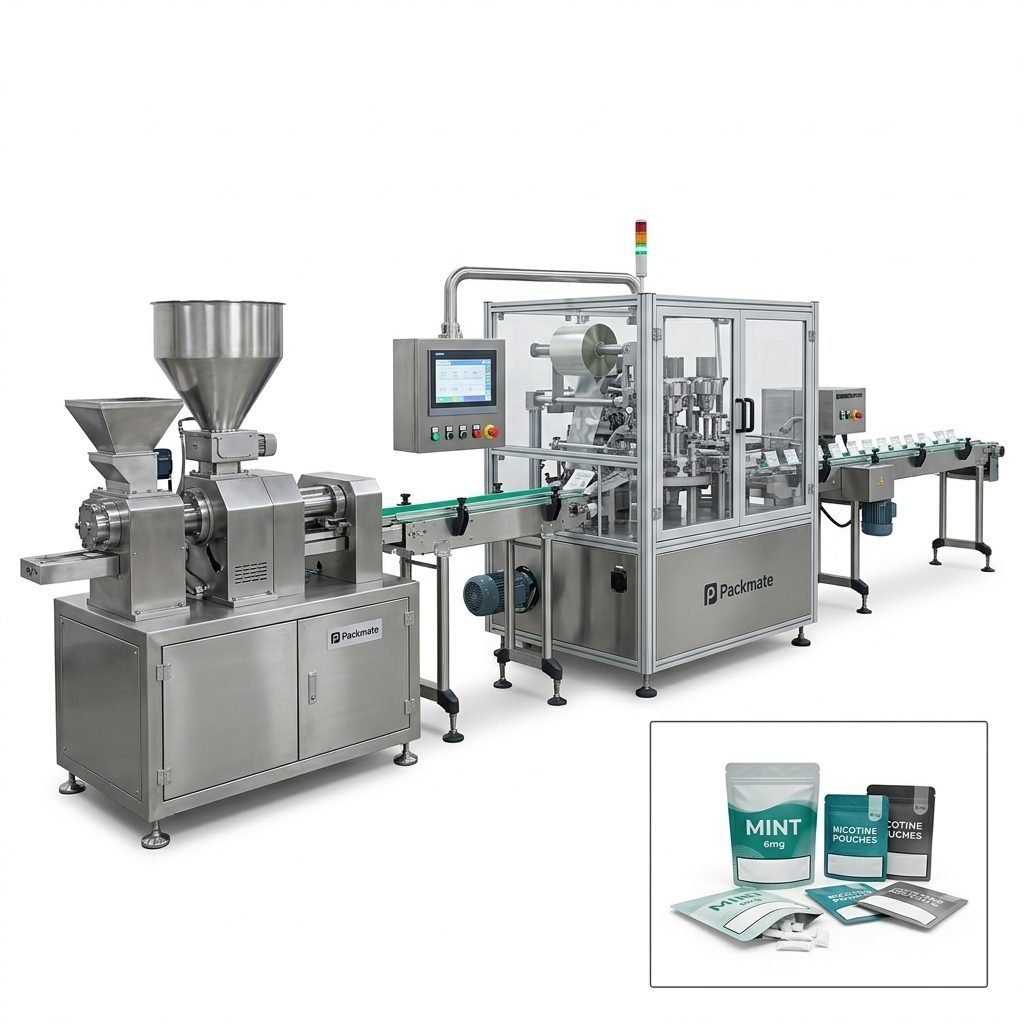
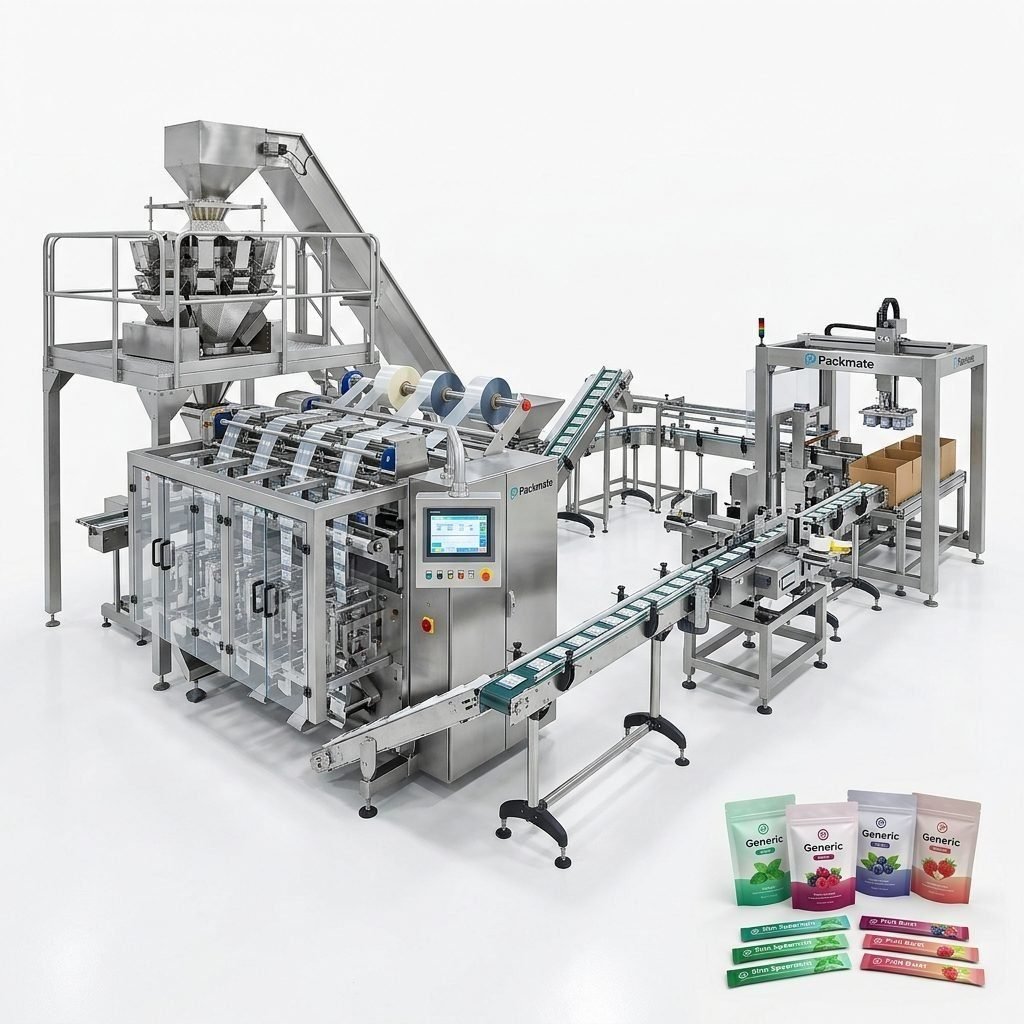
Manufacturers typically offer a range of machines for nicotine products: stick pack, sachet, multi-lane snus pouch lines, and integrated filling and sealing systems. Match machine types to your SKU portfolio and production targets. For customers seeking integrated solutions, look for suppliers that provide end-to-end lines including weighing, filling, and auxiliary equipment.
Explore product categories like Snus & Nicotine Packaging Machines, Sachet & Stick Pack Machines, and Weighing & Packaging Systems when comparing vendor portfolios.
Quick checklist: Which machine fits your needs?
✅ Production capacity: Daily output targets (pouches/hour).
✅ Format flexibility: Multi-lane vs single-lane, pouch size range.
✅ Product compatibility: Dry powder, small-dose pouches, or liquid fillings.
✅ Automation level: Manual feeding, semi-auto, or fully automated lines.
Technical & Quality Criteria to Evaluate
When assessing manufacturers, focus on mechanical design, electronics, and software control. Ask for detailed specs: cycle speed, material tolerance, format changeover time, and mean time between failures (MTBF). Prioritize vendors that use reliable components (Siemens, Mitsubishi, Beckhoff, Omron, etc.) and can provide documentation on machine performance.
Performance and repeatability
Consistency matters: Nicotine pouch dosing must be accurate to avoid product reject and regulatory risks. Request test reports and sample packs produced on the candidate machine. Manufacturers with long experience in snus packaging typically publish case studies and test data.
Build quality and manufacturing capability
Inspect factory capabilities: advanced CNC machining, precision assembly lines, and a robust quality control system are signs the manufacturer can deliver high-quality machines. Packmate Snus Machine, for example, emphasizes a 20,000㎡ facility with advanced CNC centers and strict testing — a practical reference when comparing suppliers.
Regulatory and Local Considerations in Zimbabwe
Zimbabwe has unique market dynamics and regulatory frameworks that affect nicotine product packaging. While nicotine pouches may not be regulated the same way as cigarettes everywhere, local rules around product classification, advertising, and health warnings can vary. It is essential to ensure your packaging process can generate consistent barcodes, batch codes, and tamper-evident seals that comply with local regulations.
Zimbabwe-specific tips
📦 Import documentation: Ensure the manufacturer helps with export packing lists, CE/ISO certificates, and spare parts catalogs for customs clearance.
⚡ Power stability: Design for local voltage variations and consider integrated UPS or voltage stabilizers.
🧑🔧 Local training: On-site training in English (and if helpful, materials with local terminology) ensures faster ramp-up.
After-Sales Support, Spare Parts & Training
After-sales service is a decisive factor for Zimbabwean buyers. Evaluate the manufacturer’s spare parts logistics, lead times, remote diagnostics, and availability of field engineers. Prefer vendors with parts warehousing strategies and clear service contracts. A strong service offering reduces total downtime and saves costs over the machine lifecycle.
If possible, choose a manufacturer offering commissioning, operator training, and maintenance training. Check references and request contacts of current customers in neighboring regions to understand real-world support responsiveness.
Ask for these service commitments
✅ Spare parts kit: A recommended spare parts list for 12 months.
✅ SLA for response time: Remote support and local field visits.
✅ Training: Comprehensive operator and maintenance courses at installation.
Commercial Terms and Total Cost of Ownership (TCO)
Unit price is only the starting point. Compare TCO by modeling electricity consumption, spare part consumption, uptime, and required workforce. Consider warranties and what they cover. Manufacturers offering turnkey solutions including integration with weighing and auxiliary packaging equipment can reduce hidden integration costs.
For reference on integrated solutions and auxiliary equipment, review categories like Auxiliary Packaging Equipment and Filling & Packaging Lines.
Local Partnerships and Cultural Fit
In Zimbabwe, relationship-driven business culture means that vendors who demonstrate transparency and ongoing engagement are preferred. A manufacturer willing to adapt documentation, provide training in English, and accommodate cultural business expectations will be a better long-term partner. Consider whether the supplier can cooperate with local engineering teams and distributors.
Partnership indicators
🤝 Local installer network: Availability of certified local technicians.
📚 Training materials: Manuals and SOPs in clear English; visual aids help multilingual teams.
🌍 Global references: Case studies in similar markets show practical adaptability.
How to Vet a Manufacturer: Practical Steps
Follow a structured vendor evaluation: request technical datasheets and performance test videos, ask for factory visits if feasible, seek customer references, and insist on a trial run or acceptance test before final payment. A solid manufacturer provides transparent documentation, including CE and ISO certifications.
Use a scoring matrix with weighted criteria: performance (30%), reliability & service (25%), compliance & certifications (15%), price & TCO (20%), and local compatibility (10%). This objective approach helps avoid emotional purchasing decisions.
Documentation checklist
📑 Technical datasheet with cycle speed, power consumption, and product range.
📑 Acceptance test protocol and sample packs.
📑 Certificates (CE/ISO) and export paperwork.
📑 Spare parts list with lead times.
Why Packmate Snus Machine Is a Relevant Example
Packmate Snus Machine is a specialized manufacturer focusing on snus and nicotine pouch packaging with over 30 years’ engineering experience and a large manufacturing footprint. Their emphasis on high-performance multi-lane systems and global turnkey solutions demonstrates the type of supplier capabilities Zimbabwean buyers should seek when scaling production while ensuring product consistency.
Learn more about the company’s background at About Packmate and review client cases at Case to assess real-world performance and global references.
Implementation: Installation, Commissioning & Training
Ensure the contract includes clear installation and commissioning milestones. Identify space and utility requirements in your Zimbabwe facility ahead of delivery. Consider local power stabilization and compressed air quality — both are essential for machine uptime. Verify that the supplier provides detailed start-up SOPs and hands-on operator training to minimize ramp-up time.
Operational readiness checklist
⚙️ Shop layout: Footprint, material flow, and safety access.
⚙️ Utilities: Voltage, phase, compressed air specs, and drainage.
⚙️ Spare parts & consumables: Initial stock for critical wear parts.
Negotiating Contracts and Payment Terms
Negotiate terms that protect your investment: phased payments linked to milestones, acceptance criteria, and penalty clauses for missed delivery. Request a clear warranty period and define what constitutes warranty coverage. For Zimbabwean businesses, consider letters of credit or escrow arrangements to balance trust and financial security.
Final Checklist Before You Decide
✅ Performance verification (sample packs and test reports).
✅ Documented spare parts strategy and lead times.
✅ Clear service and training commitments.
✅ Compliance certificates and export documentation.
✅ Total cost of ownership analysis.
✅ Local partnership readiness and cultural fit.
For additional product lines and technical options, explore categories like Bag & Pouch Packaging Machines and review catalogs for model comparisons at Catalog.
Conclusion
Choosing the best nicotine packaging machinery manufacturer for your Zimbabwe business requires combining technical due diligence with local market understanding. Prioritize machine reliability, documented performance, responsive service, and a partner willing to adapt to Zimbabwe’s regulatory and operational environment. Using a structured evaluation process will help you maximize uptime, ensure compliance, and lower long-term costs.
Frequently Asked Questions
Q1: How important are CE and ISO certificates when importing machinery into Zimbabwe?
A: Very important. Certificates simplify customs clearance, show compliance with international standards, and make it easier to secure financing or insurance.
Q2: What is a realistic lead time for a turnkey nicotine packaging line?
A: Lead times vary by complexity; typical delivery and commissioning for a multi-lane line range from 10 to 24 weeks. Always confirm with the manufacturer and include buffer for shipping and customs.
Q3: Can manufacturers provide spare parts locally in Zimbabwe?
A: Some global manufacturers partner with regional distributors to stock critical spares. If local stock is not available, ensure the supplier offers fast international shipping and clear parts lists.
Q4: How can I verify a supplier’s machine performance before purchase?
A: Request factory acceptance tests, sample product runs, videos, and customer references. If possible, arrange a factory visit or third-party inspection.
Q5: What additional services should I expect from a reliable manufacturer?
A: Commissioning, operator and maintenance training, remote diagnostics, spare parts support, and clear technical documentation in English.