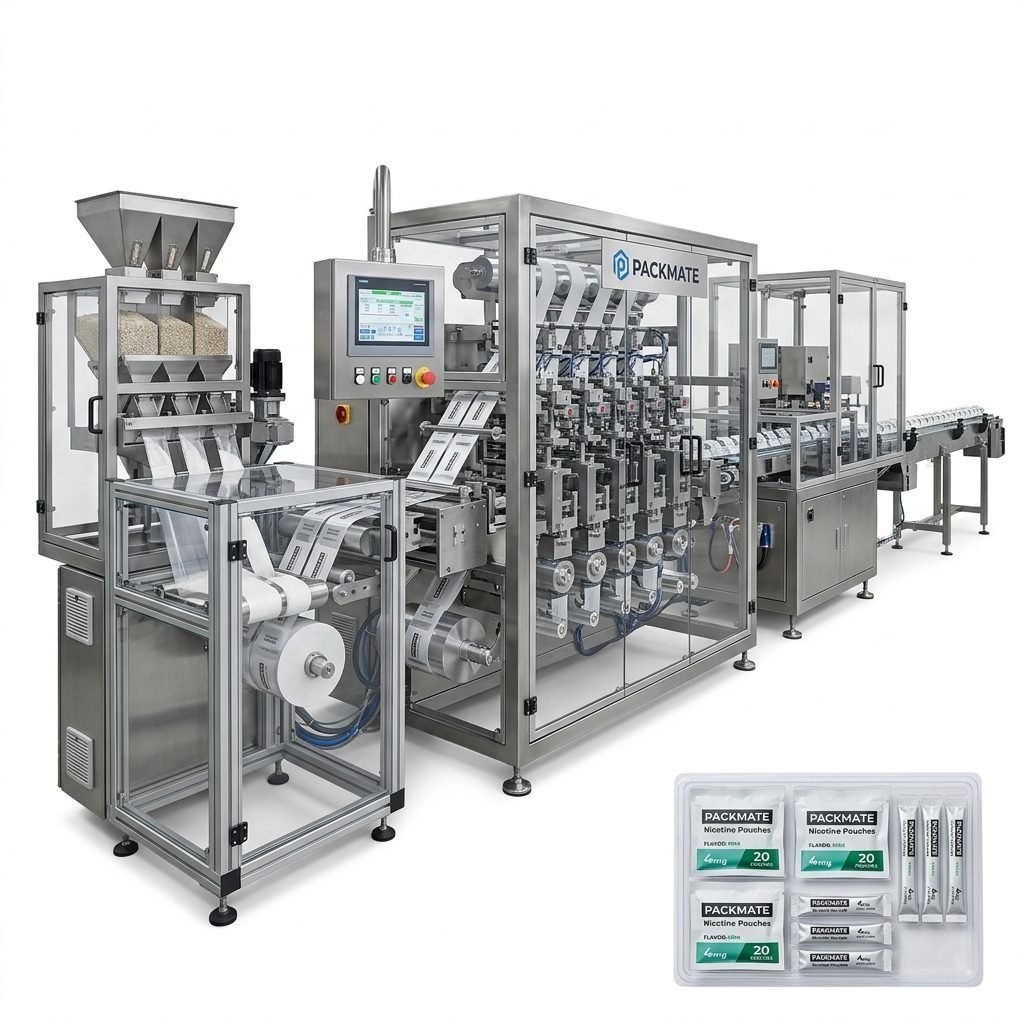
Choosing the right snus packaging machine manufacturer for your business in Somalia requires a blend of technical understanding, local market sensitivity, and a clear plan for logistics and after-sales support. This guide walks you through practical steps to evaluate manufacturers, key machine features to prioritize, and tailored advice for operating in Somalia’s business environment. Use these insights to minimize risk, reduce total cost of ownership, and ensure fast time-to-market for nicotine pouch or snus products.
🔍 Why the Manufacturer Choice Matters (and What It Means for Somalia)
A packaging machine is not just a one-time purchase — it is a long-term service relationship. The right manufacturer delivers consistent machine performance, dependable spare parts supply, and reliable technical support. For companies working in Somalia, additional concerns include import channels, local regulations, workforce training, and machines that can handle the local climate and power conditions.
Select a manufacturer with proven global experience, clear certifications (CE/ISO), and strong after-sales systems to avoid downtime and protect your investment.
🏷️ Core Technical Criteria: What to Check on Any Snus Packaging Machine
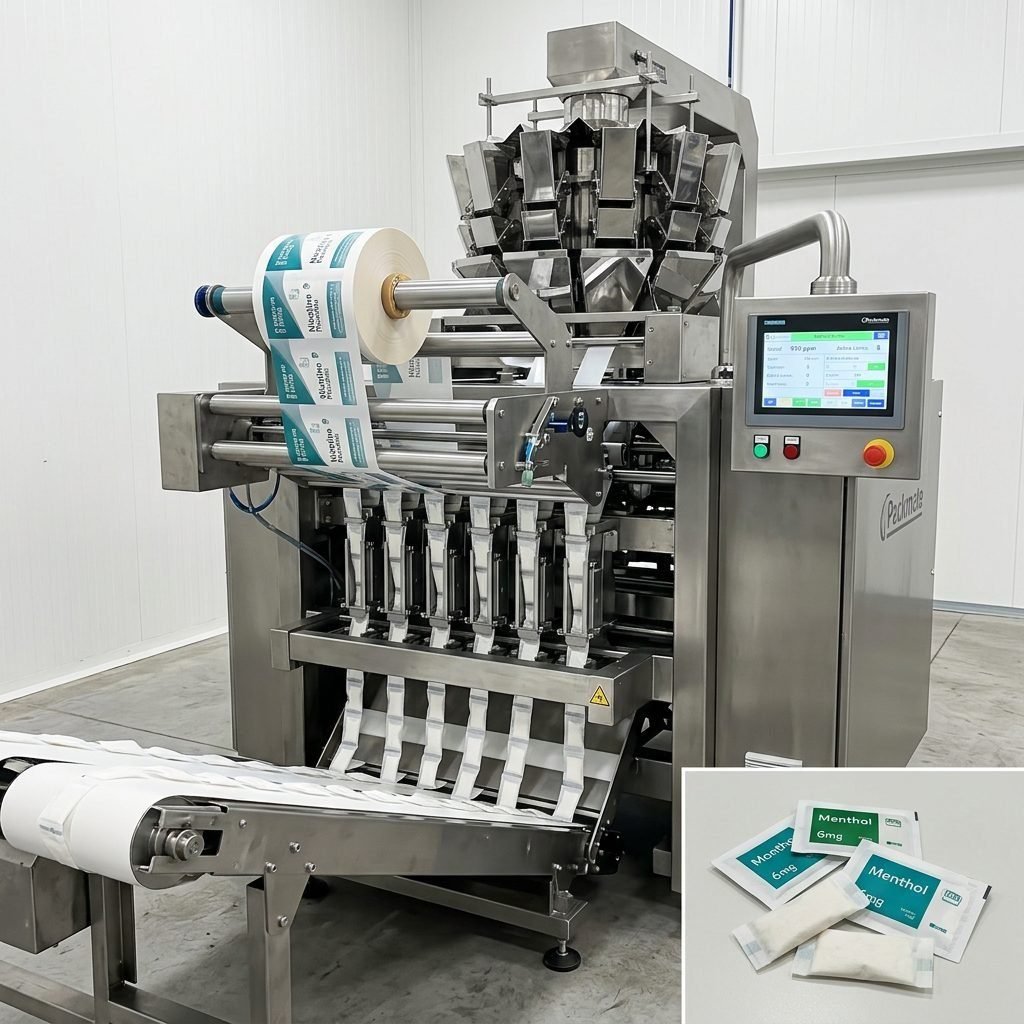
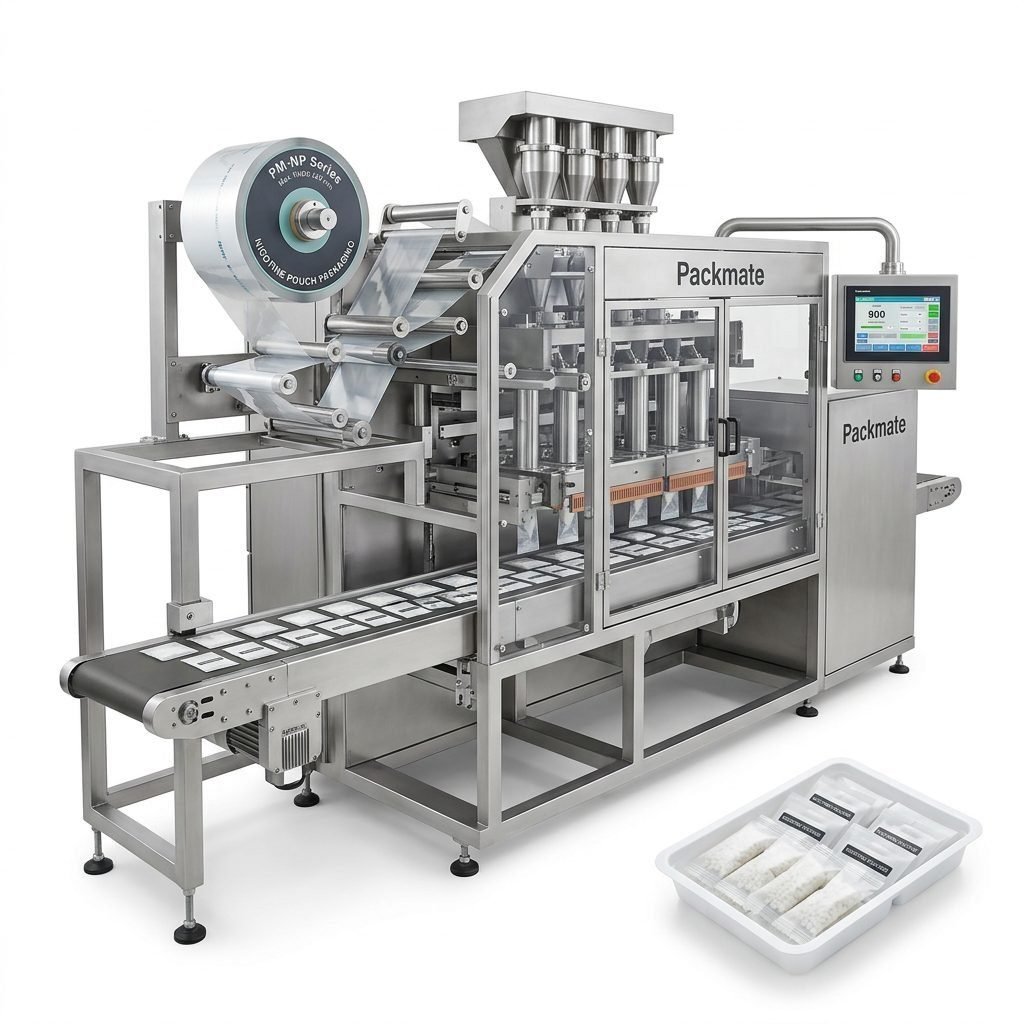
When comparing suppliers, focus on machine features that affect throughput, product quality, and flexibility:
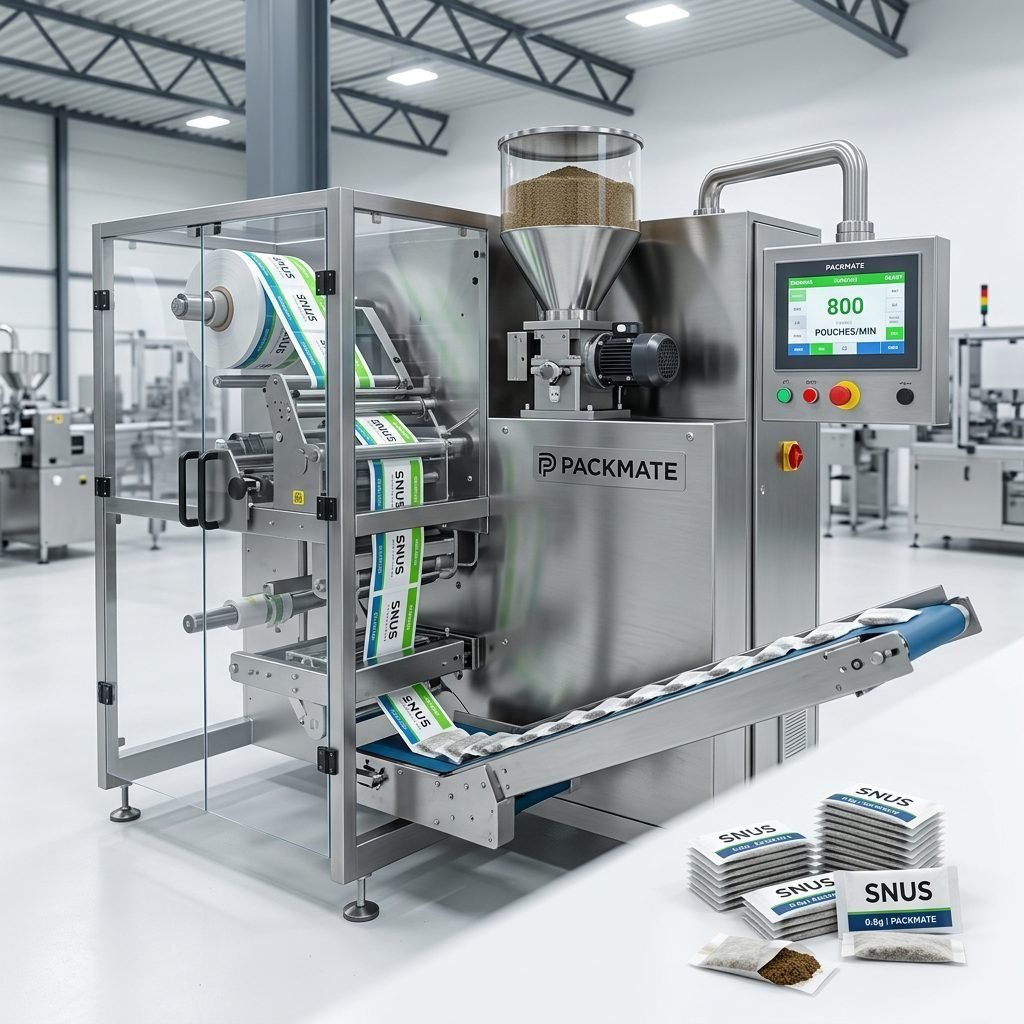
- Production capacity and speed (pouches/min) — ensure it matches your planned volumes.
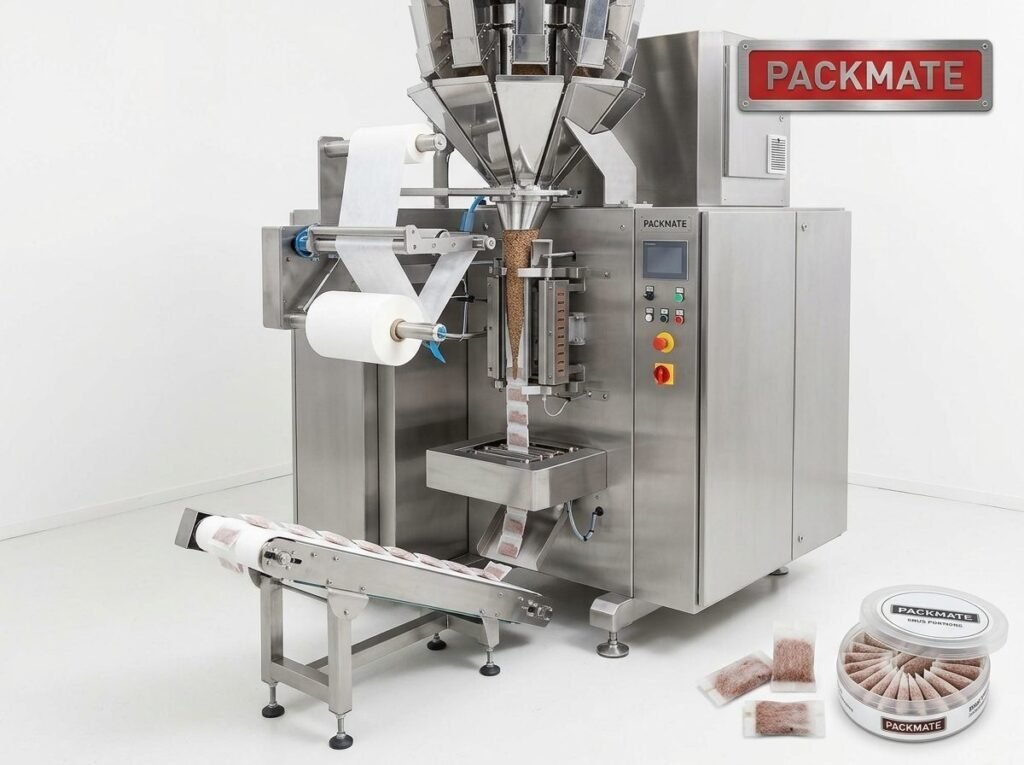
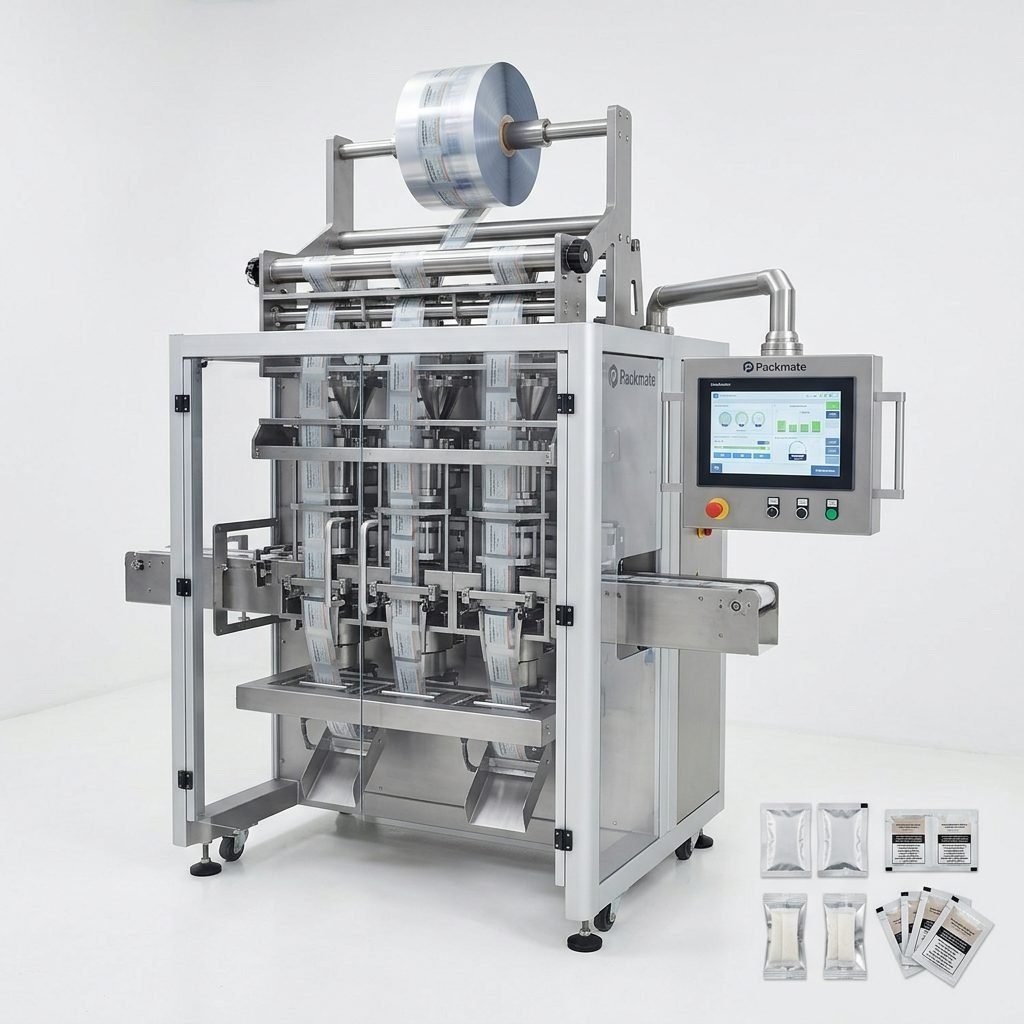
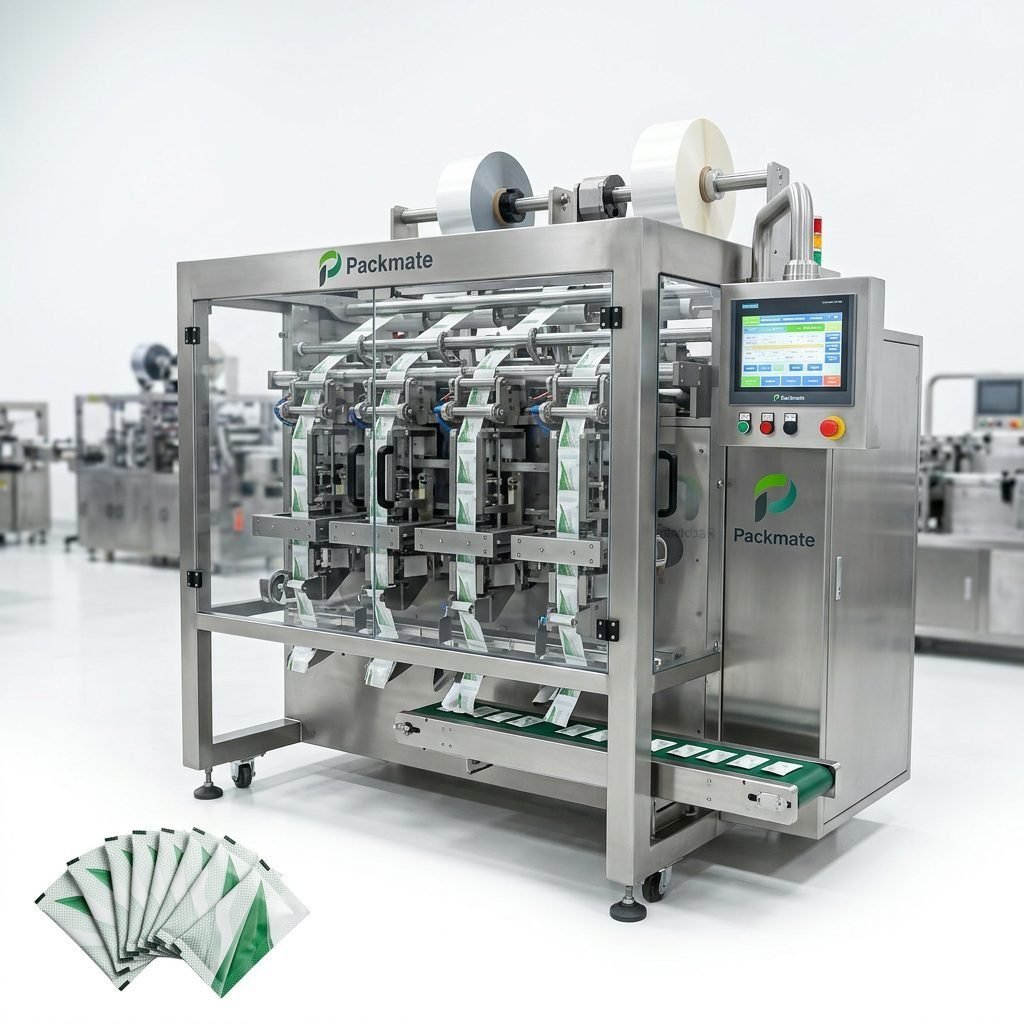
- Multi-lane capability — advantage for small-dose pouches to increase output without extra footprint.
- Compatibility with different formats — stick pack, sachet, nicotine pouch styles, various film materials.
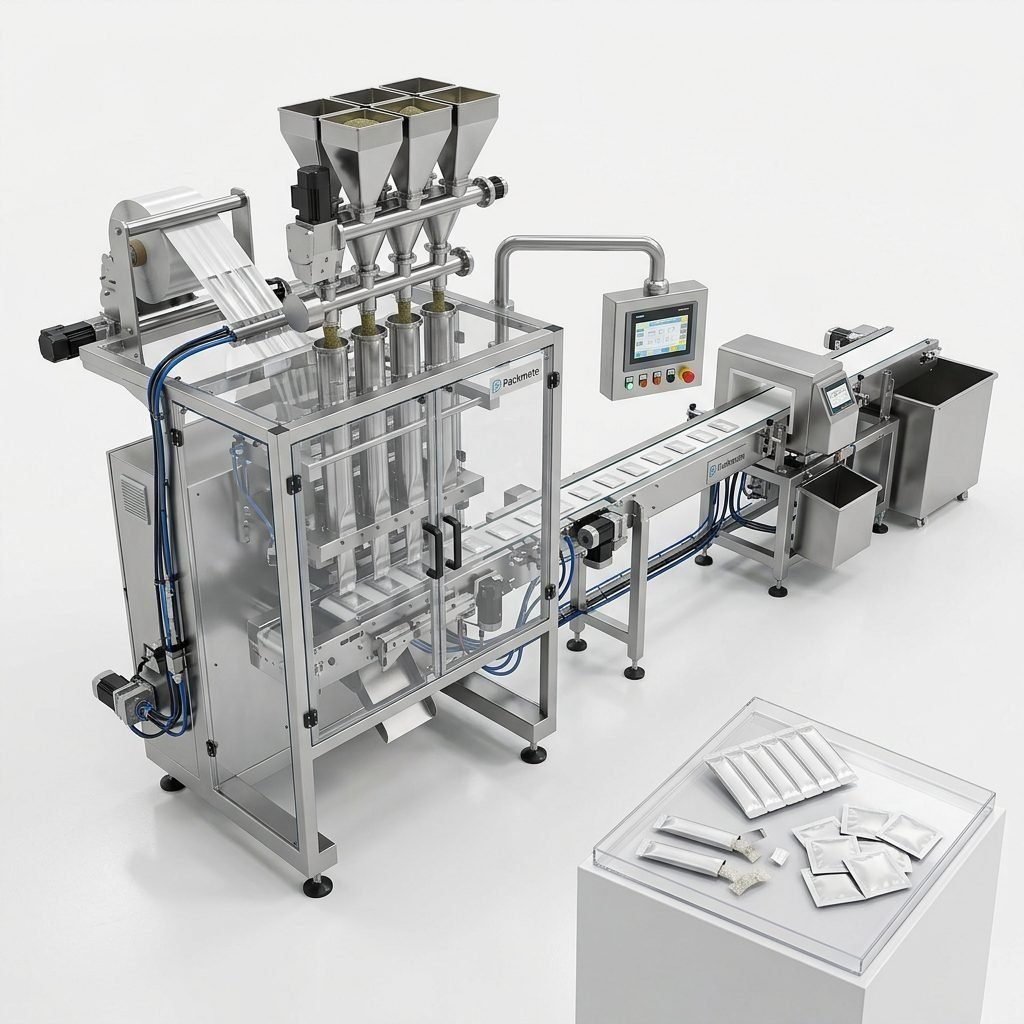
- Precision dosing and weighing systems — critical for regulatory compliance and consistent product quality.
- Hygienic and easy-to-clean design — saves downtime and keeps maintenance simple.
- Control system and HMI — intuitive interfaces reduce training time for local operators.
: machines with modular design and spare-part kits shipped with the equipment reduce future downtime and simplify servicing in remote locations.
🔧 Certifications and Quality Controls
Ask for CE and ISO certification evidence and inquire about the manufacturer’s quality testing procedures. Manufacturers with third-party verification and documented QA processes reduce operational risk. For a proven profile, see the manufacturer’s company page such as About Packmate.
🌍 Somalia-Specific Considerations You Shouldn’t Ignore
Operating in Somalia presents unique logistics, regulatory and cultural realities. Plan for them early:
- Customs & import logistics: use reliable freight forwarders familiar with Mogadishu, Berbera and Kismayo ports; ensure paperwork is complete to avoid delays.
- Power stability: many sites face voltage fluctuation; choose machines tolerant to supply variations and prepare for stabilizers or backup generators.
- Local workforce and training: provide hands-on training and multilingual manuals (English and Somali if possible) and plan remote support channels.
- Cultural sensitivity: Somalia is predominantly Muslim. Packaging artwork and marketing must consider local customs and restrictions; always consult local advisors before launching new products.
- Spare parts lead time: account for longer lead times by ordering a basic spare-parts kit with the initial shipment.
Arrange a local partner or representative to handle customs clearance and coordinate installation — it saves time and reduces friction.
🏭 Evaluating Manufacturer Strength: Factory, Experience & Case Studies
A strong manufacturer should show capacity and evidence:
- Factory scale and machining capabilities (e.g., CNC centers, assembly lines).
- Years of experience and number of machine models — this signals problem-solving capacity.
- Customer case studies and exhibition presence — verify by requesting references and visiting the manufacturer’s case gallery such as Case.
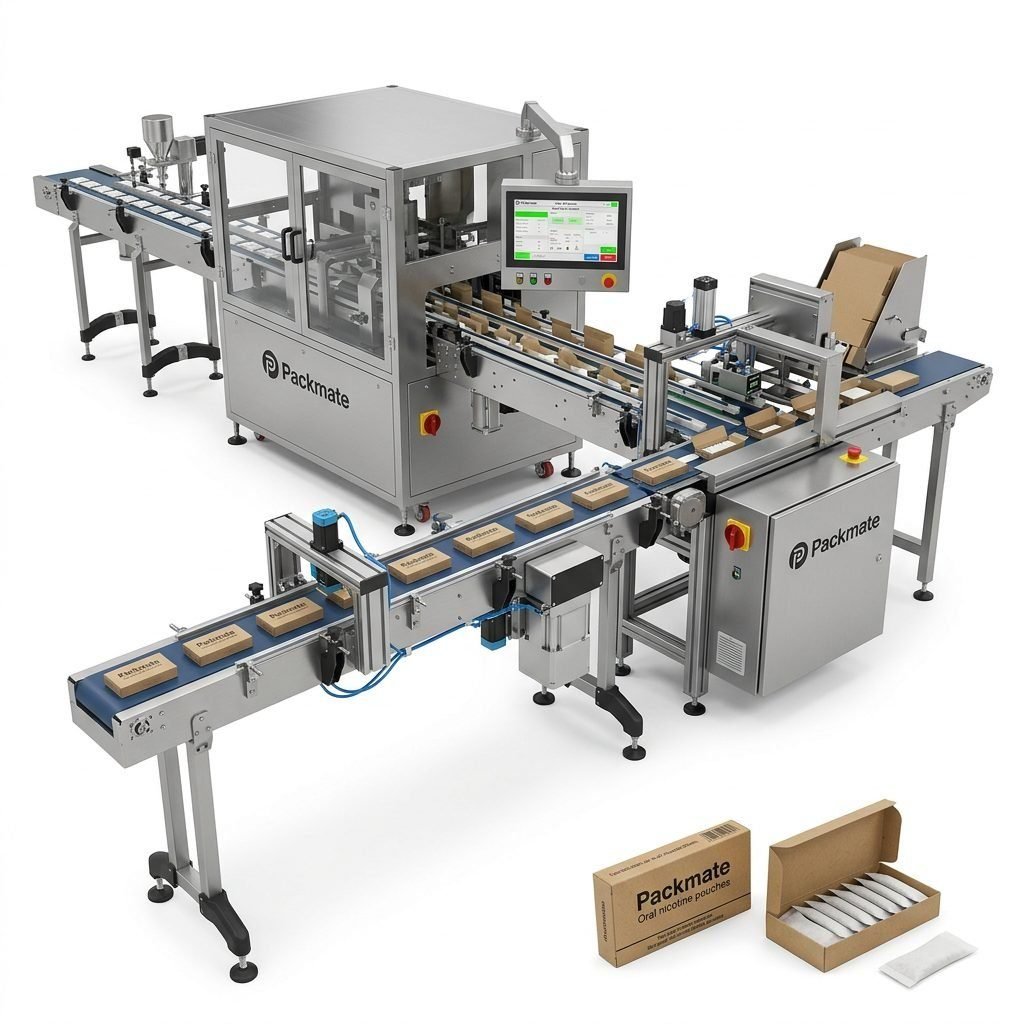
- Turnkey solutions experience — handling full lines integration (weighing, filling, sealing) is a plus.
For example, a manufacturer with 30+ years’ experience, a 20,000㎡ facility, and a broad product line of 50+ models provides assurance that they can tailor solutions and sustain long-term service.
📌 Quick checklist when visiting a supplier or evaluating remotely
– Inspect assembly quality and test-run videos.
– Review spare part lists and recommended inventory.
– Confirm training program, remote diagnostics capability, and SLA for on-site service.
– Check warranty conditions and what is covered under “wear and tear”.
– Validate compliance documentation and export capability to Somalia.
💸 Cost, ROI and Total Cost of Ownership
Price is important, but the lowest initial price may cost more over 3–5 years. Calculate:
- Initial machine cost + shipping + installation.
- Spare parts inventory and average repair times.
- Energy consumption and maintenance frequency.
- Operator training and any localization of interfaces.
- Downtime costs — downtime in packaging lines can be costly for product shelf-life and deliveries.
A slightly higher-capability machine may pay off quickly through lower waste, fewer stoppages, and higher throughput.
🔁 After-Sales, Spare Parts and Training — The Real Differentiators
After-sales support includes remote diagnosis, spare parts delivery, and preventive maintenance programs. Verify:
- Guaranteed spare part lead times and availability.
- Remote support capabilities (video guidance, PLC remote access).
- Local or regional service partners who can travel for emergency repairs.
- Structured operator training and clear maintenance manuals.
Many reputable manufacturers also offer extended service contracts and remote monitoring systems to predict failures before they occur.
🔗 Useful product & company resources
Review product lines and related systems to ensure full compatibility with your planned process: Snus & Nicotine Packaging Machines, Weighing & Packaging Systems, and full Filling & Packaging Lines. To learn about the manufacturer credentials and global presence, visit About Packmate. When you’re ready to discuss specifics, use the manufacturer’s Contact page for direct consultation.
🛠️ Recommended Steps to Purchase and Deploy in Somalia
- Define product specs: pouch type, materials, dosing accuracy, daily volume target.
- Shortlist 2–3 manufacturers that meet certifications and supply experience.
- Request site acceptance tests or live demos; ask for machine test videos using similar materials.
- Negotiate spare parts package, training schedule, and SLA for service response.
- Plan shipment with an experienced forwarder to Mogadishu or Berbera; confirm customs requirements in advance.
- Schedule installation and local operator training; set up remote support tools before machine arrival.
- Maintain a baseline spare-part stock and a log of machine performance to inform future investments.
Coordinate with local logistics providers early — port congestion can add weeks if documents are incomplete.
✅ Final Selection Checklist (One-Page Summary)
Use this compact checklist during vendor evaluations:
- Manufacturer credibility: years in business, factory scale, references.
- Certifications: CE, ISO, export documentation readiness.
- Machine specs: capacity, accuracy, multi-lane option, material compatibility.
- After-sales: spare parts policy, response times, remote support.
- Training and documentation: language options and on-site training commitments.
- Cost analysis: initial price + shipping + spare parts + downtime risk.
🔁 Ongoing Partnership: How to Maintain a Healthy Manufacturer Relationship
Treat your manufacturer as a strategic partner. Schedule periodic performance reviews, ask for software/firmware updates, and document routine maintenance. A proactive approach to service will keep machines running longer and minimize interruptions.
Explore real client cases and machine deployments to better understand lead times and real-world performance: Case Studies.
Frequently Asked Questions
Q1: What certifications should I insist on?
Request CE and ISO documentation as a baseline. For food and pharmaceutical-grade lines, ask for GMP-related evidence and hygienic design records. Certs demonstrate that the manufacturer follows recognized safety and quality processes.
Q2: How do I handle spare parts and repairs in Somalia?
Keep a critical spare-parts kit on-site and arrange for prioritized shipping terms with the supplier. Remote diagnostics and video-guided repairs can reduce the need for immediate on-site technicians.
Q3: Are there machine features especially important for the Somali climate?
Yes — robust electrical tolerance, corrosion-resistant materials for coastal humidity, and efficient cooling for high ambient temperatures. Verify the manufacturer’s recommendations for operating temperature ranges.
Q4: Can I get turnkey lines from a single manufacturer?
Many experienced manufacturers provide turnkey solutions including weighing, filling, sealing and packaging integration. Confirm system compatibility and factory acceptance testing before shipment.
Q5: How do I start conversations with reliable suppliers?
Begin with an inquiry describing product format, target throughput, and project timeline. Ask for references, factory photos, and demo videos. Use the manufacturer’s service pages and contact portals such as Service and Contact to arrange detailed technical discussions.