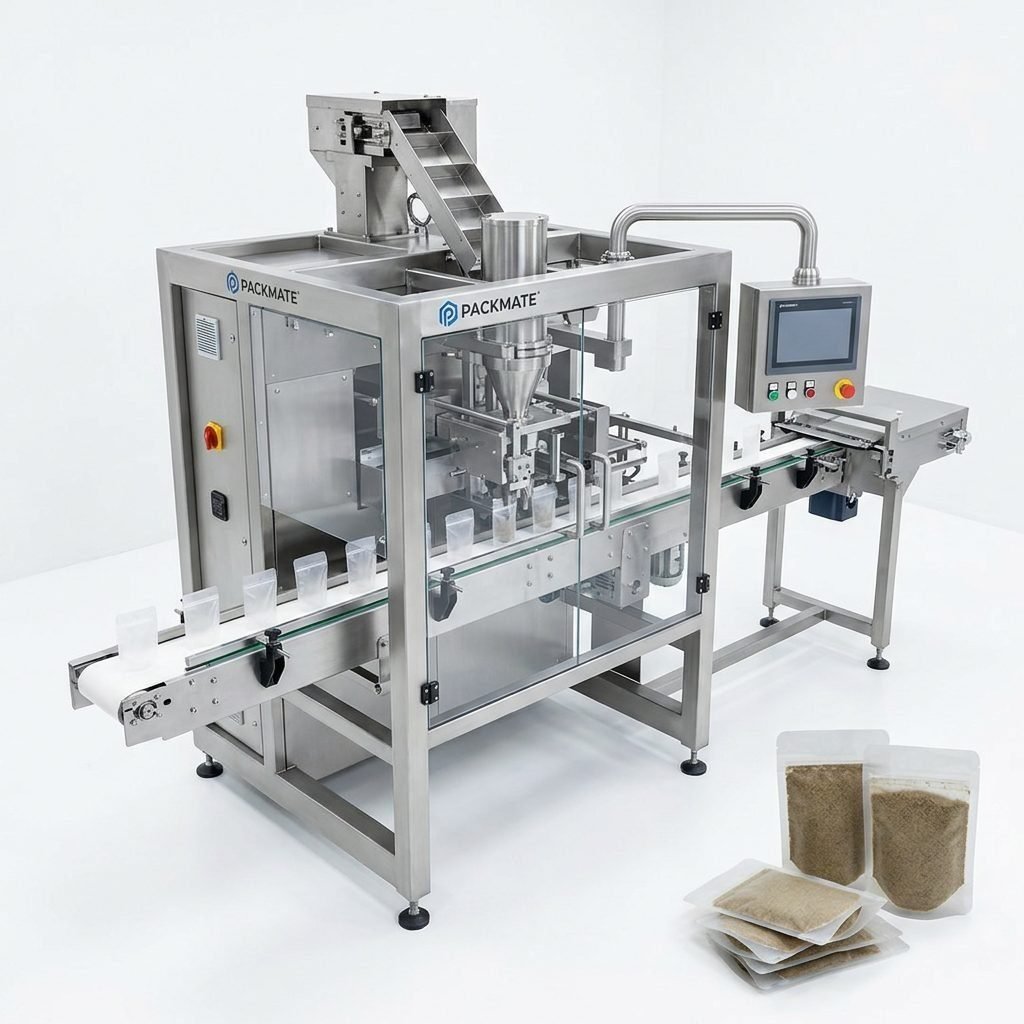
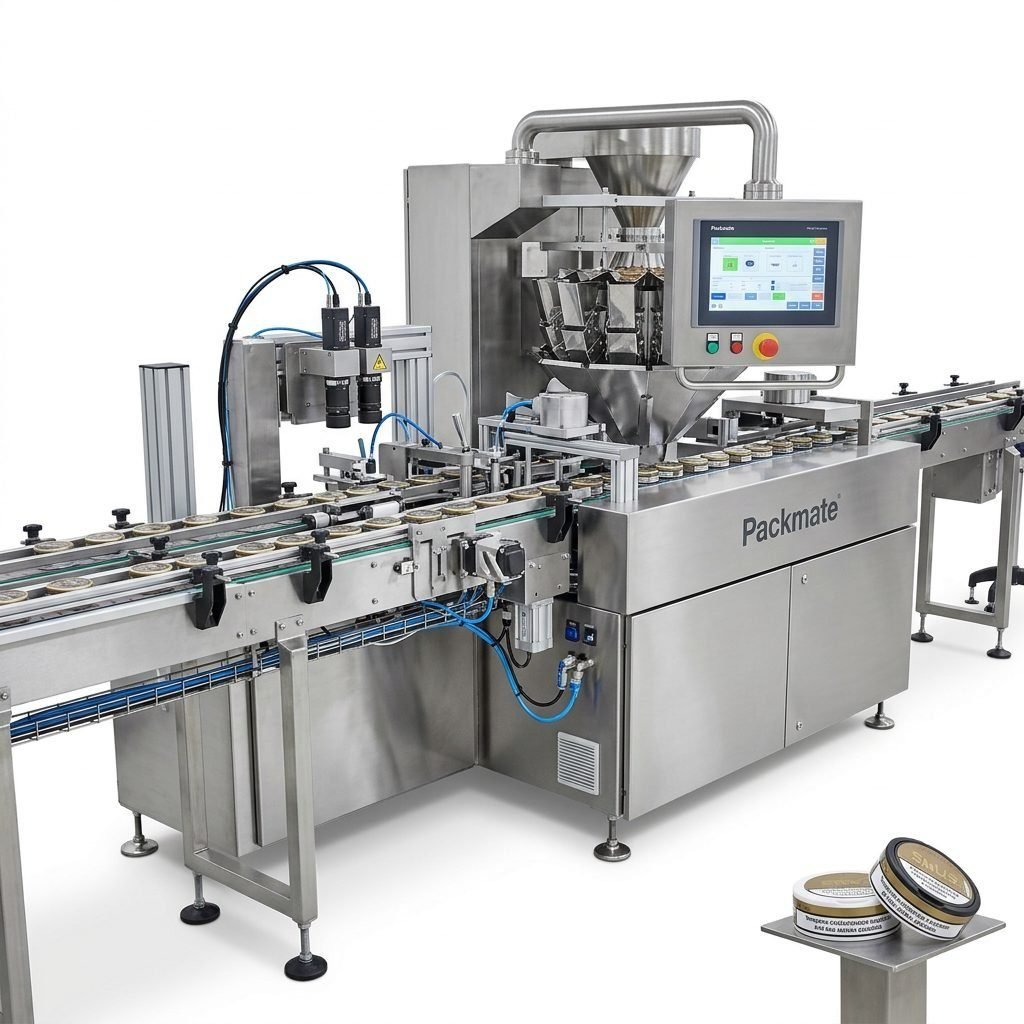
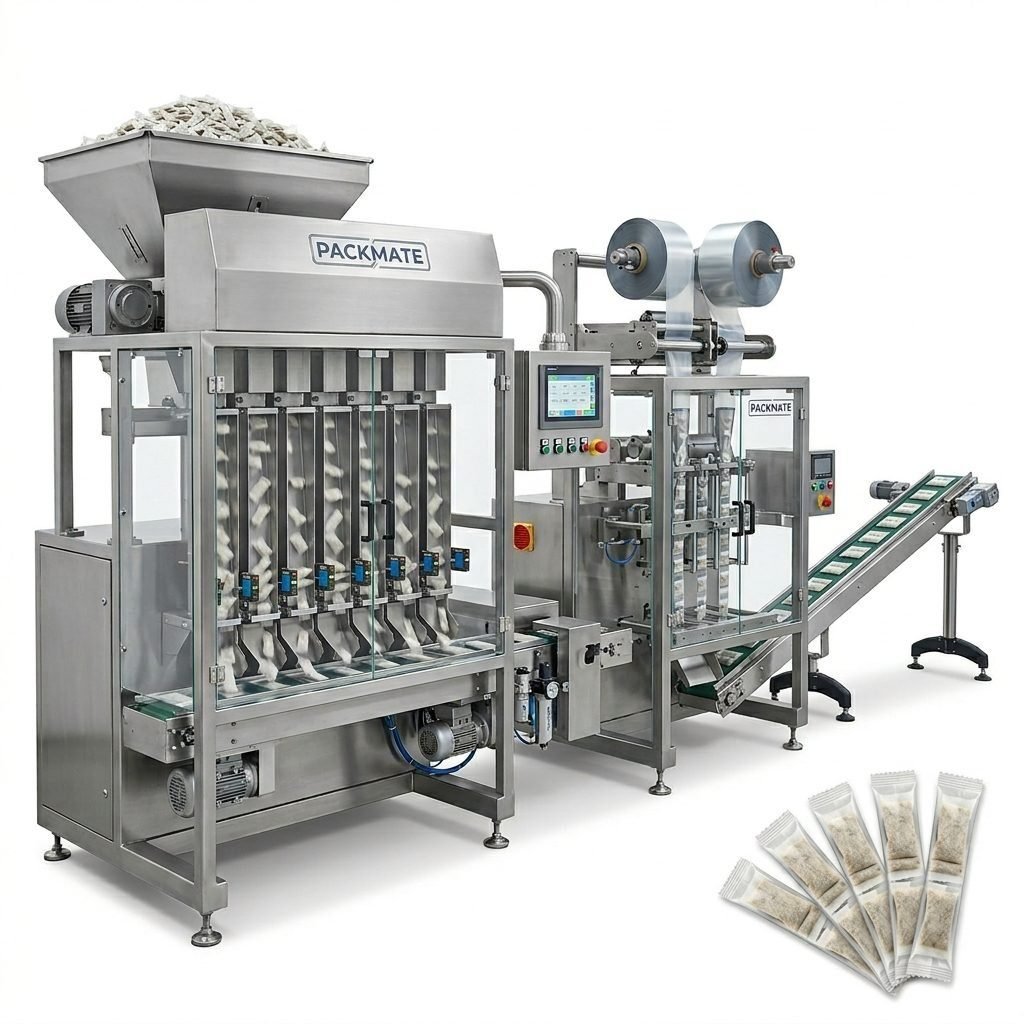
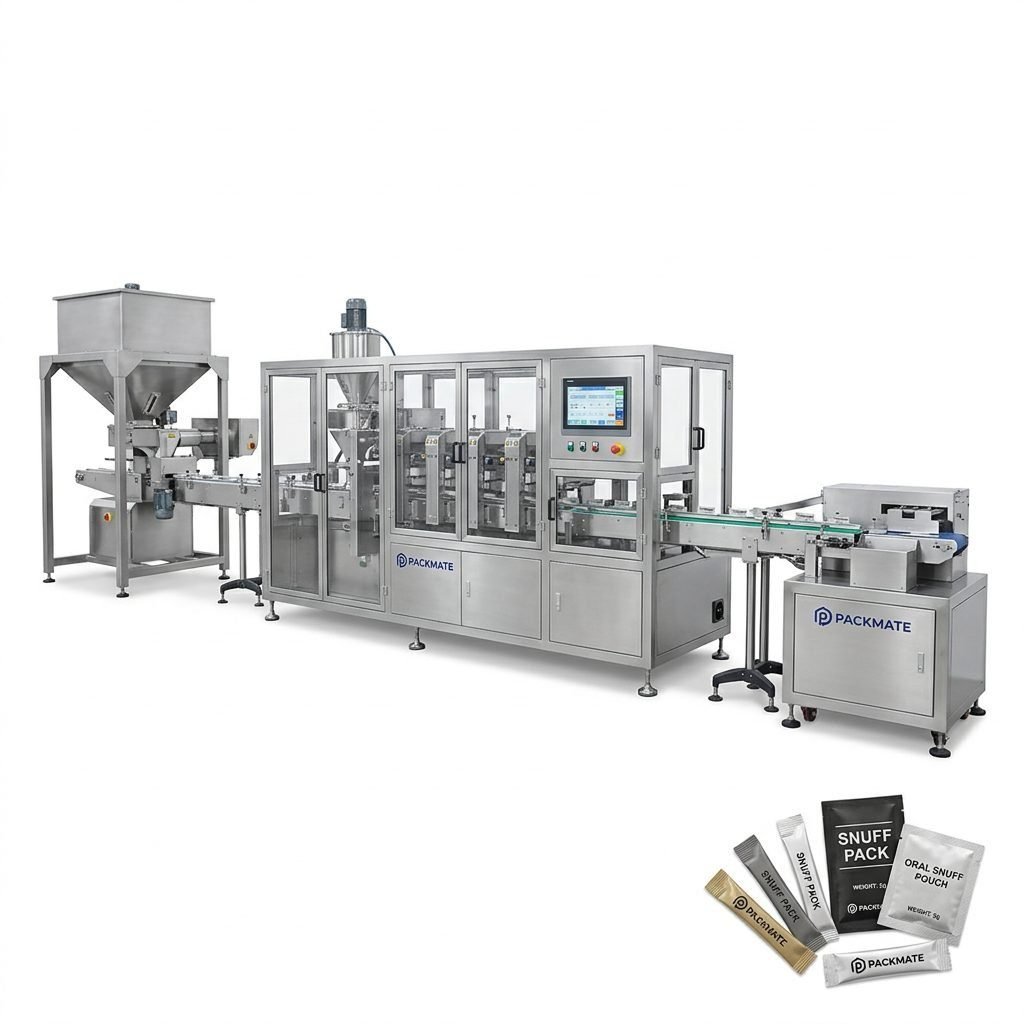
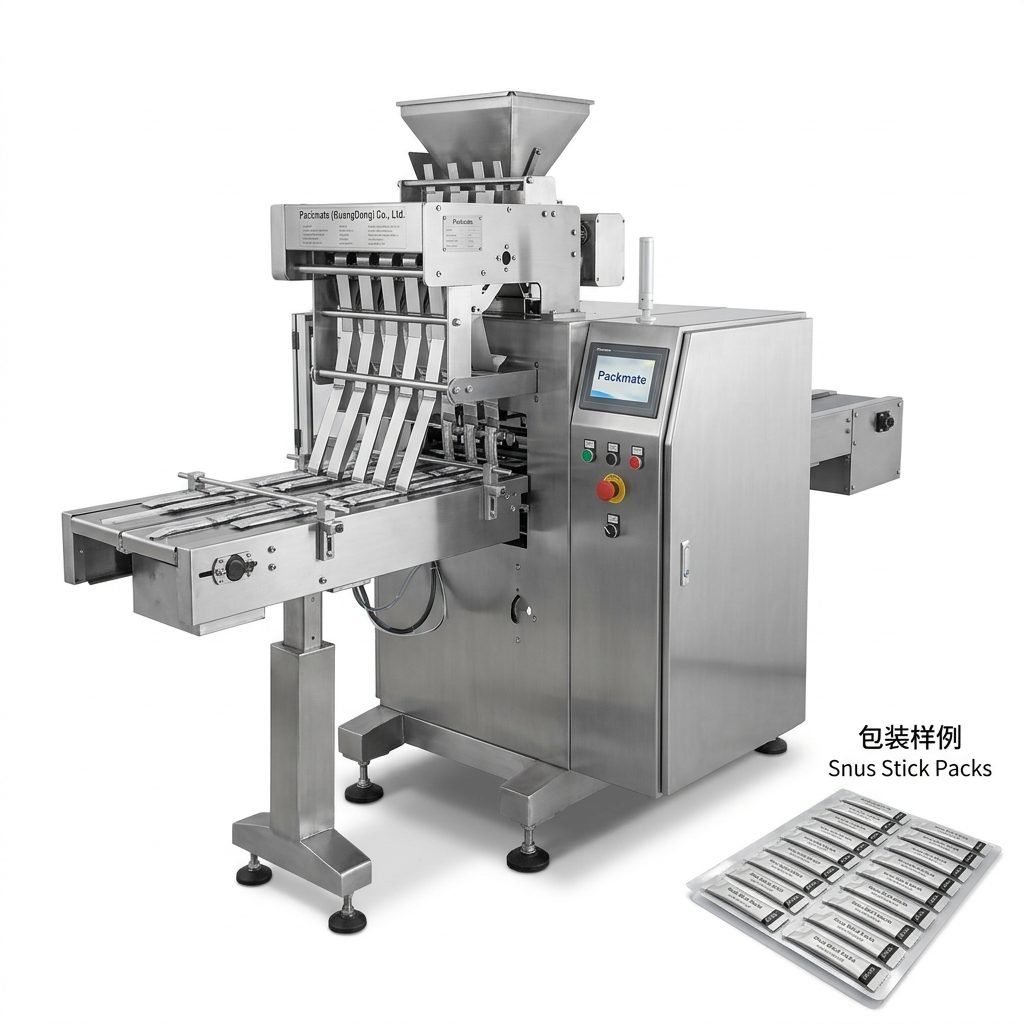
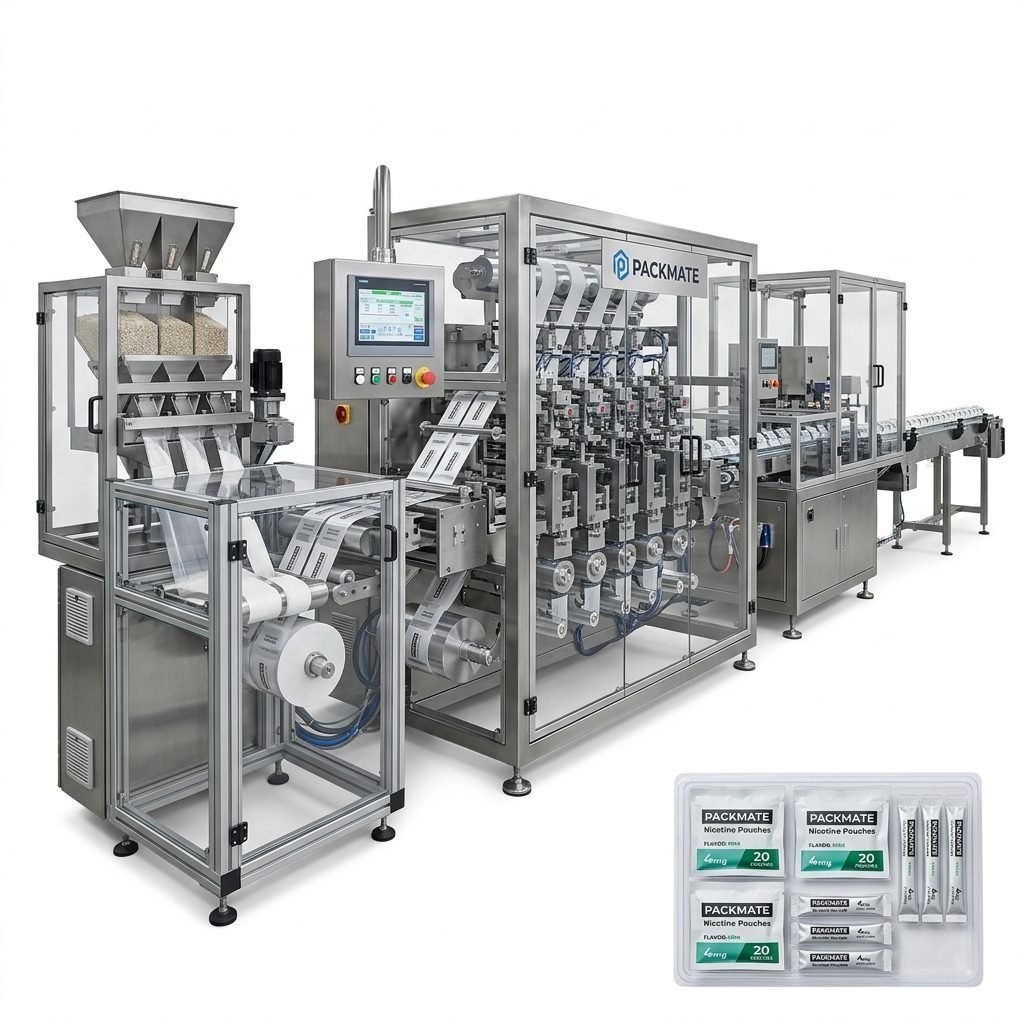
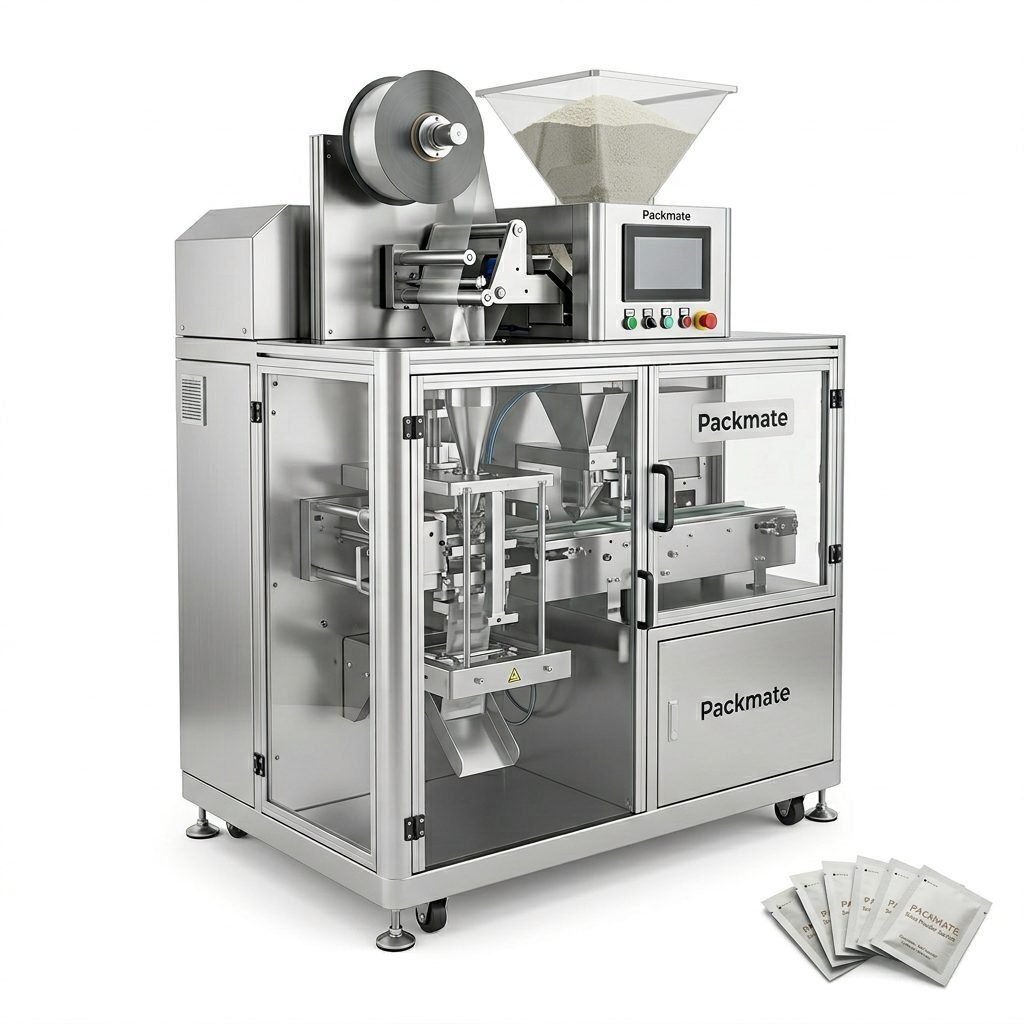
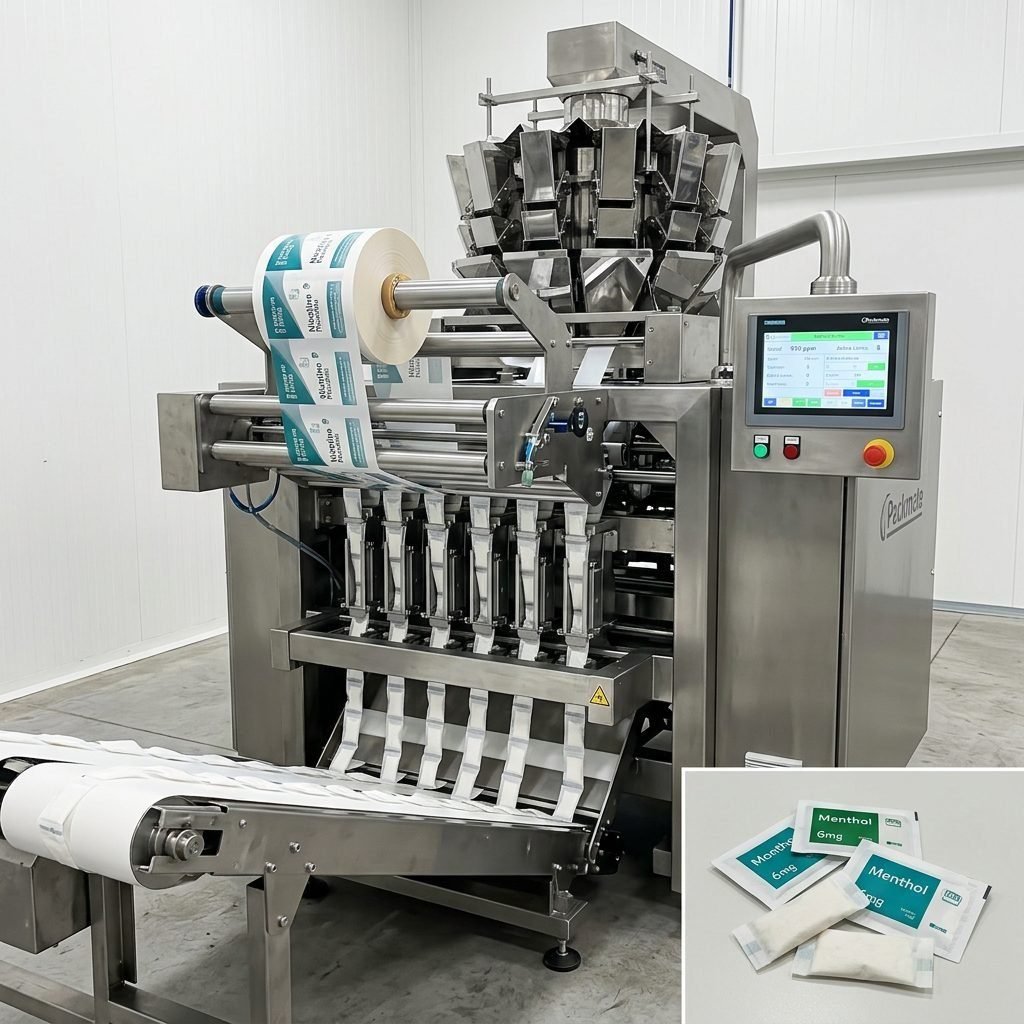
The emergence of intelligent nicotine pouch production lines is transforming how manufacturers approach high-speed, hygienic, and consistent packaging. Modern production lines integrate precision dosing, multi-lane forming, high-speed sealing, automated case packing, and in-line quality inspection into a single, controllable system. For companies looking to scale production while ensuring regulatory compliance and repeatable quality, investing in a fully automated packing solution can be a decisive business advantage.
Why Choose an Intelligent Nicotine Pouch Production Line? ⚙️
Intelligent production lines reduce manual intervention, minimize contamination risk, and deliver higher throughput with consistent pouch weight and seal integrity. They are engineered to meet the specific demands of nicotine pouch manufacturing—small-dose filling, multi-lane synchronization, and compact packaging formats—while offering real-time data and predictive maintenance to keep operations running smoothly.
Key Benefits at a Glance ✅
• Consistent Dosage & Quality – precision dosing systems achieve repeatable pouch weights.
• High-Speed Multi-Lane Output – parallel lanes scale production without increasing footprint proportionally.
• Integrated Inspection & Traceability – inline cameras and checkweighers ensure every batch meets quality standards.
Core Components of a Modern Line
A complete nicotine pouch production line typically includes: automated feeding, mixing and dosing modules, multi-lane pouch forming and sealing stations, servo-driven transport systems, in-line checkweighers, vision inspection systems, automatic carton erectors and case packers, and a centralized PLC/HMI interface for control and recipe management.
Precision Filling and Dosing
Accurate dosing is critical for nicotine products to maintain legal compliance and consumer safety. Intelligent lines use volumetric or gravimetric dosing combined with vibration and agitation technologies to ensure powder or blend flows uniformly into each pouch lane. Servo controls deliver repeatability and fast changeovers between recipes.
Multi-Lane Forming & Sealing
Multi-lane systems allow several pouches to be formed and filled simultaneously, multiplying output without a proportional increase in floor space. Advanced sealing heads and precise temperature control ensure robust seals for shelf life and tamper evidence. For specific machine offerings see the Snus & Nicotine Packaging Machines product range.
🚀 Speed vs. Accuracy – Intelligent lines balance high speed with precision by synchronizing servo axes and using closed-loop feedback from weighing and vision systems.
Automation & Industry 4.0 Integration
Advanced packaging lines incorporate Industry 4.0 concepts: remote diagnostics, OPC-UA connectivity, MES/ERP integration, and data logging for full traceability. These features accelerate problem resolution and help manufacturers optimize throughput using historical process data.
Quality Control and Compliance
Compliance with safety and regulatory standards is a baseline requirement. Intelligent lines support CE and ISO compliant designs, GMP-friendly structure, and options like HEPA-filtered enclosures for sensitive products. Inline camera systems detect foreign particles, misplaced pouches, or seal issues before cartons are packed.
Customization & Turnkey Solutions
Every nicotine pouch product has unique characteristics—size, formulation, fill weight, and packaging style. Leading manufacturers provide turnkey solutions that include machine selection, line layout, electrical and air utilities, factory acceptance testing, and installation supervision. For tailored lines, explore Filling & Packaging Lines and the broader Snus & Nicotine Packaging Machines catalogs.
Turnkey Project Flow
Typical turnkey steps include requirement analysis, process engineering, custom design, machining and assembly at a certified facility, factory testing, shipment, on-site installation, and operator training. Suppliers with strong manufacturing capability and global field service networks reduce risk and shorten commissioning time.
Operational Considerations for Manufacturers
When planning to adopt an intelligent line, manufacturers should evaluate floor space, utilities, operator skill levels, cleanability, spare parts strategy, and uptime SLAs. A well-documented maintenance schedule and remote support plan ensure predictable output and long equipment life.
🔧 Maintenance Tip – Keep critical spares on-site (seals, sensors, belts) and use predictive alerts from the PLC to plan preventive actions rather than reacting to downtime.
Return on Investment (ROI)
ROI is driven by increased throughput, reduced labor costs, less material waste, and improved product quality. Intelligent lines often pay back through operational savings and higher market responsiveness—especially where multi-shift production and tight delivery windows are common.
Regional Considerations: Serving Global Markets
Manufacturers in Europe, North America, and Asia may face differing regulatory landscapes and consumer expectations. For example, European markets emphasize strict traceability and environmental packaging, while certain Asian markets prioritize compact format yields and fast changeovers. Suppliers with global exhibition experience and localized service—refer to Our Exhibition and Service pages—are better positioned to support cross-border projects.
Selecting the Right Supplier
Choose suppliers with demonstrated experience in snus and nicotine packaging, strong manufacturing capabilities, and documented customer case studies. Packmate Snus Machine, for instance, offers decades of R&D and a broad product range; see their company overview at About Packmate and real-world implementation examples on the Case page.
Vendor Evaluation Checklist
Important factors: machine uptime history, spare parts lead time, on-site training capability, global certifications (CE, ISO), and the ability to perform FAT (Factory Acceptance Testing) before shipment. A supplier that offers full lifecycle support reduces operational risk.
📈 Pro Tip – Request production data from similar installations to validate projected throughput and yield before purchase.
Installation, Training & After-Sales
Successful commissioning requires structured installation plans, operator and maintenance training, and clear escalation paths for technical issues. Look for vendors offering remote support, spare parts kits, and periodic on-site audits to maintain performance over years of operation.
Conclusion
Investing in an intelligent nicotine pouch production line brings measurable benefits in capacity, quality, and operational efficiency. By partnering with experienced manufacturers that provide complete solutions—from precision dosing to automated case packing and lifecycle support—businesses can accelerate time-to-market while safeguarding product compliance and consumer trust.
Frequently Asked Questions
Q1: How quickly can a multi-lane nicotine pouch line be commissioned?
A1: Commissioning time depends on customization and site readiness; typical on-site commissioning ranges from 2 to 6 weeks after delivery, with FAT and pre-configuration shortening this timeframe.
Q2: What certifications should the equipment have?
A2: Look for CE and ISO compliance, GMP-friendly design for hygienic production, and additional certificates relevant to your market; verify documentation during vendor selection.
Q3: Can lines handle frequent product changeovers?
A3: Yes—machines with quick-change tooling, recipe-based PLC control, and adjustable lane modules are designed for efficient changeovers, enabling multiple SKUs with minimal downtime.
Q4: What after-sales support should be expected?
A4: Expect remote diagnostics, spare parts availability, preventive maintenance plans, and on-site technical assistance. Verify the supplier’s global service network and response SLAs.
Q5: How do I begin the procurement process?
A5: Start with a site survey, product specifications, and a list of target outputs. Engage suppliers for proposals, request FAT, and review case studies and references to ensure alignment with your production goals.