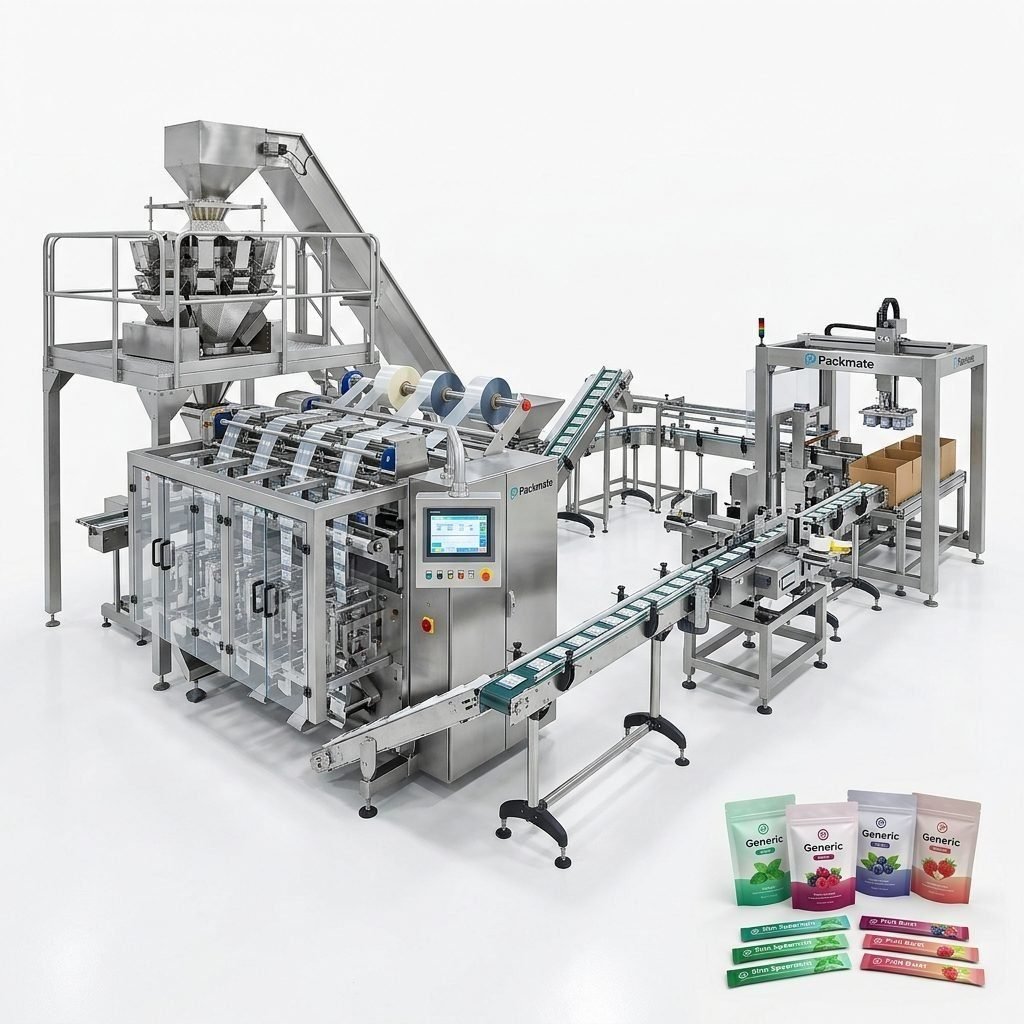
Choosing the right nicotine packaging machinery manufacturer for a production line in Russia calls for more than just a price comparison. Manufacturers must balance technical performance, regulatory compliance, service and spare parts logistics across a vast territory, and local market preferences — including packaging that supports Cyrillic labeling, robust machines for cold climates, and partners who understand Russian business practices. This guide walks you through the practical steps to select a manufacturer that fits your production needs, reduce downtime, and scale reliably.
Understand Your Production Requirements First
Before you contact suppliers or request quotations, define your needs clearly. Consider the following production parameters:
🔍 Daily output target: pieces per minute and total monthly capacity.
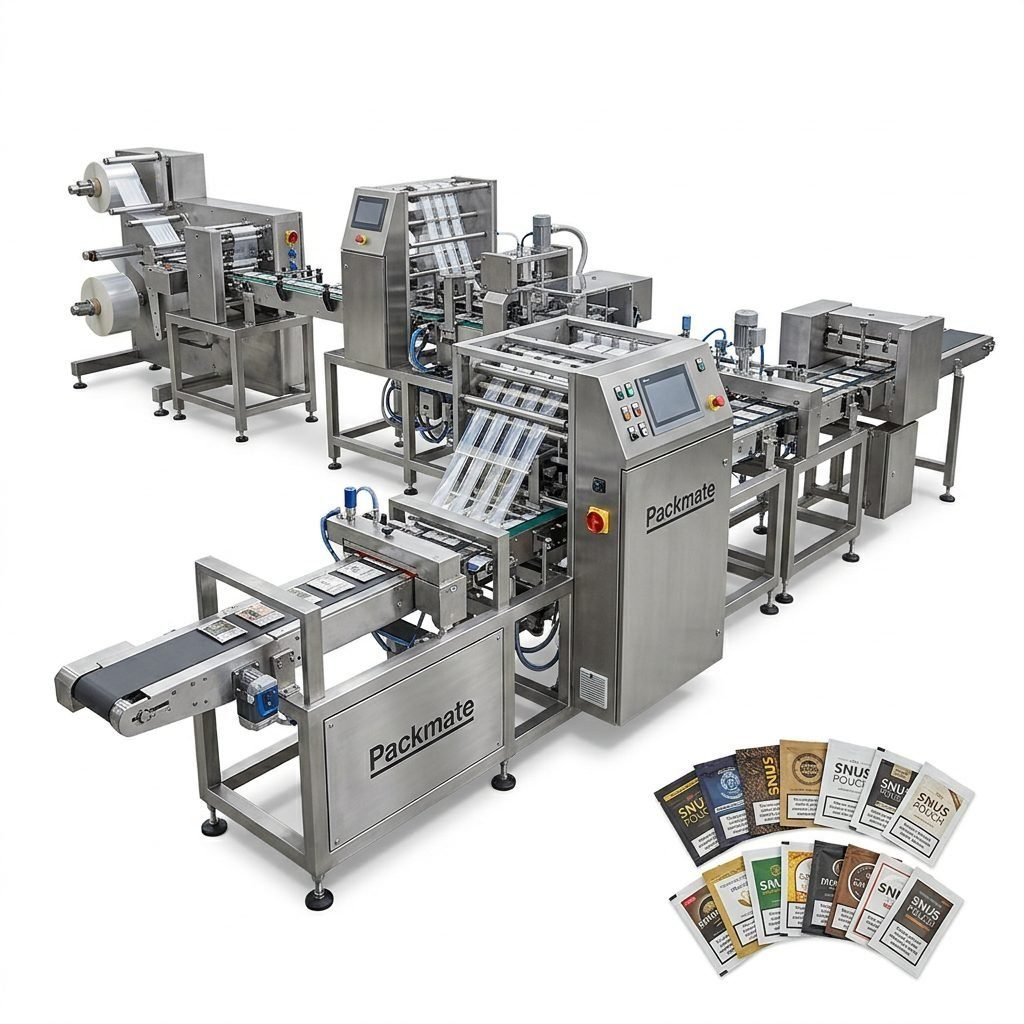
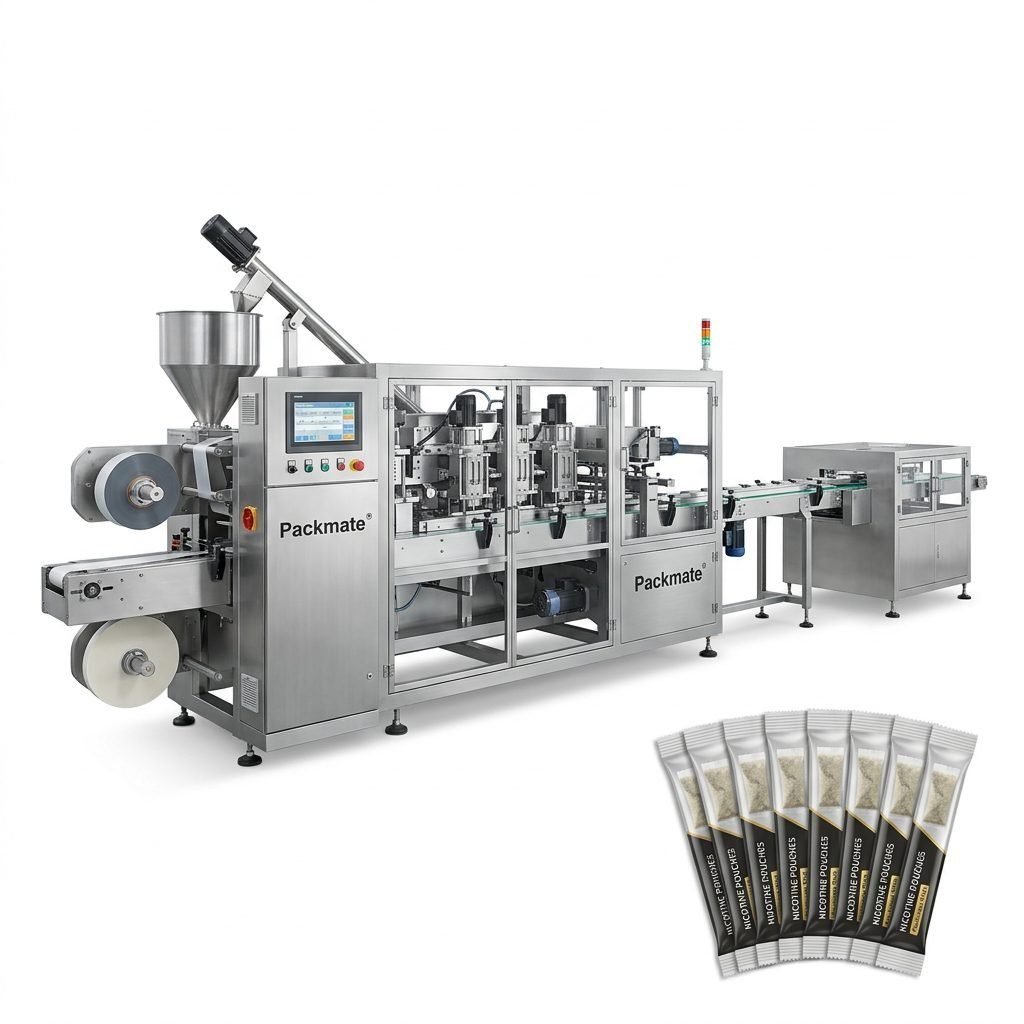
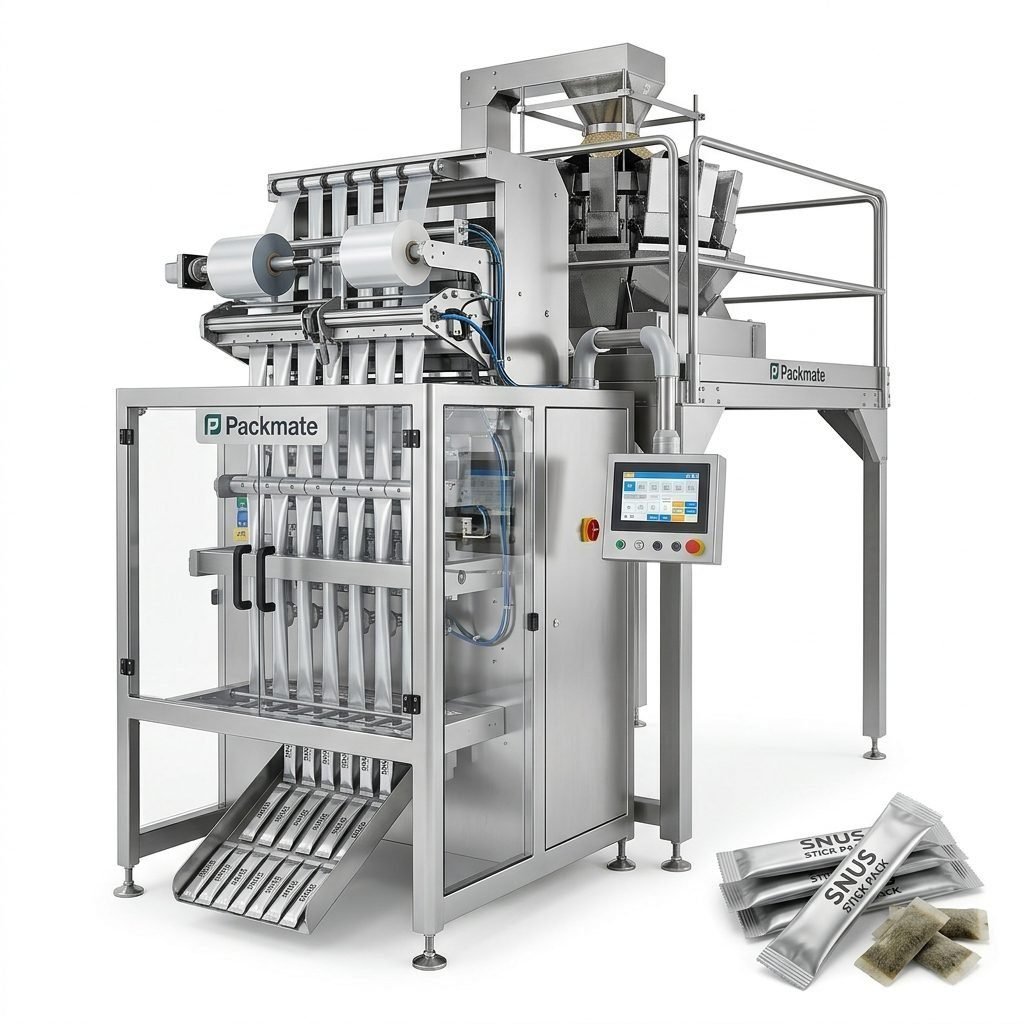
📦 Product format: nicotine pouches, snus, sachets, stick packs, or multi-lane pouches.
⚙️ Fill type: powder, granule, liquid, or composite.
🧩 Customization: special reels, sachet shapes, or blistering needs.
Why format and speed matter
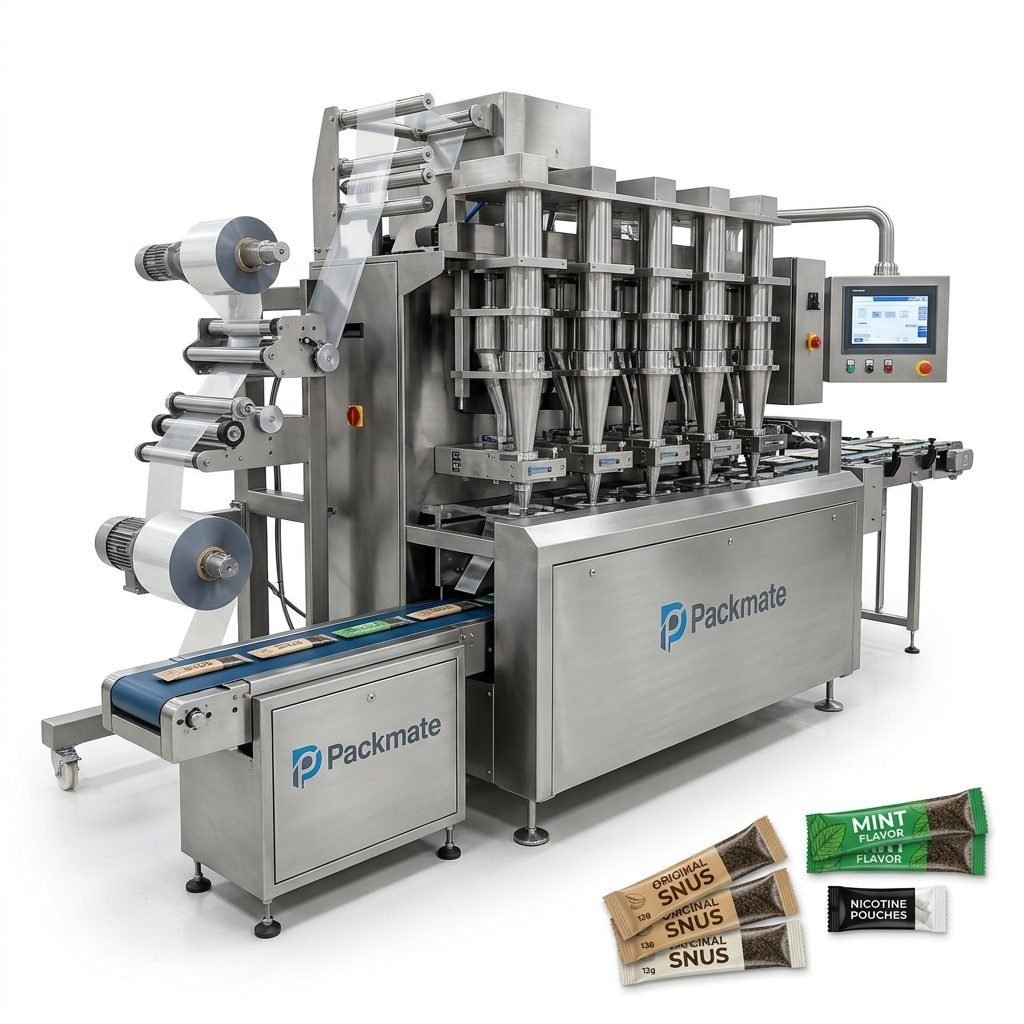
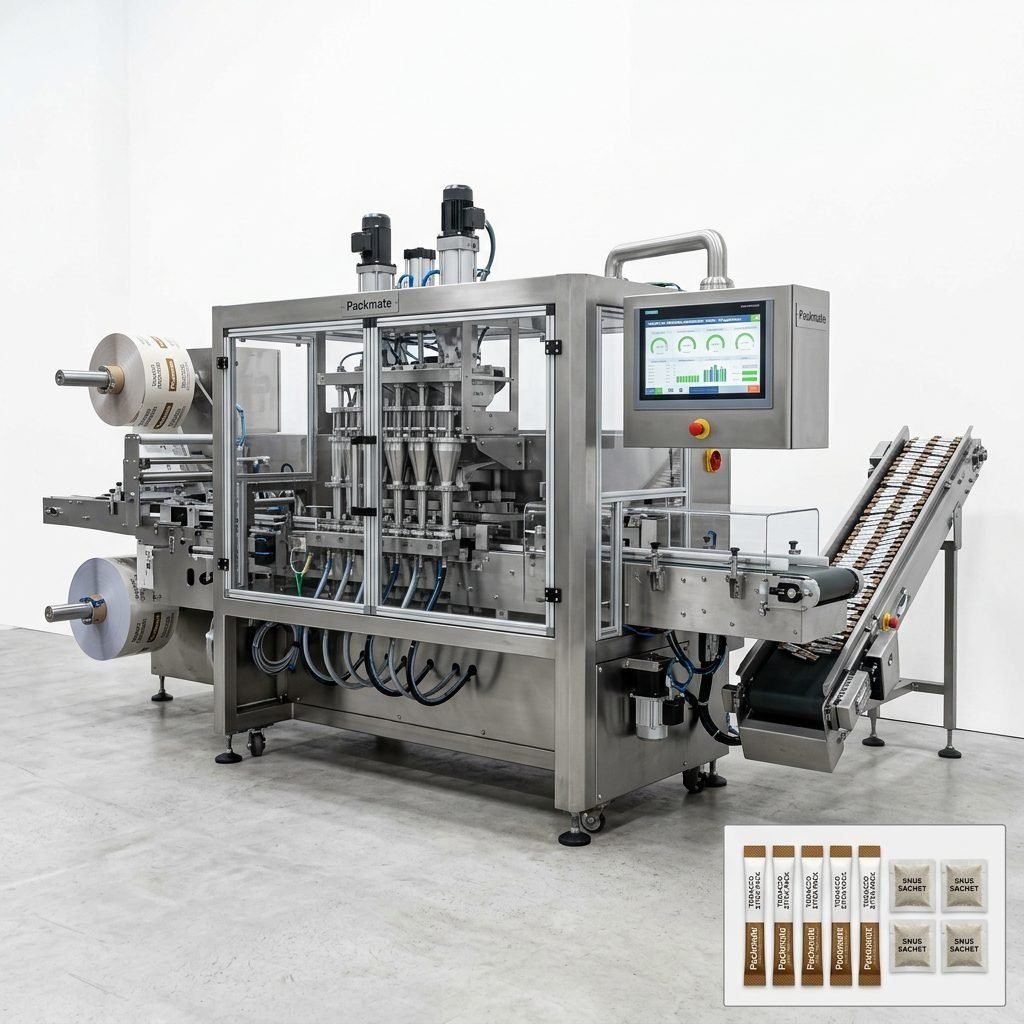
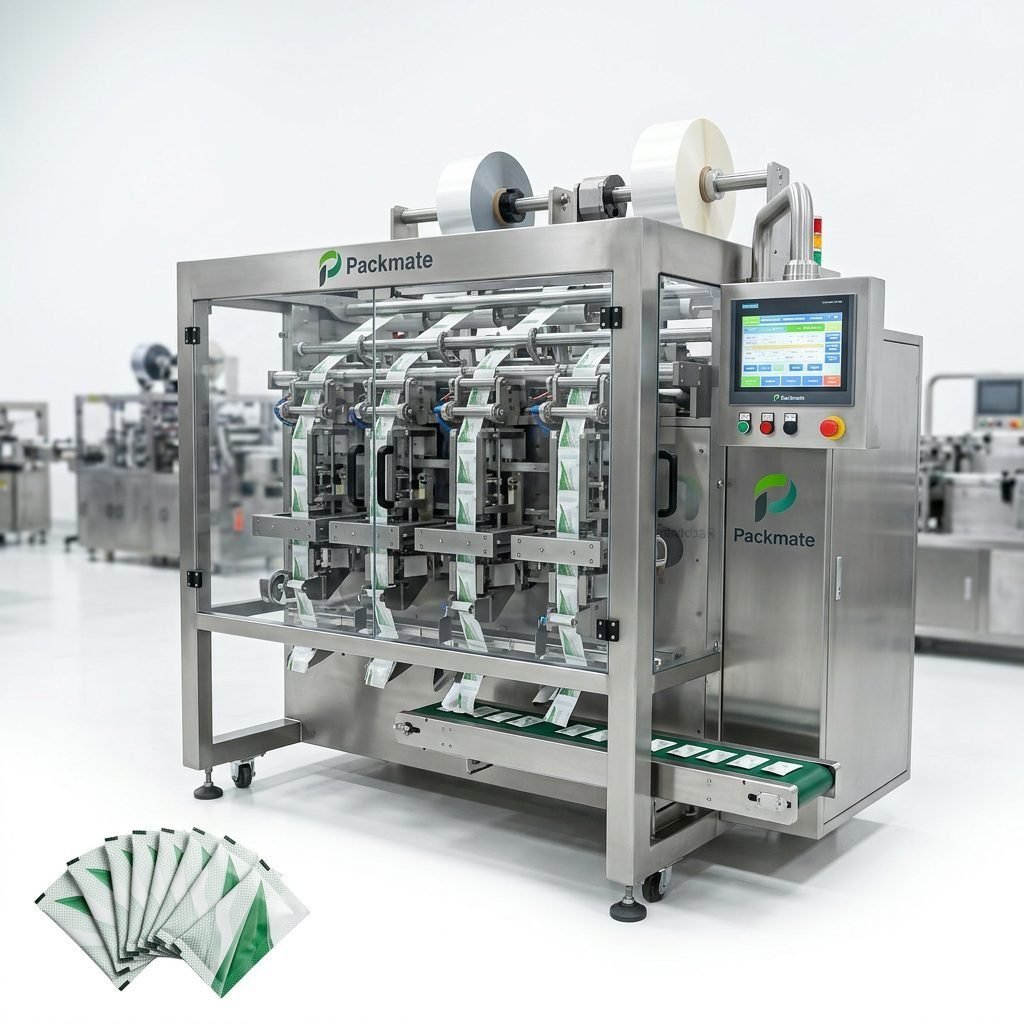
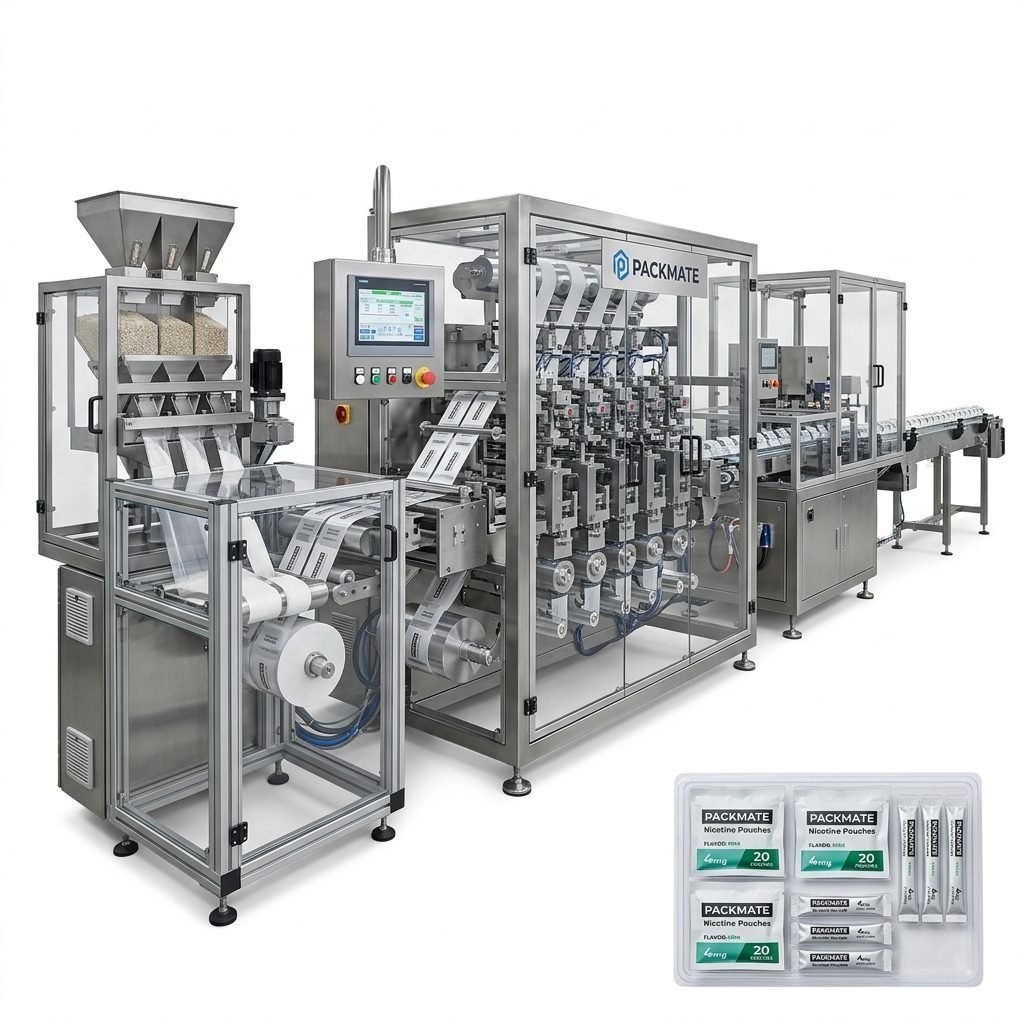
A machine optimized for small-dose nicotine pouches is different from a high-speed snack bag line. Matching the machine to the pouch format and intended speed avoids unnecessary modifications and long-term reliability issues. For example, multi-lane systems deliver high throughput for small pouches, while stick pack or sachet machines serve different market demands.
Evaluate Manufacturer Experience and Track Record
Look for manufacturers with proven experience in snus and nicotine pouch equipment. Long-term engineering expertise usually translates to better machine stability, easier maintenance, and a deeper understanding of niche processing challenges.
📌 Company history: suppliers with decades of R&D and continuous improvement are preferred.
📌 Range of models: look for a portfolio covering multi-lane, stick pack, sachet, and filling lines.
📌 Factory capabilities: on-site CNC machining and precision assembly indicate control over quality.
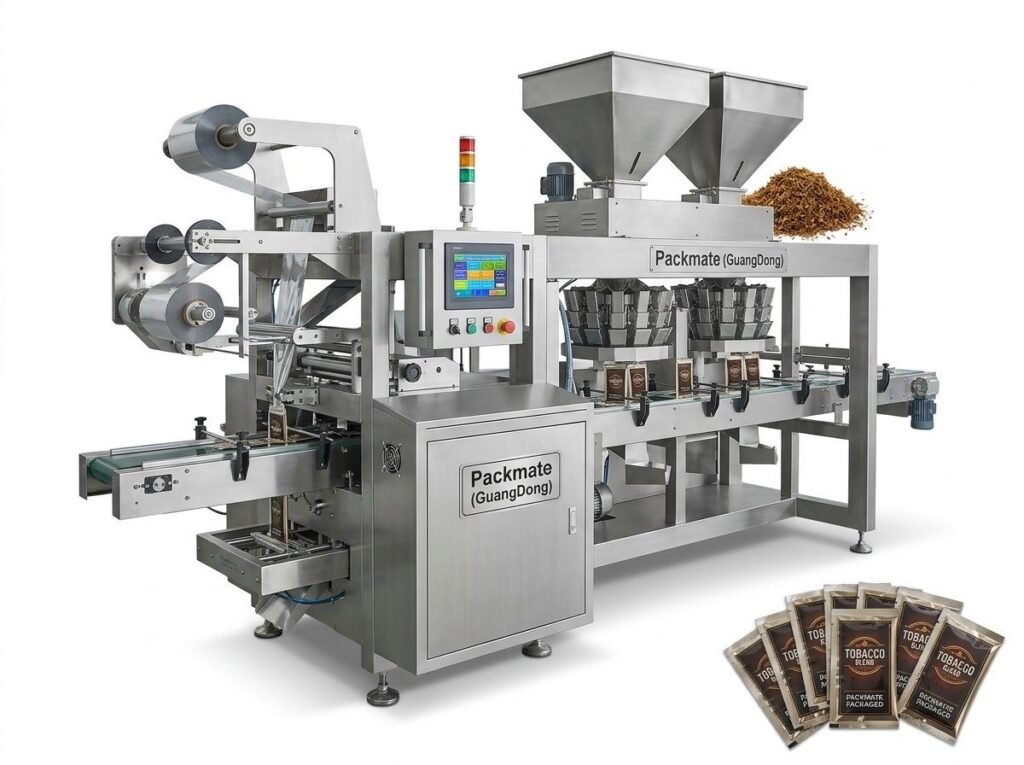
For reference, manufacturers like Packmate Snus Machine have over 30 years of engineering experience and a 20,000㎡ facility with advanced CNC centers, which often gives buyers confidence in machine consistency and spare parts control. You can explore specific models through the Snus & Nicotine Packaging Machines page to match product types and line configurations.
Helpful links: Snus & Nicotine Packaging Machines, Sachet & Stick Pack Machines.
Assess Quality, Certifications, and Compliance
Russian buyers must ensure machines meet both international standards and any local regulatory requirements for nicotine product manufacturing. Request documentation and verification for:
✅ CE & ISO certifications indicating safety and manufacturing standards.
✅ Material compatibility — contact parts in stainless steel or food-grade materials where required.
✅ Traceability and product labeling features to help meet Russian language and traceability laws (e.g., Cyrillic labels, batch codes, QR codes).
A manufacturer that actively participates in global exhibitions and publishes verification such as certificates or case studies is likely to be more transparent and dependable. See manufacturer certificates and case references to validate claims: Certificate and Case.
Technical Features and Flexibility
Machines should be flexible enough to adapt to small recipe changes while remaining robust for continuous operation. Important technical features include:
🔧 Quick changeover for different pouch sizes and web widths.
🖥️ User-friendly HMI and PLC controls with multi-language support (Russian is a plus).
🛠️ Modular design so you can add lanes, weighers, or secondary packaging later.
🌡️ Environmental resilience — components and seals rated for lower temperatures and variable humidity across Russian regions.
Controls and remote diagnostics
For companies operating in distant Russian regions, remote diagnostics and online monitoring reduce travel times for service engineers. Confirm whether the supplier offers a cloud-enabled HMI, spare parts kits, and diagnostic protocols that allow local technicians to troubleshoot quickly.
After-Sales Service, Spare Parts and Local Support
After-sales support is often the decisive factor when selecting a manufacturer for Russia. Consider lead times for spare parts, availability of local technicians, and training options.
📦 Spare parts inventory: ask about critical parts availability and whether they ship directly from the factory or regional warehouses.
🧑🏫 Training: on-site commissioning and operator training are essential; check if manuals exist in Russian.
🔁 Service contracts: preventive maintenance plans save money over the lifecycle of the machinery.
Larger suppliers often provide global turnkey solutions and long-term partnerships. You may view full production lines and auxiliary equipment to ensure proper integration: Filling & Packaging Lines, Auxiliary Packaging Equipment.
Logistics, Installation and Commissioning in Russia
Russia’s size and climate extremes influence shipping, installation, and commissioning. When evaluating manufacturers, verify their experience handling:
🚚 Export packaging and shipping documentation for sea, road and rail transit.
🧾 Customs clearance assistance including HS codes and certificates for smooth entry.
🛠️ Local subcontractor networks — suppliers that coordinate with Russian integrators reduce downtime.
A supplier that has shipped to Russia and provided remote support or local engineers can save months of commissioning time. Check the manufacturer’s international cooperation cases and exhibition history to confirm their presence: Our Exhibition.
Price vs. Total Cost of Ownership (TCO)
The lowest purchase price does not equate to the cheapest option over the machine’s lifespan. Analyze the Total Cost of Ownership, including spare parts, energy consumption, downtime, and expected lifetime.
💡 Energy efficiency: lower consumption reduces operating costs, especially in longer production runs.
🔁 Reliability metrics: mean time between failures (MTBF) and recommended maintenance intervals.
🔧 Ease of maintenance: tool-less access to wear parts and recommended spares lists.
Customization, Local Regulations and Packaging Preferences in Russia
Russia has unique labeling, language and consumer preferences that affect packaging design. Buyers should ask suppliers about:
🏷️ Cyrillic printing compatibility and variable data printing for compliance.
🎨 Barrier films and cold-resistant seals for storage across temperature ranges.
🔗 Tamper-evident and track-and-trace options for legal compliance and market trust.
Russian consumers generally value clear labeling and product authenticity. Machines that support high-resolution printing and serialization add market value. Manufacturers that can integrate weighing and packaging systems help ensure correct dosages and compliance — consider suppliers that provide complete systems such as Weighing & Packaging Systems.
Factory Acceptance Test (FAT) and Site Acceptance Test (SAT)
Insist on a Factory Acceptance Test before shipment and a Site Acceptance Test after installation. FAT should demonstrate consistent production at the specified speeds using your product or close simulants.
🧪 FAT scope: full line run, electrical and control checks, safety interlocks, and sample retention.
🛠️ SAT scope: final integration, local utilities verification, operator training, and acceptance criteria documentation.
Negotiation tips and contract clauses
Include clear warranty terms, spare parts lists with pricing, delivery milestones, and penalty clauses for missed deadlines. Ensure training and documentation in Russian are part of the contract if local teams will operate the line.
Choosing a Long-Term Partner
Think beyond the initial purchase. A strategic supplier will evolve with your business, offering upgrades and performance optimizations. Look for:
🤝 Transparent communication and clear contact points for escalation.
🔁 Lifecycle support: software updates, retrofit kits, and retrofit lanes.
🌍 Global references: satisfied customers in markets with similar climates or regulatory environments.
If you want to learn more about a particular supplier’s mission, service and catalog, reference pages like About Packmate, Service, and Catalog.
Practical Checklist Before Signing
Use this quick checklist to compare shortlisted manufacturers:
✅ FAT and SAT procedures documented and agreeable.
✅ Spare parts availability and lead times specified.
✅ Warranty, training, and service contract clearly defined.
✅ Demonstrable references in nicotine pouch or similar markets.
✅ Controls and manuals in Russian (or translation plan).
Conclusion
Selecting the best nicotine packaging machinery manufacturer in Russia requires a balance of technical fit, regulatory compliance, reliable after-sales support, and local market compatibility. Prioritize manufacturers with deep experience in snus and nicotine pouch equipment, transparent certifications, and a clear plan for spare parts and remote support. A thorough FAT and a realistic TCO assessment will protect your investment and ensure production stability.
Common Questions (FAQs)
Q1: How important is on-site commissioning in Russia?
A1: Extremely important. On-site commissioning ensures machines are tuned to local utilities, operator training is effective, and any site-specific issues (like power variations or humidity) are addressed.
Q2: Should documentation and control interfaces be in Russian?
A2: Yes. Russian-language manuals and HMI support reduce operator errors, speed training, and ease regulatory inspections. If not directly available, confirm translation plans and responsibilities.
Q3: What is a reasonable spare parts lead time?
A3: Critical wear parts should be delivered within weeks if stocked regionally; otherwise, expect international lead times of several weeks to months. Negotiate minimum local stock levels or expedited shipping clauses.
Q4: Are turnkey solutions necessary for small producers?
A4: Turnkey solutions simplify integration and regulatory compliance, but smaller producers may opt for modular lines to spread capital costs. Ensure modularity does not compromise product quality or traceability.
Q5: Where can I find more information or contact suppliers?
A5: Vendor websites typically include product pages, catalogs, and contact forms. For example, you can review Packmate’s product range and contact options at Contact Us.