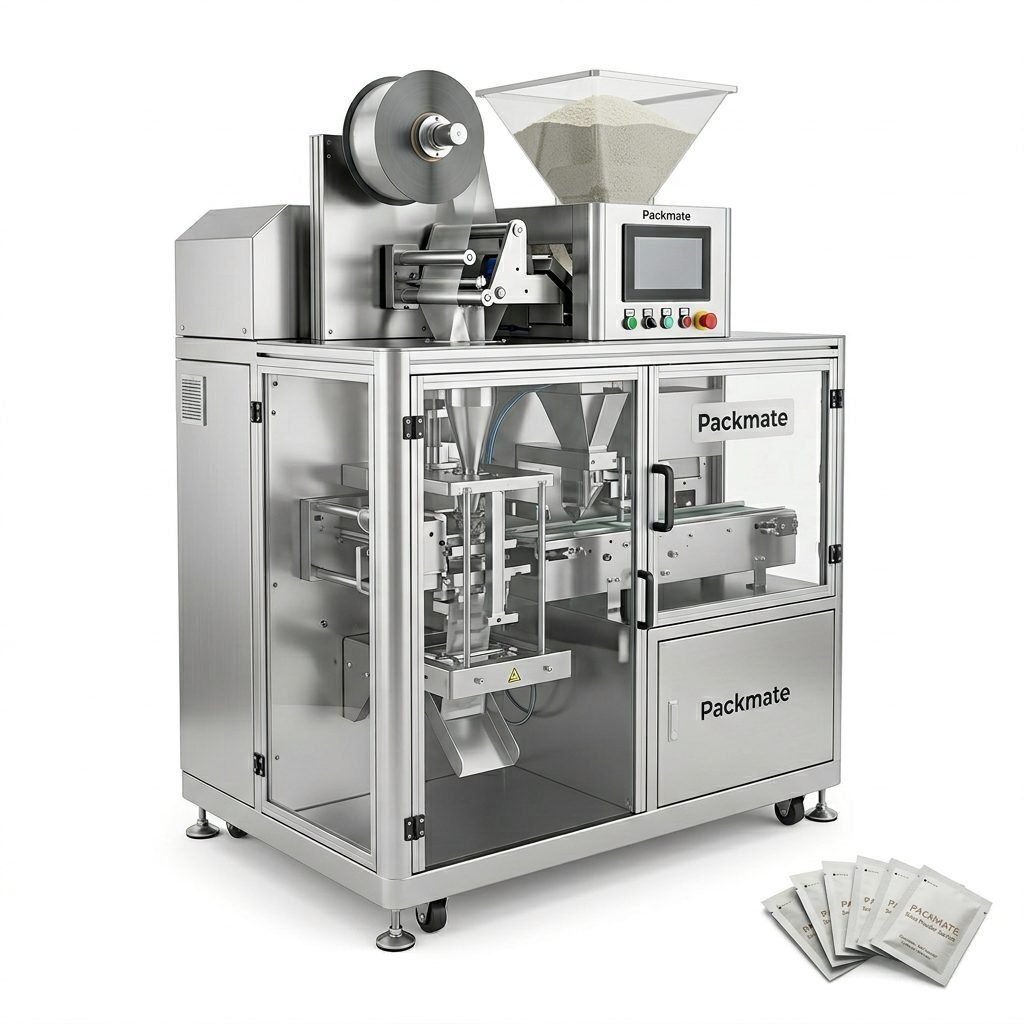
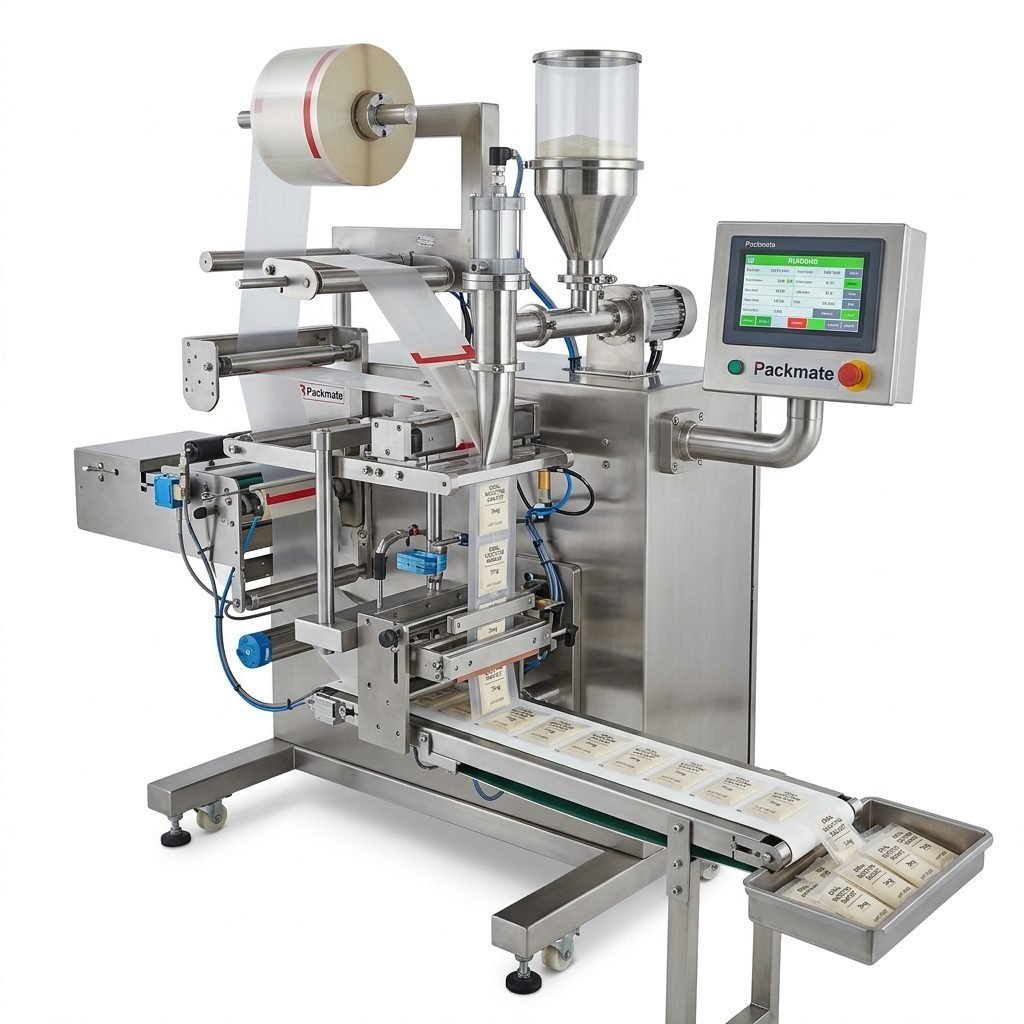
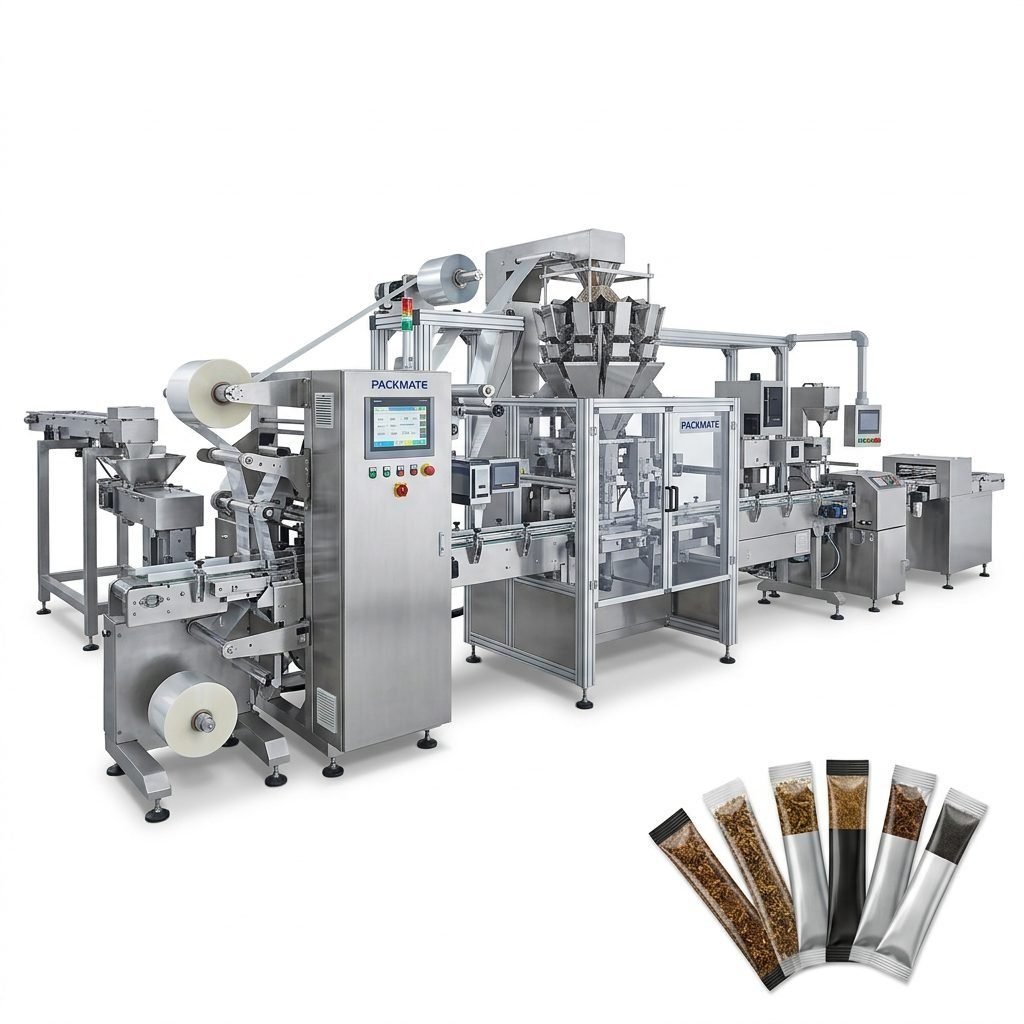
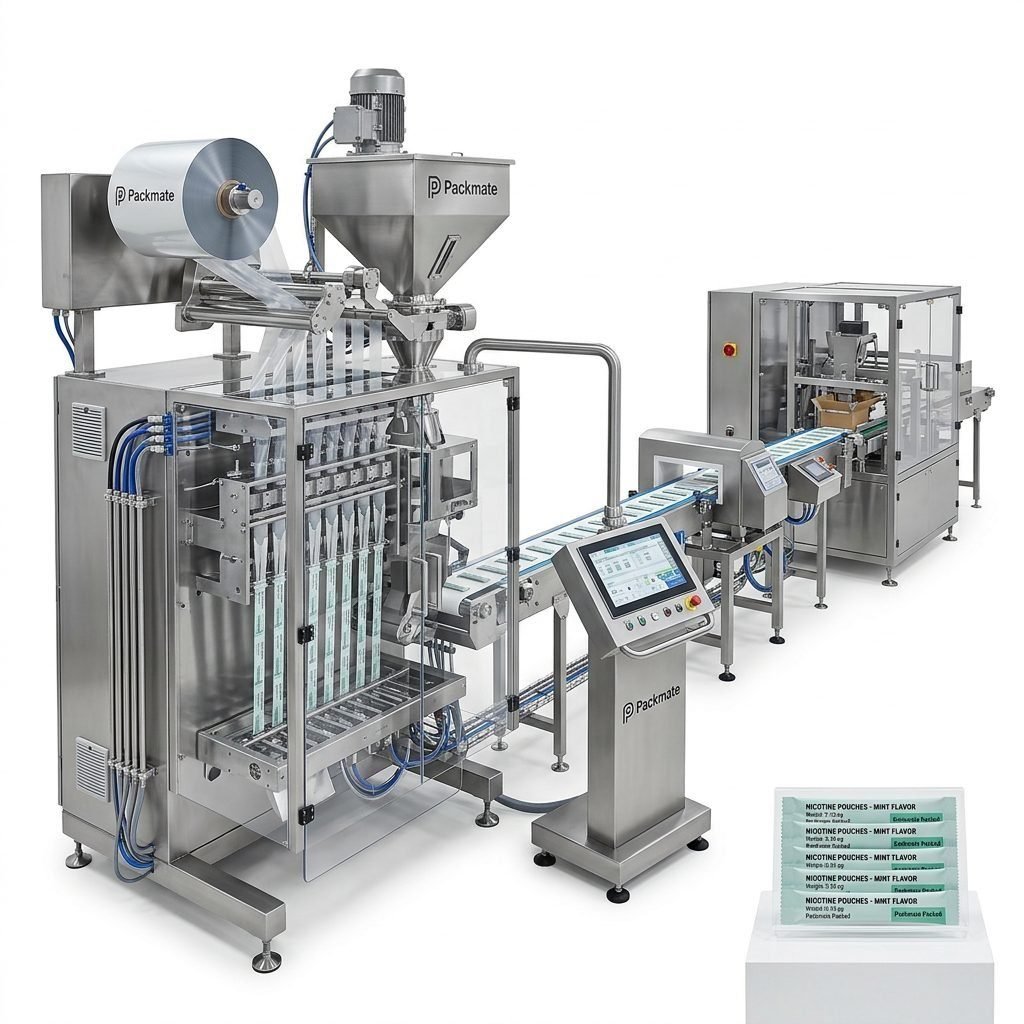
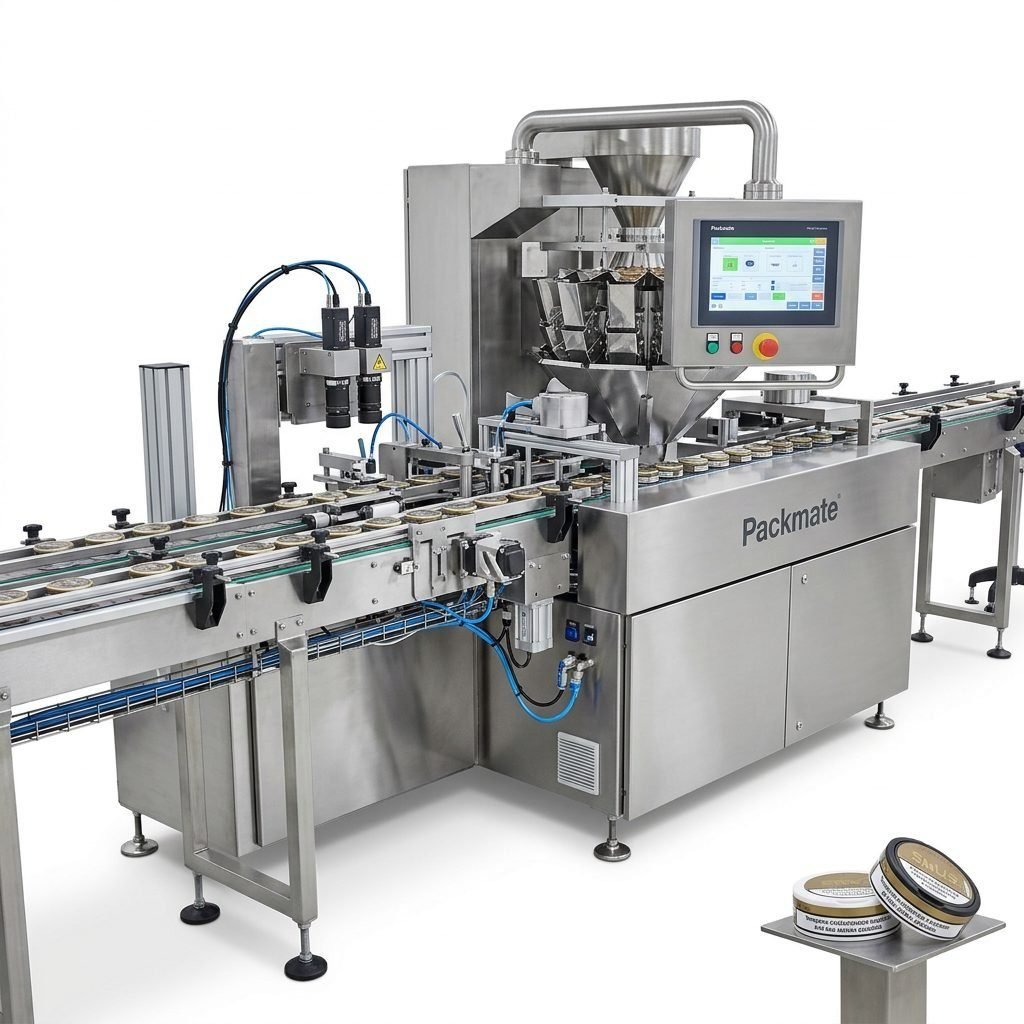
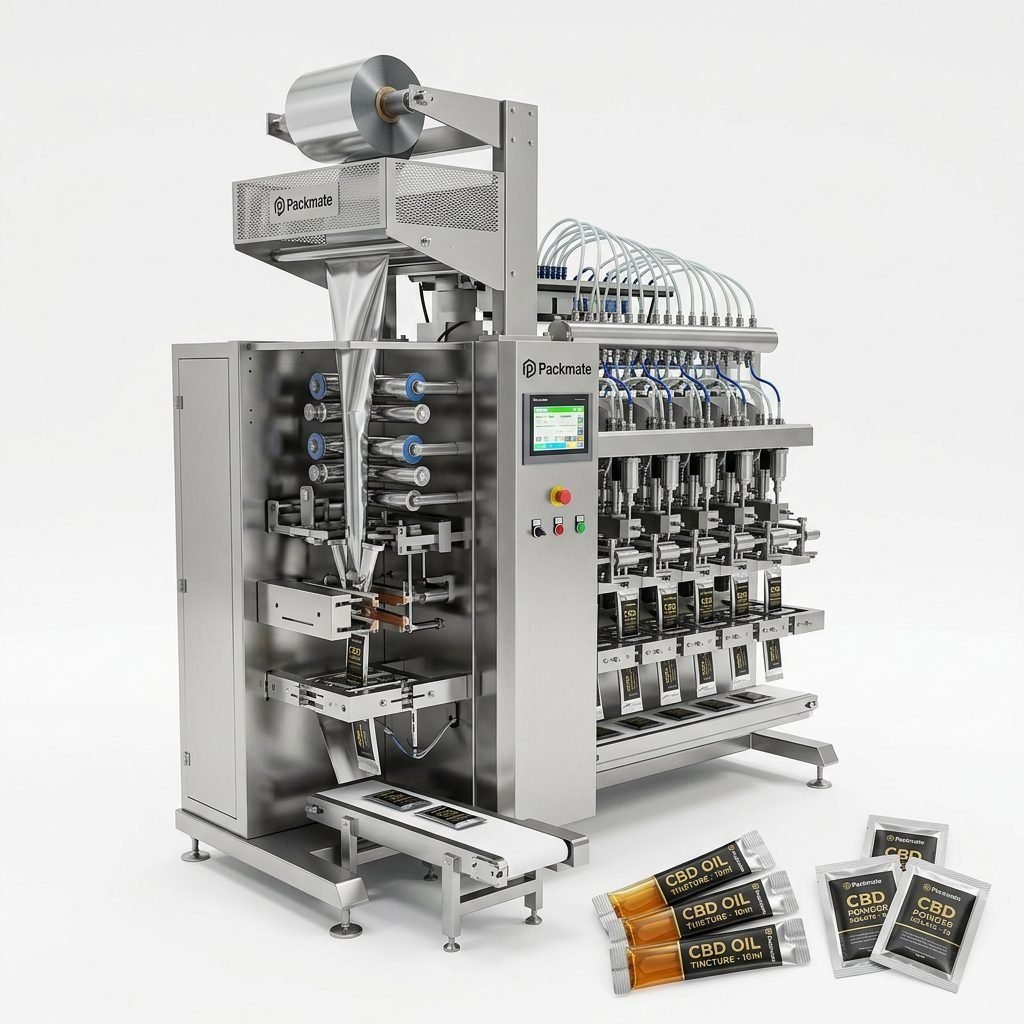
Choosing the right snus packaging machine manufacturer is one of the most important decisions for any business entering or expanding in the nicotine pouch and snus market. Whether you are a startup testing local Hungarian demand or an established brand scaling across Central Europe, finding a partner that understands product specifics, local regulations, and consumer habits is critical. This guide outlines how to evaluate and select the best snus packaging machine manufacturer for your business in Hungary, combining technical selection criteria, local market insights, and a step-by-step procurement approach.
Why Hungary Matters: Local Habits and Market Considerations
Hungary occupies an important position in Central Europe with a growing interest in alternative nicotine products such as snus and nicotine pouches. Consumers here value convenience, consistent quality, and modern packaging that preserves freshness. When selecting a packaging partner, you should consider: local regulatory expectations, retail display sizes common in Hungarian stores, and seasonality of demand influenced by holidays and festivals. Manufacturers who understand these cultural and market nuances can help you design machines and packaging workflows that suit Hungarian distribution channels and consumer preferences.
Key local points to keep in mind
🚩 Retail format: Compact retail shelves and kiosks are common—consider machines that produce small, shelf-friendly pouch sizes and multi-lane outputs for higher throughput.
⚖️ Compliance: Ensure compatibility with EU/Hungarian labeling, traceability, and safety regulations—your manufacturer should support CE certification and documentation.
🕒 Time-to-market: Local promotional cycles and seasonal demand in Hungary mean you’ll benefit from a supplier with quick delivery and reliable after-sales support.
Step 1 — Define Your Product and Production Targets Clearly
Before contacting manufacturers, document your product specifications and production goals. Typical items to define include pouch type (loose snus pouches, nicotine pouches), target capacity (pouches per minute), pouch size and weight, packaging format (stick, sachet, multi-lane), and any additional requirements such as nitrogen flushing, reclosable features, or unique barrier films. Clear technical briefs help vendors propose the right machine class — from single-lane precision machines to high-speed multi-lane lines.
Essential production brief checklist
- Product type and ingredient characteristics (moisture, particle size)
- Desired output rate (units/hour or pouches/minute)
- Pouch dimensions, tolerance ranges, and sealing requirements
- Integration needs (weighing, metal detection, labeling)
- Floor space and utility constraints at your Hungarian facility
Step 2 — Evaluate Manufacturer Capabilities and Experience
When vetting manufacturers, prioritize those with proven experience in snus and nicotine pouch machinery. Look for demonstrable case histories, CE and ISO certifications, and a track record of delivering turnkey lines. A manufacturer with long R&D history and multiple models provides flexibility and reduces the risk of custom engineering failures. For example, companies that have built multi-lane systems and stick pack solutions across multiple industries often adapt faster to specialized snus needs.
✅ Pro tip: Ask for references and performance data on machines used for snus, nicotine pouches, or similarly handling hygroscopic powders and fine particles.
Step 3 — Inspect Factory Strength and Quality Control
Factory capability matters. Inspect whether the manufacturer has modern CNC machining centers, precision assembly lines, and a consistent quality testing system. A robust factory with a sizable production area, such as a 20,000㎡ plant, indicates capacity to build repeatable, reliable machines. Request factory photos, assembly workflows, and quality control procedures—these reveal the seriousness of manufacturing standards and long-term spare-part availability.
What to request from the manufacturer
- Factory tour (virtual or in-person) and assembly line snapshots
- List of CNC and test equipment used in production
- Quality inspection checklists and final acceptance test reports
- Lead times for spare parts and typical machine MTBF (mean time between failures)
Step 4 — Assess Technical Features and Flexibility
Not all machines are created equal. High-quality snus packaging machines should provide precise dosing, low product waste, stable sealing, and easy format changeover. Evaluate control systems (PLC and HMI), servo-driven elements for repeatability, and compatibility with a range of pouch films. Modular machines that allow gradual upgrades are ideal for businesses that plan to expand product lines.
⚙️ Technical checklist:
- Servo controls and precision dosing systems
- Quick-change format parts and tool-less adjustments
- Film handling and alignment accuracy
- Integrated weighing and metal detection options
- Compliance with CE and international safety standards
Step 5 — After-Sales Support, Training and Spare Parts
Reliable after-sales service is essential for uninterrupted production. Look for vendors offering installation support, operator training, remote diagnostics, and reasonable spare-part lead times. Local presence or partners in Europe can dramatically reduce downtime and shipping delays for critical parts. Verify warranty terms and whether the manufacturer provides service contracts tailored to your Hungarian operations.
Questions to ask about service
- Do they offer remote troubleshooting and software updates?
- Typical response time for service calls in the EU?
- Availability and price list for common spare parts?
- Training scope for operators and maintenance staff?
Step 6 — Visit References and See Machines in Operation
Visiting live installations or watching live demos provides invaluable insights into real-world performance. Request video demonstrations or arrange to see similar machines operating in Europe. Pay attention to machine stability, format changeover time, operator ergonomics, and the vendor’s ability to meet contractual timelines. Manufacturers who attend global exhibitions and maintain open case studies usually welcome factory demonstrations and customer visits.
You can explore examples of machine categories and case studies at trusted sources such as Snus & Nicotine Packaging Machines and review real installations via Case pages to compare performance data and machine types.
Comparing Cost vs. Value — Total Cost of Ownership
Initial purchase price is only one component of cost. Evaluate the total cost of ownership (TCO), which includes energy consumption, maintenance, spare parts, downtime risk, and the expected machine life. A lower upfront cost may be offset by higher maintenance or reduced uptime. Prioritize manufacturers who provide transparent data on consumables, mean-time-between-failure, and energy usage.
💡 Value metric: Calculate cost per pouch over a realistic horizon (3–7 years), including all operating expenses. This reveals true machine value.
Regulatory Compliance and Certification
Compliance with EU and Hungarian regulations is non-negotiable. Confirm that the machine and its electrical components meet CE requirements and that the manufacturer can provide certification, technical files, and user manuals in English and (if needed) Hungarian. For nicotine products, traceability features and hygienic design to prevent contamination are crucial.
For further assurance of corporate reliability and certification details, review the manufacturer’s credentials such as their Certificate pages and company background on About Packmate.
Negotiation Tips and Contract Essentials
When negotiating, clarify delivery milestones, acceptance criteria, installation and commissioning responsibilities, penalty clauses for delays, warranty boundaries, and spare-part agreements. Ask for a clear FAT (Factory Acceptance Test) protocol and ensure the machine meets agreed KPIs before acceptance. Payment terms should align with milestone deliveries.
Contract items to finalize
- Detailed delivery and acceptance schedule (including FAT)
- Warranty period and scope
- Training and documentation language
- Local support and spare-part logistics
Why a Specialized Manufacturer Matters — Example Benefits
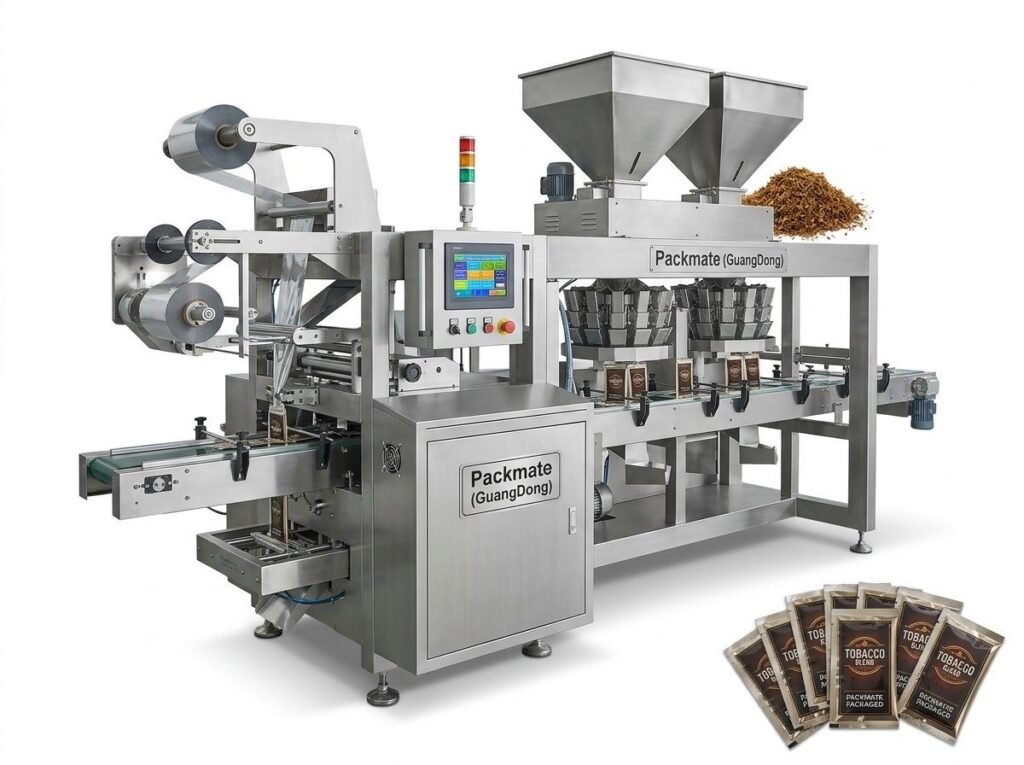
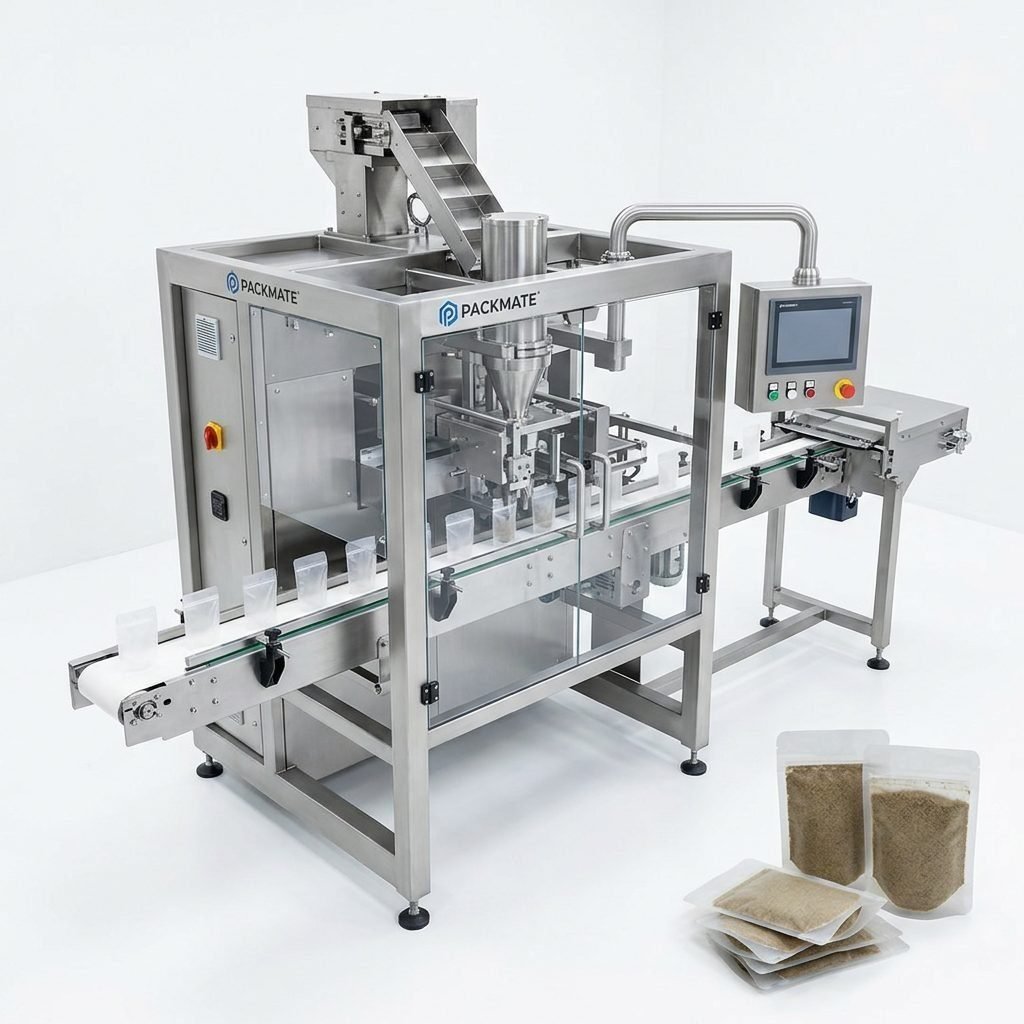
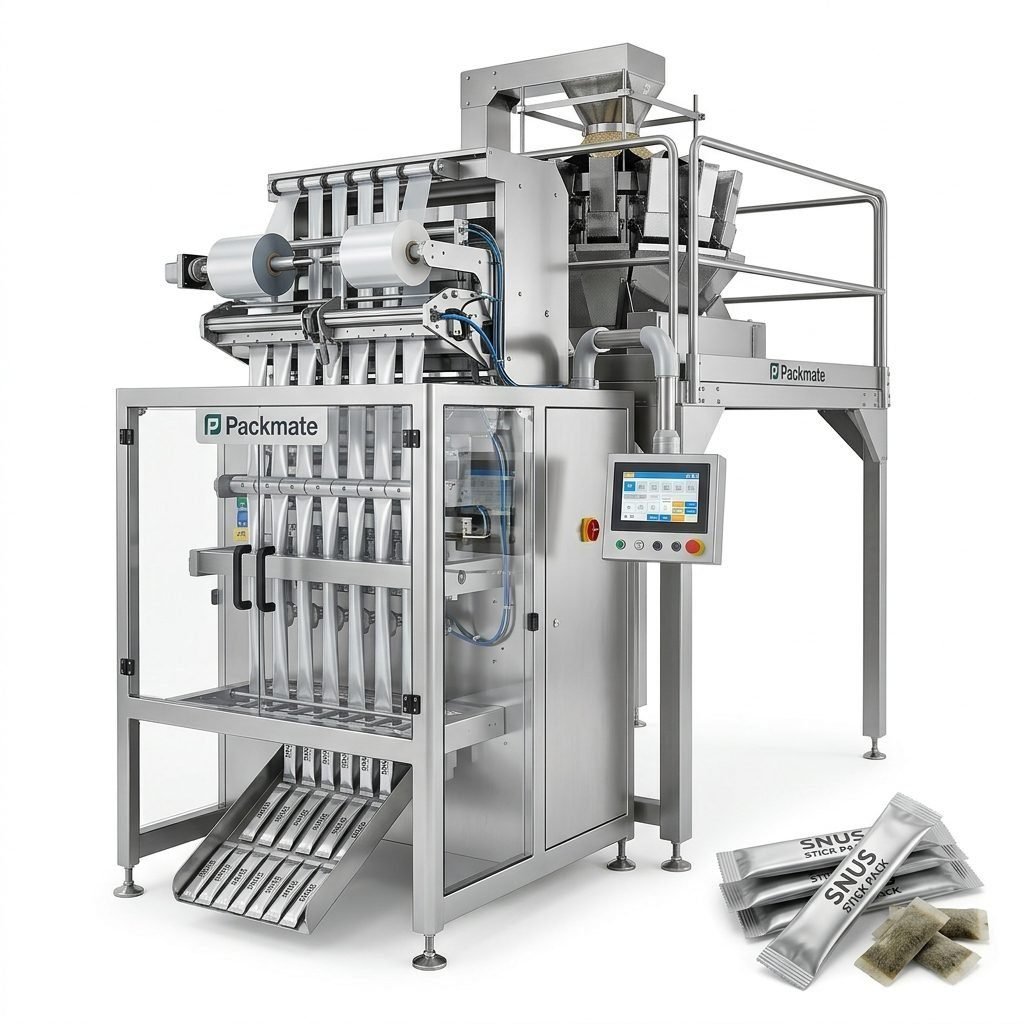
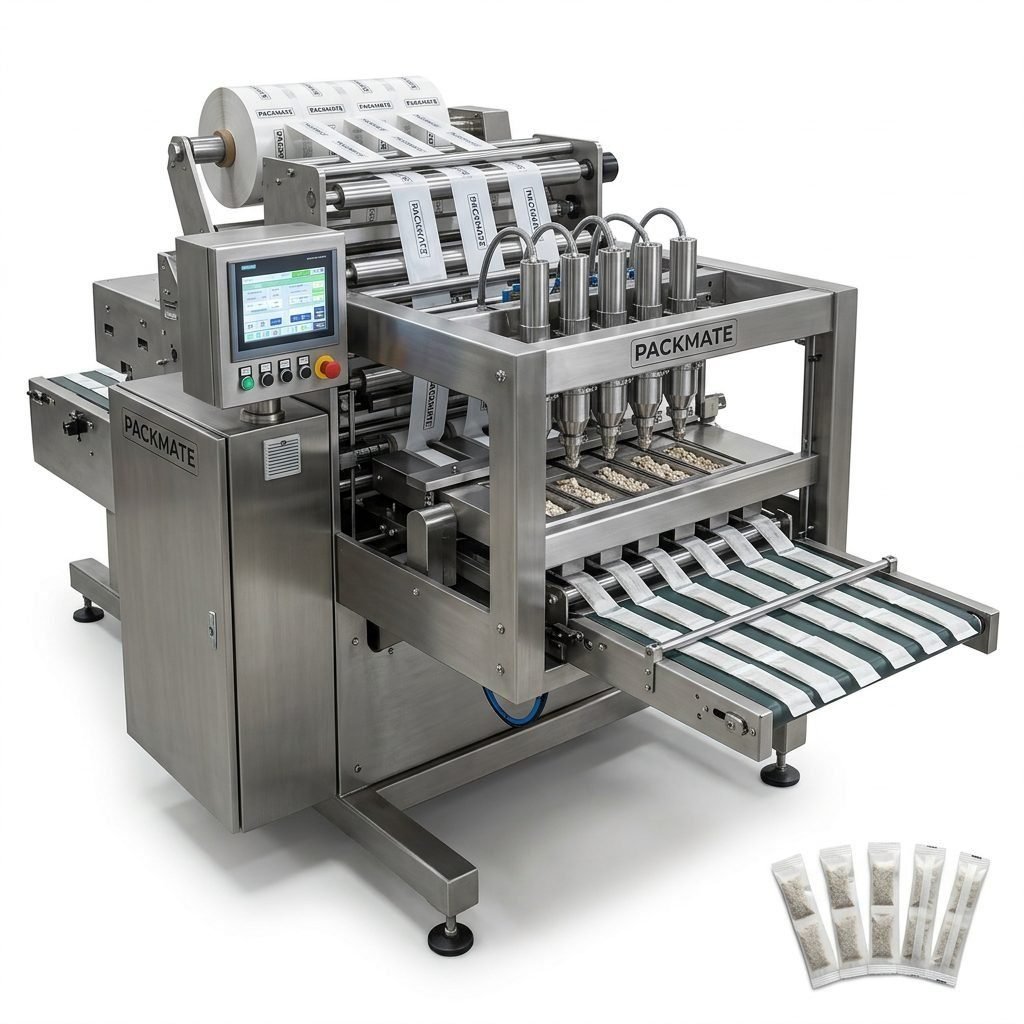
A specialist snus machine manufacturer brings domain expertise: precision dosing for small doses, film sealing optimized for moisture protection, and multi-lane solutions that boost output while maintaining product integrity. They often offer turnkey lines that include weighing, filling, and final packaging modules, saving integration headaches. For global brands targeting Hungary and surrounding markets, partnering with a dependable supplier ensures consistent product quality and reliable scaling.
If you want to evaluate product lines and modular solutions, explore categories such as Bag & Pouch Packaging Machines, Sachet & Stick Pack Machines, and integrated Weighing & Packaging Systems.
Final Checklist Before You Decide
📌 Final quick-check
- Does the manufacturer have proven snus/nicotine pouch experience?
- Are CE/ISO certifications and factory audits available?
- Is there a clear service and spare-part plan for EU customers?
- Does the machine meet your TCO and throughput targets?
- Are FAT and acceptance tests clearly defined in the contract?
Conclusion — Choose a Partner, Not Just a Machine
Selecting the best snus packaging machine manufacturer for your Hungarian business requires a balanced assessment of technical capability, factory strength, compliance, after-sales support, and local market understanding. Favor manufacturers who can demonstrate successful deployments, offer modular and upgradeable lines, and provide strong European-level support. A thoughtful selection process mitigates risk, accelerates time-to-market, and secures consistent product quality for Hungarian consumers who increasingly demand premium, convenient nicotine pouch solutions.
Useful resources
- Filling & Packaging Lines — for end-to-end production solutions
- Service — typical after-sales and support offerings
- Contact Us — arrange demos, factory visits, or quotes
Frequently Asked Questions
Q1: How long does delivery and installation typically take?
A1: Lead time varies by machine complexity; standard single-lane machines may ship in 8–12 weeks, while multi-lane turnkey lines can take 14–28 weeks including FAT and shipping. Always confirm with the manufacturer.
Q2: What certifications should I insist on?
A2: Require CE compliance and, where applicable, ISO documentation for quality systems. Ensure electrical components and safety circuits meet EU requirements and request documentation in English or Hungarian.
Q3: Can machines be configured for multiple pouch sizes?
A3: Yes—many modern machines offer quick-change format parts to support several pouch sizes. Confirm the range and changeover times before purchase to ensure flexibility.
Q4: What support is available for European customers?
A4: Good suppliers offer remote diagnostics, spare-part shipping from regional warehouses or quick international delivery, and service contracts with defined SLA response times. Check for local partners or a European service network.
Q5: How do I evaluate total cost of ownership?
A5: Account for purchase cost, energy use, consumables, spare parts, maintenance frequency, and expected uptime. Calculate cost per pouch over a 3–7 year horizon to compare suppliers realistically.