Navigating the purchase of a nicotine packaging machine for a business in Micronesia demands both technical knowledge and local awareness. Micronesia’s island geography, tropical climate, and regulatory environment shape which equipment performs reliably and which suppliers can offer the timely service you need. This guide breaks down how to choose the best nicotine/snус packaging machine manufacturer for your Micronesia operation, from machine types to post-sale support and logistics.
Understand Micronesia’s Market, Culture, and Regulatory Context
Micronesia comprises many small island states and communities where business relationships and trust are often built through long-term, face-to-face interactions. English is widely used for business, but respect for local customs, flexible scheduling, and clear shipping arrangements are crucial. Because nicotine products face varying legal constraints across Pacific islands, start by checking local regulations for nicotine pouches/snус distribution and labeling. Local health authorities and customs offices may require specific certifications or import documentation, so working with a manufacturer who understands export paperwork and international compliance helps avoid delays.
Tip: In Micronesia, shipments often transit through regional hubs. Choose a supplier experienced with island logistics to minimize customs hold-ups and cold/dry chain issues.
Identify the Right Machine Type for Your Product and Volume
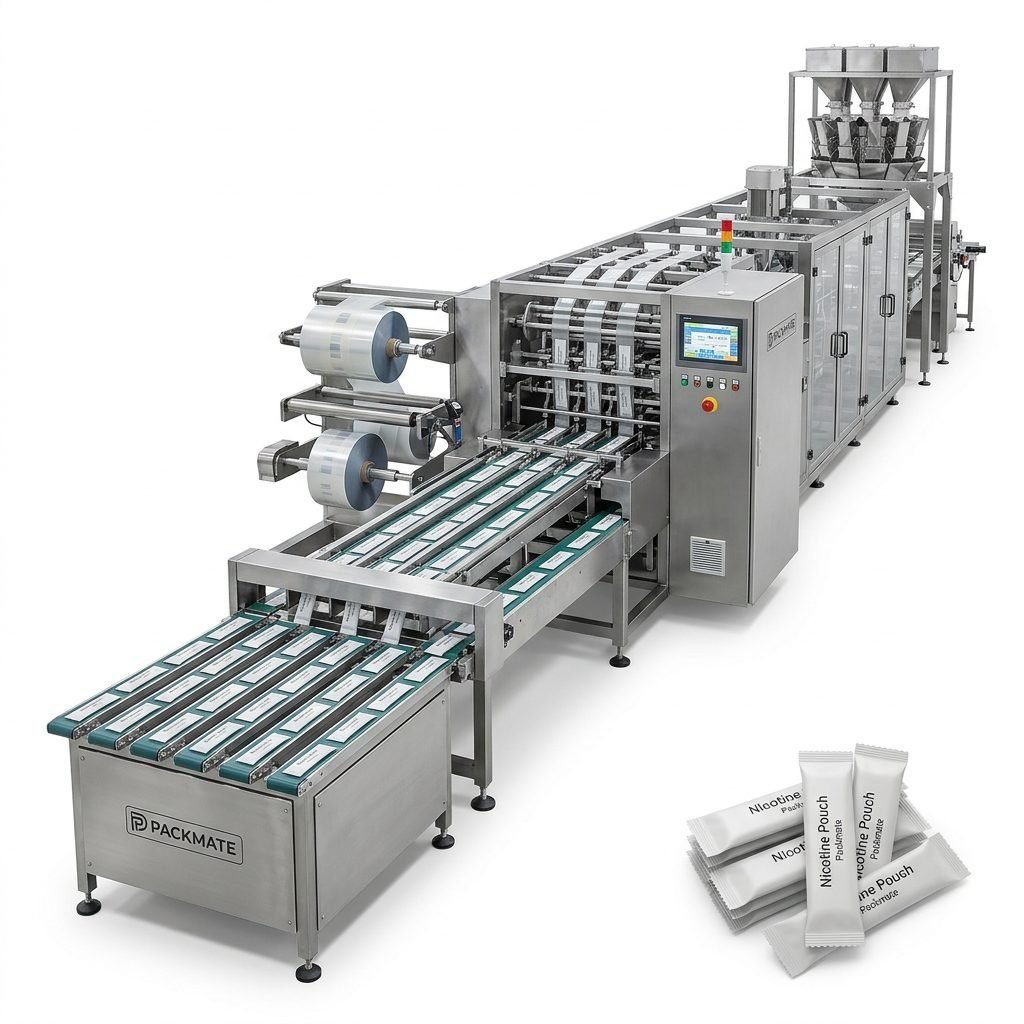
Nicotine pouch and snus packaging machines come in several formats. Selecting the right one depends on your product form (powder, granule, moist pouch), pack style (sachet, stick pack, multi-lane pouches), and production capacity. Small artisan brands may prefer single-lane machines for flexibility, while established producers or those exporting across Micronesia will benefit from multi-lane systems that boost throughput.
Consider these core machine types:
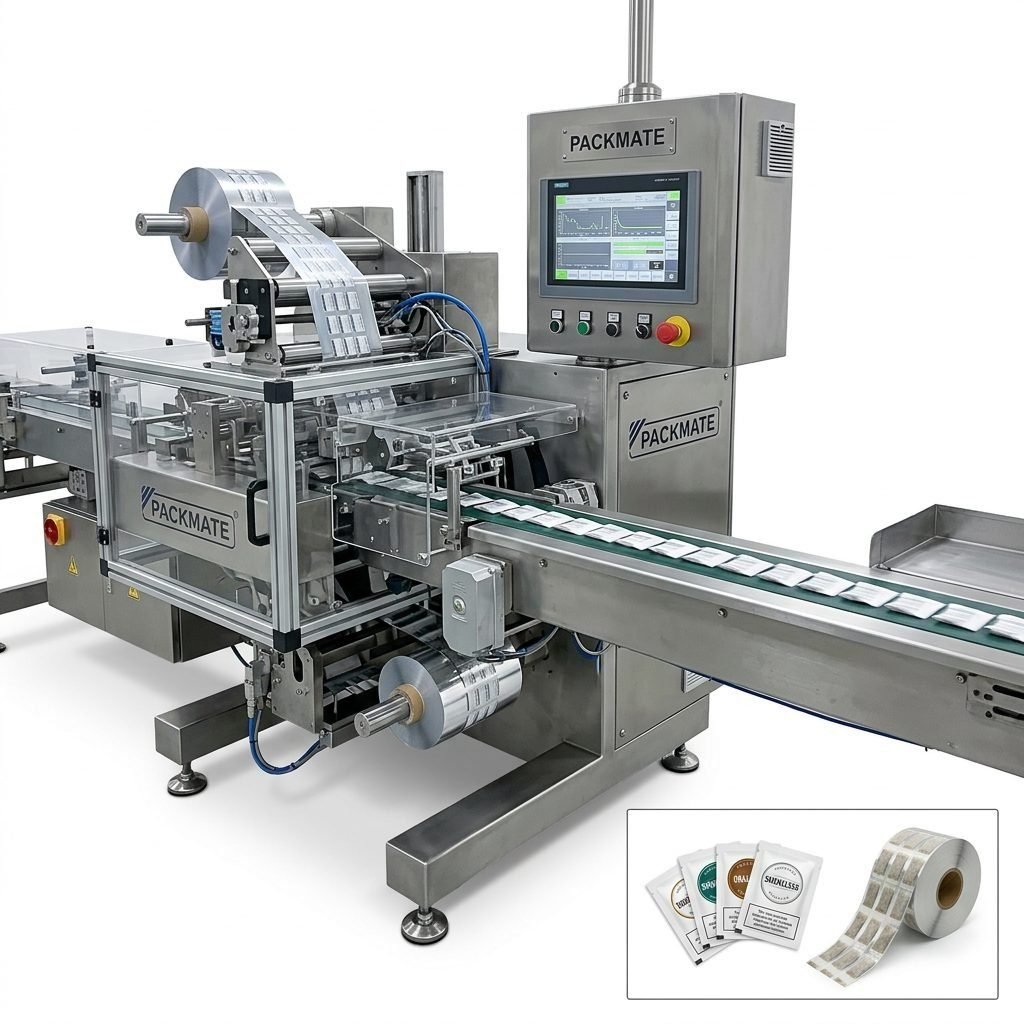
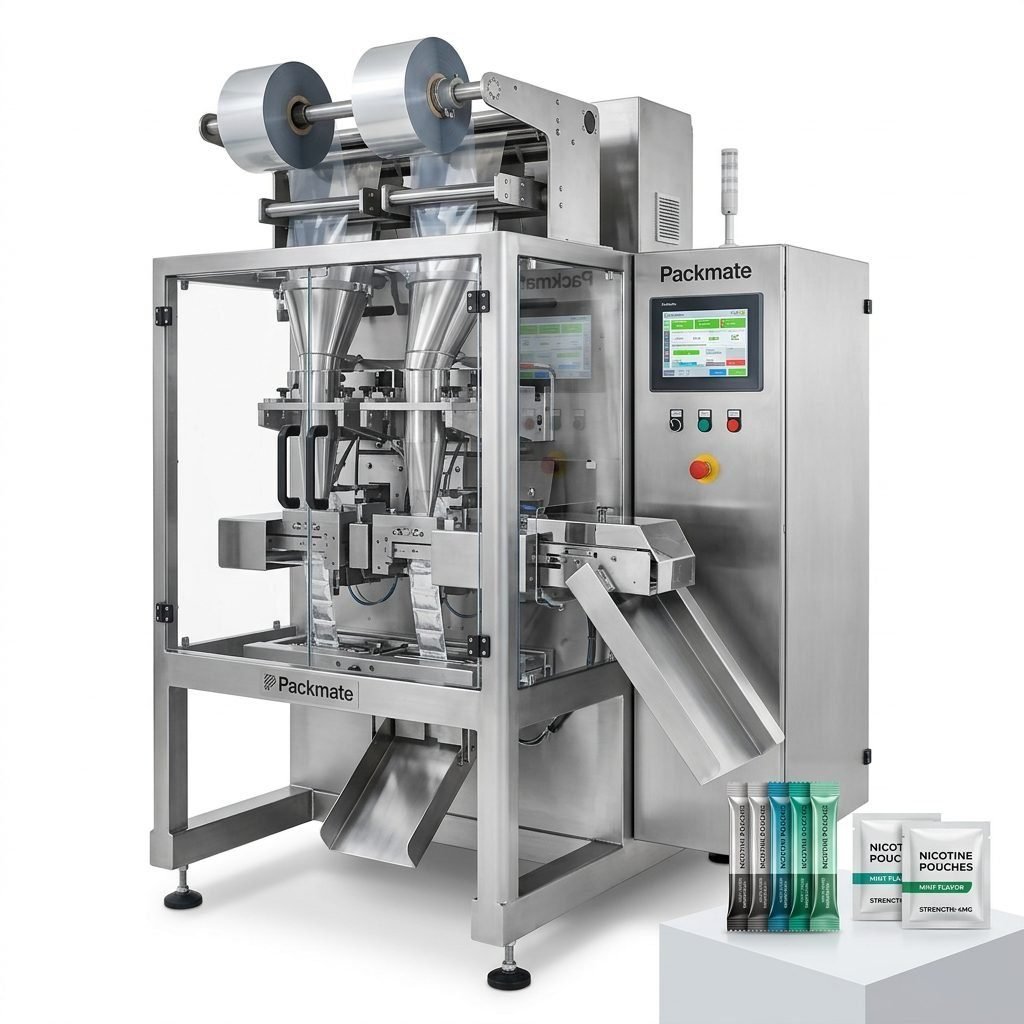
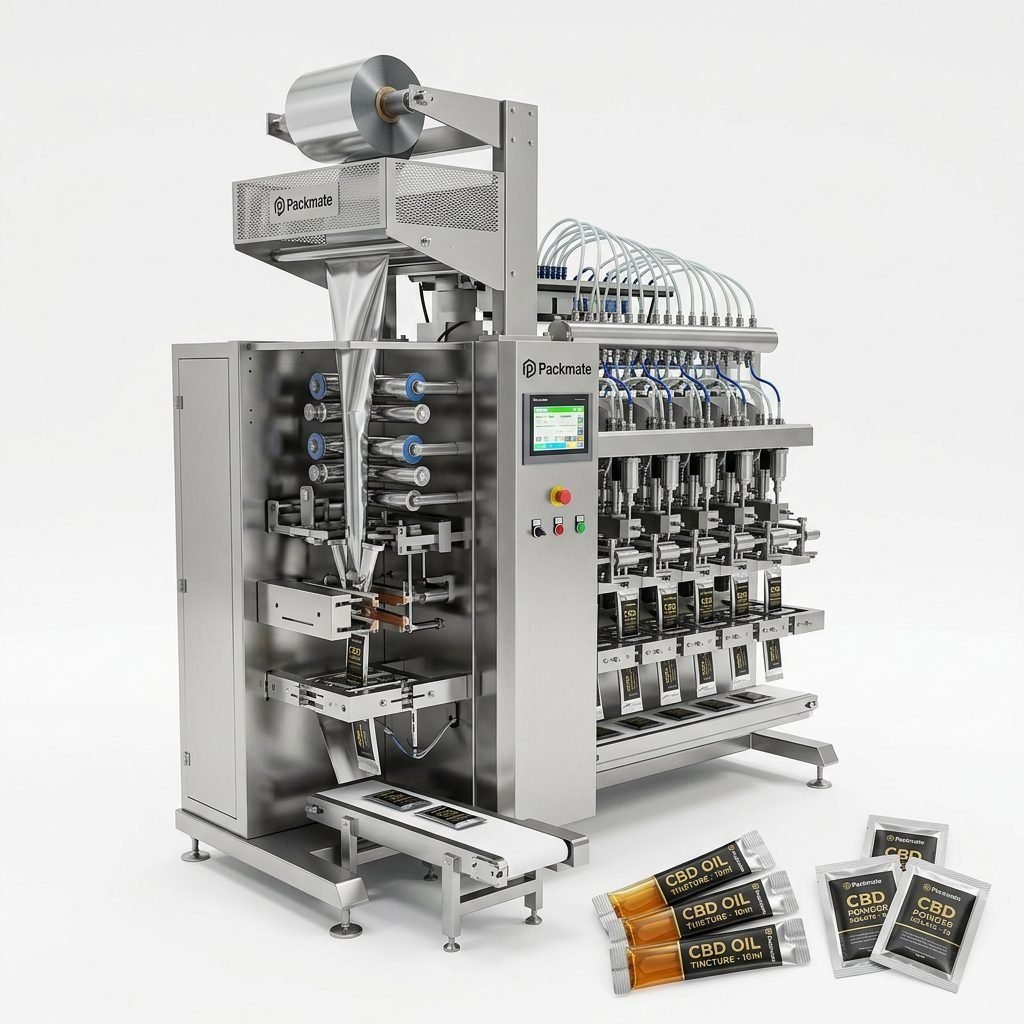
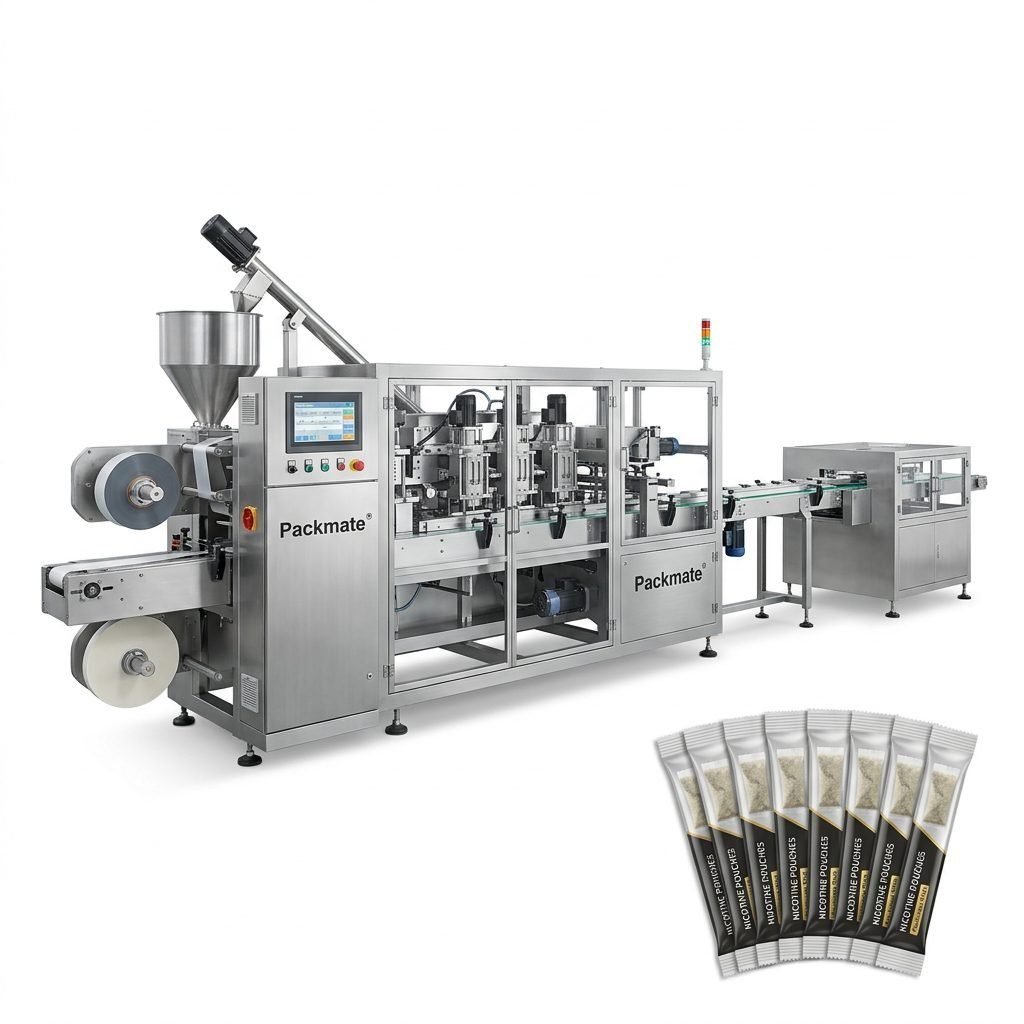
📌 Sachet & Stick Pack Machines for single-dose formats — ideal for tea-like pouches and small nicotine sachets.
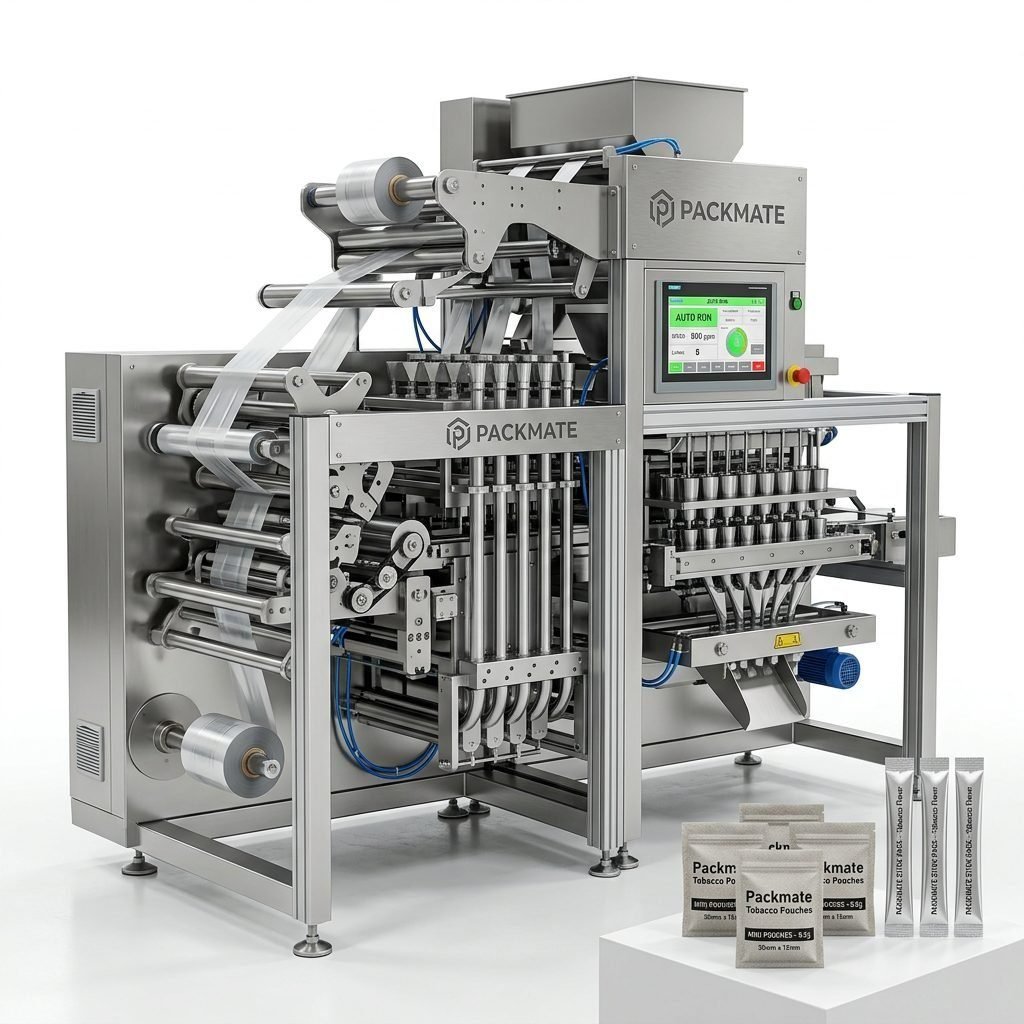
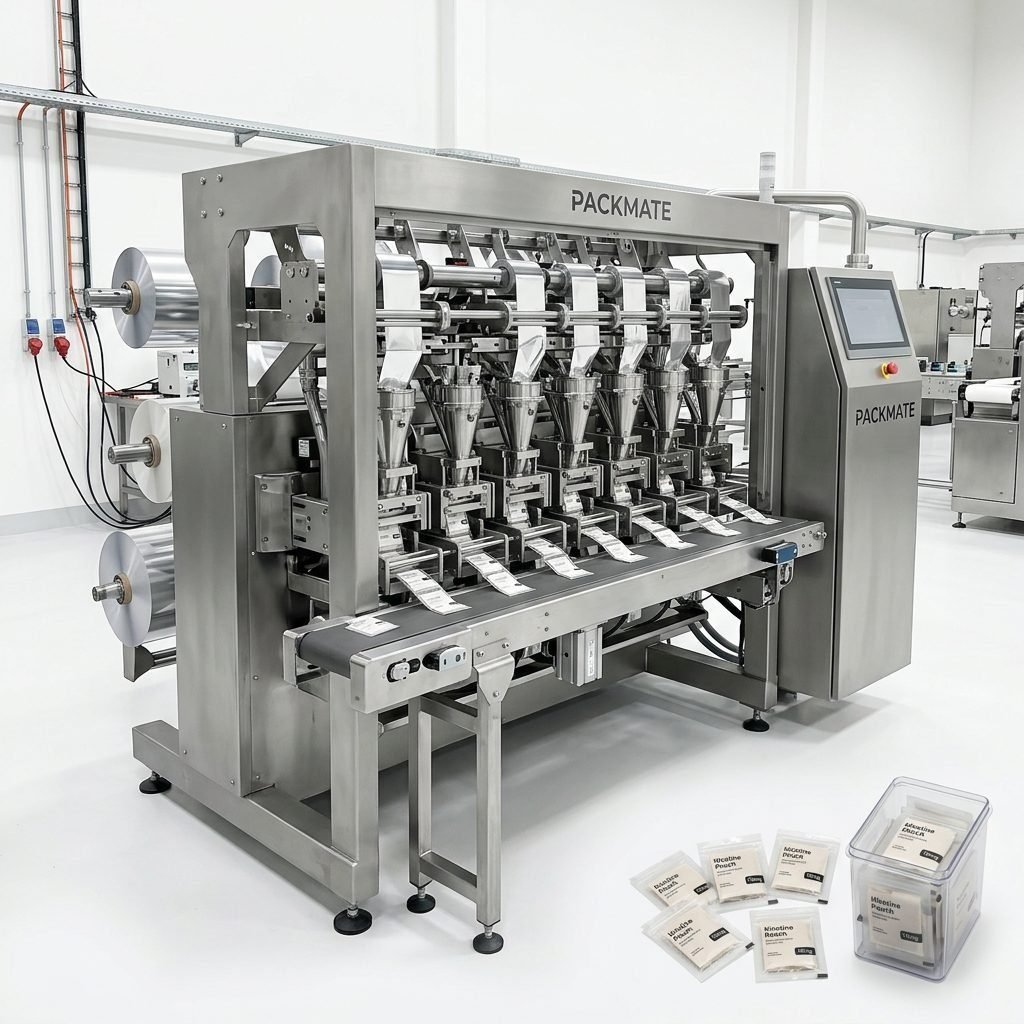
📌 Multi-lane Snus & Nicotine Packaging Machines for higher volumes — they multiply output while maintaining consistent pouch dimensions.
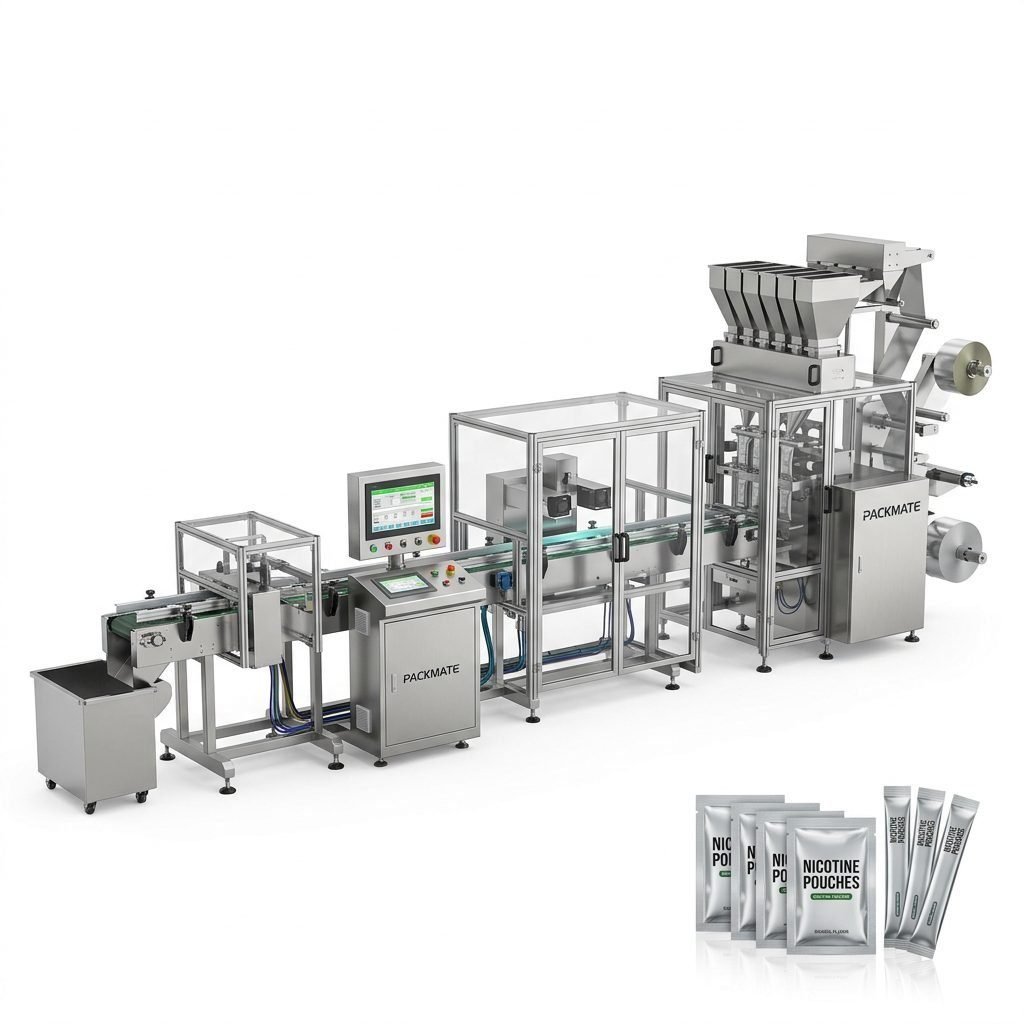
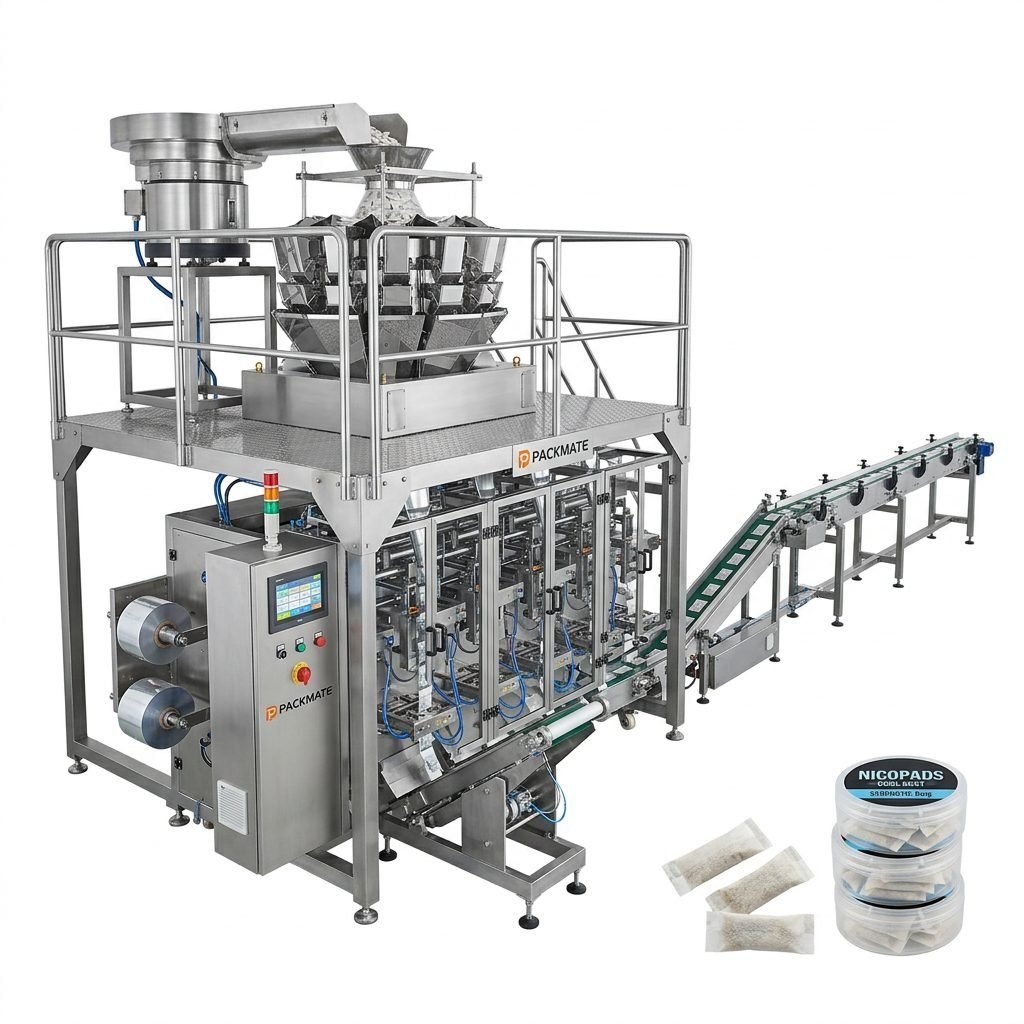
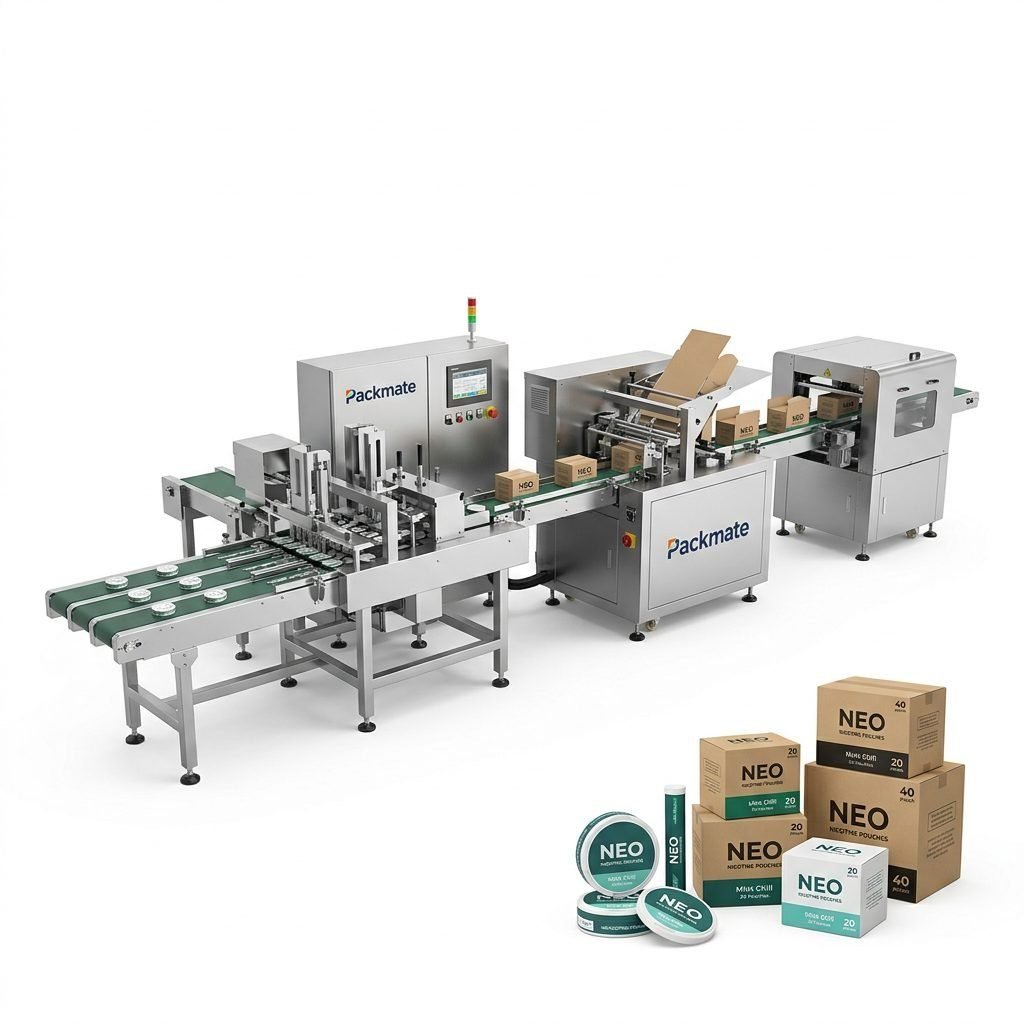
📌 Filling & Packaging Lines that integrate weighing, dosing, sealing, and cartoning — best for turnkey production lines destined for export markets.
Quick check: If humidity is high, prioritize machines with humidity-tolerant materials and robust sealing systems to avoid rework from seal failures.
Technical Requirements and Performance Indicators to Evaluate
When evaluating manufacturers, assess machines by concrete metrics, not just brochures. Ask for verified specifications and real-world performance data:
✓ Production speed (pouches/minute) under your target pouch size and fill weight.
✓ Accuracy and repeatability of dosing systems — critical for regulated nicotine levels.
✓ Changeover time between sizes and pack formats — shorter changeovers support mixed-product schedules common in small island markets.
✓ Build quality: stainless steel contact parts, corrosion-resistant fasteners, and IP-rated electronics for humid environments.
✓ Automation level and integration options with upstream (weighing/filling) and downstream (cartoning/labeling) equipment.
Testing, Validation, and References
A credible manufacturer should offer factory acceptance tests (FAT) with your actual product, and video demonstrations if you cannot travel. Request customer references in similar climates or regional shipping routes. Real-world cases prove reliability better than specs alone.
Supplier Evaluation: What Differentiates a Reliable Manufacturer
Choosing a manufacturer is about more than price. Look for companies that combine engineering depth with global service capability. Key differentiators include:
🔧 Engineering experience — companies with decades of R&D deliver machines with fewer field issues.
🛠️ Spare parts availability and defined lead times — critical when servicing remote islands.
🌍 Export and compliance experience — they should provide CE/ISO documentation and assist with customs paperwork.
🤝 Local support models — either direct presence in the region, local agent partnerships, or remote service solutions (video diagnostics, spare parts kits).
Manufacturer checkpoint: Request a timeline for spare part delivery to Micronesian ports and examples of recent exports to Pacific islands.
Why Packmate (Example Manufacturer) Might Fit Micronesia Businesses
Packmate Snus Machine has over 30 years of engineering experience and a large manufacturing facility with advanced CNC machining and assembly lines. They specialize in snus and nicotine pouch systems and provide turnkey packaging solutions that include sachet and stick pack machines, multi-lane systems, and complete filling and packaging lines. Investigate their product portfolio to see if their modular designs match your flexibility and capacity needs. Learn more about their dedicated solutions on their product pages:
• Explore Snus & Nicotine Packaging Machines for multi-lane and single-lane options.
• Review About Packmate to understand their factory capacity and certifications.
• See real-world installations and reliability in their Case studies.
Certifications, Quality Control, and Demonstrations
International certifications such as CE and ISO indicate regulatory alignment and manufacturing quality control. Ask the manufacturer for certificates relevant to electronic safety, machine hygiene, and export compliance. A supplier that runs full factory acceptance tests and provides video demos (or invites you to witness a test run) demonstrates transparency.
Installation, Training and After-Sale Service for Remote Locations
After-sales service is perhaps the most important aspect for Micronesian businesses. Remote islands face longer lead times for technicians and parts. Evaluate support options:
• Remote and on-site training packages to get your operators up to speed quickly.
• Spare parts kits shipped with the machine to reduce downtime for common wear items.
• Remote troubleshooting via video calls and pre-configured diagnostic tools to fix issues without waiting for a technician.
Service highlight: Confirm whether the manufacturer provides installation supervision at port or on-site, and whether they can coordinate local logistics in Micronesia.
Logistics, Packaging Materials and Climate Considerations
Micronesia’s climate (high humidity and salt air) affects both machine longevity and packaging materials. Choose corrosion-resistant machine finishes and packaging films designed for moisture protection. If you plan to store finished goods on islands with variable climate control, select barrier films and test real-world shelf stability.
For logistics:
✓ Package machines for sea freight with fumigation and moisture control.
✓ Confirm inland handling capacity where ports may have limited heavy-lift equipment — modular, skidded machines help.
Materials Sourcing and Local Partnerships
Where possible, use packaging materials available regionally to avoid long lead times. Work with local distributors for films, cartons, and labels. A supplier that can recommend viable material specs for tropical climates and help source local vendors adds real value.
Budgeting, Financing and Return on Investment
Total cost goes beyond the machine list price. Account for freight, customs duties, installation, spare parts inventory, training, and expected downtime. Ask manufacturers for operational cost estimates (energy, common consumables, spare parts consumption rates) and model ROI scenarios based on realistic local sales volumes.
Consider phased investments: start with a flexible single- or dual-lane machine if demand is nascent, then scale to multi-lane lines as the market grows across neighboring islands and regional export markets.
Financial tip: Ask your supplier about leasing options, phased payments, or trade-in programs to ease upfront investment.
How to Run a Successful Procurement Process
1. Define your product specs and expected monthly throughput. Provide samples for machine trials.
2. Shortlist manufacturers with relevant experience and request FAT or on-site demonstrations.
3. Ask for reference contacts in similar climates or export routes.
4. Evaluate service contracts, spare parts lead times, and warranty coverage.
5. Finalize logistics, customs assistance, and a realistic installation schedule.
Next Steps: Contacting Manufacturers and Preparing for Purchase
Begin conversations early. Share product samples, target capacities, and preferred timelines. Request comprehensive quotes that break down machine specifications, shipping, installation, training, and spare parts. For further assistance, manufacturers often provide detailed catalogs and service pages to help you plan — for more information about available lines and support services, explore the manufacturer’s Filling & Packaging Lines and Service information. When you’re ready, contact them directly through their Contact Us page to request a tailored quote and discuss freight options to Micronesia.
Final reminder: Prioritize reliability, after-sales support, and climate-adapted designs over the lowest initial price when buying equipment for island operations.
Common Questions (FAQs)
Q1: What machine type is best for a small business in Micronesia?
A1: Start with a flexible single- or dual-lane sachet or stick-pack machine that supports small runs and frequent product changes. This minimizes upfront cost while allowing you to scale to multi-lane systems later.
Q2: How do I handle spare parts and maintenance when based on remote islands?
A2: Negotiate spare parts kits shipped with the machine, secure a list of recommended local suppliers for common consumables, and ensure your supplier offers remote troubleshooting and expedited part shipments.
Q3: Are Packmate machines suitable for humid, salty environments?
A3: Packmate emphasizes stainless steel construction and quality control. Confirm specific material grades and protective coatings, and request references for installations in tropical/coastal regions.
Q4: What documentation should I request from the manufacturer for import and compliance?
A4: Ask for CE/ISO certificates, electrical safety documents, machine manuals, spare parts lists, and any export/import paperwork they can assist with to simplify customs clearance.
Q5: How can I verify a manufacturer’s claims before purchase?
A5: Request factory acceptance testing with your materials, video demonstrations, client references, and case studies showing similar deployments. Visiting the factory or attending an exhibition where the manufacturer displays machines provides additional assurance.