Choosing the right snus packaging machine for your Maldives operation requires balancing a range of production, regulatory, and cultural factors. This guide walks you through practical selection steps, machine types, technical specifications, and supplier considerations so you can select a system that fits your production goals, local market habits, and compliance needs.
Understand the Maldivian Market and Local Customs
The Maldives is a small, insular market with unique characteristics. As a predominantly Muslim country, social norms around tobacco and nicotine products can be sensitive. Before investing in any packaging equipment, you should verify local regulations and import requirements, and plan your product presentation to respect local customs. For example, discreet, hygienic, and clearly labeled packaging often performs better in conservative markets. Consider also logistics: Maldives is geographically dispersed across many islands, so compact, reliable machines that minimize downtime are often preferable.
Key local considerations
• Product labeling language and religious sensitivities.
• Import duties, customs clearance times, and island distribution logistics.
• Demand is often niche and quality-focused rather than price-driven — consumers and distributors value consistent quality and hygiene.
Assess Your Production Needs
Start by defining your expected output, package formats, and future growth plans. Ask these questions: How many pouches per minute do you need? Will you produce single-serve snus pouches, nicotine sachets, or multi-lane sachets? Do you require stick packs, sachets, or zippered pouches? Your answers determine the appropriate machine family and automation level.
Quick checklist:
production speed, pouch format, dosing method, multi-lane capability, footprint, and sanitation features. ✅
Machine Types and When to Choose Them
There are several machine types suited for snus and nicotine pouches. Match machine type to product format and production volume.
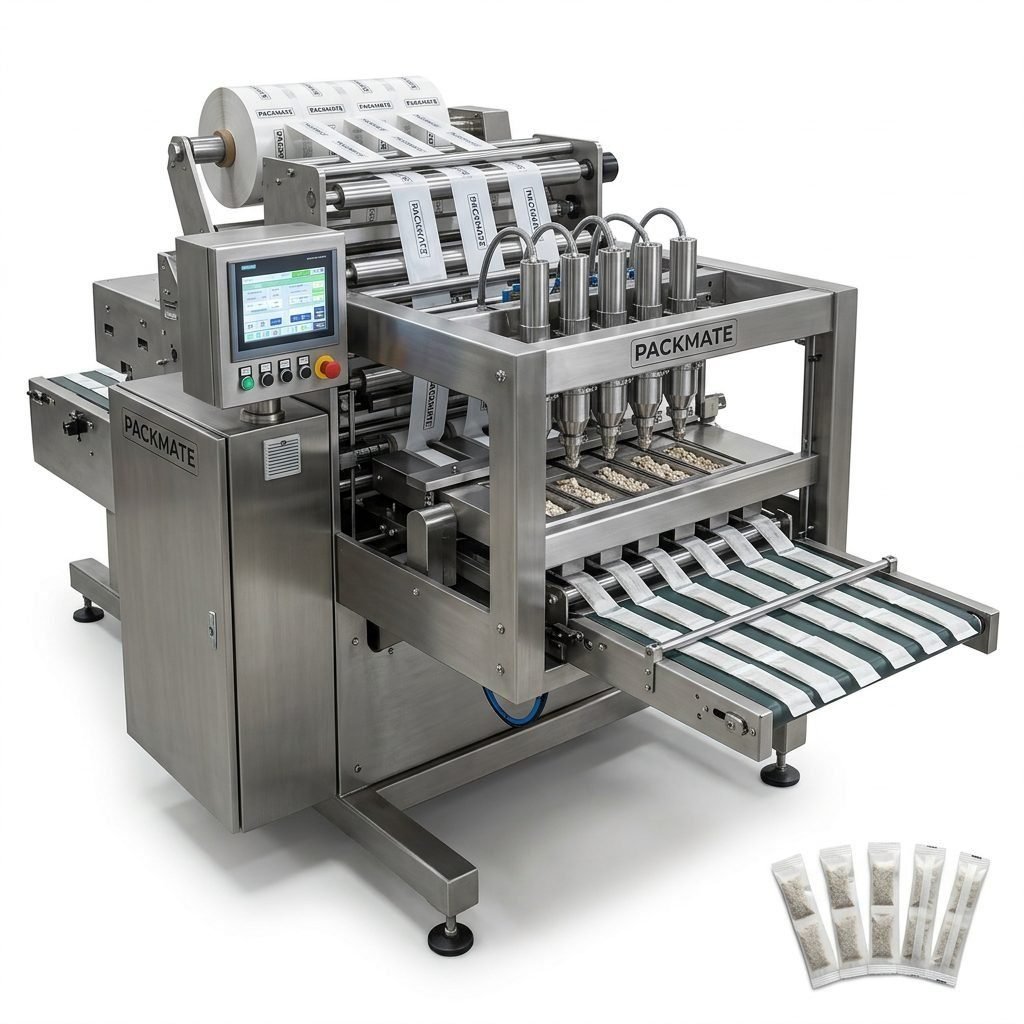
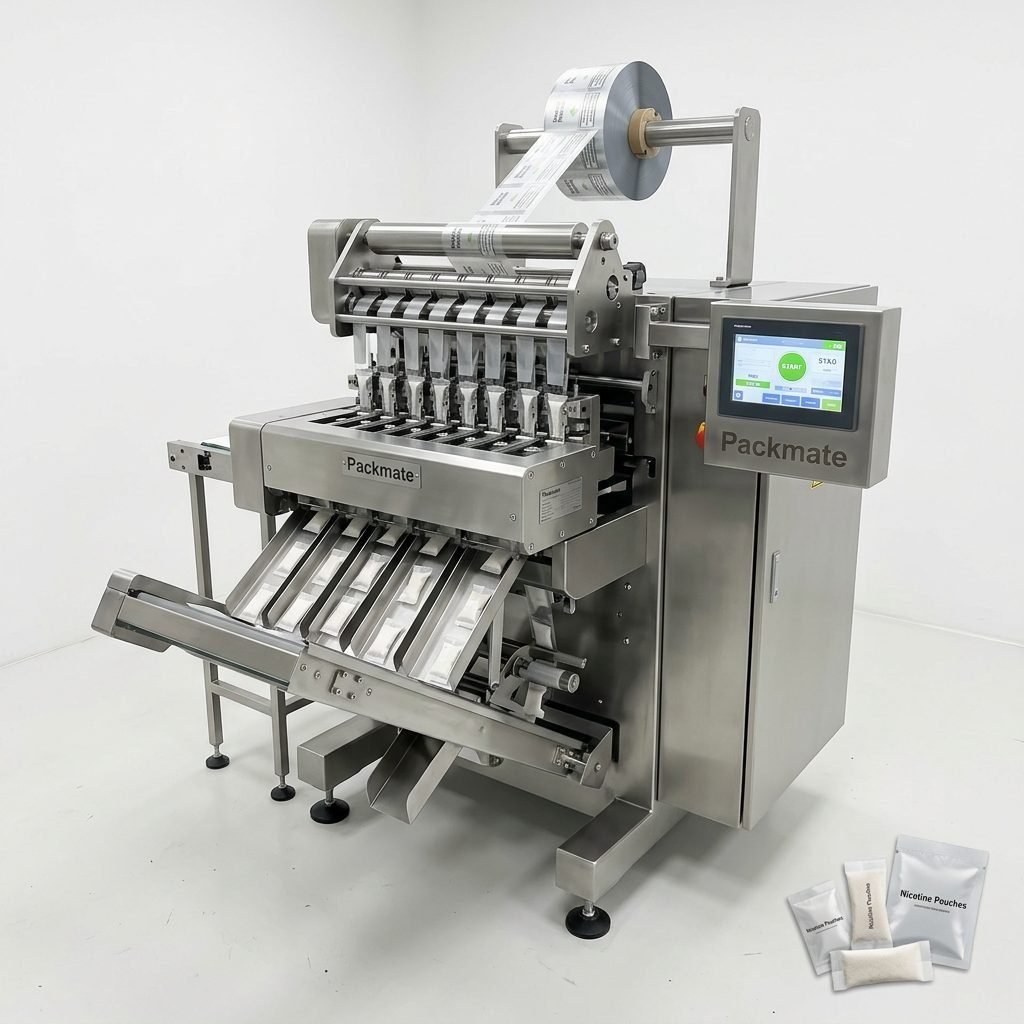
Sachet & Stick Pack Machines
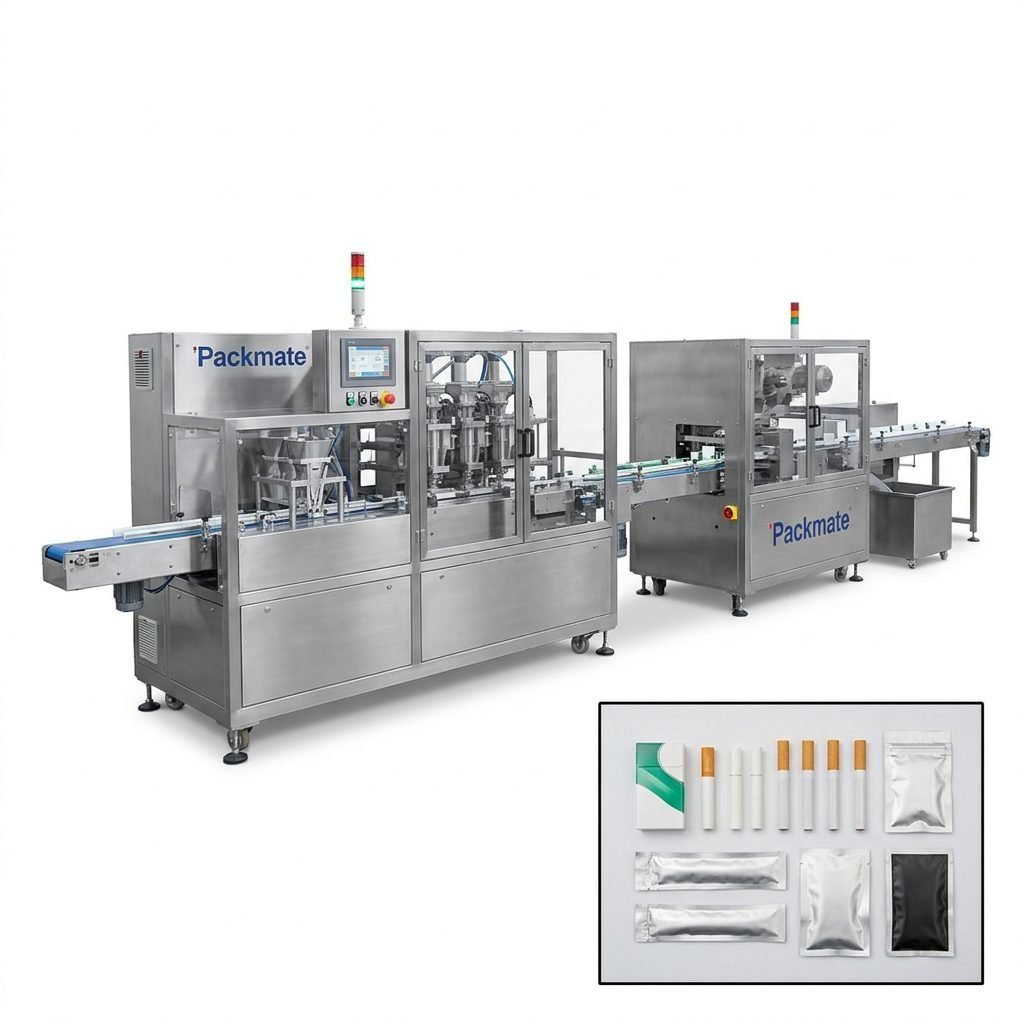
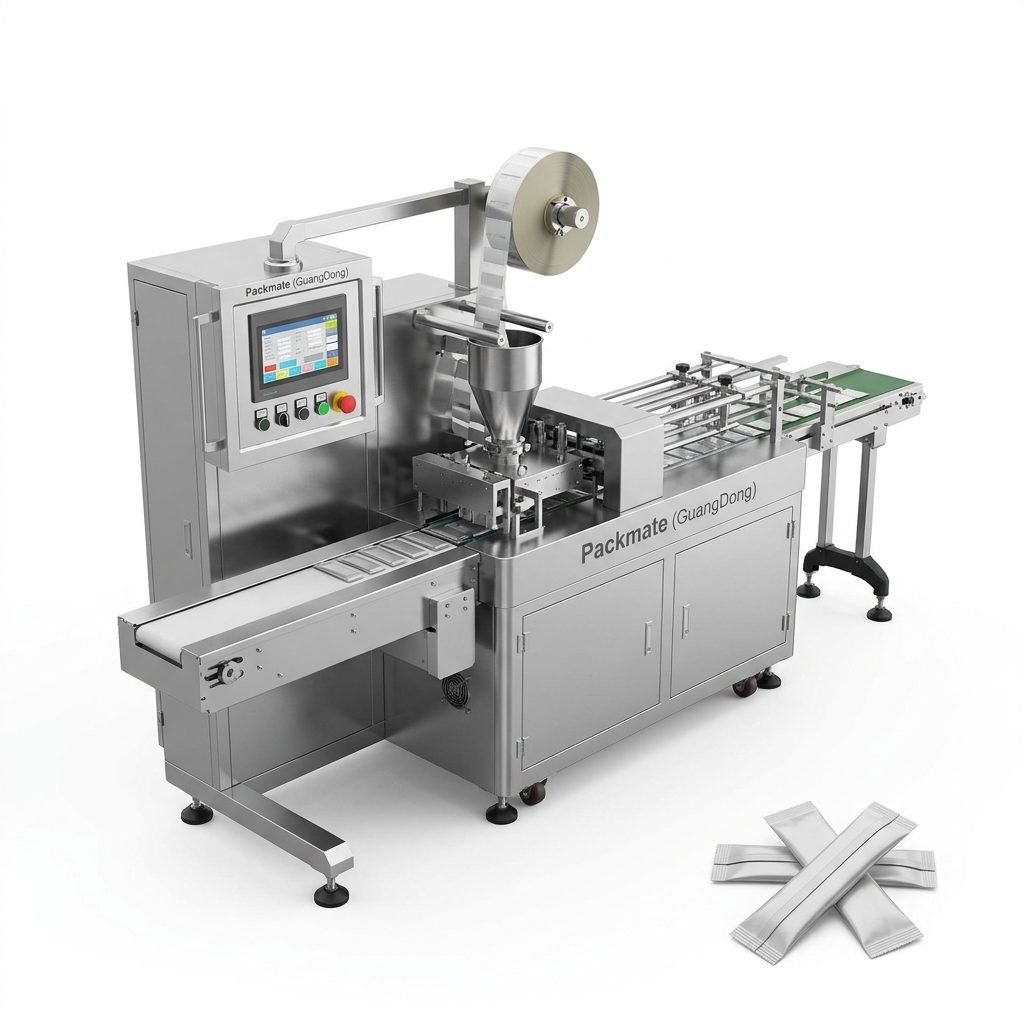
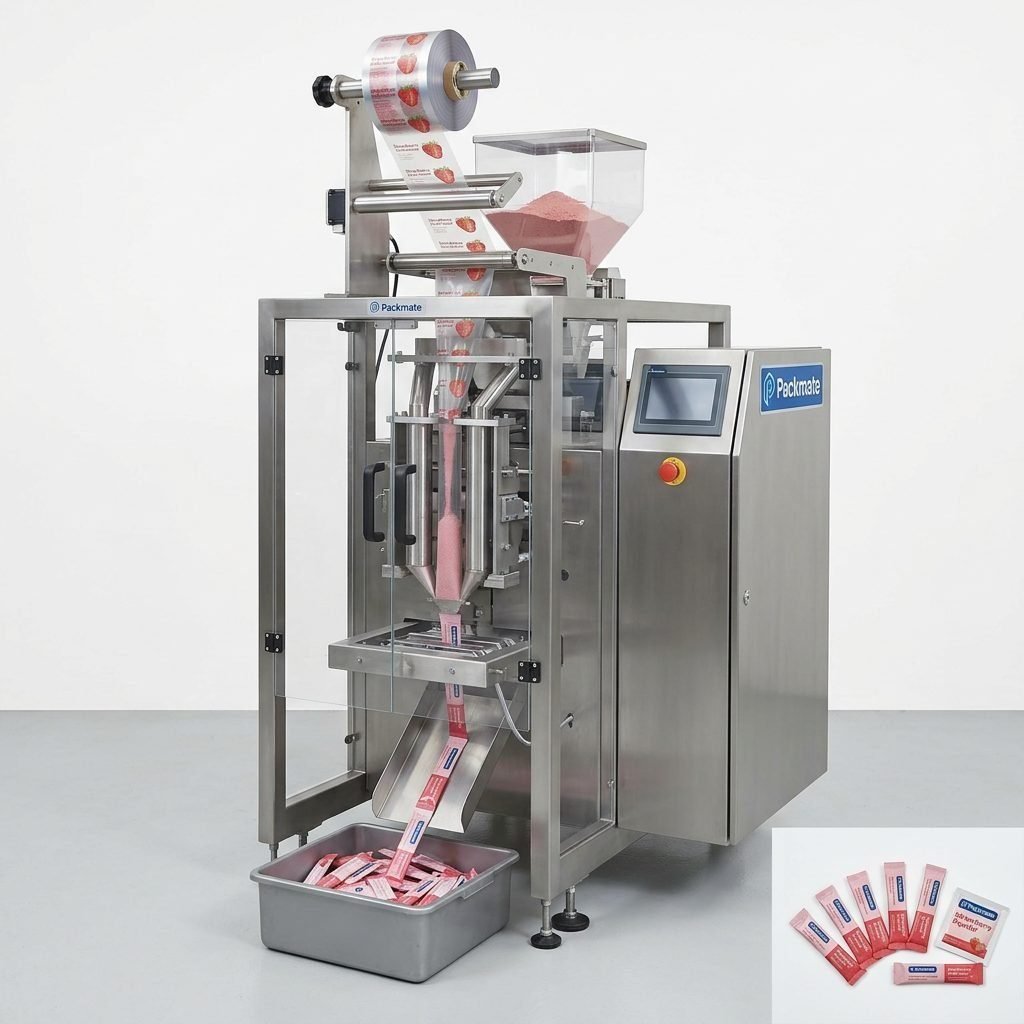
Sachet and stick pack machines are ideal for single-dose snus or nicotine pouches in slim formats. They are compact and versatile, good for pilot production or small-to-medium runs. If you plan multiple flavors or SKUs, choose machines with quick-change capabilities.
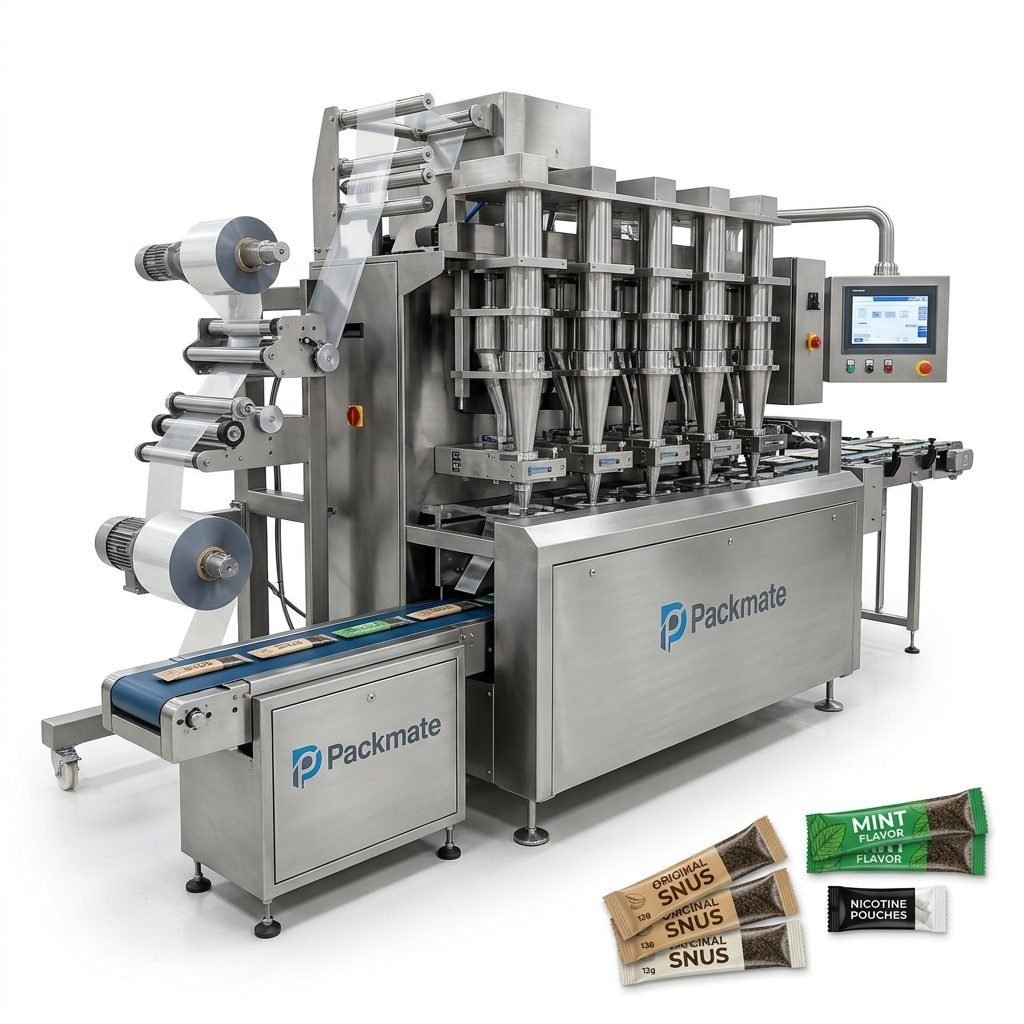
Multi-lane Pouch Machines
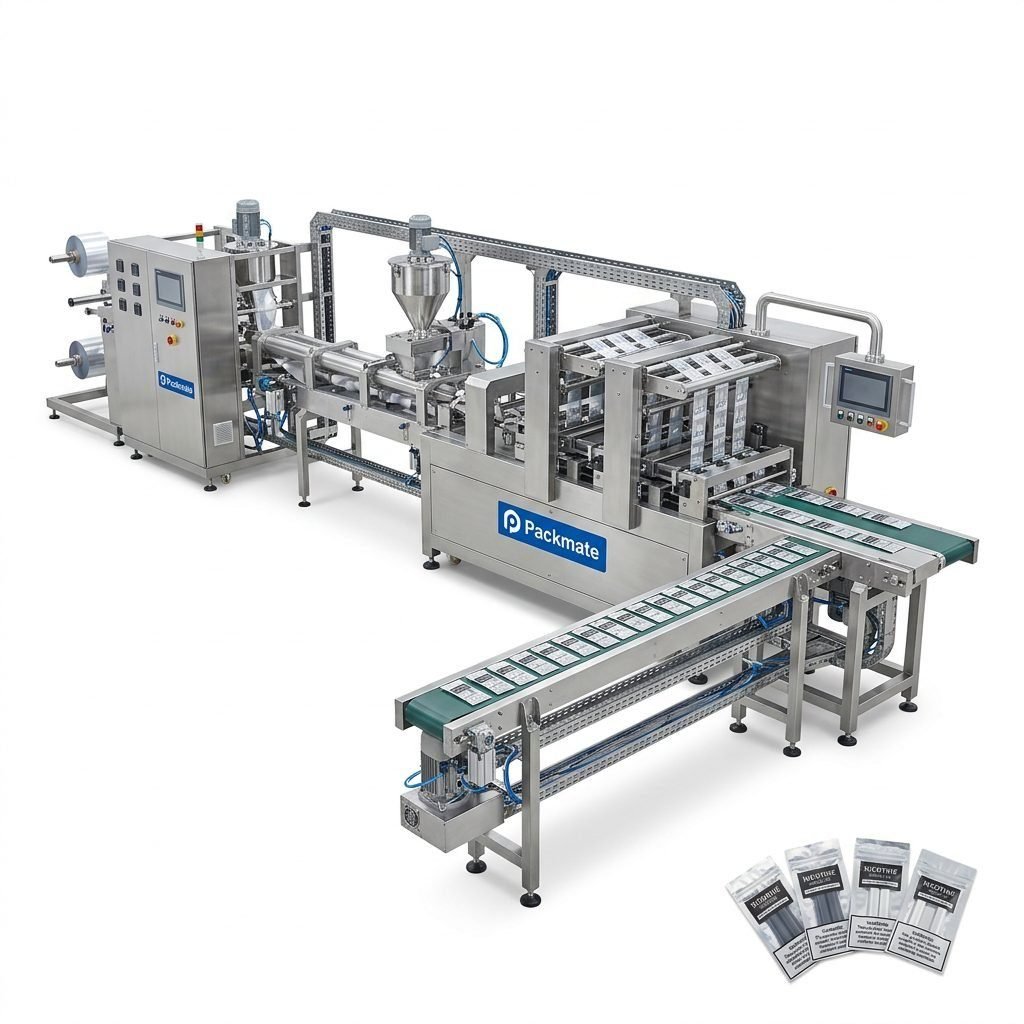
For higher throughput, multi-lane systems significantly increase output without proportionally increasing floor space. Multi-lane systems are excellent for nicotine pouches that require precise dosing across many lanes and are a common choice for manufacturers scaling production.
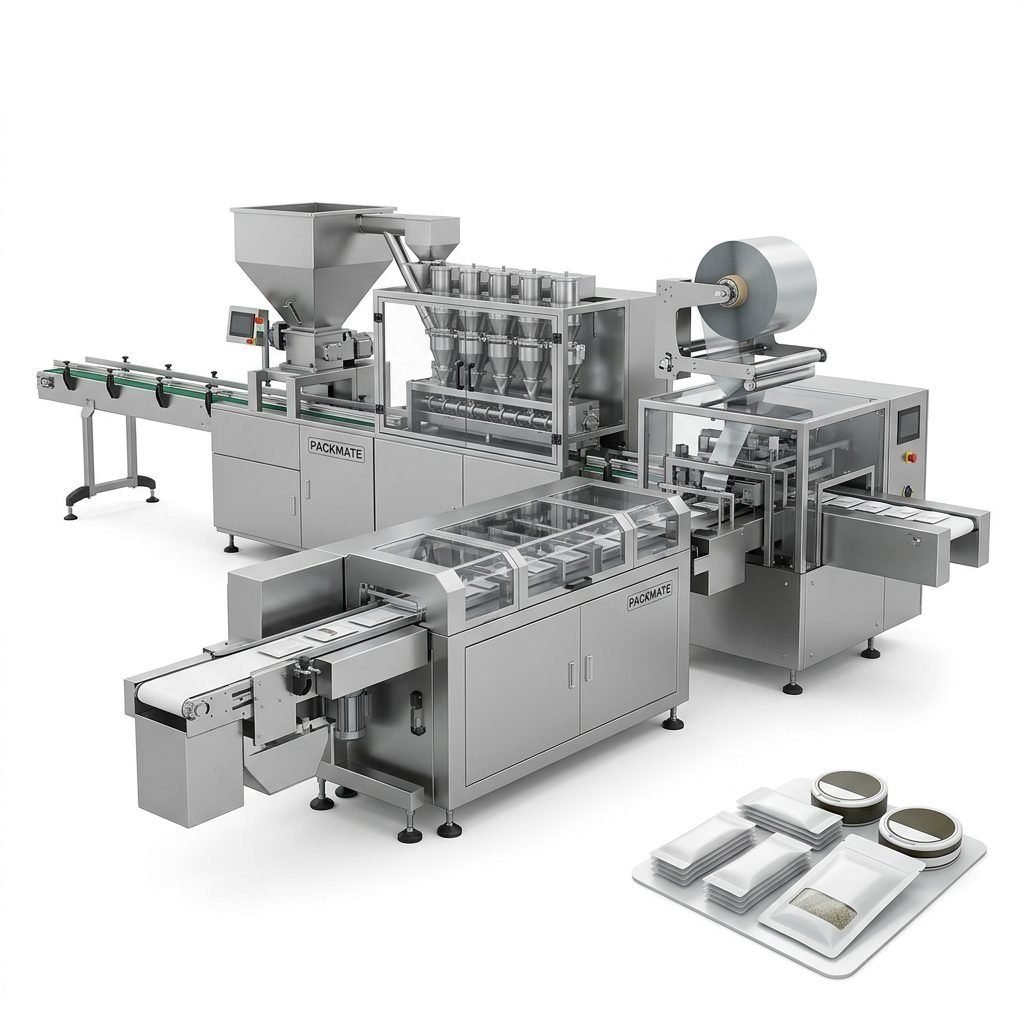
Fully Integrated Lines
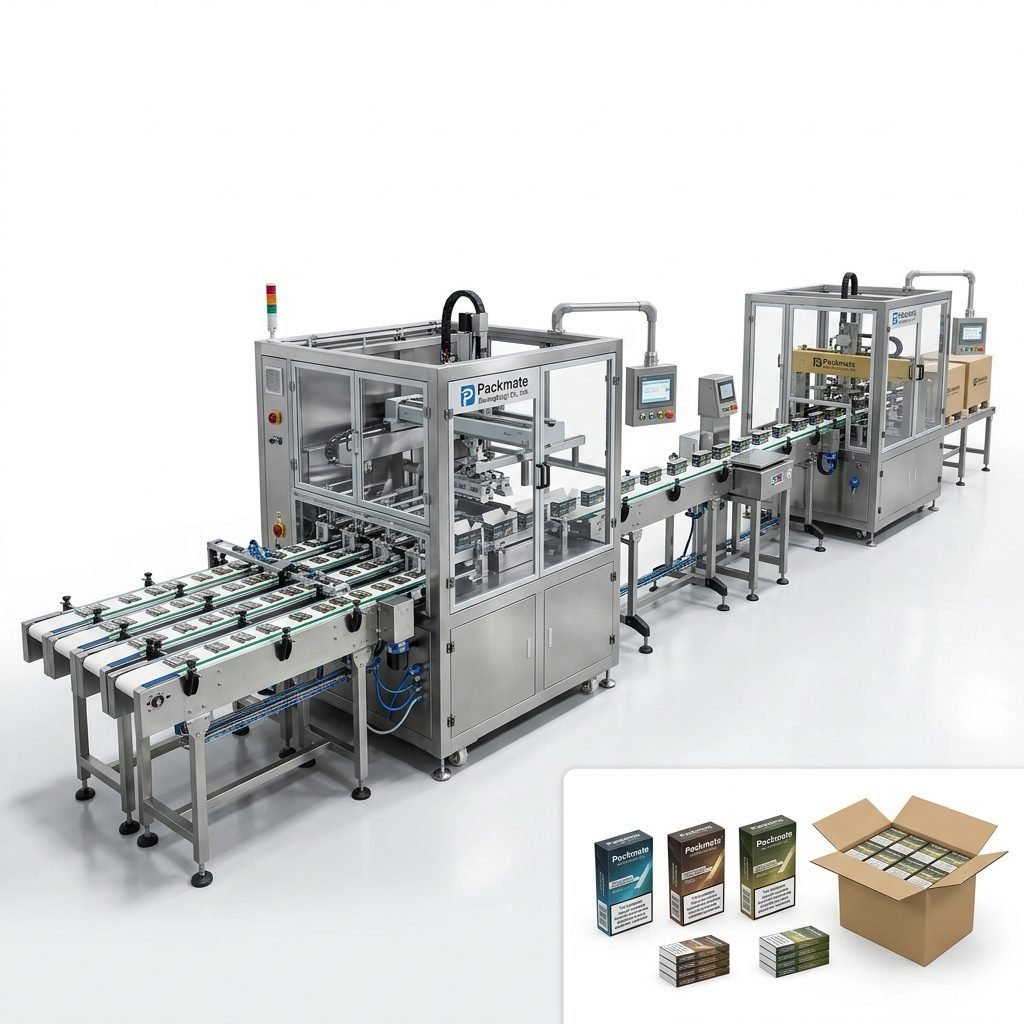
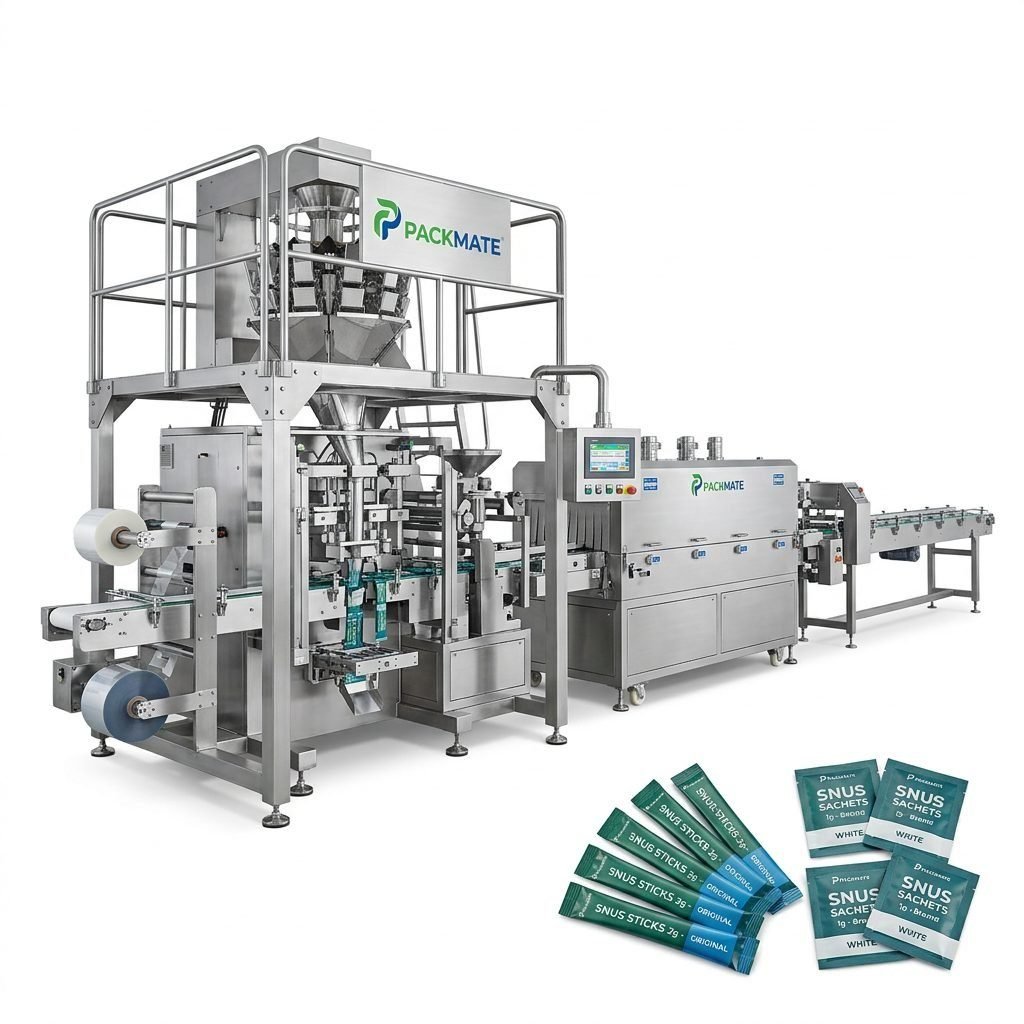
If you need mixing, dosing, weighing, filling, sealing, and secondary packaging integrated, look for turnkey solutions that combine weighing & packaging systems and auxiliary equipment. Integrated lines reduce manual handling and improve hygiene and consistency.
See examples of integrated solutions here: Weighing & Packaging Systems and Filling & Packaging Lines.
Technical Specifications to Prioritize
When evaluating equipment, pay attention to these technical specs:
• Precision dosing accuracy (± tolerance suited to your product).
• Cycle speed (pouches per minute per lane) and total throughput.
• Material compatibility (powder, granule, moistened pouches).
• Sanitary design: easy-to-clean surfaces, minimal crevices, stainless steel contact parts.
• Changeover time and tool-less adjustments for multi-SKU lines.
• Electrical and control systems compatible with local power standards and operators’ language preferences.
Tip:
Ask for performance data and video demonstrations — real-world throughput often differs from spec sheet numbers. 🔍
Automation, Footprint and Layout
In the Maldives, space and maintenance resources can be limited on smaller islands. Consider machines that offer compact footprints, remote support, and modularity so you can expand capacity gradually. Automated feeding systems, in-line weighing, and synchronized multi-lane control reduce manual intervention and lower labor costs.
Remote diagnostics and serviceability
Choose suppliers who provide remote diagnostics, spare parts logistics, and straightforward maintenance training. This minimizes production downtime when local technical support is limited. Packmate’s global service approach and modular spare parts strategy are designed for such scenarios; learn more on their Service page.
Regulatory Compliance and Quality Assurance
Compliance is essential. Verify that the machine and end-product can meet labeling, health, and import regulations in the Maldives. Insist on machines built to international standards (e.g., CE, ISO) and request documentation for material traceability, calibration records for dosing systems, and HACCP-friendly designs.
Choosing a Supplier: What to Ask
When vetting suppliers, evaluate manufacturing strength, customization options, and after-sales support. Important questions include:
• How many similar lines have you delivered? Can you share case studies?
• What is your factory capability and lead time? (Look for established facilities and CNC capabilities.)
• Do you provide turnkey solutions and start-up training?
• What warranty and spare parts packages are included?
• Can the machine be adapted to local power and labeling standards?
Supplier highlight:
Packmate Snus Machine has over 30 years of engineering experience, 20,000㎡ of factory space, and offers multi-lane and turnkey solutions. See more on About Packmate and review product families like Snus & Nicotine Packaging Machines.
Installation, Training and After-Sales Support
A strong installation and commissioning plan reduces debugging time. Ensure your supplier provides:
• On-site commissioning and operator training.
• Clear machine manuals and spare parts lists.
• Remote support channels and fast spare parts shipment options.
• Optional service contracts for preventive maintenance.
Cost, ROI and Scalability
Initial capital is only part of the equation. Consider total cost of ownership: energy consumption, spare parts, downtime risk, and labor. Multi-lane machines often have better ROI for medium-to-high volumes. Start with a machine that meets current demand but allows modular upgrades — this keeps upfront costs manageable while enabling future expansion.
Practical ROI factors
• Throughput vs. demand profile.
• Packaging material costs and waste rates.
• Labor reduction from automation.
• Downtime risk and local support availability.
Real-World Example and Case Study Tips
If possible, visit a reference installation or request a video of a similar machine running your product. Manufacturers often maintain a case page; review performance metrics and testimonials to validate claims. Packmate publishes examples and global cooperation cases which can illustrate machine performance in diverse markets — check their Case examples and exhibition history on Our Exhibition.
Final Checklist Before Purchase
• Confirm legal compliance and labeling rules in Maldives.
• Validate throughput with actual product trials.
• Verify spare parts availability and lead times.
• Agree on warranty, training, and on-site commissioning.
• Plan for packaging material sourcing and logistics to island locations.
Need help?
If you want tailored advice, reach out to the manufacturer’s contact team to discuss your product profile and island logistics: Contact Us.
Conclusion
Selecting the best snus packaging machine for the Maldives means balancing cultural sensitivity, regulatory compliance, production volume, and logistics. Focus on machines that are sanitary, modular, and serviceable from afar, and prioritize suppliers with proven global experience. With the right partner and clear production requirements, you can implement a reliable packaging solution that fits both market demand and island realities.
Common Questions
Q1: Are nicotine pouches allowed in the Maldives and what should I check before importing?
A1: Regulations can change — always confirm current import rules with local authorities and customs brokers. Also ensure labeling complies with local language and health information requirements.
Q2: What level of automation is recommended for small island operations?
A2: For smaller operations, compact sachet or stick pack machines with good remote support and easy maintenance are recommended. Modular systems that can be upgraded are ideal.
Q3: How important is spare parts availability and service contracts?
A3: Extremely important. Islands can face long shipping times, so ensure fast spare parts supply and consider a service contract for preventive maintenance and remote troubleshooting.
Q4: Can I start with a single-lane machine and upgrade later?
A4: Yes. Many suppliers offer modular solutions where you can expand lanes or integrate auxiliary systems as demand grows.
Q5: Where can I see validated machine examples and technical catalogs?
A5: Review product pages and catalogs from experienced manufacturers. Helpful links include Catalog and product families like Bag & Pouch Packaging Machines.