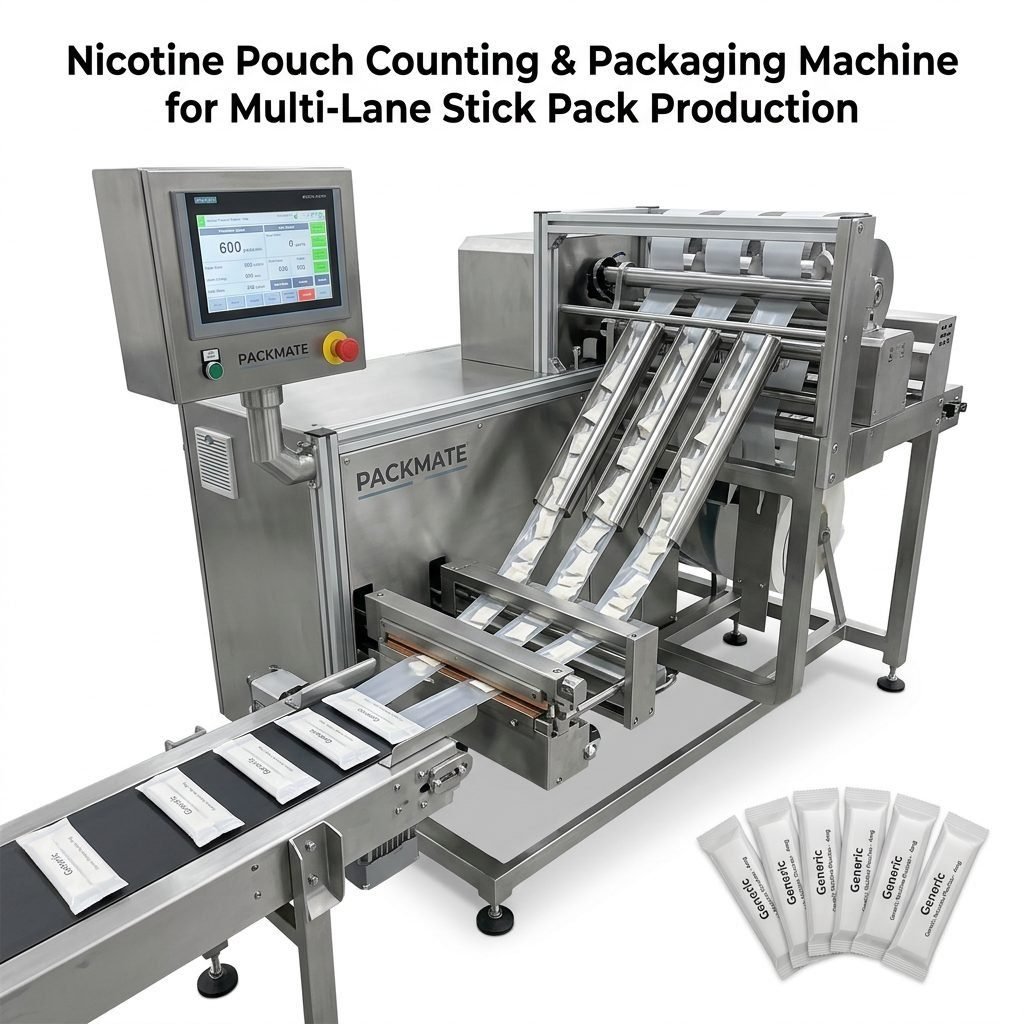
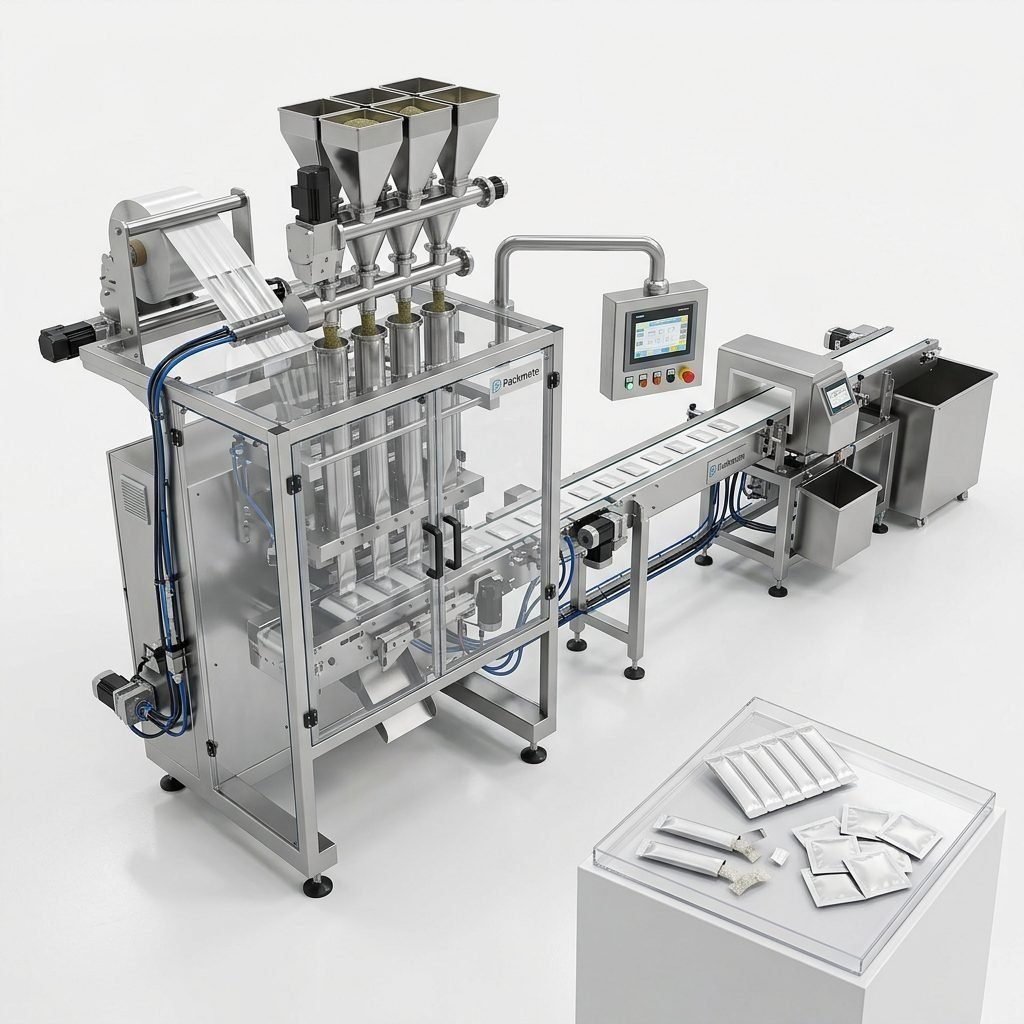
Choosing the right manufacturer for nicotine packaging machines in New Zealand is a strategic decision that affects product quality, regulatory compliance, operational uptime, and long-term costs. This guide breaks down the key factors New Zealand-based manufacturers and importers consider when sourcing robust, scalable snus and nicotine pouch packaging equipment — from machine performance and customization to after-sales service, sustainability expectations, and local market customs.
Understand New Zealand Market Context and Regulatory Expectations
New Zealand has a strong public health environment and clear import and product safety requirements. Buyers often prioritize vendors who can demonstrate compliance with international standards such as CE and ISO, and who understand the specific labeling and traceability requirements relevant to nicotine products in NZ. When evaluating suppliers, ask for certification evidence and a clear explanation of how the machinery supports hygienic, tamper-evident packaging workflows.
Prioritize Machine Type and Production Capacity
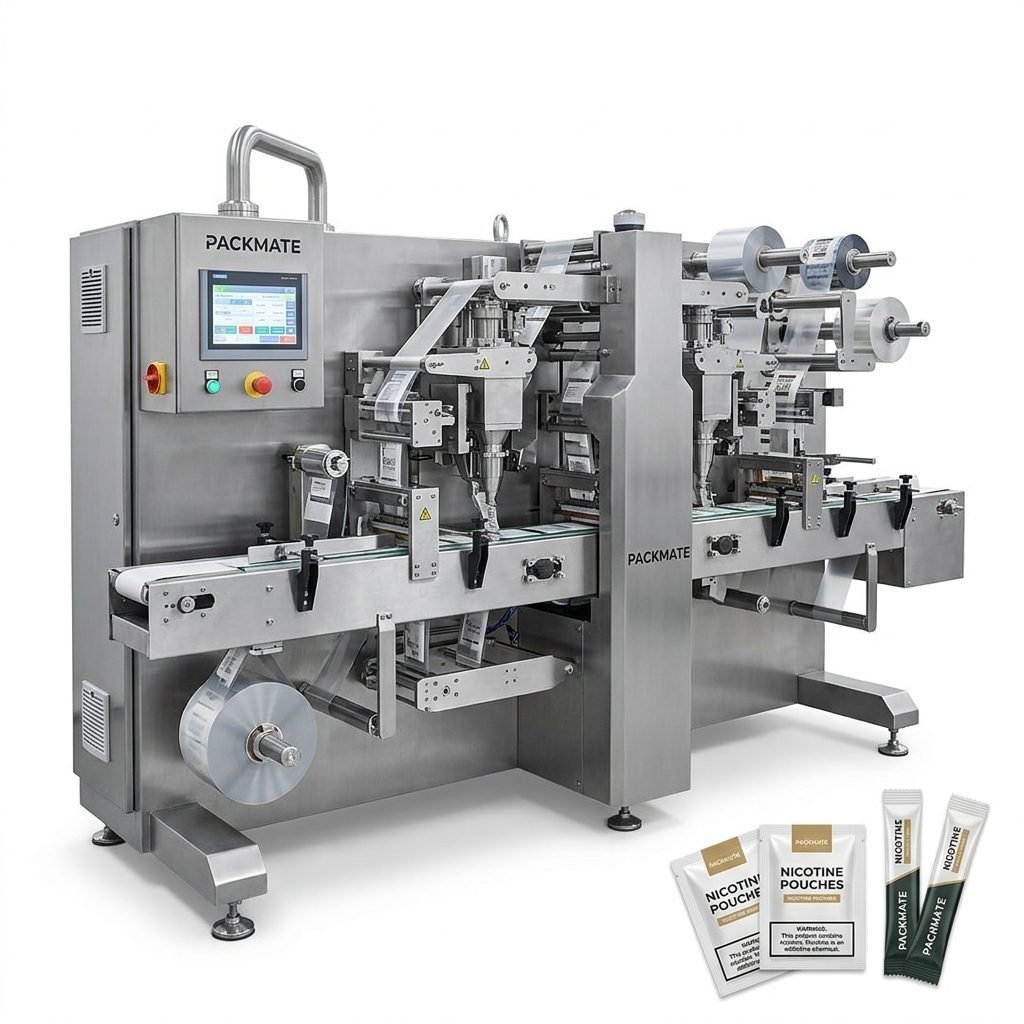
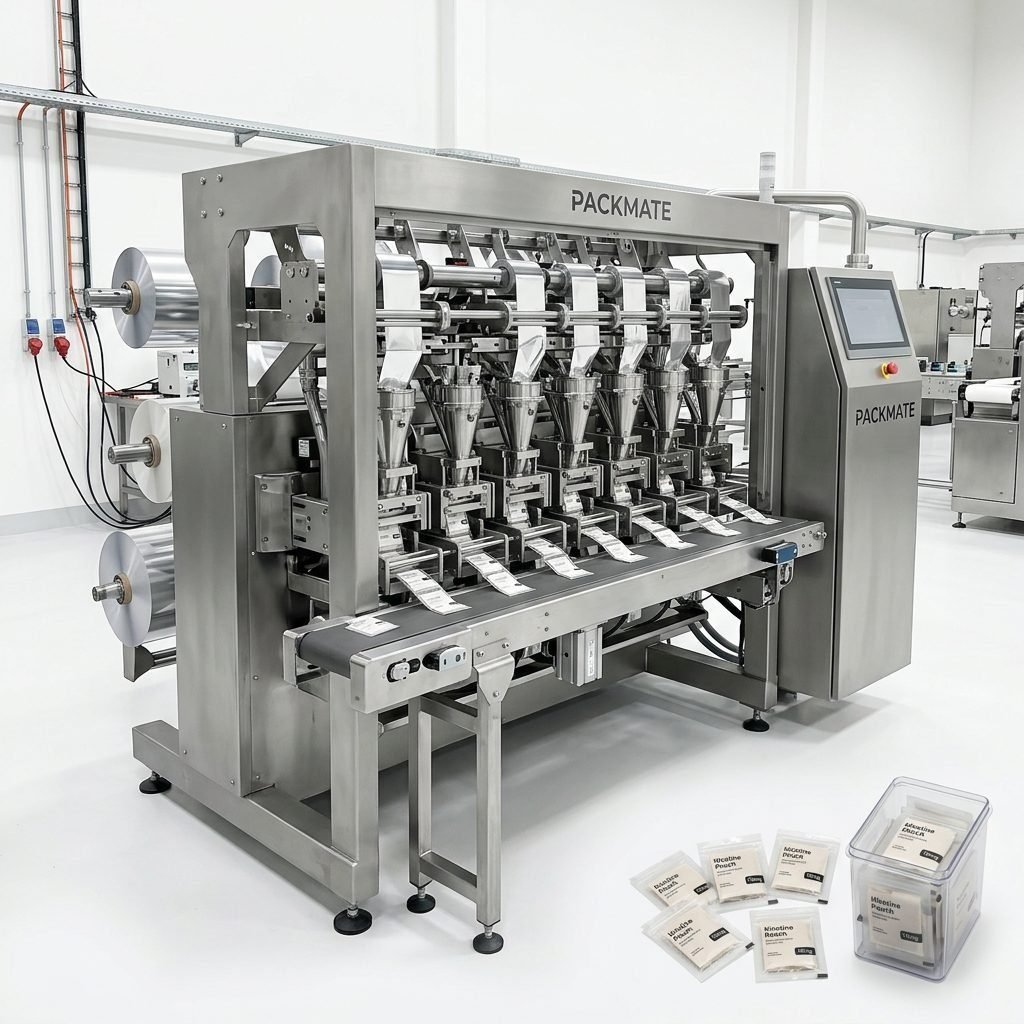
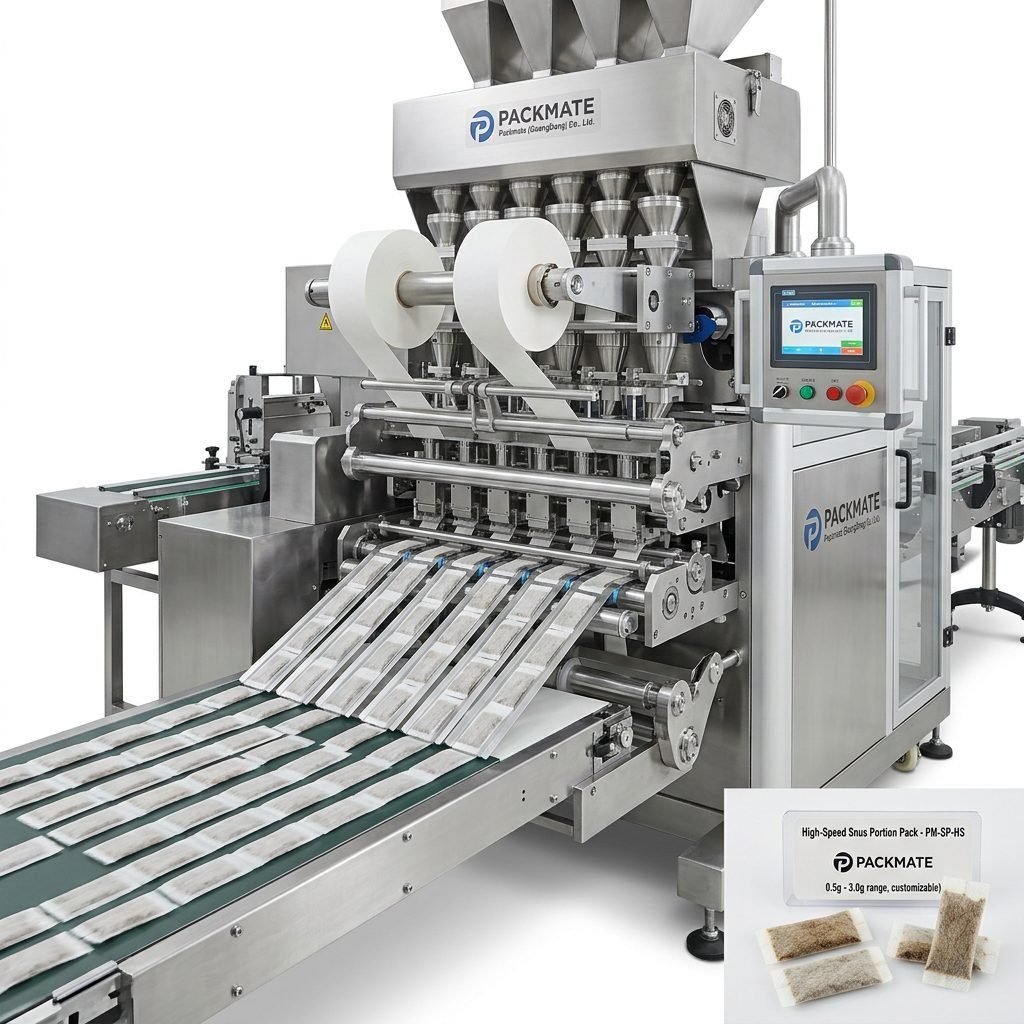
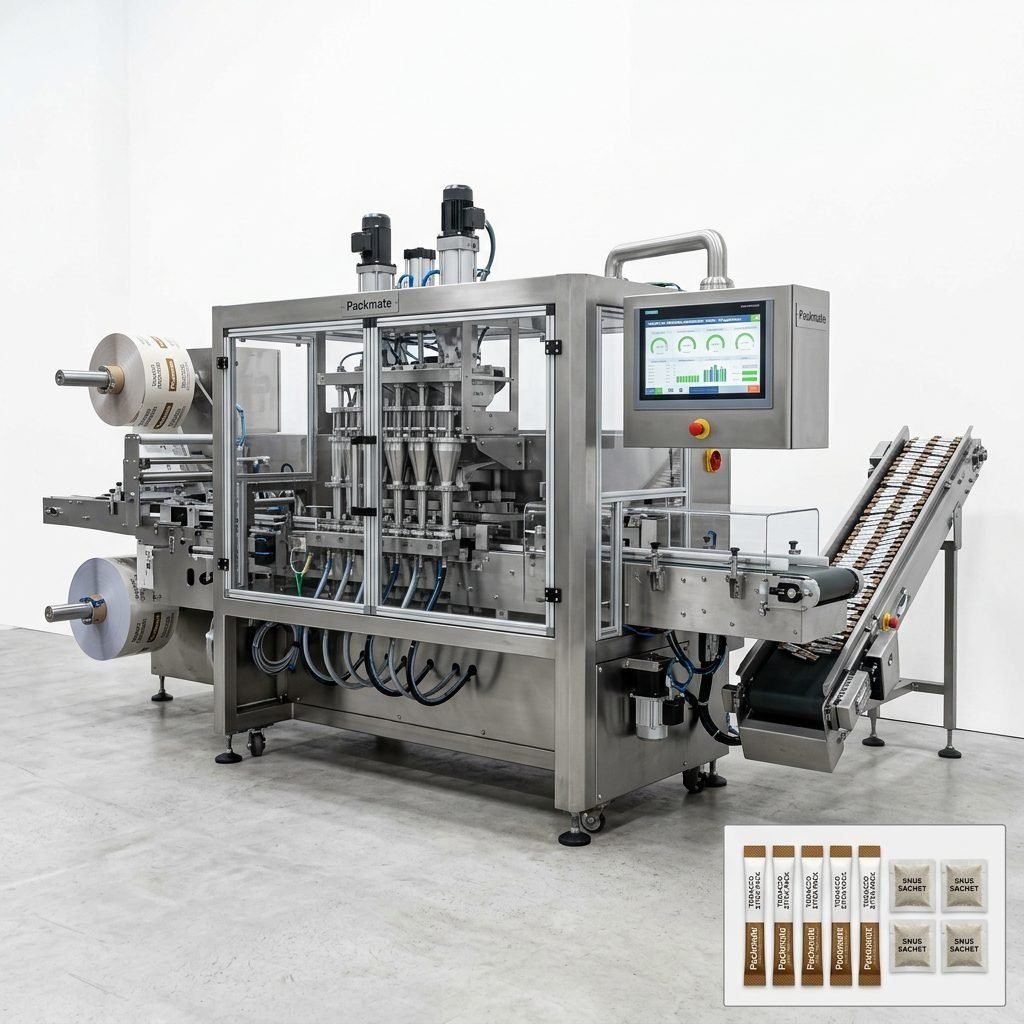
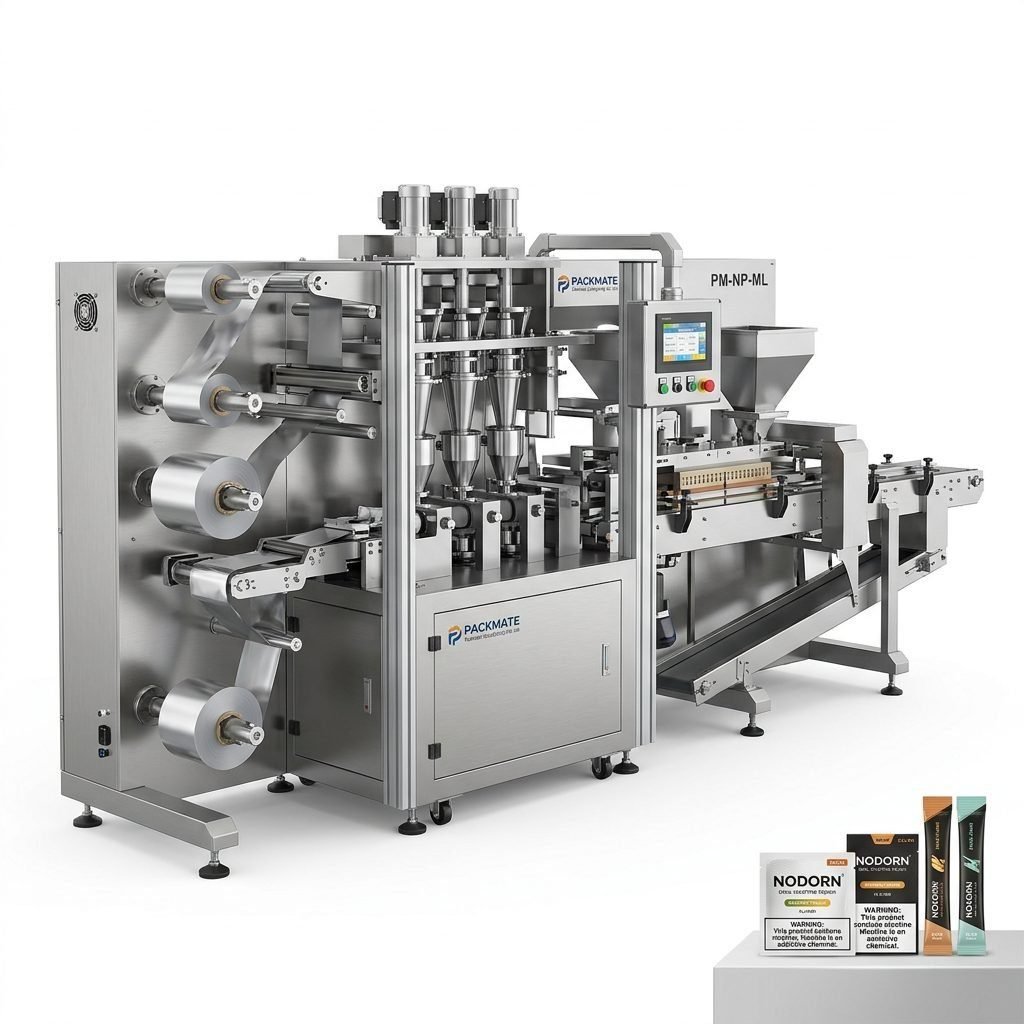
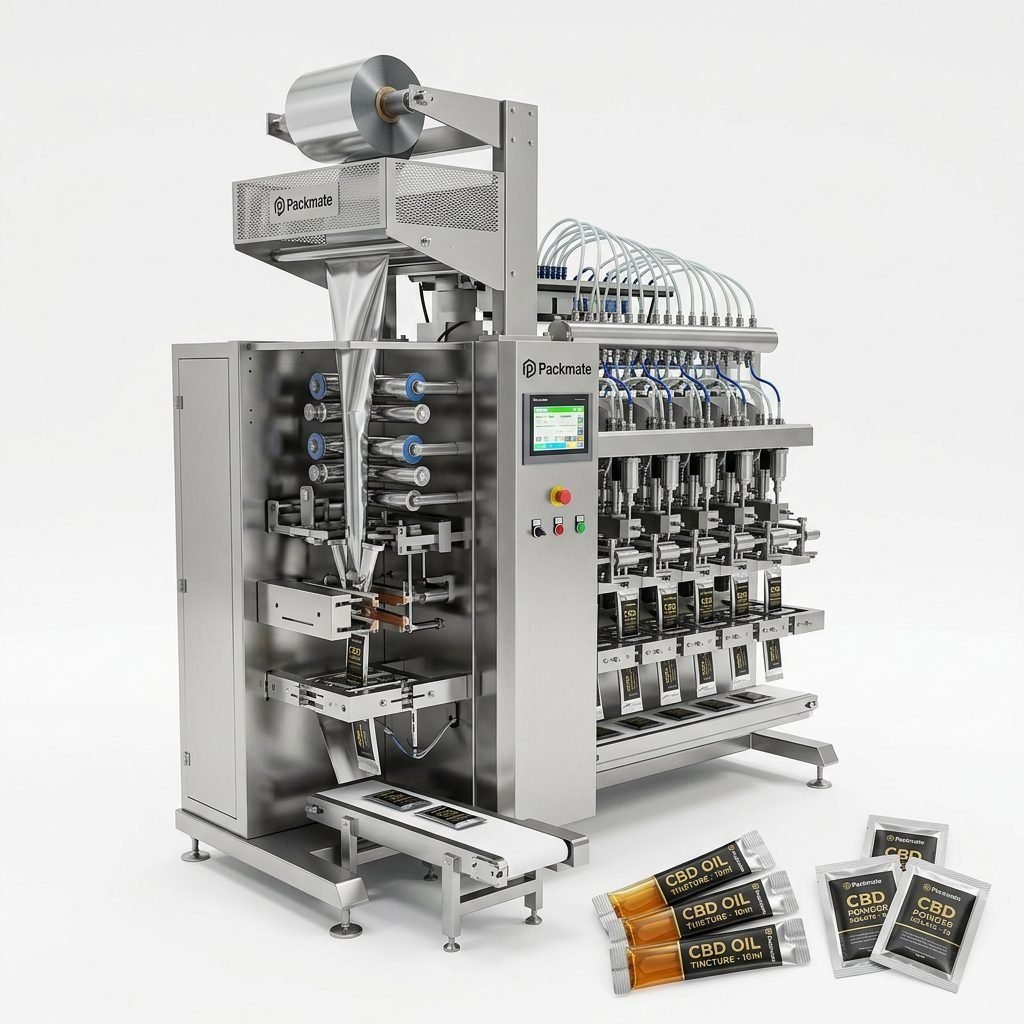
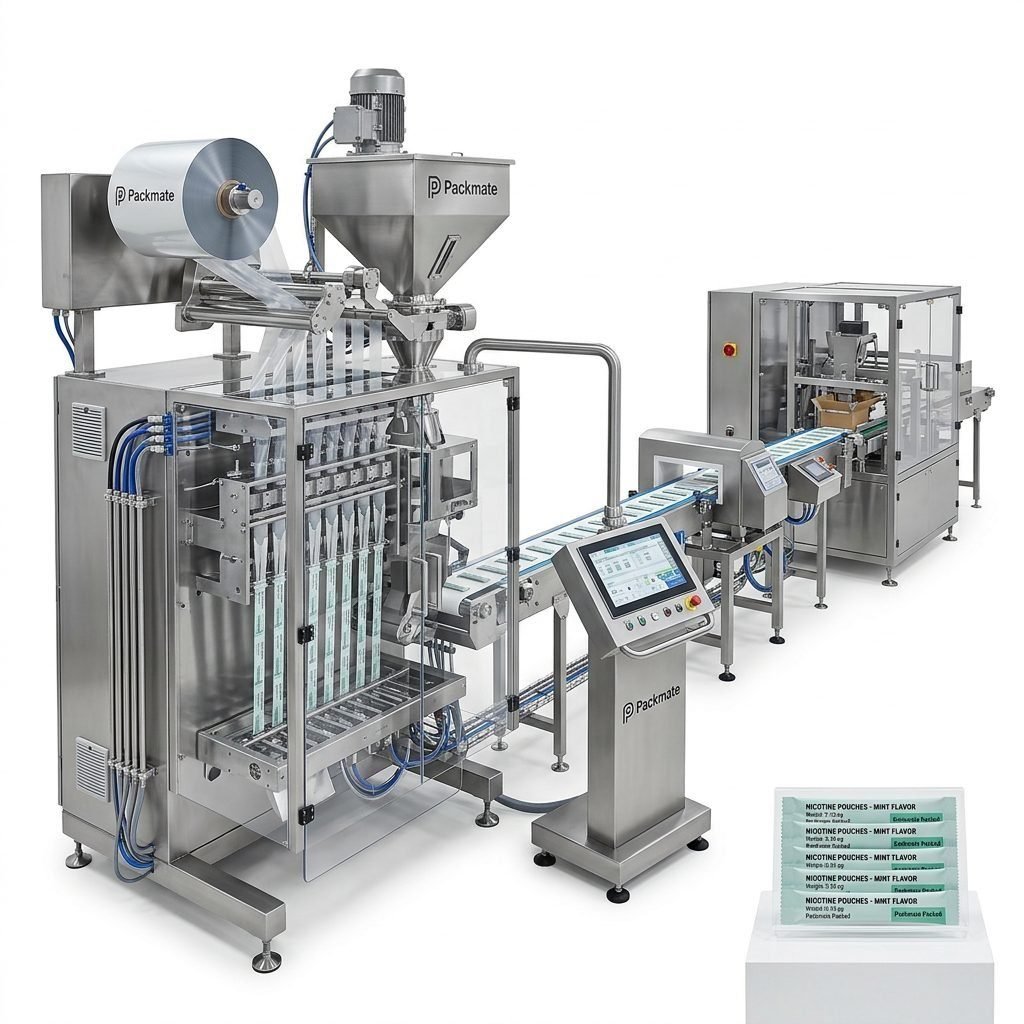
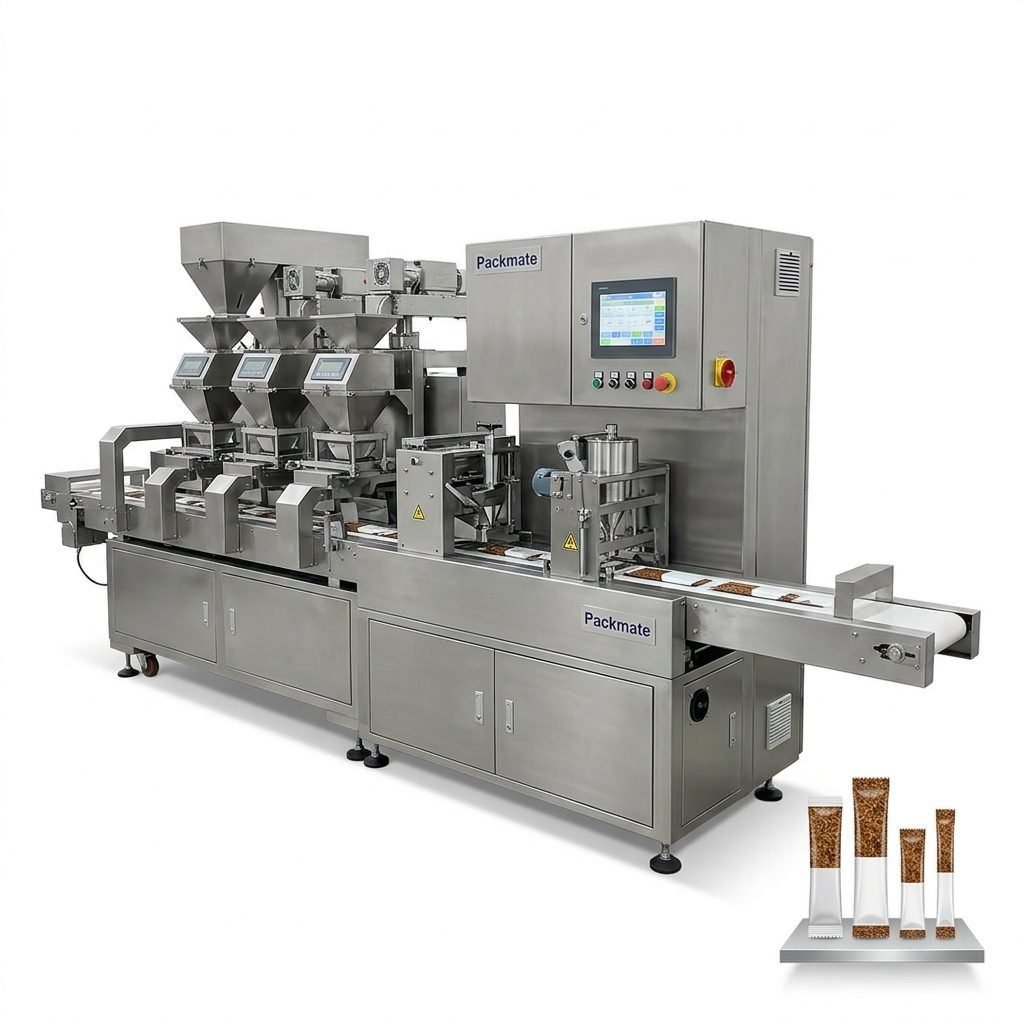
Nicotine pouch and snus packaging includes several common machine formats: stick pack, sachet, multi-lane pouch systems, and integrated filling lines. Select the machine type that matches your product format and volume forecast. For start-ups or niche producers in New Zealand, a flexible multi-lane snus packing machine may offer the right balance of throughput and per-unit cost. For high-volume manufacturers, dedicated high-speed stick pack or sachet lines are more appropriate.
Examples of machine categories to evaluate
– Multi-lane snus pouch packaging systems for small-dose nicotine pouches.
– Stick pack and sachet machines for single-portion formats.
– Integrated weighing and filling systems for powders and granules.
– Auxiliary equipment for sealing, date-coding, and secondary packaging.
Assess Technical Capabilities and Manufacturing Strength
A manufacturer’s in-house capabilities — such as CNC machining centers, precision assembly lines, and strict quality control — directly affect machine durability and performance stability. Look for suppliers that describe their factory scale, machining equipment, and testing processes. A supplier with a 20,000㎡ facility and advanced production lines typically has the scale and experience to support robust snus packaging solutions and spare parts availability.
Packmate Snus Machine, for example, emphasizes a large manufacturing footprint and 30+ years of engineering experience, which often correlates with mature quality systems and proven machine models.
Evaluate Customization and Turnkey Solution Capabilities
New Zealand buyers often require machines tailored to specific pouch sizes, dosing requirements, or secondary packaging processes. Seek manufacturers that offer full turnkey solutions — from filling and forming to case packing — and who can deliver customized tooling, software interfaces, and recipe storage for multiple SKUs. Turnkey providers reduce integration risk and shorten commissioning times.
Service, Spare Parts and Local Support Considerations
Reliable after-sales service is a critical differentiator. In New Zealand, where suppliers may be overseas, confirm the manufacturer’s spare parts policy, typical lead times, and availability of local technicians or certified service partners. Evaluate options for remote diagnostics and training; manufacturers offering remote support, detailed spare parts kits, and scheduled maintenance plans will reduce downtime for NZ operations.
Look for documented case studies and client references. A track record of exporting to Europe, Asia, and the Americas is a positive indicator that the supplier can handle regulatory and logistical complexity.
Quality, Testing and Reliability Metrics
Ask suppliers for real-world performance metrics: mean time between failures (MTBF), typical uptime percentages, and sample production reports. Request factory acceptance tests (FAT), FAT video demonstrations, and references from existing nicotine pouch customers. Machines designed with robust electrical control systems and easy-access components lead to faster troubleshooting and minimal production interruption.
Sustainability, Material Use and Waste Minimization
New Zealand companies often emphasize environmental performance. When selecting a manufacturer, evaluate machine features that reduce material waste, optimize film usage, and enable recyclable or lower-impact packaging formats. Energy-efficient motors, servo-driven systems, and accurate dosing systems help reduce waste and lower operational costs — features that appeal to sustainability-minded Kiwi businesses and consumers.
Total Cost of Ownership (TCO) vs. Purchase Price
Purchase price is only one element of the investment. Calculate Total Cost of Ownership by including expected maintenance, spare parts, installation, staff training, energy consumption, and potential production losses from downtime. A slightly higher initial investment in a proven, well-supported machine often delivers a lower TCO across the equipment lifecycle.
Cultural and Business Etiquette in New Zealand
New Zealand business culture values transparency, reliability, and long-term relationships. When engaging suppliers, expect straightforward communication, clear lead-time commitments, and a preference for frank discussions about risks and limitations. Respect for Māori customs and local partnership protocols may be important for business development and local stakeholder engagement; suppliers who demonstrate cultural sensitivity and local market knowledge will build stronger relationships.
Factory Visits, FAT and Commissioning in NZ Time Zones
If possible, schedule a factory visit or request live FAT demonstrations. For NZ buyers, account for timezone differences when coordinating remote FATs or commissioning support. Confirm that the manufacturer provides trained engineers for on-site commissioning or remote supervision during installation. Detailed documentation, operator training, and spare parts kits shipped with the machine improve first-run reliability.
Useful links and supplier resources
Explore machine categories and company information to validate capabilities: Snus & Nicotine Packaging Machines, Bag & Pouch Packaging Machines, and Sachet & Stick Pack Machines. For turnkey solutions and project references, review supplier case studies and contact pages to confirm support options and export experience.
– Product overview: Snus & Nicotine Packaging Machines
– Auxiliary and integration: Auxiliary Packaging Equipment
– Company profile and certifications: About Packmate · Certificate
– Cases and references: Case
Choosing the Vendor: Checklist for New Zealand Buyers
– Verify CE/ISO certifications and export records.
– Request FAT data and 48-hour continuous run reports.
– Confirm spare parts lead times and on-site commissioning options.
– Evaluate customization capability for your pouch format and throughput.
– Compare TCO including maintenance, energy, and spare parts.
– Check sustainability features that reduce waste and energy use.
– Prioritize vendors with transparent communication and local market awareness.
Next Steps After Selecting a Manufacturer
After narrowing your supplier list, conduct a structured trial or pilot run — either at the factory or under supervised on-site commissioning. Finalize contractual warranties, spare parts kits, and training schedules. Secure a maintenance agreement and define communication protocols for urgent service needs. Where possible, negotiate initial spare parts stock to be shipped with the first machine to reduce early downtime risk.
Common Questions from New Zealand Buyers
1. How long is a typical lead time for a custom snus packaging line? Response varies, but expect 12–20 weeks for custom lines plus shipping and customs clearance — confirm with the supplier early.
2. Can remote commissioning reduce on-site time in NZ? Yes — remote commissioning combined with a short on-site visit often streamlines installation and training while reducing travel costs.
3. What warranties and spare parts policies should I require? A minimum 12-month warranty with clear spare parts pricing and regional distributor support options is recommended.
Frequently Asked Questions
Q: How do I ensure the packaging machine meets New Zealand regulatory standards?
A: Request CE/ISO certificates, export references to regulated markets, and detailed documentation for traceability, cleanliness, and product-contact materials. Engage a local compliance consultant if necessary.
Q: What kind of after-sales support should I expect from an overseas manufacturer?
A: Expect remote support, a clear spare parts policy, optional on-site commissioning by certified engineers, and available training materials. Confirm typical spare parts lead times and local service partners.
Q: Is it better to buy a turnkey line or assemble machines from multiple vendors?
A: Turnkey lines reduce integration risk and centralize accountability, which is particularly valuable for New Zealand manufacturers with limited in-house engineering resources.
Q: How can I minimize operational downtime after installation?
A: Schedule comprehensive operator training, stock critical spare parts, set up a maintenance contract, and use remote monitoring tools when available.
Q: Where can I see real-world examples and machine specifications?
A: Review supplier product pages and case studies such as Snus & Nicotine Packaging Machines and detailed project references on the supplier’s site to validate performance.