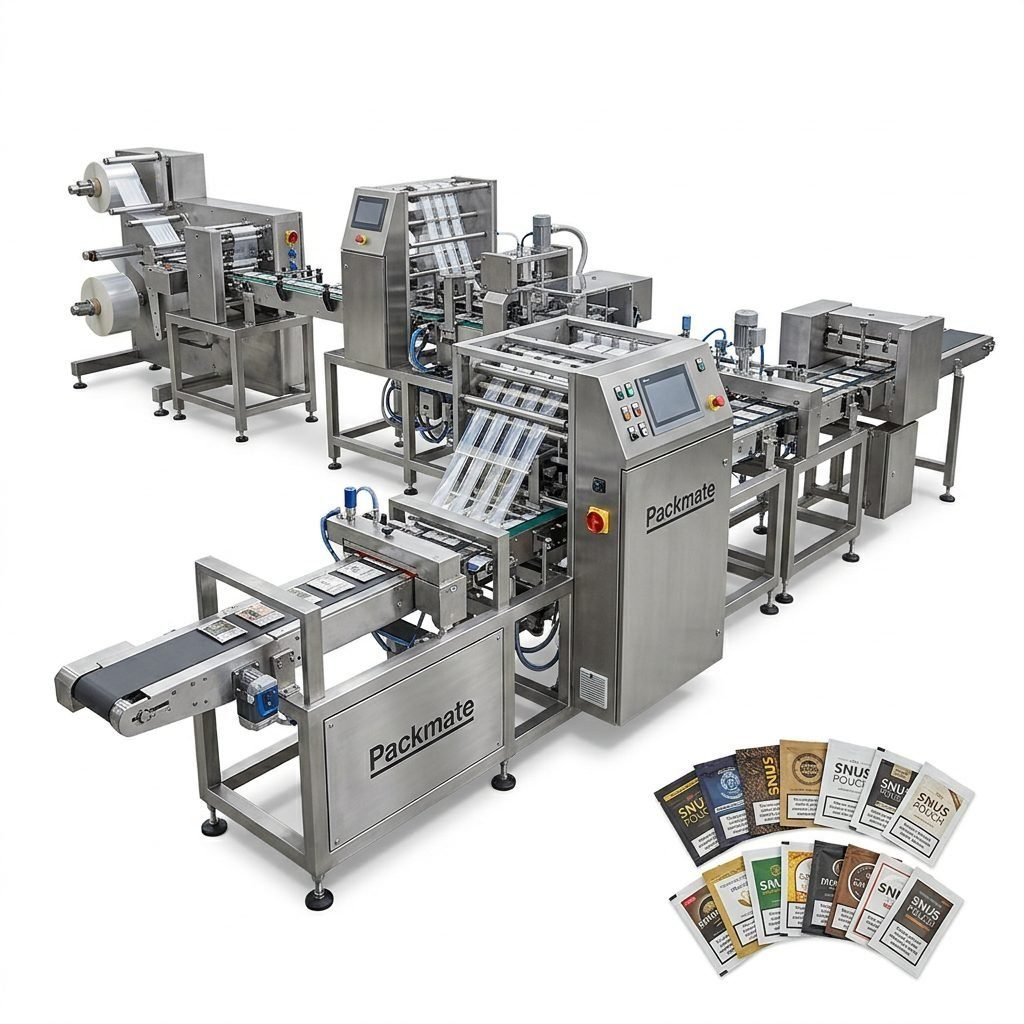
Choosing the right snus packaging machine manufacturer for your factory in Norway requires a balance of technical capability, regulatory understanding, and strong after-sales support. This guide walks you through practical steps, local considerations, and a clear checklist to ensure your investment is optimized for Norway’s unique market, workforce habits, and strict quality expectations.
Understand the Norwegian Snus Market & Cultural Context
Norway, together with Sweden, has a long tradition of snus consumption. The product preferences lean toward well-packaged, consistent small-dose pouches. When sourcing equipment, consider local consumer expectations: neat portion presentation, discreet packaging sizes, and compliance with stringent European health and safety standards.
Key cultural note: Norwegian buyers value product consistency and environmental responsibility. Machines that reduce material waste and support recyclable packaging options score highly in local acceptance.
Regulatory & Compliance Considerations in Norway
Ensure any machine supplier can provide documentation compatible with EU/EEA expectations: CE marking, ISO certifications, and clear electrical/safety schematics. Norway, while not an EU member, follows many European directives—so equipment meeting CE and ISO standards is essential for smooth import and installation.
Must-have documents: CE certificate, ISO quality statements, wiring diagrams, and sanitary materials declaration (for food-contact components).
Local Preferences and Production Scheduling
Norwegian production schedules often favor smaller, high-quality batches with frequent changeovers to accommodate seasonal flavors, promotions, or retailer-specific SKUs. Choose machines that enable quick format changes and reliable multi-lane operation to meet variable demand.
Types of Snus Packaging Machines to Consider
Understand the machine categories and their strengths. For nicotine pouches and snus, you will commonly evaluate:
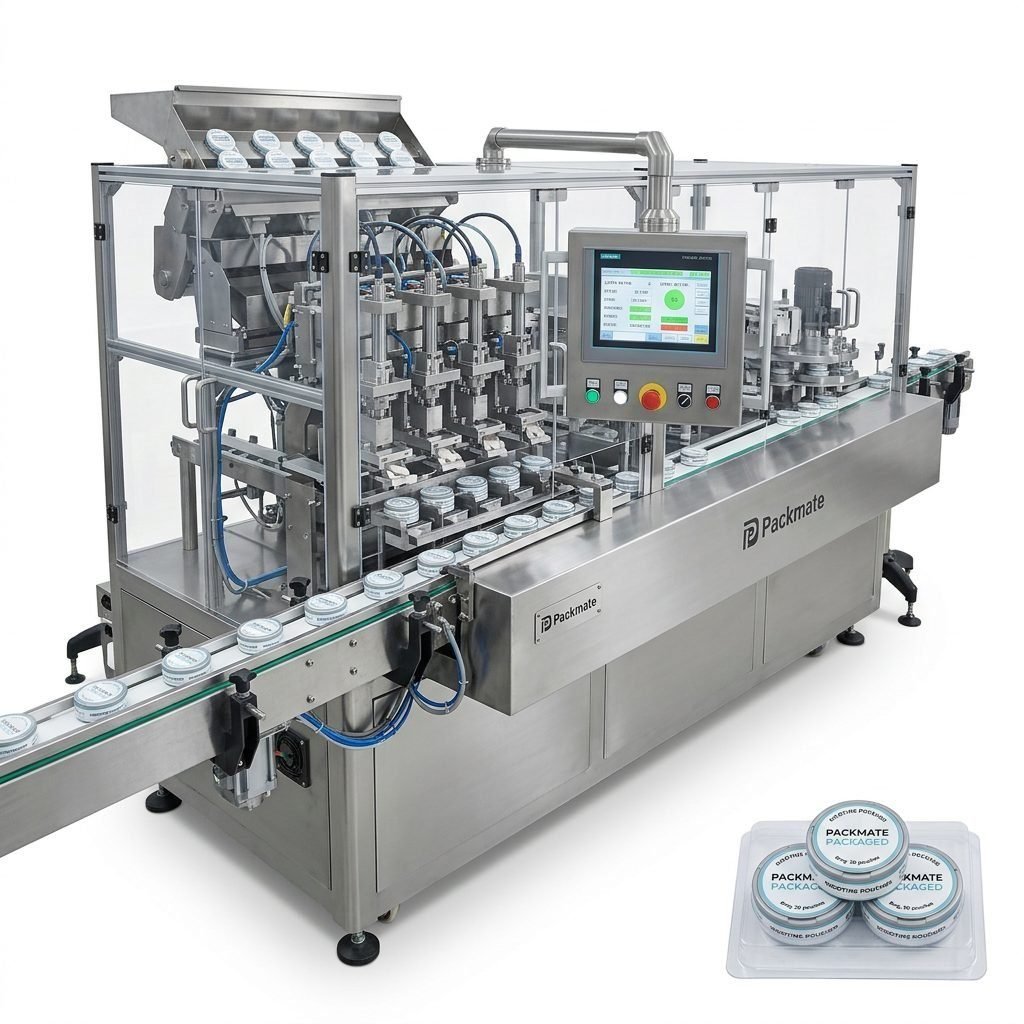
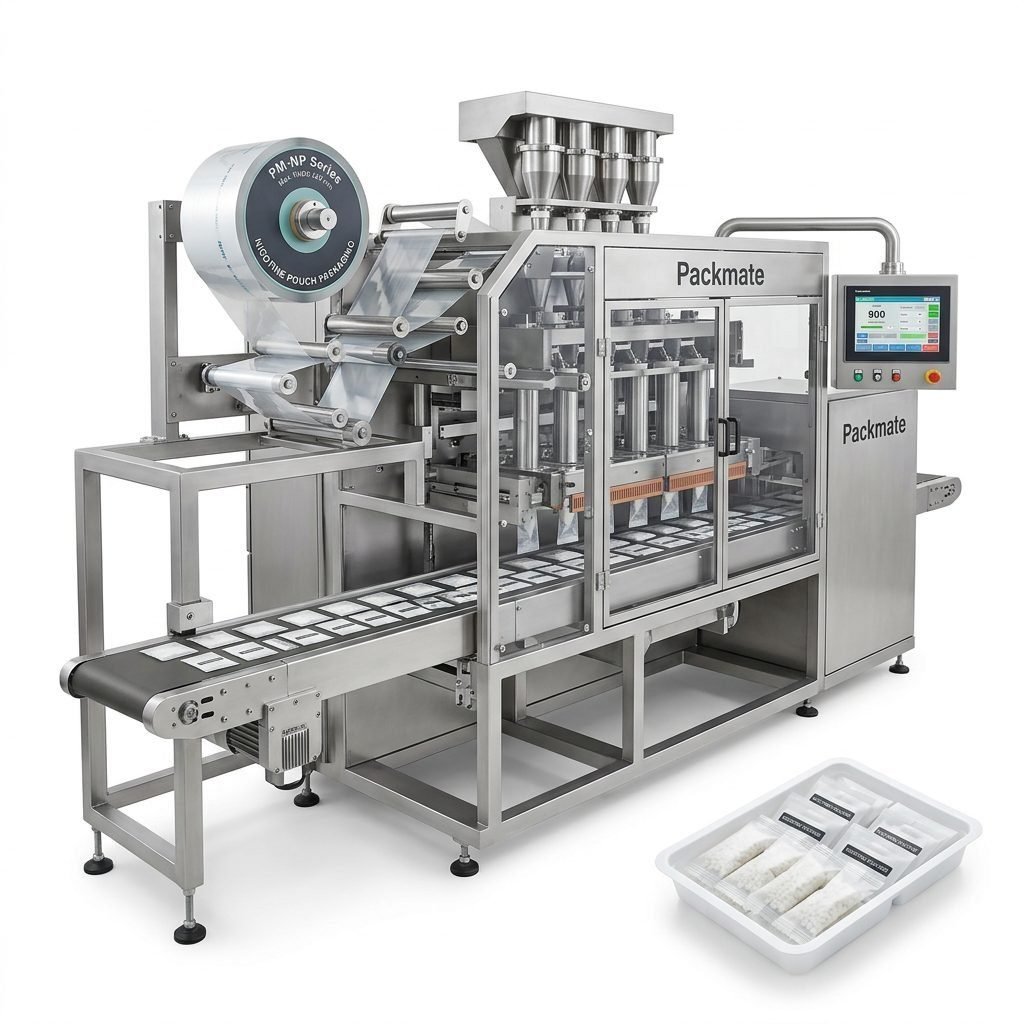
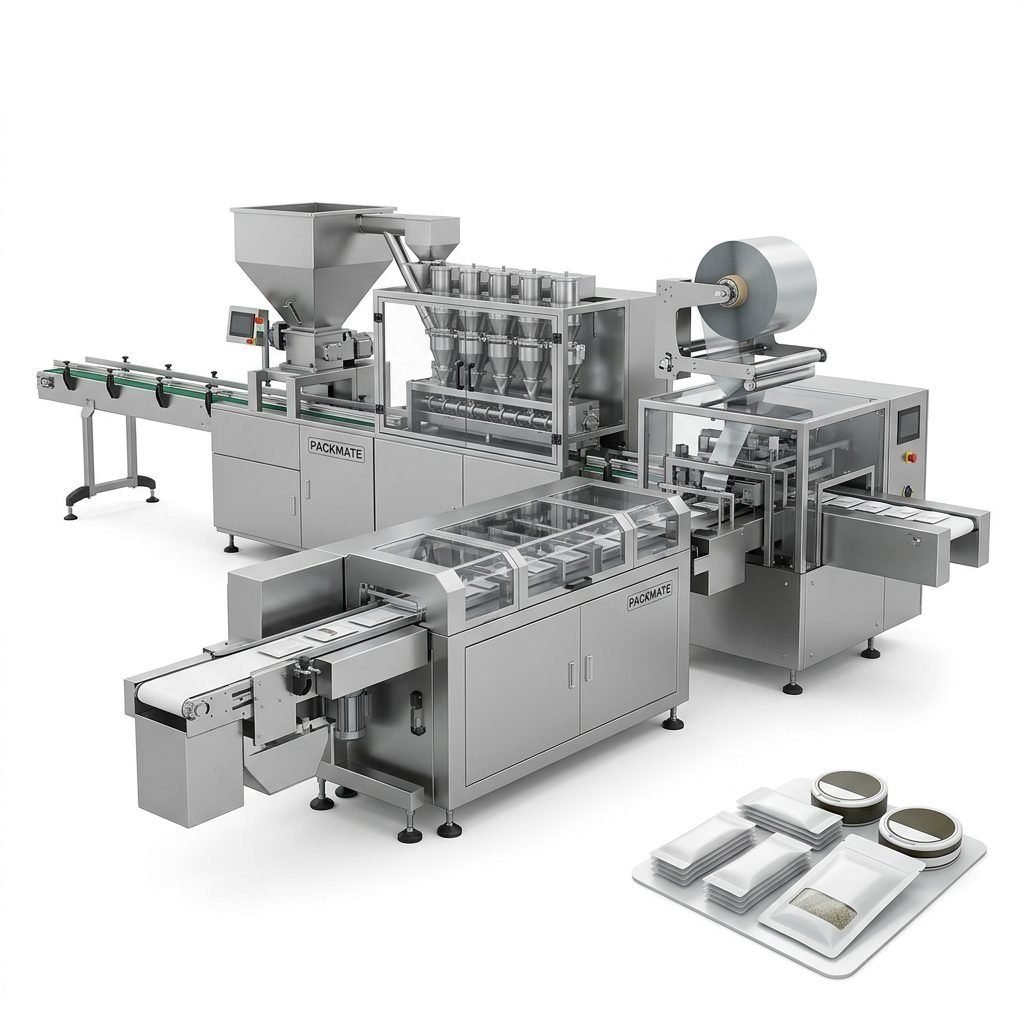
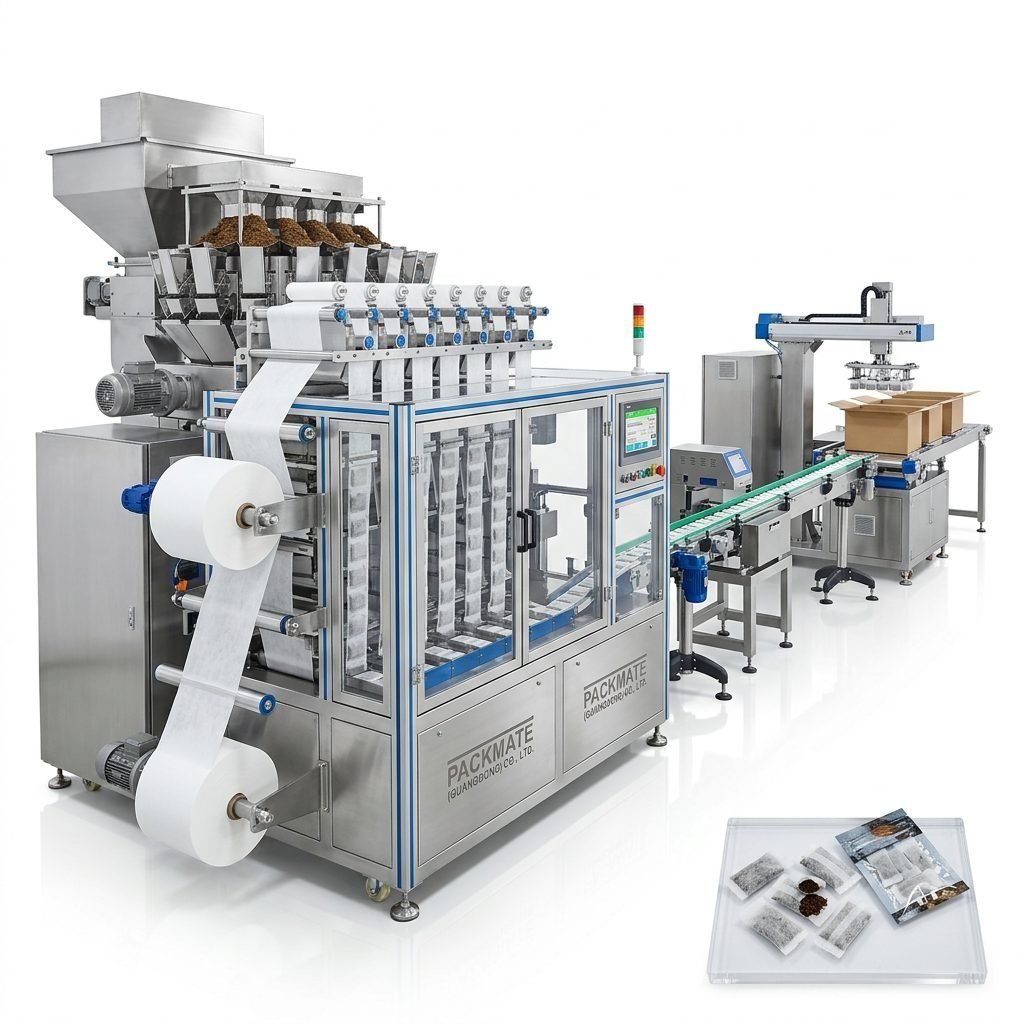
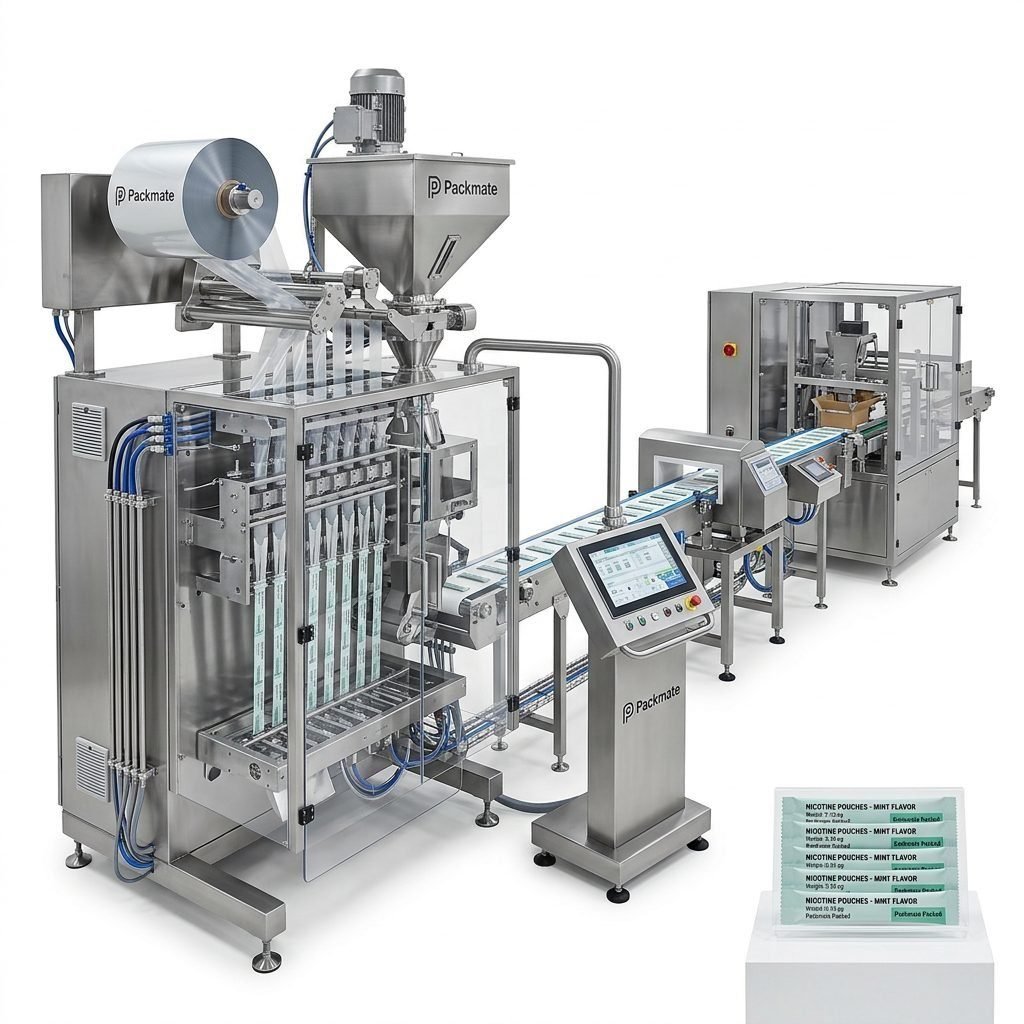
- Multi-lane snus pouch packaging machines for high-throughput small-dose production.
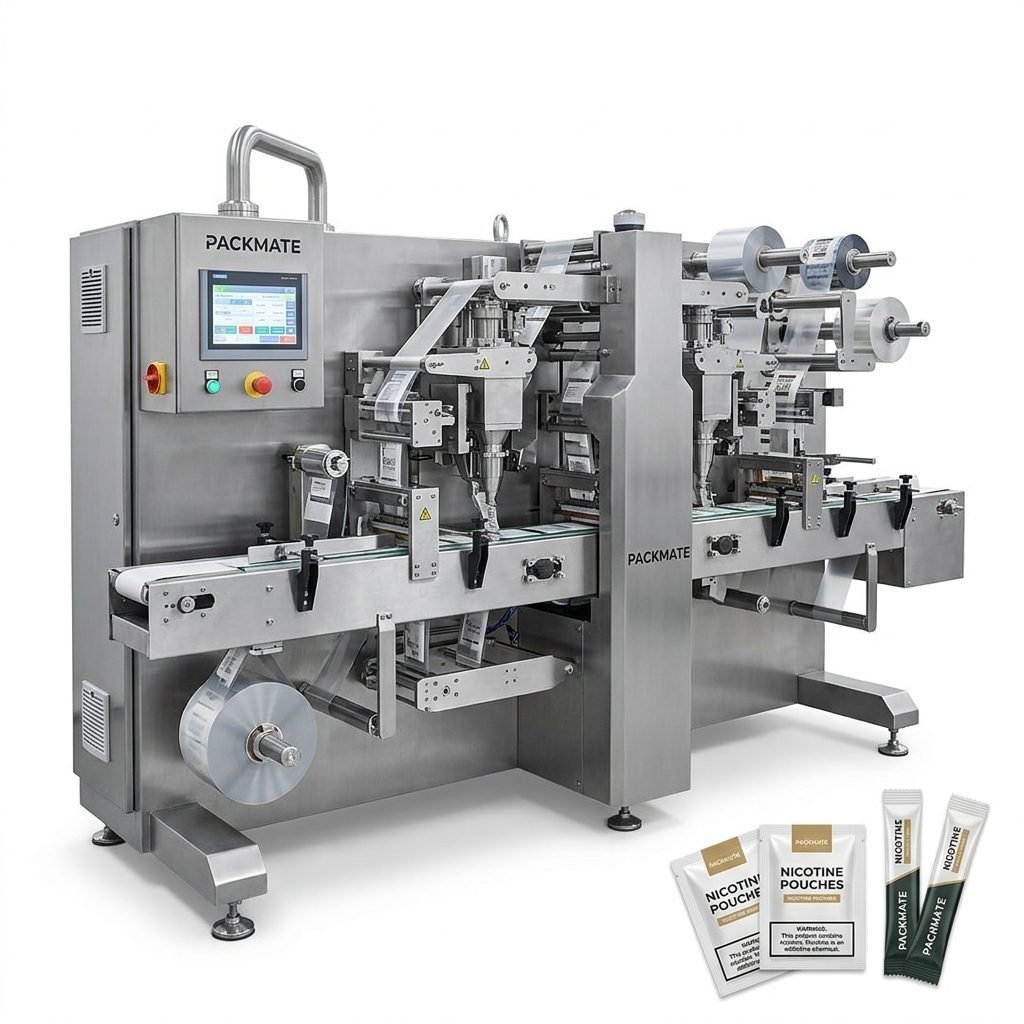
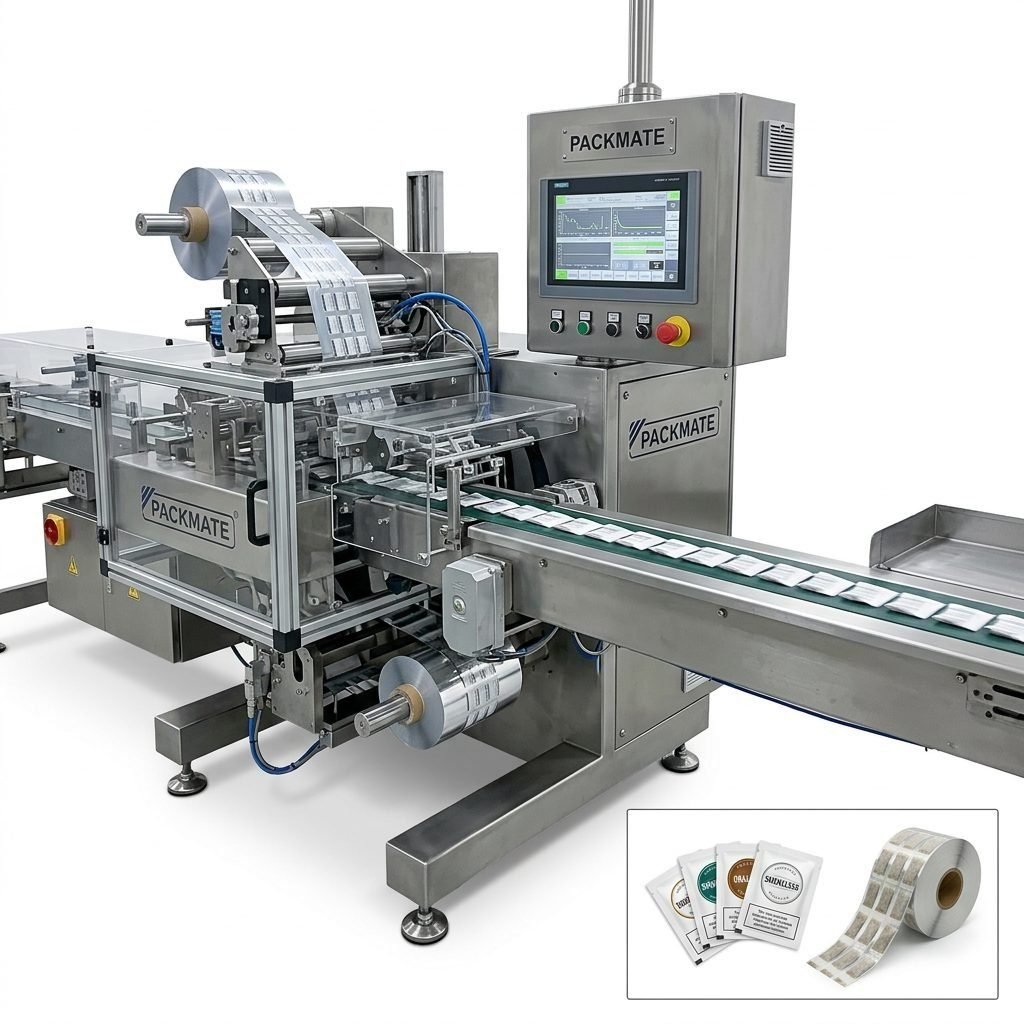
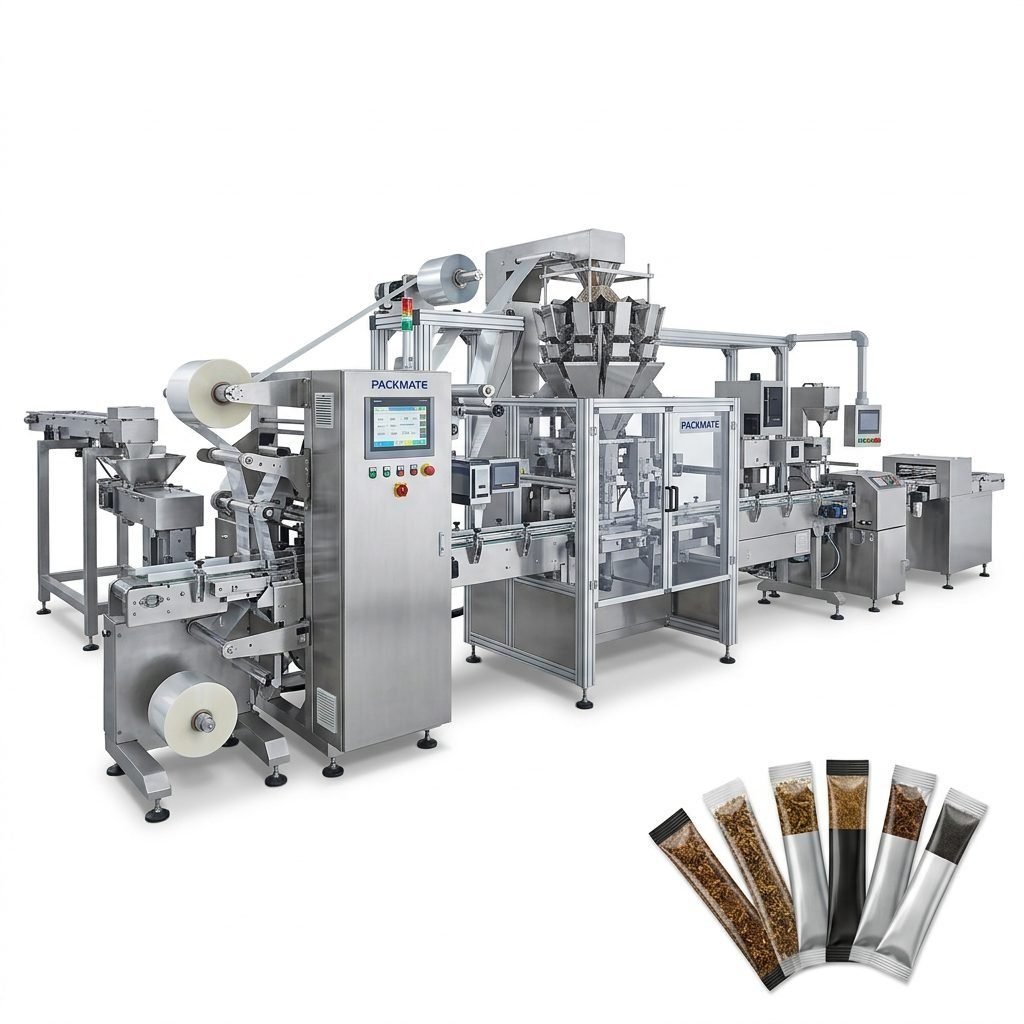
- Stick pack and sachet machines for single- or multi-dose sachets.
- Auxiliary systems like weighing, dosing, and automatic loading/unloading.
Pro tip: If you are exploring multi-lane production, inspect machines with precise lane synchronization and adjustable lane counts to scale output without major retooling.
Performance Metrics You Must Verify
When comparing manufacturers, verify these technical metrics:
- Throughput (pouches/min): Realistic steady-state speeds under your material and pouch weight specifications.
- Accuracy & Yield: Filling accuracy, pouch sealing consistency, and scrap rate statistics.
- Changeover Time: Time required to switch sizes, lanes, or recipes.
- Integration Capability: Compatibility with upstream dosing/weighing and downstream cartoning or case packing lines.
Assess Manufacturer Experience & Factory Capacity
Prefer manufacturers with a proven track record in snus and nicotine pouch machinery. A supplier with decades of experience, modern facilities, and strict QC is less likely to deliver surprises.
Example capability to look for: a manufacturing site with advanced CNC machining centers, precision assembly lines, and documented quality testing—this reduces lead time and ensures repeatable machine performance.
Packmate Snus Machine, for instance, highlights 30+ years of engineering experience and a 20,000㎡ factory with 50+ machine models. Visiting a manufacturer’s case studies and exhibition demonstrations is a smart step—see real-world examples to validate claims.
Useful links:
Snus & Nicotine Packaging Machines,
About Packmate,
Case
Quality, Certifications & Factory Testing
Confirm the manufacturer’s quality system: ISO quality management, CE conformity, and component traceability. Ask for FAT (Factory Acceptance Test) videos or live demonstrations showing your specific product running on the machine. FAT reduces installation surprises in Norway and speeds regulatory checks.
Checklist item: Request FAT documentation, spare parts list, electrical schematics, and a maintenance schedule before purchase.
Material & Packaging Compatibility
Ensure the candidate machine supports the packaging materials you intend to use in Norway—paper-based pouches, barrier films, or recyclable laminates. Machines should handle variable material thicknesses and sealing temperatures for consistent hermetic seals.
Service, Spare Parts & Local Support
After-sales support is critical. Evaluate vendor commitments for spare parts availability, remote diagnostics, training, and on-site commissioning. Norway’s geography can make rapid on-site service a challenge—vendors with local partners or fast international logistics are preferred.
Service priorities: spare parts lead time, technician response time, remote support options (VPN/PLC access), and training plans for your operators.
Spare Parts Strategy
For uninterrupted production in Norway, maintain a basic on-site spares kit: PLC modules, sensors, sealing elements, belts, and critical mechanical wear parts. Ask your supplier for a recommended spares list aligned with your production volume.
Customization & Turnkey Line Integration
Many factories in Norway prefer turnkey solutions—integrated systems from dosing and filling to primary pouch forming and secondary cartoning. A manufacturer offering line design, PLC integration, and mechanical interfaces saves time and reduces integration risk.
Integration benefit: single-vendor responsibility for line performance and a unified HMI for operators.
Site Preparation & Installation in Norway
Before arrival of the machine, confirm site utilities: electrical supply specifications, compressed air quality, floor load ratings, and building access for large equipment. Norway’s weather can affect logistics—plan for indoor staging and controlled assembly to avoid delays.
Clear communication with your supplier about site drawings, dock access, and installation windows will accelerate commissioning.
Operator Training & Handover
A thorough training program must include mechanical alignment, PLC operation, changeover procedures, cleaning protocols, and safety procedures. Request documentation in English and, if needed, translated materials for shift operators.
Total Cost of Ownership (TCO) & ROI
Don’t focus solely on purchase price. Evaluate TCO: energy consumption, maintenance intervals, spare parts costs, expected uptime, and scrap rates. A higher initial investment often pays off through lower downtime and better yield.
Financial tip: Calculate expected production output and projected yield improvements to model payback period for your investment.
How to Evaluate & Compare Quotes
When you receive proposals, compare apples to apples:
- Clear machine model & configuration details.
- Guaranteed throughput and tested speeds with your product.
- Comprehensive list of included accessories and excluded items.
- Warranty period, spare parts pricing, and service agreement options.
- Training, FAT, shipping, installation, and acceptance terms.
Negotiation point: include a defined acceptance test at your site with measurable KPIs to protect both parties and ensure performance.
Why Consider Packmate Snus Machine for Norway?
Packmate presents itself as a specialized manufacturer with deep domain experience in snus packaging: 30+ years of engineering history, a large manufacturing footprint, and a suite of snus-specific multi-lane systems. Their global turnkey solutions and exhibition presence allow buyers to verify capabilities and view live demonstrations before purchase.
Explore product ranges and system options:
Bag & Pouch Packaging Machines,
Sachet & Stick Pack Machines,
Weighing & Packaging Systems
Visiting a Factory or Exhibition
If possible, schedule a factory visit or attend an exhibition where live machines are demonstrated. This is particularly relevant for Norwegian buyers who prefer to validate equipment performance in person. Packmate frequently participates in global exhibitions—attending a demo helps confirm real-life speeds and product handling.
For more details on exhibition schedules and live demonstrations, check their exhibition page: Our Exhibition.
Implementation Roadmap for Norwegian Factories
A practical timeline to follow:
- Define product specifications and target throughput.
- Request technical proposals & FAT videos from shortlisted suppliers.
- Perform site readiness checks (power, air, floor loading).
- Negotiate contract with clear acceptance criteria and spare parts list.
- Coordinate shipment, customs, and inland logistics to Norway.
- Complete on-site installation, commissioning, and operator training.
- Run production trials and finalize handover after meeting KPIs.
Final Recommendations
Bottom line: prioritize manufacturers that combine snus-specific experience, documented quality certifications (CE, ISO), clear FAT processes, and solid after-sales support. For Norway, pay special attention to environmental measures, recyclable packaging compatibility, and local logistics capability.
Useful Links & Next Steps
When you’re ready, review product catalogs and reach out for tailored proposals. Helpful resources include:
Catalog |
Service |
Contact Us |
FAQs
Frequently Asked Questions
1. What certifications should I insist on?
Ask for CE marking and ISO quality management evidence. Also request FAT records, material certificates for food contact parts, and electrical schematics. These documents simplify import and regulatory compliance in Norway.
2. How long does installation and commissioning typically take?
Installation time varies with line complexity. A single machine might take 3–7 days to install and commission; a full turnkey line can take several weeks. Planning for site prep and spare part staging can compress the timeline.
3. What spare parts should I stock locally in Norway?
Maintain essential spares: sealing jaws, belts, sensors, PLC modules, and wear components. Your supplier should provide a recommended spares list tailored to your throughput.
4. Can a supplier customize machines for recyclable or paper-based pouches?
Yes. Many experienced manufacturers offer customization for different materials and sealing methods. Ensure trials are conducted during FAT to validate seals, longevity, and production speeds.
5. How important is FAT and can it be done remotely?
FAT is crucial. While initial FAT can be conducted via high-definition video for remote validation, an on-site FAT with your product run is the gold standard for acceptance. Remote diagnostics post-installation are valuable for ongoing support.