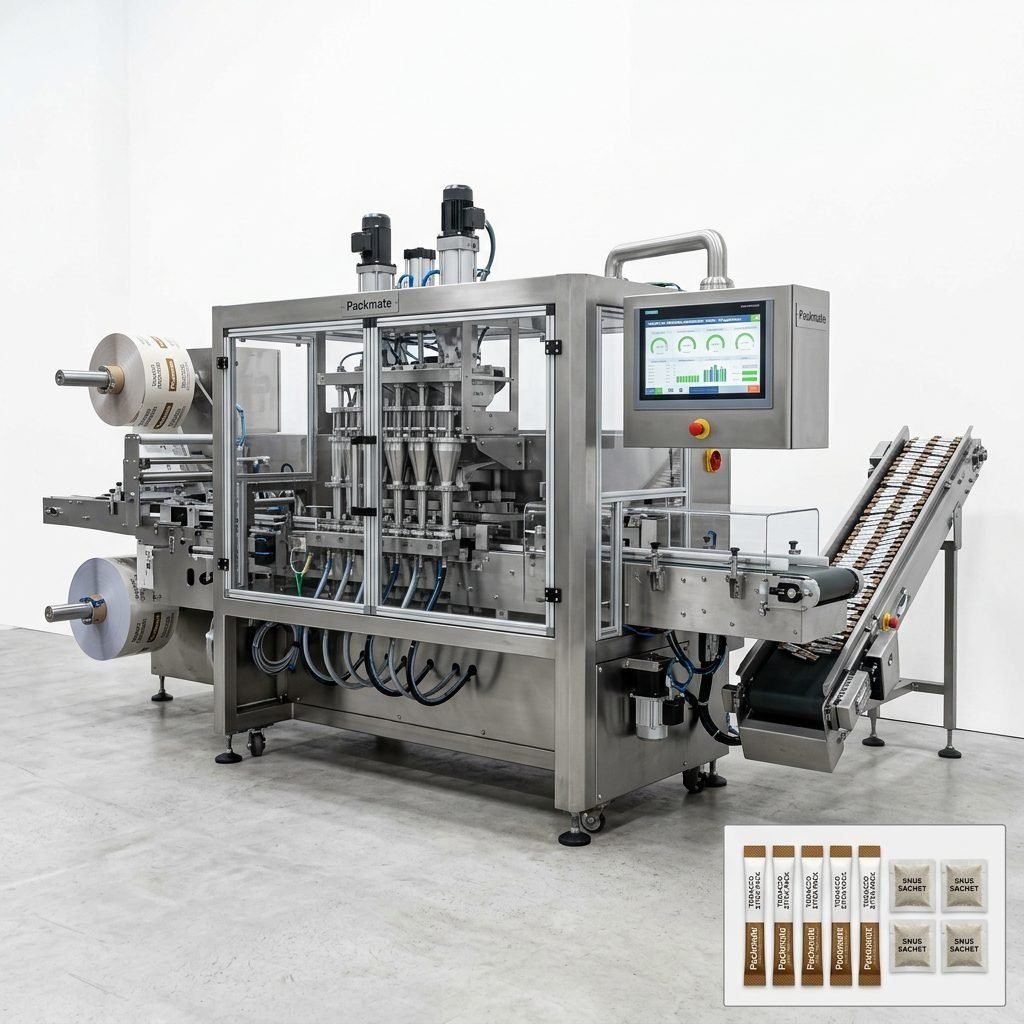
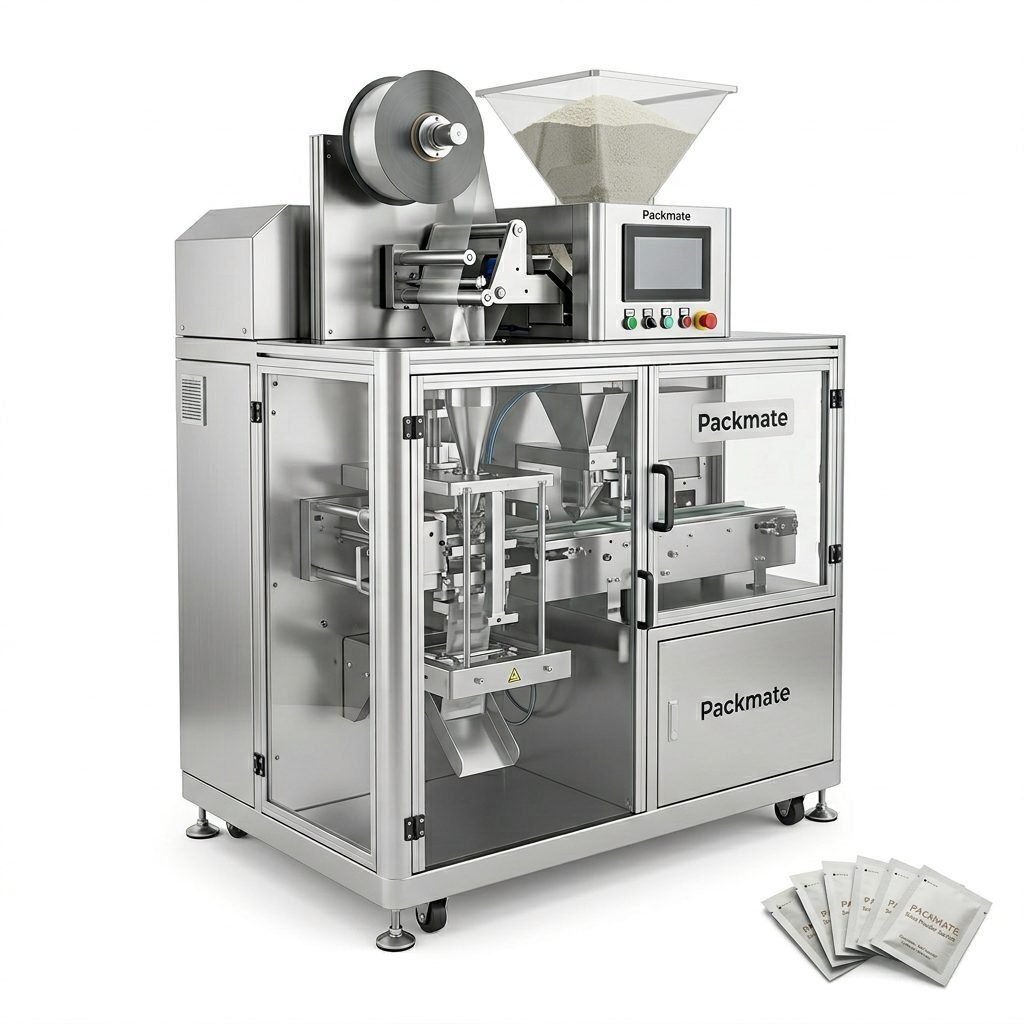
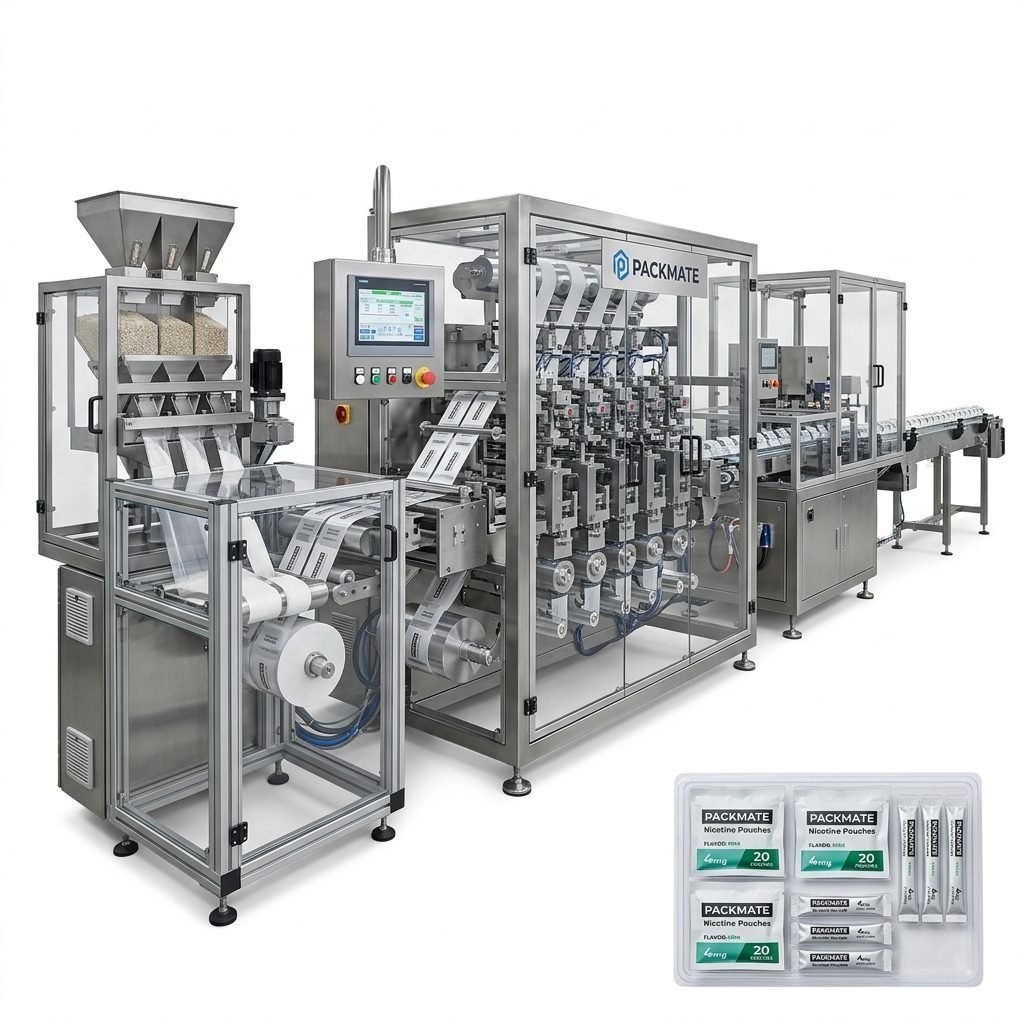
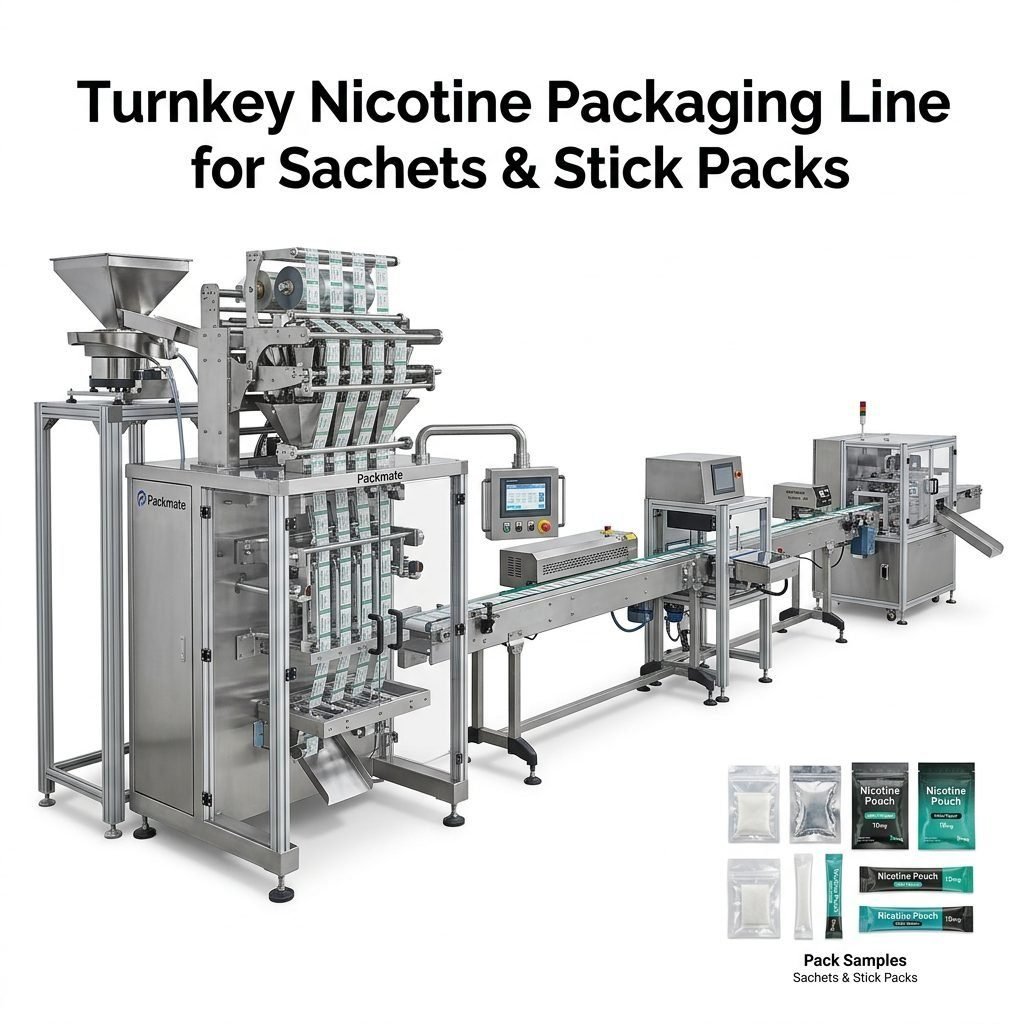
Entering the Burundian tobacco market with snus or nicotine pouches requires careful selection of packaging equipment that balances reliability, compliance, and local market preferences. This guide walks you through practical steps to choose the best snus packaging machine for your Burundi-based tobacco business, highlighting machine types, production planning, regulatory considerations, and after-sales support so you can make a confident investment.
Understand Burundi’s Market Context and Consumer Habits
Burundi is a small East African nation where oral tobacco products are less widespread than in Scandinavia or parts of Europe, but urban centers like Bujumbura and Gitega are seeing evolving consumer preferences and informal trade growth. When planning production, consider:
🔎 Local taste & portion size: Burundian consumers may prefer smaller, lower-dose pouches or sachets when first introduced to nicotine pouches. Trial sizes can accelerate adoption.
⚖️ Informal trade channels: Many products move through small shops and markets; choose packaging that protects product integrity yet is affordable.
📜 Regulatory sensitivity: assess import rules, labeling language needs (French and Kirundi), and tax implications before finalizing machine specs.
Step 1 — Define Your Product Format and Capacity
Choosing the right packaging machine starts with clarifying product format (portion pouches, micro-pouches, sachets, or stick packs) and target daily/monthly output. Typical production considerations:
🔧 Decide whether you need single-portion snus pouches or multi-portion sachets. Machines vary: some specialize in multi-lane high-speed portion filling, others focus on single-lane precision for premium pouches.
⚡ For entry-level operations in Burundi aiming at test markets, consider modular machines with lower initial capacity but easy upgrade paths. For distributors planning national rollout, multi-lane systems can meet larger demand efficiently.
Machine Types to Consider
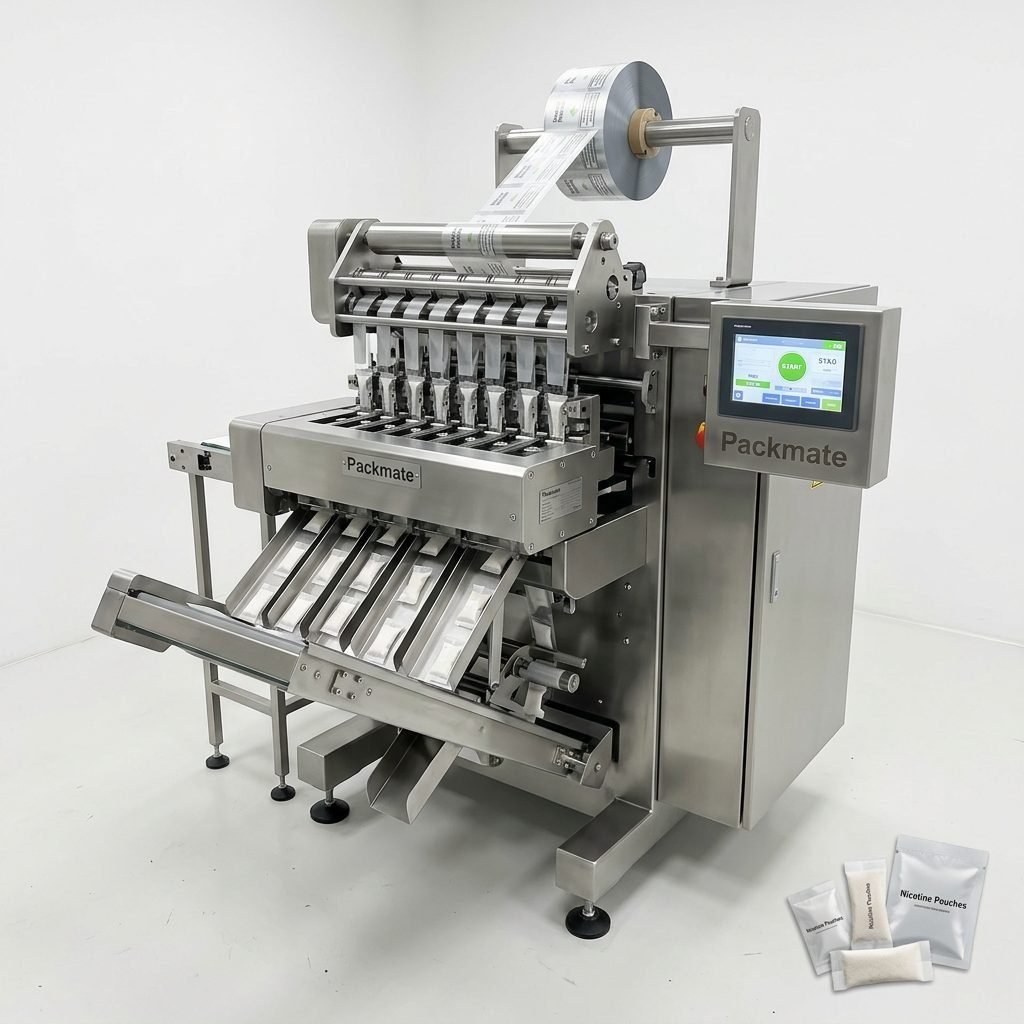
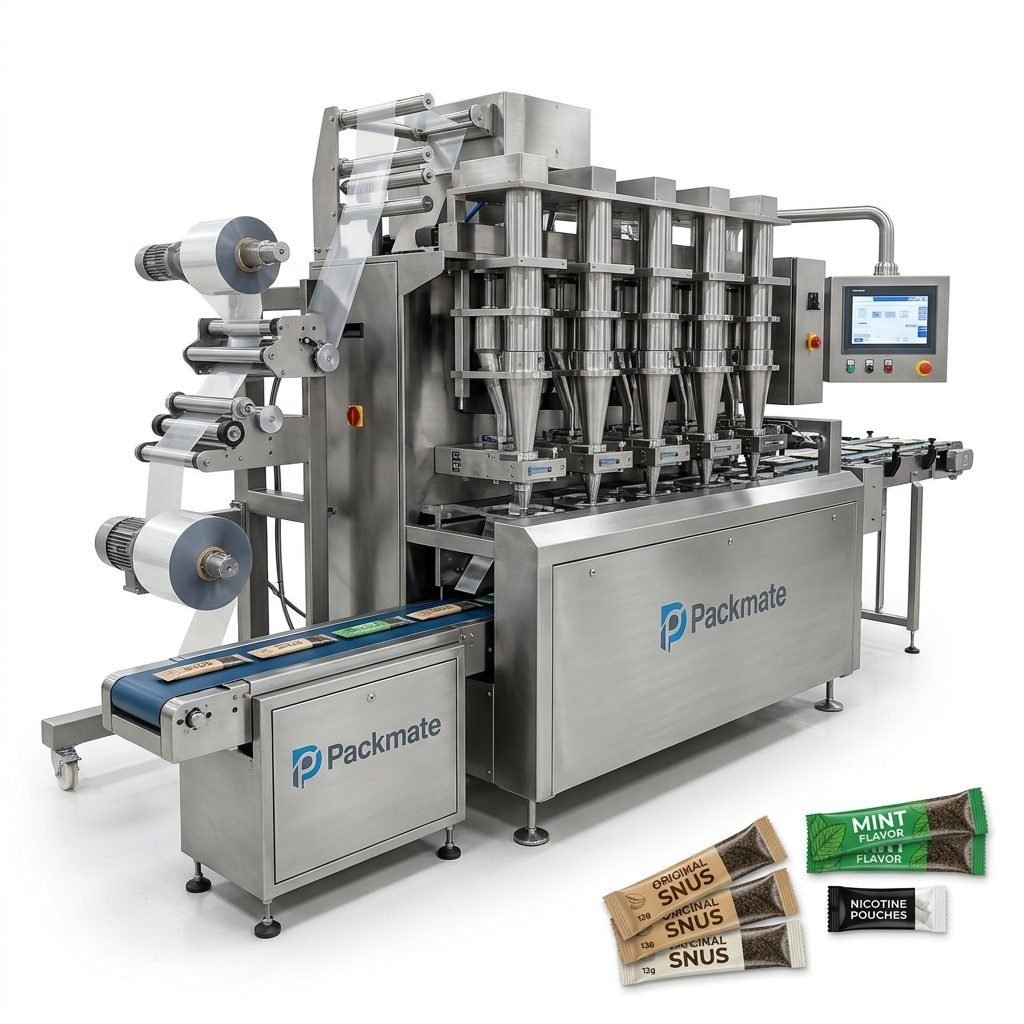
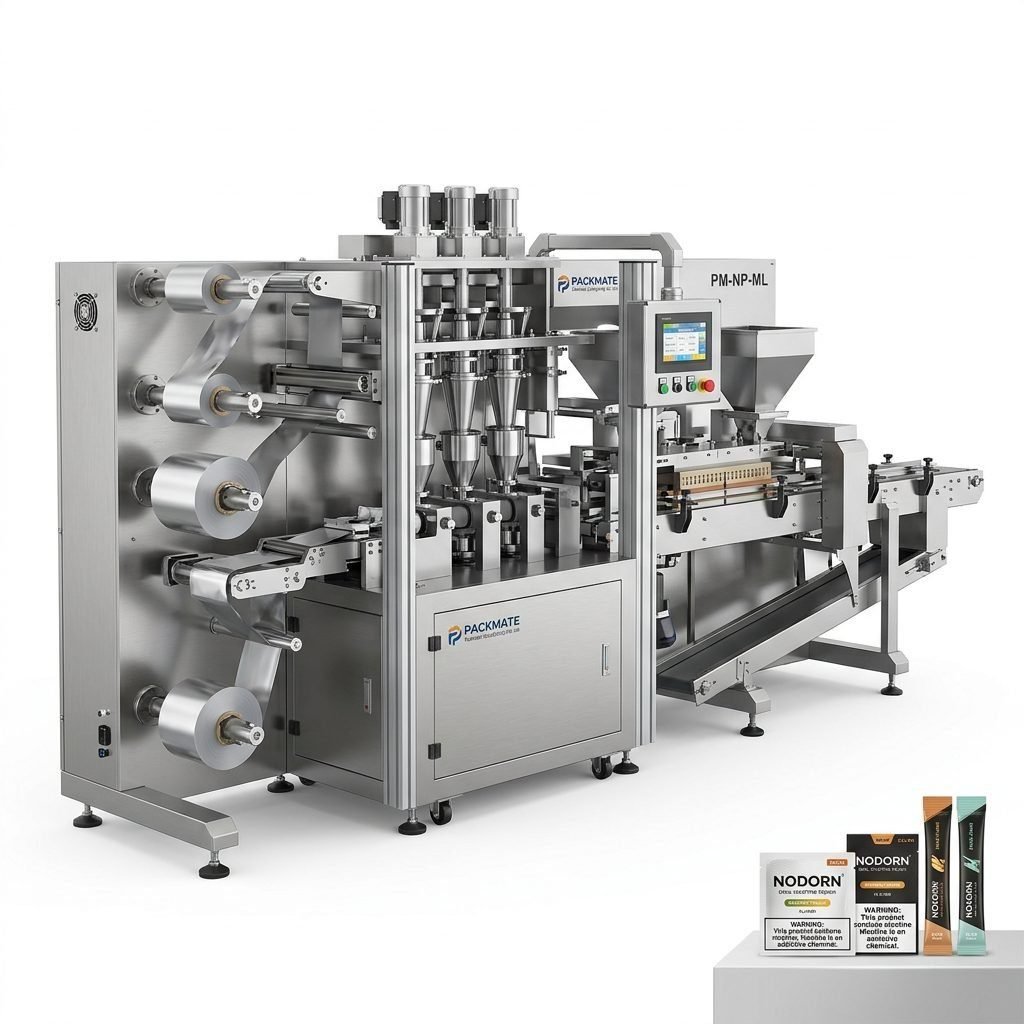
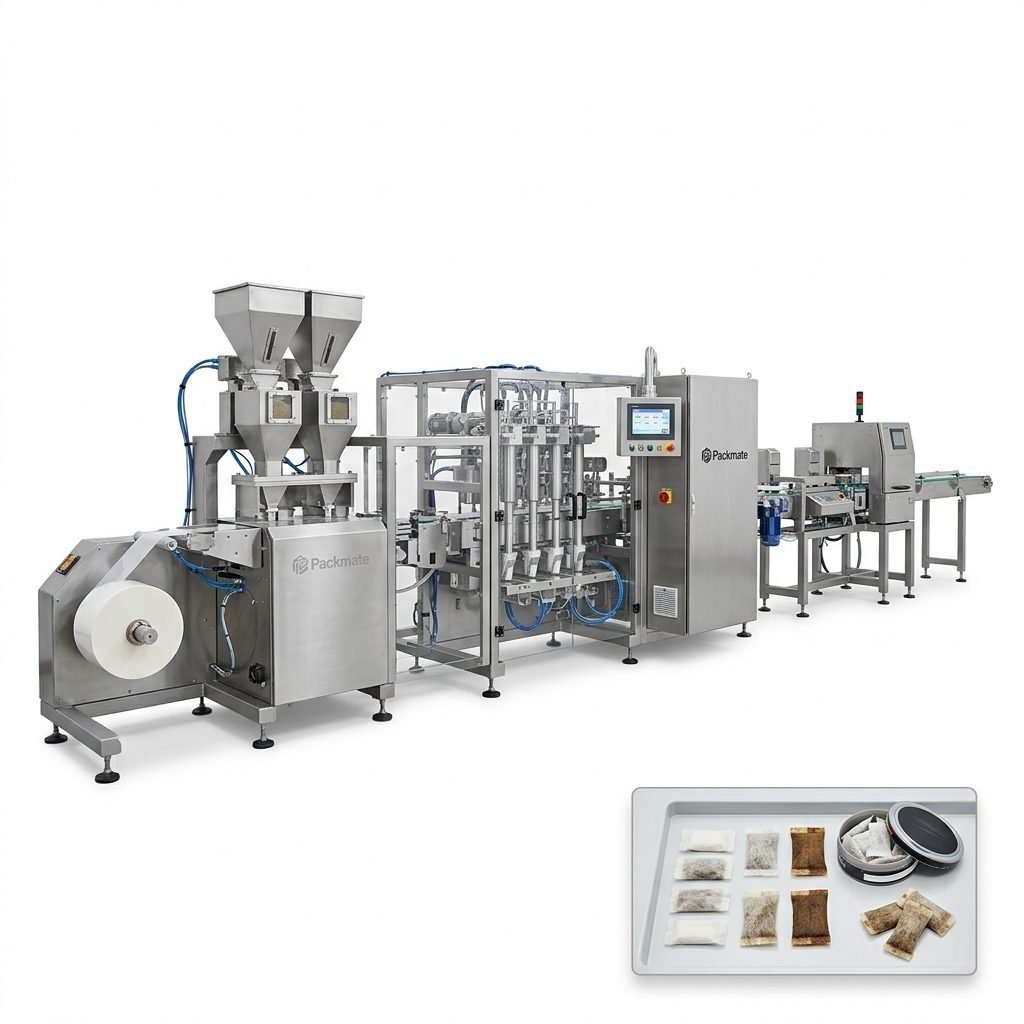
– Snus & Nicotine Pouch Machines: specialized for small-dose pouches and multi-lane output (see Snus & Nicotine Packaging Machines).
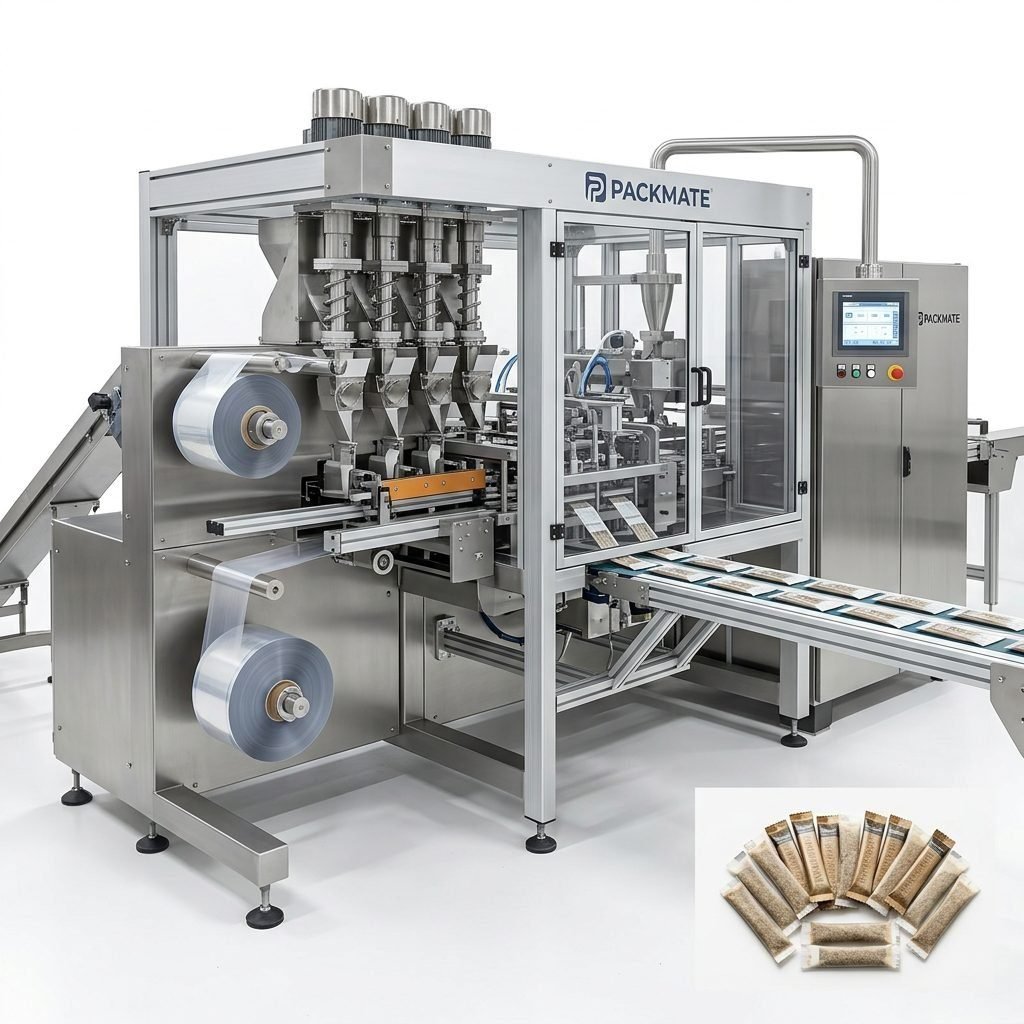
– Sachet & Stick Pack Machines: flexible for single-dose formats and promotional sizes (see Sachet & Stick Pack Machines).
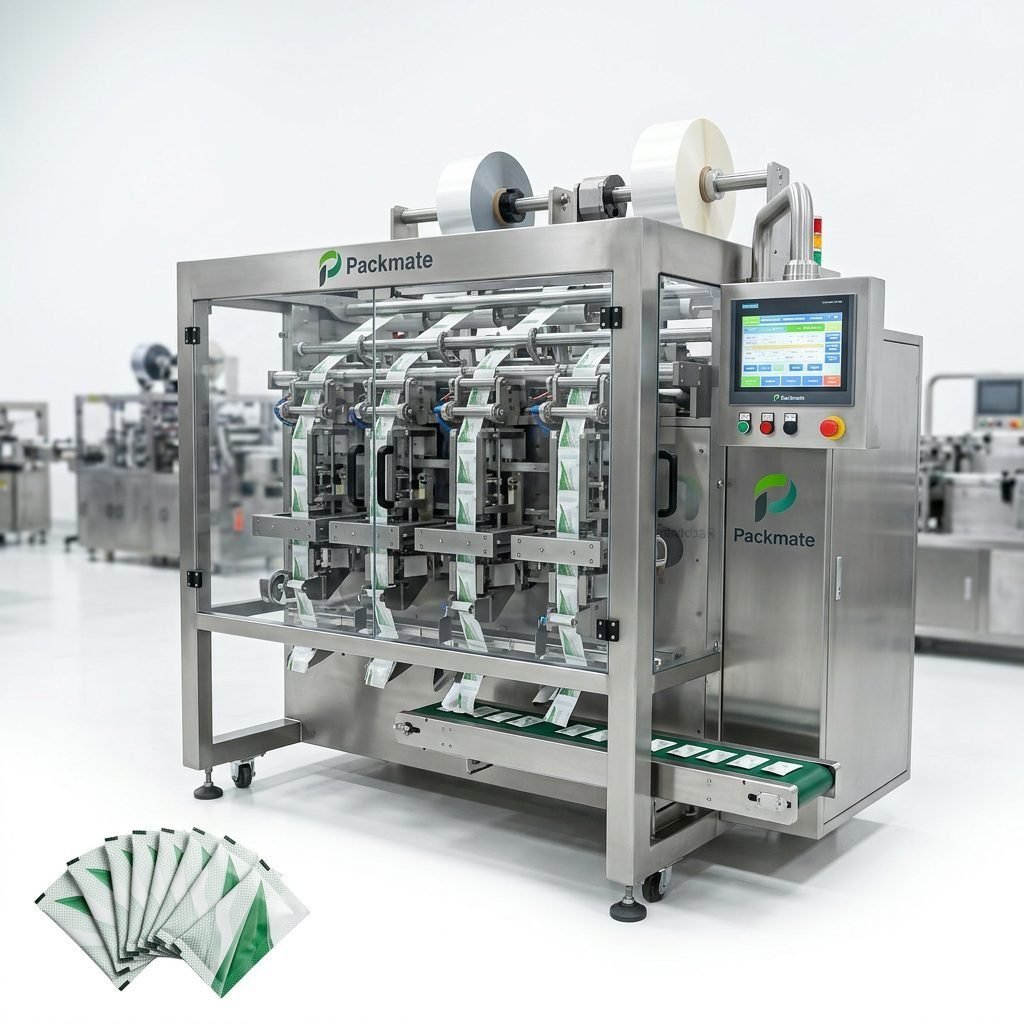
– Bag & Pouch Machines: for retail-ready multi-pouch bags and secondary packaging (see Bag & Pouch Packaging Machines).
Step 2 — Prioritize Hygiene, Materials, and Local Power Compatibility
In a tropical climate and developing infrastructure, equipment hygiene and compatibility with local utilities are essential:
🧼 Food-grade contact parts: ensure stainless steel surfaces (SS304/SS316 where needed) and easy-to-clean design to prevent contamination and extend machine life.
🔌 Voltage & power: verify whether machines support local voltage (Burundi uses 220-240V 50Hz). If not, plan for converters or choose models built for 230V.
🌦️ Humidity resilience: select sealing and drying modules suited for humid climates to maintain product shelf-life.
Step 3 — Evaluate Speed, Accuracy, and Flexibility
Machines differ by speed (bags or pouches/min), metering accuracy, and ability to switch formats. For Burundi’s emerging market:
⚙️ If you plan to run multiple SKUs, choose a machine with quick format changeovers and programmable recipes. This reduces downtime and inventory costs.
🎯 Accuracy matters when dosing nicotine or active ingredients—look for reliable weighing or volumetric systems and consider integrated Weighing & Packaging Systems for strict control.
Automation Level & Integration
Decide the level of automation you need. A fully automated packaging line with filling, sealing, and secondary packaging reduces labor and increases throughput but requires higher capital and stable electricity. Modular lines allow gradual expansion—start with a core snus packing unit and add Filling & Packaging Lines or Auxiliary Packaging Equipment as demand grows.
Step 4 — Confirm Certifications, Quality, and Local Compliance
Importing and selling nicotine products in Burundi may involve health regulations and customs scrutiny. When selecting a supplier:
✅ Ask for international certifications such as CE and ISO to demonstrate machine safety and consistent manufacturing standards (see Certificate).
📄 Ensure your product labeling respects local languages and regulatory requirements—French and Kirundi translations, ingredient and health disclaimers where required.
Step 5 — After-Sales Support, Spare Parts, and Training
Reliable after-sales support is crucial for operations in Burundi where local service networks may be limited. Prioritize suppliers who offer:
📦 Spare parts inventory: fast shipping options and a clear spare parts list. Consider vendors who maintain global spare networks or can ship parts quickly.
🛠️ Technical training: on-site commissioning and operator training reduce downtime and improve product quality.
🌍 Local partnerships: explore service partnerships or local agents to ensure faster response times.
Step 6 — Evaluate Total Cost of Ownership (TCO)
Purchase price is only part of the story. Calculate TCO including:
– Installation and commissioning costs
– Training for operators and maintenance staff
– Energy consumption and local adaptation costs (transformers, stabilizers)
– Spare parts and expected wear components replacement intervals
Why Choose an Experienced Manufacturer like Packmate
A proven supplier with decades of experience can reduce your risk. Packmate Snus Machine brings 30+ years of engineering experience, a wide model range, and turnkey capabilities. Key advantages:
– Large factory footprint and CNC precision machining enable consistent quality. (Learn more About Packmate.)
– Broad product portfolio from Snus & Nicotine Packaging Machines to Filling & Packaging Lines and Bag & Pouch Packaging Machines.
– Global cases and exhibitions showcase practical machine performance and customer feedback (see Case and Our Exhibition).
Key Questions to Ask Potential Suppliers
❓ What is the expected daily output and yield for our chosen pouch size and formulation?
❓ Do you provide on-site commissioning, operator training, and documentation in English/French?
❓ Are CE/ISO certificates and spare parts lists available? (Refer to Certificate)
❓ What lead times can we expect for spare parts and consumables to Burundi?
Practical Setup Tips for Operation in Burundi
– Plan for stable electricity with voltage stabilizers or a reliable backup generator given grid variability.
– Train local technicians and cross-train operators to reduce dependency on international visits.
– Keep a minimum stock of wear parts (seals, belts, cutters) and arrange an expedited spare parts agreement with your vendor.
Financing, Import, and Logistics Considerations
Importing heavy machinery to Burundi involves freight, customs clearance, and local transportation to production sites. Consider:
– Obtain clear commercial invoices and packing lists for customs.
– Work with freight forwarders experienced in East Africa to minimize delays.
– Explore leasing or financing options if capital expenditure is a barrier—some manufacturers provide flexible purchase terms or staged payments.
Where to Learn More & Next Steps
If you want to evaluate specific models or request a quotation, check product pages and case studies online. Helpful starting links:
– Product overview: Snus & Nicotine Packaging Machines
– Turnkey solutions and custom lines: Filling & Packaging Lines
– Company profile and contact: About Packmate and Contact Us
Final Checklist Before You Buy
✅ Confirm format compatibility and production rate.
✅ Verify hygiene standards and material contact grades.
✅ Ensure voltage compatibility or plan for adaptation.
✅ Ask about training, spare parts delivery times to Burundi, and on-site commissioning.
Conclusion
Choosing the right snus packaging machine for your Burundian tobacco business is a strategic decision that affects product quality, regulatory compliance, and profitability. Prioritize manufacturers with proven experience, robust after-sales service, and flexible machine options so you can adapt to local tastes and scale steadily. With careful planning—covering machine format, hygiene, electrical compatibility, spare parts, and training—you can launch a resilient production line that fits Burundi’s market realities.
Frequently Asked Questions
Q1: What machine type suits a small test-market launch in Burundi?
A1: A modular single- or dual-lane snus pouch machine or a small sachet/stick pack unit with easy format changeovers and low initial speed is ideal.
Q2: How important are CE/ISO certificates when importing to Burundi?
A2: Certificates demonstrate quality and safety and help smooth customs and buyer confidence; always request them from suppliers.
Q3: How do I ensure spare parts reach Burundi quickly?
A3: Negotiate spare parts stock levels, expedited shipping options, and a parts list from the vendor before purchase.
Q4: Should I buy a fully automated line or start smaller?
A4: If demand is uncertain, start with a scalable, modular machine. Upgrade to a fully automated line as volumes stabilize.
Q5: Where can I see real-world examples and request quotes?
A5: Review case studies and product pages like Case and contact vendors directly through Contact Us.