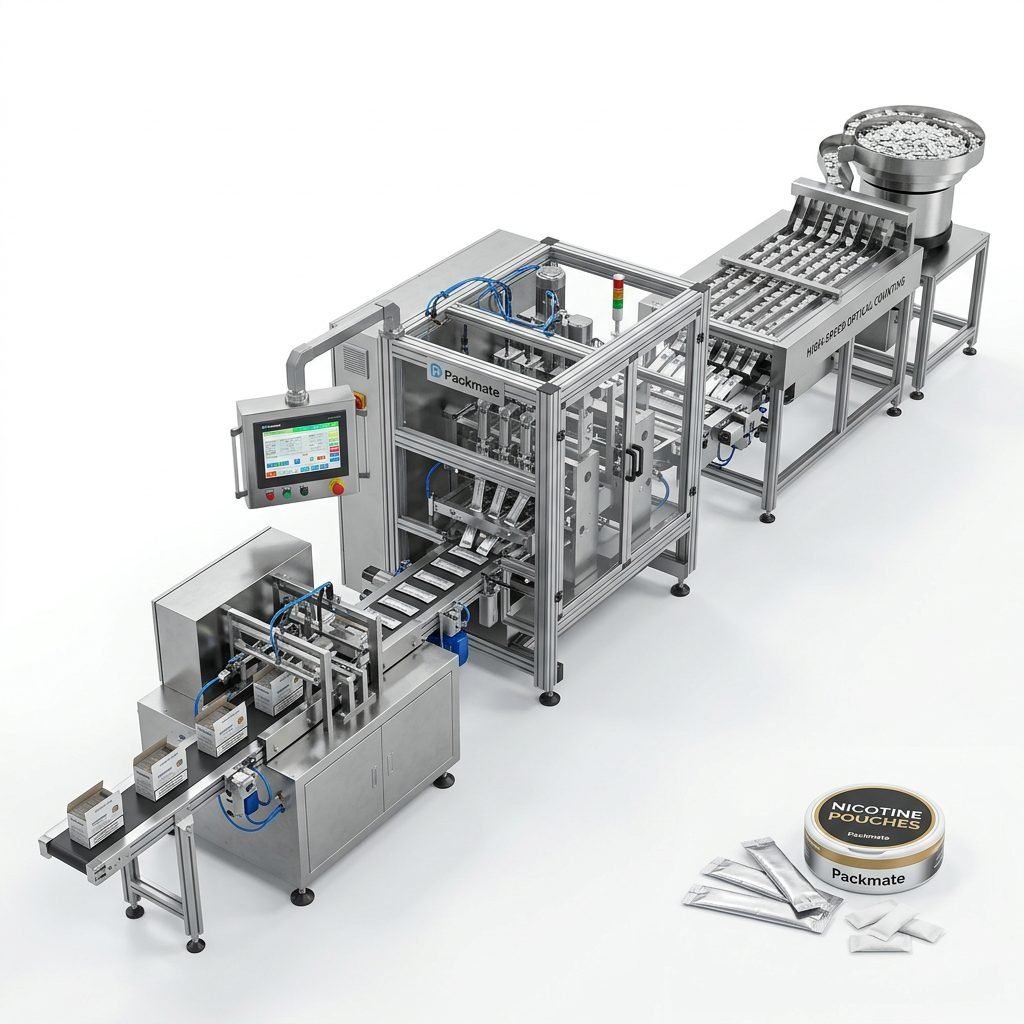
Choosing the right snus packaging machinery for a New Zealand production line is a strategic decision that affects product quality, compliance, and profitability. This guide walks you through practical considerations—from machine types, throughput, and material compatibility to local market preferences and regulatory nuances in Aotearoa New Zealand. Use these insights to match equipment capabilities to your production goals and customer expectations.
🔎 Understand the New Zealand Market & Local Preferences
New Zealand consumers value high-quality, discreet, and responsibly packaged products. For snus and nicotine pouches, portability, single-dose convenience, and neat, recyclable packaging are frequently preferred. If you plan to sell in regional retail chains, convenience stores or online subscriptions, consider packaging formats that support easy shelf display and tamper-evident seals. Also keep in mind that Māori cultural values emphasize respect and community wellbeing—designs that communicate safety and responsible use will resonate more positively with local audiences.
⚠️ Regulatory and compliance considerations in NZ
New Zealand has specific regulations governing nicotine products, labelling, and health warnings. When selecting packaging machinery, ensure the equipment can reliably apply mandated labels, batch codes, and expiry dates. Machines that support traceability features (e.g., inkjet or thermal transfer coders, integrated serialisation) will help you meet regulatory standards and retailer requirements.
🛠️ Types of Snus Packaging Machinery — Which suits your operation?
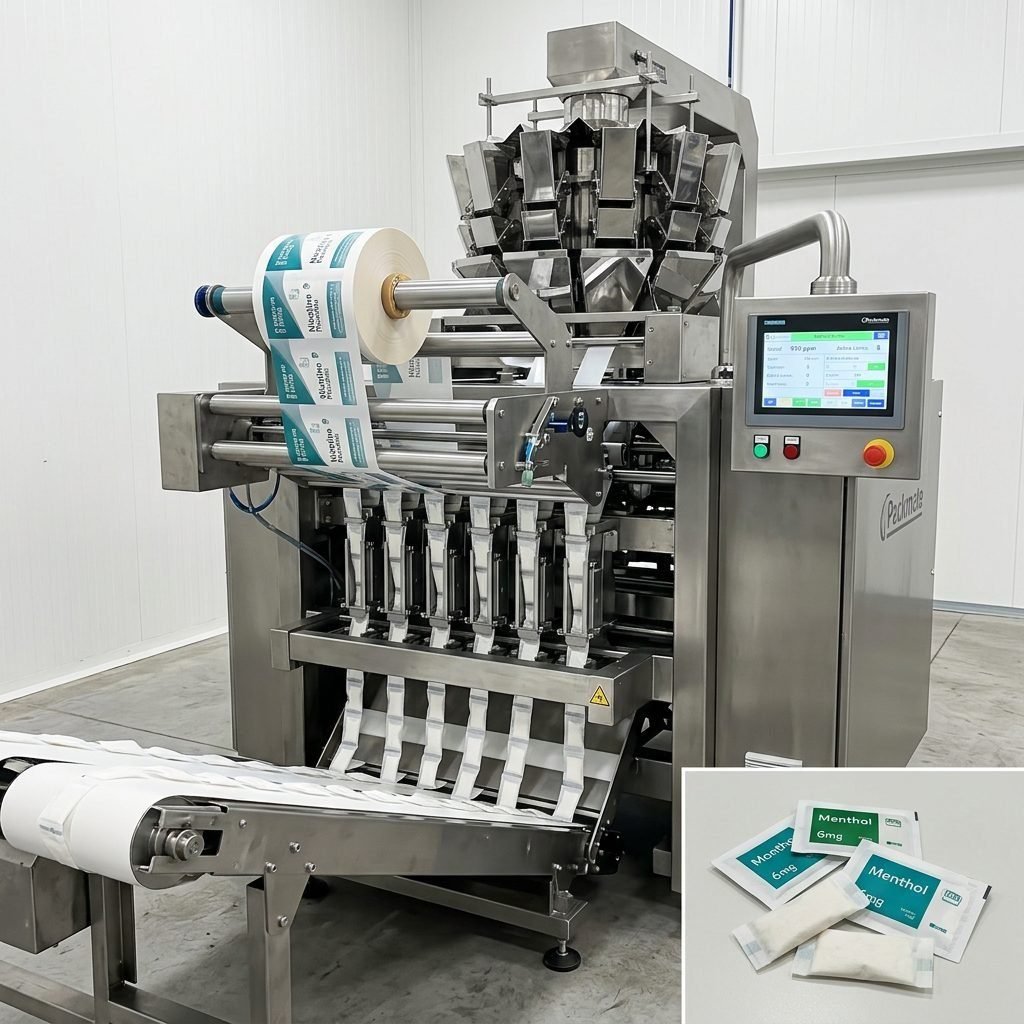
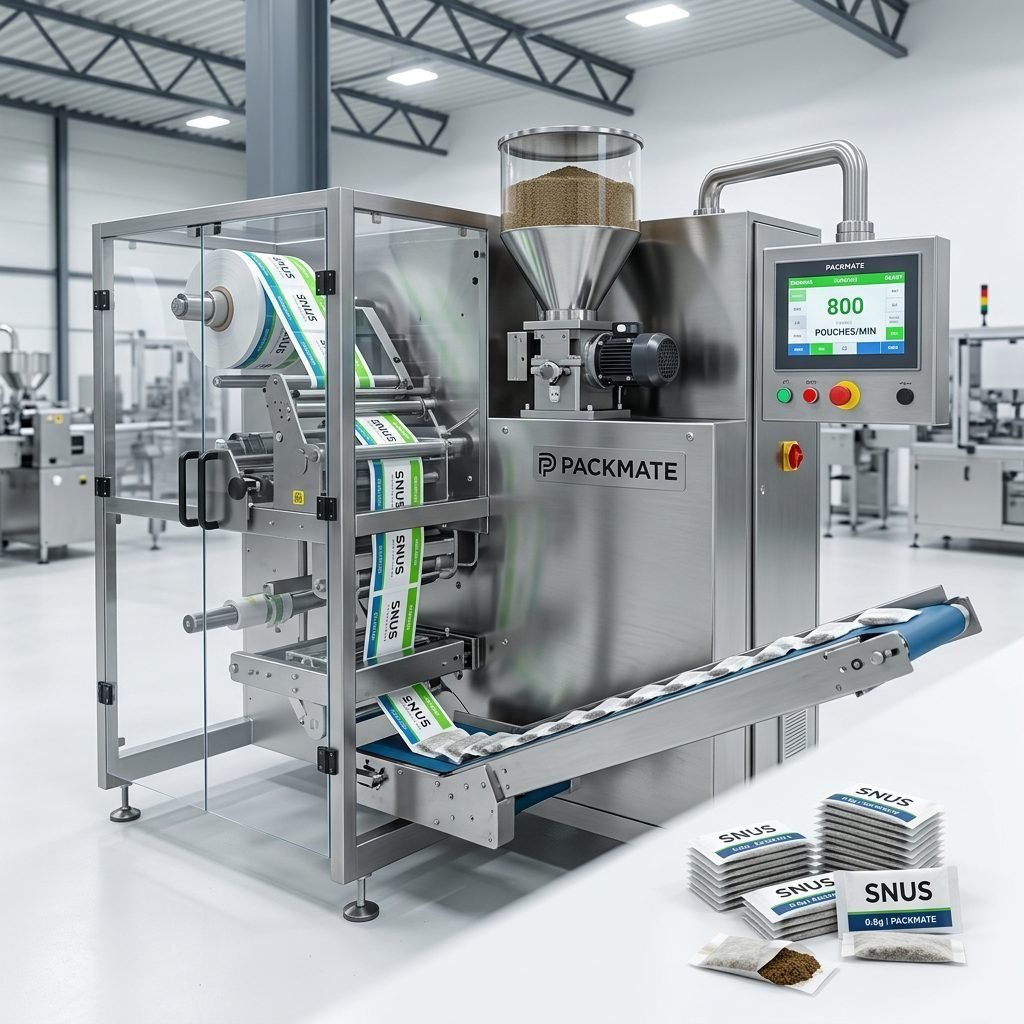
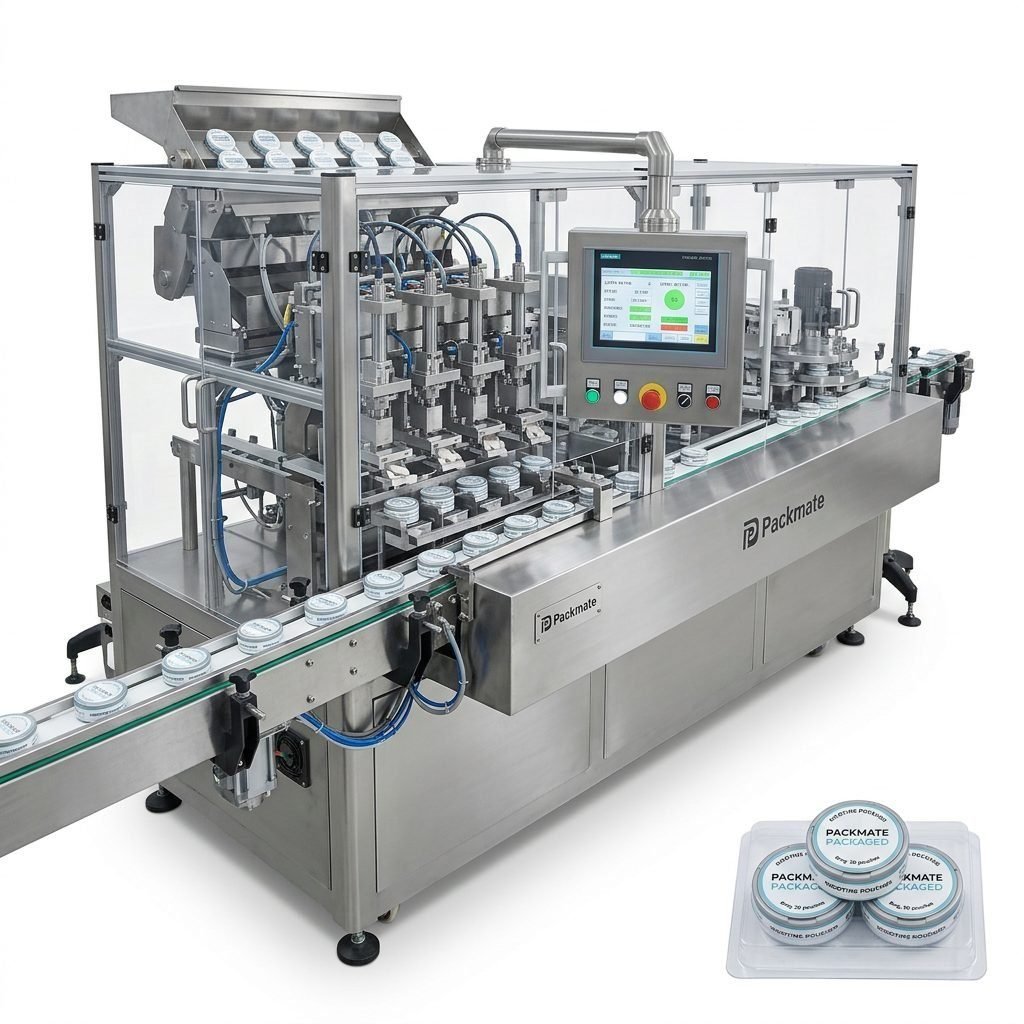
Snus and nicotine pouches can be packaged with different machine concepts depending on format and volume. The most common systems include stick pack, sachet (pillow), tin or pouch cartoning lines, and multi-lane systems for micro-pouch production.
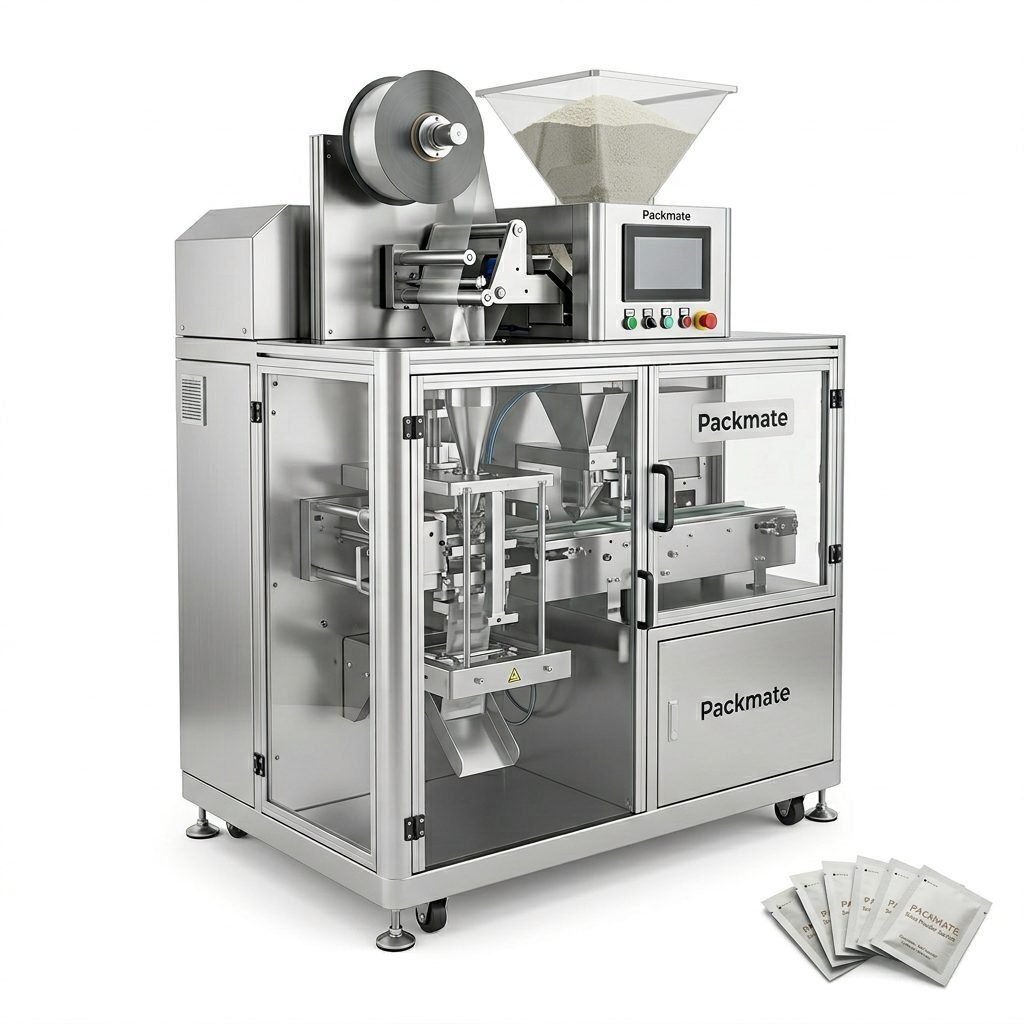
Sachet & Stick Pack Machines
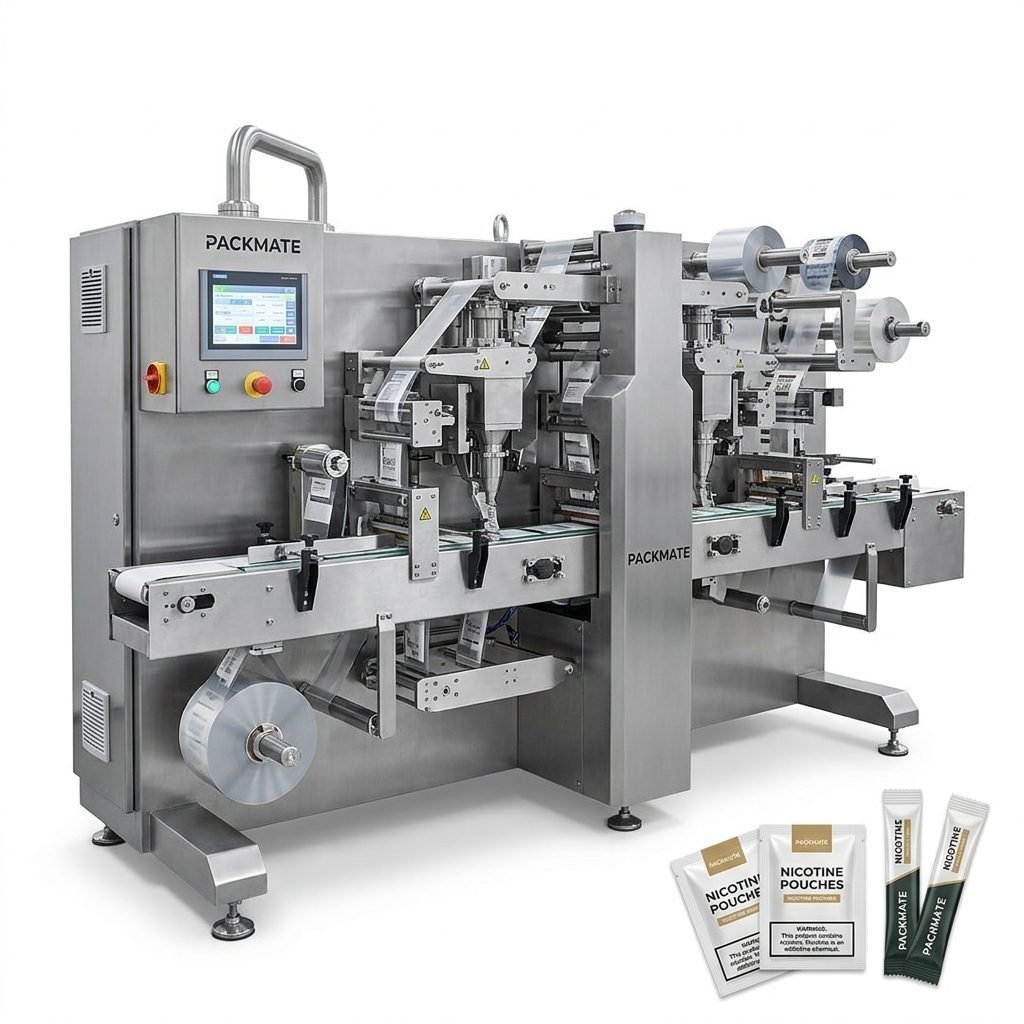
Sachet and stick pack machines are ideal for single-dose sachets or slim stick formats. They offer excellent speed and relatively low footprint—useful for manufacturers targeting convenience channels. If your product is a single-use pouch intended for on-the-go use, a stick or sachet format often reduces material costs while improving consumer portability.
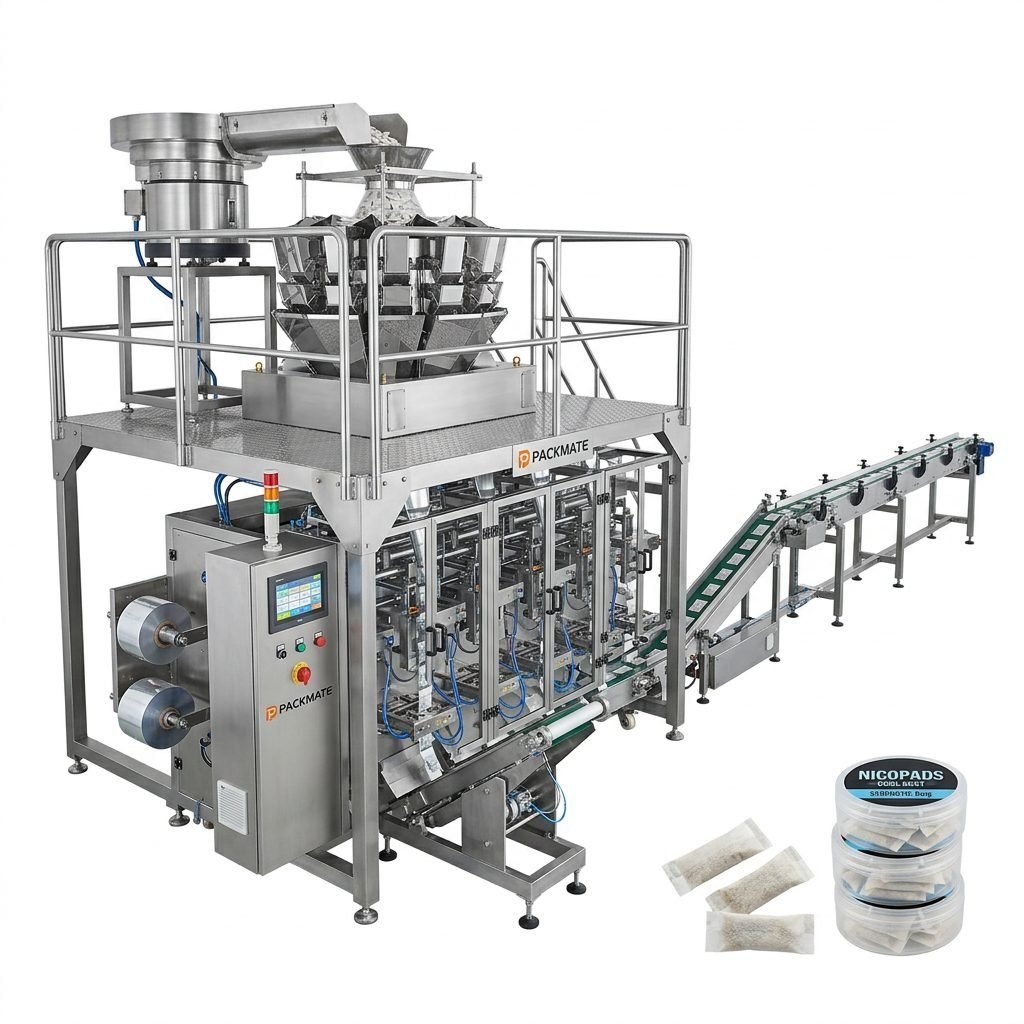
Multi-lane Pouch Systems
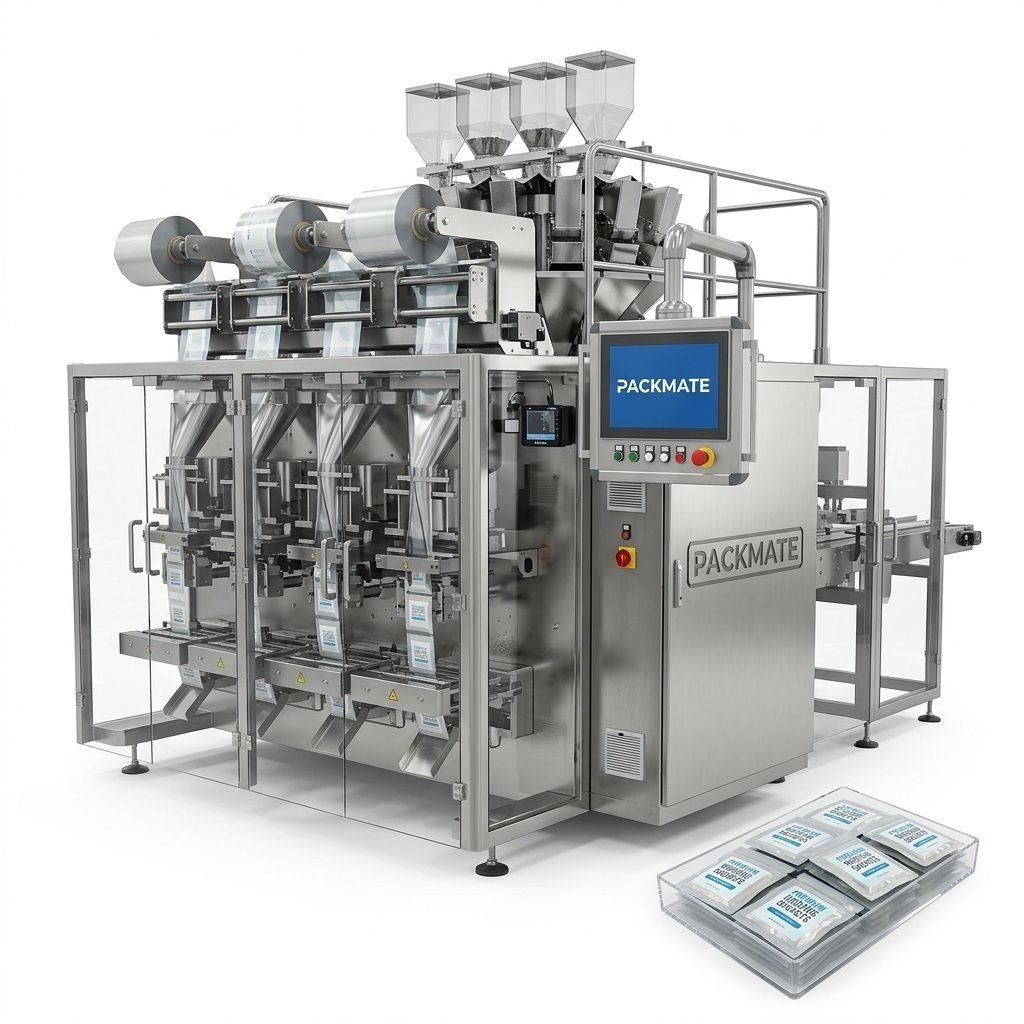
For high-volume nicotine pouch brands, multi-lane systems produce many small pouches concurrently with consistent weight and sealing. These systems are especially valuable when you need precise dosing and very high throughput while maintaining compact factory space utilization.
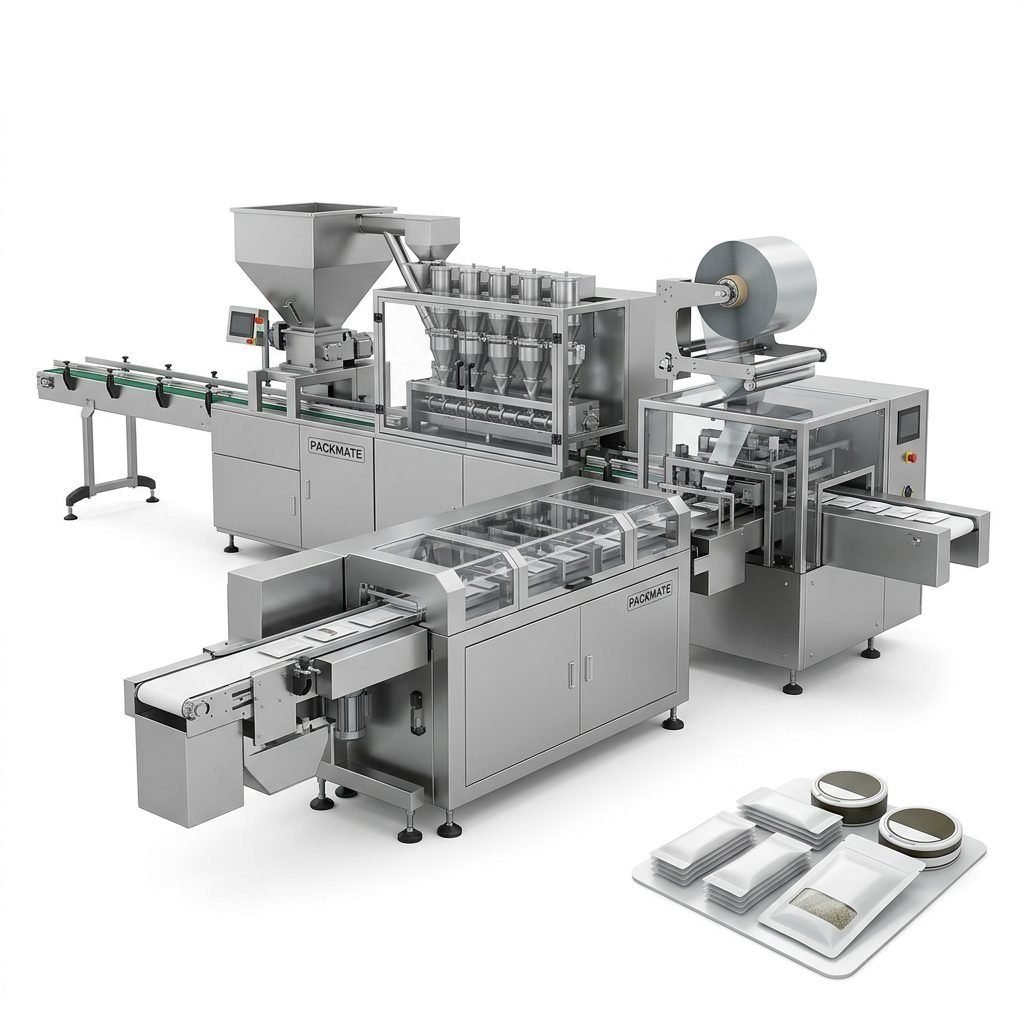
Complete Filling & Packaging Lines
If you want an end-to-end solution—from feeding the powder or blend, filling metering systems, pouch formation, sealing, coding, to cartoning—consider integrated filling & packaging lines. Turnkey lines reduce integration time and often include weighing & packaging systems for accurate dosing.
📈 Production Capacity, Speed & Accuracy
Estimate your target daily output, shift patterns, and expected growth. Machine speed is usually quoted in pouches/min or pieces/min; however, real-world throughput depends on product characteristics, dosing accuracy, and operator skill. Prioritise machines with proven metering systems and servo-driven components to ensure both speed and dosing precision.
Important: For nicotine pouches, accurate dosing is non-negotiable. Choose weighing and filling technologies that deliver tight tolerances and minimal giveaway to control cost and regulatory exposure.
📦 Materials Compatibility & Sustainable Packaging
Packaging material choices—film laminates, paper-based pouches, recyclable mono-materials—impact machine selection. Some sealing jaws or forming equipment require specific material properties (e.g., seal strength, melting point). If sustainability is a local selling point, invest in machines that handle recyclable or compostable films and can perform reliable seals with those substrates.
Brands in New Zealand often highlight environmental credentials. Machines that support minimal material waste (precision cutting, low-dust filling) and energy-efficient operation will strengthen your market positioning.
🔗 Automation, Integration & Industry 4.0
Look for equipment with open interfaces (Modbus, Ethernet/IP) and built-in data logging to integrate with MES or ERP systems. Remote diagnostics, recipe management, and servo controls reduce changeover time and enable consistent quality across shifts. These features also simplify compliance reporting and traceability—a critical need for regulated consumables.
🏭 Factory Footprint, Utilities & Installation
Site planning matters. Assess available floor space, ceiling height, and utility capacity (compressed air, three-phase power, vacuum lines). Some multi-lane and turnkey lines require more substantial foundations and utility upgrades. Verify local support for electrical standards in NZ and whether you’ll need onsite commissioning from the manufacturer or a certified partner.
Installation & training
Ask suppliers about installation timelines, staff training, and local spare parts availability. Machines from established manufacturers typically come with documentation, training packages, and after-sales support options—essential for reducing downtime and ensuring safety.
💡 Warranty, Service & Local Support
Reliable after-sales service is a deciding factor. Confirm warranty terms, service response times, and whether local technicians or certified partners are available in New Zealand. Remote support with clear escalation paths helps maintain production continuity if issues arise.
For a supplier with a strong global track record and turnkey solutions, explore Packmate’s portfolio—especially if you need multi-lane or bespoke systems tailored for snus & nicotine pouch production: Snus & Nicotine Packaging Machines.
💰 Cost, ROI & Financing
Evaluate total cost of ownership: purchase price, installation, tooling, spare parts, energy consumption, and labour. Faster machines may reduce labour costs but increase initial investment. Calculate ROI based on realistic production forecasts and expected product margin. Consider flexible financing or phased upgrades if budgets are constrained.
🧰 Practical Checklist — What to ask suppliers
🔹 Production capacity: Can the machine meet your current and projected throughput?
🔹 Material compatibility: Does it handle your chosen films or mono-materials?
🔹 Accuracy & quality: What are the dosing tolerances and rejection rates?
🔹 Changeover time: How quickly can it switch formats and lanes?
🔹 Support & spares: Are spare parts stocked regionally and what is service lead time?
📚 Examples & References
Explore manufacturer case studies and equipment types to visualise how different lines perform. Packmate provides examples of multi-lane and turnkey lines that support nicotine pouch production—review their real-world projects to validate performance and integration strategies: Case.
If you want a broader view of packaging categories and additional equipment like auxiliary machines or weighing systems, check their product sections for complementary equipment: Weighing & Packaging Systems and Auxiliary Packaging Equipment.
🧾 Final selection tips
– Prioritise machines that match your product format, dosing needs, and NZ market expectations.
– Choose modular designs for flexibility and quicker ROI.
– Confirm local regulatory needs for labelling and traceability and ensure the machine can apply required codes reliably.
– Verify after-sales support, spare parts accessibility, and training offerings to minimize downtime.
Frequently Asked Questions
Q1: How do I know whether a stick pack, sachet, or multi-lane system is best for my product?
A: Consider your pouch size, targeted daily volume, and packaging material. Stick packs suit single-dose, portable formats with moderate volumes; sachet machines work well for simple pillow pouches; multi-lane systems excel for very high-volume, small-dose pouches where accurate dosing and space efficiency matter.
Q2: What should I prioritize for regulatory compliance in New Zealand?
A: Ensure your line supports permanent and legible coding (batch, lot, expiry), traceability, and the ability to include mandated labelling. Integrated data logging and print/coding modules are essential.
Q3: How important is local after-sales service for packaging machinery?
A: Extremely important. Fast access to spare parts, trained service technicians, and remote diagnostic support reduces downtime and protects production targets. Verify supplier networks or regional partners before purchase.
Q4: Can I start with a smaller machine and upgrade later?
A: Yes—many manufacturers offer modular solutions that let you scale lanes, add auxiliary modules, or upgrade dosing systems. Plan for space and utility capacity to facilitate future expansion.
Q5: Where can I see real-life installations and get detailed specs?
A: Review manufacturer case studies and product pages to compare models and view performance metrics. For example, check product categories and detailed descriptions on the Packmate site: Sachet & Stick Pack Machines and Snus & Nicotine Packaging Machines.