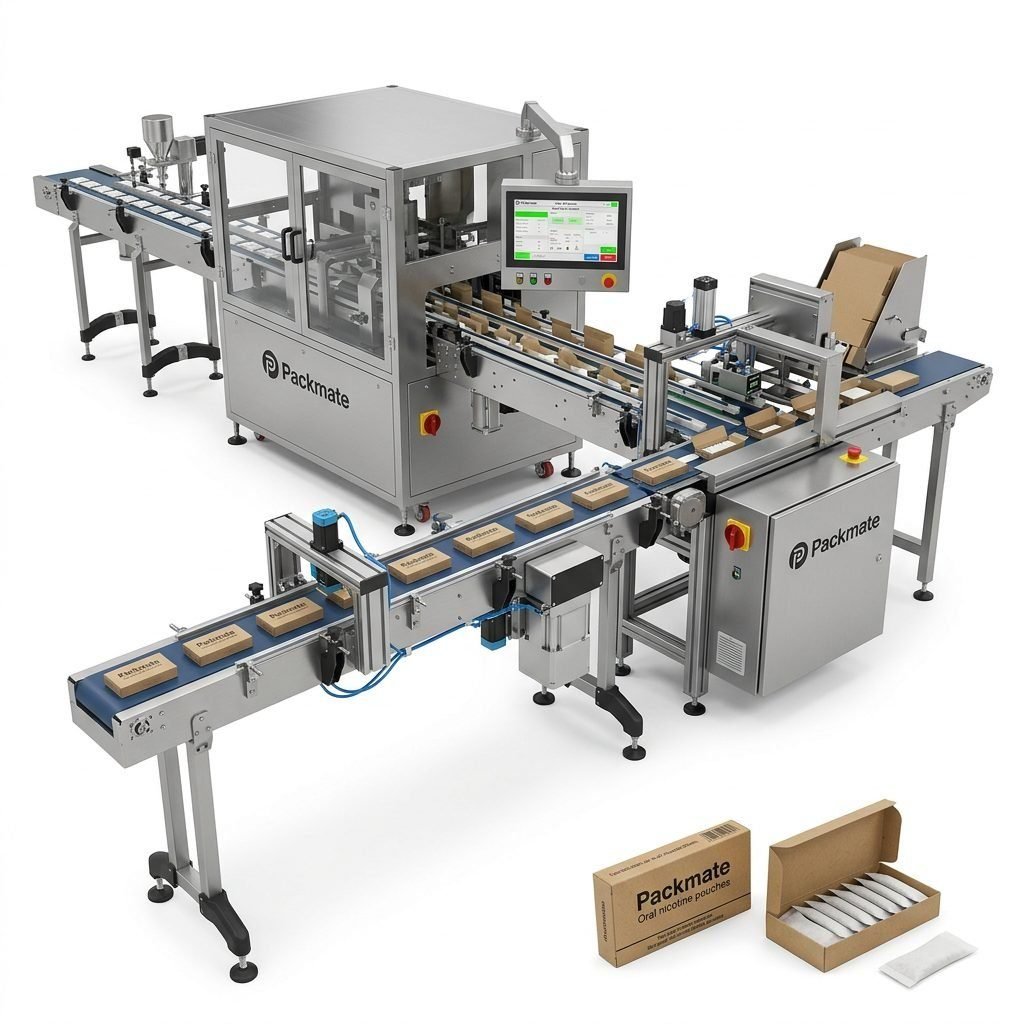
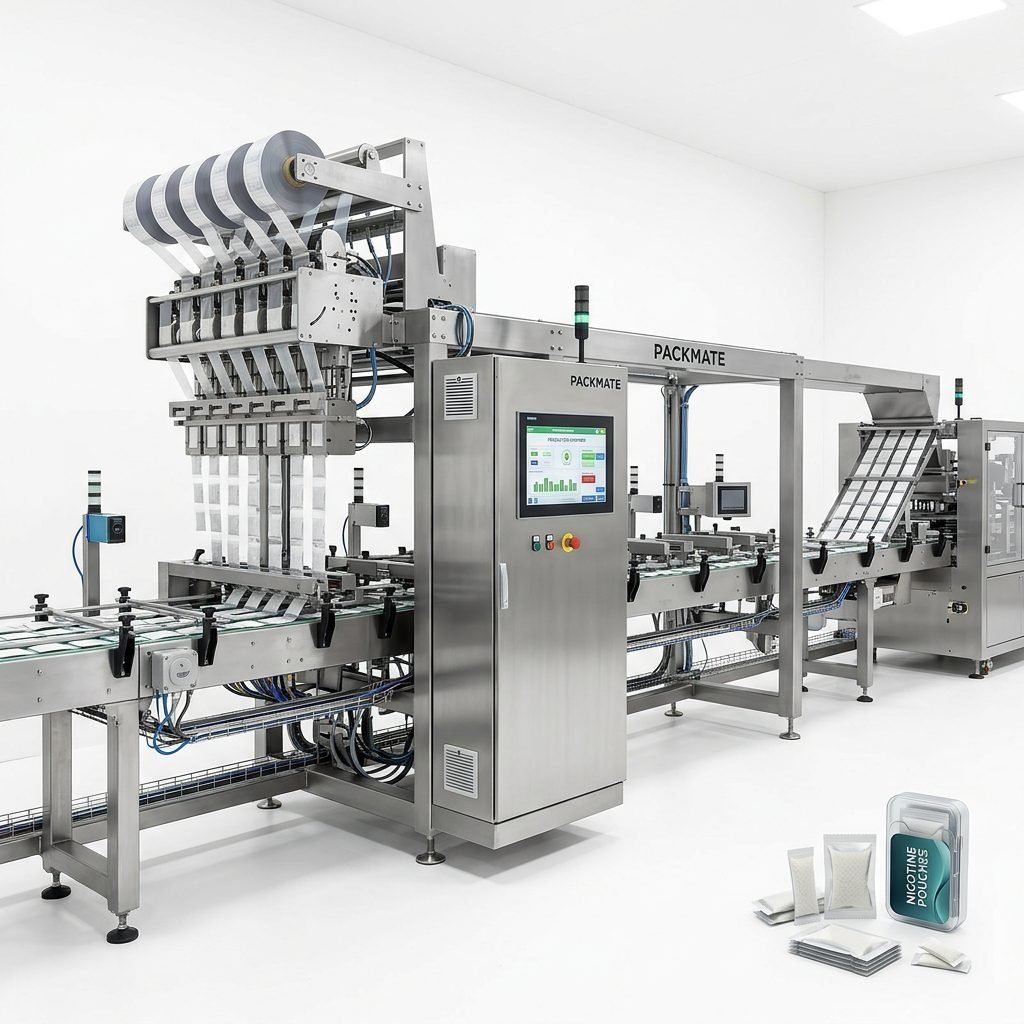
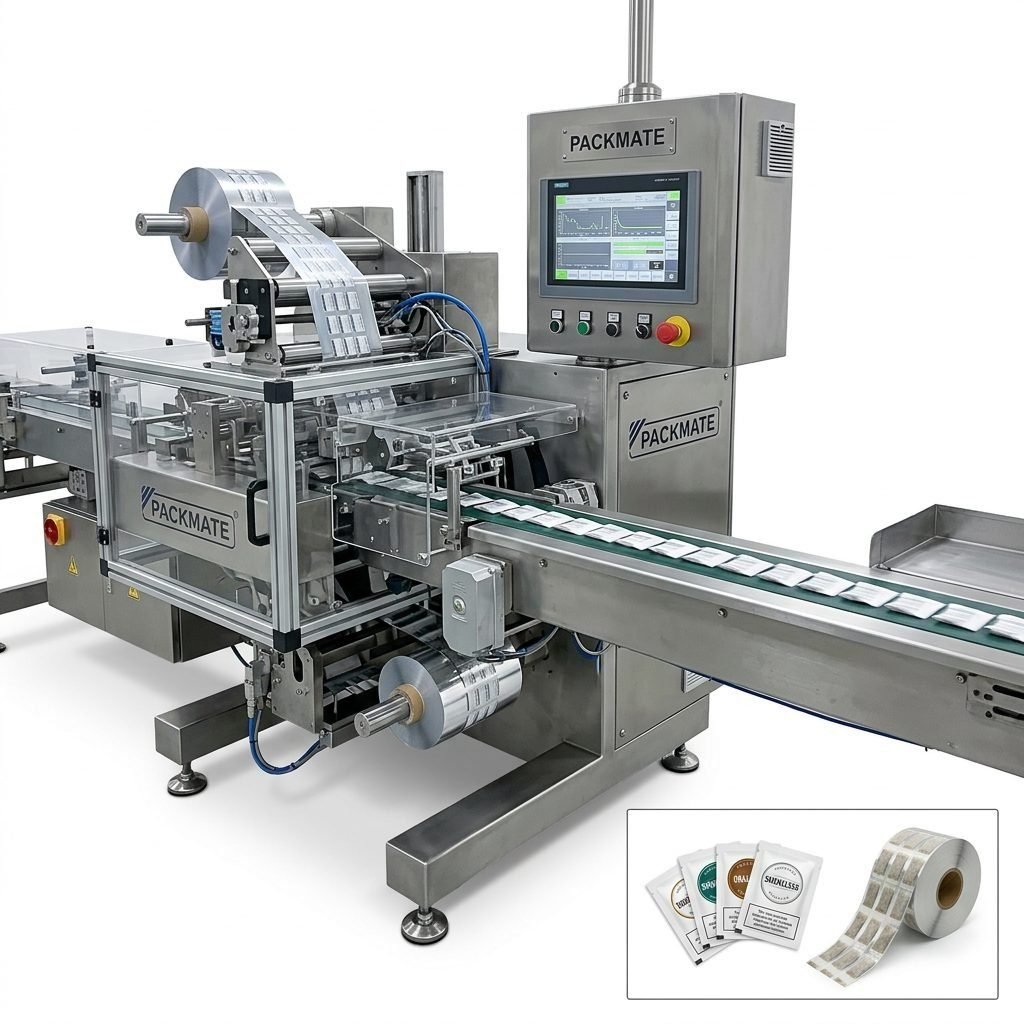
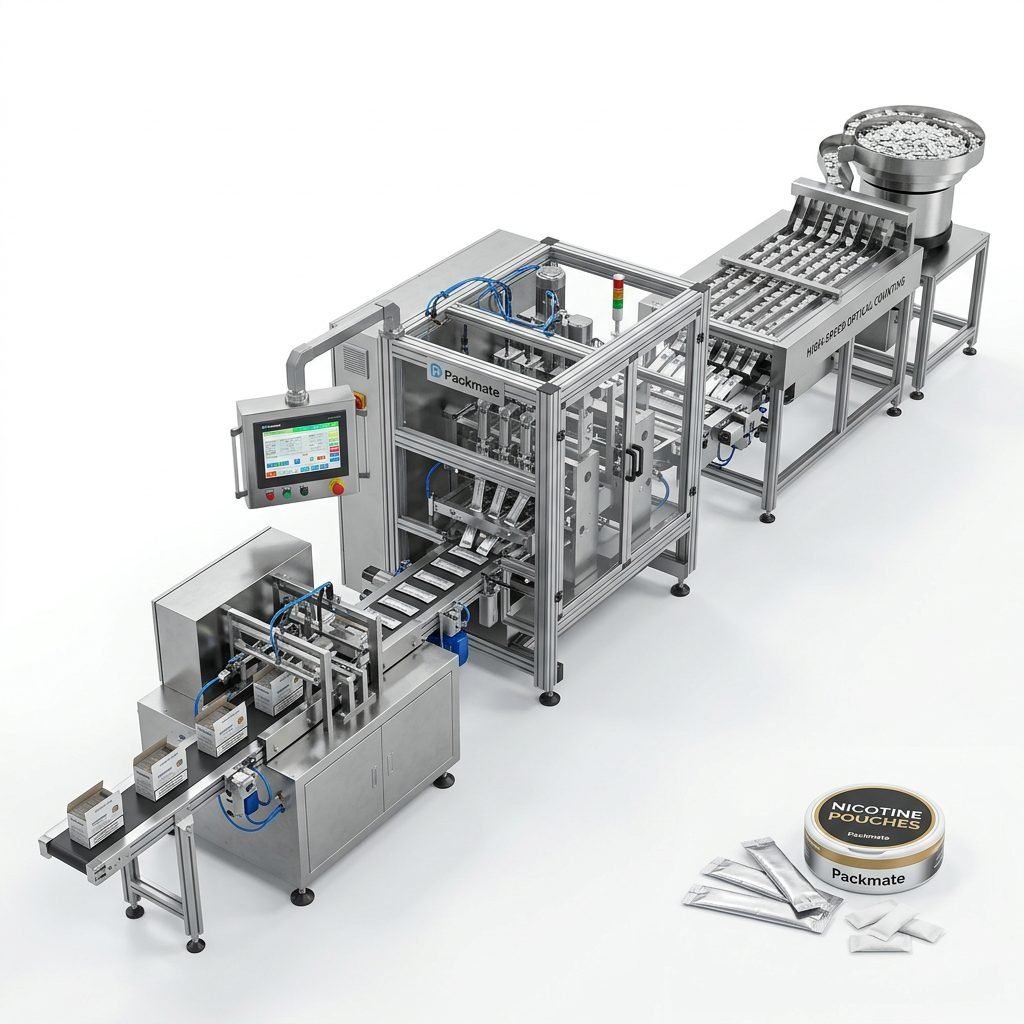
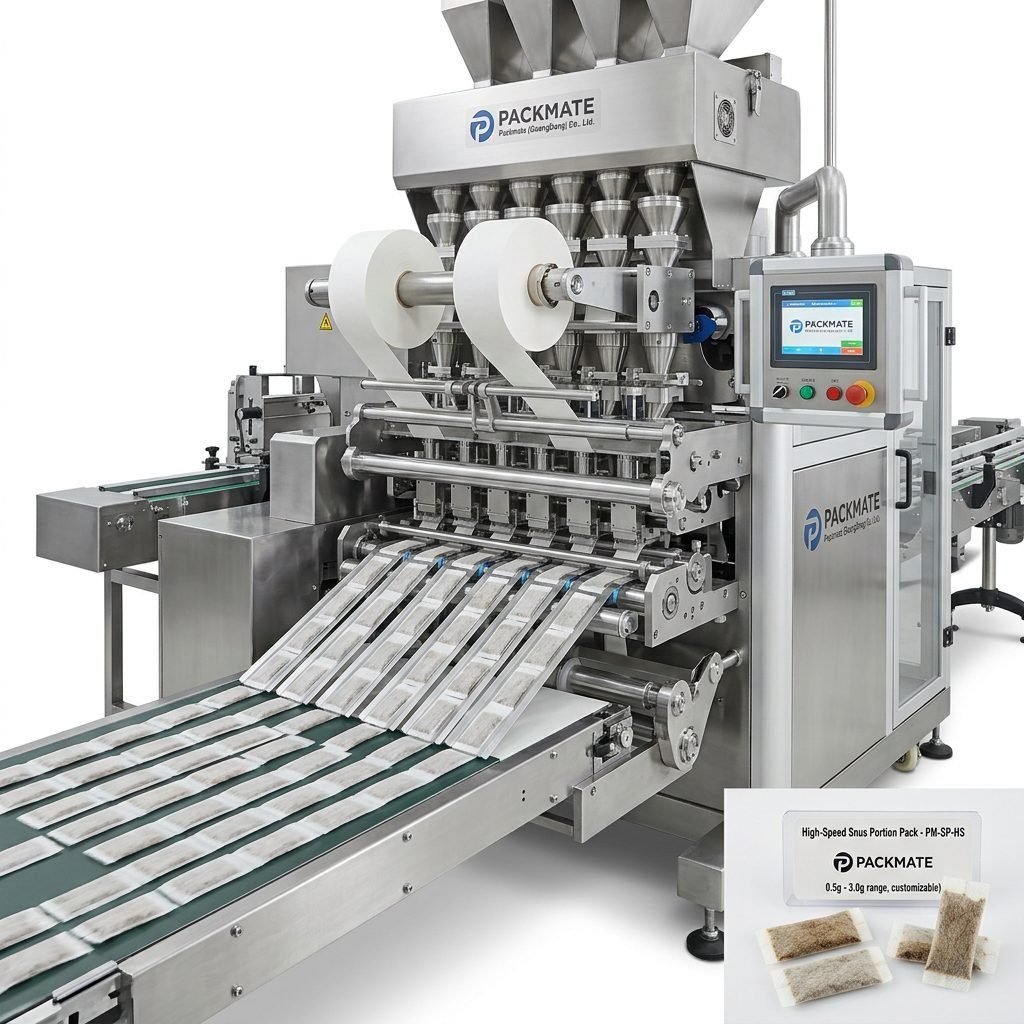
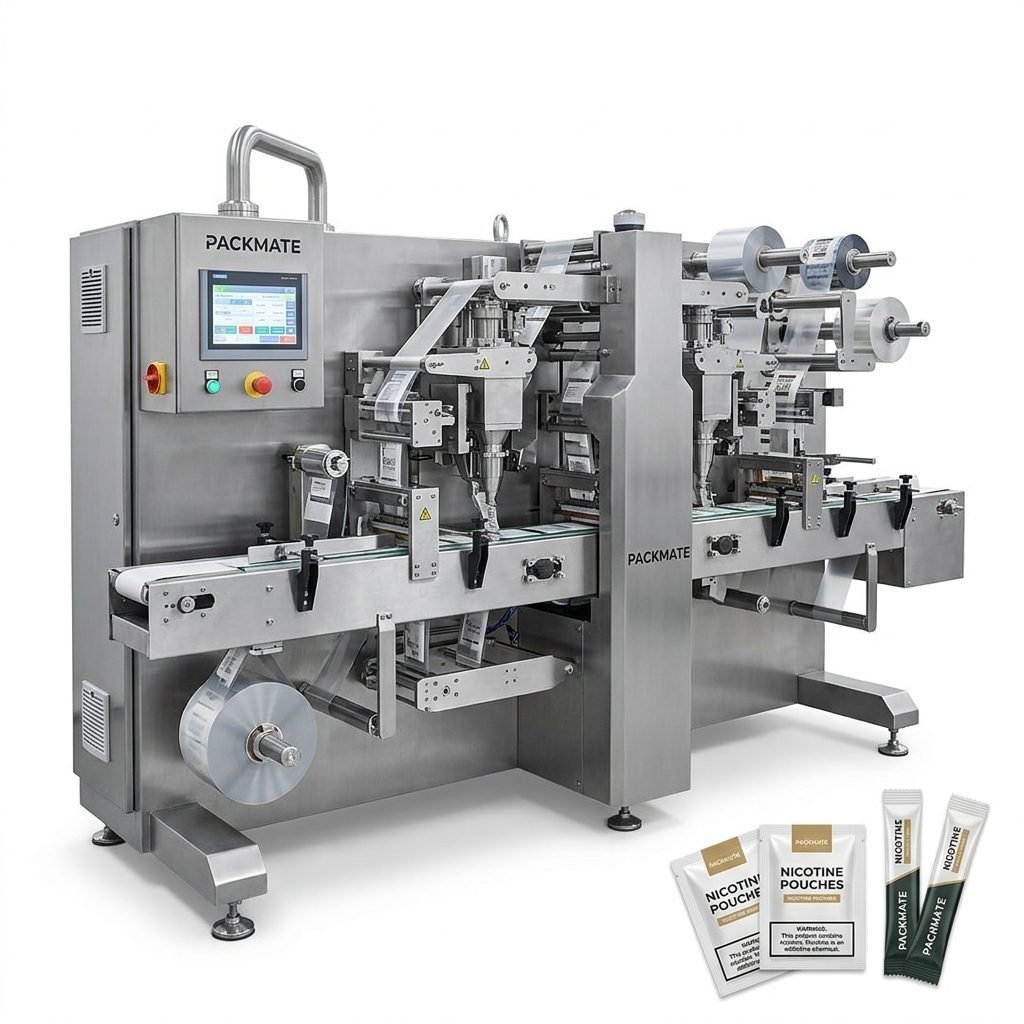
Choosing the right snus packaging machinery manufacturer for your factory in Southeast Asia is a strategic decision that affects production efficiency, product quality, regulatory compliance, and long-term costs. Whether you are producing nicotine pouches, snus, or other small-dose oral products, the right machine partner will deliver stable performance, local adaptability, and reliable after-sales support. This guide walks factory owners, production managers, and procurement teams through practical criteria, local considerations for Southeast Asian markets, and an actionable checklist to select the best snus packaging machinery manufacturer for your needs.
Why the Manufacturer Choice Matters in Southeast Asia
Southeast Asia is a diverse region with varying consumer habits, regulatory environments, and manufacturing ecosystems. Countries such as Thailand, Vietnam, Indonesia, Malaysia, and the Philippines each have unique market dynamics. Choosing a manufacturer with regional experience helps you adapt to local customs around product presentation, halal considerations in Muslim-majority areas, and export requirements for Western and Nordic markets where snus has a stronger legacy.
Regulatory sensitivity (nicotine rules), cultural packaging preferences (discreet, premium, or plain), and logistics complexity for land/sea shipping across ASEAN.
Technical Criteria: What to Inspect on a Snus Packaging Machine
When vetting manufacturers, evaluate machines from multiple technical angles to ensure the line meets your capacity, product format, and quality objectives.
Production Format Compatibility
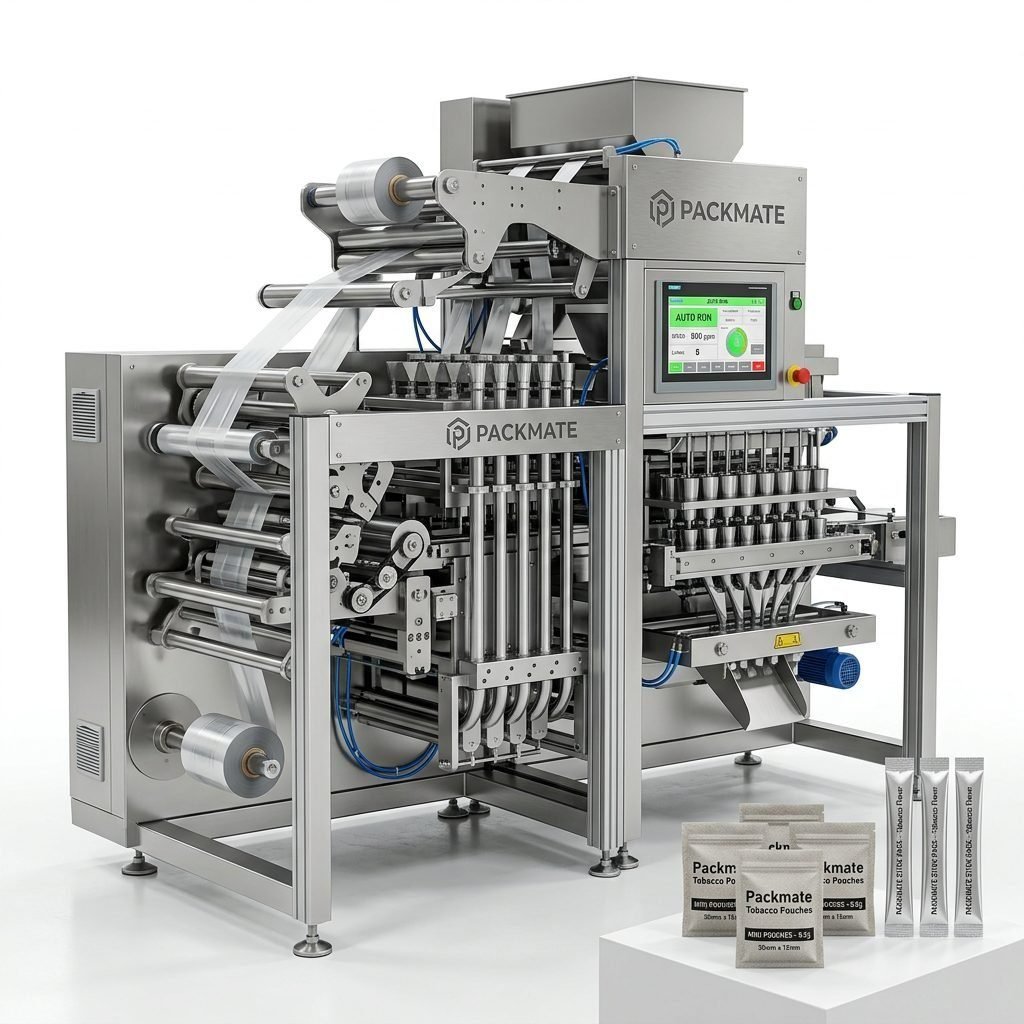
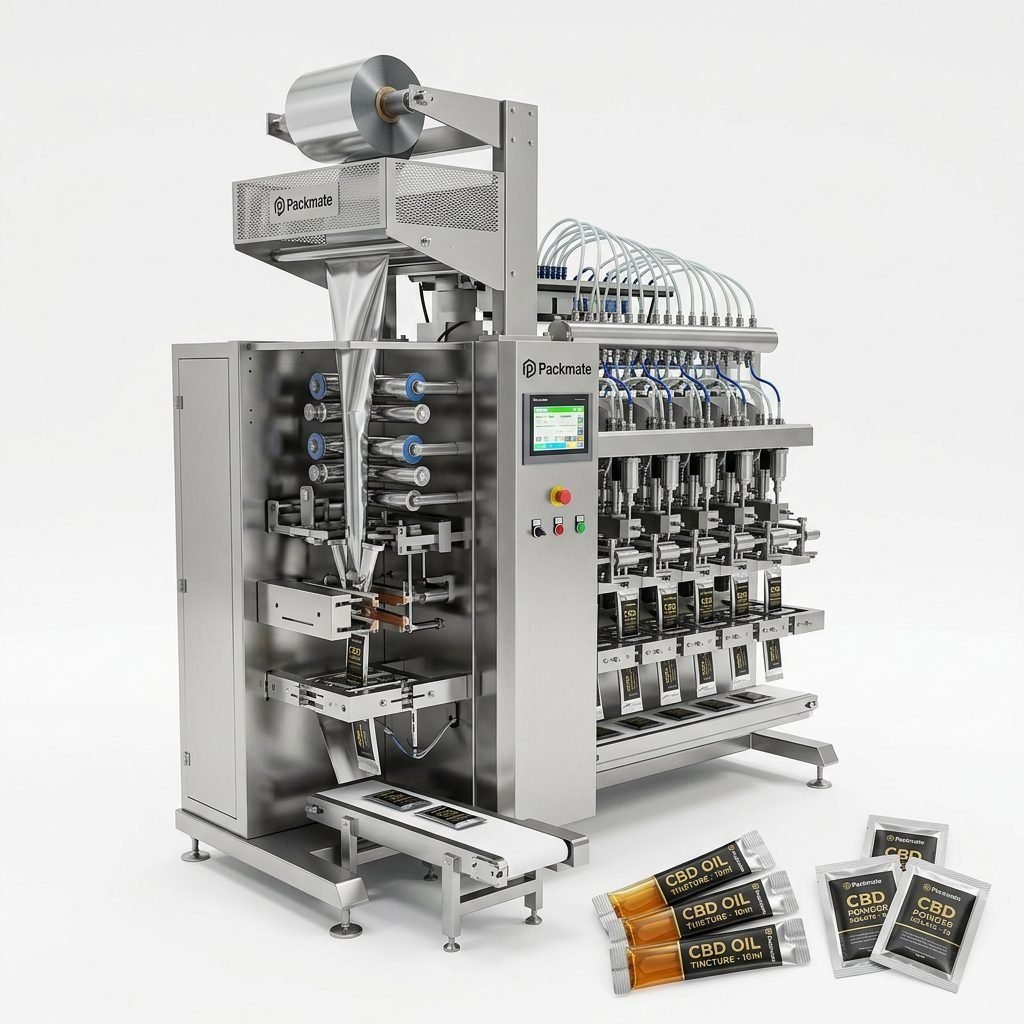
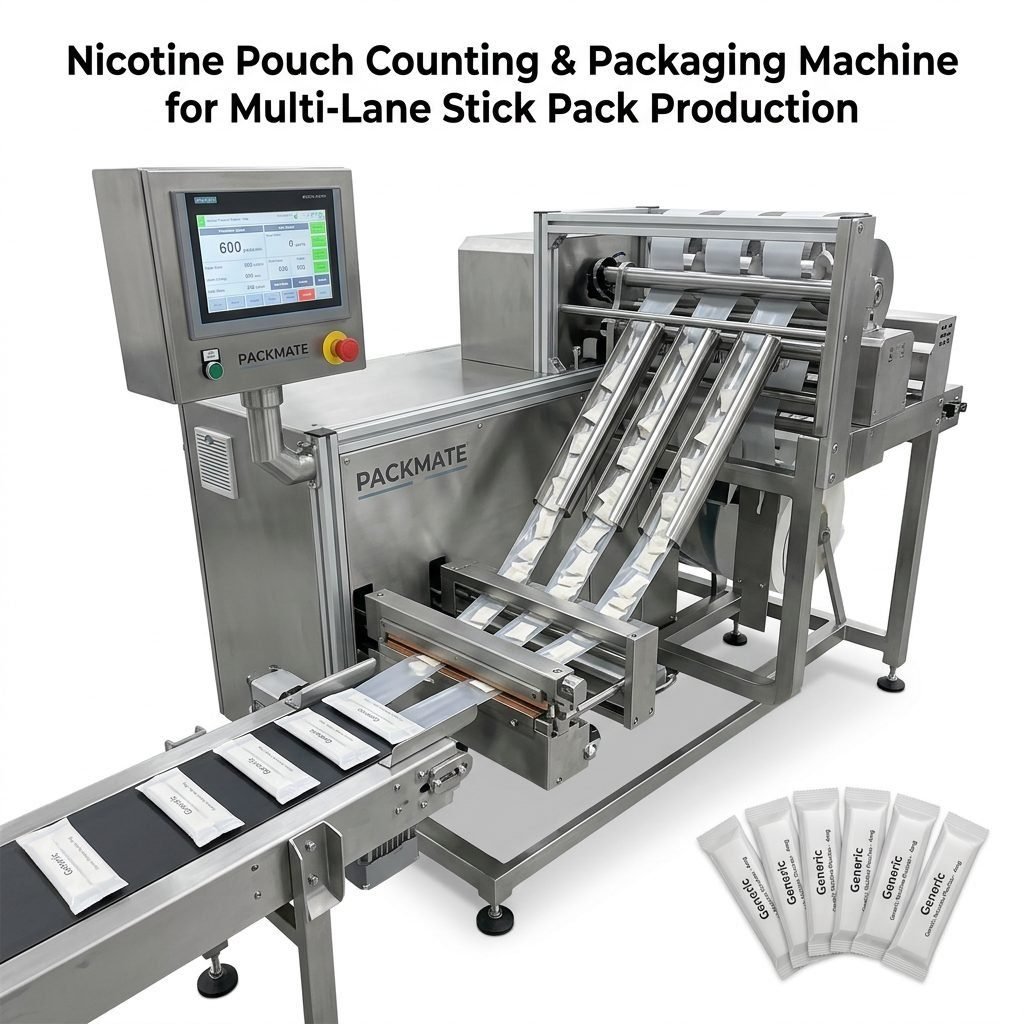
Confirm the machine supports your product format: nicotine pouches, snus sachets, stick packs, or multi-lane small-dose pouches. Multi-lane systems can dramatically increase throughput for small-dose pouches while maintaining consistent dosing.
Accuracy, Filling and Weighing Systems
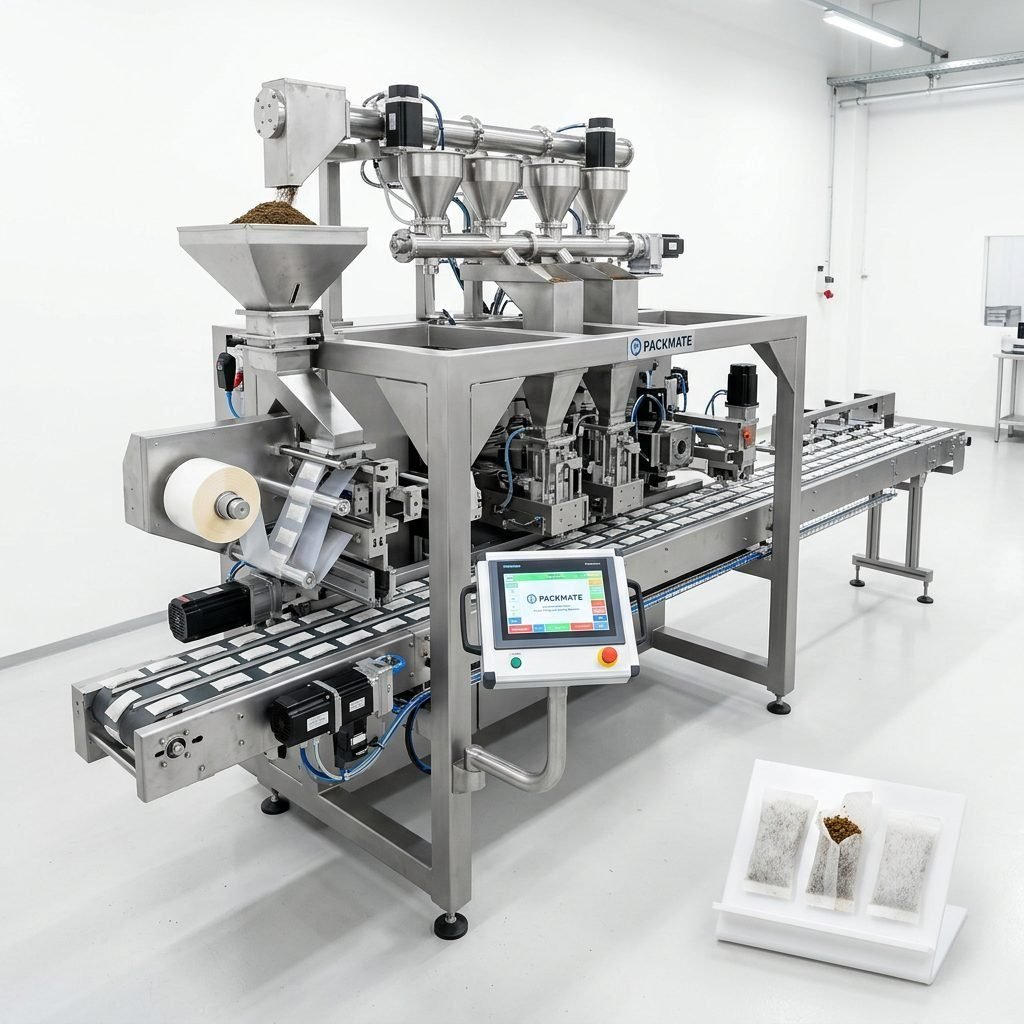
Check the fill accuracy and stability across production runs. For powders or blends used in nicotine pouches, vibration feeders, accurate electronic weighing, and multi-head weighers reduce variation. Machines integrated with precise dosing yield lower waste and better regulatory compliance.
A small increase in dosing accuracy can reduce material loss and improve finished product consistency—measure TCO, not just purchase price.
Material Handling & Hygiene
Evaluate the machine’s contact materials, cleanability, and maintenance accessibility. Stainless steel contact parts (e.g., 304/316 where needed), easy tool-free access, and CIP-compatible features are important in regulated markets and for fast changeovers.
Speed, Scalability & Multi-Lane Options
Look for systems that offer modular scalability. If demand grows, can you upgrade lanes, add inline weighing units, or integrate secondary packaging without replacing the entire line? Multi-lane snus packing machines are especially valuable for small-dose pouches to reach high outputs in a compact footprint.
Quality, Certification and Factory Capability
Certifications and factory strength are proxies for lasting reliability. Confirm CE, ISO standards, and manufacturer testing practices. Visiting a factory or requesting video demonstrations of real production lines gives insight into build quality and process control.
Advanced CNC machining, dedicated assembly lines, robust QC labs, and ability to customize turnkey solutions.
Spare Parts and After-Sales Support
A local or regional spare-parts inventory shortens downtime. Ask about guaranteed response times for support, remote diagnostics, training packages, and on-site commissioning. In Southeast Asia, consider whether the manufacturer provides language support or local partners for faster service.
Commercial Considerations: Price vs Total Cost of Ownership
The lowest purchase price can be misleading. Consider total cost of ownership (TCO): energy efficiency, consumables, spare parts pricing, uptime history, and modular upgrade paths. Warranties, training inclusions, and spare-part delivery lead times also factor into TCO.
Payment Terms and Delivery
Negotiate clear delivery schedules, acceptance tests (FAT/SAT), and payment milestones tied to machine performance. For ASEAN factories, align shipping plans with customs and import duties; some manufacturers assist with export documentation and logistics planning.
Regulatory and Cultural Factors in Southeast Asia
Southeast Asia includes countries with contrasting religious and cultural norms. In Malaysia and Indonesia, halal considerations and public health regulations may influence labeling and ingredient transparency. Even if products are exported, being sensitive to local workforce norms, factory holidays, and language preferences improves collaboration.
Product Presentation and Consumer Expectations
Packaging aesthetics—matte vs glossy, discrete vs premium branding, and language considerations—should be discussed with the manufacturer. Many Southeast Asian consumers respond to premium tactile finishes and compact designs. If exporting to Nordic markets, ensure packaging meets those markets’ strict labeling and material requirements.
Practical Checklist for Factory Procurement Teams
Use a structured checklist to compare vendors objectively. Below is a condensed procurement checklist you can adapt.
Pre-Selection Questions
– Does the manufacturer have proven snus/nicotine pouch references and case studies? (Request machine videos and client references.)
– Are machine categories modular and upgradable? Can they offer multi-lane lines for scaling?
– What certifications (CE, ISO) and testing protocols do they use?
Factory Acceptance and Testing
Require a Factory Acceptance Test (FAT) with your product recipe. Approve test criteria such as pouch seal strength, fill accuracy, speed, and ongoing stability tests. Ensure test results are documented.
Buying without FAT, skipping spare parts negotiation, or underestimating installation/commissioning time leads to costly delays.
Installation, Commissioning and Local Training
Confirm what is included for installation: mechanical alignment, electrical hookups, control integration, operator training, and maintenance courses. For Southeast Asia, request local-language manuals or subtitles for training videos if needed.
Remote Support Capabilities
Remote diagnostics over VPN, clear PLC/HMI documentation, and parts catalog access minimize downtime. Ask vendors about their remote-support SLA and typical resolution times in the region.
How Packmate Snus Machine Fits the Southeast Asia Context
A capable supplier of snus and nicotine pouch packaging lines should demonstrate long-term engineering expertise, diverse machine portfolios, and regional service channels. Packmate Snus Machine, with over 30 years of engineering experience and a 20,000㎡ manufacturing facility, offers a wide range of snus packing systems—including multi-lane lines, stick pack and sachet machines—tailored for the nicotine pouch market and suitable for factories across Southeast Asia.
For more details on machine categories and turnkey options, review related product resources:
Negotiation Tips and Contract Clauses
Protect your investment with clear contractual clauses: acceptance criteria, warranty scope, spare parts lists with pricing, response-time commitments, penalty clauses for late delivery, and intellectual property protection for customized tooling or recipes.
Ensure Clear Documentation
Require complete documentation: wiring diagrams, PLC code backups, spare-parts exploded views, and preventive-maintenance schedules. These documents reduce dependence on vendor engineers for routine maintenance.
FAT acceptance criteria, warranty duration & scope, spare-parts lead times, and a training package for operators & technicians.
Post-Purchase: Metrics to Track for Continuous Improvement
After commissioning, track metrics such as OEE (Overall Equipment Effectiveness), first-pass yield, downtime causes and mean time to repair (MTTR). These metrics guide optimization, whether through mechanical tweaks, operator training, or software updates from the manufacturer.
Continuous Collaboration
A long-term vendor relationship supports continuous improvement. Seek manufacturers willing to co-develop recipes, provide incremental upgrades, and participate in regular performance reviews.
Final Recommendations for Southeast Asian Factories
– Prioritize manufacturers with proven snus/nicotine pouch experience and robust multi-lane offerings.
– Insist on FATs using your materials and validate fill accuracy, sealing integrity, and production stability.
– Confirm spare-parts availability and regional service capabilities to minimize downtime.
– Factor cultural and regulatory nuances into labeling, packaging design, and ingredient documentation.
– Evaluate TCO over machine lifetime rather than lowest upfront cost.
Request video FAT, verify CE/ISO, negotiate spare parts SLA, and schedule on-site commissioning with local-language support where needed.
Resources & Next Steps
If you want to explore specific solutions and case studies, see the manufacturer’s product range and real-world examples. Reviewing machine specifications and client cases will help you shortlist reliable suppliers rapidly.
Frequently Asked Questions
1. How long is the typical lead time for snus packaging machines?
Lead times vary by machine complexity and customization. Standard models may ship within 8–12 weeks, while bespoke multi-lane turnkey lines often require 12–24 weeks including FAT and customization. Always confirm delivery milestones and contingencies in the contract.
2. What certifications should I insist on?
CE and ISO certifications are baseline indicators of quality and safety. For export markets, ensure compliance with local regulations and request documentation for electrical safety, EMC, and material traceability where relevant.
3. Can manufacturers provide turnkey solutions including upstream and downstream equipment?
Yes. Many experienced suppliers provide turnkey lines that include feeding, weighing, filling, secondary packaging, and case packing. Review the supplier’s integration track record and request references for full-line deployments.
4. How do I ensure spare parts availability in Southeast Asia?
Negotiate a spare-parts package and lead-time commitments. Prefer vendors with regional warehouses, local agents, or fast shipping options. Maintain a critical-parts inventory based on MTTR and machine downtime history.
5. Where can I see real-world cases or request a demo?
Request machine demonstration videos, client references, and case studies. Many manufacturers publish case pages and exhibition calendars—these resources help validate machine performance under production conditions.