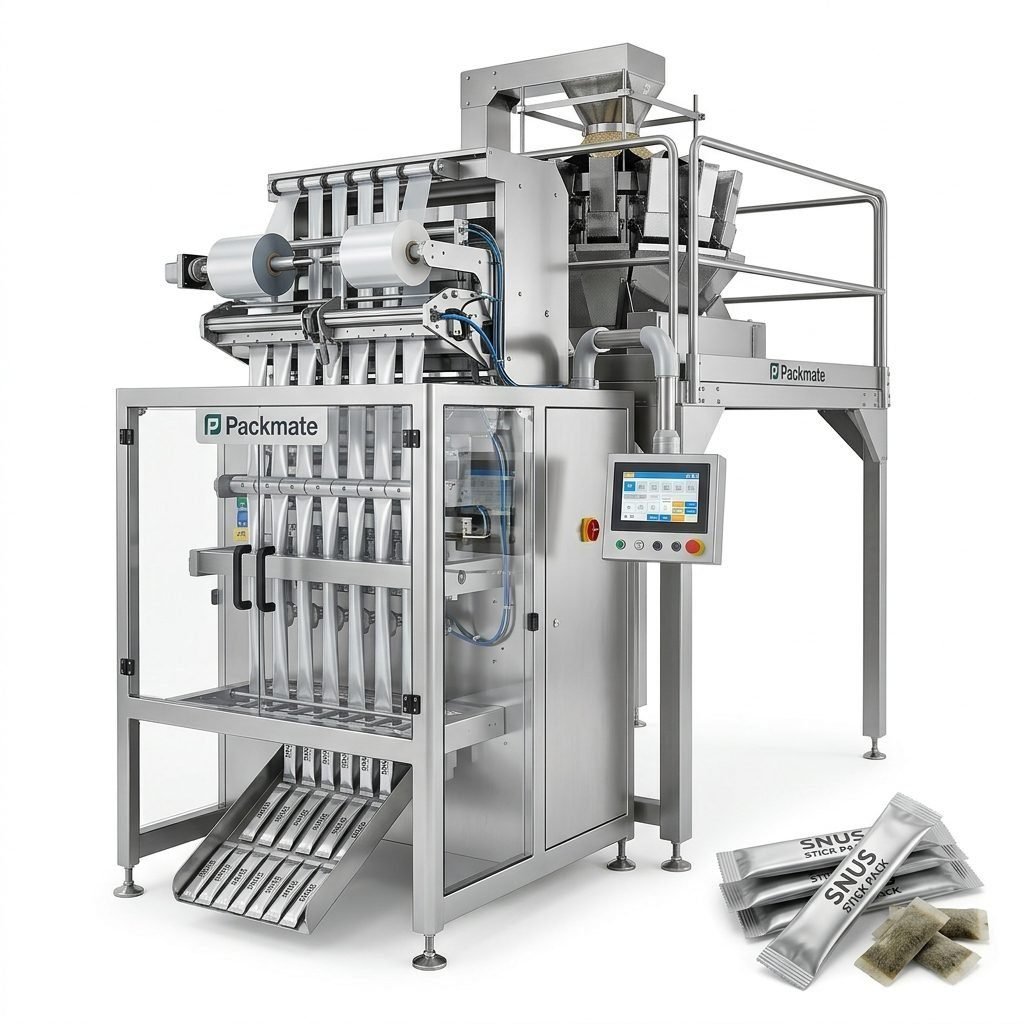
If you’re sourcing nicotine pouch or snus packaging machinery for operations in the Bahamas, choosing the right manufacturer is more than a price comparison. You must match machine capability, environmental resilience, compliance, service responsiveness, and local market preferences. This guide walks you through practical evaluation steps, technical checks, and supplier selection strategies — tailored for Bahamian conditions and business culture — so your production line delivers reliable, compliant, and attractive packaging every day.
Understand Your Production Needs ⚙️
Start by clarifying what you’ll produce and at what scale. Nicotine pouch production varies widely: single-dose snus pouches, multi-lane small-dose nicotine pouches, stick packs, and sachets all require different machine types and upstream/downstream equipment. Ask:
• Target daily output (pieces/hour or packs/minute) — this determines whether you need a high-speed multi-lane line or a compact single-lane system.
• Formats and materials — do you use pouches, sachets, stick packs, or vacuum-sealed cans? Materials (foil, OPP, PET) affect sealing systems and temperature control.
• Product properties — powders, granules, pastes, and moist snus all have specific dosing and handling needs.
Recommended machine pages
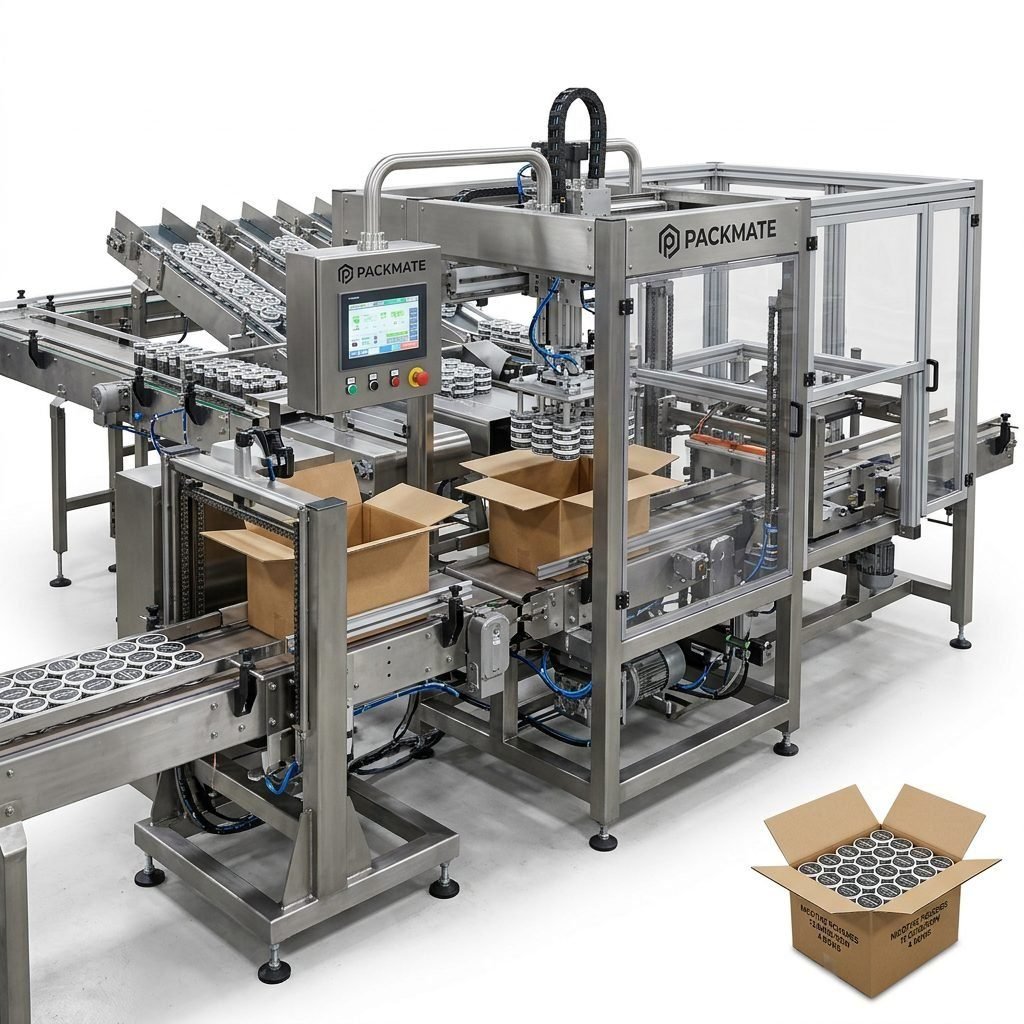
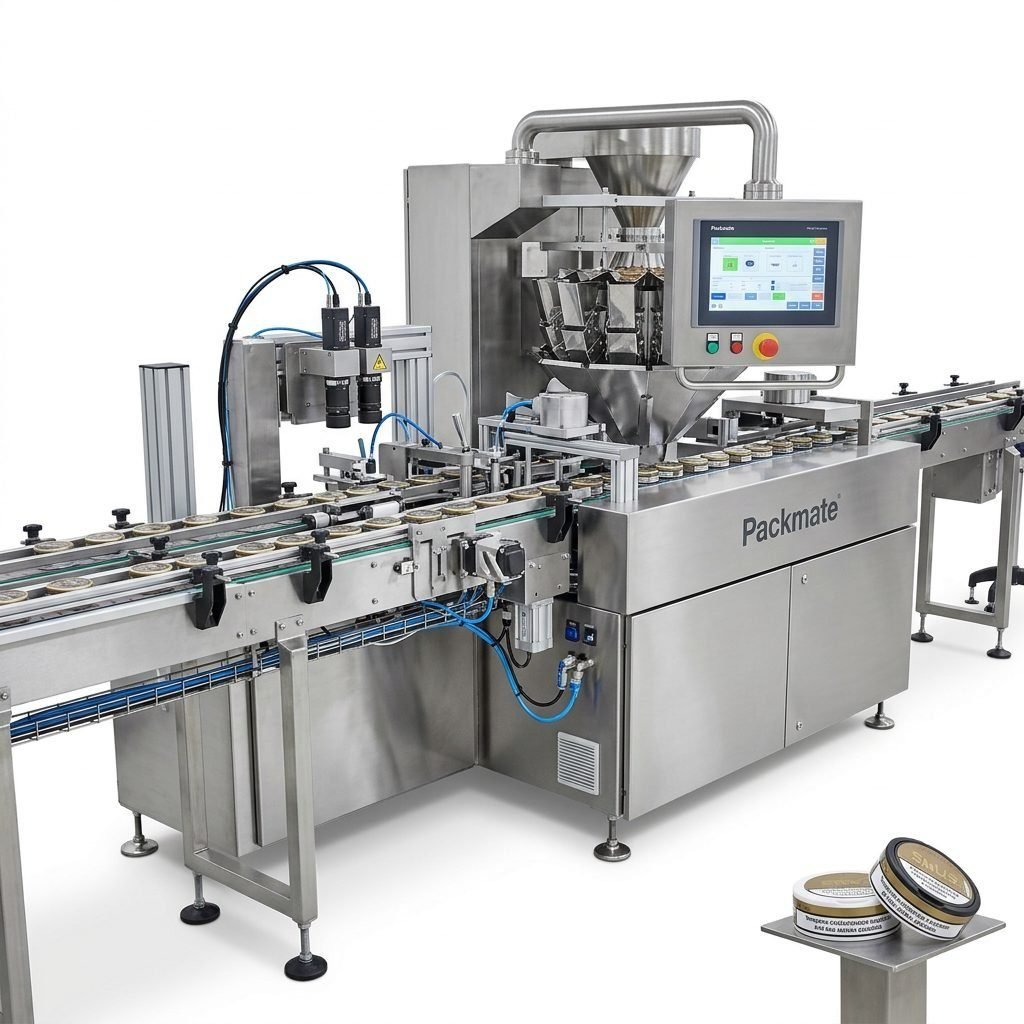
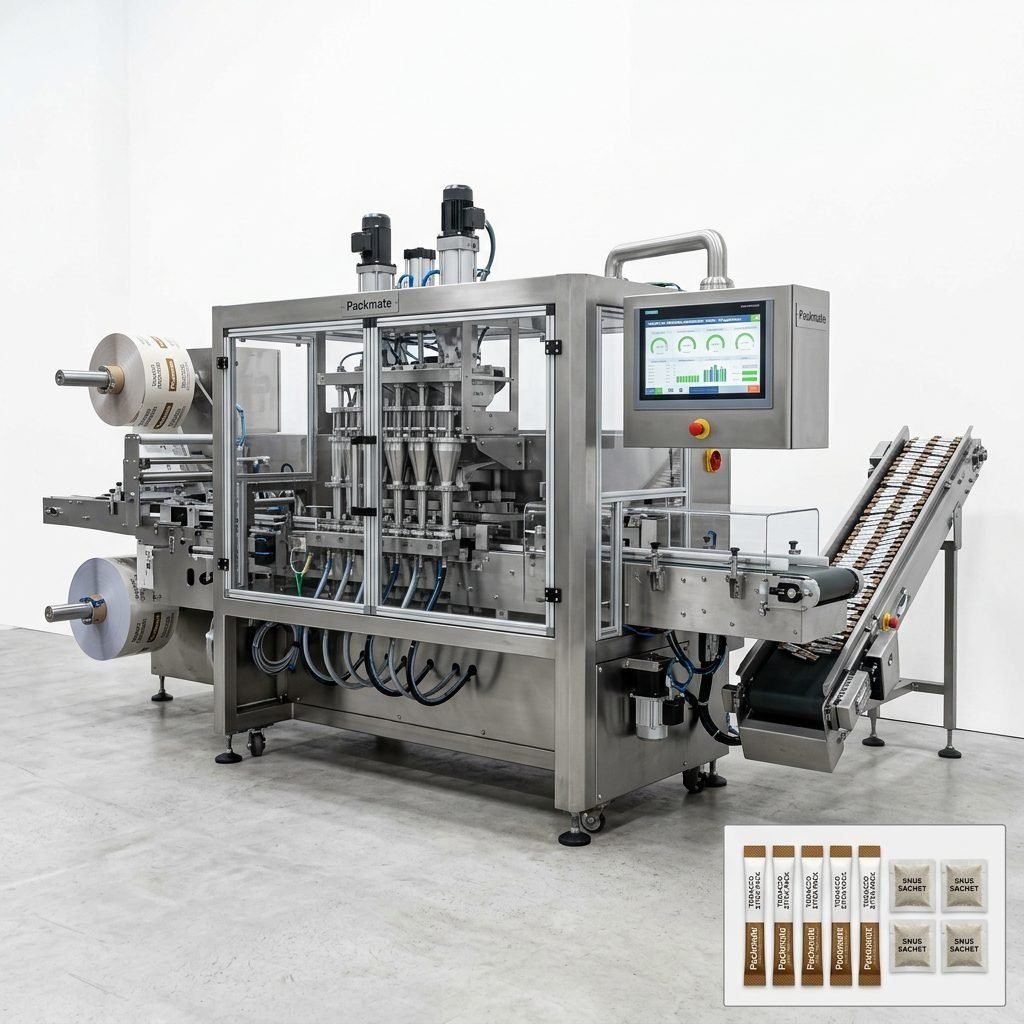
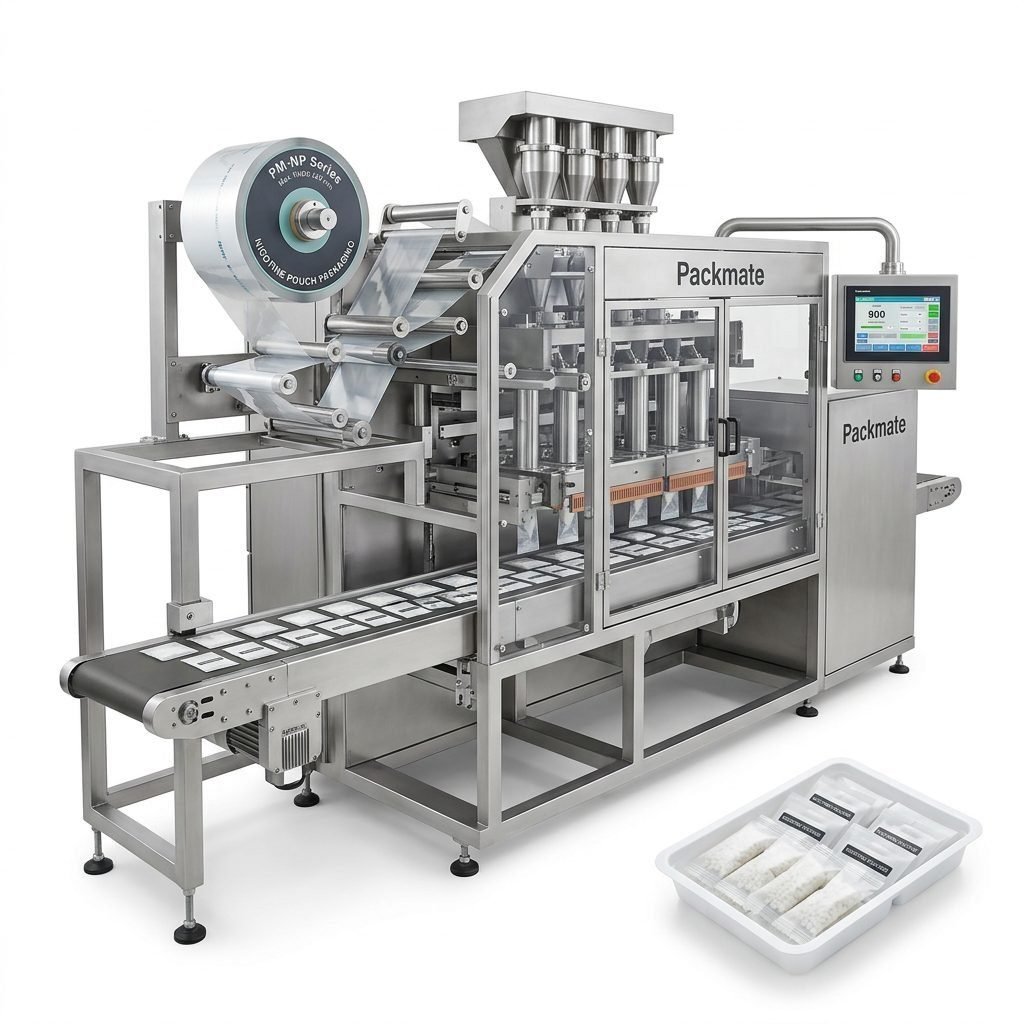
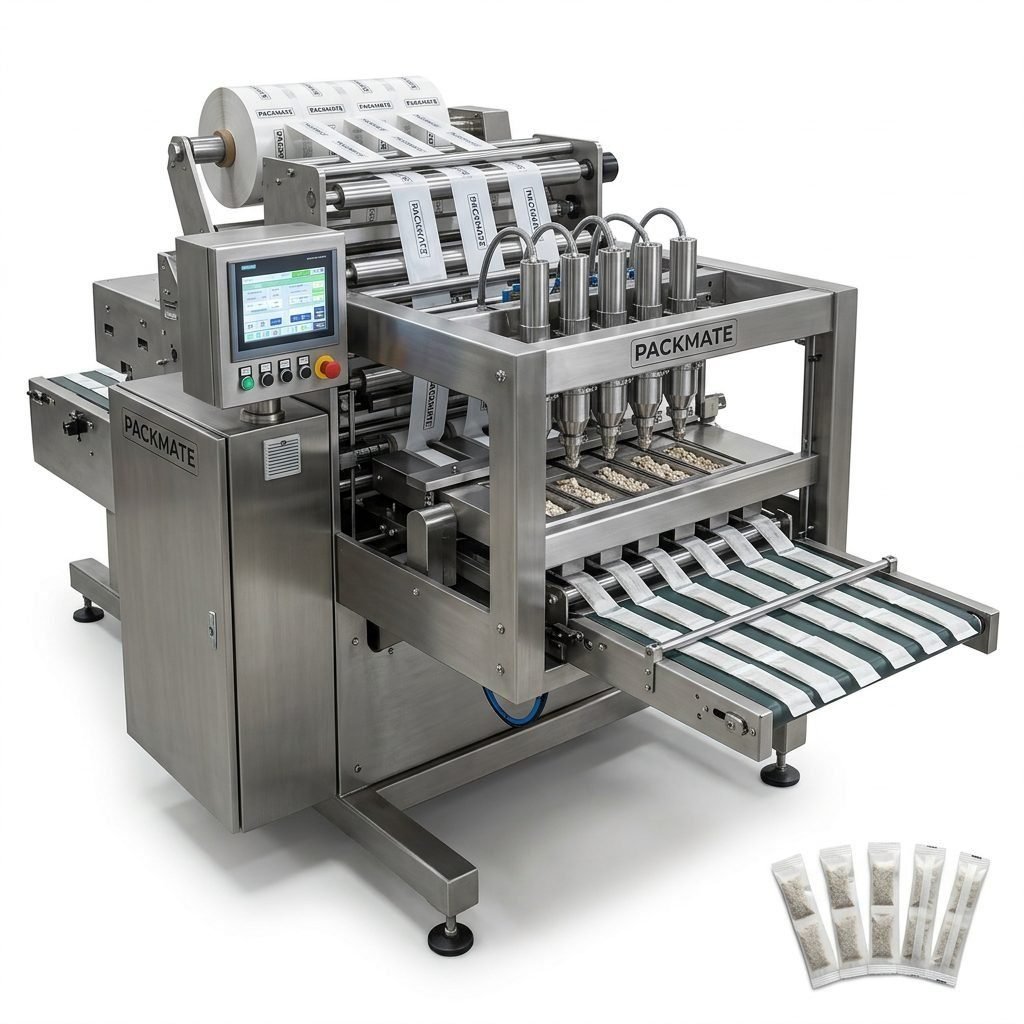
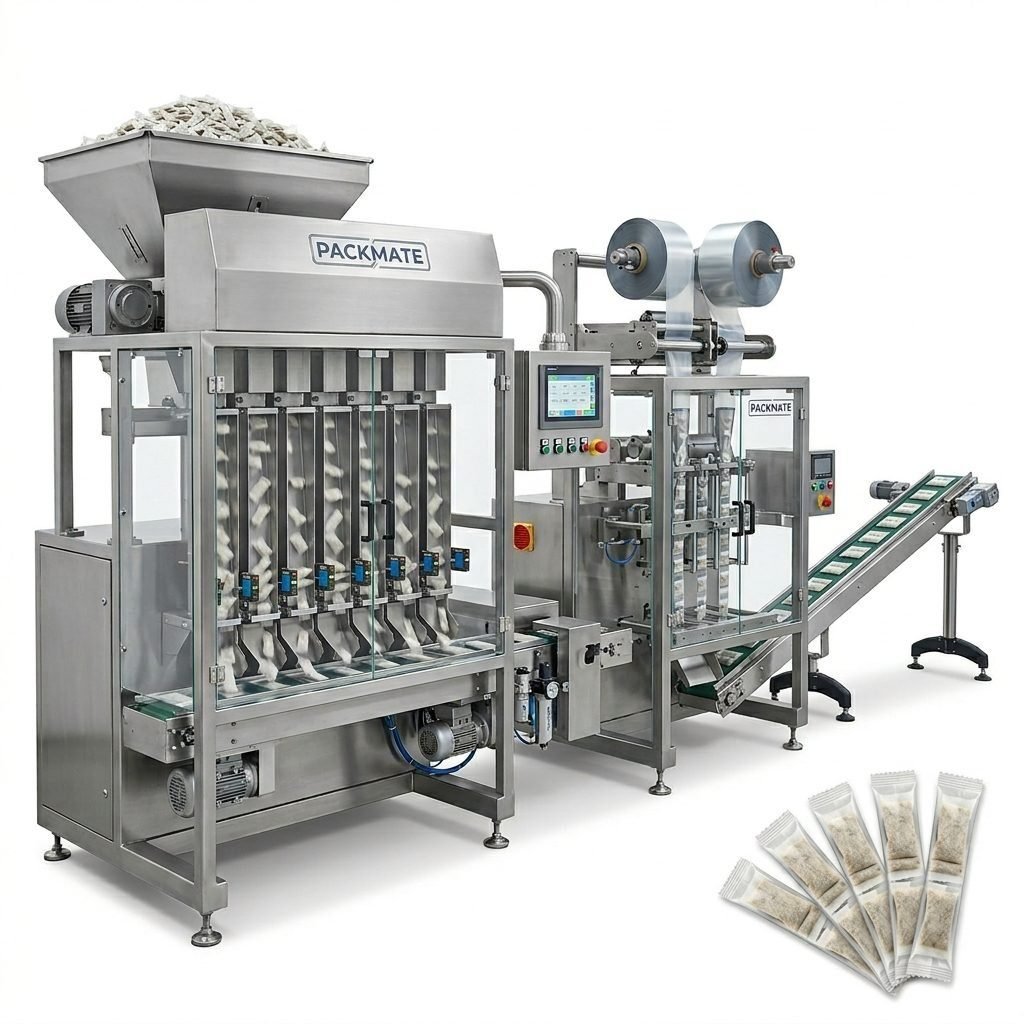
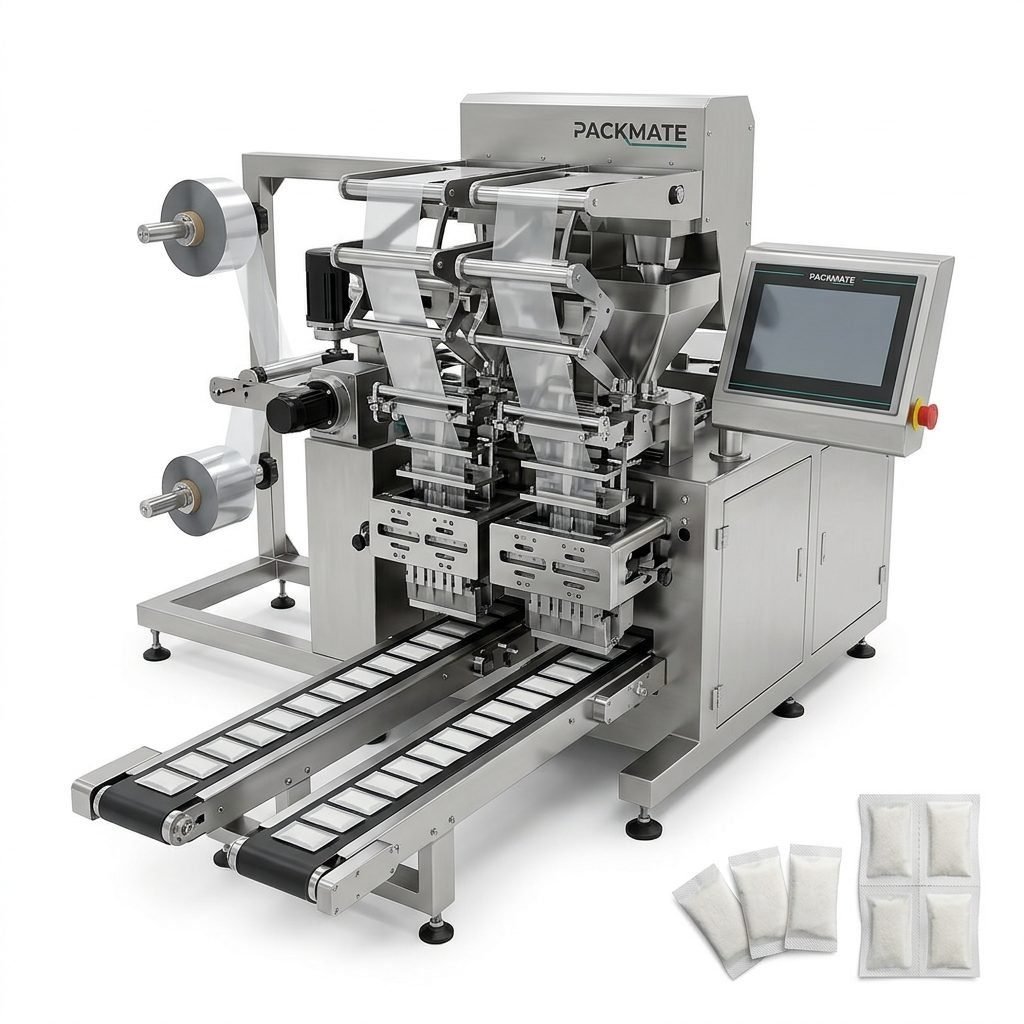
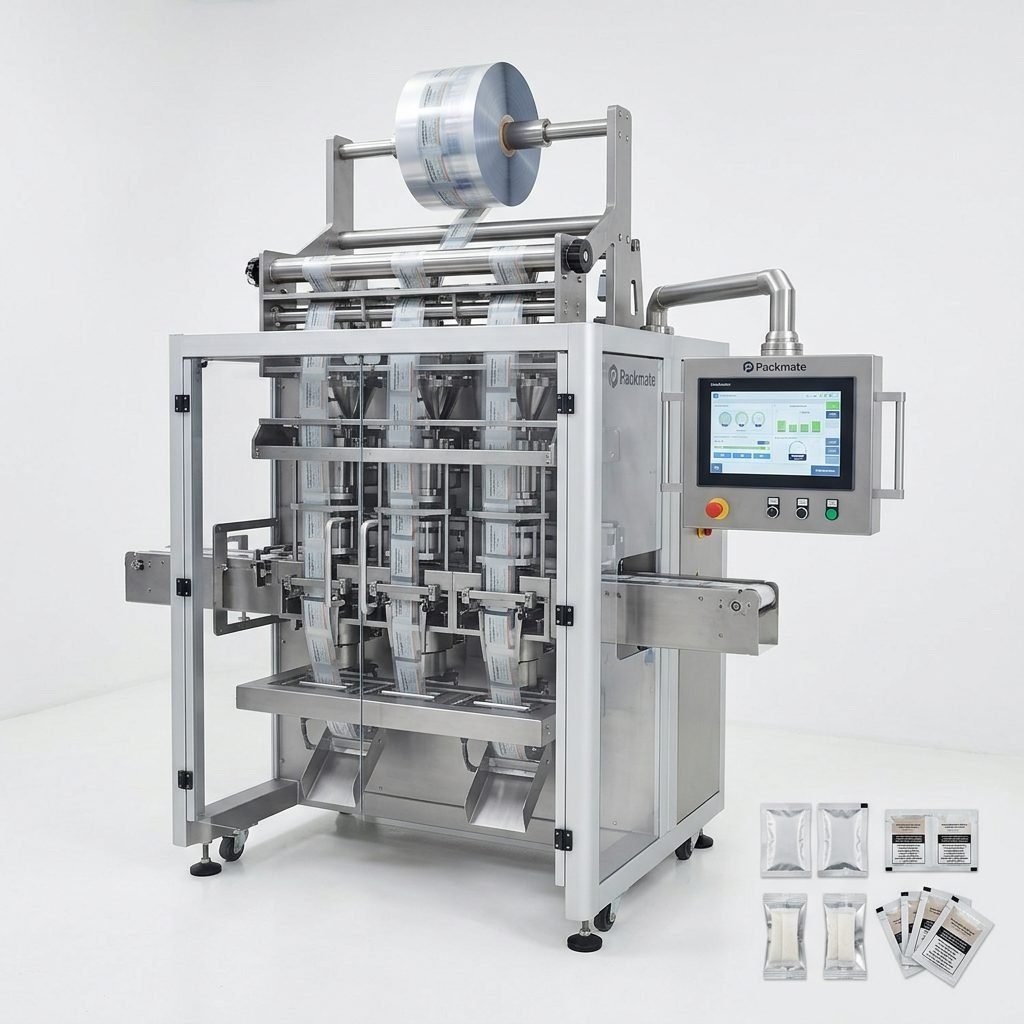
Explore product families like Snus & Nicotine Packaging Machines, Sachet & Stick Pack Machines, and integrated Weighing & Packaging Systems to match formats to throughput goals.
Why the Manufacturer Choice Matters in the Bahamas 📌
The Bahamas presents specific operational realities: a maritime climate with high humidity and salt air, island logistics, tourism-driven retail channels, and local regulatory nuances. A manufacturer that understands these factors will advise on corrosion-resistant finishes, appropriate packaging materials, and simplified spare-parts logistics.
- Corrosion & moisture protection for equipment and packaging.
- Labeling compliance and English-language consumer information.
- Power compatibility (Bahamas uses 120V/60Hz) and simplified commissioning.
- Import procedures, duties, and island shipping logistics.
Technical Criteria to Evaluate 🔍
Use the following checklist when comparing manufacturers and machine models.
Performance & Flexibility
• Throughput ratings under real product conditions (not just lab numbers).
• Multi-lane capability for small-dose pouches if you plan rapid scale-up.
• Quick-change parts and recipe memory on PLC/HMI for format changes.
Materials & Build Quality
• Food-grade stainless steel (SUS304 or SUS316) and IP-rated electrical enclosures to resist salt-spray corrosion.
• High-precision dosing systems (augur, volumetric, or multi-head weighers) suitable for nicotine pouch densities.
Compliance & Certifications
• International certifications such as CE and ISO show a baseline quality and safety standard.
• Traceability features for batch coding and serialization if required by local law or export channels.
Automation & Controls
• Modern PLC and touchscreen HMI with remote diagnostics capability. Remote support shortens downtime for outlying islands.
• Integration options for upstream dosing/weighing and downstream cartoning/boxing lines.
Service, Spare Parts & After-Sales Support ✅
In island contexts, service and parts availability are often more important than the initial discount. Verify:
• Spare parts kits and recommended local stocking lists.
• Remote commissioning procedures and training options.
• Field service networks or an authorized regional partner to avoid long wait times.
Quality, Testing & Certifications
Demand documented testing: factory acceptance tests (FAT), material certificates, and documentation for electrical and safety standards. If you seek a supplier with proven global reach and quality systems, review their certifications and customer case studies — for instance, Packmate Snus Machine shows CE and ISO compliance and a history of turnkey installations. Learn more on their company page: About Packmate.
Total Cost of Ownership — Not Just Purchase Price
Consider:
- Shipping, customs, and island freight costs.
- Installation, local electrical adjustments, and testing time.
- Consumables, replacement parts, and service contracts.
- Training costs for operators and maintenance staff.
Factory Visits, References & Case Studies
Request factory videos, FAT records, and reference contacts. If possible, visit the manufacturer’s factory or attend an exhibition where they demonstrate equipment. Packmate highlights a 20,000㎡ manufacturing facility and global case studies — review their project list here: Case and exhibition calendar: Our Exhibition.
Logistics: Shipping, Customs, and Island Installations 📦
For Bahamian clients, ensure the manufacturer provides clear export documents (commercial invoice, packing list, certificate of origin) and assist with CIF/CIP quotes to port. Equipment often ships in 20ft/40ft containers; confirm crate sizes and whether the supplier offers pre-shipment assembly to reduce on-site setup time.
Choosing Between Turnkey vs Modular Solutions
Turnkey lines reduce integration risk — one manufacturer delivers dosing, packaging, and cartoning as a complete flow. Modular purchases give flexibility for phased investment. If you’re new to nicotine pouch production and prefer a single point of responsibility, a turnkey solution is often the best path.
Local Market & Consumer Preferences in the Bahamas
The Bahamian market is heavily influenced by tourism and duty-free retail. Consider packaging that appeals to international buyers and is robust enough for humid, coastal retail environments. Use clear English labeling and attractive, island-friendly designs. If you plan to export, work with the manufacturer to ensure packaging meets both Bahamian labeling rules and destination country regulations.
Aesthetic & Functional Tips
• Choose barrier films with good moisture and oxygen protection for shelf stability.
• Use tamper-evident seals and clear batch coding for traceability.
• Consider eco-friendlier material options if local regulations or brand positioning demand sustainability.
- 30+ years of engineering experience and proven snus packaging lines.
- Factory capability (CNC, precision assembly) and documented FATs.
- Clear spare parts policy and remote support tools.
- Relevant certifications (CE/ISO) and export references.
Red Flags to Watch For 🚩
• Vague performance numbers without real-product testing.
• No factory or case references in similar product categories.
• Absence of spare parts planning or remote support offerings.
• Non-clarified warranty terms or unclear delivery schedules.
Making the Final Decision — Practical Steps
1) Define your production requirements in writing.
2) Shortlist 2–3 manufacturers and request FAT video and references.
3) Ask for a detailed TCO proposal including shipping, installation, and spare parts.
4) Confirm commissioning plan, training, and remote-support SLA.
5) Negotiate payment terms tied to successful FAT and on-site commissioning.
If you want to research turnkey or modular packaging options further, review detailed product families such as Bag & Pouch Packaging Machines and Filling & Packaging Lines to visualize how dosing, forming, and sealing modules connect into a full production flow.
Next Steps & Getting Support
When you’re ready to get quotes, prepare a clear Request for Quotation (RFQ) that includes product specs, target output, packaging materials, and site power supply details. Request FAT schedules, a recommended spare-parts list, and a commissioning plan. If you want direct contact for project discussions, visit the manufacturer’s contact page: Contact Us.
Final reminder
Prioritize long-term reliability and serviceability over a low initial price. For Bahamian operators, corrosion resistance, clear spare parts plans, and responsive remote support dramatically reduce downtime and operating headaches.
Frequently Asked Questions
Q1: What machine features protect against the Bahamas’ humid, salty climate?
A1: Look for SUS304/SUS316 stainless construction, IP-rated electrical cabinets, protective coatings on exposed parts, and sealed bearings. Regular maintenance schedules and local parts availability also reduce corrosion-related downtime.
Q2: How important is a factory acceptance test (FAT)?
A2: A FAT validates machine performance with your actual materials before shipping. It lowers integration risk, verifies throughput, and provides a documented acceptance milestone for payments.
Q3: Are turnkey packaging lines worth the extra cost?
A3: For new operations or when integration risk matters, turnkey lines reduce vendor coordination issues and provide a single accountability point. They often shorten ramp-up time and simplify troubleshooting.
Q4: What should I expect for spare parts and service response times?
A4: Expect a recommended Parts Kit for 6–12 months, a clear list of critical spares, and defined remote support SLAs. If the manufacturer lacks regional partners, ensure expedited shipping options for critical parts.
Q5: Where can I learn more about reliable suppliers and equipment models?
A5: Review manufacturer product lines and company pages for in-depth specs and project examples, such as their Auxiliary Packaging Equipment and Certificate pages for compliance evidence.