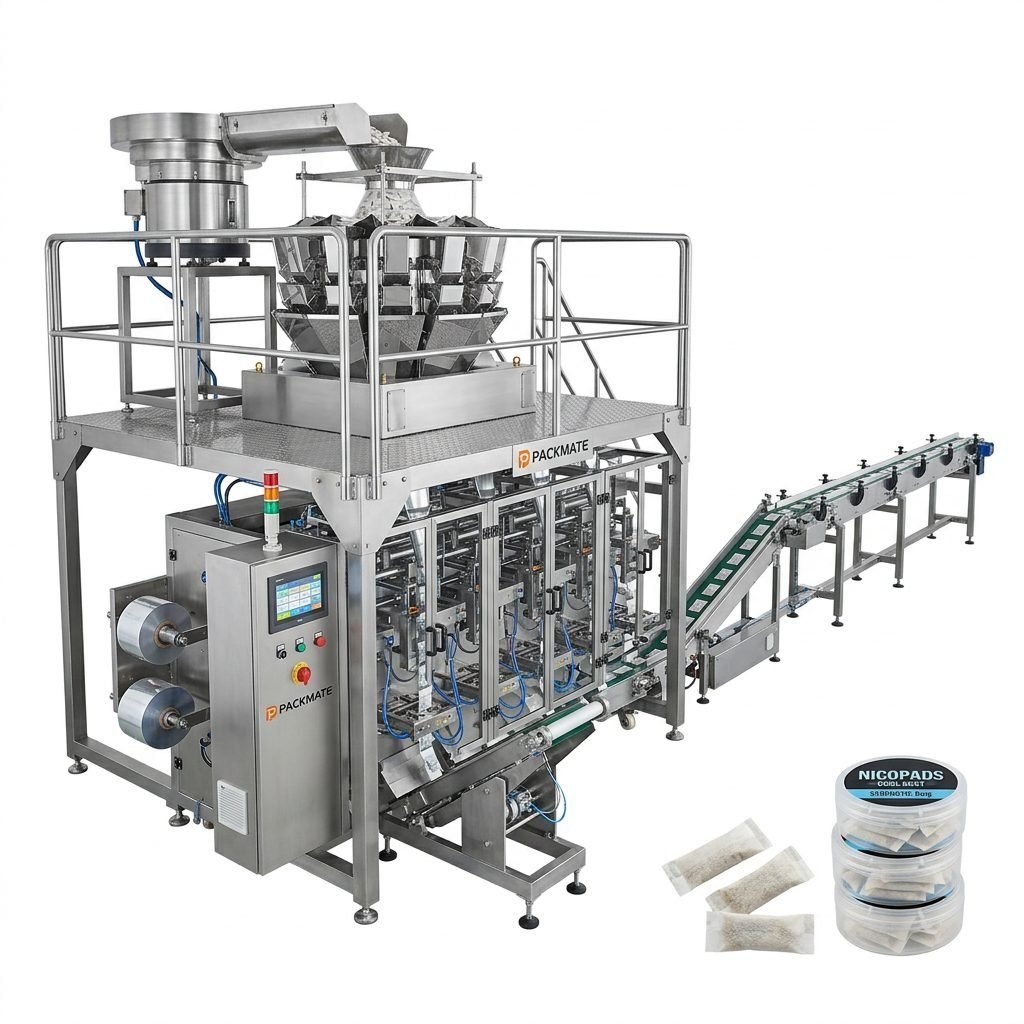
Selecting the right nicotine packaging machine for a production facility in Guyana requires balancing technical performance, local market preferences, regulatory constraints, and environmental conditions. This guide walks you through practical steps to choose equipment that meets your throughput targets, product format, and long-term business goals — with specific attention to Guyana’s climate, import environment, and consumer habits.
Understand Your Production Needs
Before evaluating machines, define your production profile clearly. Ask yourself:
• Daily output target — Are you starting with a pilot line (thousands/day) or planning an industrial line (tens or hundreds of thousands/day)?
• Product format — Nicotine pouches and snus come in sachets, stick packs, or multi-lane pouches. Your product type determines the suitable machine family.
• Fill type and metering — Powder, granule, or liquid filling requires different dosing systems and accuracy levels.
Local market considerations in Guyana
Guyana’s consumer base is diverse, with influences from Caribbean, South American and Indo-Guyanese tastes. Portability, discreet packaging and clear labeling in English are important. Many retailers value compact, shelf-friendly pack sizes. Also consider that demand may be concentrated in urban centers like Georgetown — so a modular machine that scales from low to medium volume is often ideal.
Types of Nicotine Packaging Machines to Consider
Machine choices fall into several categories depending on product and line configuration:
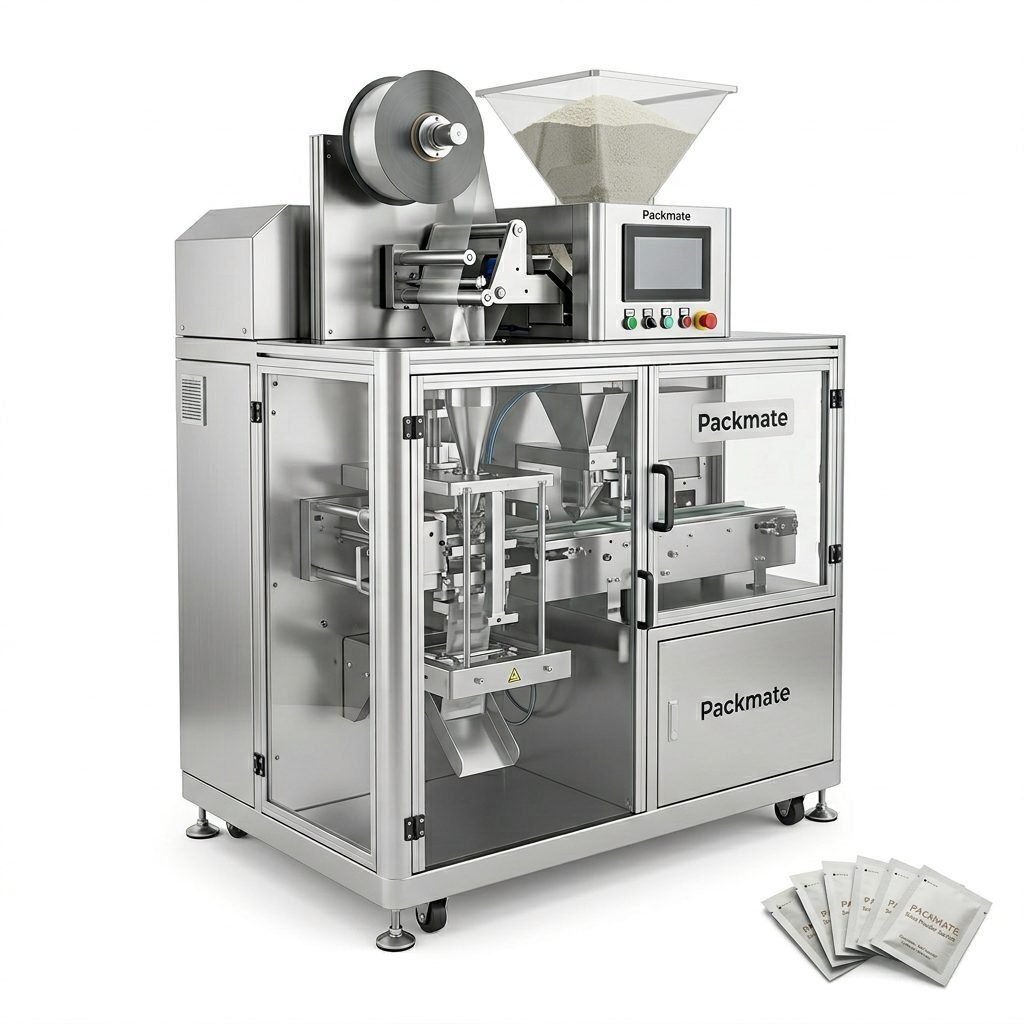
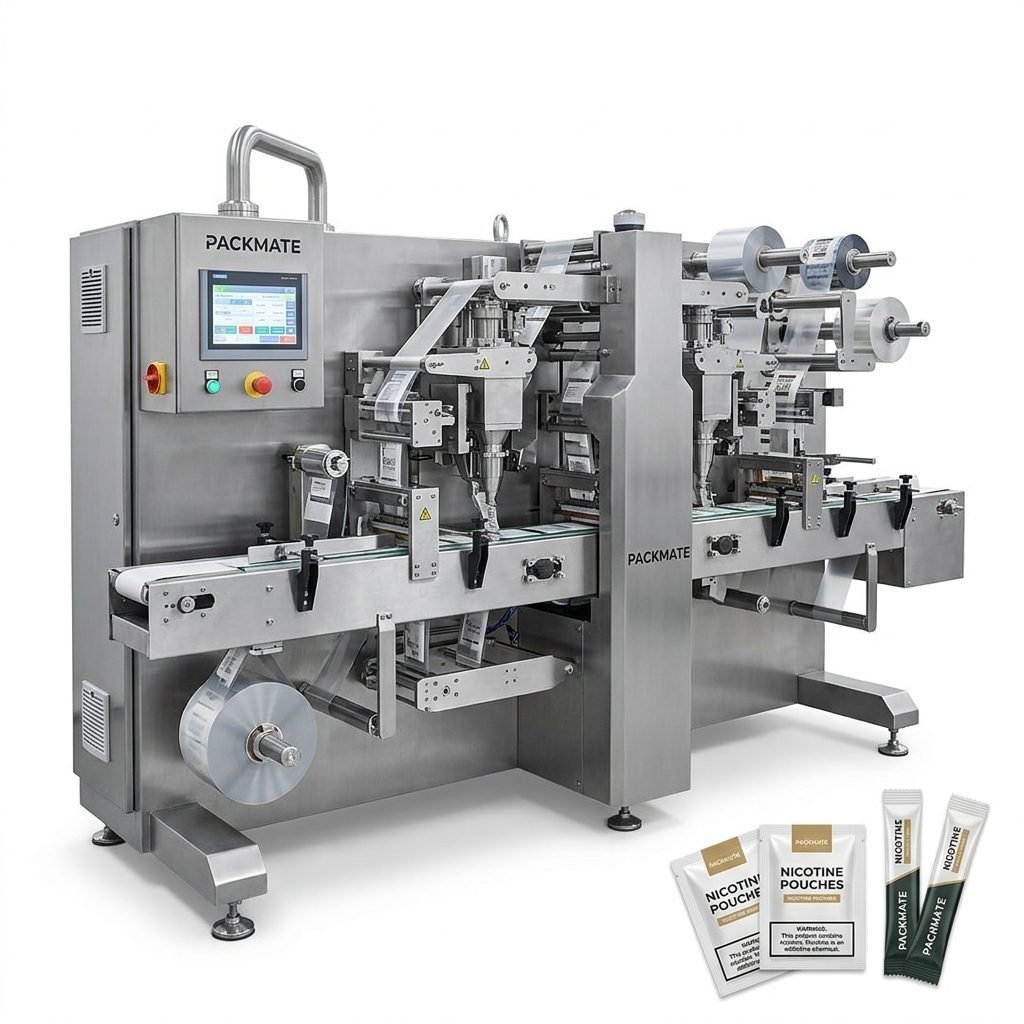
Sachet & Stick Pack Machines
Sachet and stick pack systems are flexible for single-dose nicotine pouches. They are compact and often lower-cost entry points for emerging markets. For high-speed multi-lane output, choose a model with advanced synchronization and robust servo controls.
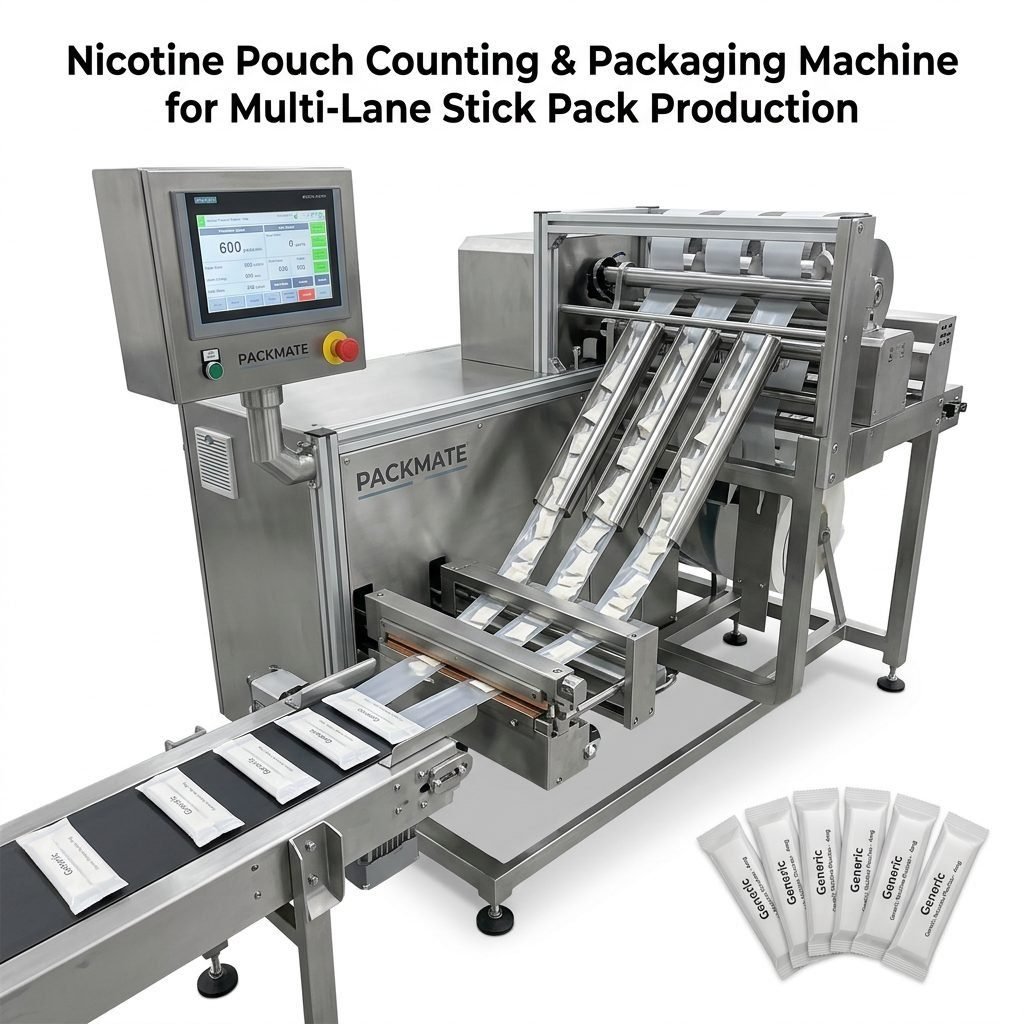
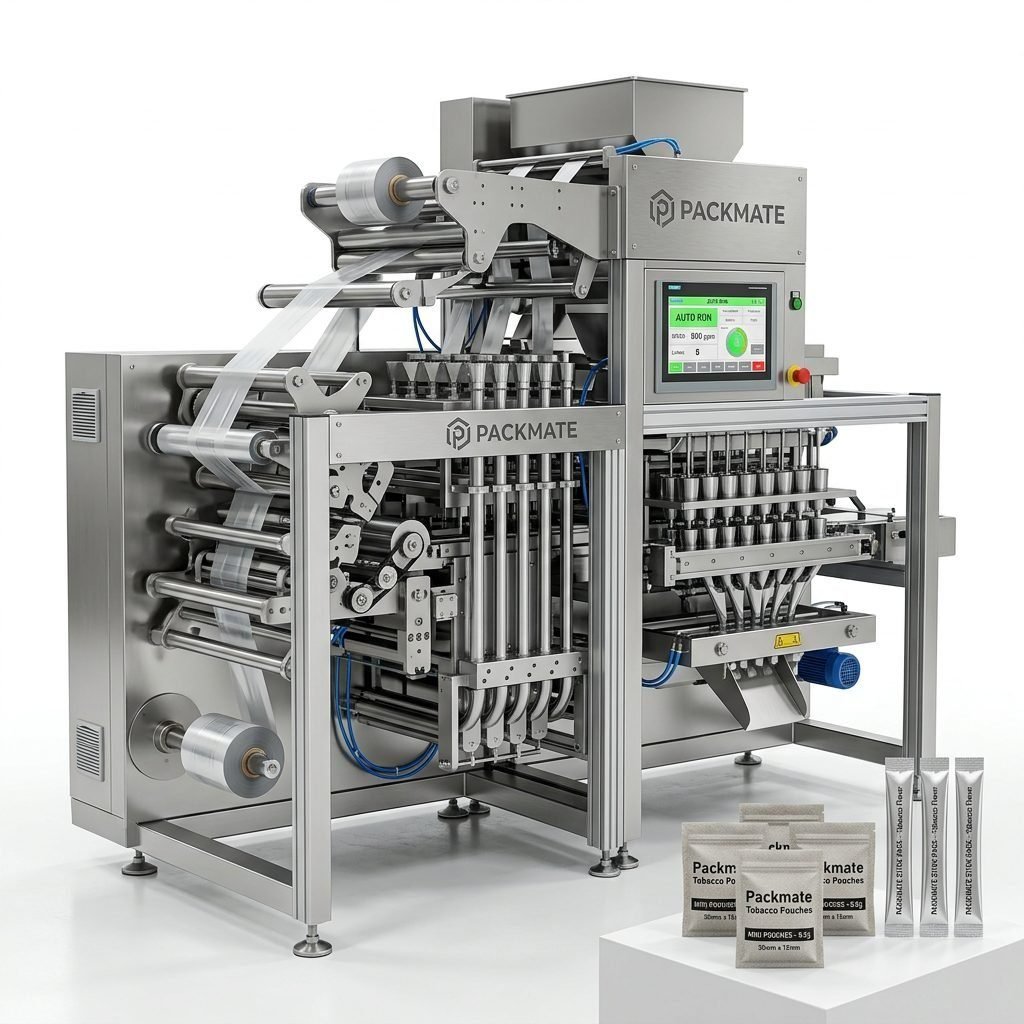
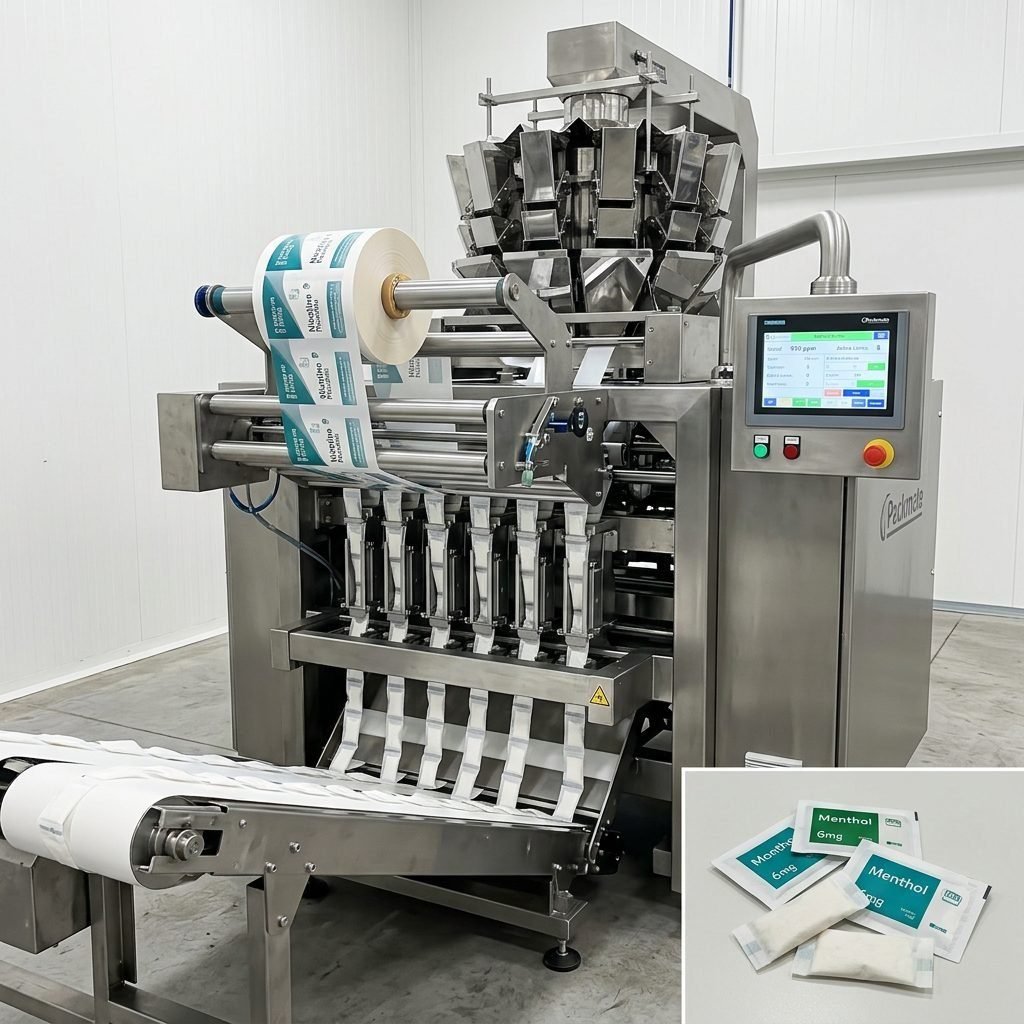
Multi-lane Snus / Nicotine Pouch Systems
Multi-lane systems (4, 6, 8 lanes or more) are designed for high throughput of small-dose pouches. They require precise dosing, stable sealing under variable humidity, and easy maintenance to minimize downtime.
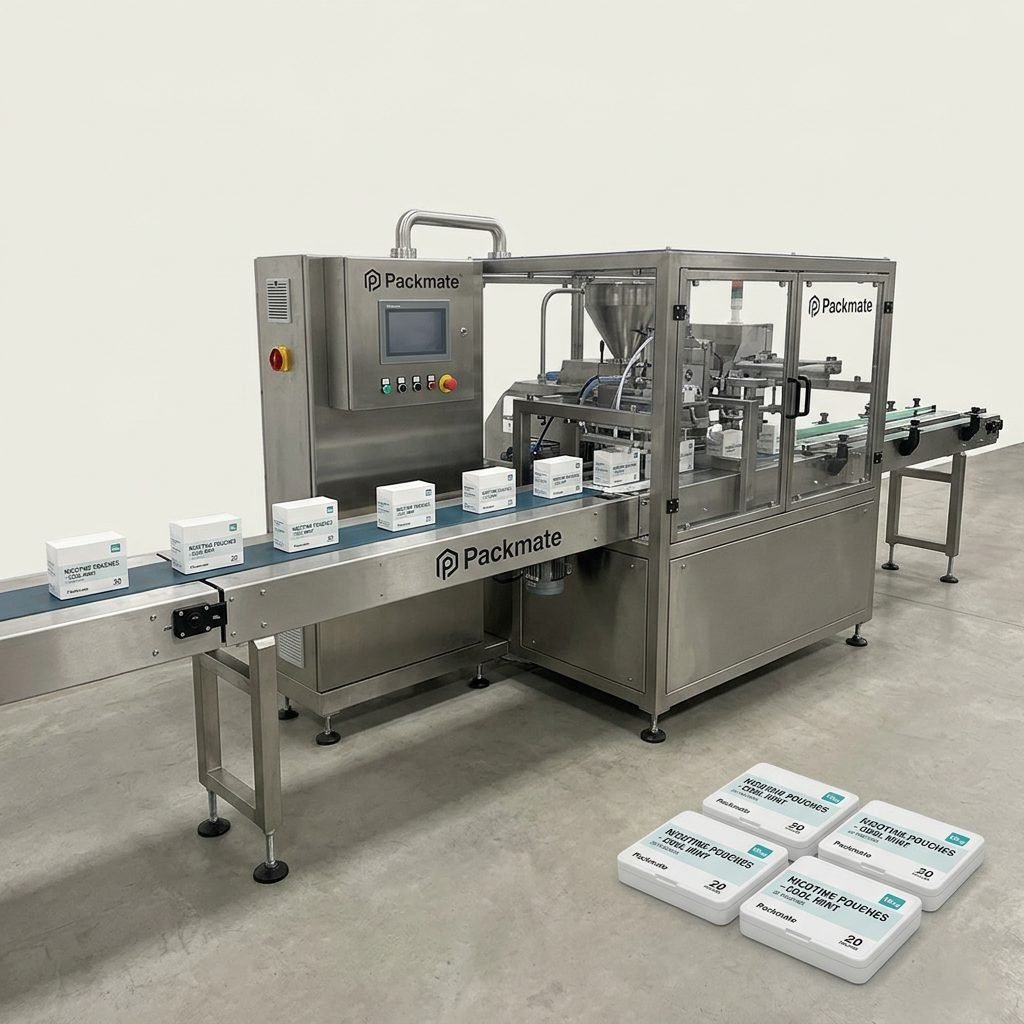
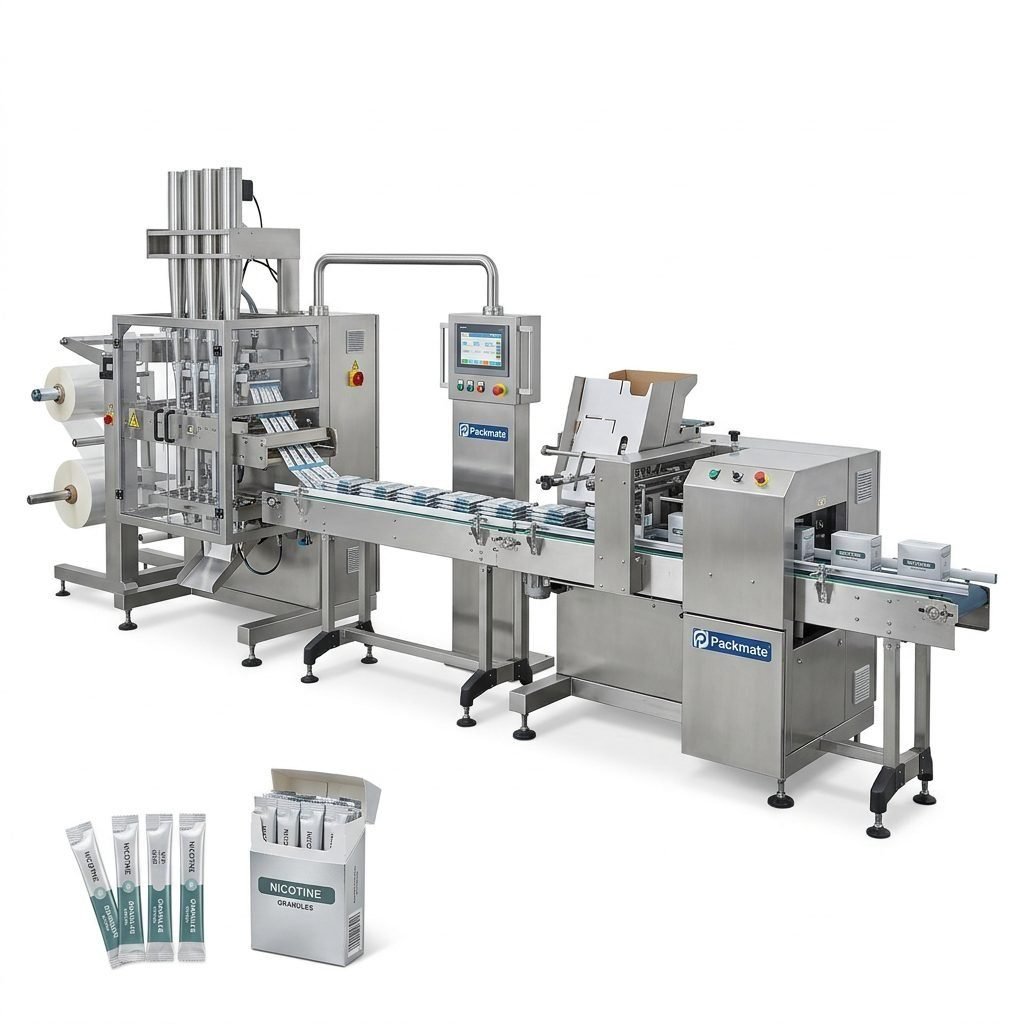
Integrated Filling & Packaging Lines
If you want a turnkey solution combining weighing, filling, and packaging, integrated lines reduce manual handling and improve consistency. Vendors offering integrated systems usually provide better system compatibility and optimized production flow.
🔧 Tip: For Guyana’s developing market, start with a flexible modular system that supports incremental lane additions and integrates with existing weighing equipment to manage capital risk.
Key Technical Specifications to Evaluate
Pay attention to the following technical specs when comparing models:
• Throughput (packs/min or pouches/min): Match machine speed to projected demand and labor availability.
• Dosing accuracy: Especially crucial for nicotine content control and regulatory compliance.
• Materials compatibility: Check compatibility with your pouch film, foil-laminate, or paper structures to ensure reliable seals.
• Cleanability & maintenance: Look for easy-access parts, standard components, and clear maintenance intervals to suit local technical skills.
Electrical and spare-parts considerations
Guyana’s power supply can be less stable than in developed industrial hubs. Machines with robust surge protection, the option for local power conditioning, and easily sourced spare parts will reduce downtime. Confirm the vendor provides a recommended spare parts kit and clear parts lead times.
Regulatory & Compliance Considerations in Guyana
Complying with local regulation is non-negotiable. While Guyana’s nicotine product regulations may evolve, follow these best practices:
• Accurate labeling support: Ensure your packaging workflow can print/emboss lot numbers, ingredient statements in English, and any required health warnings.
• Traceability: Machines that integrate batch coding, date stamping and digital logs support recall readiness and regulatory audits.
• International standards: Seek equipment with CE and ISO certifications to signal safety and consistent performance.
⚠️ Important: If you plan to export within CARICOM or to broader markets, ensure your packaging machine can meet the most stringent labeling & nicotine content verification procedures.
Environmental & Climate Challenges
Guyana’s tropical, humid climate affects materials and machine operation. Plan for:
• Film adhesion & sealing: High humidity can impact seal integrity. Machines with temperature-controlled sealing jaws and humidity compensation features perform better.
• Corrosion resistance: Choose stainless steel contact parts and protective coatings to counter salt air if your facility is near the coast.
• Environmental controls: Investing in modest facility humidity control (even dehumidifiers in critical areas) may be more cost-effective than frequent downtime or product rejects.
After-sales Service, Training & Local Support
Long-term uptime depends on service. When evaluating brands:
• Training: Does the supplier provide onsite commissioning and operator/maintenance training?
• Spare parts: Confirm availability, pricing, and shipment times to Georgetown or other ports.
• Remote support & documentation: Look for suppliers offering remote diagnostics, English manuals and quick-response service agreements.
Budgeting, ROI & Total Cost of Ownership
The lowest purchase price rarely translates to the lowest cost. Build a TCO model including:
• Initial capital cost — machine, installation, training.
• Operational costs — energy consumption, consumables, labour.
• Downtime risk — evaluate vendor MTBF data and local support responsiveness.
Why Choose a Specialized Snus / Nicotine Packaging Manufacturer?
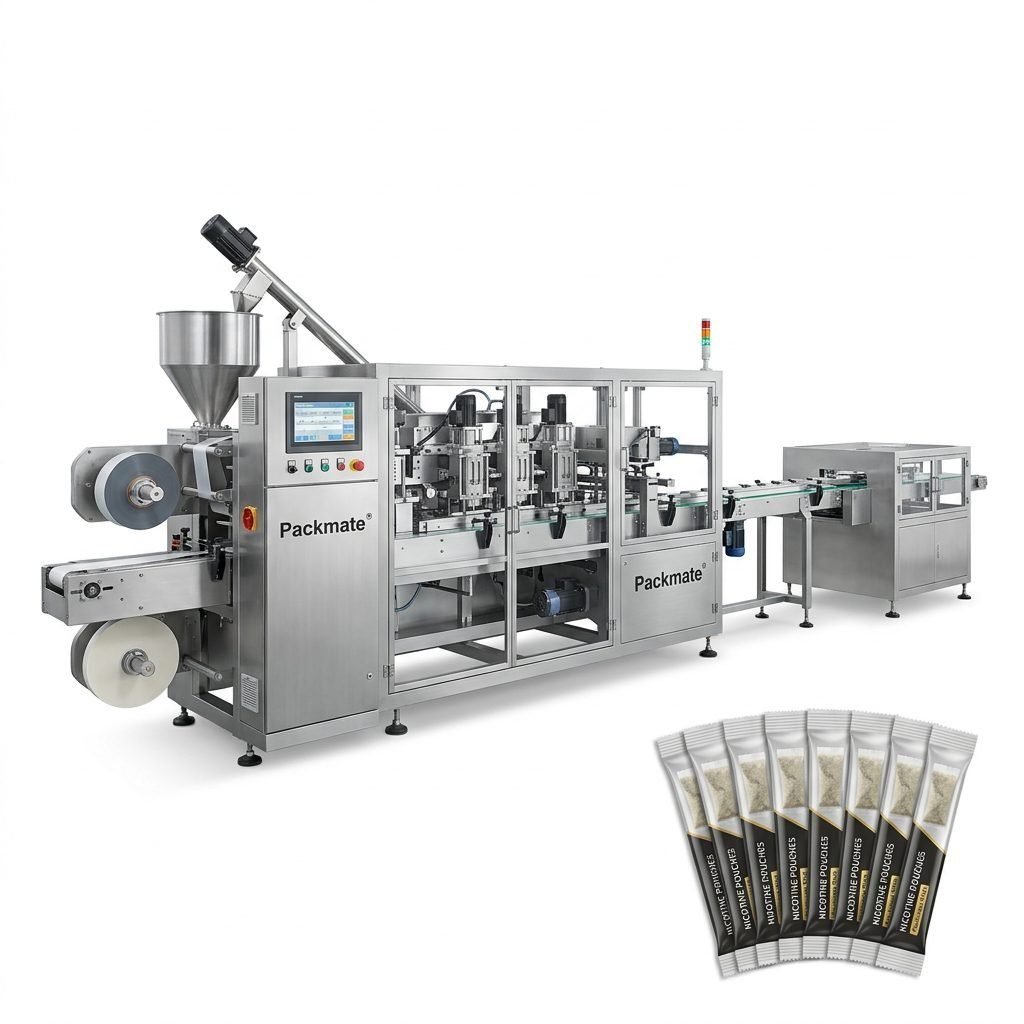
Producers focused on nicotine pouch packaging bring domain-specific advantages: precise dosing, packaging consistency for small doses, and knowledge of film-seal behavior. For example, Packmate Snus Machine offers multi-lane solutions, integrated filling lines, and global support that many general packaging vendors don’t specialize in. Learn more about tailored equipment options at Snus & Nicotine Packaging Machines.
Vendor validation checklist
When you talk to suppliers, verify:
✅ Demonstration videos or factory acceptance test (FAT) results for similar products.
✅ Client references, ideally within the Caribbean or South American markets.
✅ Availability of CE/ISO certificates and clear warranty terms.
✅ Spare parts plan for shipments to Guyana and optional on-site installation support.
📦 Pro tip: Ask for a site-specific proposal that factors in Guyana’s port handling, customs fees, and local electrical requirements to avoid surprise costs.
Practical Installation & Start-up Advice
Planning the installation properly shortens commissioning time:
• Pre-install audit: Confirm floor loading capacity, power panels, and adequate ventilation.
• Training schedule: Arrange operator and maintenance training during commissioning, and request translated manuals if needed.
• Spare parts kit: Keep critical spares on hand for the first year to reduce dependency on long lead times.
Supplier & Product Links for Further Research
Explore specialized equipment options and factory capabilities:
• Snus & Nicotine Packaging Machines
• Sachet & Stick Pack Machines
• Company background and service offerings: About Packmate | Contact Us
Decision Checklist — Quick Summary
Use this condensed checklist to finalize your machine choice:
🔹 Confirm throughput vs. demand and scalability options.
🔹 Verify dosing accuracy and sealing performance under high humidity.
🔹 Ensure local service, spare parts access, and on-site training.
🔹 Factor in TCO: installation, energy, maintenance, and downtime risk.
✅ Final note: A vendor with specific experience in snus and nicotine packaging and a global track record — offering CE/ISO compliance and turnkey options — will often deliver the most reliable entry into Guyana’s market.
Frequently Asked Questions (FAQs)
Q1: What machine type is best for a small startup in Guyana?
A: For startups, a compact sachet or single/multi-lane stick pack machine that allows gradual lane expansion is recommended. It minimizes initial cost while offering scalability.
Q2: How does Guyana’s climate impact machine selection?
A: High humidity affects sealing and corrosion; choose machines with temperature-controlled sealing units and stainless steel parts. Plan modest humidity control in the production area.
Q3: What after-sales support should I insist on?
A: Onsite commissioning, operator training, a spare parts kit for the first year, and remote diagnostic capability are critical. Confirm lead times for replacement parts to Georgetown.
Q4: Are turnkey integrated lines worth the investment?
A: If you need consistent high throughput and lower manual handling, integrated weighing, filling and packaging lines improve quality and reduce labor costs over time.
Q5: Where can I view validated nicotine pouch packaging solutions?
A: Review product pages and case studies from specialist manufacturers — for example, see Case studies and equipment lists on the Packmate site.