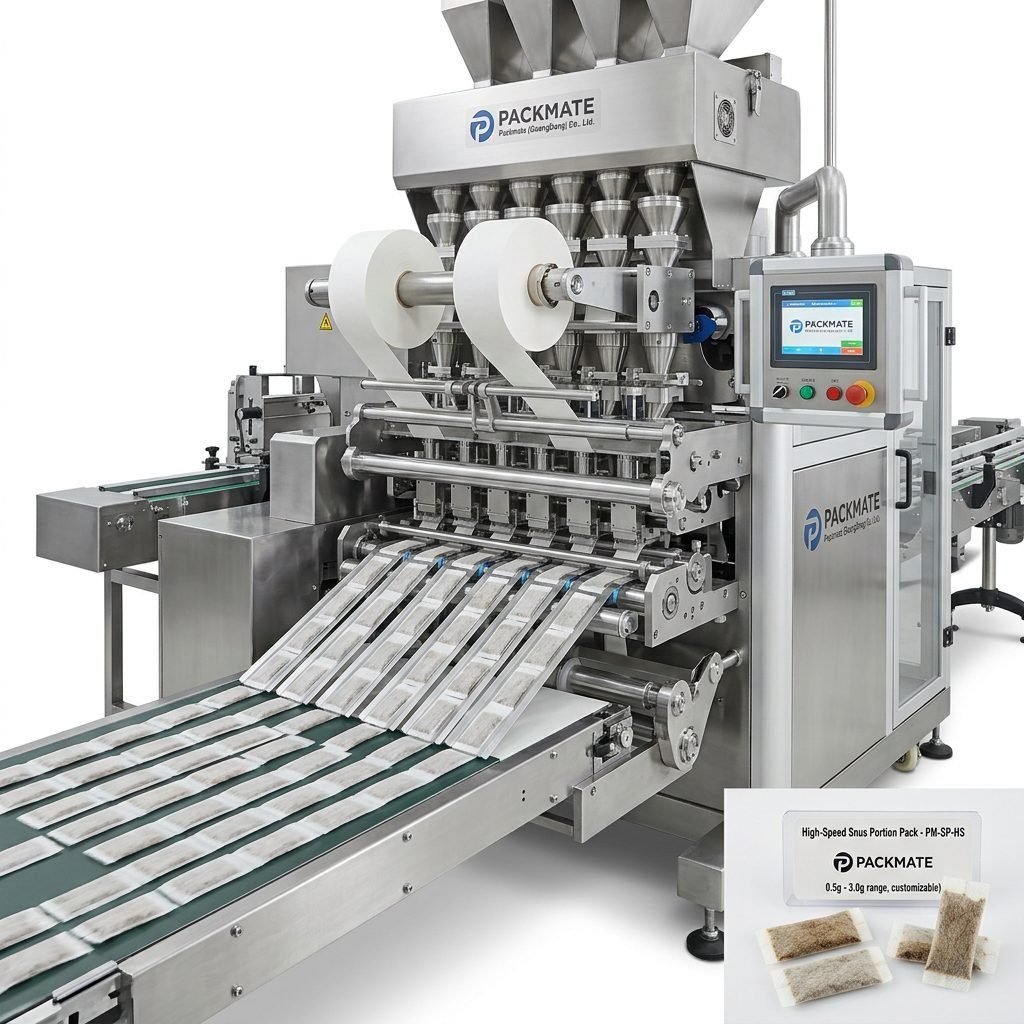
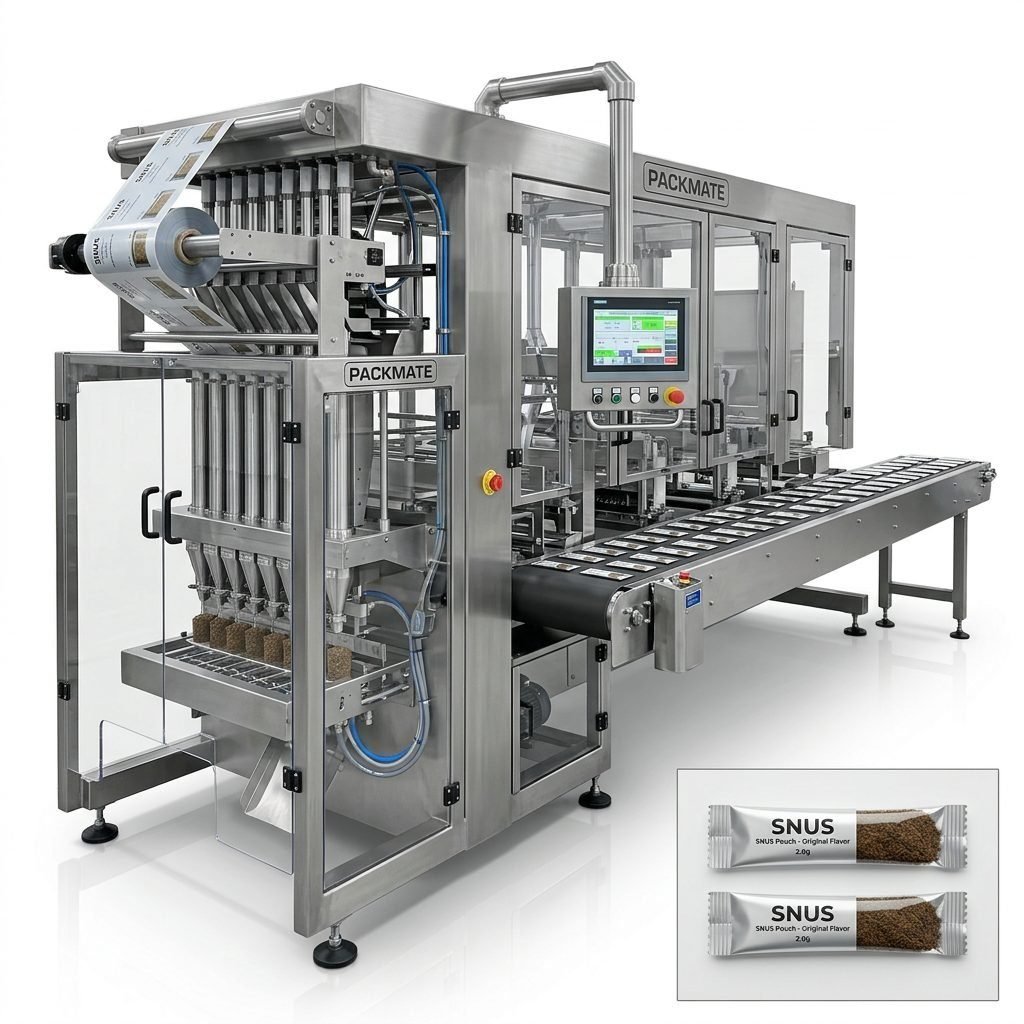
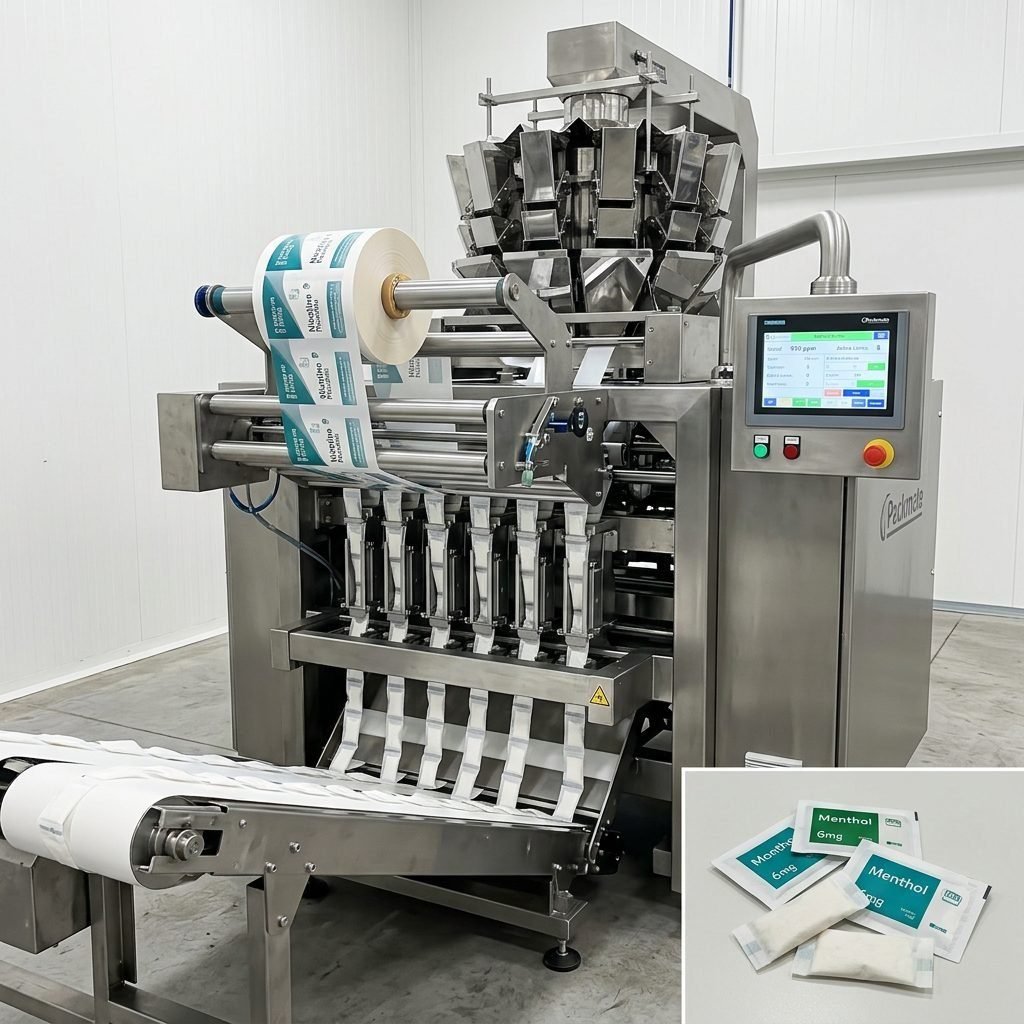
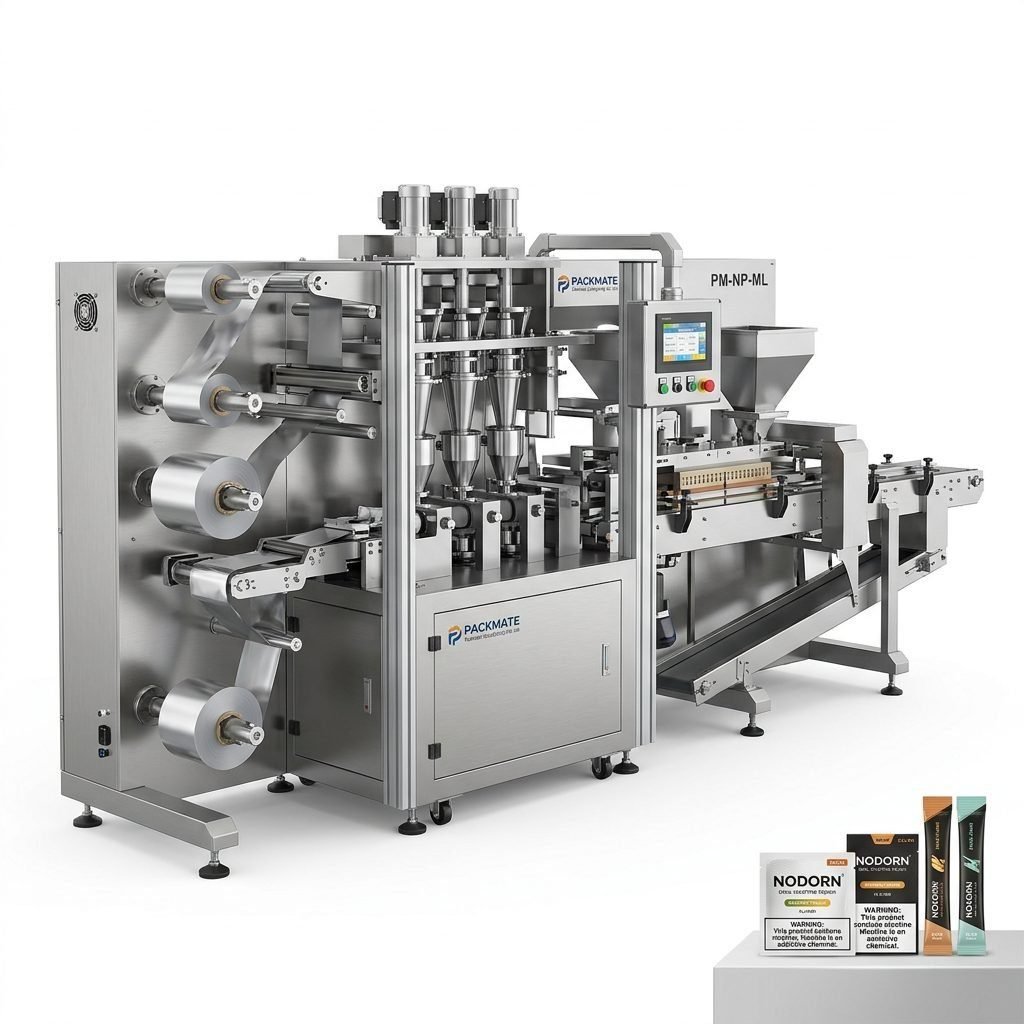
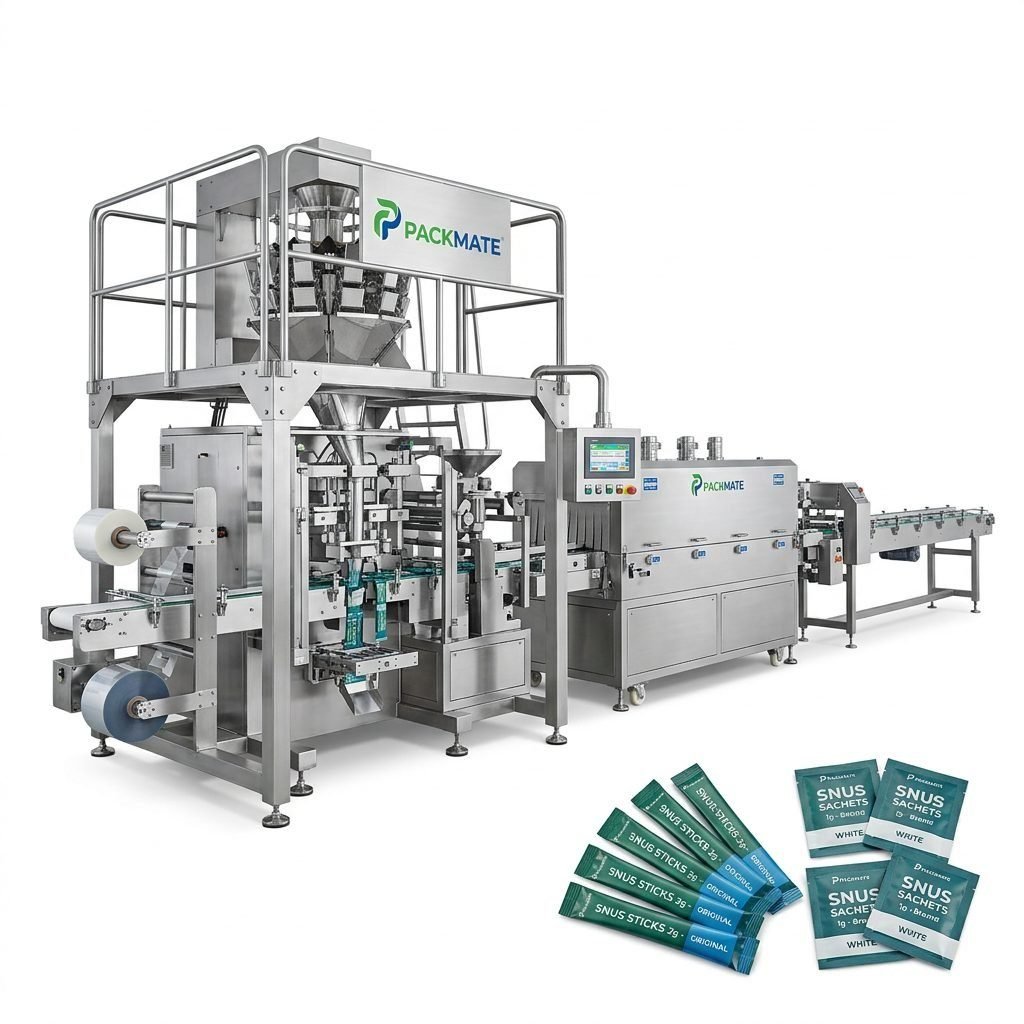
Choosing the right packaging machine manufacturer is a critical decision for any nicotine pouch or snus factory in Armenia. The right partner will deliver machines that meet production targets, comply with international safety standards, and adapt to local market needs. This guide walks you through practical steps, Armenian business considerations, and technical checkpoints to help you select the best nicotine packaging machine manufacturer for your factory.
Understand Your Production Needs First
Before evaluating manufacturers, clearly define your production requirements. Consider:
⚙️ Production capacity: daily and hourly output targets, number of lanes (single or multi-lane), and plans for future scale-up.
📦 Product format: nicotine pouches, snus, sachets, stick packs, or other pouch formats — each requires different filling, sealing, and handling systems.
🧪 Product properties: powdery, granular, or slightly moist formulations influence dosing technology (weighing vs. volumetric vs. auger).
🔁 Production flexibility: how often you will switch SKUs, run different pouch sizes, or change formulations.
Local context in Armenia
Armenia’s manufacturing scene favors long-term relationships and trust. Business meetings often emphasize personal rapport and detailed technical demonstrations. While many Armenian engineers and plant managers speak Russian and English, providing clear documentation and training in a preferred language will accelerate commissioning and staff training. Also consider local logistics — Yerevan and nearby industrial zones are reasonable distribution hubs, but remote factory locations may affect machine delivery and installation timelines.
Key Manufacturer Qualifications to Verify
✔️ Certifications: Ensure equipment complies with international standards like CE and ISO — this helps simplify cross-border sales and ensures safety. You can review manufacturer certifications and compliance records as part of your due diligence.
✔️ Manufacturing capacity and workshop: A manufacturer with advanced CNC centers, precision assembly lines, and a sizeable factory footprint indicates they can maintain quality and meet lead times.
✔️ R&D and customization: Does the supplier provide customized turnkey lines? For nicotine pouches, small-dose multi-lane systems often require bespoke solutions.
Why third-party certifications matter in Armenia
Armenian import authorities and your domestic clients often look for CE-marked equipment and internationally recognized quality systems. Choosing a manufacturer with robust certifications reduces regulatory friction and reassures local stakeholders about safety, hygiene, and electrical compliance.
Evaluate Technical Capabilities and Product Portfolio
Technical competence is critical. Ask manufacturers for detailed technical documentation, machine specifications, and references:
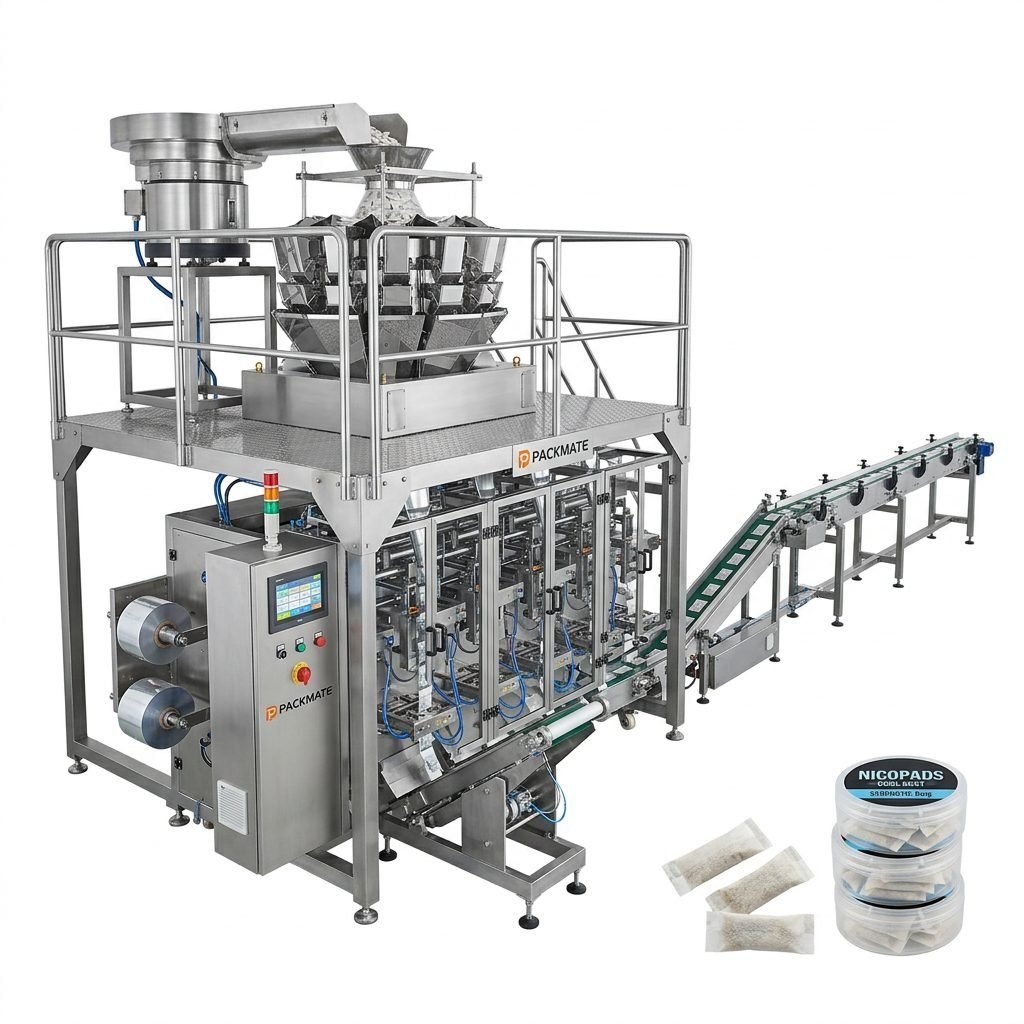
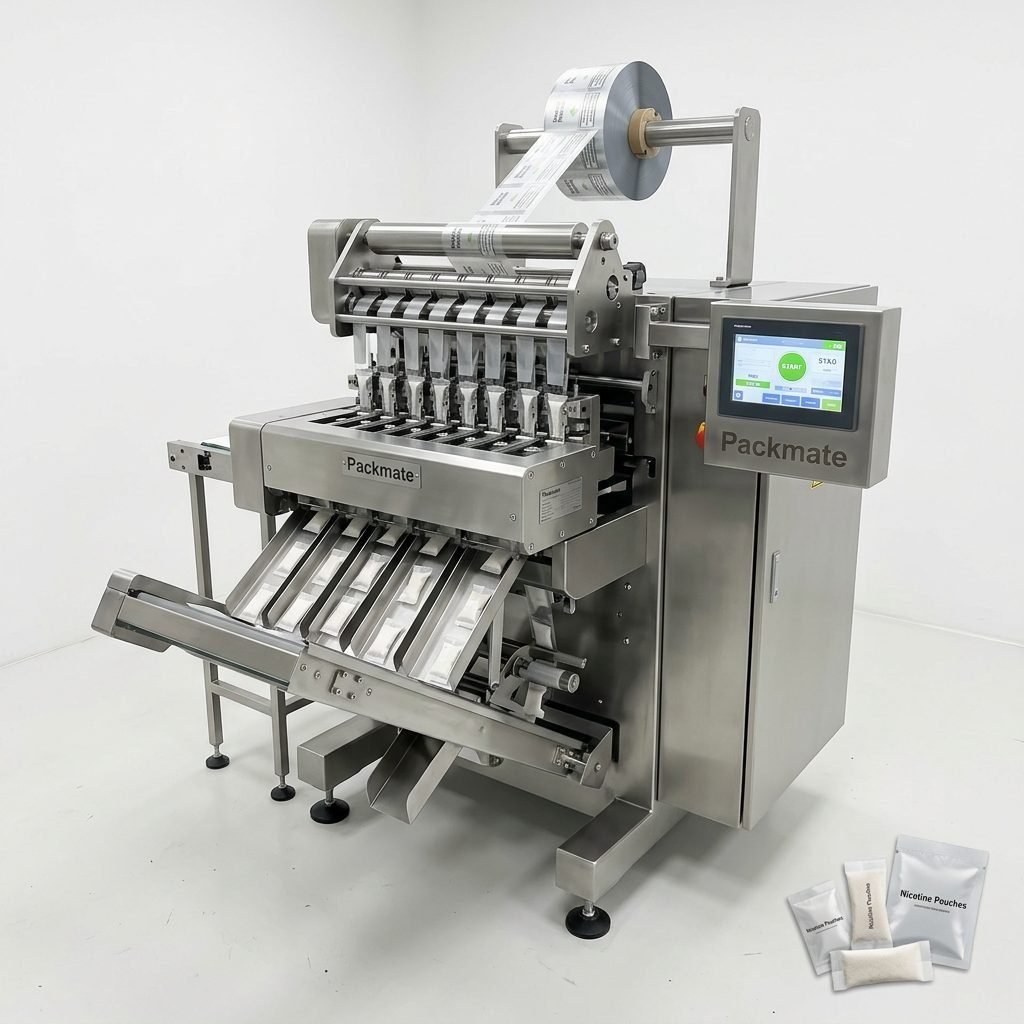
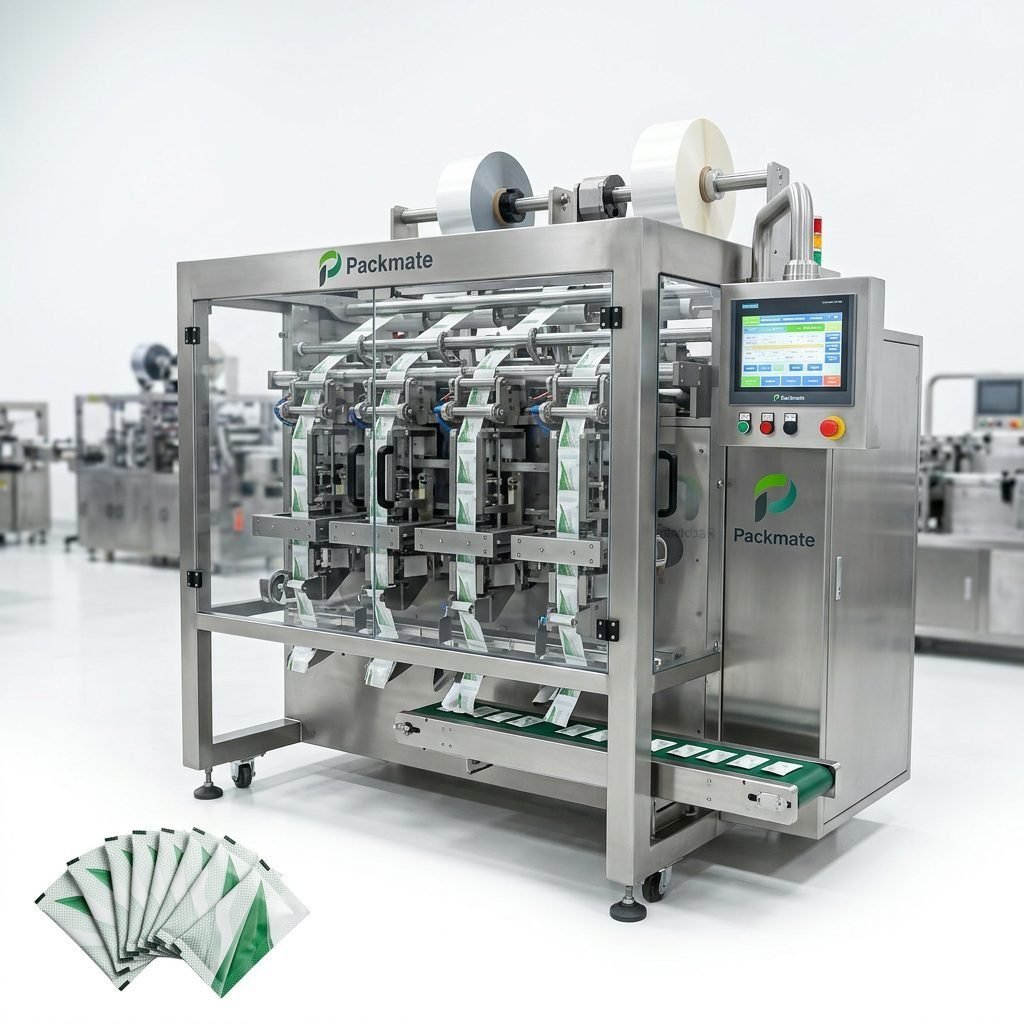
🔍 Models and variants: Look for a range that covers snus & nicotine packaging machines, sachet & stick pack machines, and filling & packaging lines. Manufacturers with a broad portfolio can offer integrated solutions to minimize compatibility issues. For example, see product categories like Snus & Nicotine Packaging Machines and Sachet & Stick Pack Machines.
📐 Precision and repeatability: For nicotine pouches, dosing accuracy is essential. Review tolerance specifications and whether the system uses multi-head weighers, vibratory feeders, or precision augers.
Inspect automation and control systems
Modern PLC and HMI integration improves uptime and makes maintenance easier. Ask about spare parts availability, recommended preventive maintenance schedules, and remote diagnostics. Manufacturers offering SCADA-ready solutions or remote support are preferred in regions where onsite service may take longer.
Assess After-Sales Support and Spare Parts Strategy
📞 Local or regional support: Ensure the manufacturer can provide fast technical assistance, either through a local partner, regional office, or remote support channels.
🔧 Spare parts lead time: Confirm common replacement parts are stocked or can be shipped quickly. Long delays can halt production and cost significantly.
🛠️ Training and documentation: Comprehensive operator, maintenance training, and spare parts lists are essential. Documents in English or Russian (commonly used in Armenia) will speed team competency.
Factory Visits, References, and Live Demonstrations
Visiting the manufacturer’s factory or attending a live demonstration at an exhibition gives real insight into build quality, assembly practices, and testing procedures. Look for:
🏭 Clean, organized assembly lines: A tidy workshop with clear assembly and testing zones reflects quality control and professional processes.
📋 Customer references and case studies: Ask for references in similar markets or product types. Review case examples and performance metrics. Manufacturer portfolios often include success stories you can examine, for instance: Case.
If an on-site visit is not possible, request a virtual demo and ask for recorded machine runs with your product specification to validate performance.
Compare Total Cost of Ownership, Not Just Price
Initial purchase price is only part of the equation. Consider:
💡 Energy efficiency: Lower energy use reduces operating expenses over the machine lifecycle.
🔩 Durability and maintenance intervals: Longer mean time between failures (MTBF) and easier maintenance lower downtime.
📦 Consumables and spare parts costs: Confirm costs for belts, seals, and custom parts and whether alternative third-party consumables are supported.
Financing, warranty, and spare part agreements
Negotiate warranty length, response times, and options for spare parts kits. Some manufacturers provide extended warranties or full-service agreements that can be economical for high-throughput nicotine production.
Customization and Turnkey Solutions
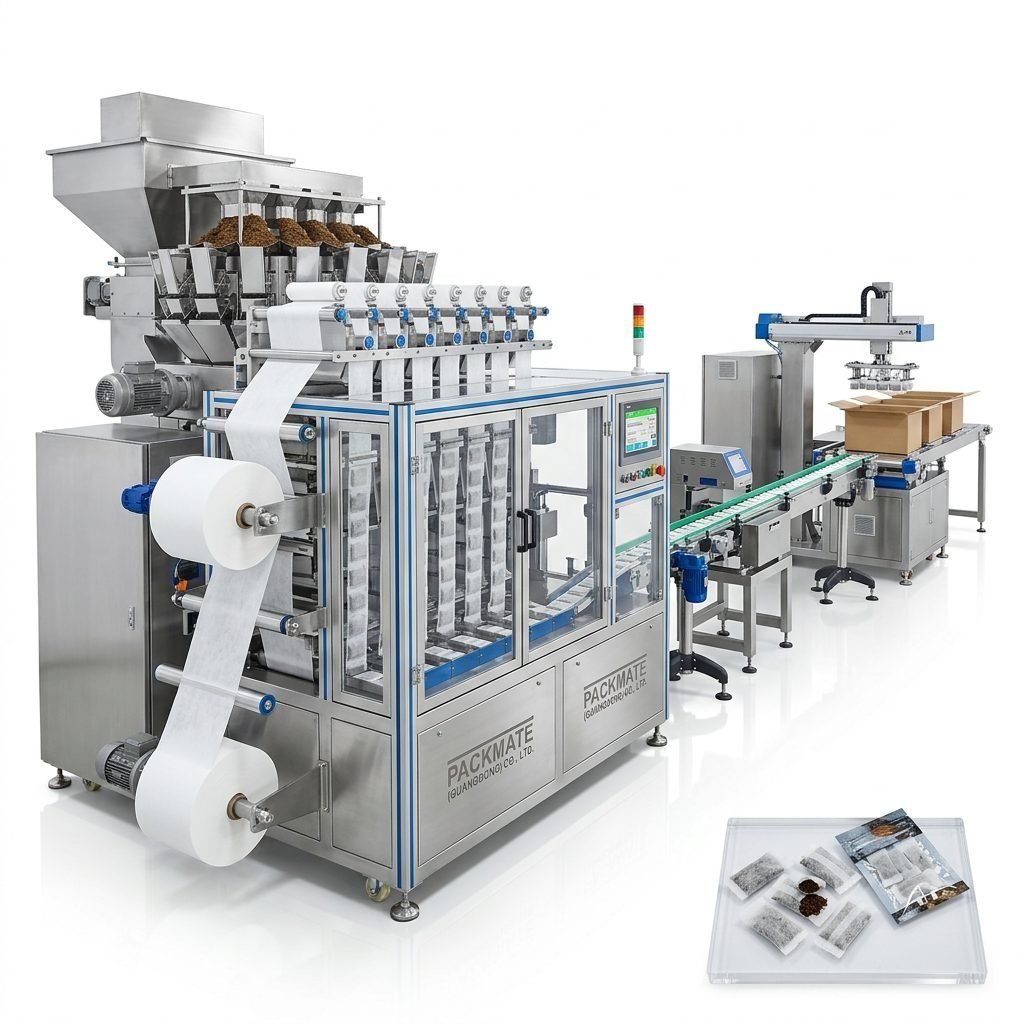
If your factory requires a complete production line, work with manufacturers who deliver turnkey solutions — from weighing and filling to packaging and secondary labeling. A single-vendor approach reduces integration risk and can speed up commissioning. For turnkey capability, explore suppliers that offer integrated lines like Filling & Packaging Lines and Weighing & Packaging Systems.
Negotiating Contracts and Delivery Terms
Ensure contracts clearly specify delivery timelines, acceptance testing procedures, performance guarantees, penalties for late delivery, and after-sales support response windows. Include technical acceptance criteria such as dosing accuracy, sealing integrity, and speed tests performed at FAT (Factory Acceptance Test) and SAT (Site Acceptance Test).
Logistics and Import Considerations for Armenia
Coordinate with the manufacturer on packing for long-distance shipment, customs documentation, and preferred incoterms. If your factory is in a less-developed industrial zone, ask about local delivery services, lifting gear for installation, and whether the manufacturer provides supervised commissioning in Armenia.
Why Packmate Snus Machine Might Be a Good Fit
Packmate Snus Machine brings over 30 years of engineering experience, a large factory with advanced CNC and assembly systems, and a product range of over 50 models. Their focus on snus and nicotine pouch lines, multi-lane systems, and turnkey capabilities aligns well with Armenian factories seeking reliable, scalable solutions. Learn more about the company background and certifications on their About Packmate and Certificate pages.
Their portfolio includes snus & nicotine packaging machines, sachet and stick pack machines, and auxiliary equipment, which simplifies integration when building a full production line.
Practical Checklist Before Signing
Use this checklist to compare offers:
• Machine specifications and drawings (dimensions, power, CV, weight, lane count)
• FAT and SAT procedures — acceptance criteria for speed, accuracy, and sealing
• Spare parts list and recommended on-site inventory
• Warranty, support SLA, and remote diagnostic options
• Local language documentation and training plans — important in Armenia for smooth handover.
Negotiation Tips with Armenian Buyers in Mind
Armenian buyers often value long-term partnerships and clear communication. Offer flexible payment terms if possible, demonstrate machine reliability with data and references, and provide training commitments. Including post-sale visits or local technical partners in the contract builds trust and speeds up acceptance.
Useful resources and next steps
Review manufacturer catalogs and technical pages for detailed specs. If you need multi-component solutions, check related product lines like Auxiliary Packaging Equipment. For questions about services, installation, and local representation, contact manufacturers directly through their contact page: Contact Us.
Final Considerations
Selecting the best nicotine packaging machine manufacturer for your Armenian factory requires balancing technical capability, certified quality, after-sales support, and cultural fit. Prioritize manufacturers with transparent documentation, proven field performance, and strong commissioning plans. Remember that the lowest initial price rarely equates to the lowest total cost of ownership.
Frequently Asked Questions
Q1: How important are CE and ISO certifications for machines imported into Armenia?
A1: Certifications like CE and ISO demonstrate compliance with international safety and quality standards and help streamline approval and acceptance by partners and regulators.
Q2: What lead time should I expect for a custom multi-lane nicotine pouch line?
A2: Typical lead times vary with customization level — from several weeks for standard models to several months for fully customized turnkey lines. Confirm specific timelines during contract negotiation.
Q3: Can manufacturers provide training in Armenian or Russian?
A3: Many international manufacturers provide documentation and training in English; some offer Russian-language materials or local partners who can translate and train. Confirm language support before purchase.
Q4: Are spare parts readily available for machines from overseas manufacturers?
A4: Reputable manufacturers maintain spare part inventories or expedited production channels. Negotiate a spare parts kit and lead times as part of the purchase agreement.
Q5: What should be included in a Factory Acceptance Test (FAT)?
A5: FAT should include speed verification, dosing accuracy tests, sealing quality checks, HMI/PLC function tests, and a demonstration with your product or a product surrogate to validate performance.