Selecting the right snus and nicotine pouch packaging machinery manufacturer for your factory in France requires more than price comparison. It involves aligning technical capability, regulatory compliance, production flexibility, and local market expectations. This guide walks you through practical steps and decision points to choose the best partner for reliable, high-performance packaging lines that meet French market needs.
Why choosing the right manufacturer matters in France
France has a mature manufacturing culture and strict regulatory oversight for nicotine-containing products. Buyers in France expect machines that deliver consistent quality, full traceability, operator safety, and low environmental impact. Choosing an experienced manufacturer reduces downtime, simplifies qualification and validation processes, and protects your brand reputation with stable output and robust after-sales support.
Key selection criteria: What to look for
Technical capability and machine types
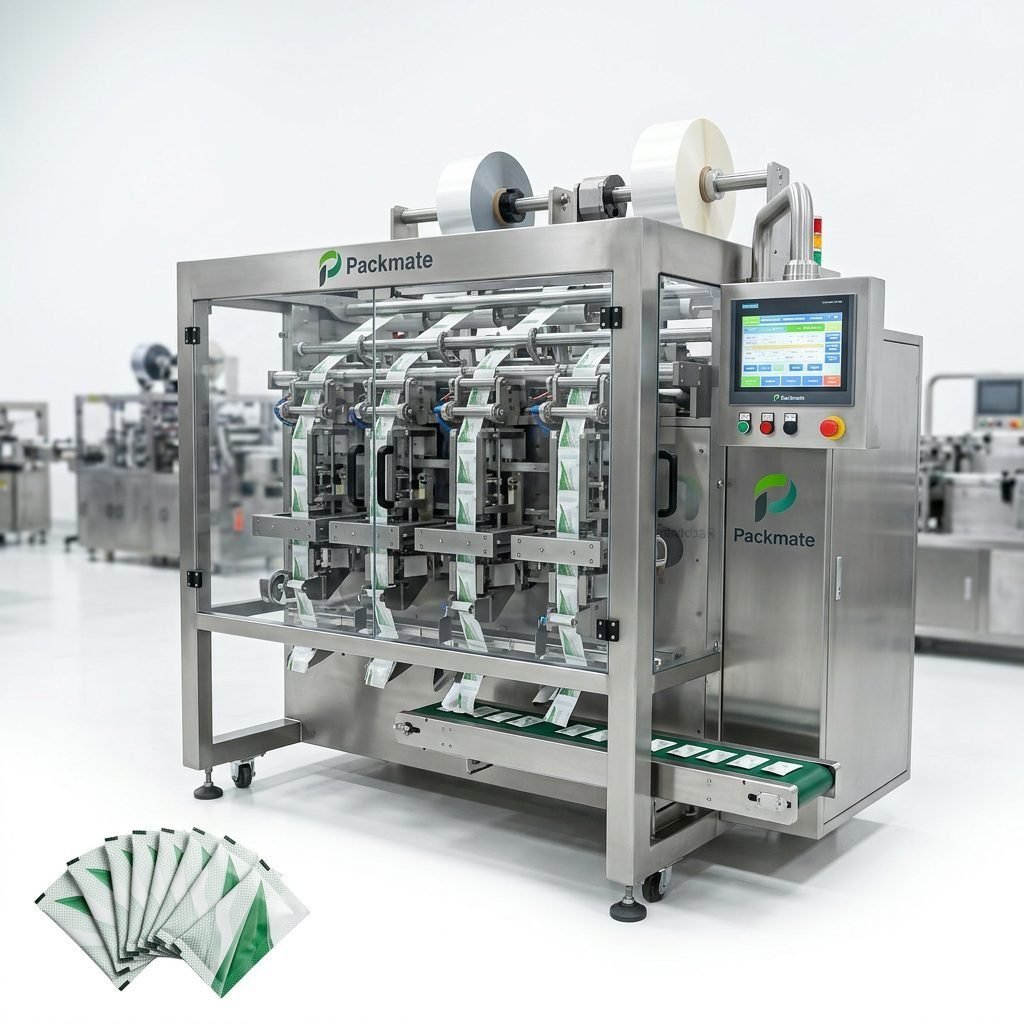
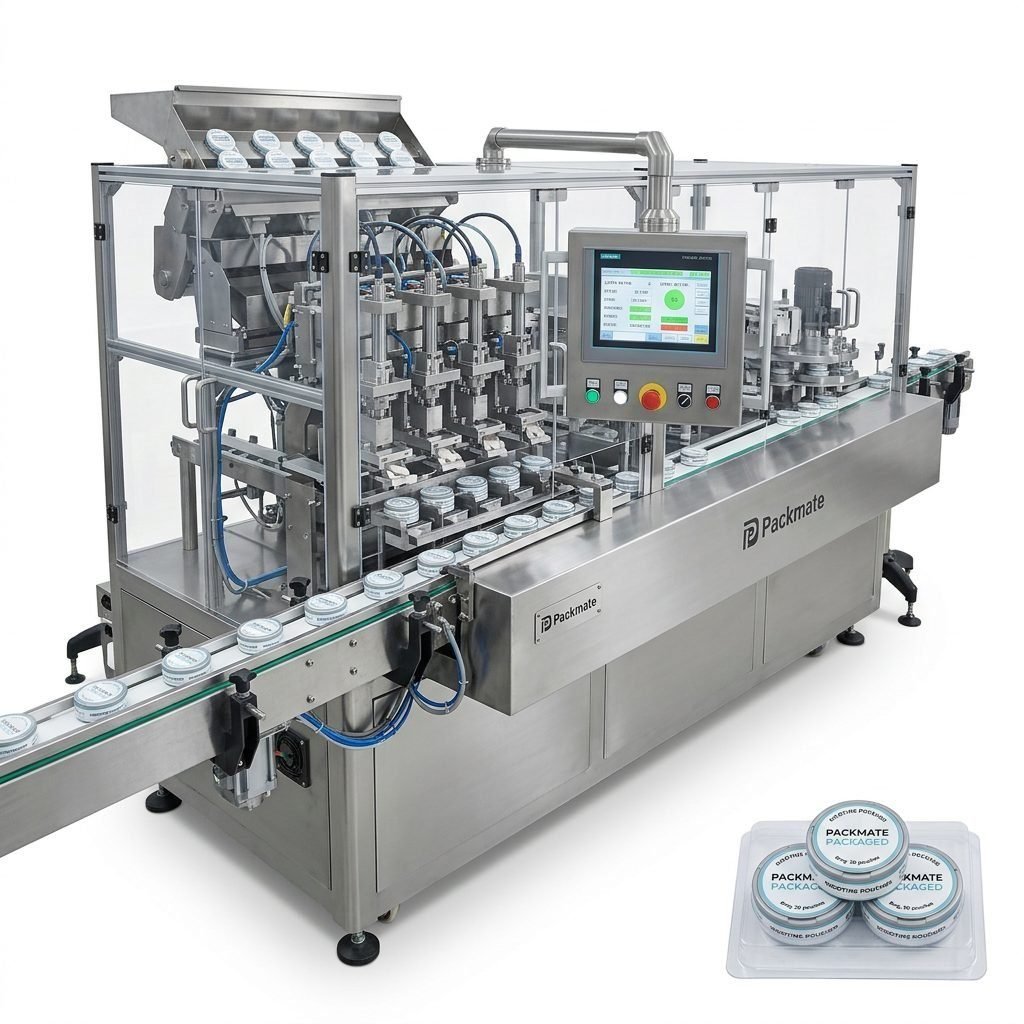
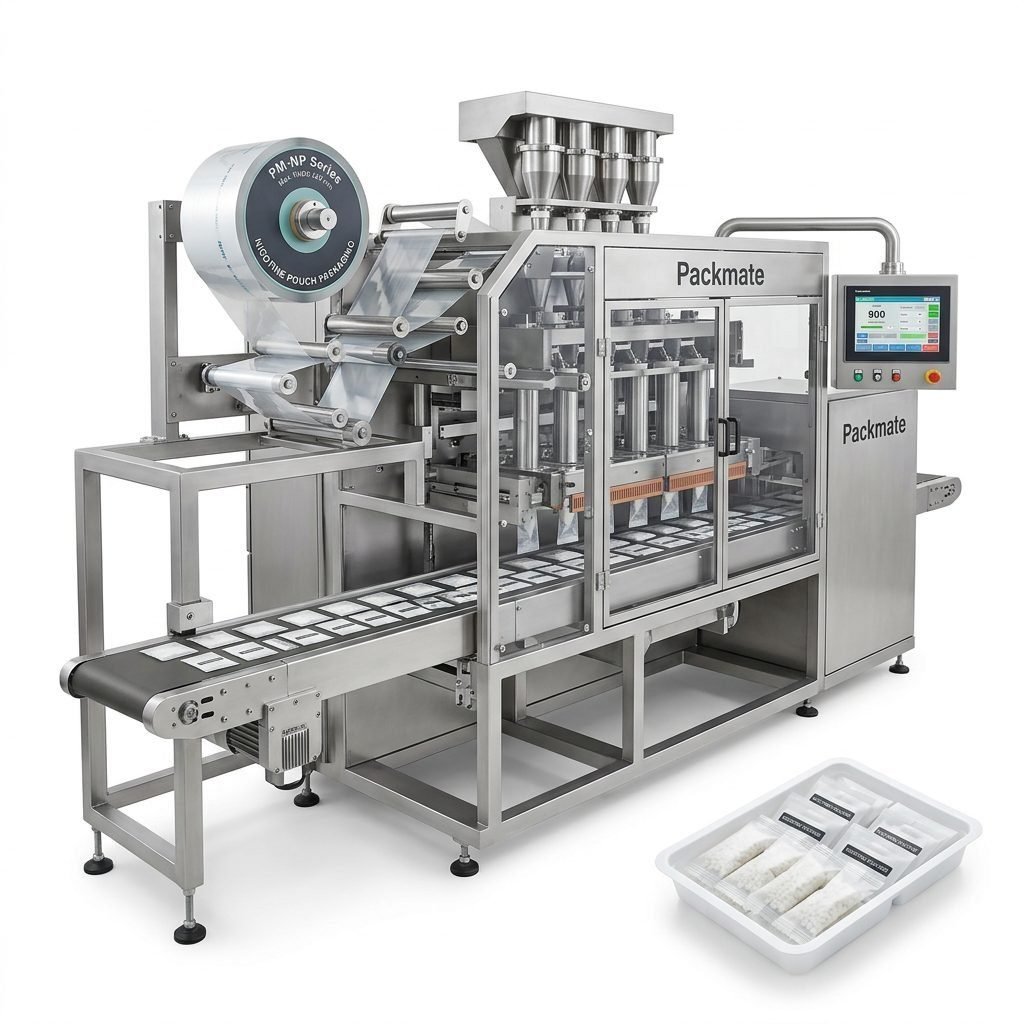
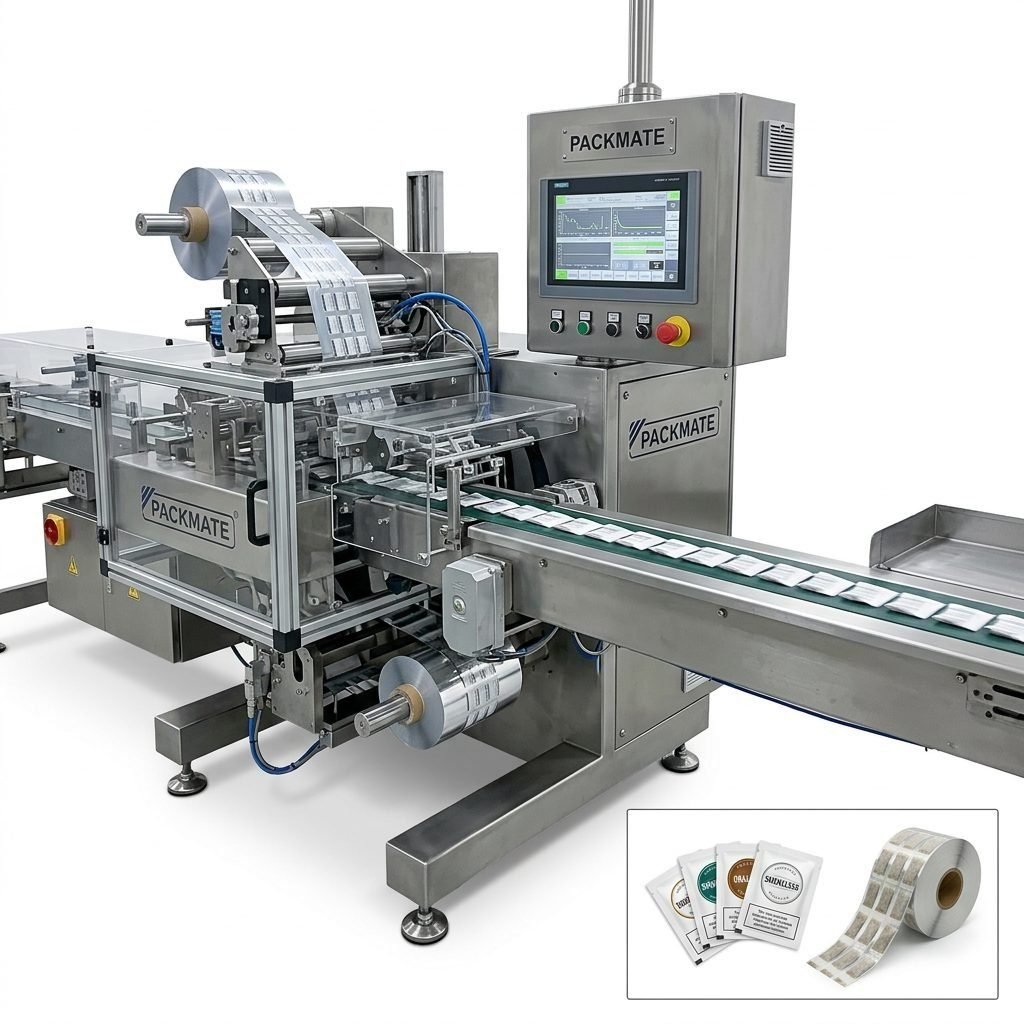
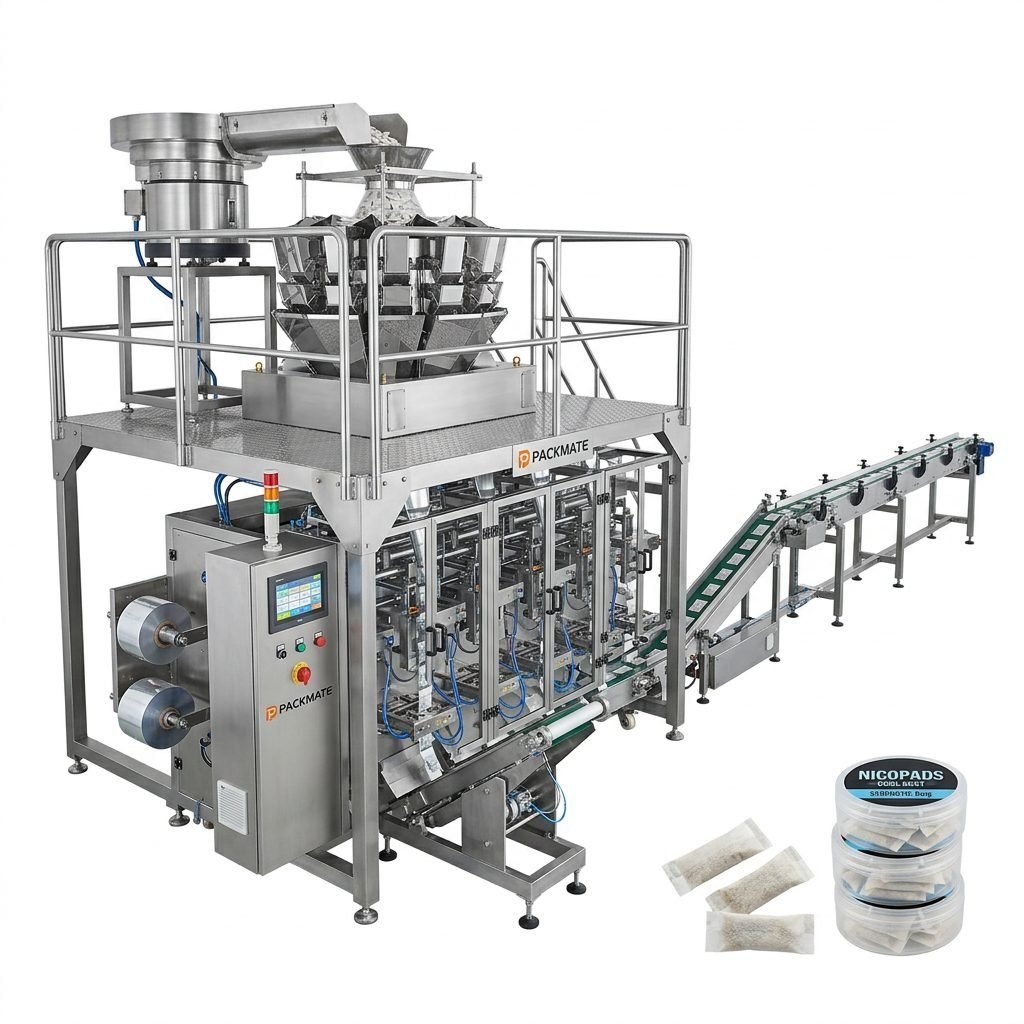
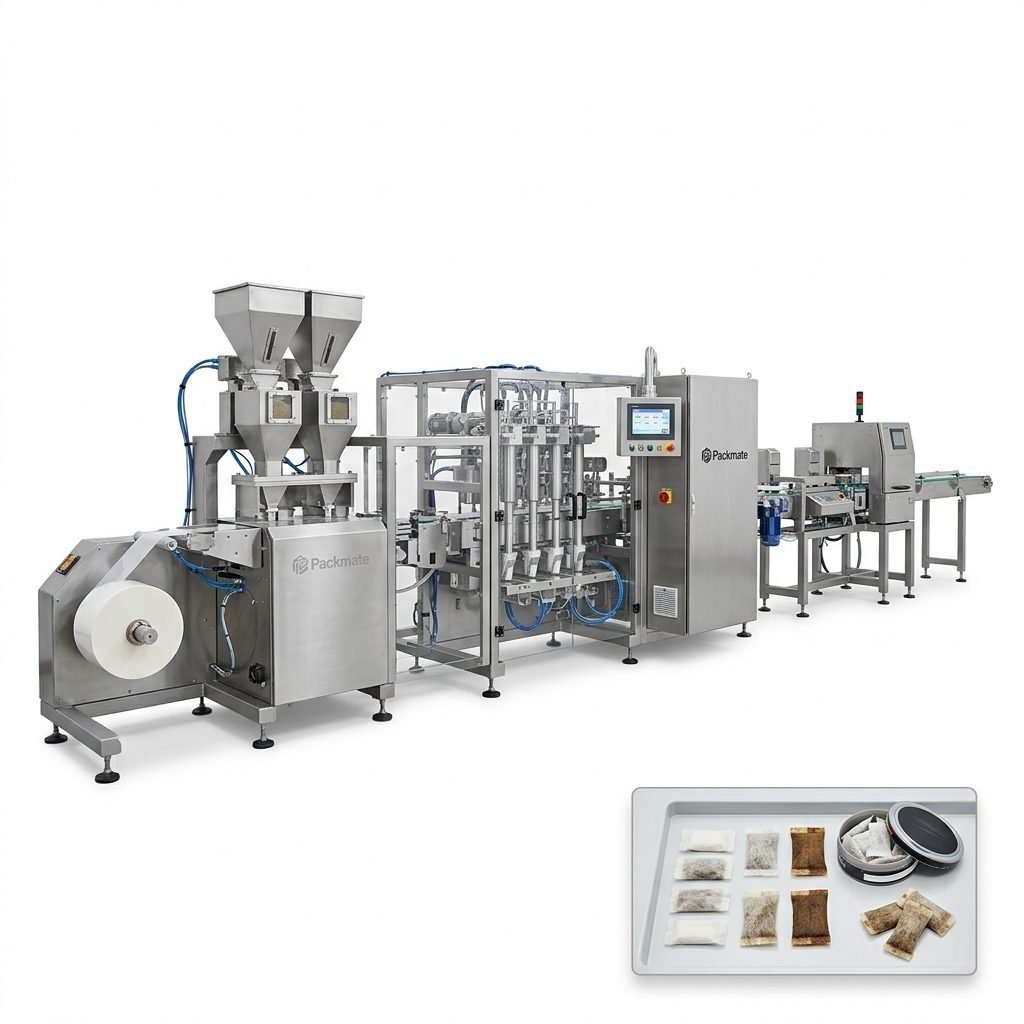
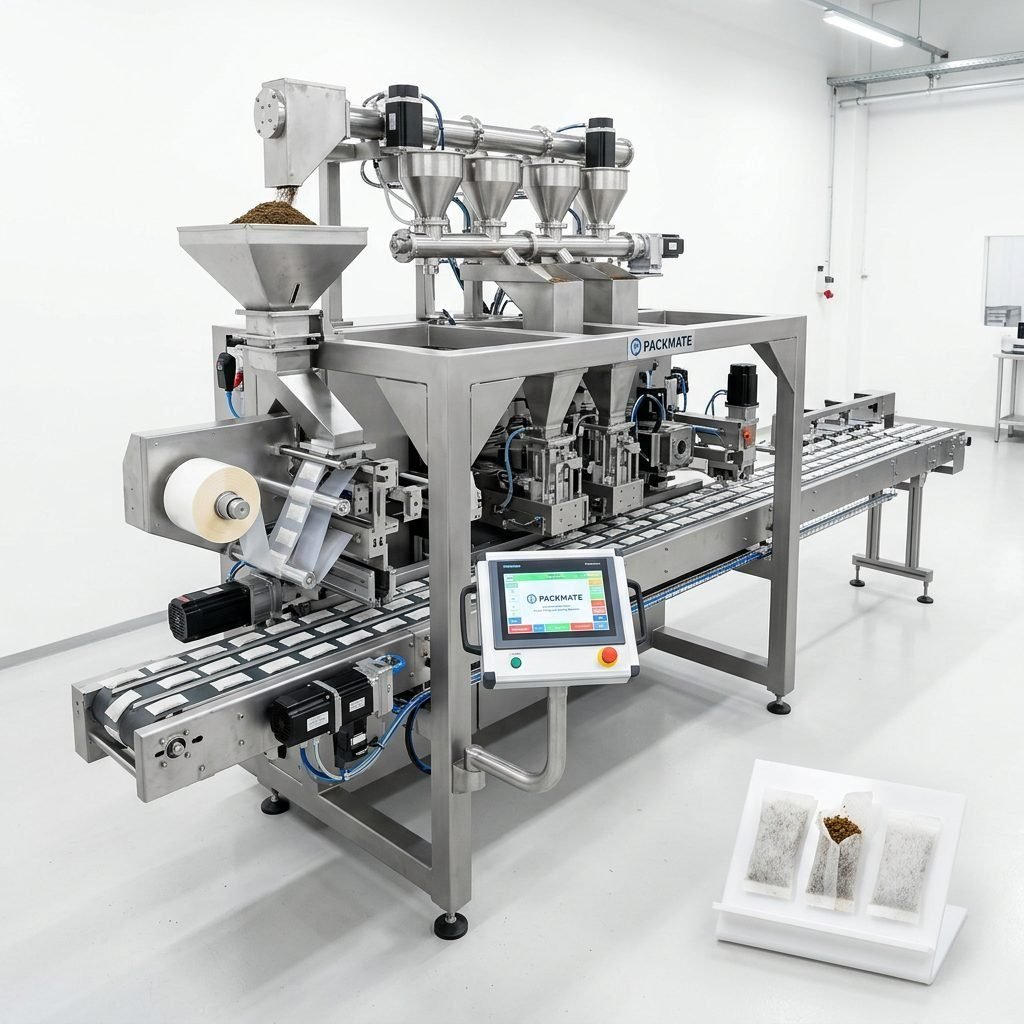
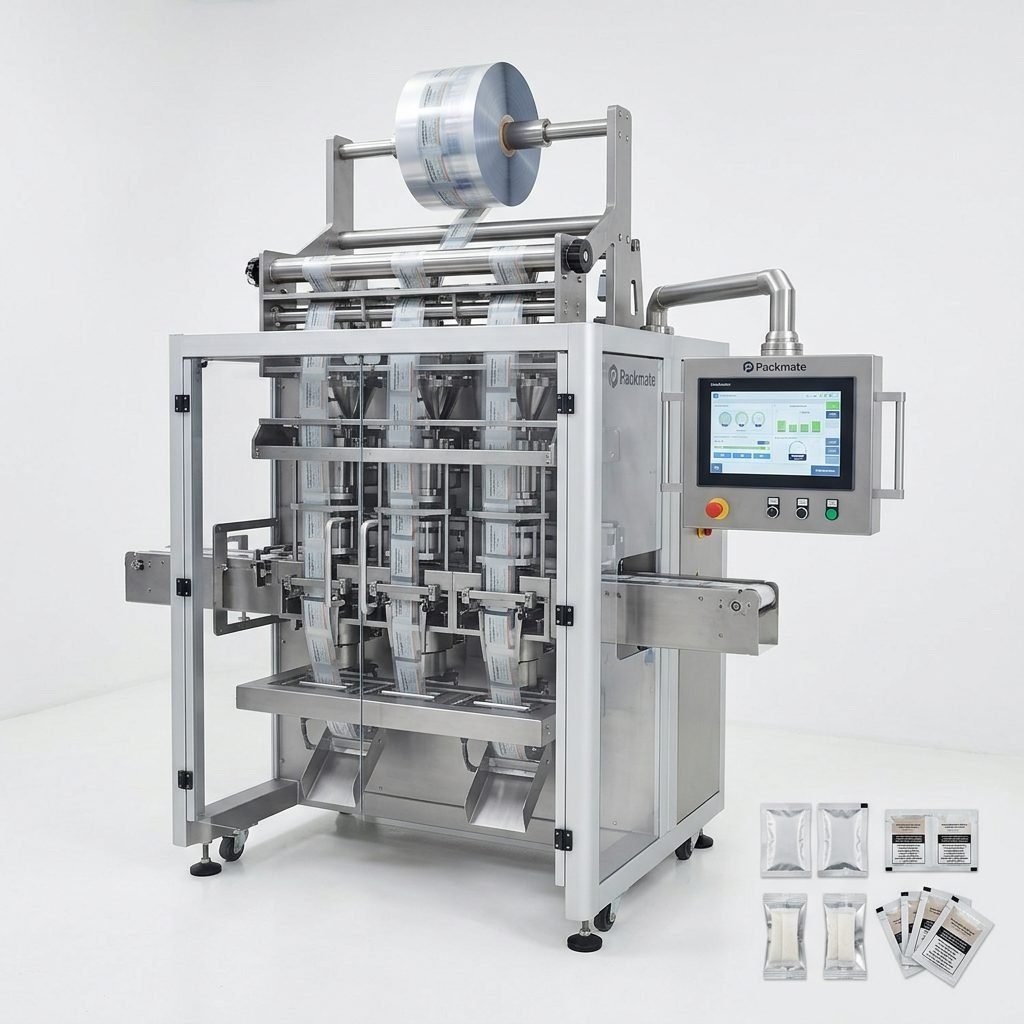
The right supplier should offer a range of proven machines for nicotine pouches and snus formats: stick pack, sachet, multi-lane pouch machines, and complete filling & packaging lines. Evaluate whether the manufacturer supplies:
✅ Multi-lane systems for high throughput and small-dosage accuracy
✅ Sachet and stick pack machines for varied consumer packs
✅ Integrated weighing, filling, and secondary packaging options for turnkey lines
Tip: consider suppliers who showcase real case studies and production videos — they demonstrate field-proven performance and easier risk assessment.
Regulatory compliance & certifications
France and the EU emphasize compliance. Choose manufacturers with CE and ISO certifications and robust documentation practices (IQ/OQ/PQ where applicable). Ask for machine safety files and parts traceability to satisfy both auditors and local authorities.
Customization, flexibility and scalability
French factories often value modular systems that allow capacity scaling and format changes without major rebuilds. Look for features such as quick-change tooling, PLC controls with recipe management, and multi-format capability to switch between sachets, pouches, and stick packs.
Manufacturer highlight: companies with 20,000㎡ factories and advanced CNC machining centers typically offer deeper customization and faster spare-part turnaround.
Operational & commercial factors to evaluate
After-sales support and spare parts
A strong local or global service network is crucial. Confirm lead times for spare parts, availability of remote diagnostics, and whether the supplier offers installation, commissioning, and operator training in French or with translated manuals.
Total cost of ownership (TCO)
Beyond the purchase price, quantify energy consumption, spare part costs, mean time between failures (MTBF), and labor requirements. Machines designed for efficiency and minimal waste will save money over the long run — especially important in European markets with higher operational costs.
Quality control and integration
Ensure the line provides in-line quality checks such as weight monitoring, seal inspection, and metal detection options. Integration with your MES/ERP for traceability, batch records, and compliance reporting is increasingly expected by French customers.
Why manufacturer experience matters: a closer look
Experience translates to fewer surprises during commissioning and better long-term reliability. A manufacturer with 30+ years of engineering focus on pouch and snus packaging — offering dozens of machine models and turnkey solutions — will better anticipate common production challenges and regulatory documentation needs.
If you want to see specific machine types and product lines, check product categories such as Snus & Nicotine Packaging Machines, Sachet & Stick Pack Machines, and Filling & Packaging Lines.
Local considerations for the French market
France has particular expectations that should shape your supplier choice:
🔧 Preference for high-quality, quiet machines that fit compact production cells and comply with local noise and environmental regulations.
📦 Demand for excellent packaging finish, consistent dosing, and consumer-friendly formats — French consumers value packaging aesthetics and perceived product safety.
🇫🇷 Documentation and training in French (or bilingual manuals) and an understanding of EU/French labeling and traceability requirements are highly valued by local teams.
Local tip: factor in delivery, installation, and customs timelines when sourcing internationally. Suppliers with a history of European cooperation or exhibitions in Europe are easier to coordinate with — see their exhibition record for reassurance.
Questions to ask potential manufacturers
When you talk to suppliers, make sure to ask:
🔎 What CE/ISO certifications do you hold and can you share recent certificates?
🔎 Can you provide references from European or French customers and real production case studies?
🔎 Do you offer installation, local commissioning, and operator training in French?
🔎 What is the warranty scope, spare-part lead times, and remote support options?
🔎 How do you support format changes and future capacity expansion?
Evaluating manufacturer credibility and track record
Credible manufacturers demonstrate transparency: factory tours (virtual or in-person), detailed equipment specifications, and an established product portfolio. Look for evidence of advanced machining capabilities, such as CNC centers and precision assembly lines, which indicate consistent build quality and parts reproducibility.
Explore their case studies and global cooperation examples to see the diversity of industries they serve. If available, review their Case pages and exhibition presence (Our Exhibition) to validate reach and operational maturity.
Implementation roadmap for French factories
A practical implementation roadmap reduces risk:
1) Define production targets (daily output, formats, lanes)
2) Shortlist manufacturers who meet regulatory and technical criteria
3) Request FAT (Factory Acceptance Test) demonstrations and documentation
4) Plan installation and qualification — ensure language support for operator training
5) Start with a pilot run, measure KPIs (yield, downtime, maintenance time) and iterate
Note: insist on FAT/ SAT records and on-site acceptance criteria defined before delivery to avoid disputes during commissioning.
Why Packmate-style manufacturers are a common choice
Manufacturers with decades of experience, large-scale manufacturing facilities, and a broad machine portfolio are attractive partners. They typically offer:
🛠️ A wide range of machine models and custom turnkey solutions
⚖️ Advanced quality control systems and CNC precision parts
🌍 Global case studies and exhibition presence demonstrating field reliability
If you want to learn more about a supplier’s company story and capabilities, review their About Packmate and certification pages (Certificate).
Common pitfalls and how to avoid them
Many projects stumble on unclear acceptance criteria, inadequate training, and poor spare-part planning. To avoid these pitfalls:
– Define acceptance KPIs before purchase and document them in the contract.
– Require operator training and maintenance courses in French.
– Negotiate initial spare-part kits and guaranteed parts shipping times.
Practical checklist: certifications, FAT reports, references, training language, spare-parts SLA, remote support availability.
Next steps: how to engage and evaluate suppliers
Start by issuing a clear RFQ that specifies formats, target speed, regulatory constraints, and service expectations. Request references and a detailed proposal that includes drawings, electrical requirements, footprint, and a proposed timeline. Schedule a FAT or virtual demo and verify their ability to support European installations.
When ready to contact a supplier, use their contact channels and service pages such as Contact Us to request customized quotes and timelines.
Final considerations
Your ideal supplier will combine technical depth with strong documentation, European compliance experience, and a commitment to after-sales service. Prioritize long-term reliability and partner transparency over lowest upfront cost to ensure smooth production and regulatory compliance in the French market.
Frequently asked questions
Q1: Are snus packaging machines legal to operate in France?
A: Regulations vary by product type. Nicotine pouch and snus regulations are complex in the EU; always consult local legal counsel and ensure machines and labeling meet French and EU requirements. Manufacturers with EU experience can advise on compliant line setups.
Q2: What certifications should I insist on?
A: Ask for CE marking, ISO quality certifications, and machine safety documentation. For pharmaceutical or food-grade applications, check for GMP alignment and traceability capabilities.
Q3: How important is after-sales support?
A: Critical — fast spare parts, remote troubleshooting, and on-site service reduce downtime. Confirm service SLAs and availability of technical documentation in French.
Q4: Should I buy a turnkey line or assemble components?
A: Turnkey lines reduce integration risk and shorten time-to-production. If you have internal integration expertise, modular components can save cost, but expect more project management overhead.
Q5: Where can I see real machine examples and product specs?
A: Review supplier product pages and case studies. Useful links include Snus & Nicotine Packaging Machines, Bag & Pouch Packaging Machines, and their Catalog.