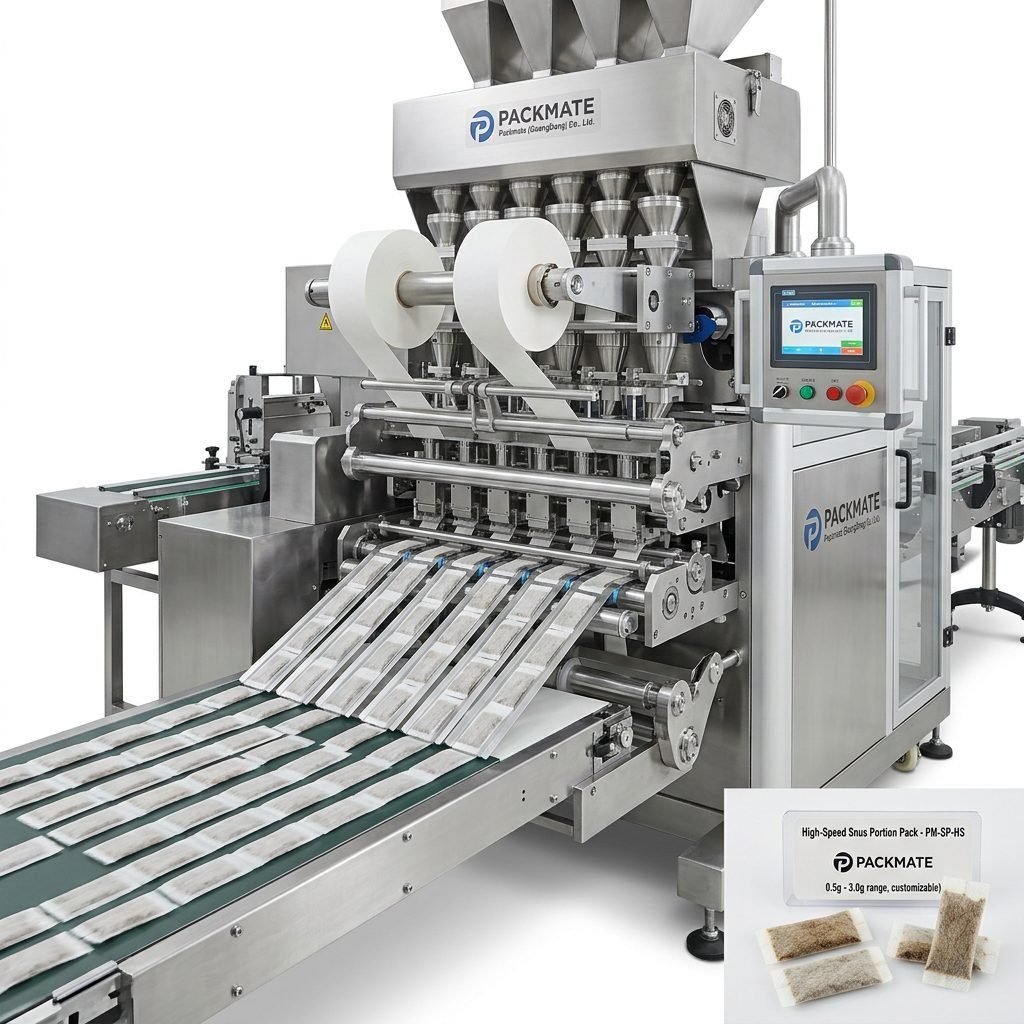
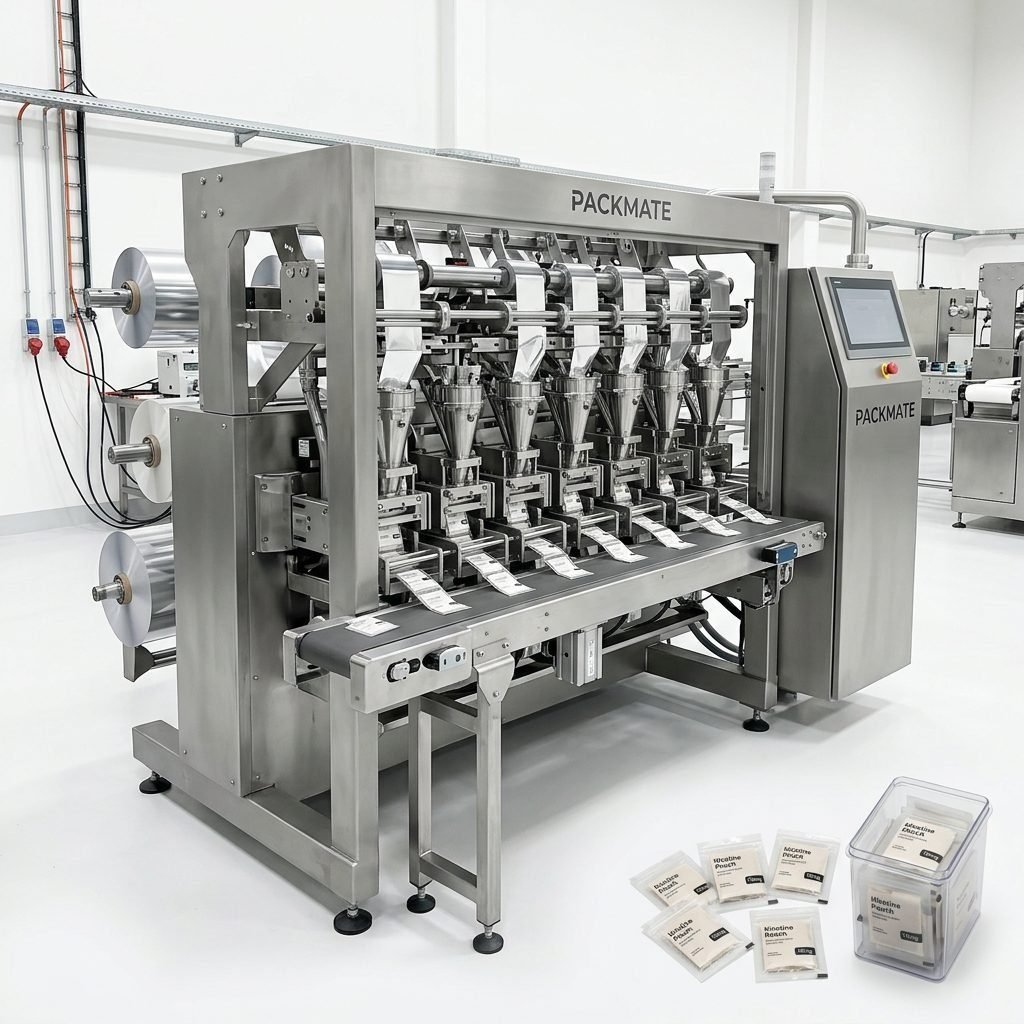
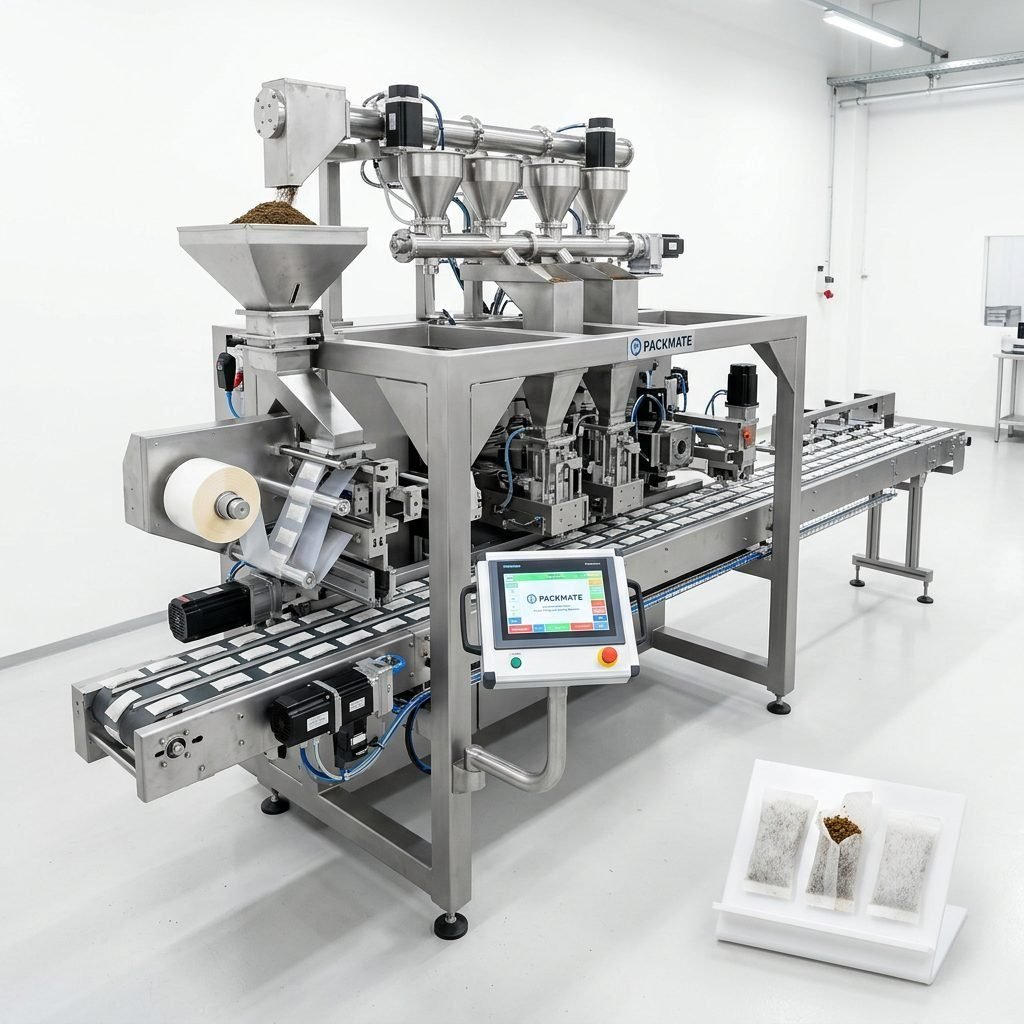
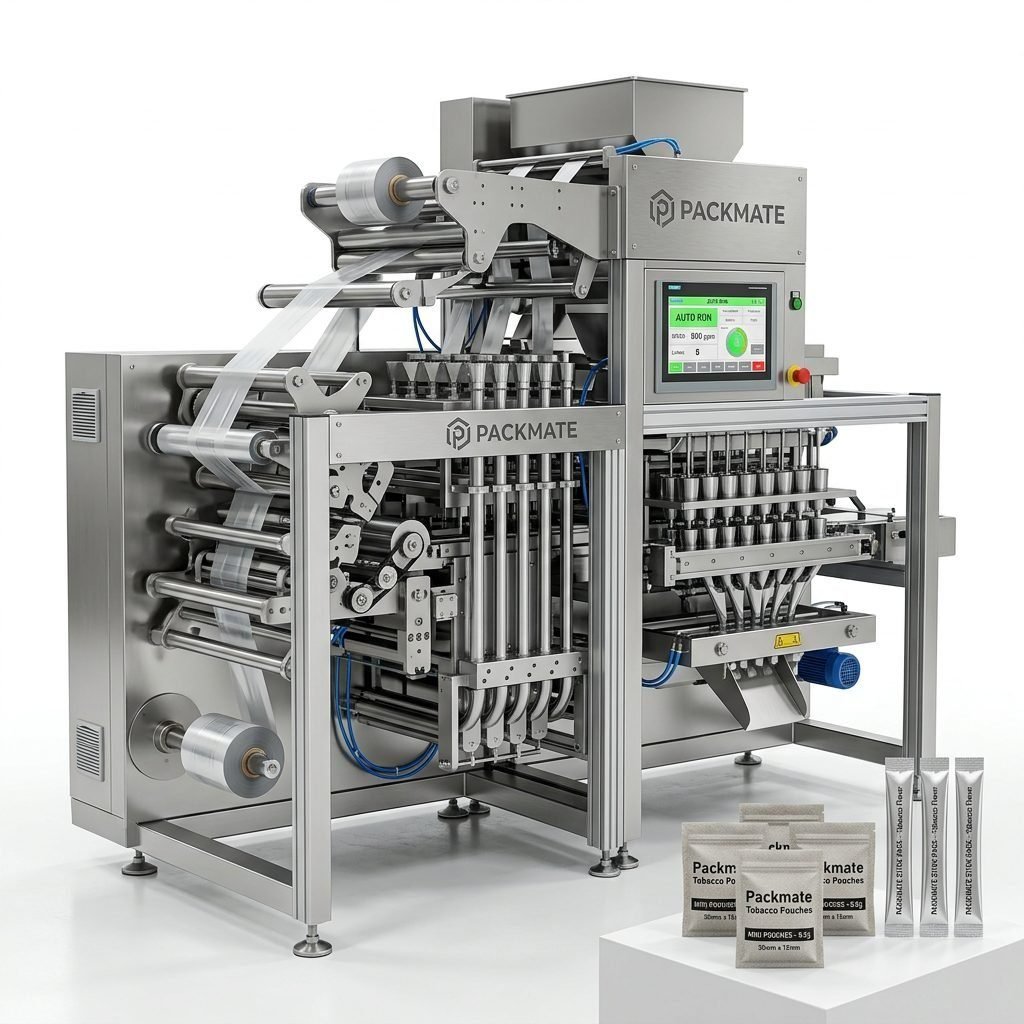
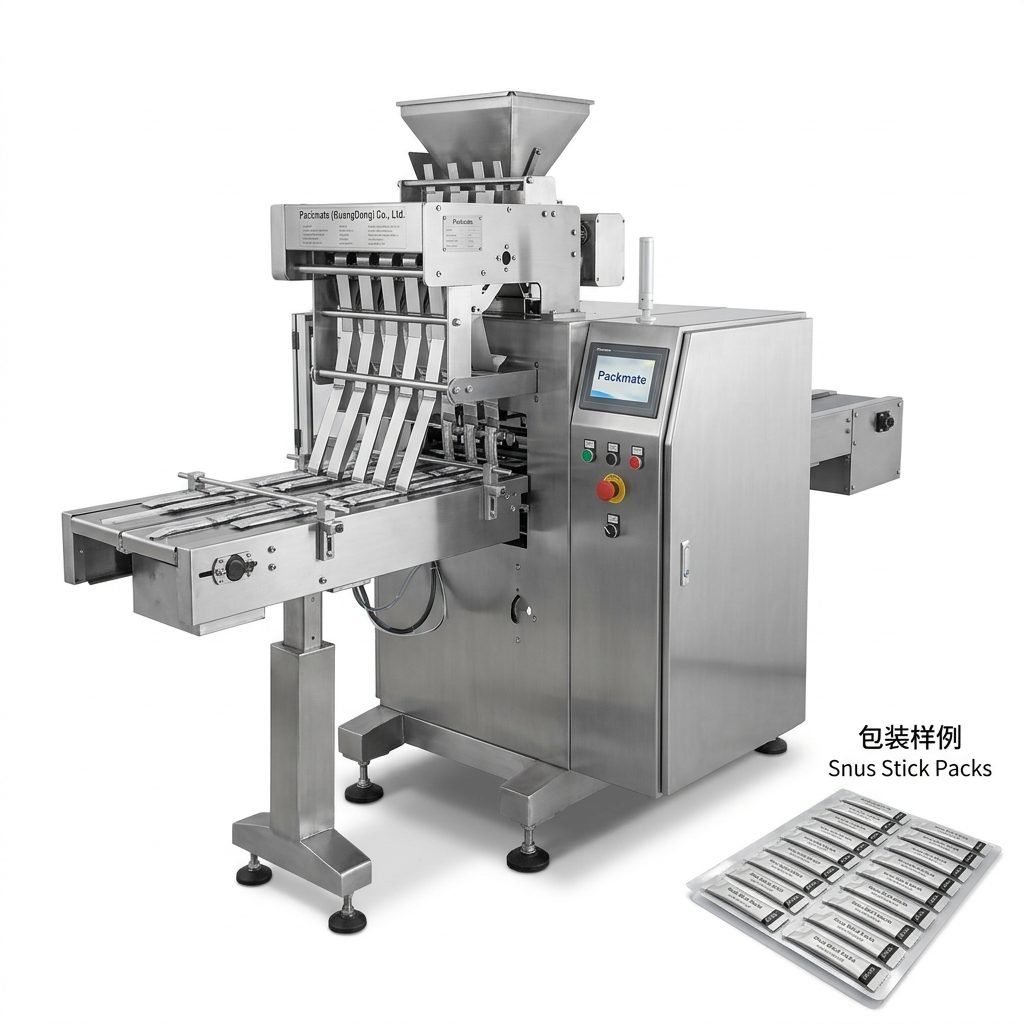
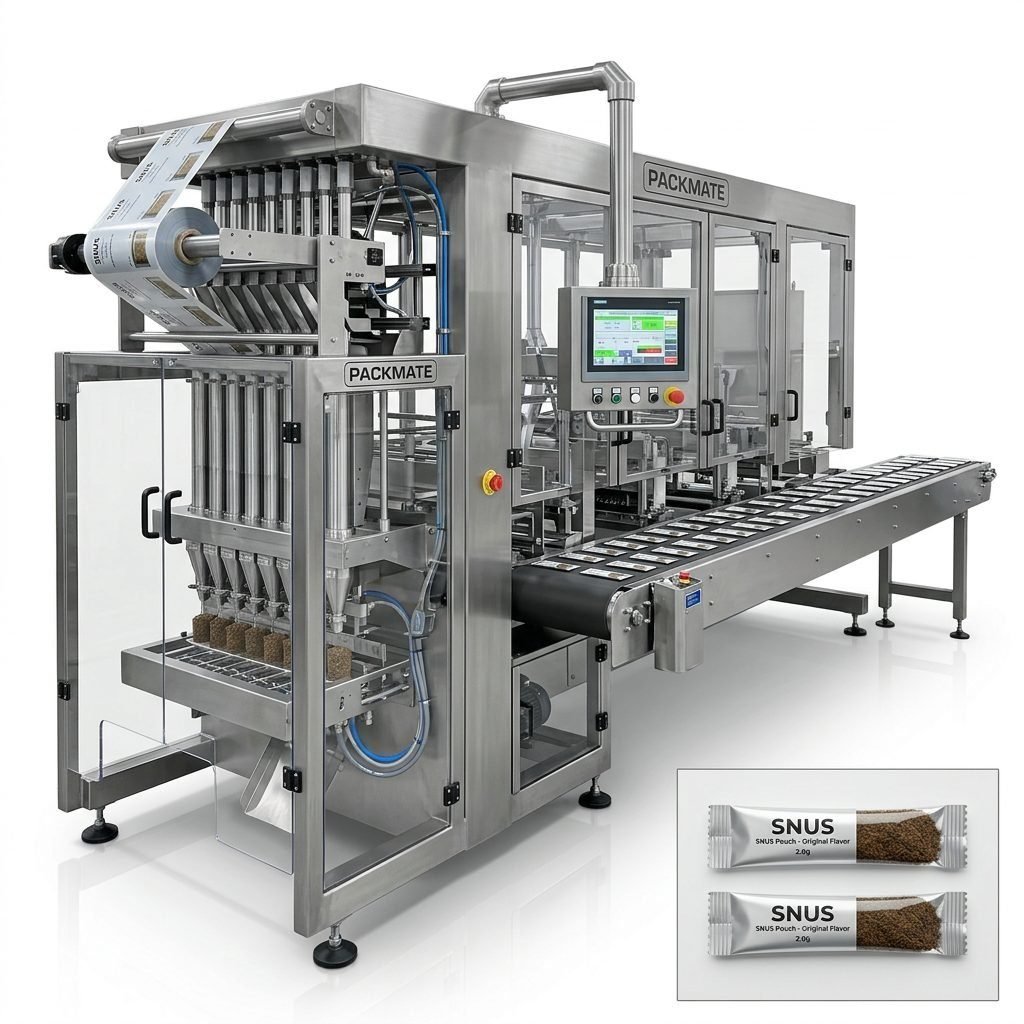
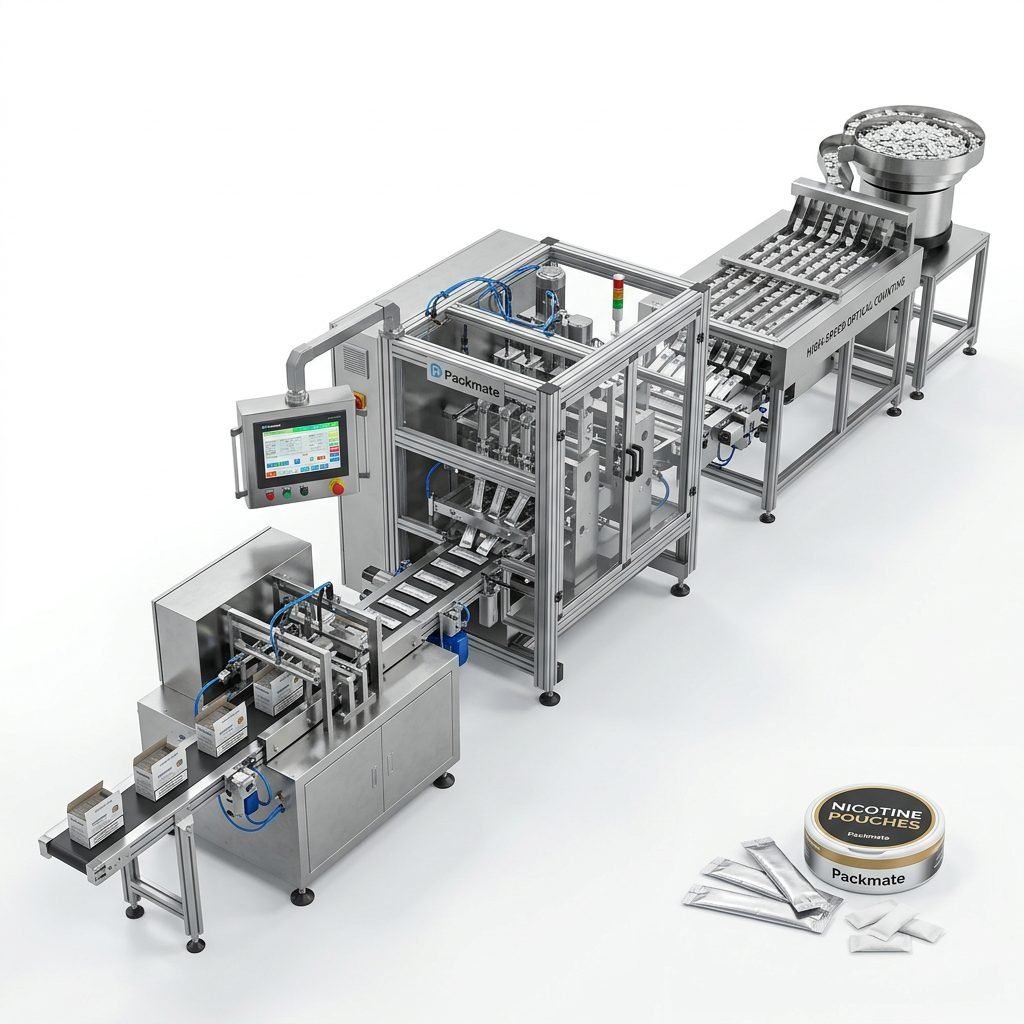
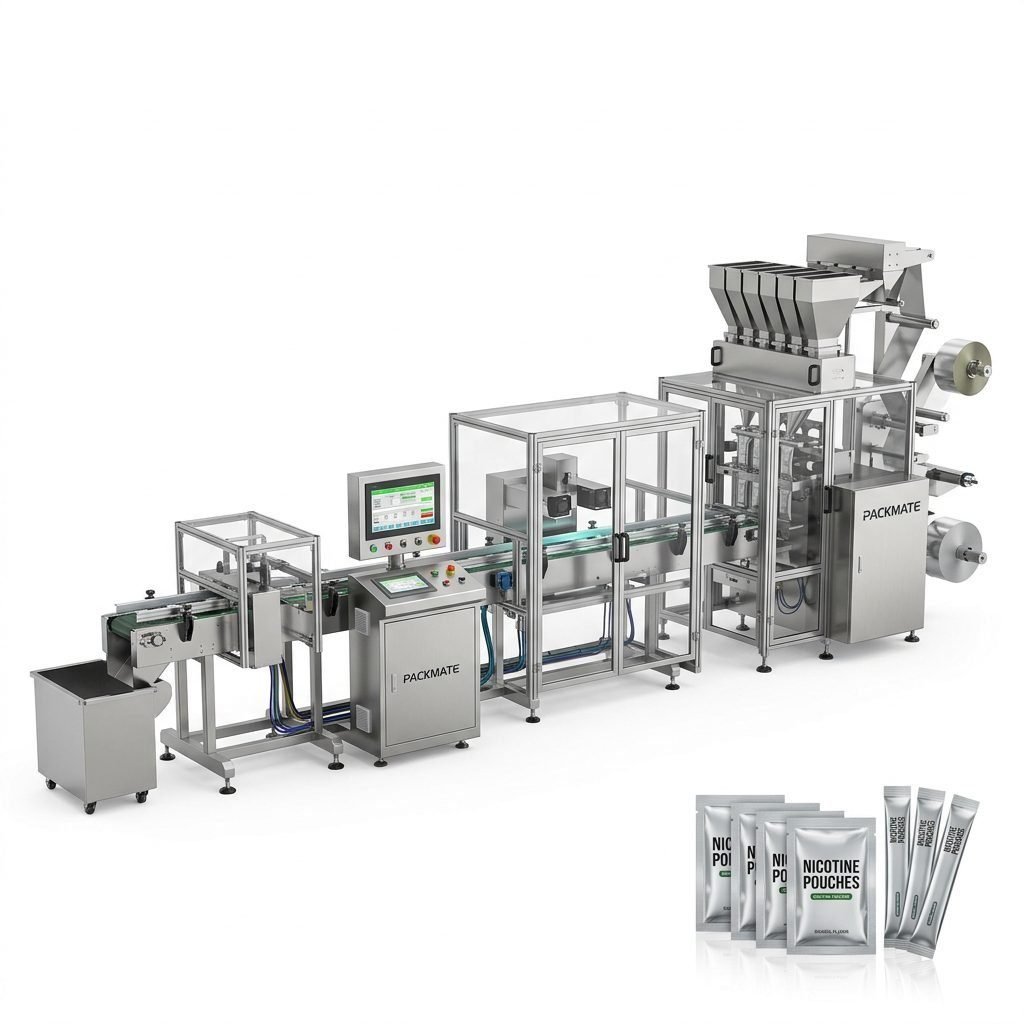
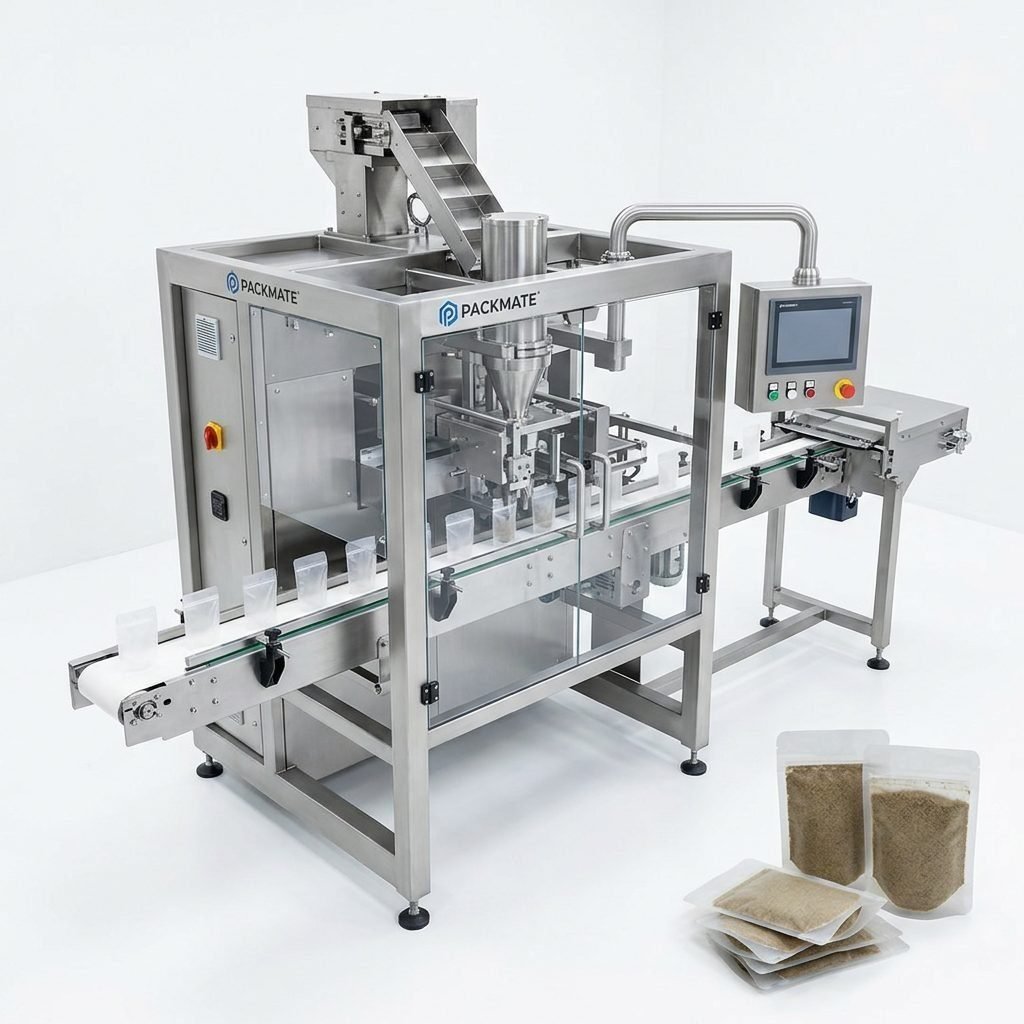
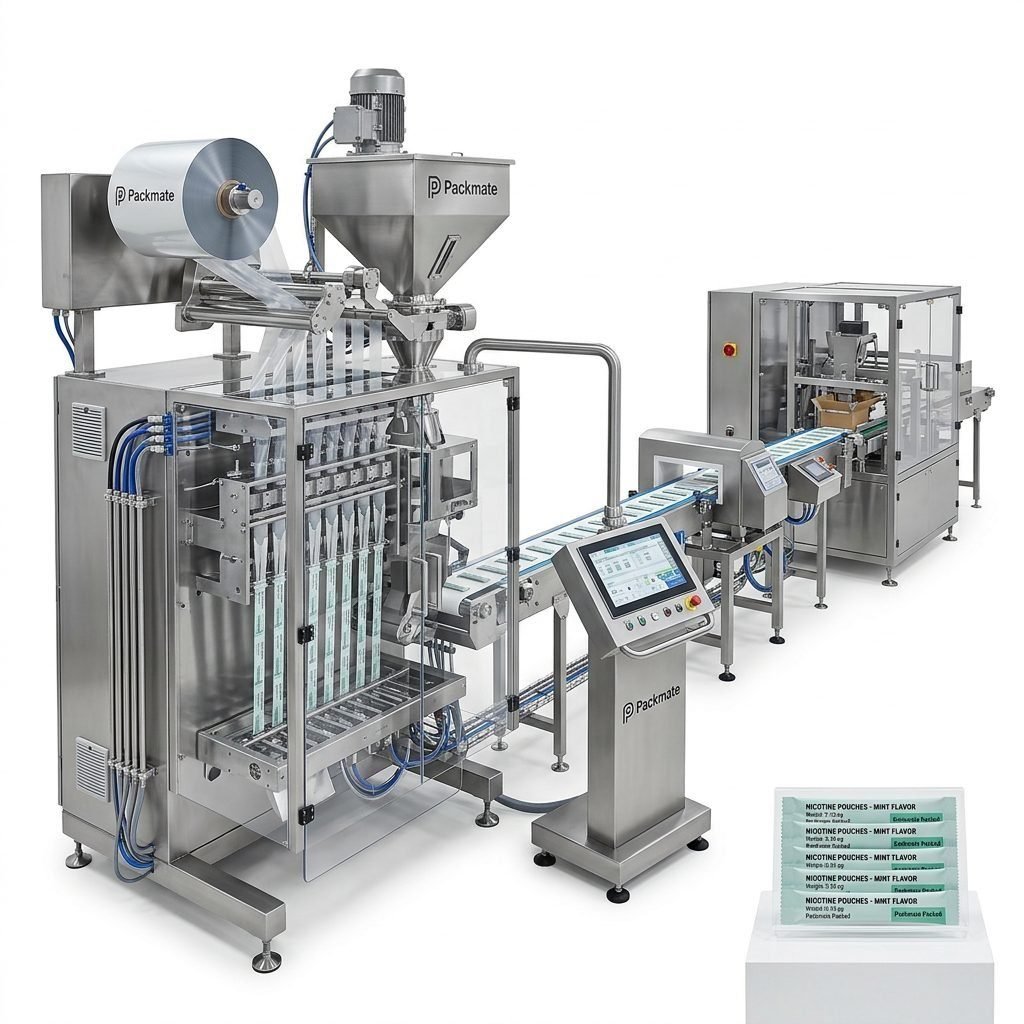
Choosing the right nicotine packaging machine manufacturer for your business in The Gambia is a decision that affects production reliability, product compliance, and long-term profitability. Whether you plan to launch nicotine pouches, snus, or other small-dose products, selecting a supplier with proven experience, strong after-sales service, and equipment adapted to the West African market conditions will save you time and money. This guide walks you step-by-step through what Gambian importers, distributors, and producers should evaluate when sourcing snus and nicotine packaging machines, with practical checklists and tips tailored to local business norms and regulations.
Understand why the manufacturer matters ⚙
Not all packaging equipment is made equal. A reputable manufacturer brings long-term engineering know-how, certifications, spare parts supply, and robust service networks. For markets like The Gambia, where local technical expertise and rapid replacement parts are harder to source, the manufacturer’s reliability becomes a core part of your supply chain resilience. Look for makers with multi-decade experience and proven turnkey lines for snus and nicotine pouches.
Key manufacturer credentials to verify
When vetting manufacturers, focus on: engineering history, factory scale, quality certifications, and real-world case studies. A manufacturer with 20,000㎡ factory space, advanced CNC machining, CE/ISO certificates, and decades of R&D will typically deliver more consistent machines and easier customization. For example, Packmate Snus Machine emphasizes 30+ years of engineering and global turnkey solutions—attributes that matter for robust operations.
Quick check: Does the manufacturer publish case studies and offer demonstrations at trade shows? Can they share customer references from climates similar to The Gambia? (See Case.)
Match machine types to your product and local preferences
Nicotine pouch formats vary — single-dose sachets, stick packs, multi-lane pouches, and pre-portioned sachets for retail kiosks. In The Gambia, smaller package sizes and discreet retail presentation are common due to cultural norms and limited shelf space in small shops. Choose machines that can produce:
- High-speed multi-lane pouch lines for mass production
- Flexible sachet & stick pack machines for varied sachet shapes
- Weighing & packaging systems for powder/loose pouch fills
For product-specific options, review product categories like Snus & Nicotine Packaging Machines, Sachet & Stick Pack Machines, and complementary Weighing & Packaging Systems.
Top technical selection criteria
1. Machine performance & stability
Evaluate uptime guarantees, mean time between failures, and real production speed (not just theoretical maximum). Reliable systems reduce downtime and lower operating costs. Look for manufacturers who offer trial runs or reference sites demonstrating consistent operation under real load.
2. Material & climate suitability
The Gambia’s humid, tropical climate affects product moisture control and packaging film behavior. Choose machines with humidity-tolerant feeders, accurate dosing for hygroscopic materials, and sealed electronics or IP-rated components to resist corrosion in coastal areas.
3. Customization & packaging flexibility
Your manufacturer should support fast format changeovers and bespoke tooling for local labeling requirements and brand styles. If you’ll produce multiple SKUs, prioritize modular lines that adapt to different pouch sizes and filling methods.
4. Energy consumption and footprint
Energy costs and workshop space matter. Compact, energy-efficient machines reduce utility bills and integrate more easily into small Gambian production facilities. Ask for power consumption data and required workshop layout drawings.
Important: Ensure the manufacturer provides documentation for machine operation in English and offers training that respects local working hours and languages.
Quality standards, certifications & compliance
Compliance matters for both export and local sale. Request CE, ISO, and electrical safety certificates, plus any test records for pharmaceutical-grade lines. Some Gambian import procedures check conformity documentation — having full certificates expedites customs clearance. Manufacturers with certified QA systems are less likely to ship unstable units.
After-sales service, spare parts, and training
After-sales service is often the deciding factor. Confirm service lead times, spare parts lists, and whether on-site installation and operator training are included. For customers in The Gambia, ask if the manufacturer can supply:
- Fast shipment of critical spare parts
- Remote support and diagnostics capability
- On-site commissioning and operator training in English and, if needed, local languages
Verify real-world reliability: references & factory visits
Request client references in Africa or similar climates. If possible, visit the manufacturer’s factory or a demonstration site. Many reliable manufacturers attend international trade fairs — a chance to see live demos and meet engineers. See manufacturer profiles and exhibition schedules at pages like Our Exhibition and learn about the company from About Packmate.
Commercial considerations: price, payment, and warranties
Price is important, but low upfront cost often hides higher total cost of ownership. Compare warranty terms, inclusion of spare parts kits, shipping, installation, and training. Negotiate service contracts and consider extended warranties if local technical support is limited. Confirm payment terms and letters of credit rules to reduce transaction risks.
Importing to The Gambia: practical rules and customs tips
Importers must plan for port handling, duties, and paperwork. The Gambia’s main entry point is Banjul port and cargo often moves via Dakar for some routes. Work with a customs broker familiar with industrial equipment import. Bring full technical documentation, certificates, and a clear harmonized tariff code for machinery to avoid delays. Seasonal weather can affect inland transport — schedule deliveries outside heavy-rain periods when roads are challenging.
Packaging design & cultural sensitivity in The Gambia
The Gambia is a predominantly Muslim country where public attitudes toward nicotine products can be conservative. Many retailers prefer discreet, small-format sachets that fit pocket-sized sales and respect local sensibilities. Consider neutral or subdued branding and clear labeling in English. Durability and moisture protection are vital for preservation in high-humidity regions.
Local sales tip: Work with local distributors and consider smaller batch sizes to build brand trust before scaling up production.
Operational readiness: installation, training & maintenance
Plan for machine layout, electrical supply, compressed air, and trained operators. Confirm that the manufacturer provides commissioning and hands-on training, preferably with operations manuals in English. Regular preventative maintenance schedules reduce breakdowns — ensure spare parts lists and recommended stocking levels come with the machine.
Checklist for negotiating the contract
Use this negotiation checklist when finalizing contracts:
- Detailed technical specification and accepted performance tests
- Warranty period and scope (moving parts, electronics)
- Spare parts kit included with first shipment
- On-site commissioning and operator training included
- Remote support SLA and response time
Financing & ROI considerations
Calculate ROI using real production speed (kg/hour), yield losses, labour costs, and expected market price per pouch. Lower per-unit labor costs and consistent uptime improve ROI. Some manufacturers provide ROI models or can assist with CAPEX planning — ask for example calculations to validate expectations.
Sustainability and waste management
Modern packaging lines can reduce material waste with accurate dosing and compact film usage. Consider recyclable or minimal packaging strategies aligned with both environmental best practice and potential consumer preference. Manufacturers who design machines for easy film roll changes and minimal scrap are preferable.
How to finalize your supplier choice
Sum up evaluation points with a scoring system: technical fit, reliability, service & parts, price & financing, and cultural fit for the Gambian market. Include a small pilot order or sample run clause to validate on-site performance before full-scale purchase. Work with suppliers that have global experience and visible product lines such as Bag & Pouch Packaging Machines and Auxiliary Packaging Equipment to ensure end-to-end support.
Final reminder: Verify certification documentation, confirm spare parts logistics, and ensure training commitments are in writing. Contact the manufacturer’s service team early to schedule installation aligned with your facility readiness. (See Contact Us.)
Conclusion
Selecting the best nicotine packaging machine manufacturer for your Gambian operation is more than a purchase — it’s the foundation of your manufacturing capability. Prioritize manufacturers with deep experience, robust certifications, climate-appropriate designs, and dependable after-sales support. A well-documented selection process with pilot testing, clear contracts, and local distribution strategies will set your business up for growth and compliance in the Gambian market.
Frequently Asked Questions
Q1: What certifications should I insist on when buying packaging machines?
A1: Request CE and ISO certification, electrical safety documents, and any food/pharma-related compliance papers for snus or nicotine pouch production. These expedite customs and ensure safer operations.
Q2: How do I handle spare parts and maintenance in The Gambia?
A2: Negotiate a spare parts kit with the initial shipment, confirm lead times, and arrange remote training for local technicians. Maintain an inventory of critical wear parts (belts, cutters, sensors).
Q3: Are there special packaging considerations for humid climates?
A3: Yes — use humidity-tolerant feeders, desiccant strategies in packaging, moisture-barrier films, and machines designed for stable dosing of hygroscopic materials.
Q4: Can I get on-site installation and training in The Gambia?
A4: Many manufacturers offer on-site commissioning and operator training. Confirm language, duration, and whether the cost is included in the quote.
Q5: Where can I view product lines and company information before purchasing?
A5: Manufacturer catalogs, product pages, and company history pages provide useful details — for example, see product families and certifications on the main site: Catalog and Certificate.