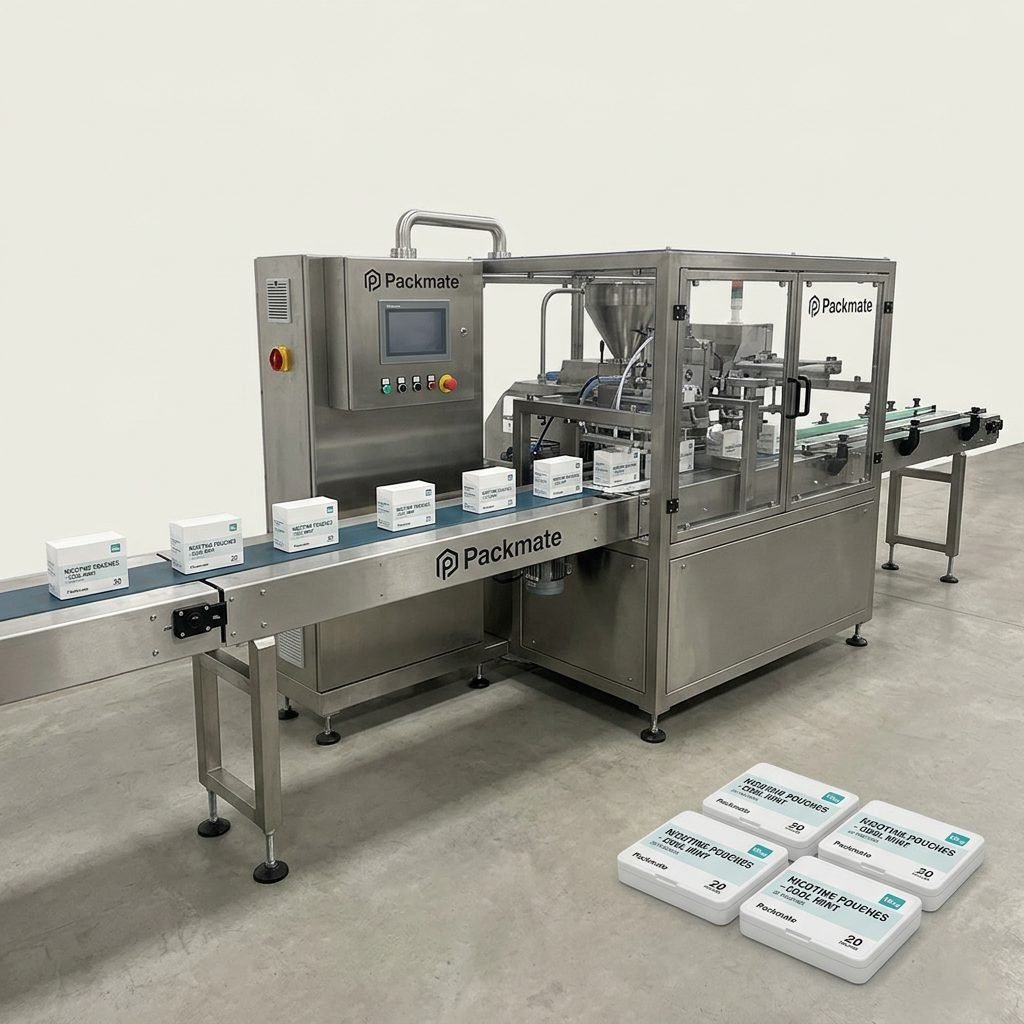
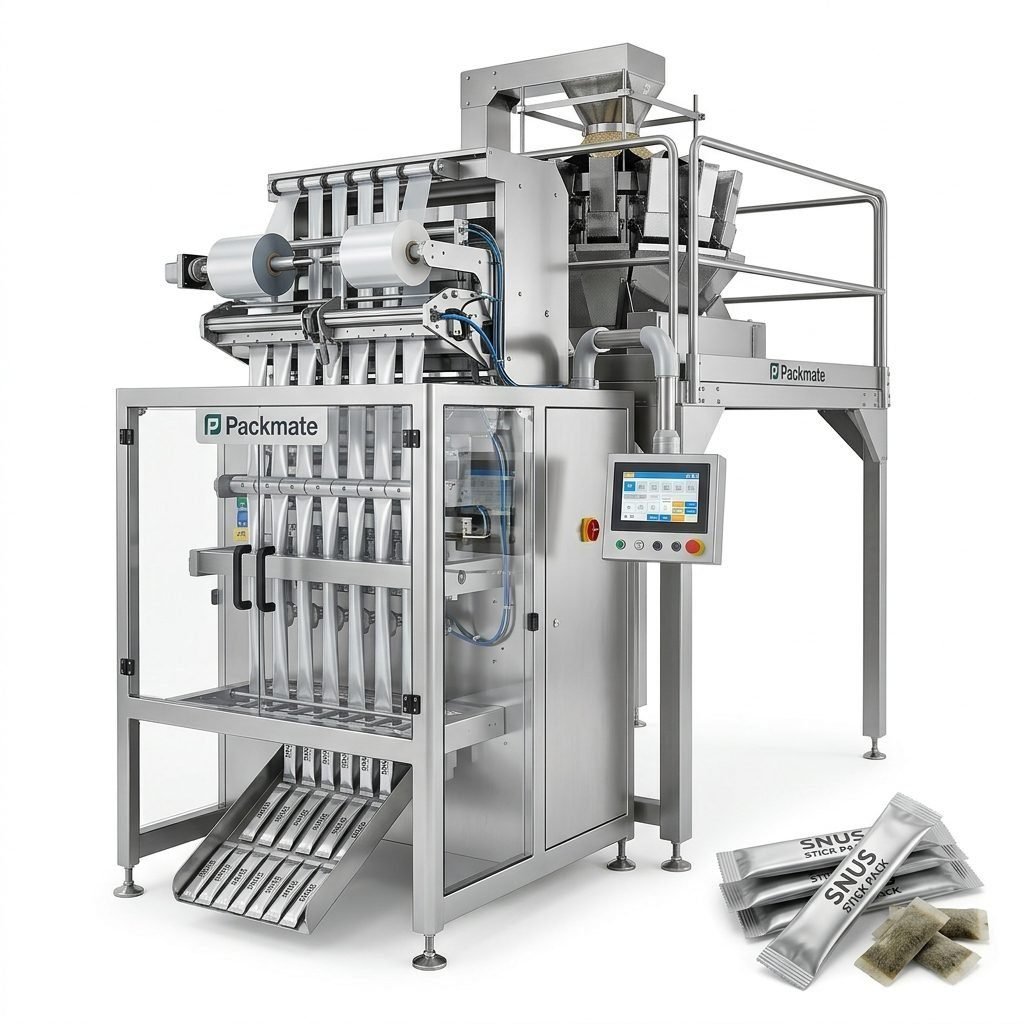
Choosing the right nicotine packaging machine manufacturer is one of the most important decisions for any company entering or expanding in the Malawi market. With tobacco historically central to Malawi’s economy and growing interest in smokeless nicotine products worldwide, local businesses need machines that combine global compliance, reliable after-sales support, and adaptability to local production realities. This guide explains practical criteria, local considerations, and actionable steps to select the best supplier for nicotine pouch / snus packaging equipment in Malawi.
Understand Malawi’s Market & Cultural Context
Malawi’s agricultural tradition — especially tobacco cultivation — means there are experienced supply chains and labor skills relevant to nicotine product manufacturing. However, cultural attitudes toward nicotine vary by region and community. Respectful local marketing, clear labeling in English (and Chichewa where necessary), and adherence to local regulatory requirements are essential. Many Malawian buyers appreciate long-term partnerships, face-to-face relationship building, and reliable local service rather than purely transactional supplier relationships.
Top Criteria When Evaluating Manufacturers
Look for a supplier who meets both technical and practical needs for operating in Malawi. Consider the following critical factors.
1. Compliance & Certifications
🔒 CE and ISO certifications are indicators that machines meet international safety and quality standards. If you plan to export products, insist on equipment that can deliver consistent hygiene, labeling compatibility, and documentation required by destination countries.
✅ Manufacturers with documented testing protocols, traceable components, and clear compliance paperwork reduce regulatory risk and speed up customs clearance.
2. Product Range & Customization
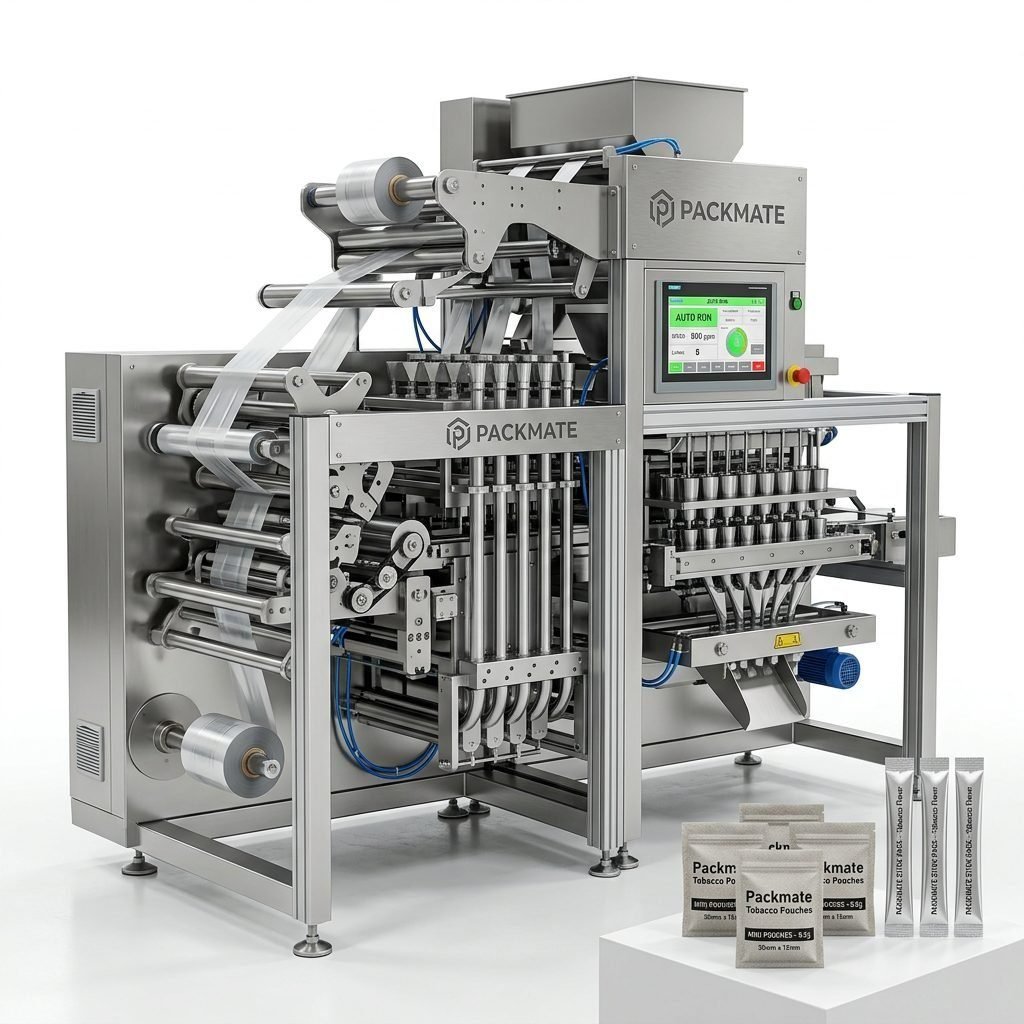
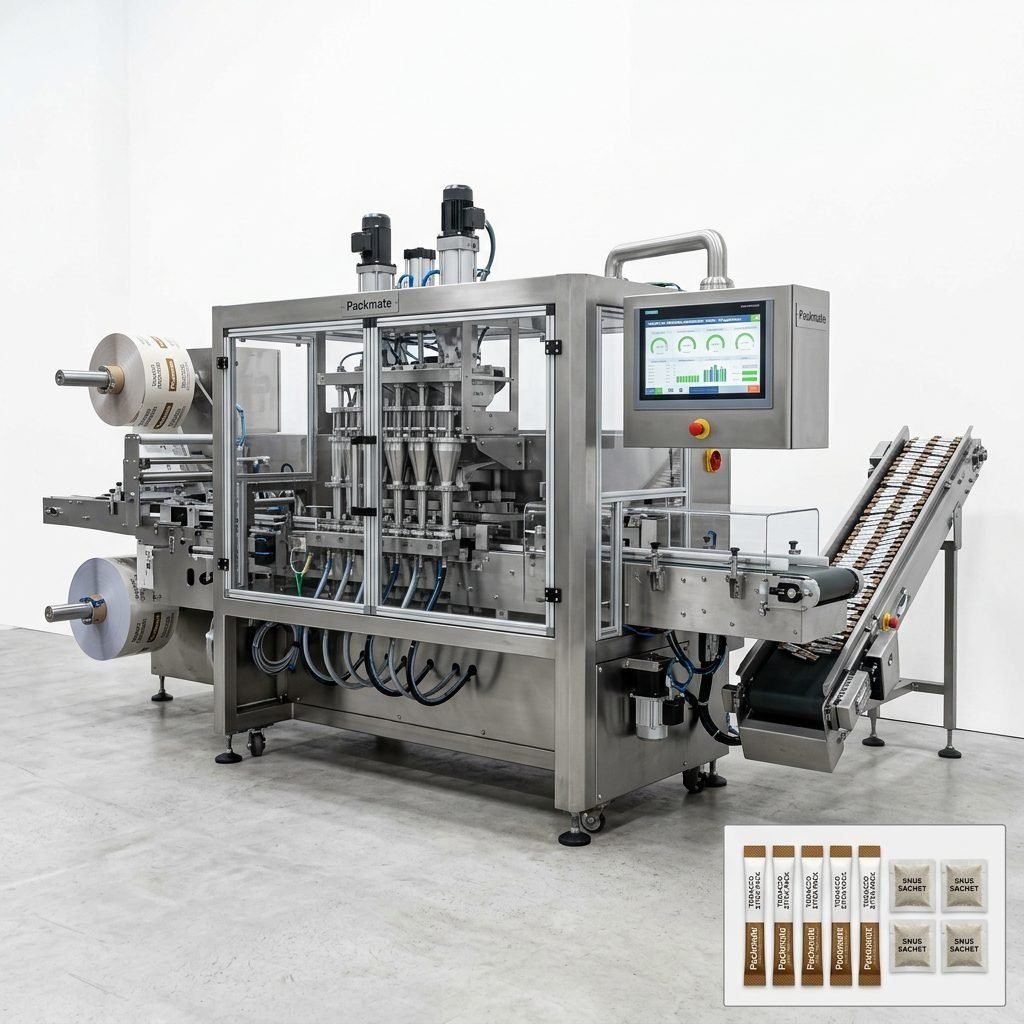
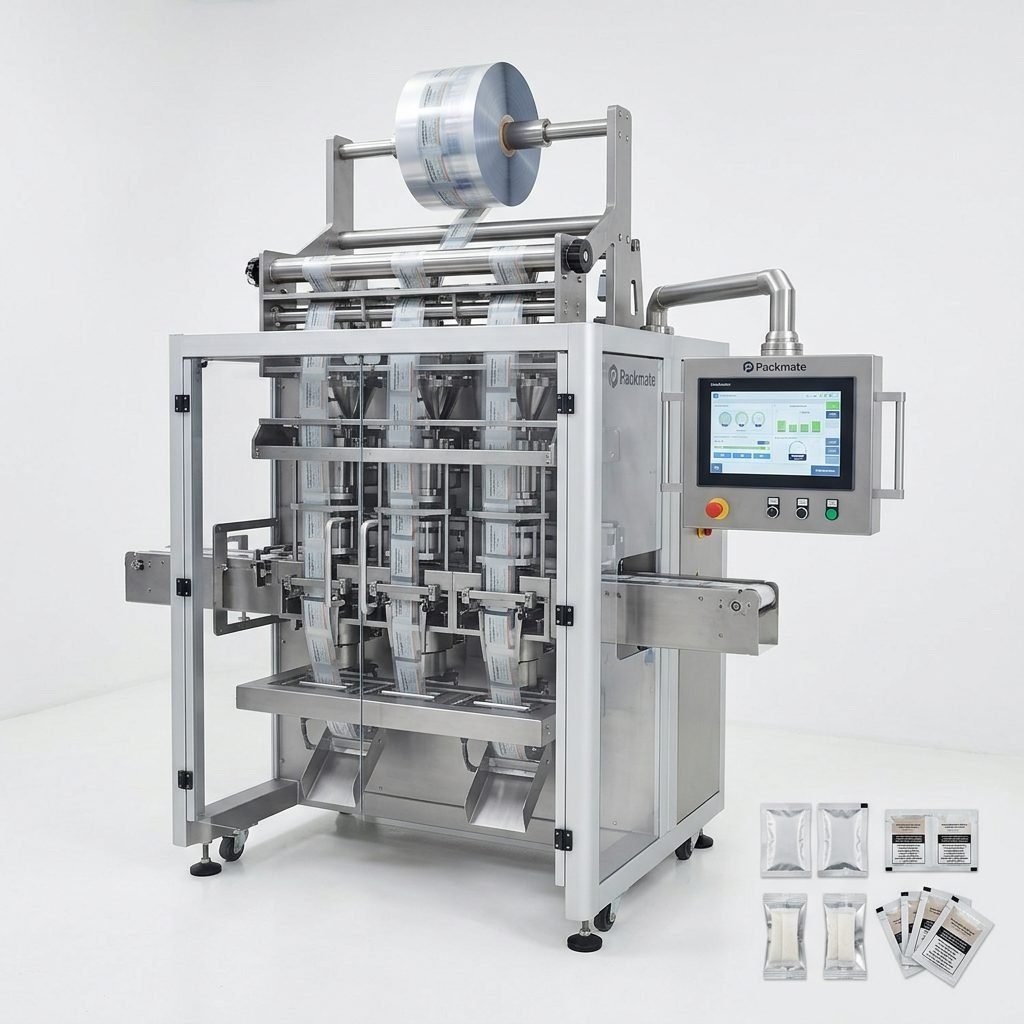
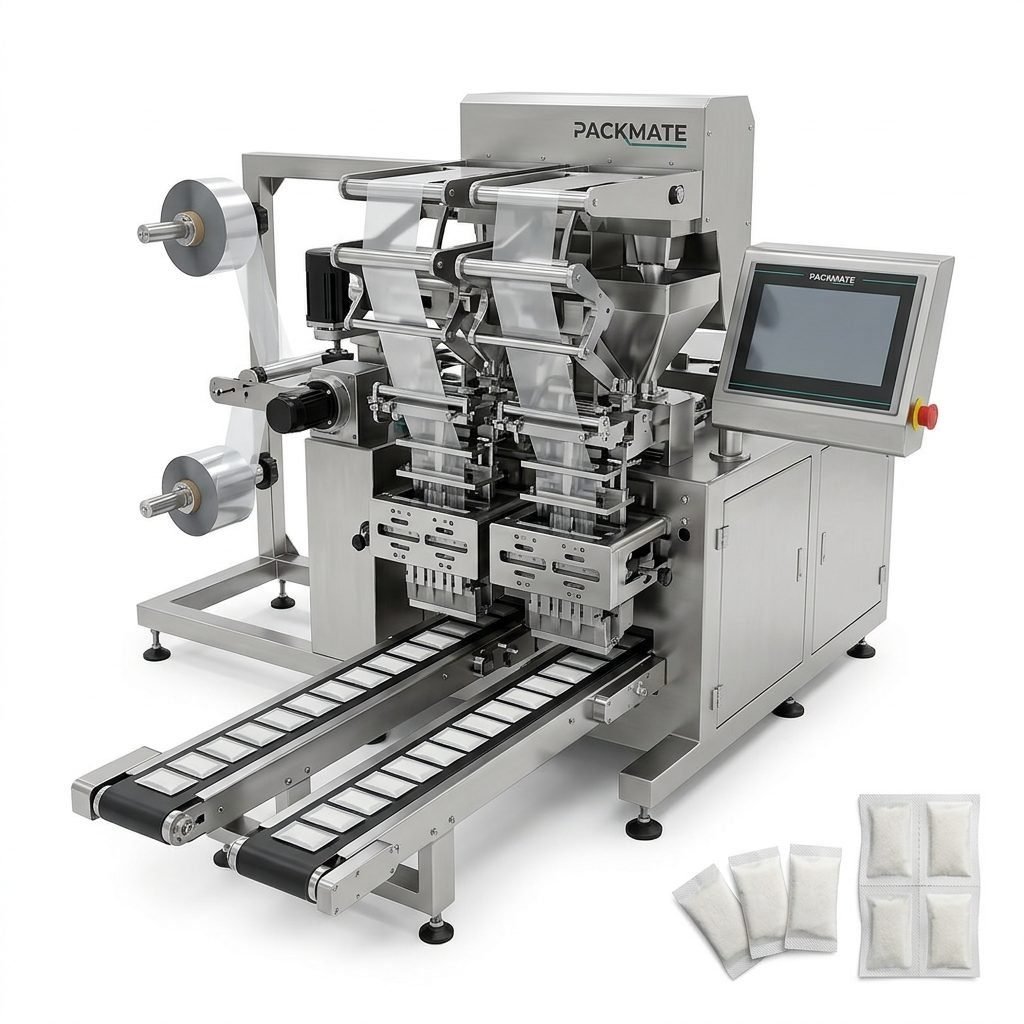
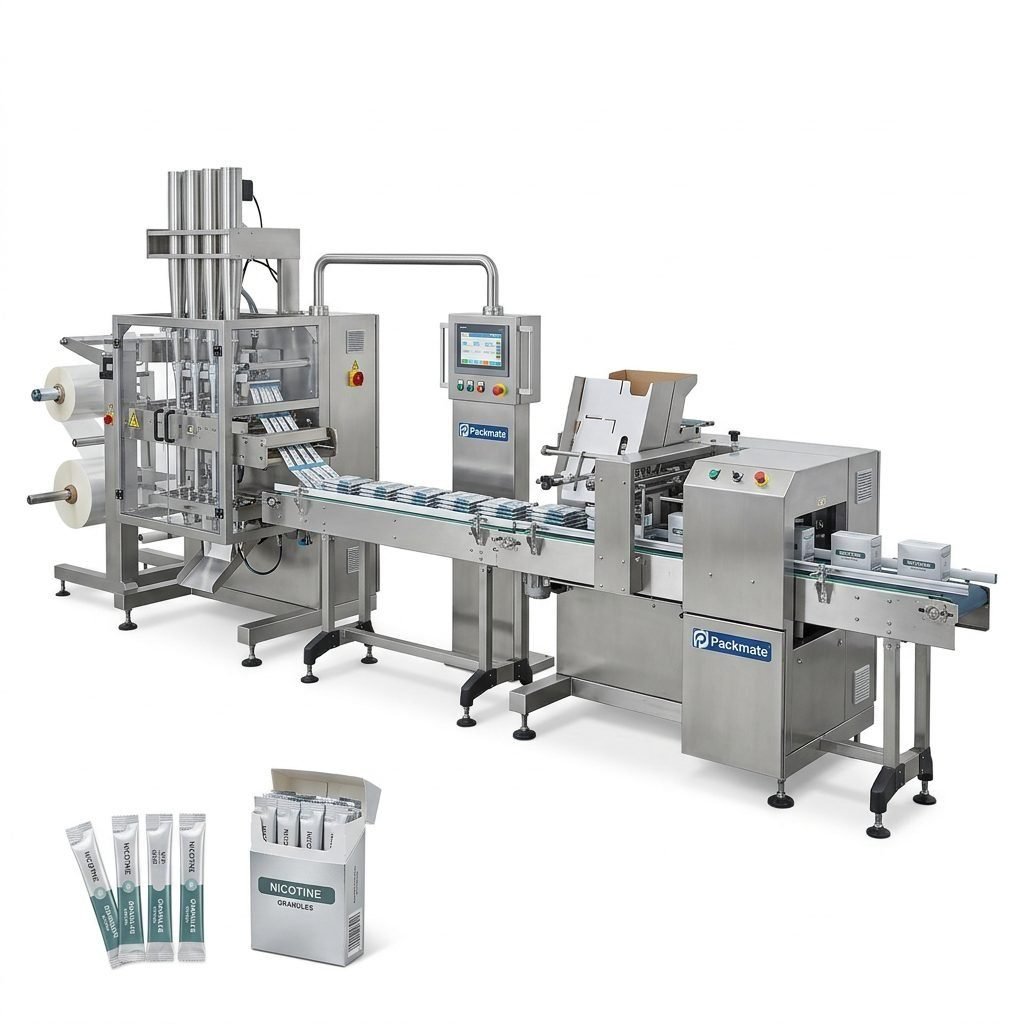
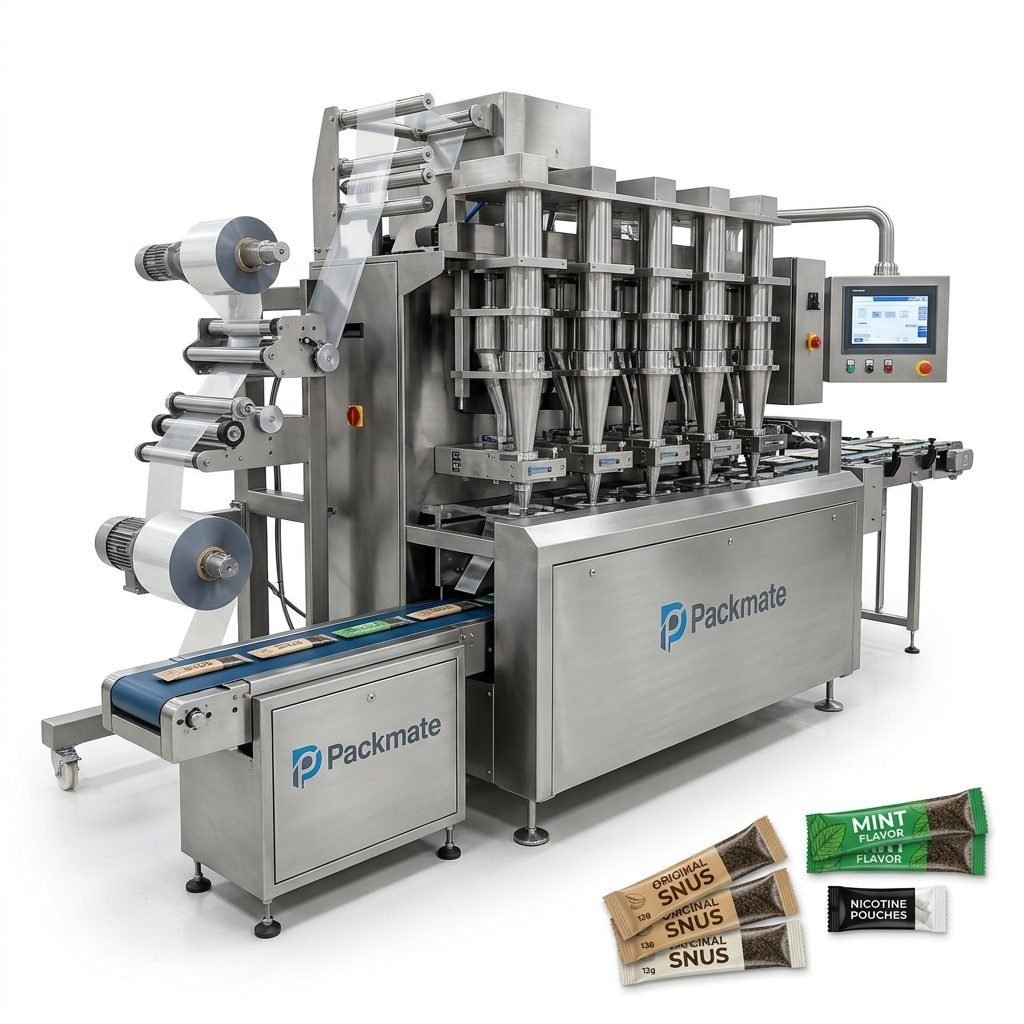
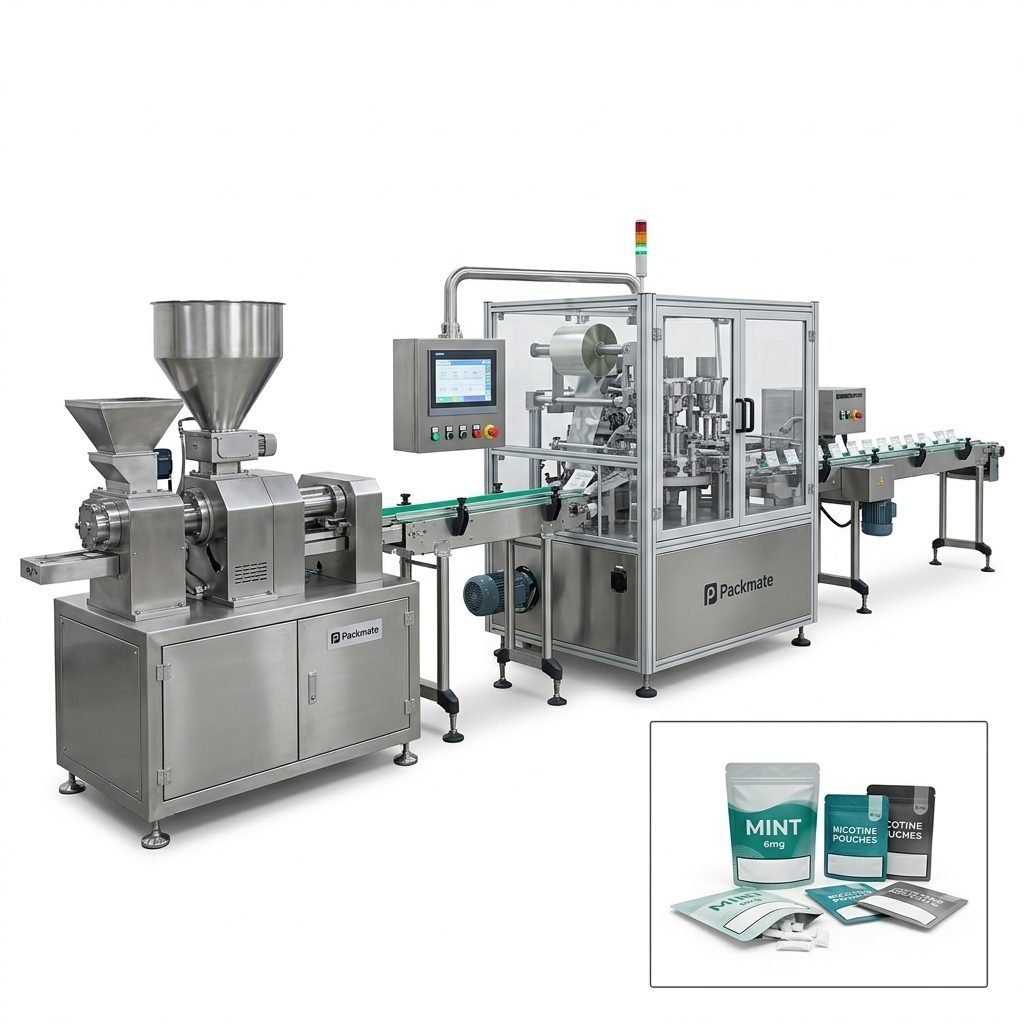
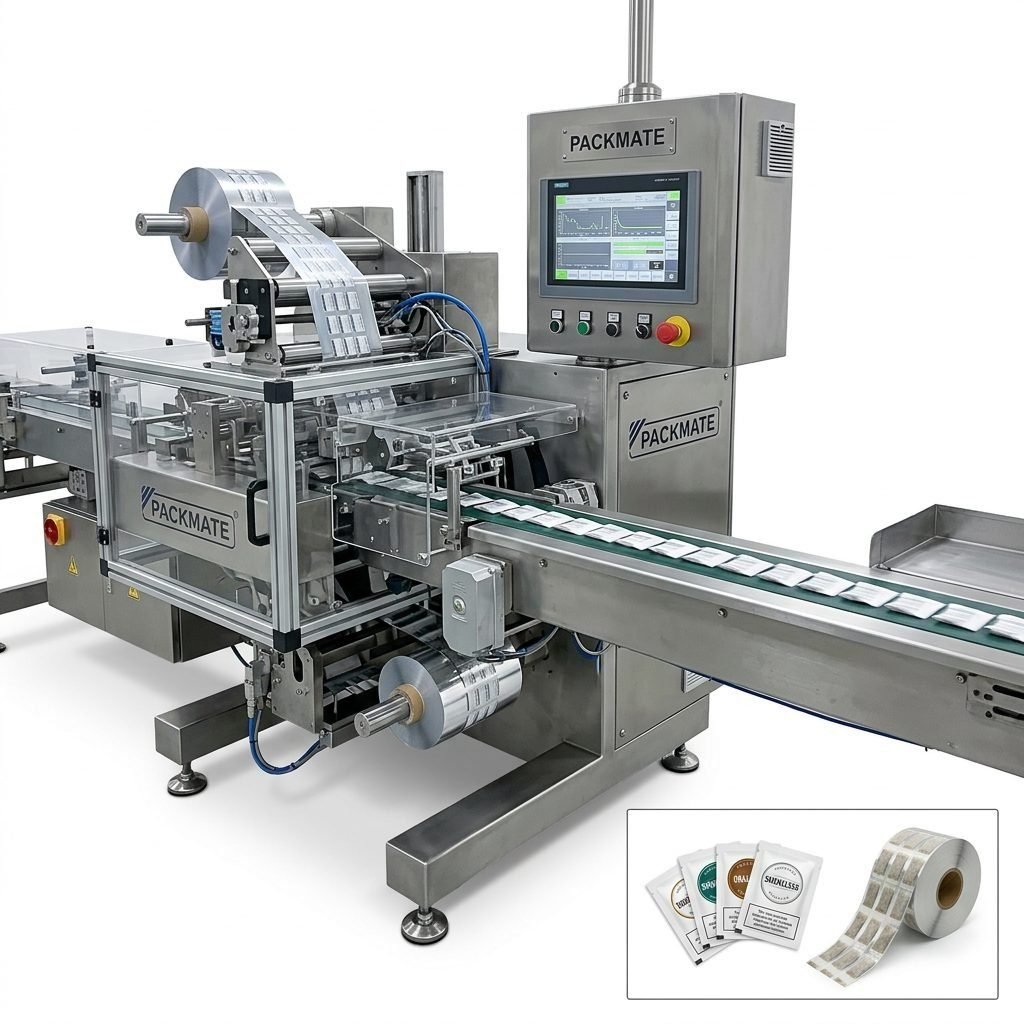
Choose a manufacturer that offers machines for the formats you need: nicotine pouches/snUS, stick packs, sachets, or multi-lane systems for small-dose pouches. Flexibility to customize packaging length, pouch materials, and fill weights is important as Malawi customers adapt products for local tastes and regulatory limits.
Explore product lines like Snus & Nicotine Packaging Machines and Bag & Pouch Packaging Machines to ensure the vendor can handle what you plan to produce.
3. Production Capacity & Lead Time
⏱️ Lead time matters: local demand can rise quickly. Verify factory output, backlog, and realistic delivery schedules including shipping to Malawi (often via the Port of Nacala or via neighboring ports). Fast delivery and predictable schedules reduce lost sales.
🔧 A factory with a large footprint and advanced CNC/assembly lines—similar to large-scale manufacturers—usually offers steadier lead times and quality control.
4. After-sales Service, Spare Parts & Local Support
Malawi’s infrastructure can challenge uptime: stable electricity, variable logistics, and rare local spare part stocks make dependable after-sales critical. Confirm availability of spare parts, easy access to consumables, remote technical support, and on-site commissioning services. A supplier who commits to training local technicians will reduce downtime and build trust with your staff.
Operational & Financial Considerations
Beyond the machine’s sticker price, evaluate total cost of ownership (TCO) across the machine life: energy consumption, maintenance frequency, consumables cost (films, seals), and operator training. Malawi businesses often prioritize machines that are robust, easy to maintain, and have proven durability in similar markets.
ROI & Capacity Planning
📊 Run conservative ROI scenarios: start-up batches, machine uptime rates of 85-90%, and realistic product yield rates. Evaluate multi-lane machines if you need high throughput later—these are ideal for small-dose nicotine pouch lines where many lanes reduce unit costs.
💡 A supplier offering modular lines lets you scale capacity gradually without major capital re-investment.
Technical Features to Prioritize
Certain machine features directly affect product quality, compliance, and operating ease:
🔧 Precision dosing systems for consistent nicotine fill and weight control, minimizing waste and ensuring regulatory tolerance limits.
📦 Multi-format capability so the same line can produce pouches, sachets, or stick packs as your product mix evolves.
⚙️ User-friendly HMI, PLC controls with remote diagnostics, and standard spare parts that are easy to source locally or by air shipment.
Inspecting Factory & Verifying Claims
If possible, arrange an on-site factory visit or request a virtual factory tour. Check assembly quality, CNC capabilities, and final testing areas. Ask for case studies or references from customers operating in similar climates and markets. You can examine documented cases to evaluate the manufacturer’s global performance.
Review real-world examples on the supplier’s platform: Case pages are useful for assessing how manufacturers solved practical deployment challenges in other countries.
Warranty, Training & Documentation
A clear warranty, comprehensive training for operators and maintenance staff, and machine documentation in English are non-negotiable. Ask for spare part lists, recommended preventive maintenance schedules, and quick troubleshooting guides tailored for your line.
📚 Training should include hands-on commissioning, a local service plan, and remote support options for urgent issues.
🛠️ Confirm the supplier can supply critical spares within a reasonable timeframe to Malawi and provide installation support or local partner referrals.
Logistics, Packaging Supplies & Local Sourcing
Since Malawi relies on regional shipping corridors, ensure the manufacturer packages and ships machinery in a way that minimizes customs delays and protects critical components. Clarify whether they can help source packaging films, pouches, and liners, or recommend local suppliers. Local sourcing reduces cost and lead time for consumables.
If you need full-line solutions (weighing, filling, and packaging), review integrated offerings like Weighing & Packaging Systems and Filling & Packaging Lines for an all-in-one approach.
Selecting a Trusted Partner: Practical Steps
Follow a structured selection process:
1. 🔍 Shortlist manufacturers with proven nicotine packaging experience and international certifications.
2. 📞 Request technical datasheets, references, and sample videos of machines running products similar to yours.
3. 🧾 Obtain a detailed quotation covering machine scope, warranty, spare parts list, and training plan.
4. 🛫 Plan for logistics: confirm packing standard, shipping route, customs paperwork, and inland transport in Malawi.
5. ✅ Finalize contractual terms including acceptance testing, performance guarantees, and a post-installation support schedule.
Why Consider Established Manufacturers Like Packmate
Established suppliers with three decades of engineering experience, large factory footprints, and a wide model range often deliver more reliable outcomes for new market entrants. They typically offer turnkey solutions, advanced CNC manufacturing, and proven multi-lane systems suited for small-dose pouches. For further company-specific information, see About Packmate and their product pages to align offerings to your needs.
Practical Tips for Malawi Buyers
– Build a relationship-focused procurement process: direct communication and occasional visits strengthen trust.
– Plan for electrical stability: include UPS or voltage regulation for sensitive controls.
– Train at least two in-country technicians during commissioning to reduce dependency on foreign engineers.
– Keep a small inventory of critical consumables and spare belts, sensors, and seals for rapid fixes.
How to Reach Out & Next Steps
When you are ready to request quotations or a technical consultation, contact the manufacturer with clear product specifications, expected daily output, packaging formats, and any export targets. Use the manufacturer’s contact channels to arrange a machine demo or discuss a turnkey solution. For direct vendor engagement, see the supplier contact page: Contact Us.
🌍 Consider attending international exhibitions to witness live demonstrations and meet engineers in person; check the manufacturer’s exhibition schedule at Our Exhibition.
📁 Review product catalogs and FAQs to prepare technical questions before contacting sales: Catalog and FAQs.
Conclusion
Selecting the best nicotine packaging machine manufacturer for your Malawi business requires balancing international standards with pragmatic local considerations: regulatory compliance, after-sales support, spare parts availability, and flexible machine configurations. Prioritize suppliers who provide transparent documentation, strong references, on-site training, and modular solutions that can grow with your business. With careful evaluation, you can secure a reliable partner who helps you build a compliant, cost-efficient, and scalable nicotine or snus product line in Malawi.
Frequently Asked Questions
Q1: What certifications should I insist on when buying nicotine packaging equipment?
A1: Ask for CE and ISO certifications, detailed test reports, and documentation showing compliance with hygiene and electrical safety standards. These help with local regulatory approval and export certifications.
Q2: How important is local after-sales support for Malawi operations?
A2: Extremely important. Fast access to spare parts, remote diagnostics, and trained local technicians reduces downtime. Negotiate clear SLA terms for response times and spare part delivery.
Q3: Should I buy multi-lane machines or single-lane initially?
A3: If you expect to scale quickly or produce small-dose pouches in high volumes, multi-lane machines offer lower unit costs. For smaller startups, single- or dual-lane systems reduce upfront capital while allowing future upgrades.
Q4: How do I ensure spare parts arrive quickly in Malawi?
A4: Keep a local inventory of critical spares, choose parts with common global designs, and work with a supplier that offers express shipping and local logistics partners to minimize lead times.
Q5: Where can I find product examples and real-world references?
A5: Review manufacturer case studies and product pages like Sachet & Stick Pack Machines and curated case references to validate performance under operational conditions.