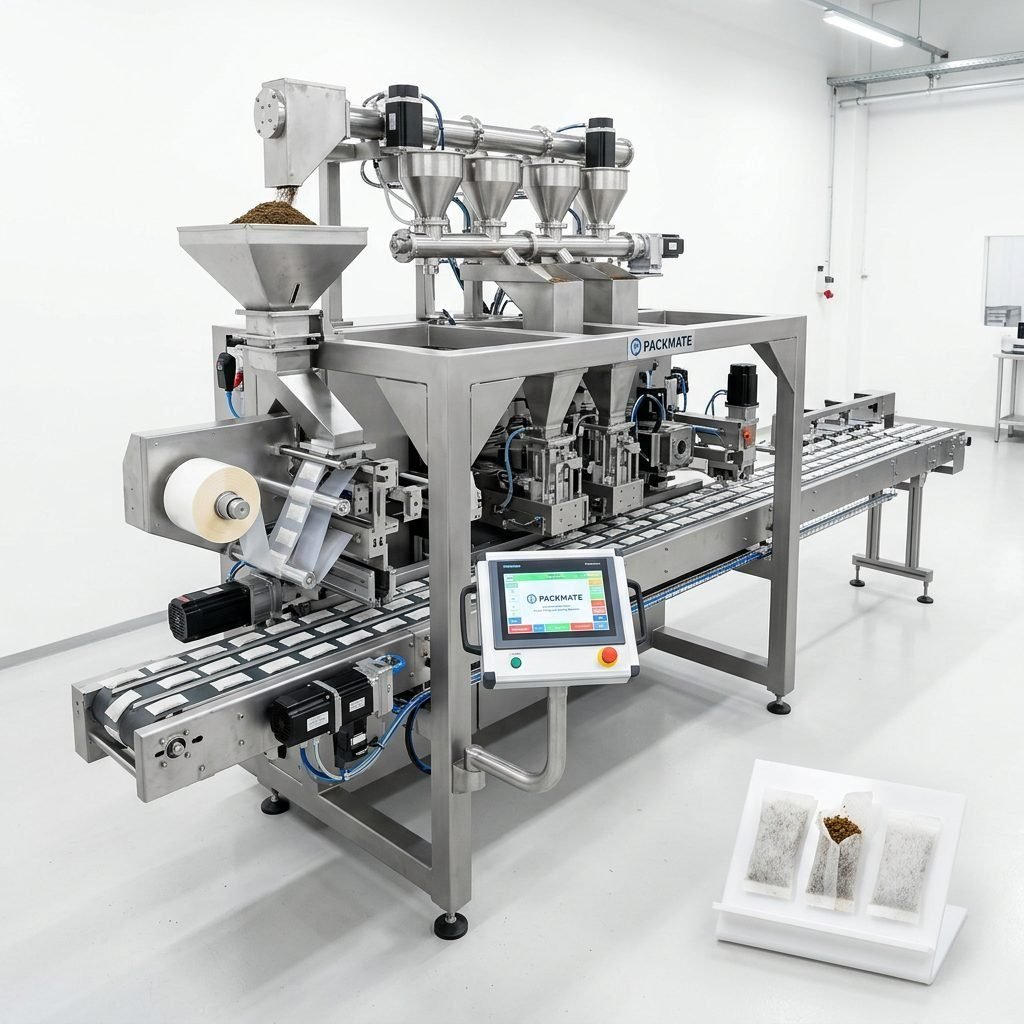
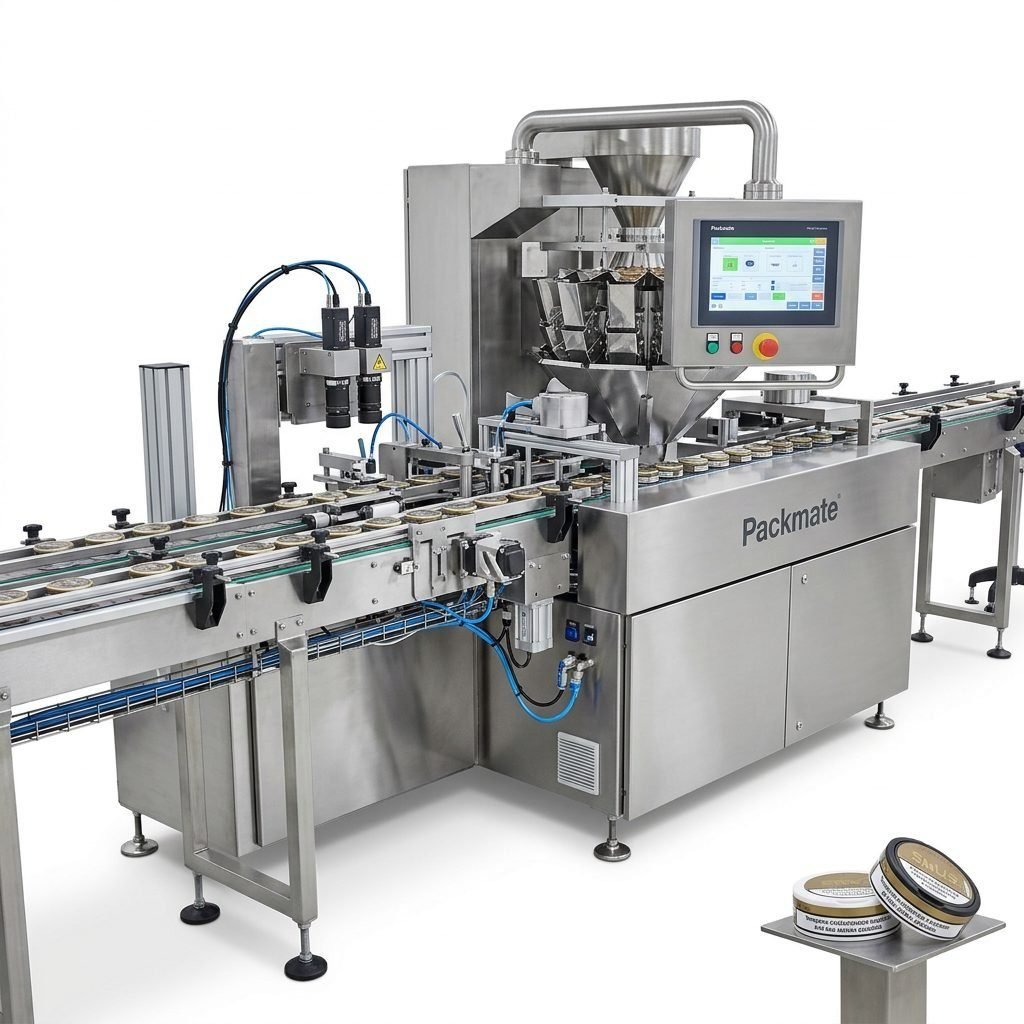
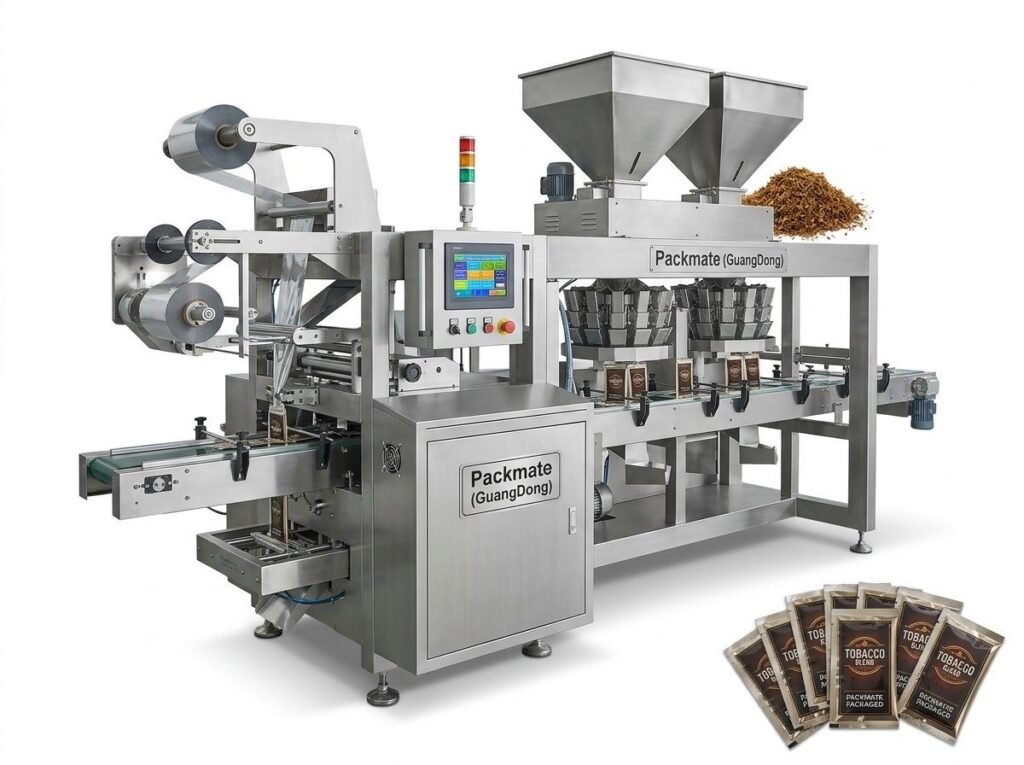
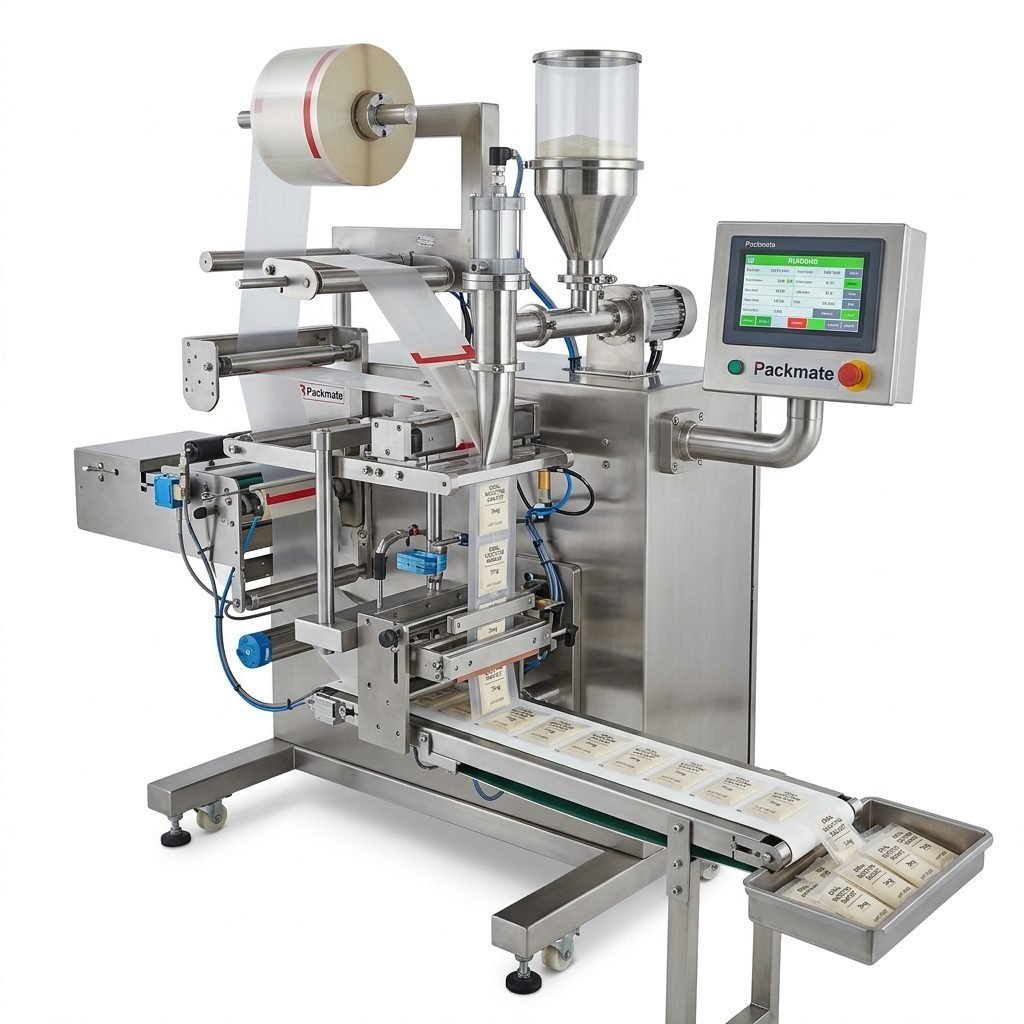
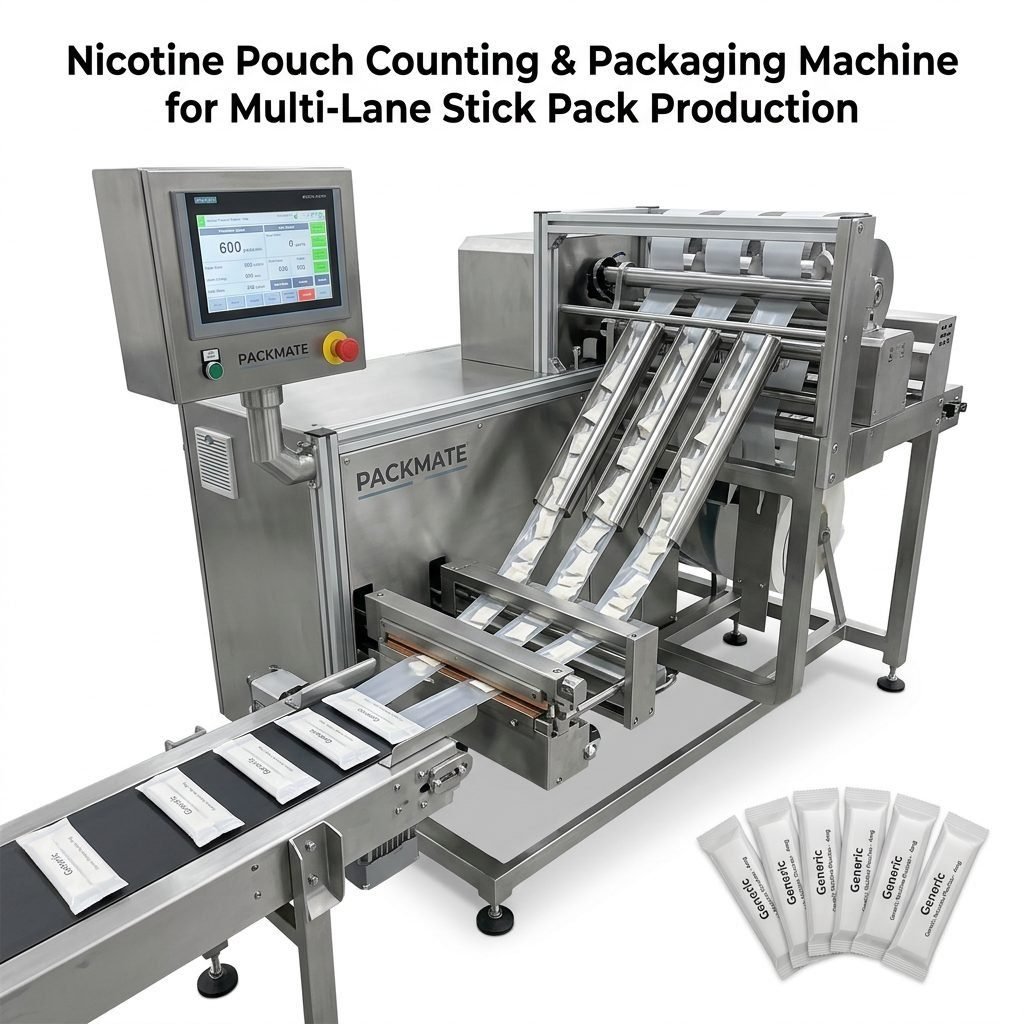
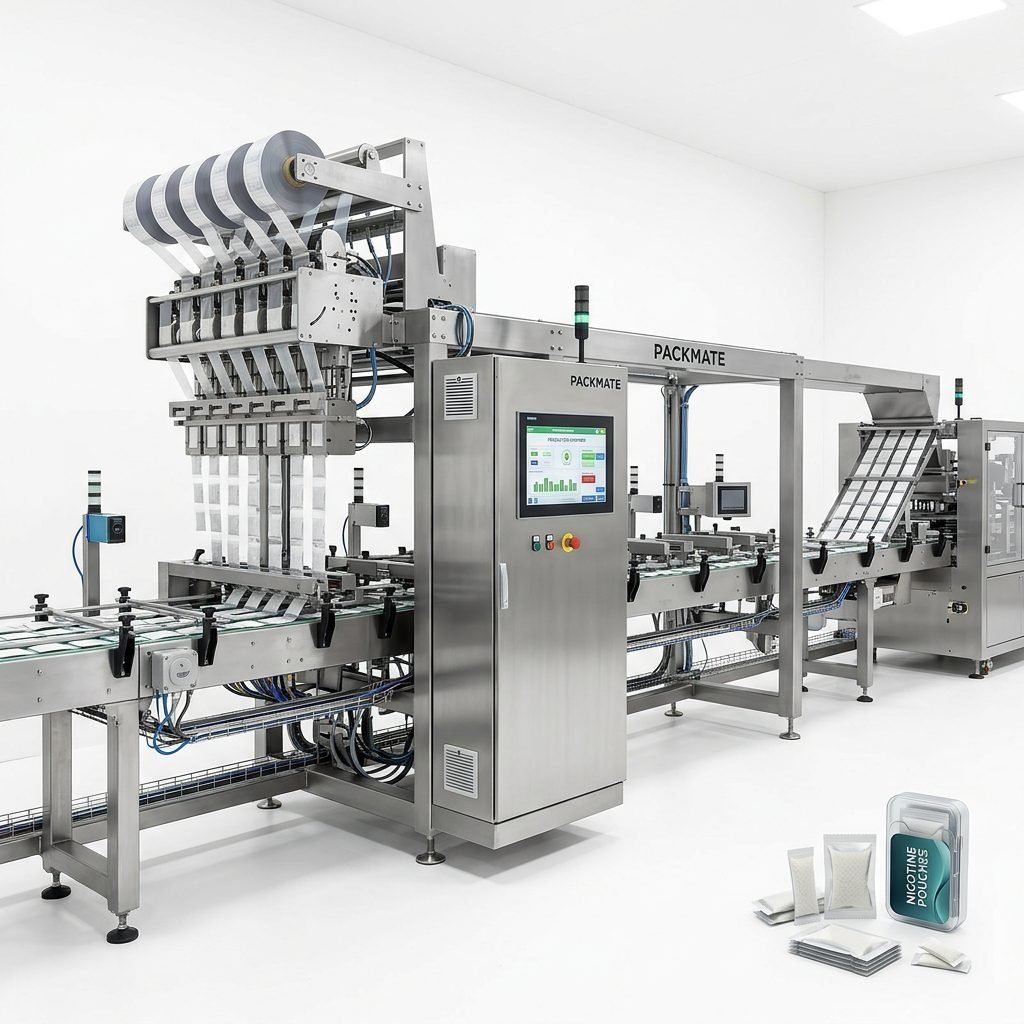
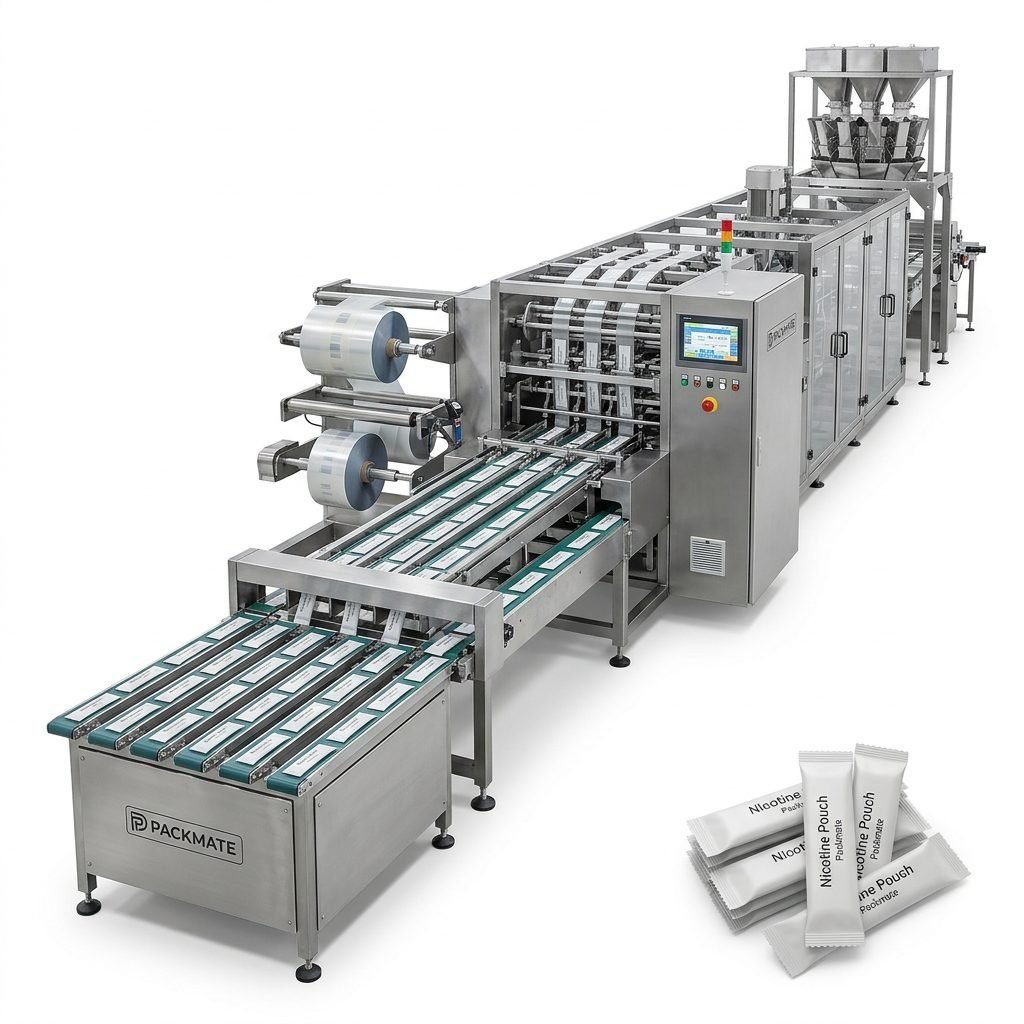
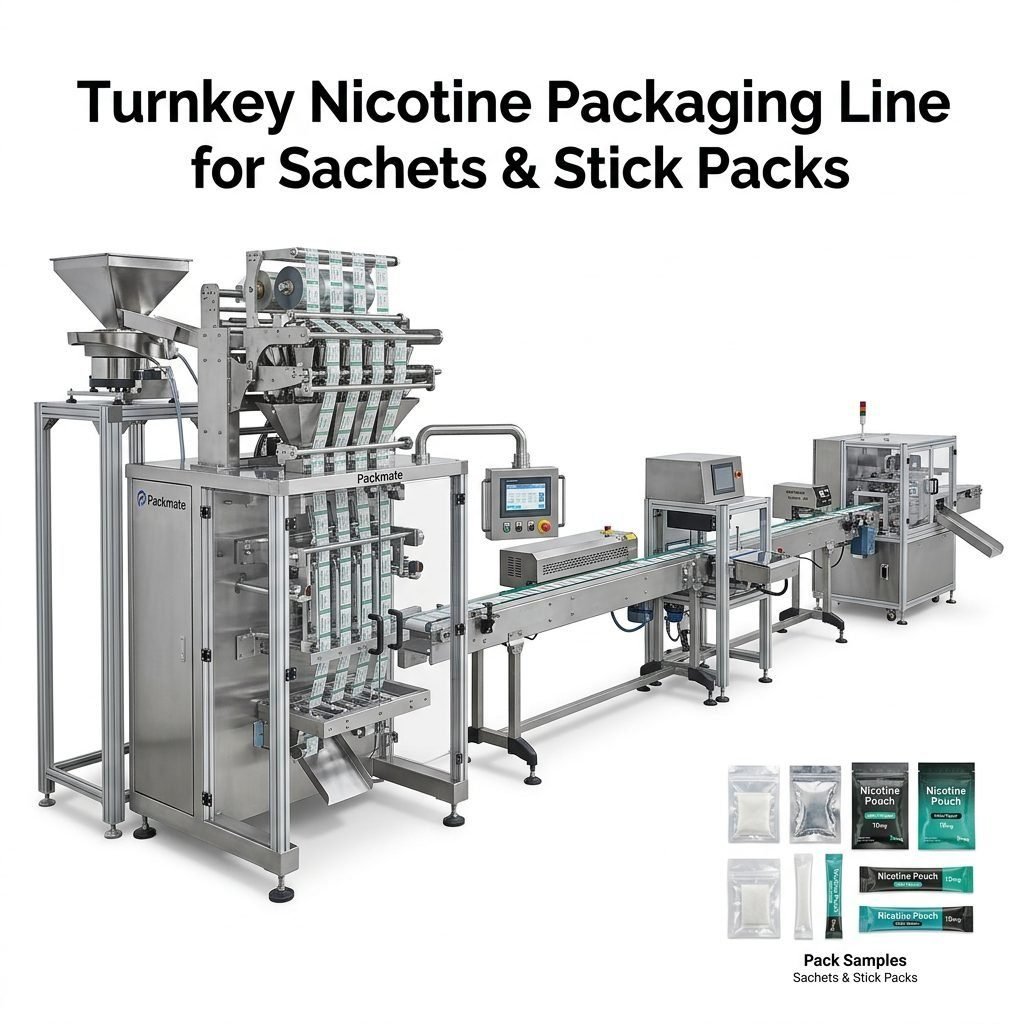
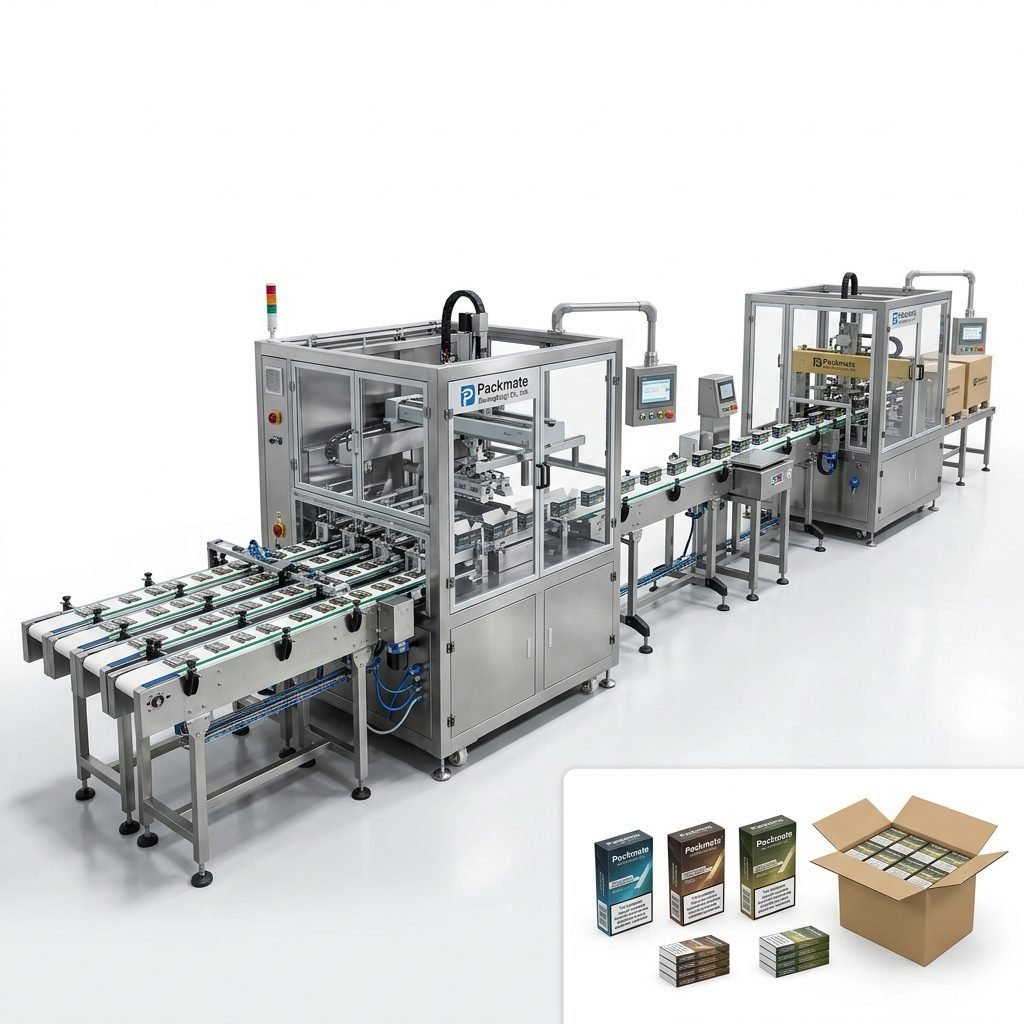
In high-precision nicotine pouch and snus production, machine calibration is the bridge between design speed and real-world accuracy. Proper calibration reduces waste, stabilizes weight variation, and directly improves throughput. This guide walks packaging engineers, operators, and maintenance teams through a step‑by‑step calibration workflow designed for multi-lane snus and nicotine pouch machines, with practical tips to boost accuracy and production efficiency on your Packmate lines.
Why Calibration Matters for Nicotine Pouch Machines
Calibration ensures each pouch contains the target mass and meets sealing and fill specifications. Poor calibration causes:
✅ Increased product giveaway and raw material loss
✅ Off‑spec batches and customer complaints
✅ Higher downtime for manual corrections and rework
Preparation: Tools, Environment, and Safety
Before any adjustment, gather the right tools and set environmental controls:
• Precision laboratory scales (resolution ≤ 0.01 g) calibrated to national standards
• Calibrated stopwatches, feeler gauges, and dial indicators for mechanical checks
• Clean work surface, sample pouches, and spare sealing jaws or rollers
• Stable room temperature and humidity — moisture affects powder flow and weight readings
Step 1 — Baseline Measurement and Data Capture
Run the machine at target speed and take a representative sample across all lanes. Collect:
• 30–50 pouches per lane for statistical confidence
• Record mean, standard deviation, min/max weight per lane
• Note environmental conditions and target setpoints (fill time, dosing pressure)
Weighing & Packaging Systems
Step 2 — Mechanical and Conveyor Alignment
Misalignment causes inconsistent fills and improper sealing. Check:
• Feed augers and hoppers for uniform flow
• Dosing cam profiles and plunger travel for synchronized fills
• Conveyor lane guides and pouch transfer points — ensure no twist or lateral drift
Step 3 — Dosing System Calibration
For powder or blend filling, follow this method:
1. Empty hopper and refill to a consistent level to avoid head‑pressure variation.
2. Run single lane tests at low speed; weigh individual doses and adjust plunger depth or dosing time.
3. Apply small incremental changes and re-test — log each change for traceability.
Step 4 — Sensor and Electronic Parameter Tuning
Modern Packmate lines rely on PLC and sensors for precision. Calibrate:
• Photoelectric and proximity sensors — verify trigger points for pouch indexing
• Load cell zeroing and span calibration for integrated checkweighers
• PLC recipe parameters: target fill, tolerance windows, and lane compensation factors
About Packmate
Step 5 — Multi‑Lane Balancing
Multi‑lane systems amplify small differences. Use lane compensation tools:
• Measure each lane separately and calculate the lane correction factor.
• Adjust dosing screw pitch or plunger stroke per lane where possible.
• For electronic dosing, enter lane offsets into the PLC or dosing controller.
Step 6 — Thermal and Sealing Calibration
Consistent seals prevent leaks and preserve pouch integrity:
• Validate jaw temperatures with a calibrated thermocouple.
• Check pressure distribution across sealing surfaces.
• Adjust dwell time and temperature in small increments; perform peel tests.
Step 7 — Closed‑Loop Testing and Statistical Validation
After adjustments, perform extended runs to validate stability:
• Run at target production speed for at least 60 minutes while sampling
• Use control charts to monitor mean and sigma — ensure results stay within spec
• If drift appears, identify whether it’s mechanical, feed‑related, or environmental
Step 8 — Documentation, SOPs, and Operator Training
Lock in gains by documenting everything:
• Calibration records: date, operator, instrument IDs, and before/after metrics
• Standard operating procedures for quick lane changeovers and cleanouts
• Train operators on key checks to catch drift early — visual cues, unusual noise, or vibrations
Improving Production Efficiency — Beyond Calibration
Calibration is foundational, but efficiency gains also come from:
• Optimized changeover procedures and quick‑release tooling
• Preventive maintenance schedules for bearings, belts, and drive systems
• Upgrading dosing or checkweigher modules to servo‑driven units for faster, more repeatable motion
Learn more about full packaging line solutions that integrate these improvements:
Filling & Packaging Lines and
Snus & Nicotine Packaging Machines.
Common Calibration Issues and Troubleshooting
⚠️ Inconsistent flow: Check hopper aeration, anti‑bridging devices, and feed screw wear.
⚠️ Lane imbalance at speed: Revisit lane correction factors and confirm mechanical symmetry.
⚠️ Drift during long runs: Look for temperature rise, hopper fill level changes, or vibration build‑up.
Service ·
Contact Us
Case Example — Multi‑Lane Snus Line Optimization
A European customer running a 12‑lane line reduced weight variability from ±6% to ±1.2% after a program of mechanical alignment, lane compensation, and closed‑loop checkweigher tuning. Results included a 3% material savings and a 12% throughput increase due to fewer rejects.
See similar installations in our Case studies for real‑world examples.
Regulatory & Local Considerations
In regions with strict nicotine product regulations, accurate labeling and weight control are essential for compliance. Temperature and hygienic design are especially important in humid climates — schedule more frequent calibration checks where environmental variability is high.
Checklist: Quick Calibration Audit (Printable)
• Verify scales and instruments are within calibration date
• Confirm mechanical alignment and belt tension
• Check dosing repeatability per lane
• Validate sealing temperature and pressure
• Run 60‑minute production test and log results
Bag & Pouch Packaging Machines ·
Sachet & Stick Pack Machines
Final Thoughts
Calibration is not a one‑time activity; it’s a cycle of measure, adjust, validate, and document. When embedded into daily operations, calibration reduces variability, lowers costs, and increases confidence in production planning. Whether you operate a single‑lane lab unit or a high‑speed multi‑lane Packmate production line, a disciplined calibration program pays dividends in quality and efficiency.
Frequently Asked Questions
Q1: How often should I calibrate my dosing system?
A1: For high‑speed nicotine pouch lines, perform a quick daily check and a full calibration weekly. Increase frequency if you see weight drift or after significant material changes.
Q2: Can electronic lane compensation fix mechanical imbalances?
A2: Electronic compensation helps but should not replace mechanical alignment. Correct physical misalignment first, then use electronic offsets for fine tuning.
Q3: What instruments are essential for accurate calibration?
A3: A high‑resolution scale, calibrated thermocouple, dial indicators, and reliable sensor testing tools are essential. Keep calibration certificates current for traceability.
Q4: Where can I find spare parts and technical support for Packmate machines?
A4: Visit the Packmate Service and Contact pages to request parts or schedule field support.
Service ·
Contact Us
Q5: Can upgrades improve calibration stability?
A5: Yes. Servo dosing systems, upgraded checkweighers, and improved HMI recipes provide better control and faster recovery from drift, reducing the need for frequent manual intervention.