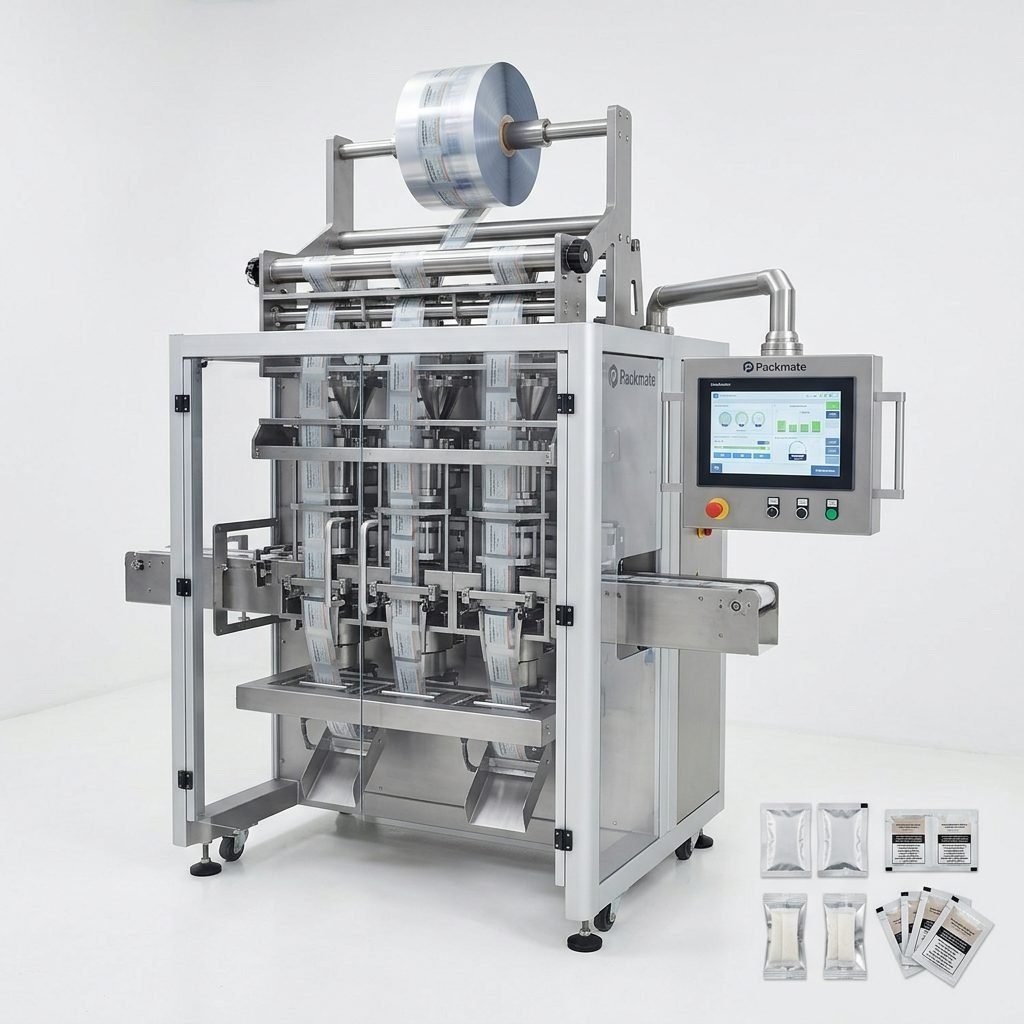
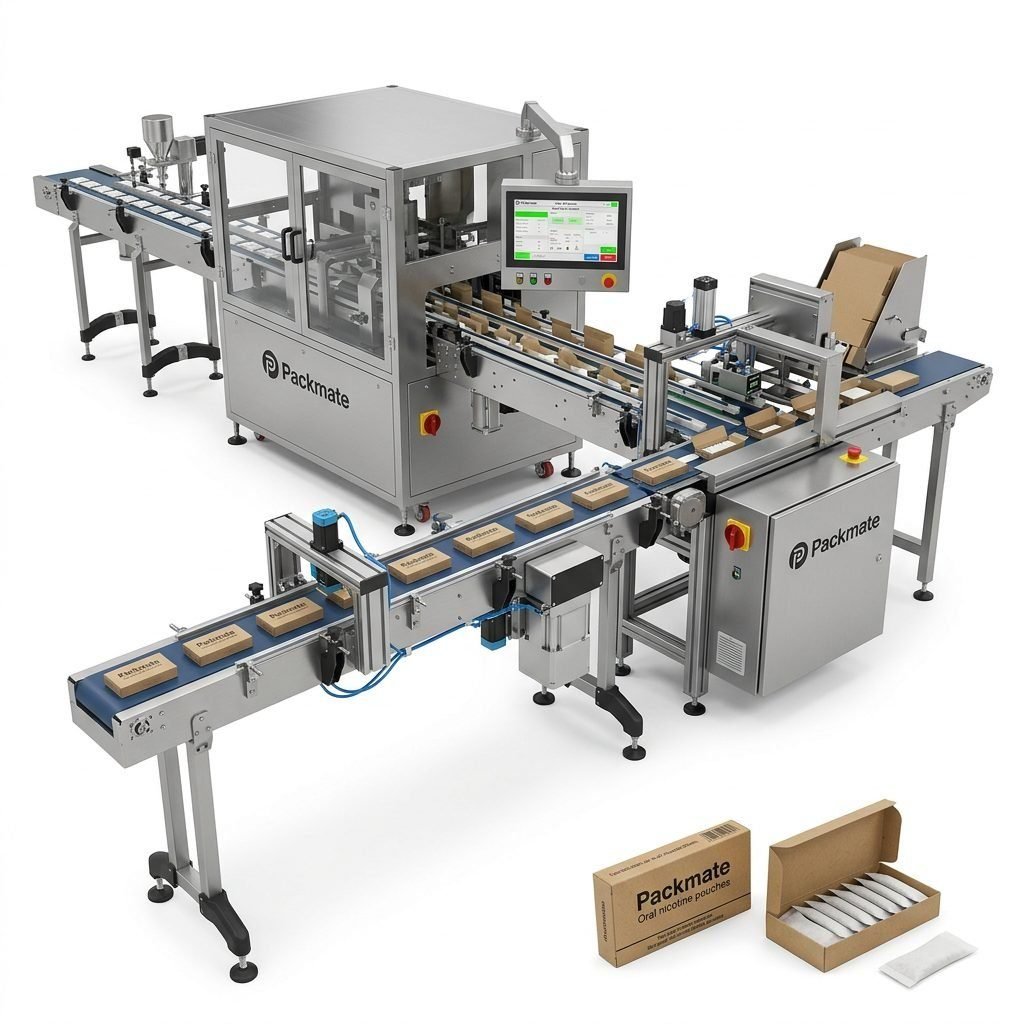
Choosing the right nicotine packaging machinery manufacturer in Sudan is a strategic decision that affects product quality, compliance, and long-term profitability. Whether you are launching nicotine pouches, snus, or related products for the regional market, you must balance machine performance, local conditions, regulatory requirements, and supplier reliability. This guide walks you through practical steps, key evaluation criteria, and Sudan-specific considerations to help you select the best partner for your packaging line.
Understand Your Production Needs 🔧
First, define your product formats and daily output targets. Nicotine pouch production can require different equipment classes:
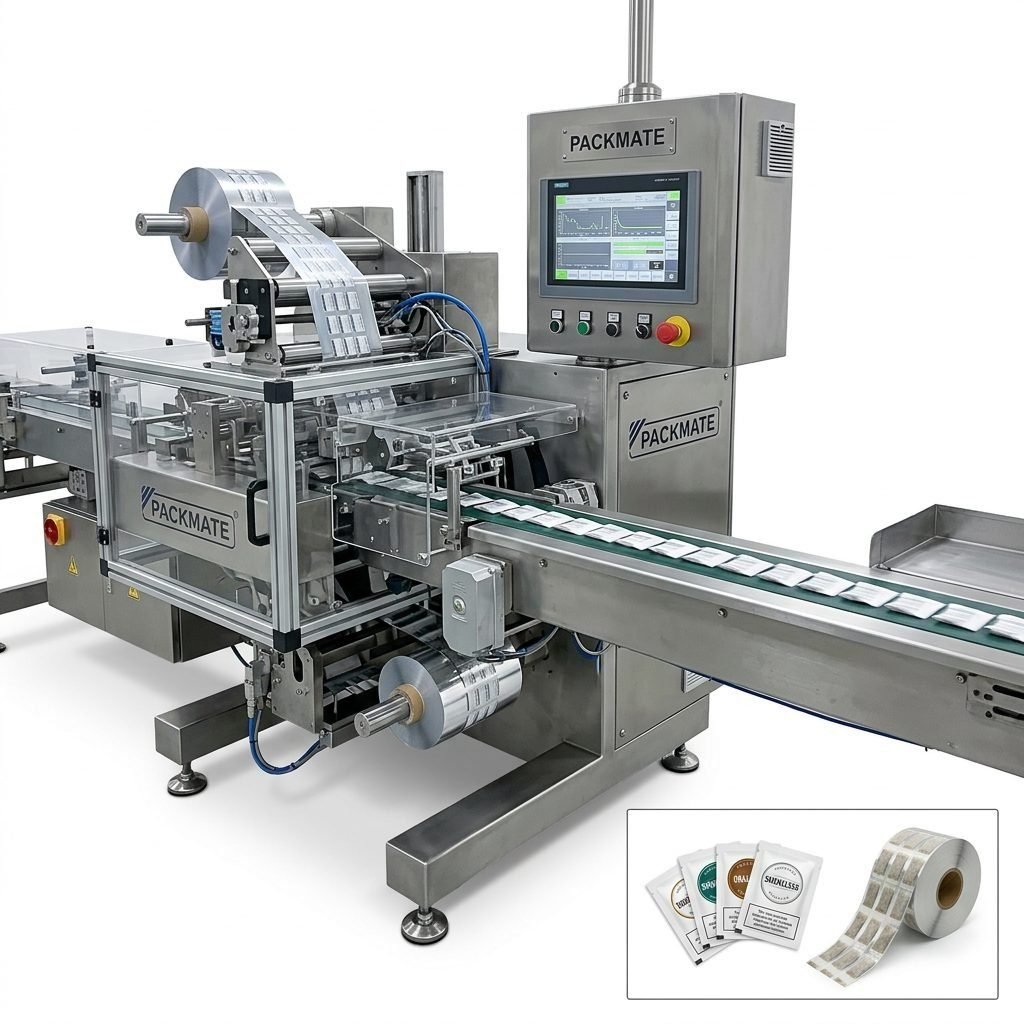
– Small-batch startups often prefer flexible sachet or stick pack machines.
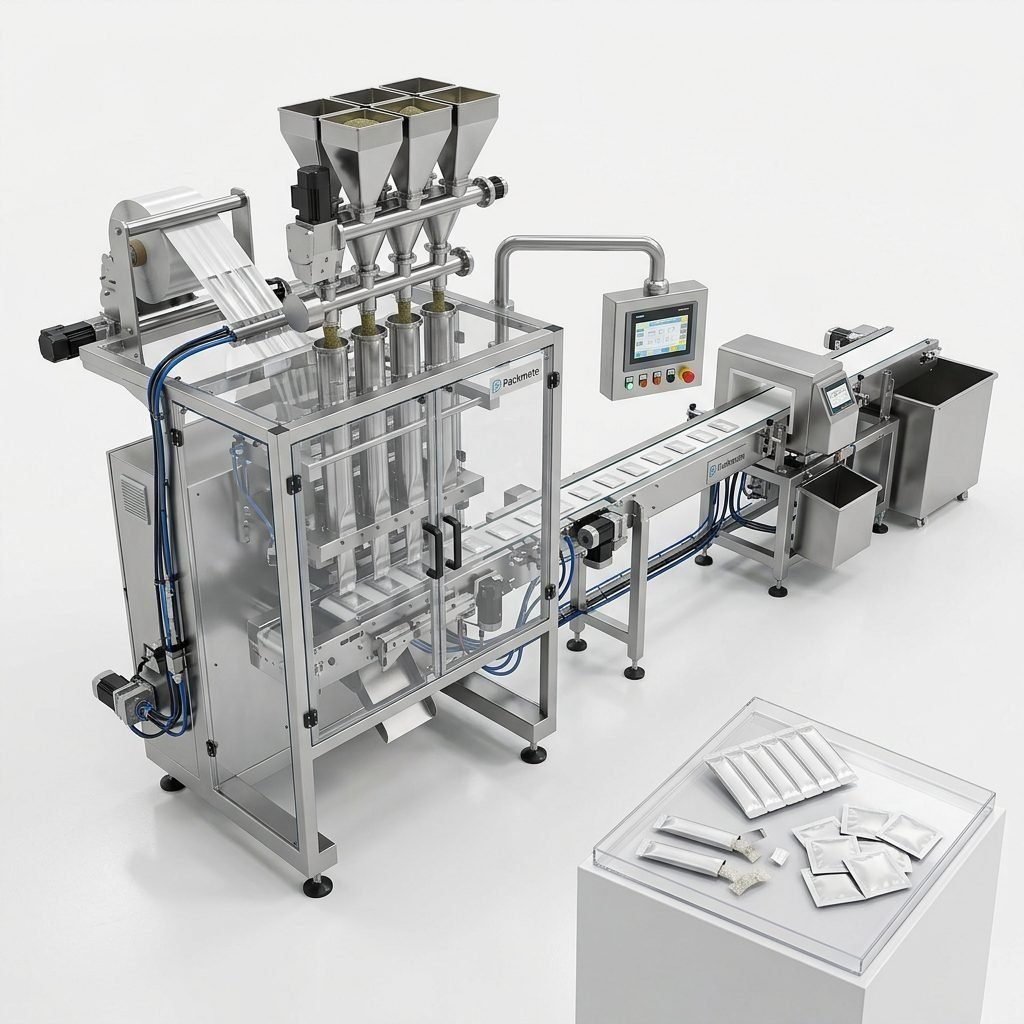
– Medium to large operations typically choose multi-lane pouch systems for high throughput.
– If you plan to expand into powders, granules, or liquids later, consider modular systems that allow expansion without full replacement.
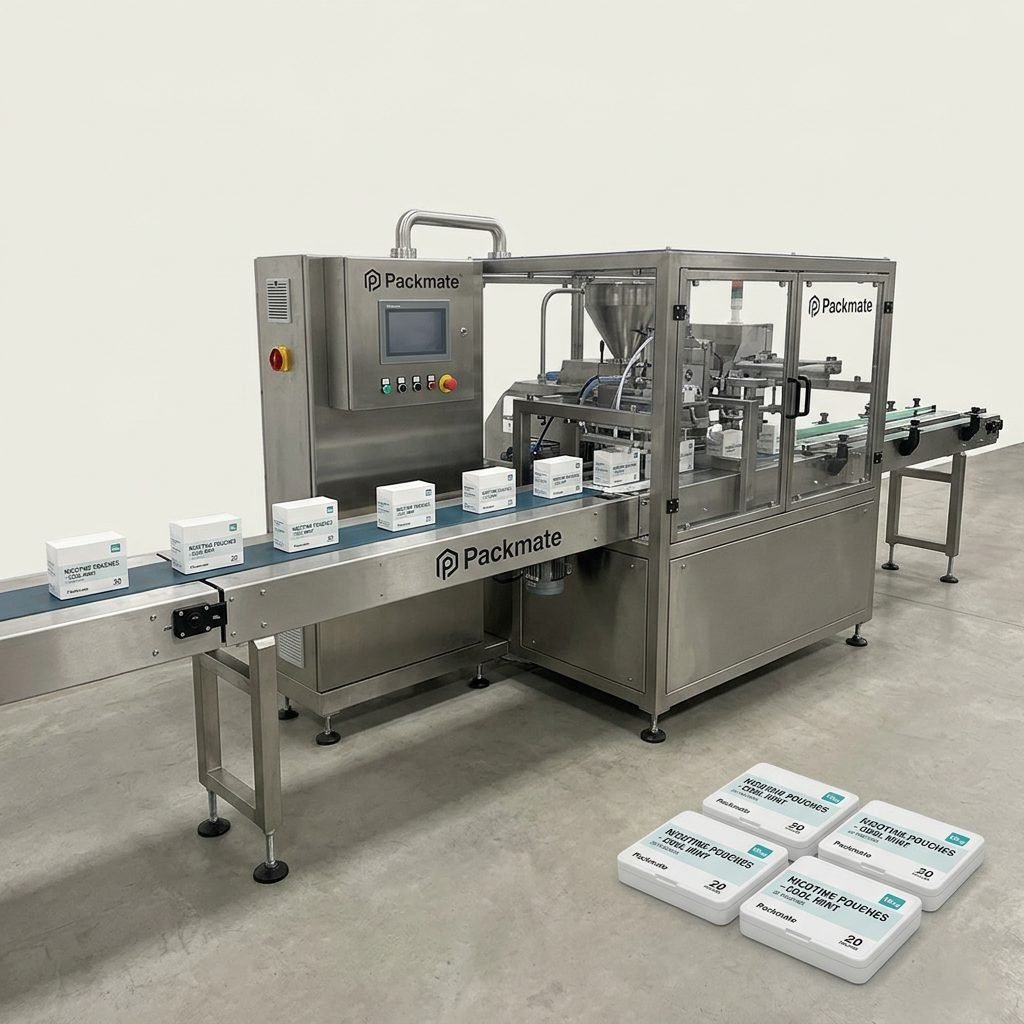
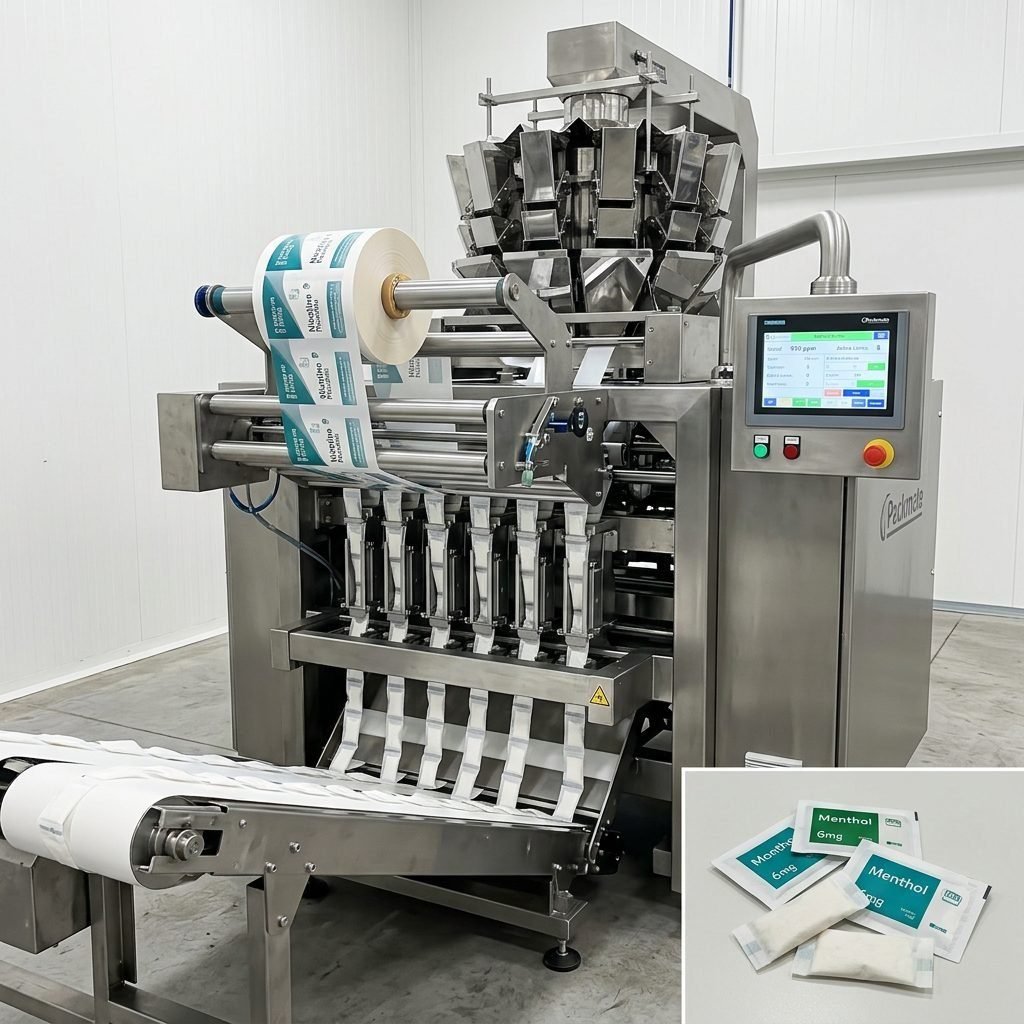
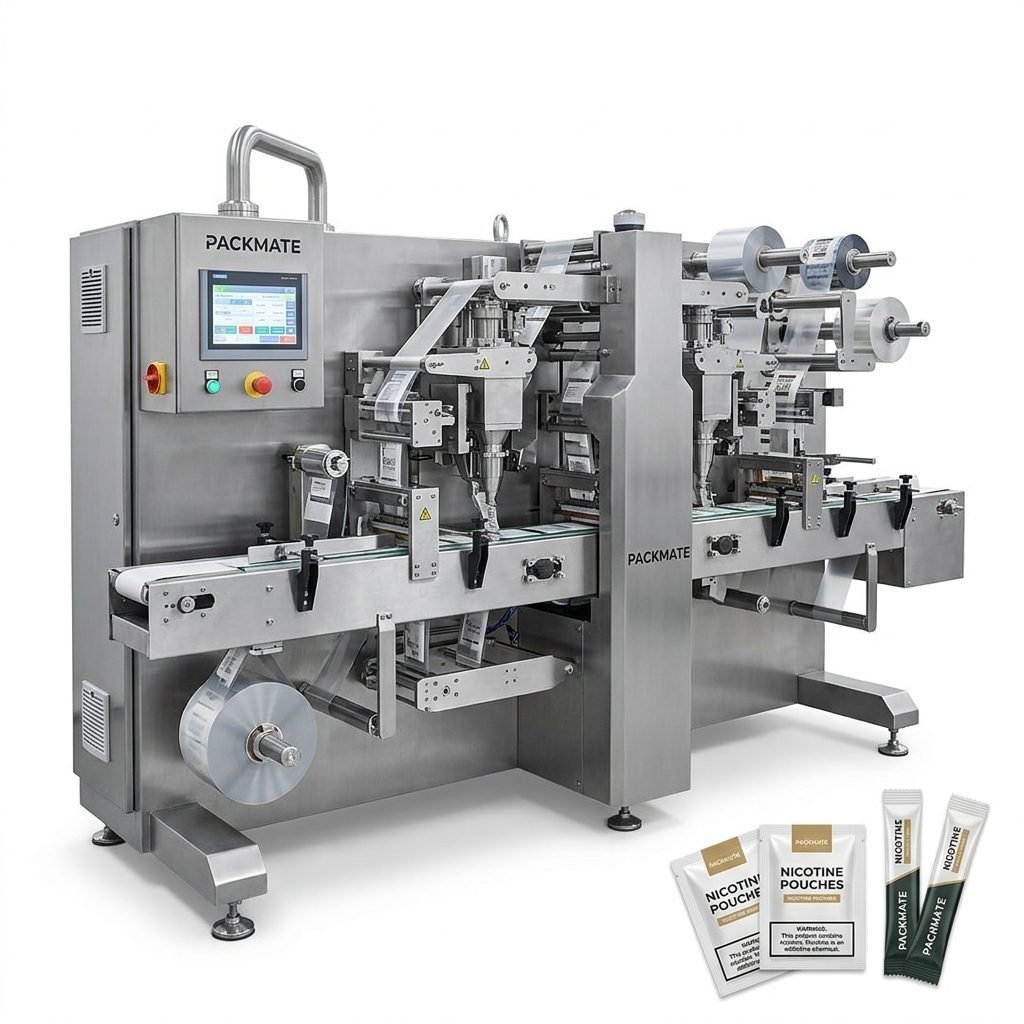
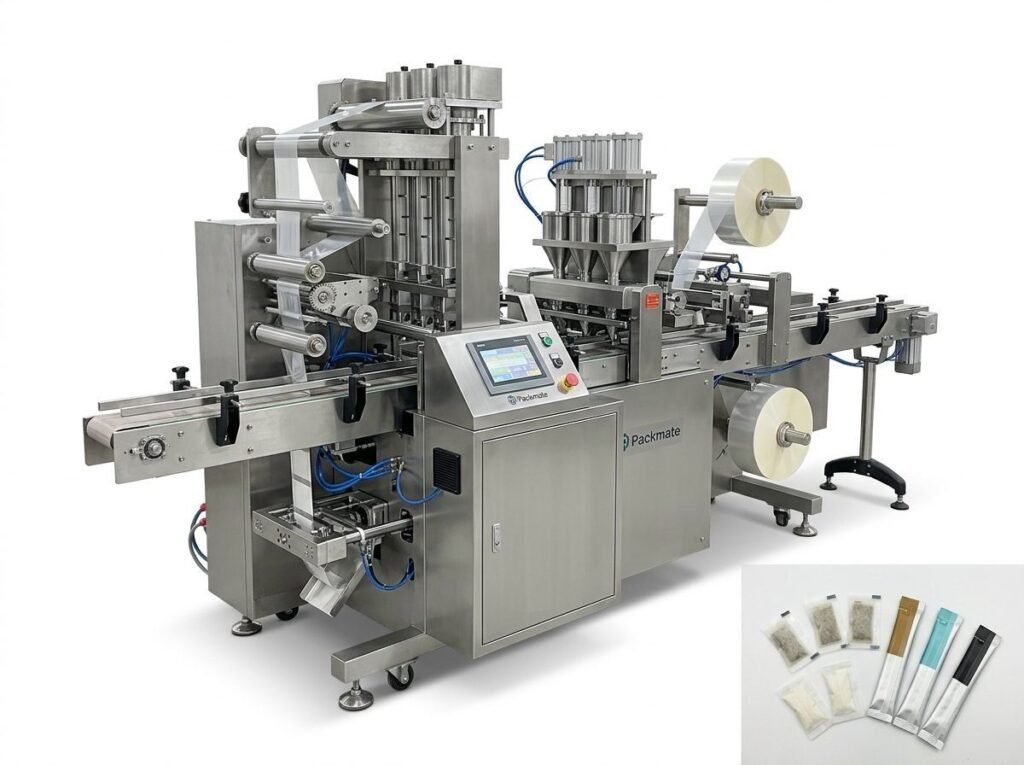
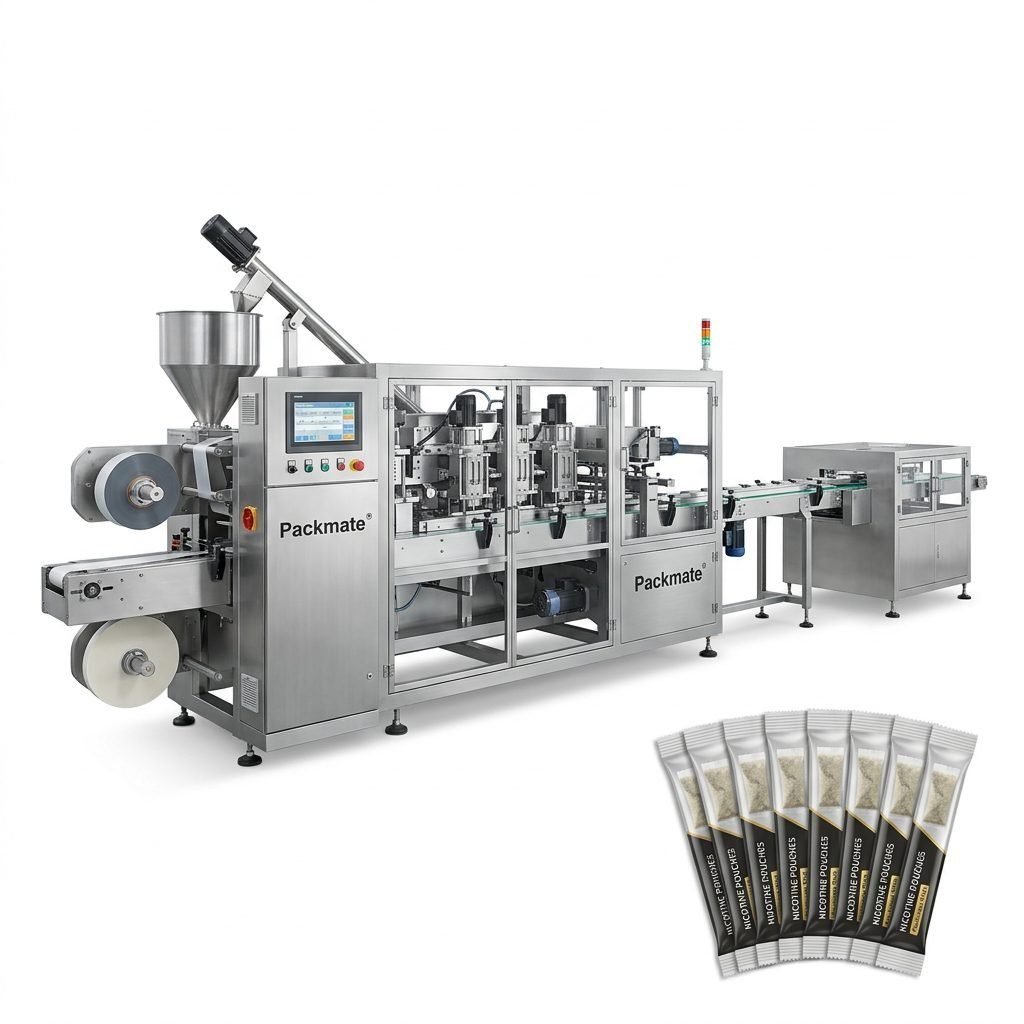
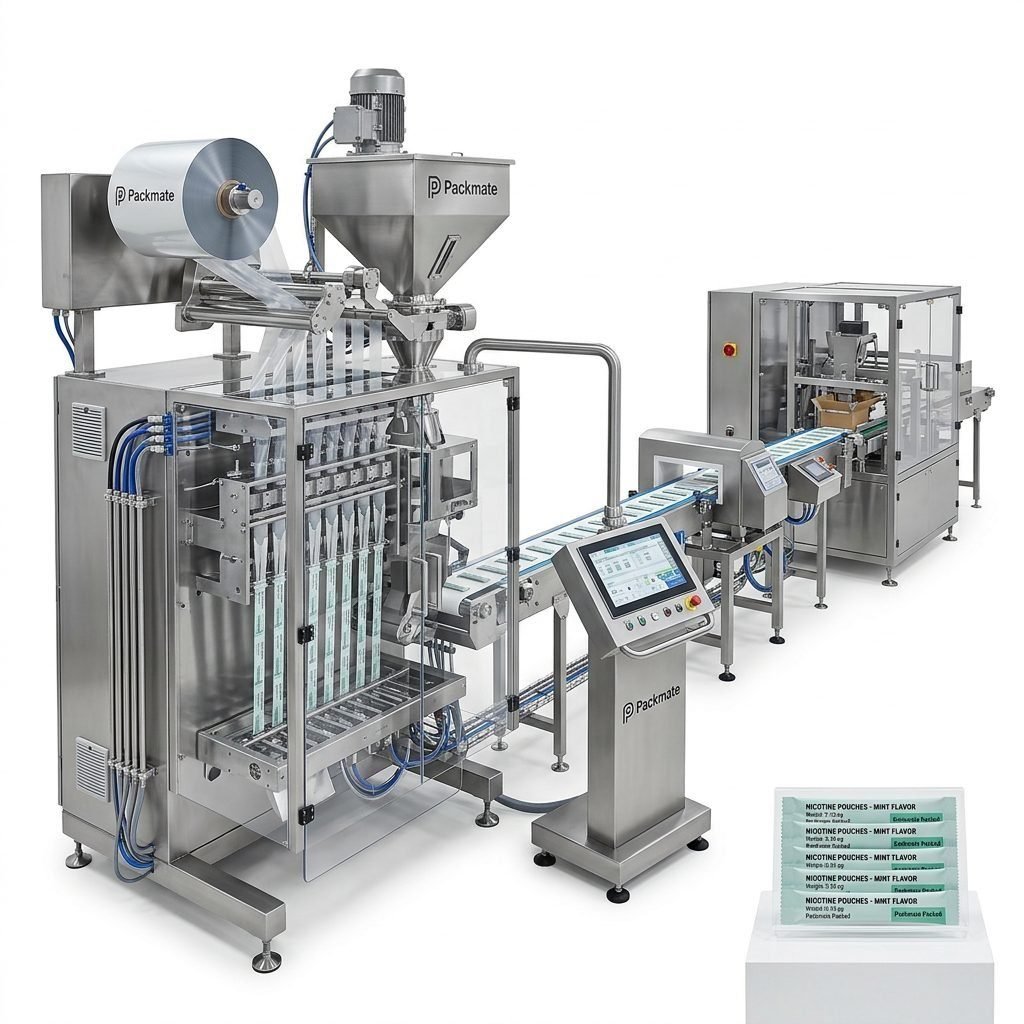
A reputable supplier will help map your required throughput, lane count, and target formats into a tailored solution. Look for manufacturers experienced in both snus and nicotine pouch lines such as those that provide complete solutions including filling, weighing, and downstream packaging.
Key capacity questions
Ask the manufacturer: what is the realistic hourly output for your chosen format under continuous operation? Request data on uptime, changeover time between formats, and expected waste rate. These metrics directly affect your cost-per-unit.
Evaluate Technical Capability & Product Range ⚙️
A strong manufacturer should offer a broad product range and clear engineering strength. Packmate Snus Machine, for example, lists over 50+ machine models and 30+ years of experience. When evaluating vendors, verify:
– The variety of machine types (snus/nicotine pouch, stick pack, sachet, multi-lane systems).
– Availability of auxiliary equipment like weighing systems, filling lines, and conveyors.
– Ability to supply turnkey lines vs stand-alone machines.
✅ Tip: Ask for factory photos, CNC capabilities, and assembly practices. A modern 20,000㎡ facility with advanced CNC machining centers usually indicates consistent build quality and spare parts availability.
Certifications, Compliance & Market Access 📜
Regulatory compliance is critical in sensitive categories like nicotine products. Confirm the manufacturer’s certifications and international compliance such as CE and ISO. These certificates signal adherence to manufacturing and safety standards which can ease import and local regulatory inspections.
In Sudan, local import and product regulations may be stringent due to public health considerations and cultural sensitivities. Ensure your supplier provides documentation and technical files to support customs clearance and regulatory review. Also engage local legal advice to confirm product permissibility, labeling requirements, and taxation for nicotine products.
Useful documentation to request
Machine technical drawings, electrical schematics, CE/ISO certificates, spare parts lists, and operation manuals in English (and Arabic if possible) will streamline installation and local training.
Design for Sudan’s Environment & Workforce 🌍
Sudan’s climate, infrastructure, and workforce traits should influence your equipment choice. Consider these local factors:
– Climate: high temperatures and dust levels are common in many regions. Choose machines with dust-resistant enclosures, enhanced cooling, and corrosion-resistant components.
– Power quality: voltage fluctuations and intermittent supply are realities in parts of Sudan. Request voltage stabilizers, UPS options, or ruggedized control systems.
– Skill availability: language preferences (Arabic/English) and local technician skillsets affect training plans. Opt for suppliers offering on-site training, Arabic manuals, or local partner support.
🔧 Practical requirement: Insist on IP-rated components for dusty environments and a minimum spare-parts kit for the first 6 months to avoid costly downtime.
After-Sales Service & Spare Parts Availability 🛠️
After-sales support separates good vendors from the rest. You need fast spare parts delivery, remote diagnostics, and onsite service. Evaluate:
– Spare parts lead time to Port Sudan or your landing port.
– Remote support capabilities (video troubleshooting, PLC remote access).
– Availability of training for operators and maintenance staff.
– Warranty terms and service SLA response times.
If the manufacturer operates globally and participates in exhibitions, they are likely to have established logistics and international service networks. You can check exhibition presence and case studies to assess real-world performance.
Customization & Turnkey Solutions 🔁
Nicotine pouch production often requires customized dosing, pouch shapes, or packaging materials. A manufacturer that offers turnkey solutions — from dosing and filling to end-of-line packaging — can save integration headaches and ensure better performance.
Look for vendors who can provide complete lines that include weighing & packaging systems, filling lines, and auxiliary equipment. Manufacturers that can adapt their machines to your specific pouch material and format are more valuable for long-term growth.
Factory Visit & Client References ✅
Whenever possible, arrange a factory visit or request a video walk-through. Seeing test runs and production machines in operation gives you insights into build quality, assembly practices, and real output. Also ask for client references in similar markets. Case studies and customer contacts allow you to verify claims about uptime and service responsiveness.
If travel is difficult, request recorded runs, machine acceptance tests (FAT) in the supplier’s facility, and live demonstration sessions.
Commercial Terms & Total Cost of Ownership 💰
Beyond the machine price, calculate the total cost of ownership: spare parts, shipping, installation, training, local certification, and expected energy usage. Negotiate payment terms that balance risk — a deposit with staged payments tied to factory acceptance tests (FAT) and shipping milestones is common.
Confirm return policies, warranty coverage (parts and labor), and whether consumables or special tooling are included. A transparent supplier will supply a comprehensive proposal with a clear bill of materials and service commitments.
Logistics & Import Considerations for Sudan 🚢
Planning logistics early reduces lead time. Typical considerations:
– Shipping: identify the best port of entry (Port Sudan or neighboring hub) and customs broker with experience in machinery imports.
– Documentation: ensure the supplier provides complete shipping documents, certificates, and packing lists in advance.
– Local partner: work with a local integrator for installation, electrical setup, and commissioning.
📦 Important: Clarify Incoterms (e.g., FOB, CIF, DDP) and who handles customs clearance to prevent unexpected costs at port.
Local Culture & Business Etiquette in Sudan 🤝
Building successful supplier relationships in Sudan involves cultural awareness:
– Respectful communication and patience are valued; meetings often begin with personal conversation.
– Arabic is widely spoken; bilingual documentation and guidance in Arabic will be appreciated by local technicians.
– Consider partnering with a trusted local distributor or agent to navigate business protocols and language barriers.
Where to Find Reliable Vendors
Search for manufacturers with proven expertise in snus and nicotine packaging. Check product pages and catalogs for machines like:
– Snus & Nicotine Packaging Machines (link)
– Bag & Pouch Packaging Machines (link)
– Sachet & Stick Pack Machines (link)
These resources help compare technical specifications and identify models that suit local requirements.
Why Packmate-style Suppliers Stand Out
Manufacturers with a long history in packaging machinery often provide advantages:
– Decades of R&D and multiple product lines make adaptation easier.
– Large factories and CNC capabilities promise consistent quality and spare parts support.
– Global exhibition presence and case studies demonstrate real-world performance and customer trust.
For reference, review company pages like About Packmate, their Case studies, and exhibition records (Our Exhibition) to validate claims and see machines in action.
Acceptance Testing & Installation
Insist on Factory Acceptance Tests (FAT) before shipment and Site Acceptance Tests (SAT) after installation. FAT demonstrates machine performance under agreed parameters; SAT verifies operation in your environment. Ensure training for operators and maintenance personnel is included.
Making the Final Decision — A Checklist ✅
Use this checklist when evaluating offers:
– Technical match: format, throughput, lane count.
– Build quality: factory capabilities, components, CNC machining.
– Certifications: CE/ISO and documentation for import.
– After-sales: spare parts lead time, training, remote support.
– Commercials: clear total cost of ownership and warranty terms.
– Local fit: dust protection, power stability, Arabic documentation/training.
⚠️ Final note: For nicotine products in Sudan, always confirm legal and regulatory permissibility before importing or producing. Engage a local compliance advisor to avoid penalties and ensure responsible market entry.
Helpful links
– Snus & Nicotine Packaging Machines: https://www.snusmachinery.com/products/snus-nicotine-packaging-machines/
– Weighing & Packaging Systems: https://www.snusmachinery.com/products/weighing-packaging-systems/
– Contact supplier & service details: https://www.snusmachinery.com/contact-us/
Conclusion & Next Steps
Selecting the best nicotine packaging machinery manufacturer for Sudan requires technical due diligence, cultural and environmental fit, regulatory awareness, and strong after-sales arrangements. Start by defining exact production targets, then shortlist vendors with relevant experience, certifications, and robust support networks. Request FAT, confirm spare parts logistics to Sudan, and secure clear commercial terms. With careful evaluation, you can deploy a reliable, efficient packaging line that meets local market needs and scales with your business.
Frequently Asked Questions
Q1: What certifications are most important when importing packaging machines into Sudan?
A1: International manufacturing standards like CE and ISO are helpful for customs and safety verification; additionally, ensure you have full technical documentation, electrical schematics, and test reports to support import and installation.
Q2: How can I reduce downtime given Sudan’s power instability?
A2: Specify voltage stabilizers, UPS units for control systems, and robust electrical protection. Also request local training so onsite teams can perform first-level troubleshooting quickly.
Q3: Are turnkey solutions worth the extra cost for a new nicotine pouch plant?
A3: Yes, turnkey solutions typically reduce integration risk and speed up commissioning because the supplier is responsible for system compatibility, testing, and alignment of upstream/downstream equipment.
Q4: How long does it take from order to commissioning for a full packaging line?
A4: Lead times vary by machine complexity and customization. Standard equipment may ship in a few months; bespoke multi-lane turnkey lines can take longer. Include FAT schedules and shipping time to Port Sudan in your planning.
Q5: What language support should I expect from a reliable supplier?
A5: Suppliers with export experience should provide manuals and technical documents in English and ideally offer bilingual support (Arabic) or a local distributor/agent to assist with training and commissioning.