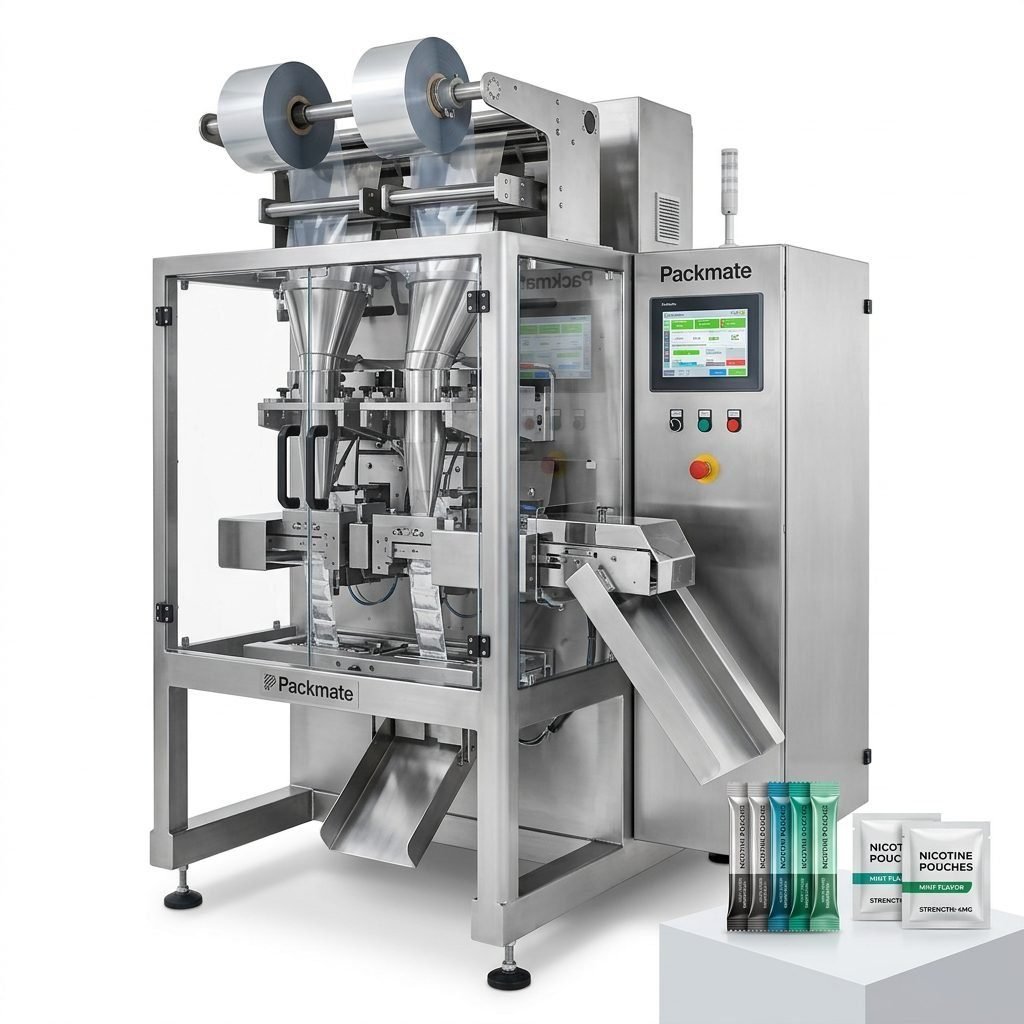
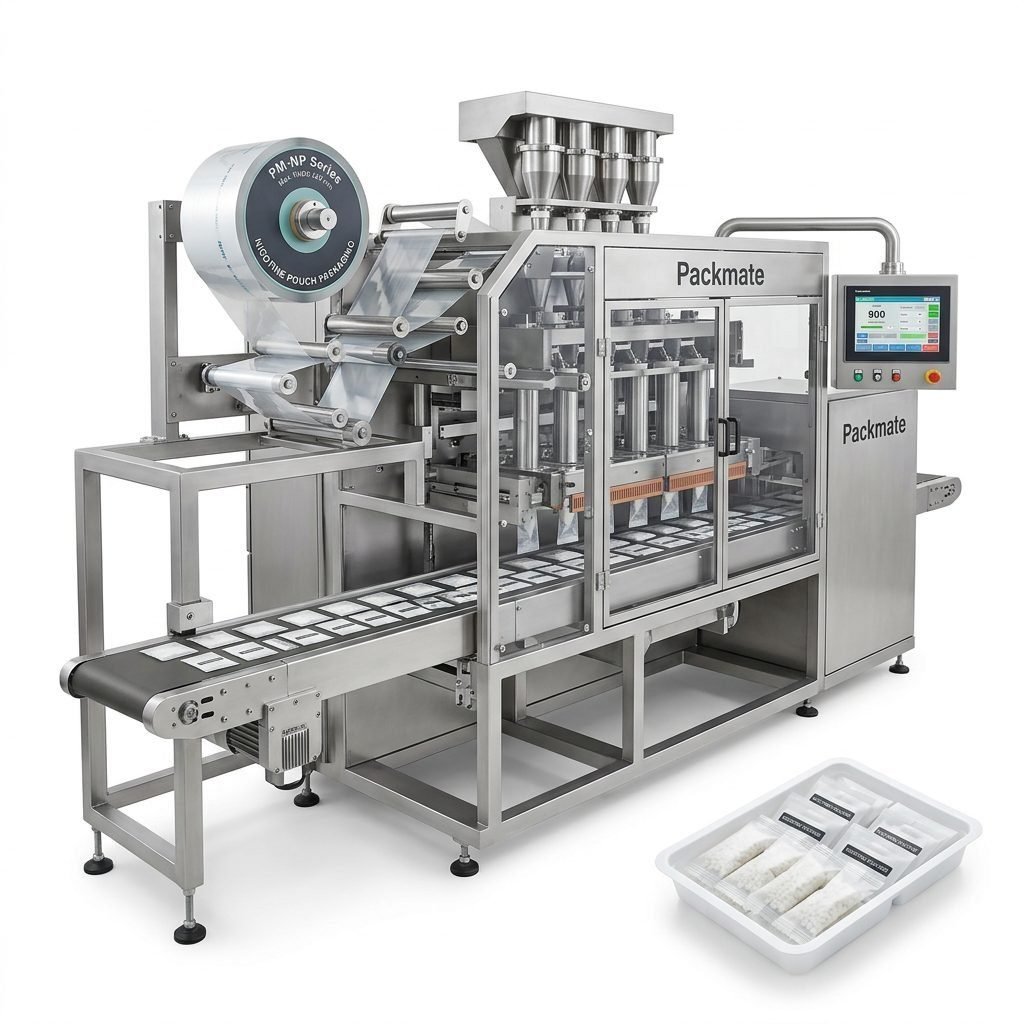
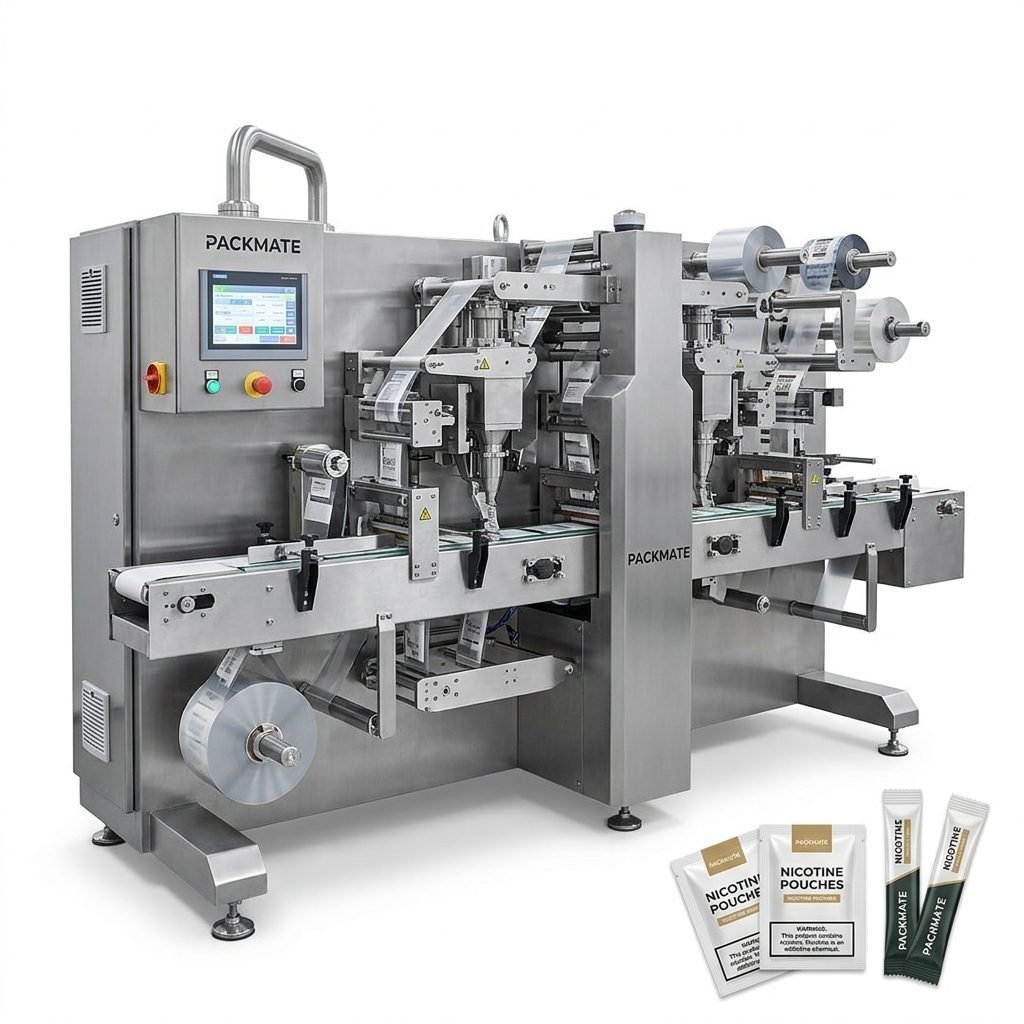
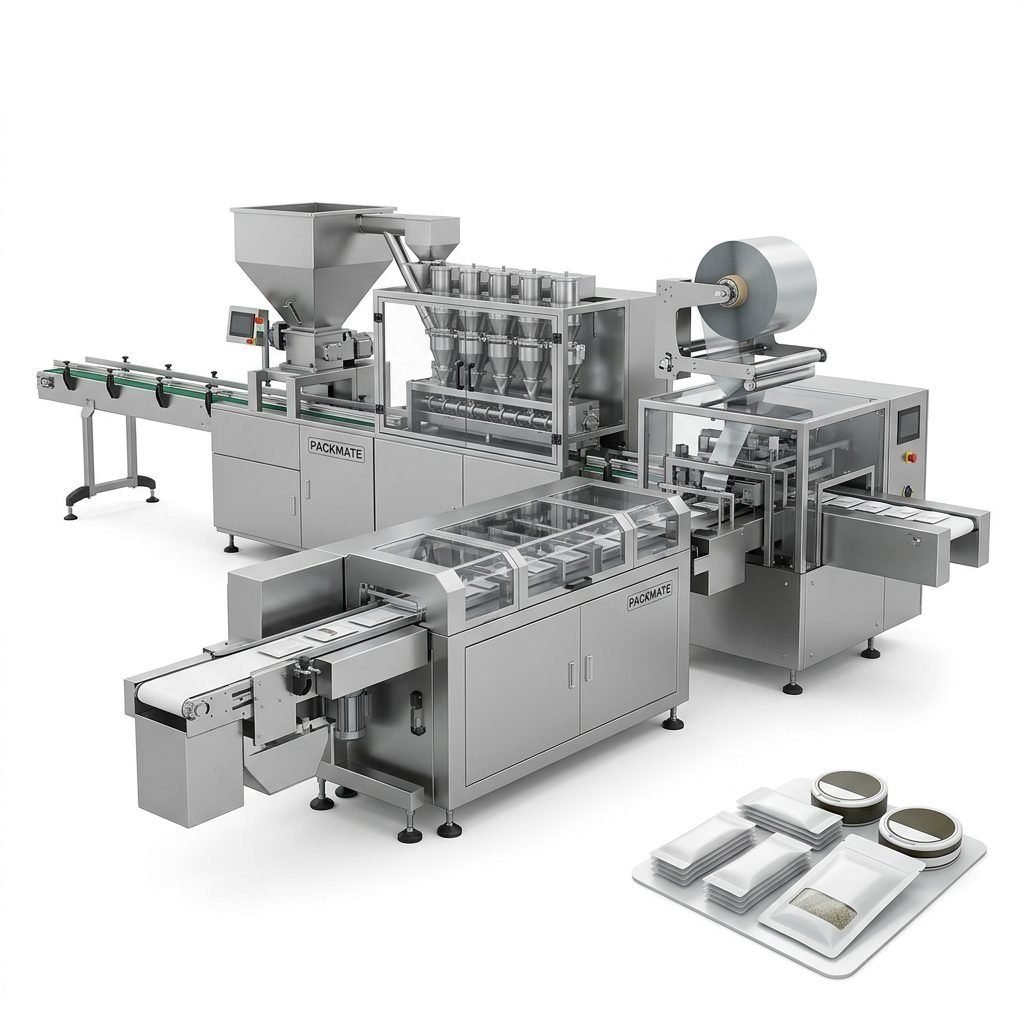
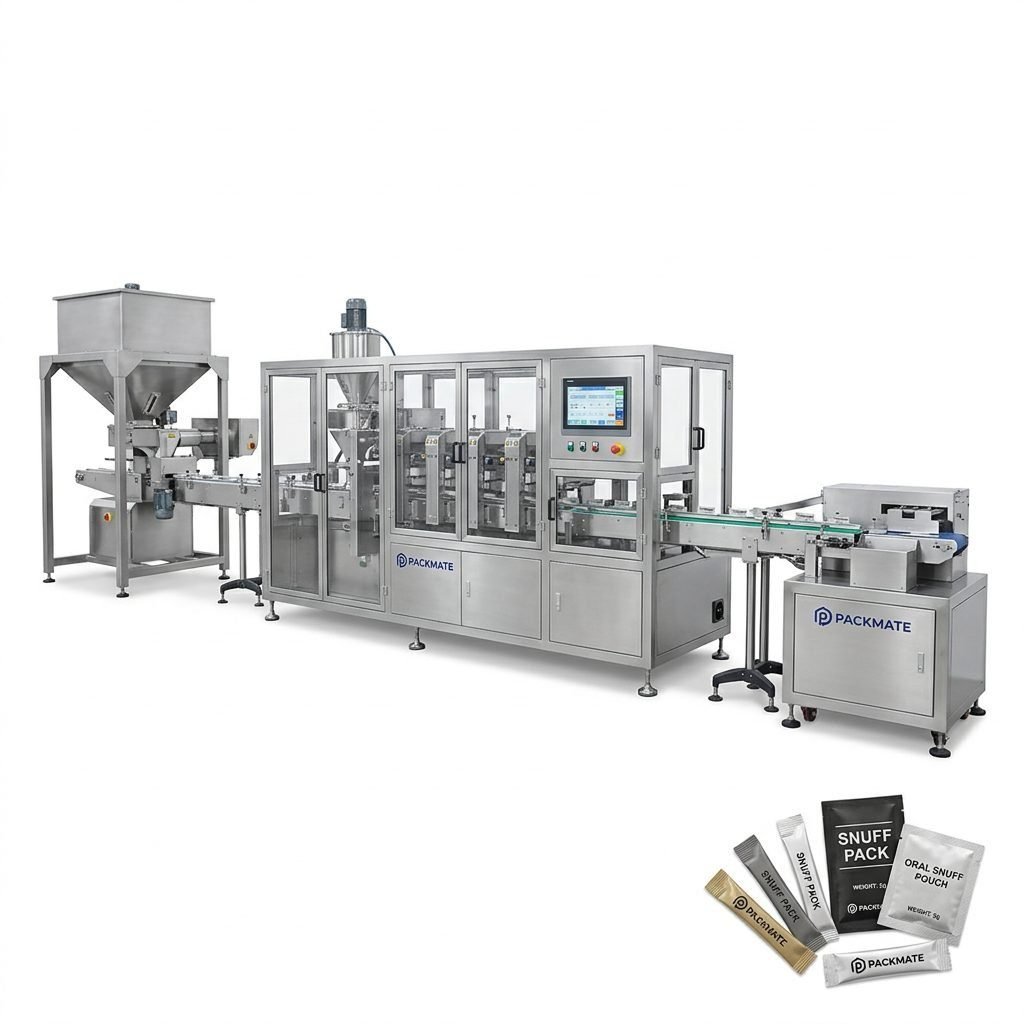
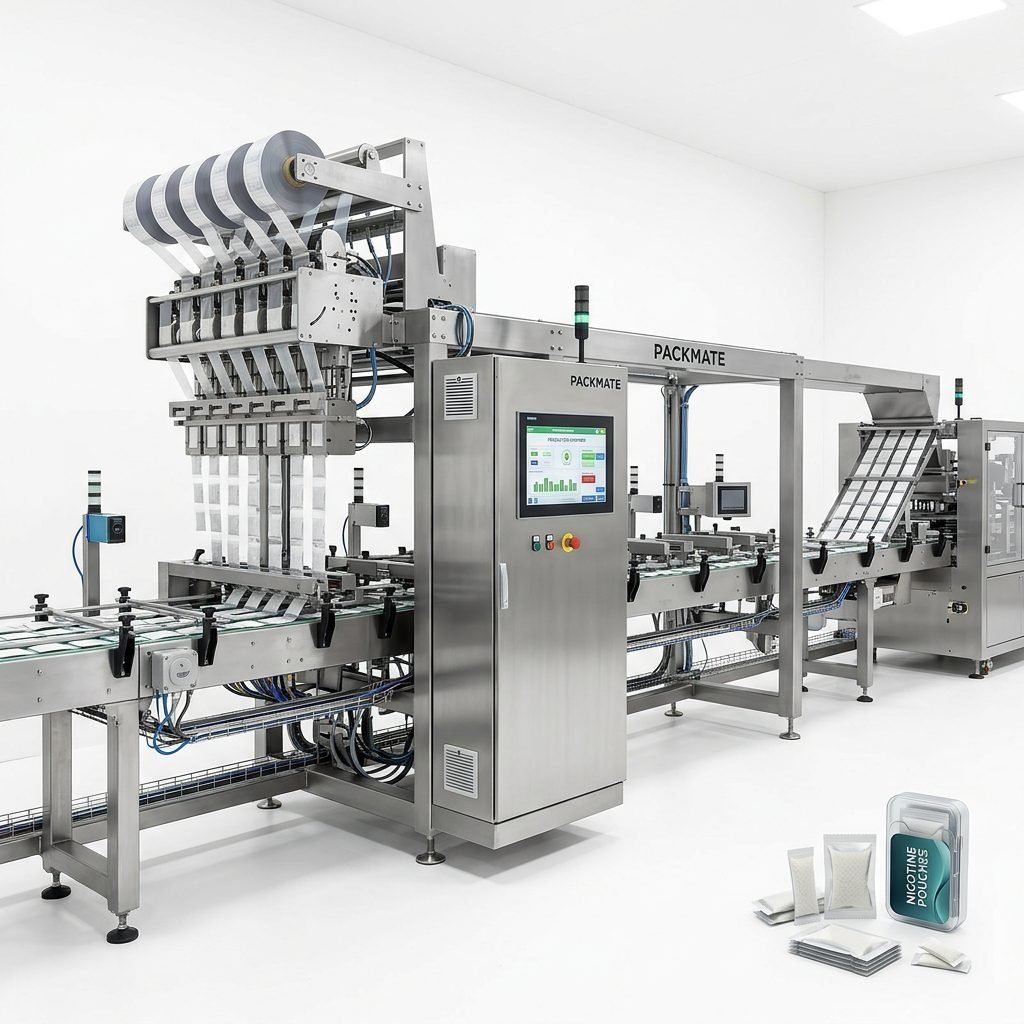
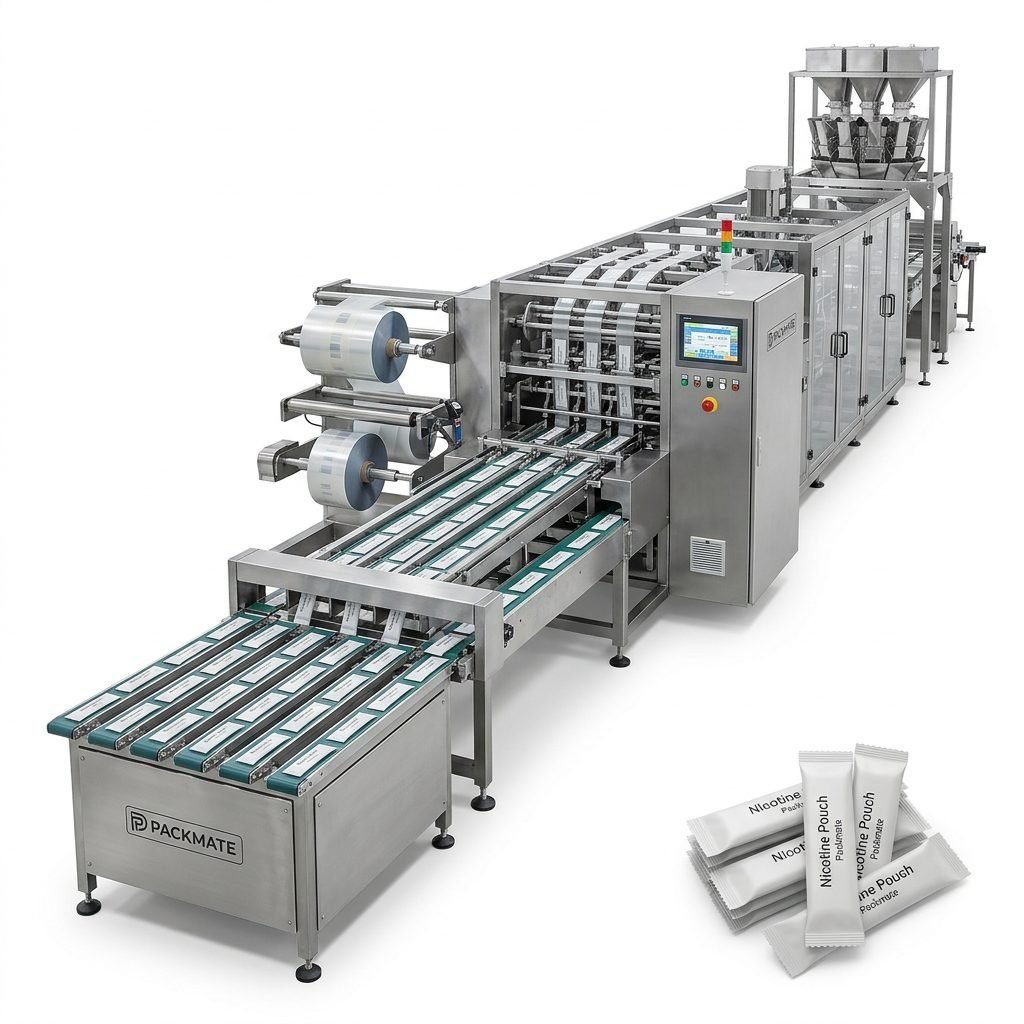
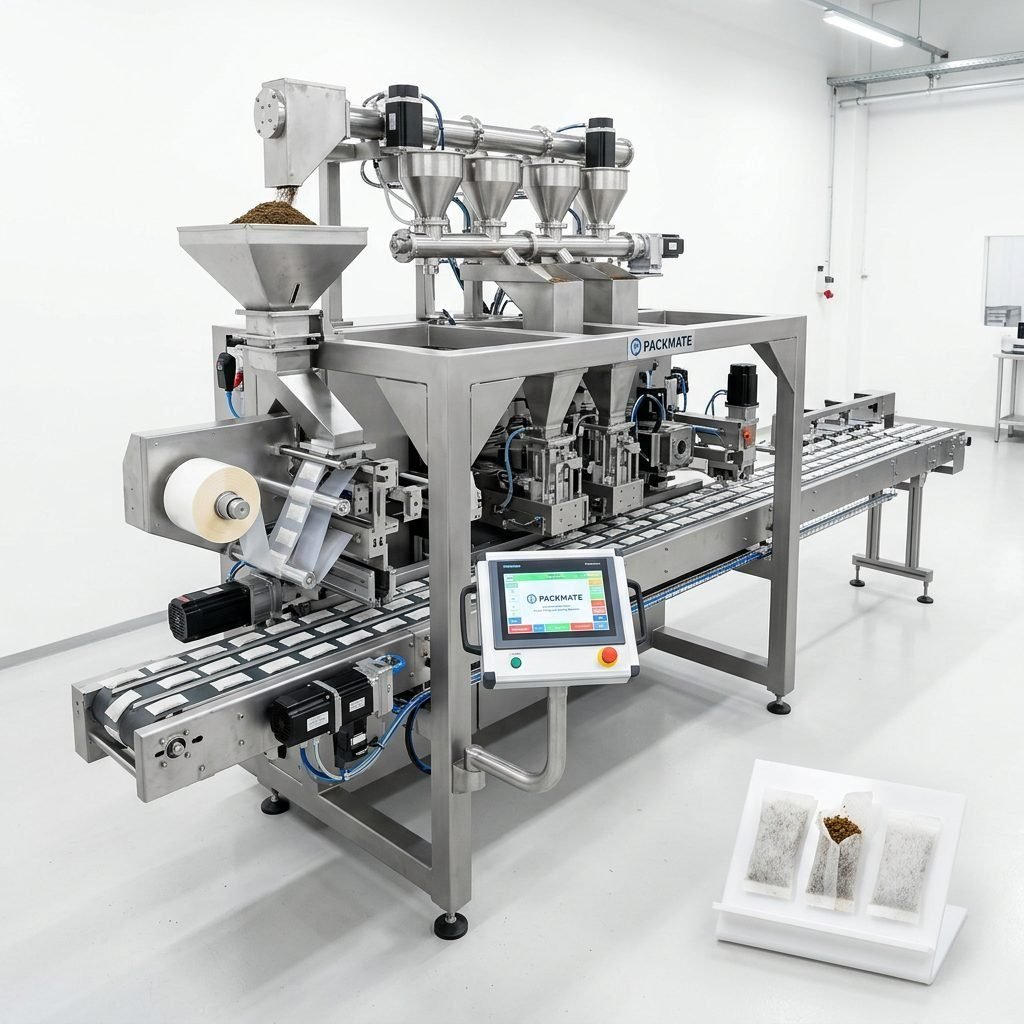
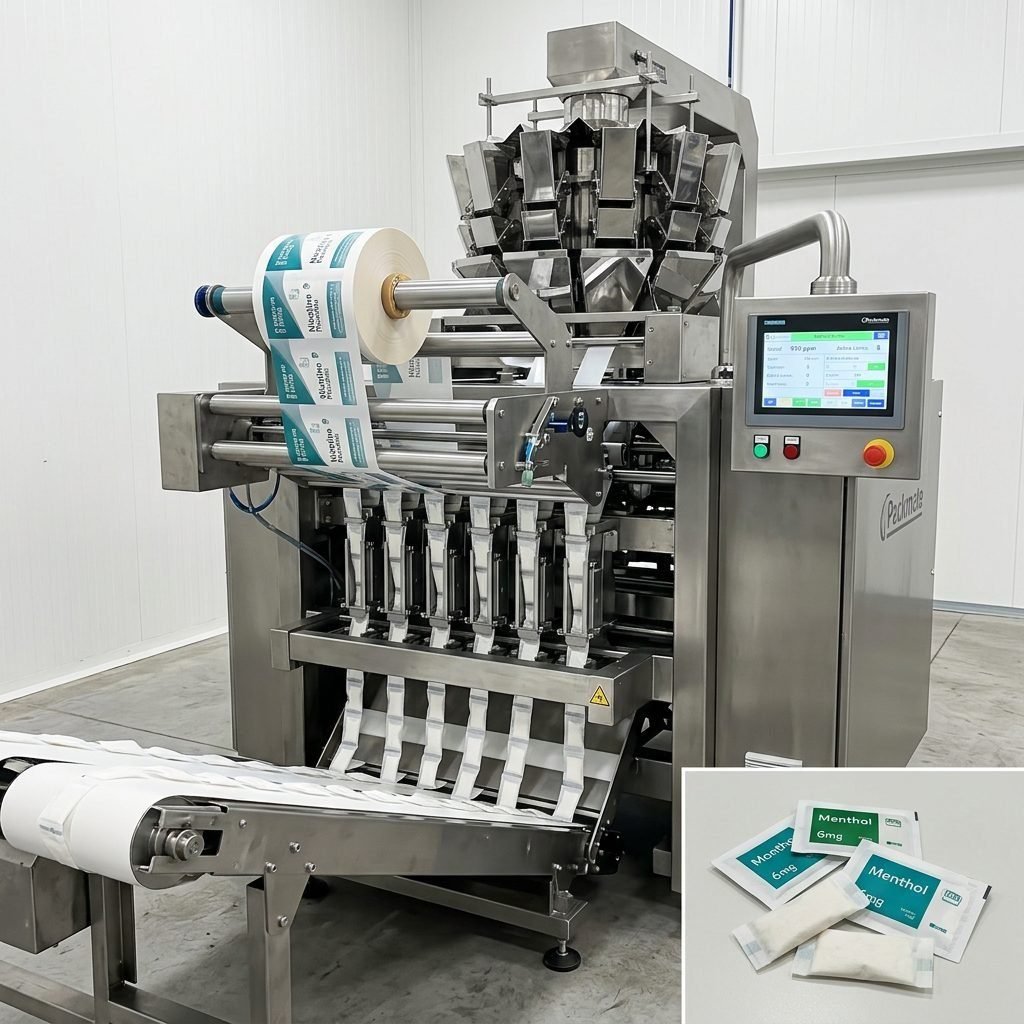
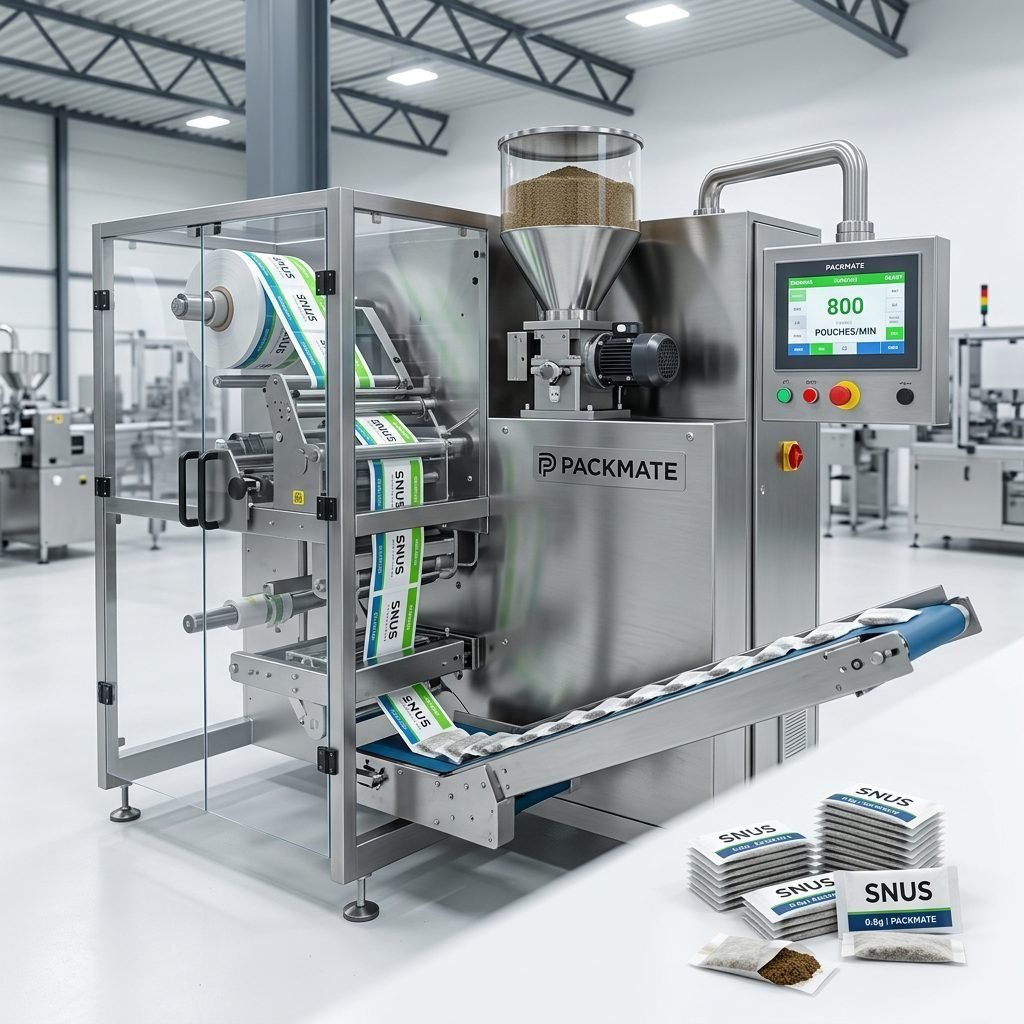
This guide provides a complete operator-focused training resource for snus packaging machines, covering operator responsibilities, machine setup, routine maintenance, and troubleshooting. It is written for packaging line supervisors, machine operators, maintenance technicians, and production managers who work with snus, nicotine pouch, and small-dose pouch equipment. The content highlights safe operation, common adjustments, performance checks, and practical tips to maximize uptime and product quality.
⚙️ Operator Responsibilities and Safety Essentials
Operators are the first line of defense for production quality and equipment safety. Key responsibilities include pre-shift checks, correct material loading, monitoring machine performance, recording production data, and initiating basic troubleshooting. Before any training begins, ensure each operator reads and understands machine-specific safety instructions and emergency stop procedures.
Important Safety Reminders
Always lock out and tag out the machine for maintenance or when clearing jams. Wear PPE such as safety glasses, hearing protection, and gloves when required. Do not bypass safety guards or interlocks — these protect operators and prevent damage to critical components.
🧰 Pre-Shift Setup: Step-by-Step Checklist
A consistent pre-shift routine reduces startup faults and ensures stable operation. The checklist below is a practical sequence to follow each shift.
Pre-Shift Checklist
1. Visual inspection: check for loose fasteners, foreign objects, and clear work area.
2. Safety devices: verify guards, interlocks, and emergency stops function correctly.
3. Material readiness: confirm pouches, film rolls, powders, or fillings are correct and within spec.
4. Set production parameters: pouch length, fill weight, sealing temperature, and conveyor speeds.
5. Test run: run a short no-load cycle to ensure sensors and actuators are responding normally.
🔧 Machine Setup: Mechanical and Controls
Proper setup ensures consistent pouch formation, accurate filling, and reliable sealing. The setup process spans mechanical adjustments and control system configuration.
Mechanical Alignment
Align guide rails, film feeding rollers, and forming shoulders per the machine manual. Ensure the pouch forming neck is clean and free of residue to prevent pouch deformation. Check knife and sealing jaws for wear — replace or sharpen cutting blades as necessary to maintain clean cuts.
Control Parameters and HMI Settings
Enter pouch dimensions, fill weights, and sealing temperature on the HMI. Save recipe profiles for common SKUs to reduce setup time. Calibrate the weighing or auger fill systems periodically to maintain accuracy. When using multi-lane systems, confirm synchronized timing across lanes to prevent cross-lane mismatches.
Quick Setup Tips
Use saved machine recipes to cut changeover time. For bespoke pouches, run small sample batches and record values as new recipes.
🧾 Operator Training Curriculum
A structured training curriculum helps new hires reach competence faster. Training should be a blend of classroom instruction, hands-on practice, and assessment.
Core Modules
– Machine overview and functions
– Safety and lockout/tagout procedures
– Material handling and contamination control
– Setup, recipe management, and changeovers
– Basic mechanical adjustments and electrical controls
– Cleaning, sanitization (if applicable), and maintenance
– Troubleshooting common faults
Hands-On Assessments
Assessments should include a full start-to-finish setup, sample runs, changeover time trials, and a written or oral check on safety and emergency actions. Only qualified operators should be allowed to run full production shifts unsupervised.
🔍 Routine Maintenance: Daily, Weekly, Monthly
Maintenance scheduling keeps downtime low and components functioning within tolerance. Below is a practical maintenance cadence.
Daily
Wipe down forming areas, check for film residue, inspect sealing jaws and knives, lubricate designated points, and verify sensor alignment.
Weekly
Inspect belts, chain tension, and drive couplings. Clean or replace filters in vacuum pumps and check pneumatic lines for leaks.
Monthly
Full electrical cabinet inspection for dust, loose connections, and thermal anomalies; verify servo tuning and encoder feedback accuracy.
🛠 Troubleshooting: Common Faults and Fixes
Quick diagnosis saves production minutes. Below are frequent issues and stepwise checks to resolve them.
Issue: Seal Wrinkles or Leaks
Check sealing temperature and dwell time, confirm sealing jaw pressure, and inspect for contamination on sealing surfaces. Replace worn jaws or adjust temperature profiles in small increments.
Issue: Inconsistent Fill Weights
Calibrate the weighing system or auger dispenser, check product flow for bridging, verify feed hopper agitation, and confirm no air entrainment in powder lines.
Issue: Pouch Misfeed or Skewing
Inspect film tracking guides, adjust forming shoulder alignment, confirm tension on film unwind, and ensure no friction points are holding the film unevenly.
When to Call Technical Support
Contact factory support if you encounter repeated encoder faults, persistent servo alarms, unexplained electrical trips, or mechanical damage beyond routine wear. For Packmate support and documentation visit Service or Contact Us.
📦 Quality Control and Process Monitoring
Continuous monitoring of key process parameters ensures product integrity. Track critical metrics such as fill weight variation, seal integrity rates, pouch length consistency, and machine rejection causes.
Recommended SPC Metrics
Implement simple statistical process control charts for fill weight and pouch length. Record daily rejection counts and categorize by cause to drive continuous improvement and targeted training.
🔁 Changeover Best Practices
Shorter changeovers increase productive runtime. Prepare materials and tools before stopping the line. Use reusable jigs, photographed setup references, and saved HMI recipes for fast transitions.
Five Steps to Faster Changeovers
1. Pre-stage new film or pouches at a convenient location.
2. Use checklist-driven removal and installation procedures.
3. Load recipe and run a short verification batch.
4. Inspect first 20 pouches and adjust parameters as needed.
5. Document any deviations and update the recipe for next changeover.
🌍 Global Use and Compliance Notes
For companies operating in multiple markets, know local regulations on nicotine-containing products and packaging requirements. Manufacturers like Packmate provide machines compliant with CE and ISO standards; refer to the Certificate page for documentation.
Cultural & Regional Considerations
In regions with strict labelling laws, ensure the packaging process includes accurate application of health warnings, language variants, and batch traceability. Coordinate with regulatory and quality teams before launching a new SKU in a different country.
📚 Resources and Further Reading
Expand your knowledge by exploring product lines and case studies. For more machine specifications and product families, visit Packmate’s product pages: Sachet & Stick Pack Machines, Bag & Pouch Packaging Machines, and examples in Case.
✅ Key Takeaways
Consistent pre-shift checks, disciplined maintenance, recipe management, and structured operator training are the foundation of high-efficiency snus packaging operations. Attention to sealing, fill calibration, and film tracking prevents most common defects.
Use saved recipes and a documented changeover process to minimize downtime and ensure repeatable quality across shifts.
Frequently Asked Questions
Q1: How often should sealing jaws be replaced or resurfaced?
That depends on usage and material. Inspect jaws daily and replace or resurface when you see repeated sealing defects despite correct temperature and pressure settings.
Q2: What is the best way to train new operators quickly?
Combine short classroom modules with supervised hands-on practice on the actual machine. Use checklists, saved recipes, and real-time feedback from experienced operators.
Q3: When should I contact factory technical support?
Reach out when you encounter repeated sensor faults, unexplained electrical trips, persistent servo alarms, or when recommended fixes do not restore normal operation. Use the Contact Us page to submit details and photos for faster assistance.
Q4: Which spare parts should we keep in stock?
Keep consumables and wear parts like sealing jaws, cutting blades, belts, sensors, filters, and pneumatic seals on hand. A small inventory reduces unplanned downtime.