Why Choosing the Right Nicotine Packaging Machine Matters in Laos
Laos presents unique opportunities and challenges for manufacturers of nicotine pouches and snus-style products. With a mix of urban centers and dispersed rural retail points, tropical humidity, and evolving regulatory attention across Southeast Asia, selecting the correct packaging equipment is essential to ensure product stability, compliance, cost-efficiency, and market acceptance. This guide helps production managers, plant engineers, and business owners in Laos make an informed decision about the best nicotine packaging machine for efficient, reliable production.
Understand Local Market & Cultural Factors
Laos consumers often favor compact, affordable packaging that protects contents from humidity and heat. Retail channels range from modern convenience stores in Vientiane to small village kiosks — each requires different packaging sizes and label formats. Additionally, respect for local language and labeling conventions matters: consider Lao script and culturally appropriate imagery when finalizing package design. Manufacturers should also build close relationships with distributors and local partners — personal trust and strong after-sales service are highly valued in the region.
Key Technical Considerations for Laos Climate
The tropical climate in Laos increases the risk of moisture ingress and product degradation. Machines that provide reliable heat sealing, multi-layer barrier film compatibility, and precision dosing are preferred. Look for equipment with robust humidity control, optional nitrogen flushing, and lamination-friendly sealing stations to maintain product freshness on local shelves.
Equipment Types to Consider
Choosing the right machine depends on product format, production volume, and budget. Typical solutions include:
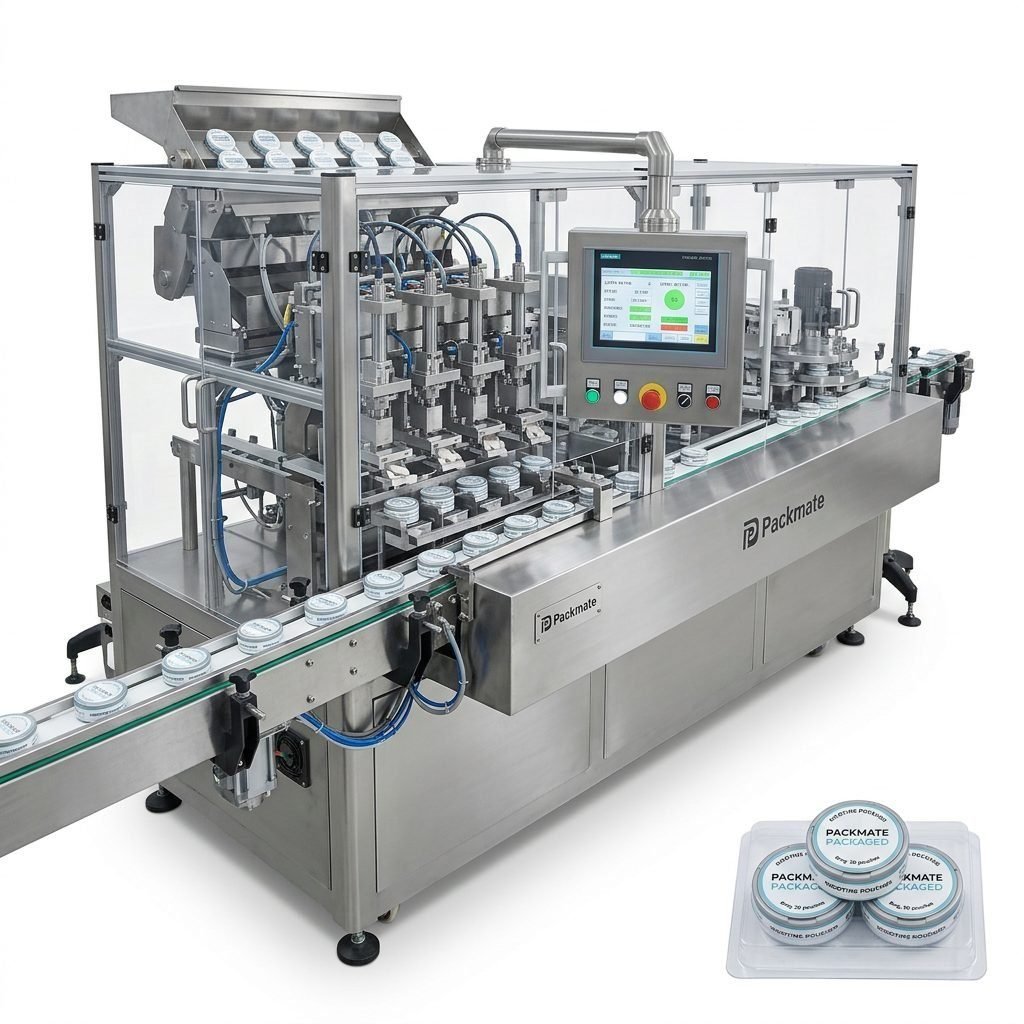
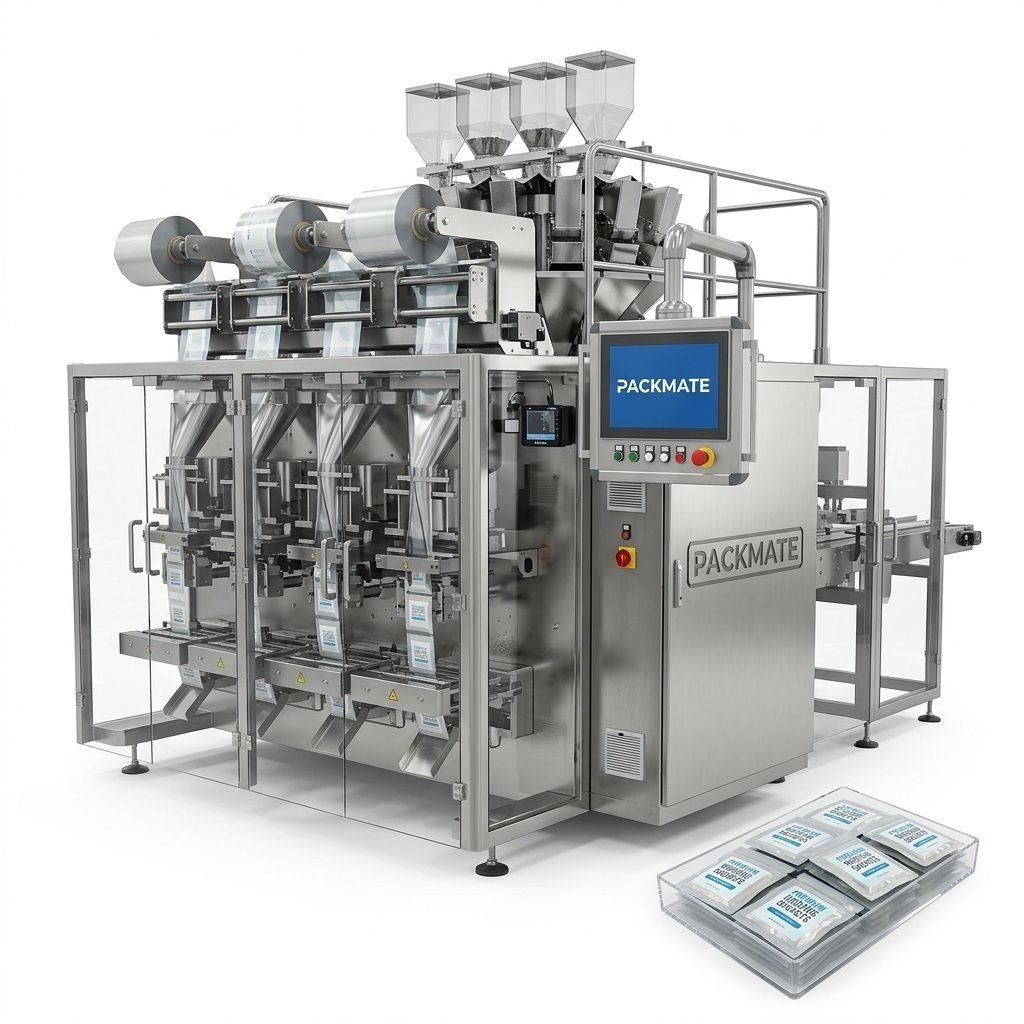
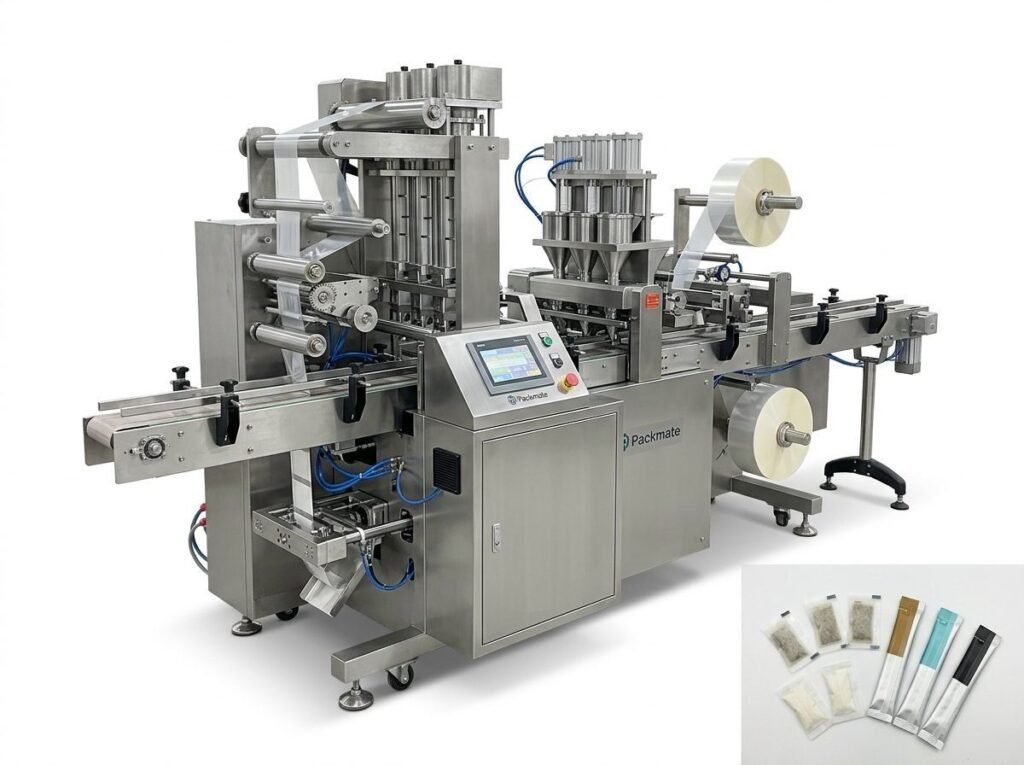
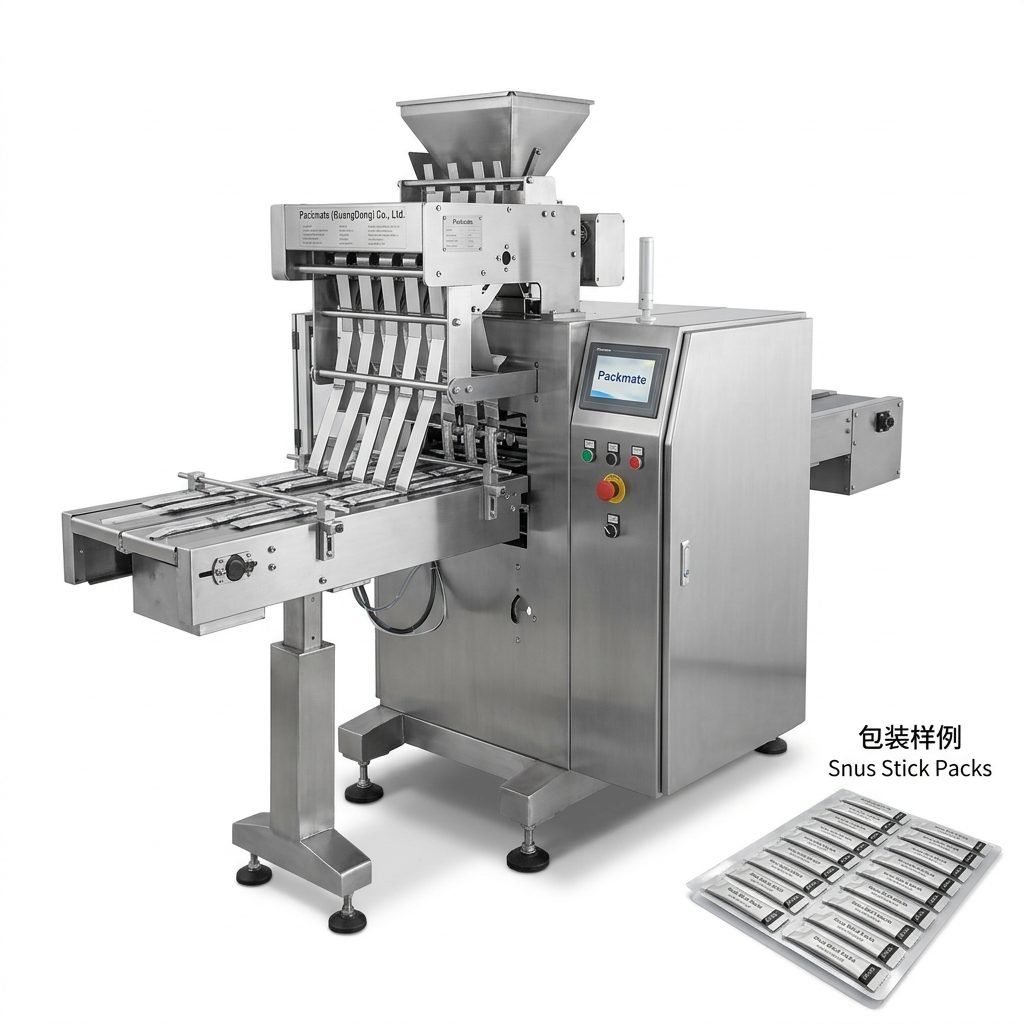
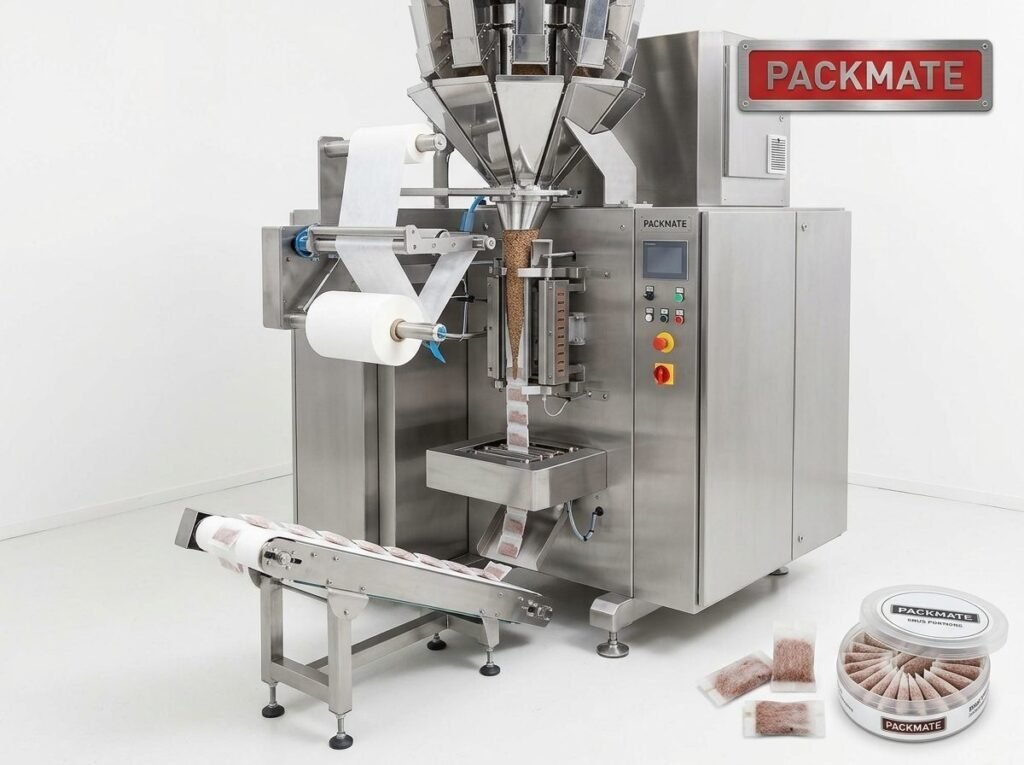
⚙️ Multi-lane Snus/Nicotine Pouch Machines — Ideal for medium to high throughput, multiple lanes greatly increase output per footprint and lower per-unit cost. These systems are well-suited for manufacturers targeting regional distribution across Laos and neighboring markets.
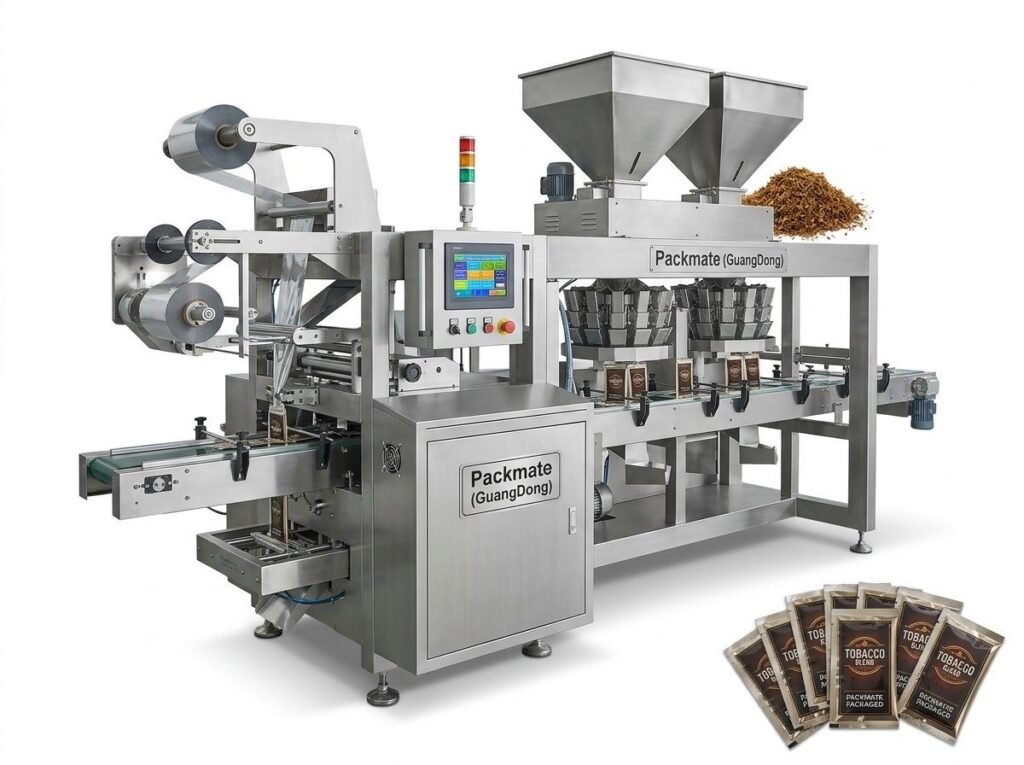
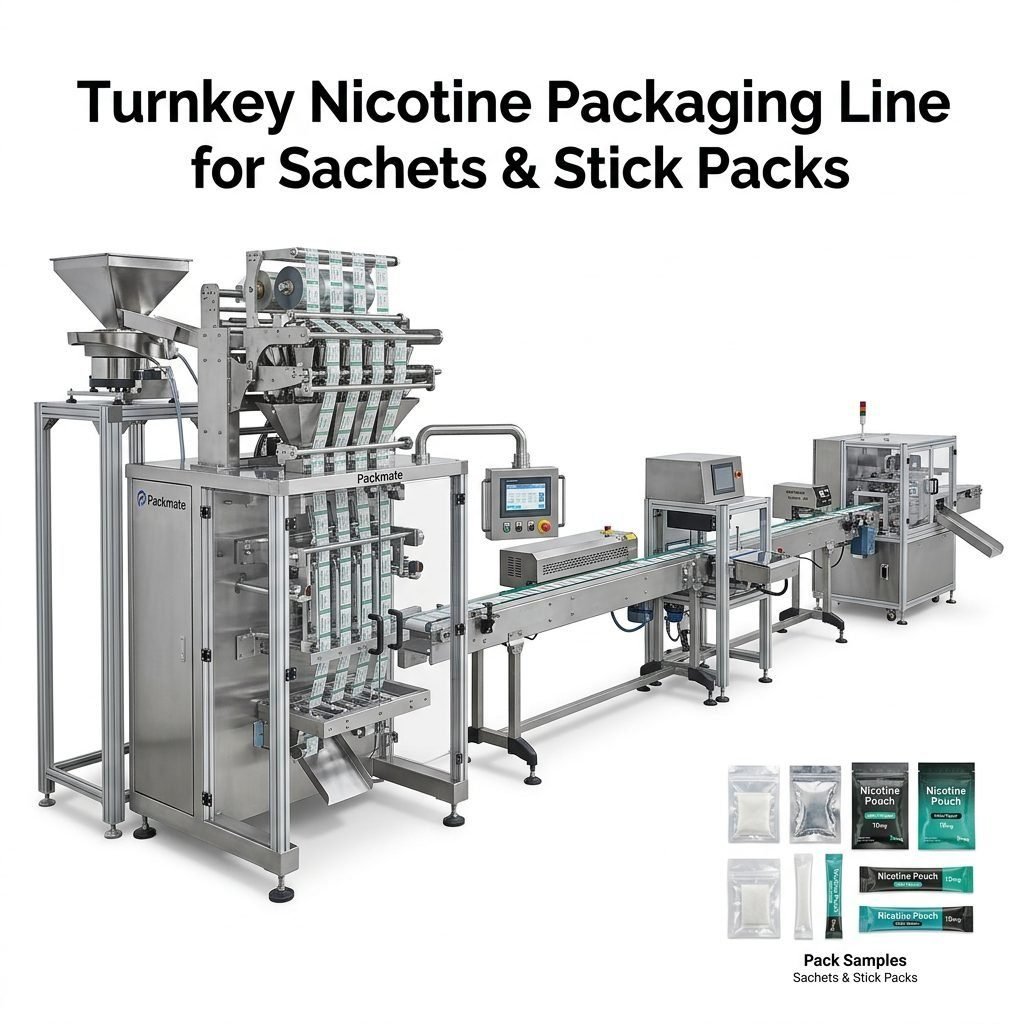
📦 Sachet & Stick Pack Machines — Cost-effective for single-portion retail formats common in convenience stores. They are simpler, more affordable, and very flexible for small-batch production and rapid product changes.
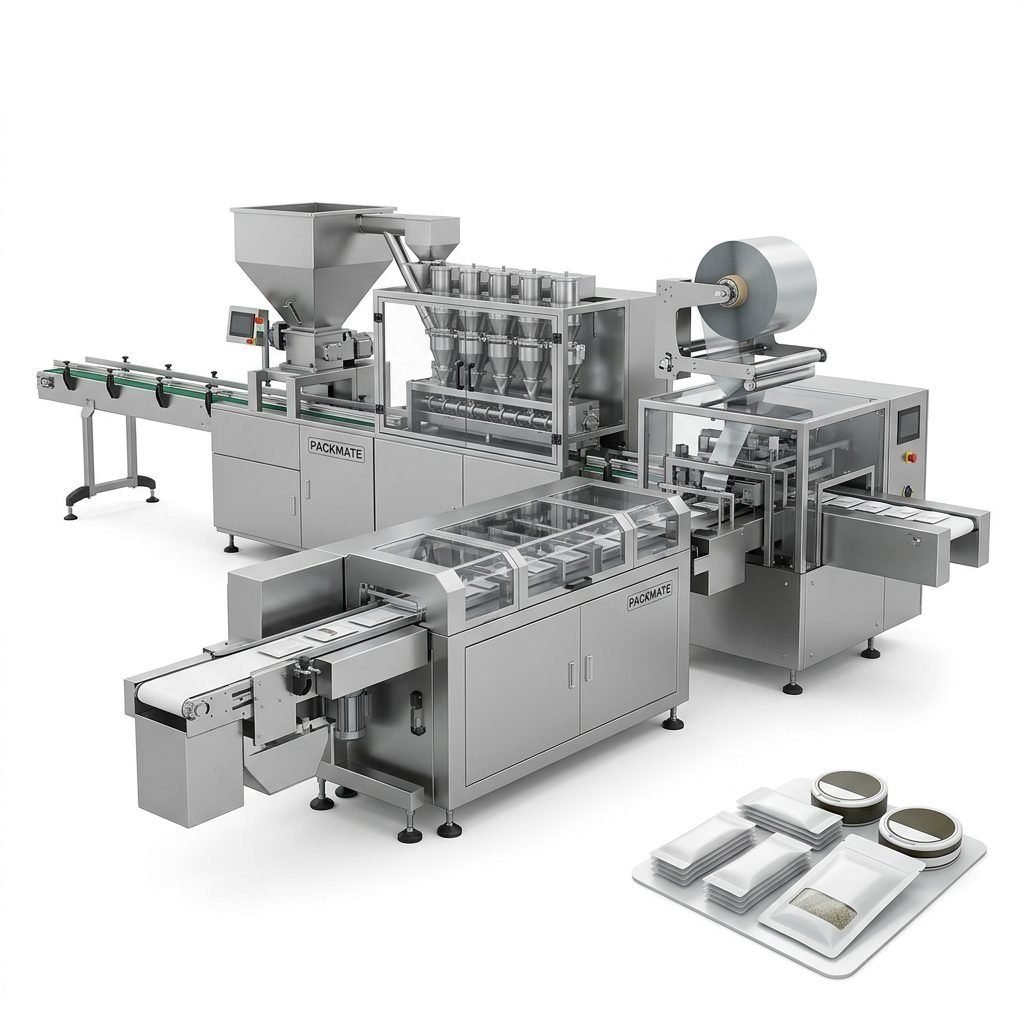
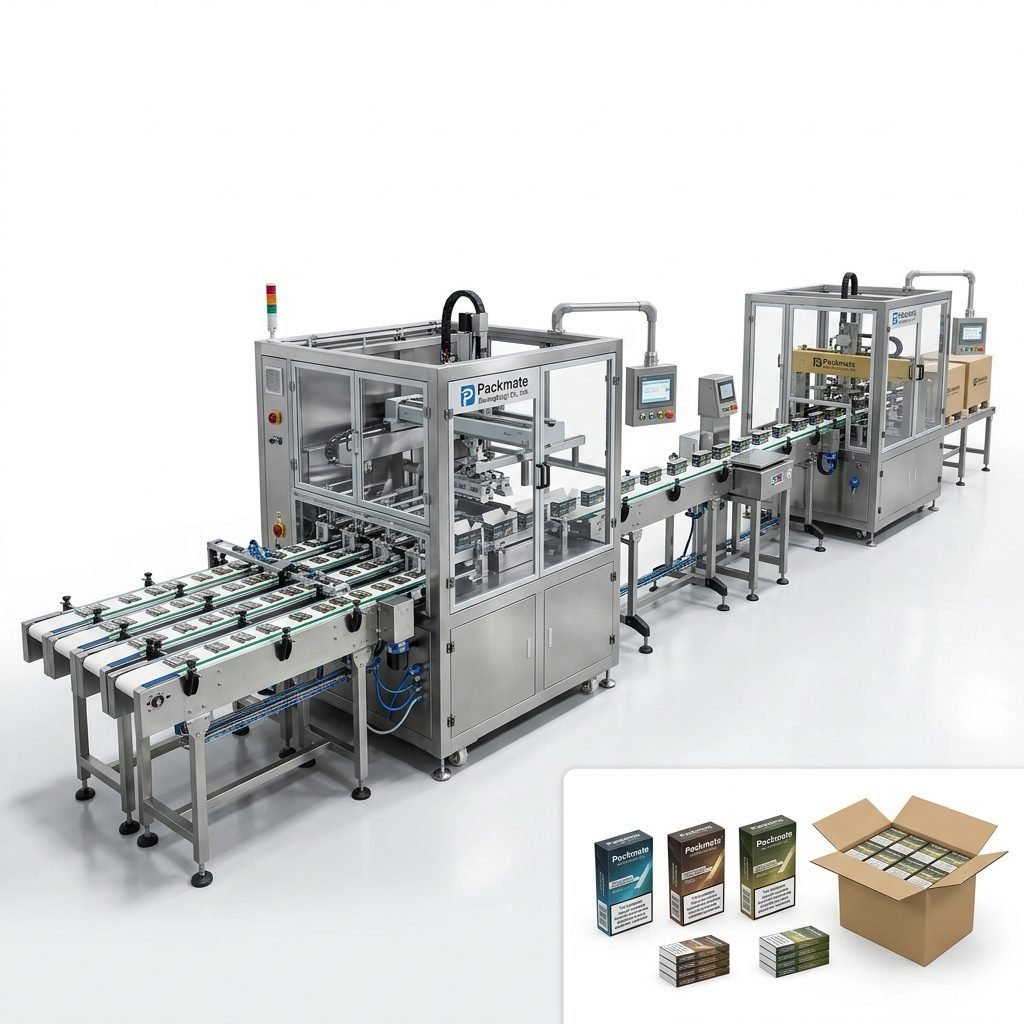
🧰 Auxiliary Systems — Weighing systems, feeding modules, and case-packers complement primary machines to produce a turnkey line that reduces manual intervention and improves consistency.
Tip: For manufacturers in Laos prioritizing a rapid start-up and flexible SKUs, combine a multi-lane snus machine with modular auxiliary equipment. This enables high productivity while keeping initial investment manageable. ✅
Production Capacity & Footprint
Assess current and expected demand carefully. If you plan to serve the urban centers plus export to nearby ASEAN markets, invest in scalable equipment such as 4- to 8-lane pouch machines. For local niche brands or small-scale producers, single-lane or two-lane systems offer lower upfront cost and easier maintenance. Consider the factory layout in Laos — many plants have space constraints, so machine dimensions and access for maintenance are crucial.
Automation & Labor Considerations
Labor availability and skill levels vary. Automated infeed systems, automatic baggers, and robotic case packers reduce reliance on trained operators and help consistent quality. However, simple, intuitive HMI interfaces and local-language support are important for smooth operation in Lao factories.
Local Support Matters: Choose a supplier that provides training, fast spare-part delivery, and remote support. On-the-ground service partners or clear communication channels will significantly reduce downtime. 🔧
Hygiene, Safety & Compliance
Ensure machines meet international standards (CE, ISO) and can be validated for pharmaceutical-grade cleanliness if required. Stainless-steel contact parts, CIP-friendly modules, and easy-to-clean design are essential. Also verify that packaging solutions can accommodate legal labeling requirements and child-resistant features if mandated.
Regulatory Reminder for Laos
Regulations for nicotine products are evolving across Southeast Asia. Manufacturers operating in Laos should consult local authorities and legal counsel to confirm product authorization, labeling language, and restrictions on flavoring or advertising. Selecting flexible packaging formats and machines allows rapid adjustments should rules change.
Quality, Repeatability & Downtime Reduction
Key factors that influence long-term efficiency:
Precision dosing — prevents material waste and ensures consistent nicotine content per pouch.
Stable sealing — critical for moisture protection in humid climates like Laos.
Spare parts supply — evaluate supplier lead times to minimize production stoppages.
Budgeting & Total Cost of Ownership (TCO)
When comparing quotes, look beyond purchase price: factor in energy consumption, maintenance intervals, spare parts cost, expected uptime, and the ease of training local operators. In many cases, a higher-quality machine with better sealing and fewer stoppages will yield a lower TCO over 3–5 years.
ROI Example: A multi-lane snus line may cost more up front but can cut per-unit labor and packaging material waste significantly, paying back the investment quicker in mid-sized to high-volume operations. 💡
Choosing a Reliable Supplier: What to Ask
When sourcing machines, use a checklist to compare vendors:
✔️ Experience and track record — years in the snus/nicotine pouch sector and successful projects.
✔️ References and case studies — ask for similar installations in humid climates or ASEAN markets.
✔️ After-sales & spare parts — guaranteed lead times and local support options.
Packmate Snus Machine, with over 30 years of engineering experience and a broad portfolio of snus and nicotine packaging machines, is an example of a vendor that offers multi-lane systems, sachet & stick pack machines, and complete turnkey lines. Learn more about solutions and case studies through their product pages: Snus & Nicotine Packaging Machines, Bag & Pouch Packaging Machines, and explore real-world installations at their Case page.
Installation & Commissioning in Laos
Coordinate with local logistics providers experienced with heavy machinery importation into Laos. Account for customs clearance, electrical standards, and climate-adapted installation (air conditioning for control cabinets if required). Arrange on-site training for operators in the Lao language when possible, and schedule preventive maintenance training with the supplier.
Practical Checklist Before Purchase
– Confirm legal status and labeling requirements with local authorities.
– Define production targets (daily/monthly throughput).
– Decide required pouch formats and barrier film types.
– Ask for references and a live demonstration or video of a similar line.
– Verify warranty terms, spare-part stocking, and training packages.
Need a Demo? Contact the supplier to schedule a machine demonstration or virtual tour. Companies like Packmate often showcase machines at international exhibitions — check their Exhibition page or reach out directly via Contact Us. 📞
Conclusion: Best Practices for Efficient Production in Laos
Selecting the right nicotine packaging machine in Laos means balancing climate considerations, local market preferences, regulatory compliance, and total cost of ownership. Prioritize machines with strong sealing performance, modular automation, and reliable vendor support. Engage local partners early for labeling, distribution, and after-sales service to ensure smooth market entry and long-term efficiency.
Further Resources
For additional product details and full packaging line options, review the supplier product pages: Sachet & Stick Pack Machines, Weighing & Packaging Systems, and the company profile at About Packmate.
Frequently Asked Questions
Q1: Is nicotine pouch production legal in Laos?
Regulations vary and are subject to change. Manufacturers should consult local health authorities and legal counsel to confirm product legality, labeling rules, and any restrictions on manufacturing or distribution.
Q2: What machine type suits small-batch producers?
For small batches, sachet or single-lane pouch machines provide flexibility and lower capital expenditure while delivering acceptable output for local markets.
Q3: How important is moisture protection for Laos?
Extremely important. Choose barrier films and machines capable of strong, consistent seals and consider nitrogen flushing or desiccant solutions to extend shelf life in humid conditions.
Q4: How do I ensure fast spare parts delivery in Laos?
Work with suppliers who maintain regional stock or guaranteed lead times, and consider stocking critical wear parts locally to minimize downtime.
Q5: Where can I see real machine installations?
Review case studies and request demonstrations. Visit vendor case pages or exhibition showcases for real-world examples and performance verification: Case.